Every day, millions of people worldwide wake up to the reality of persistent aches and joint pain, disrupting everything from their careers to their personal happiness. The challenges of living with and joint pain can feel overwhelming, as discomfort often limits mobility and independence.
This comprehensive guide aims to demystify the topic, shedding light on what joint pain truly is, its underlying causes, and the most current relief strategies for 2026. You will uncover insights into identifying symptoms, understanding root causes, exploring both medical and natural solutions, and making lifestyle changes for lasting comfort.
Expert-backed tips and the latest advancements await, empowering you to take actionable steps toward a future with less pain and more freedom.
What Is Joint Pain? Understanding the Basics
Millions of people worldwide experience and joint pain at some point in their lives. This discomfort can disrupt daily routines, making even simple tasks feel overwhelming. Understanding what and joint pain is, where it occurs, and how common it is helps set the stage for effective relief strategies.

Defining Joint Pain and Its Prevalence
Joint pain refers to discomfort, soreness, or swelling in one or more joints, often accompanied by stiffness or reduced movement. The most affected areas include the knees, hands, hips, feet, and spine. According to the Centers for Disease Control and Prevention, more than 54 million adults in the United States alone live with arthritis, a leading cause of and joint pain (Arthritis prevalence statistics). The severity of and joint pain varies widely, ranging from mild aches that come and go to persistent, disabling pain that interferes with daily activities. Some people experience acute episodes that resolve quickly, while others face chronic discomfort lasting months or even years.
Types of Joint Pain and Associated Conditions
There are several types of and joint pain, each linked to specific underlying conditions. Osteoarthritis is the most common, resulting from the gradual breakdown of cartilage. Rheumatoid arthritis is an autoimmune disorder affecting multiple joints. Gout develops when uric acid crystals accumulate, often targeting the big toe. Bursitis and tendinitis occur due to inflammation from overuse. Other contributors to and joint pain include injuries, viral infections, and excess body weight. Understanding these types is crucial, as each may require a different approach to management and relief.
| Condition | Main Cause | Common Locations |
|---|---|---|
| Osteoarthritis | Cartilage wear and tear | Knees, hips, hands |
| Rheumatoid Arthritis | Autoimmune inflammation | Multiple joints |
| Gout | Uric acid crystals | Big toe, feet |
| Bursitis/Tendinitis | Overuse, inflammation | Shoulders, elbows |
Impact on Quality of Life
Living with and joint pain can limit mobility, making walking, climbing stairs, or even gripping objects difficult. These physical constraints often lead to emotional effects such as stress, anxiety, or depression. The economic impact is significant as well, with many individuals missing work or facing high healthcare costs due to ongoing and joint pain. For some, these challenges can reduce overall life satisfaction and strain relationships with family and friends.
Symptoms and Warning Signs
Recognizing the symptoms of and joint pain is essential for timely intervention. Common signs include swelling, redness, warmth around the joint, stiffness, and loss of motion. Some individuals notice clicking or grinding sounds when moving the joint. If joint pain is accompanied by a fever, the joint feels hot and swollen, or there is a sudden inability to move the joint, urgent medical attention is necessary. Early recognition of these warning signs can help prevent further complications and promote better outcomes.
Root Causes and Risk Factors of Joint Pain
Understanding the root causes and risk factors behind and joint pain is essential for effective prevention and management. Joint pain is rarely the result of a single factor. Instead, it often emerges from a complex interplay of medical, lifestyle, genetic, psychological, and hormonal influences. Let us examine these in detail.

Common Medical Causes
Several medical conditions are closely linked with and joint pain. Osteoarthritis is the most prevalent, resulting from the gradual breakdown of cartilage that cushions the joints. This wear and tear leads to pain, swelling, and reduced mobility. Rheumatoid arthritis, on the other hand, is an autoimmune disorder that causes the immune system to attack healthy joint tissue, resulting in inflammation and persistent discomfort.
Metabolic disorders such as gout and pseudogout also contribute to and joint pain. Gout develops when uric acid crystals accumulate within the joint, often targeting the big toe. Infectious arthritis arises from bacterial or viral infections that directly inflame the joints. For more on how osteoarthritis specifically impacts joint health, see Osteoarthritis and joint discomfort insights.
These medical origins highlight the diverse pathways that can lead to and joint pain, requiring tailored approaches for each underlying condition.
Lifestyle and Environmental Triggers
Everyday habits and environmental factors play a significant role in the development of and joint pain. Overuse from repetitive motions, such as those seen in sports or manual labor, can strain joints and surrounding tissues. Injuries like fractures, sprains, or dislocations can also set the stage for long-term discomfort.
Obesity is another key contributor. Carrying excess weight places additional stress on weight-bearing joints, especially the knees and hips, increasing the risk of pain and degeneration. A sedentary lifestyle, marked by prolonged inactivity, leads to muscle weakness and joint instability, further fueling and joint pain.
Adopting joint-friendly habits and maintaining an active lifestyle can help reduce these risks.
Age and Genetic Predisposition
Age is a major risk factor for and joint pain. Most degenerative joint conditions, including osteoarthritis, become more common after age 45 due to cumulative wear on cartilage and connective tissues. The natural aging process leads to reduced joint resilience, making older adults particularly susceptible.
Genetics also play a substantial role. Individuals with a family history of arthritis or connective tissue disorders are at higher risk of developing and joint pain themselves. Recognizing these hereditary patterns allows for earlier intervention and targeted prevention strategies.
Staying proactive about joint health is especially important for those with these risk factors.
Psychological and Systemic Factors
Mental and physical health are deeply intertwined when it comes to and joint pain. Psychological stress, depression, and anxiety do not just affect mood—they also amplify the perception of pain. Chronic stress can heighten inflammatory responses, making existing joint issues feel more severe.
Certain systemic medical conditions, such as diabetes or thyroid disorders, are known to increase the likelihood of developing and joint pain. These illnesses can disrupt the body's balance, impacting joint function and pain sensitivity.
Addressing psychological well-being and managing chronic diseases are key components of comprehensive joint care.
Gender and Hormonal Influences
There are notable differences in how gender and hormones influence the risk of developing and joint pain. Women are more likely than men to experience joint pain, particularly after menopause. Fluctuations in estrogen and other hormones during menopause can decrease joint protection and increase inflammation.
Hormonal shifts throughout life—such as those during pregnancy or with certain medical treatments—can also trigger or worsen and joint pain. Understanding these patterns helps tailor prevention and treatment strategies to individual needs.
Both men and women should be aware of how hormonal changes might impact their joint health.
Key Statistics and Insights
A closer look at the numbers reveals the widespread impact of and joint pain. According to the CDC, 1 in 4 adults with arthritis report experiencing severe joint pain. Obesity doubles the risk of developing knee osteoarthritis, a leading cause of disability worldwide.
Previous joint injuries significantly increase the risk of chronic and joint pain later in life. These facts underscore the importance of early intervention, healthy lifestyle choices, and ongoing management.
By understanding these root causes and risk factors, individuals can take proactive steps to protect their joints and improve their quality of life.
Diagnosing Joint Pain: Steps and Modern Methods
Millions experience uncertainty when facing new or persistent and joint pain. Knowing how diagnosis works can empower you to seek timely, effective care.
Recognizing When to Seek Medical Help
Persistent and joint pain should never be ignored, especially if it interferes with daily activities or worsens over time. Warning signs that require prompt medical attention include:
- Severe swelling or redness around a joint
- Fever or chills with joint symptoms
- Sudden inability to move the joint or bear weight
- Unexplained weight loss alongside pain
If you notice these symptoms, consult a healthcare provider promptly. Early action can prevent complications and support better outcomes for and joint pain.
Medical Evaluation Process
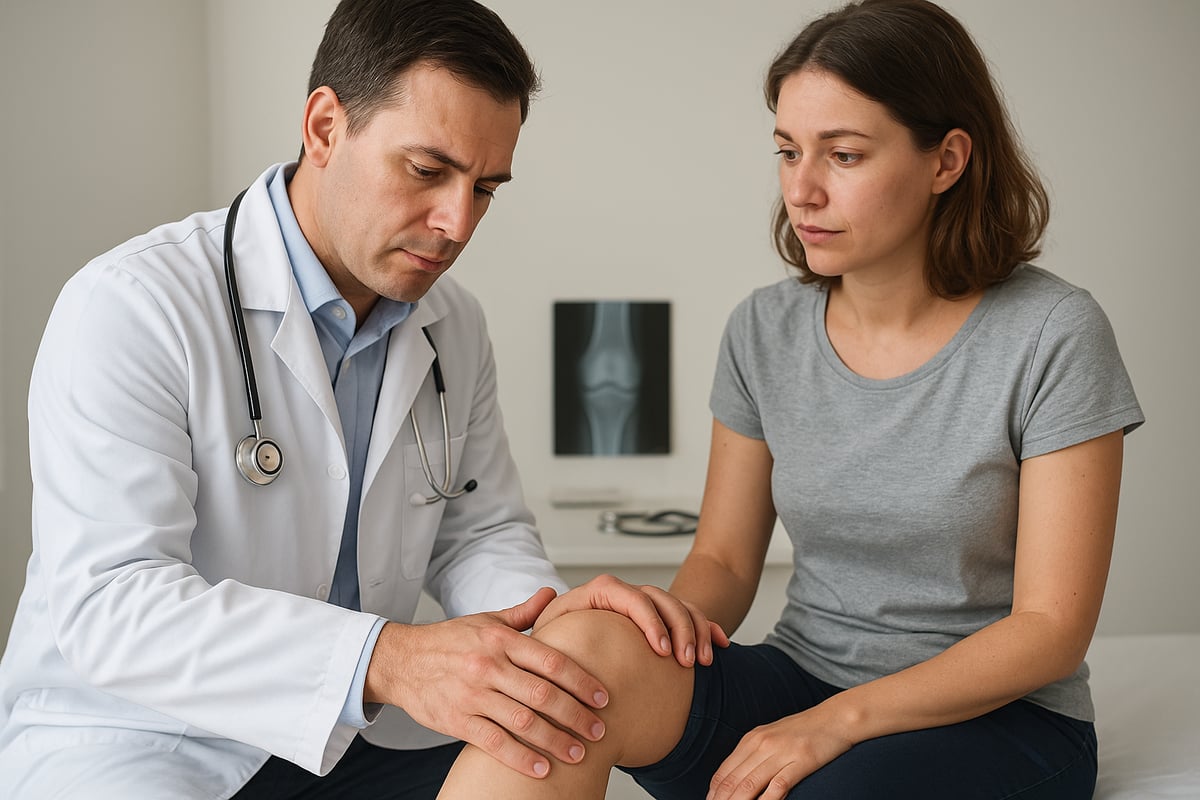
A thorough evaluation begins with your medical history. Your provider will ask about the onset, duration, and specific characteristics of your and joint pain. They may inquire about family history, previous injuries, and other health conditions.
Next, a physical examination focuses on swelling, tenderness, warmth, and range of motion. The doctor may observe how you walk or use your hands. These observations help identify the underlying cause and guide further testing for and joint pain.
Diagnostic Tools and Tests
Modern medicine offers a range of tools to pinpoint the source of and joint pain:
- Imaging: X-rays reveal joint structure, while MRI scans assess soft tissues.
- Blood tests: Measure markers of inflammation, such as CRP and ESR, and check for autoimmune antibodies.
- Joint aspiration: A small sample of joint fluid is analyzed for infection, crystals, or other abnormalities.
Each test provides unique insights, helping doctors distinguish between types of arthritis, infection, or injury. Accurate diagnosis is key for personalized treatment of and joint pain.
Differential Diagnosis
Not all and joint pain is caused by the same condition. Physicians use a differential diagnosis process to distinguish between osteoarthritis, rheumatoid arthritis, gout, and other disorders.
They also consider referred pain, which may arise from nerve or back problems. Careful evaluation helps rule out unrelated causes and ensures the right treatment plan. Clear communication about your symptoms and history is vital in this step.
Importance of Early Diagnosis
Early identification of and joint pain causes leads to more effective management and can prevent long-term damage. Prompt diagnosis allows for tailored therapies, reducing the risk of disability.
Patients play a crucial role by tracking symptoms, noting triggers, and sharing updates with their healthcare team. Keeping a symptom diary and being proactive in discussions help create a partnership for better joint health and comfort.
Medical and Interventional Treatments for Joint Pain
Finding the right medical and interventional treatments for and joint pain can be life-changing. A wide range of therapies now address both the cause and symptoms, offering hope for people with mild discomfort or severe, chronic conditions. Understanding your options is the first step toward effective management.
Medications for Joint Pain Relief
Medications remain a primary approach to managing and joint pain. Over-the-counter options like acetaminophen and NSAIDs (such as ibuprofen or naproxen) help control mild to moderate pain. For more persistent issues, doctors may prescribe stronger NSAIDs or corticosteroids.
Topical treatments, including ointments and gels, can be applied directly to affected joints for localized relief. Prescription medications for autoimmune causes, like DMARDs for rheumatoid arthritis, target inflammation and joint pain at its source. Some people explore dietary supplements, such as glucosamine or chondroitin, but always consult a healthcare provider before starting new supplements to avoid interactions.
Physical and Occupational Therapy
Physical and occupational therapy are essential elements in the treatment of and joint pain. Physical therapists develop programs to restore strength, flexibility, and joint stability, which can decrease pain and improve mobility.
Occupational therapists assist patients in adapting daily activities, recommending tools or techniques to protect vulnerable joints. For example, arthritis patients may benefit from custom exercise regimens that maintain motion without straining joints. Regular therapy helps prevent long-term stiffness and joint pain, supporting a more independent lifestyle.
Advanced Medical Procedures
When first-line treatments are insufficient, advanced procedures offer additional relief for and joint pain. Joint injections, such as corticosteroids, provide targeted, temporary reduction of inflammation. Hyaluronic acid injections may help lubricate joints, especially in osteoarthritis.
Emerging options like platelet-rich plasma (PRP) and stem cell therapies are under study for their potential to repair tissue and reduce pain. In severe cases, nerve blocks can interrupt pain signals, offering respite for those with chronic and joint pain. These procedures are tailored to individual needs, maximizing benefits while minimizing side effects.
Surgical Interventions
Surgery becomes necessary when conservative treatments cannot control and joint pain or restore function. Common procedures include:
- Arthroscopy: Minimally invasive cleaning or repair of joints.
- Joint fusion: Bones are joined together to stabilize or relieve pain.
- Osteotomy: Realigning bones to offload damaged joint surfaces.
- Joint replacement: Replacing worn joints with artificial implants, often in knees, hips, or shoulders.
| Surgery Type | Purpose | Recovery Time | Typical Joints |
|---|---|---|---|
| Arthroscopy | Repair/cleaning | Weeks | Knees, shoulders |
| Fusion | Stabilization | Months | Spine, hands |
| Osteotomy | Realignment | Months | Knees, hips |
| Replacement | Restore function | Months | Hips, knees |
Each surgical option is chosen based on the type and severity of and joint pain, as well as patient health and lifestyle goals.
Risks, Benefits, and Recovery
Every treatment for and joint pain has potential risks and benefits. Medications can cause side effects like stomach irritation or increased risk of infection. Injections and advanced therapies may provide only temporary relief, while surgical procedures carry risks such as infection or blood clots.
However, the benefits often include significant pain reduction and improved mobility. Recovery timelines differ: minor procedures may require days to weeks, while major surgeries need months of rehabilitation. Success rates are high for many joint replacements, restoring quality of life for those with advanced joint pain.
Integrative Approaches and Future Advances (2026 Outlook)
The landscape of and joint pain management is evolving rapidly. Personalized medicine, using genetic information to tailor treatments, is becoming more common. Artificial intelligence is improving diagnostics and remote monitoring, allowing for earlier intervention.
Ongoing clinical trials are exploring novel therapies, such as biologics and regenerative medicine. For those interested in non-prescription options, exploring medical and natural relief options like CBD and other supplements is gaining traction, especially as research supports their safety and efficacy. The future promises even more targeted and effective care for and joint pain.
Natural and Lifestyle-Based Relief Strategies
Living with and joint pain can be overwhelming, but natural and lifestyle-based approaches offer significant relief for many. By integrating simple daily habits and evidence-backed therapies, you can ease discomfort, improve mobility, and regain control over your well-being.
Home Remedies and Self-Care
Home-based techniques play a vital role in managing and joint pain. Applying heat with a warm towel or heating pad helps relax stiff joints, while cold packs can reduce inflammation and swelling after activity.
Rest is crucial, yet balancing it with gentle movement prevents stiffness. Use assistive devices like braces or orthotics to support vulnerable joints during daily tasks. These tools can make activities safer and more comfortable for those with and joint pain.
Exercise and Movement
Staying active is essential for reducing and joint pain and maintaining joint health. Low-impact exercises, such as walking, swimming, or cycling, improve circulation and strengthen supporting muscles without overloading sensitive joints.
Incorporate stretching and strengthening routines like yoga or tai chi to boost flexibility and balance. Consistency is key—set achievable goals and seek guidance from a physical therapist to tailor your activities for your specific and joint pain concerns.
Weight Management and Nutrition
Managing weight is one of the most effective ways to reduce stress on joints, especially for those experiencing and joint pain. Even modest weight loss can significantly decrease pressure on the knees and hips.
Adopt an anti-inflammatory diet rich in omega-3 fatty acids from fish, colorful vegetables, and whole grains. Proper hydration supports joint lubrication, while limiting processed foods helps minimize inflammation and joint pain flare-ups.
Stress Reduction and Mind-Body Techniques
Chronic stress can intensify your perception of and joint pain. Mindfulness practices like meditation, deep breathing, and progressive muscle relaxation can calm the nervous system, reducing pain sensitivity.
Prioritize sleep hygiene by maintaining a regular bedtime routine and creating a restful environment. Quality sleep is essential for healing and can help manage and joint pain more effectively.
Alternative Therapies
Several alternative therapies provide added relief for those managing and joint pain. Acupuncture has been shown to decrease pain and stiffness, particularly in osteoarthritis.
Massage therapy improves blood flow and reduces muscle tension around affected joints. Certain supplements, such as turmeric and omega-3s, may offer anti-inflammatory benefits, though it is wise to consult your healthcare provider. For those interested in emerging therapies, cannabinoid therapies for joint pain are gaining attention for their potential to modulate inflammation and discomfort.
CBD and Hemp Oil for Joint Pain Management
CBD and hemp oil are increasingly popular natural options for managing and joint pain. These compounds interact with the body's endocannabinoid system, helping to regulate inflammation and pain signaling.

Clinical studies suggest CBD may provide relief for arthritis and chronic pain when used as oils, topical roll-ons, or patches for targeted support. Products containing less than 0.3% THC are legal in most states and should be third-party tested for quality.
Always consult your healthcare provider before starting CBD, especially if you take other medications. To learn more about CBD's role in alleviating chronic joint pain, visit CBD for chronic joint pain relief. Science-backed brands like Reclaim Labs offer lab-tested CBD products designed specifically for chronic and joint pain and autoimmune conditions.
Preventing Joint Pain and Long-Term Management
Proactive steps are essential for preventing and joint pain from disrupting daily life. Long-term management relies on a combination of early action, healthy habits, and the latest medical advances. By understanding the root causes and tailoring prevention strategies, you can maintain mobility and comfort well into the future.
Early Intervention and Ongoing Care
Addressing and joint pain as soon as symptoms arise can prevent chronic issues. Early intervention means regular check-ups, monitoring joint health, and discussing any discomfort with your healthcare provider. Prompt attention helps identify underlying causes, allowing for personalized care plans and timely adjustments.
Ongoing care involves tracking symptoms over time. Use a journal or digital app to note flare-ups or changes. This information empowers your medical team to recommend the best interventions, supporting long-term joint health and minimizing disruption to your routine.
Injury Prevention Strategies
Preventing injuries is a cornerstone of avoiding and joint pain. Always begin exercise sessions with gentle warm-up routines to prepare muscles and joints. Use correct technique during activities, whether exercising, lifting at work, or performing chores.
Protective gear is crucial for sports and high-risk jobs. Items like knee pads, wrist supports, or ergonomic tools reduce stress on vulnerable joints. Incorporating these habits into daily life can dramatically lower your risk of acute and chronic pain.
Building Joint-Friendly Habits
Sustainable habits play a major role in managing and joint pain. Maintaining a healthy weight reduces stress on knees, hips, and spine. Every pound lost can significantly decrease the pressure on these joints.
Balanced nutrition supports bone and joint health. Prioritize foods rich in calcium, vitamin D, and antioxidants. Staying hydrated keeps cartilage lubricated, ensuring smoother joint movement. Small changes, like adding leafy greens or swapping sugary drinks for water, can make a big difference over time.
Managing Chronic Conditions
For those living with arthritis and joint pain, consistent management is key. Adhering to prescribed medication and therapy regimens helps control inflammation and prevent flare-ups. Recognizing early warning signs ensures prompt action, reducing the risk of long-term damage.
Explore proven strategies in resources like Arthritis pain management strategies to enhance your daily routine. Combining professional guidance with self-care techniques equips you to better manage symptoms and maintain an active lifestyle.
Community and Support Resources
Navigating and joint pain becomes easier with community support. Connect with local or online support groups to share experiences, ask questions, and find encouragement. These networks provide valuable information on coping strategies, treatments, and emotional well-being.
Educational materials from trusted organizations can deepen your understanding of joint health. Patient advocacy groups also offer tools for staying informed about new therapies and research, helping you make empowered decisions.
Future Trends and Innovations (2026 and Beyond)
Emerging technologies are transforming how we approach and joint pain. Wearable devices now monitor joint activity in real time, alerting users to overuse or abnormal movement. Advances in regenerative medicine, like stem cell therapies, show promise for repairing damaged tissues.
Telemedicine expands access to specialists and therapy, offering convenient care from home. For a closer look at upcoming breakthroughs, explore Emerging arthritis treatments 2025, which outlines the latest research and clinical trials shaping the future of joint health.
Empowering Self-Advocacy
Taking charge of your and joint pain journey means tracking symptoms, setting goals, and communicating openly with healthcare providers. Digital apps make it simple to record pain levels, activity, and medication use, providing insights for tailored care.
Speak up about your needs and preferences at appointments. Set realistic goals for mobility and quality of life. By staying informed and proactive, you become the strongest advocate for your joint health, ensuring sustained comfort and independence.
After exploring the latest insights on understanding joint pain, its underlying causes, and both medical and natural relief strategies, it is clear you have real options to reclaim your comfort and mobility. Whether you are managing chronic conditions like arthritis or seeking proactive ways to support your joints, choosing quality, science-backed solutions is key. At Reclaim Labs, you will find premium CBD hemp oil products designed specifically for pain and inflammation, all rigorously tested for your peace of mind. If you are ready to take the next step toward lasting relief, Get Relief Now!