Joint pain is on the rise, affecting millions as people search for real relief. In 2026, the spotlight shines brighter than ever on cbd and joint pain, with new studies fueling a surge in CBD use for lasting comfort.
This article uncovers the powerful, research-backed connections between CBD and joint pain relief. Discover seven key ways CBD works within the body, from easing inflammation to boosting mobility.
Traditional treatments often fall short or bring unwanted side effects. CBD now emerges as a natural, science-supported alternative, promising life-changing results. Ready to make informed decisions about your wellness? Explore the seven essential connections shaping pain management in 2026.
Understanding CBD and Joint Pain: The 2026 Landscape
The relationship between cbd and joint pain has become a major focus in the health and wellness community. As we move into 2026, both scientific research and patient experiences are shaping how cbd and joint pain relief are viewed. Understanding the current landscape is essential for anyone considering cbd as part of a pain management plan.

The Science Behind CBD and the Endocannabinoid System
CBD, or cannabidiol, is a phytocannabinoid that interacts with the body’s endocannabinoid system (ECS). The ECS plays a vital role in regulating pain, inflammation, and immune responses. When it comes to cbd and joint pain, CBD binds indirectly to CB1 and CB2 receptors, which helps modulate pain perception and reduce inflammatory responses.
Unlike THC, CBD does not cause psychoactive effects. Recent studies from 2024 to 2026 have shown promising outcomes, with patients experiencing measurable improvements in joint mobility and pain intensity. Research also points to CBD’s ability to inhibit pro-inflammatory molecules like cytokines and prostaglandins, targeting the root causes of joint discomfort.
As regulatory frameworks evolve, 2026 marks a year of increased medical acceptance. Physicians are now more likely to recommend cbd and joint pain solutions as part of an integrated pain management strategy. This scientific momentum is driving greater interest and trust in CBD’s therapeutic potential.
Prevalence and Impact of Joint Pain in 2026
Chronic joint pain, including arthritis, affects millions worldwide. In the US alone, over 60 million adults report some degree of joint discomfort. The impact on daily life can be profound, limiting mobility and reducing quality of life.
Traditional treatments like opioids and NSAIDs often come with side effects such as gastrointestinal issues, dependency risks, or cardiovascular concerns. Many patients now seek safer, plant-based alternatives for cbd and joint pain relief. For example, individuals recovering from joint replacement surgeries, managing autoimmune conditions, or addressing sports injuries are exploring new options.
Growing awareness is supported by resources such as the CBD for Arthritis Pain page from the Arthritis Foundation, which outlines CBD’s benefits and safety considerations for arthritis pain. This shift reflects a larger movement toward holistic, evidence-based care.
Why CBD Is Gaining Traction for Joint Pain Relief
The rise in cbd and joint pain solutions is fueled by consumer demand and medical endorsements. Patients and healthcare providers alike are turning to CBD for its versatility and favorable safety profile.
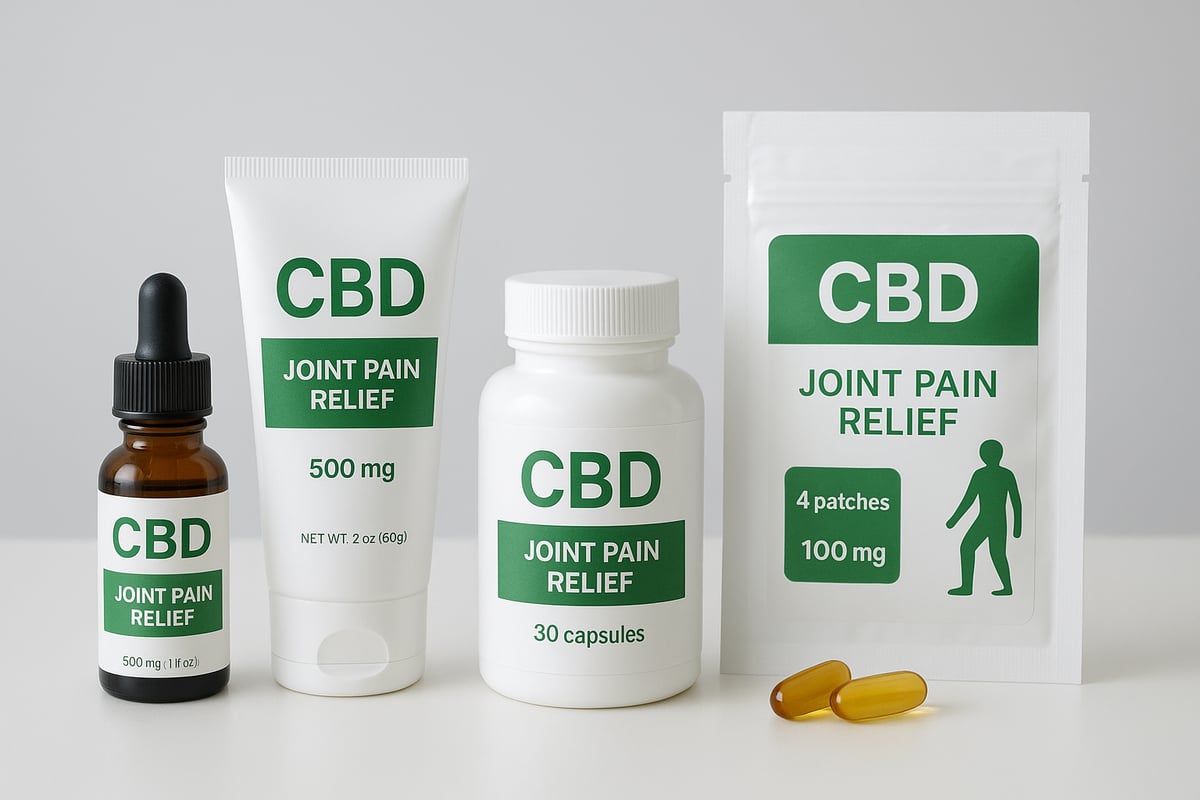
In 2026, CBD is available in various forms, such as oils, creams, capsules, and patches. This diversity allows for targeted relief suited to individual needs. Transparent manufacturing practices, third-party testing, and clear labeling are building trust among consumers who prioritize safety and effectiveness.
Medical professionals increasingly recommend cbd and joint pain products, citing positive patient outcomes and enhanced quality of life. Testimonials highlight reduced pain, improved sleep, and better mobility. As acceptance grows, CBD is becoming a central player in personalized, integrative pain management.
7 Ways CBD and Joint Pain Relief Are Connected in 2026
The relationship between cbd and joint pain has taken center stage in 2026, driven by new research, patient experiences, and innovative product options. Below, discover the seven most impactful ways CBD is transforming joint pain relief, each supported by science and real-world results.

1. CBD’s Potent Anti-Inflammatory Properties
One of the most critical connections between cbd and joint pain is CBD’s ability to reduce inflammation at its source. When joint tissues become inflamed, pain and stiffness quickly follow. CBD interacts with the body’s endocannabinoid system to inhibit inflammatory mediators such as cytokines and prostaglandins.
Research from 2025 and 2026 highlights that CBD significantly reduces joint swelling in arthritis models. For example, a double-blind, placebo-controlled trial found that CBD-rich cannabis oil led to measurable decreases in swelling and improved joint function in patients with knee osteoarthritis. Patients consistently reported less morning stiffness, which is one of the most troublesome symptoms of joint pain.
CBD’s anti-inflammatory effects can be experienced both systemically and topically. Systemic use, such as oils or capsules, supports whole-body inflammation reduction. Topical applications like creams or balms target specific joints directly, often providing faster relief at the site of pain.
To clarify how CBD compares with traditional anti-inflammatory drugs, consider this quick summary:
| Feature | CBD | NSAIDs |
|---|---|---|
| Inflammation Reduction | Yes, via ECS modulation | Yes, via COX inhibition |
| Side Effects | Rare, mild (fatigue, GI upset) | Common (ulcers, GI bleeding) |
| Long-term Use | Generally safe | Risk of complications |
Unlike NSAIDs, CBD rarely causes gastrointestinal issues or ulcers, making it a safer long-term option for many people. As more individuals seek alternatives for cbd and joint pain, CBD’s anti-inflammatory action stands out as a foundational benefit.
2. Modulation of Pain Signals and Perception
CBD’s role in modulating pain signals is another powerful reason why cbd and joint pain relief are so closely linked. The compound interacts directly with CB1 and CB2 receptors in the nervous and immune systems, helping to dampen the transmission of pain signals to the brain.
Recent clinical trials have demonstrated tangible reductions in pain intensity scores among arthritis and chronic pain patients using CBD. These studies show that CBD not only reduces the severity of pain but also alters the perception of pain, making it less intrusive during daily activities.
Both neuropathic pain (nerve-related) and nociceptive pain (tissue injury-related) are addressed by CBD’s unique mechanism. Patients with rheumatoid arthritis, for example, have experienced fewer pain flares and greater comfort during movement.
The synergy between CBD and other cannabinoids, often called the entourage effect, further enhances pain relief. When combined with minor cannabinoids and terpenes, CBD's effects on cbd and joint pain become even more pronounced.
For those interested in the science behind these effects, recent coverage from CBD's Role in Pain Management explains how cannabinoids like CBD interact with pain signaling proteins to provide safe and effective relief.
This ability to modulate pain signals—without the sedative or addictive risks of opioids—continues to drive the rise in CBD-based solutions for joint pain.
3. Enhanced Post-Surgical Recovery and Mobility
CBD is now recognized as a valuable tool for supporting recovery after joint surgeries or injuries. Its impact on cbd and joint pain is especially evident during rehabilitation, where patients often struggle with swelling, pain, and limited mobility.
Competitor studies have shown that patients who incorporate CBD into their post-surgery routines often require fewer opioids for pain control. This is a significant advancement, as opioid reduction lowers the risk of dependency and side effects.
CBD may also support the healing of tissues and reduce the formation of scar tissue. Early findings suggest that CBD helps modulate the inflammatory response, allowing for smoother recovery and less residual pain.
Real-world stories highlight faster rehabilitation times and improved range of motion. For example, individuals following knee or hip replacements have reported returning to normal activities sooner when using CBD alongside physical therapy.
The safety profile is another reason why cbd and joint pain management is evolving. CBD is well tolerated by older adults and those taking multiple medications, provided they consult with healthcare providers about potential interactions. This makes it a versatile option for diverse patient populations.
4. Reduction of Joint Stiffness and Improved Flexibility
Joint stiffness is a common and debilitating symptom for those dealing with cbd and joint pain. CBD’s muscle-relaxant and anti-spasmodic properties provide a gentle yet effective way to ease this stiffness, especially during the morning or after periods of inactivity.
Recent studies have shown that osteoarthritis patients using CBD experienced better morning mobility and less discomfort when starting their day. This translates into greater independence and the ability to participate in activities like walking, exercise, and self-care.
Patient-reported outcomes indicate that CBD supports adherence to physical therapy routines by making movement less painful. Unlike traditional muscle relaxants, CBD does not typically cause sedation or drowsiness, allowing users to remain alert and active.
To summarize the key differences:
| Treatment | Eases Stiffness | Sedative Effects | Supports Daily Activity |
|---|---|---|---|
| CBD | Yes | Rarely | Yes |
| Muscle Relaxants | Yes | Often | Sometimes |
This unique combination of effectiveness and tolerability positions CBD as a leading choice for those seeking relief from cbd and joint pain without compromising their energy or alertness.
5. Support for Sleep and Nighttime Pain Management
Sleep disruption is a persistent challenge for people experiencing cbd and joint pain. Chronic pain often leads to frequent nighttime awakenings and poor sleep quality, which in turn slows recovery and amplifies discomfort.
CBD has demonstrated the ability to improve sleep quality by reducing anxiety, supporting healthy REM cycles, and directly alleviating pain. Data from recent studies indicate that individuals with arthritis or other joint conditions report deeper, more restorative sleep after incorporating CBD into their nightly routines.
Mechanisms behind these benefits include the calming effect on the nervous system and reduced perception of pain during rest. Some patients choose CBD formulations that include melatonin or CBN to further enhance sleep-promoting properties.
Examples from the field reveal that arthritis sufferers who use CBD experience less fatigue during the day and a greater sense of well-being. This connection between cbd and joint pain relief and better sleep is crucial for overall quality of life and effective long-term management.
6. Addressing Anxiety and Emotional Stress Linked to Chronic Joint Pain
Living with persistent cbd and joint pain takes a toll not just physically, but emotionally. Anxiety and stress often accompany chronic pain, making symptoms feel even more overwhelming.
CBD’s anxiolytic properties have been explored in depth over recent years. By interacting with serotonin receptors, CBD helps reduce feelings of anxiety and supports a more positive mood. This is particularly valuable for those whose joint pain is compounded by emotional distress.
Research shows that patients using CBD report lower levels of pain-related anxiety and improved overall mood. As a result, the perceived intensity of cbd and joint pain decreases, making daily life more manageable.
Testimonials frequently highlight the dual benefit: relief from both physical pain and the psychological burden that often comes with it. This holistic approach supports not only symptom control but also an enhanced sense of well-being.
7. Versatile Delivery Methods for Personalized Joint Pain Relief
The final key connection between cbd and joint pain in 2026 is the broad spectrum of delivery methods available. CBD products now come in oils, capsules, topicals, roll-ons, and transdermal patches, allowing users to tailor their approach based on their unique needs.
Each method offers distinct advantages. For instance, topical creams provide fast, localized relief for athletes or those with acute joint discomfort, while patches deliver steady, long-lasting support for chronic pain sufferers. Oils and capsules are well suited for systemic relief and daily maintenance.
Personalization and dosing flexibility are core to successful cbd and joint pain management. Patients can adjust their regimen according to symptom severity, activity levels, or even time of day.
Quality remains paramount. Reputable brands emphasize third-party testing, clear ingredient labeling, and transparent sourcing. This commitment to safety and efficacy helps build trust among consumers seeking optimal results from their CBD regimen.
In summary, the diverse delivery methods empower users to find their ideal solution for cbd and joint pain, driving better outcomes and higher satisfaction.
Choosing the Right CBD Product for Joint Pain Relief in 2026
Selecting the best CBD product for joint pain relief in 2026 requires careful attention to quality, formulation, and transparency. With the cbd and joint pain market expanding, understanding what sets top products apart is crucial for safe and effective use.
Key Criteria for Product Selection
The cbd and joint pain landscape now features a wide array of formulations. Choosing between full-spectrum, broad-spectrum, and isolate CBD is foundational. Full-spectrum contains all cannabinoids, including trace THC, which may enhance effects through the entourage phenomenon. Broad-spectrum offers similar benefits minus THC, ideal for those avoiding psychoactive compounds. Isolates deliver pure CBD, suitable for sensitive users.
| Formulation | Contains THC | Other Cannabinoids | Suitability |
|---|---|---|---|
| Full-spectrum | Yes (trace) | Yes | Maximum effect, not for THC-sensitive users |
| Broad-spectrum | No | Yes | Broad benefits, no THC |
| Isolate | No | No | Pure CBD, sensitive individuals |
Third-party lab testing is essential. Always look for a Certificate of Analysis (COA), which verifies cannabinoid content and checks for contaminants. Ingredient transparency matters, so opt for products with clear, detailed labels. Potency and bioavailability also influence effectiveness. Higher bioavailability means more CBD reaches your system, directly impacting cbd and joint pain results.
Consider organic, non-GMO, and allergen-free options if you have sensitivities. Consumer reviews and medical endorsements further validate product claims. For a deeper dive into selecting the best options, explore Natural CBD relief for joint pain.
Safety, Dosage, and Legal Considerations in 2026
Safety is paramount when using cbd and joint pain products. Begin with a low dose and gradually increase, tracking your body's response. This "start low, go slow" approach helps identify the minimal effective dose and minimizes side effects.
Consult your healthcare provider before starting CBD, especially if you take other medications. CBD can interact with certain drugs, including blood thinners and some pain medications. Understanding these interactions is vital for safe use of cbd and joint pain solutions.
In 2026, legal status varies by region. Most US states and many countries permit CBD derived from hemp with less than 0.3% THC, but always verify local laws before purchasing. Only buy from reputable sources that provide third-party lab reports.
Look for products with clear dosing instructions. If you are unsure, seek guidance from a medical professional who is knowledgeable about cbd and joint pain management. Prioritizing safety, transparency, and legality ensures a positive experience and optimal results.
Real-World Success Stories and Latest Research
Real-world experiences and clinical research both shine a light on the growing connection between cbd and joint pain relief. In 2026, patient voices and new scientific breakthroughs are shaping how people view this natural option for managing pain.

Patient Experiences and Testimonials
Individuals across the globe are sharing how cbd and joint pain management have transformed their daily lives. For example, a 62-year-old arthritis sufferer in California reports waking up with less stiffness and greater ease of movement after adding CBD oil to her nightly routine.
A former marathon runner recovering from knee surgery described how topical CBD creams helped reduce swelling and allowed him to return to training sooner. In another case, a teacher with chronic joint pain from an autoimmune condition credits CBD capsules for lowering her pain scores and improving her focus at work.
These stories are echoed by thousands who seek alternatives to traditional medications, often citing fewer side effects and better overall well-being. Many patients find that products supported by CBD benefits for arthritis pain offer targeted support and reassurance.
Breakthrough Studies and Clinical Trials (2024–2026)
Recent years have brought a surge in peer-reviewed research on cbd and joint pain. A 2025 double-blind, placebo-controlled trial found that CBD-rich cannabis oil significantly reduced pain and improved function in patients with knee osteoarthritis, with over 60 percent of participants reporting meaningful pain reduction.
Other studies highlight improvements in sleep, reduced reliance on prescription medications, and enhanced mobility. For instance, a clinical trial exploring "CBD's Efficacy in Osteoarthritis" demonstrated both safety and efficacy for long-term joint pain management.
Researchers continue to investigate cbd and joint pain, focusing on optimal dosing, long-term effects, and the potential for even more personalized care in the near future. As these findings accumulate, patients and healthcare providers alike are gaining confidence in CBD’s role within pain management strategies.
The Future of CBD and Joint Pain Relief: Trends to Watch
The landscape of cbd and joint pain relief is evolving rapidly, with 2026 bringing remarkable advancements and new opportunities for those seeking natural solutions. As research deepens and technology progresses, both the products and the way we use them are transforming, promising better outcomes for joint health.
Innovations in CBD Formulations and Delivery
In 2026, the market for cbd and joint pain relief has expanded far beyond traditional oils and capsules. Innovative formulations like nano-CBD are enhancing bioavailability, ensuring the body absorbs more of the active compound for faster, more effective results. Targeted patches and roll-ons deliver CBD directly to sore joints, offering sustained relief throughout the day.
Multi-cannabinoid blends are gaining popularity, combining CBD with CBG, CBN, or even minor cannabinoids to harness the "entourage effect" for more comprehensive joint support. These blends aim to address inflammation, pain, and stiffness simultaneously, making them a preferred choice among consumers.
Topical solutions, such as creams and gels, remain a staple. Their quick action and localized effects make them ideal for athletes and those dealing with chronic joint discomfort. For more information on topical options, see CBD creams for joint discomfort.
Advances in precision dosing, such as smart dispensers and personalized formulations, are also emerging. These allow users to tailor their cbd and joint pain regimen for maximum effectiveness, minimizing waste and side effects. Leading brands are investing in third-party testing and transparent labeling, helping consumers make informed choices.
| Innovation | Benefit | Example Use Case |
|---|---|---|
| Nano-CBD | Increased absorption, faster relief | Acute joint flare-ups |
| Targeted patches | Long-lasting, localized relief | Chronic knee pain |
| Multi-cannabinoid blends | Comprehensive support, added synergy | Arthritis management |
With so many tailored solutions, cbd and joint pain management is more accessible and effective than ever before.
Regulatory, Medical, and Consumer Trends for 2026 and Beyond
As the evidence base for cbd and joint pain continues to grow, regulatory bodies are adapting. In 2026, more regions are updating their medical guidelines to recognize CBD as a legitimate adjunct or alternative to traditional pain medications. Some insurers now offer partial coverage for physician-recommended CBD products, marking a significant shift in accessibility.
Medical professionals are increasingly confident in recommending CBD, especially for patients who cannot tolerate NSAIDs or opioids. Patient testimonials and clinical data are driving this change, as many report better pain control and fewer side effects.
Consumers are also demanding transparency and safety. Third-party lab testing, clear Certificates of Analysis, and organic, non-GMO sourcing are now expected standards. The diversity of products has grown, with options for every lifestyle and need.
The integration of CBD into mainstream pain management is accelerating. Physicians are comparing CBD to traditional medications, as discussed in Comparing CBD to prescription medications, to help patients make informed choices. With ongoing research and anticipated advances in personalized medicine, cbd and joint pain solutions are poised to become even more effective and widely accepted.
Looking ahead, the future of cbd and joint pain relief is bright, promising better outcomes, greater accessibility, and a higher quality of life for millions.
After exploring how CBD’s anti inflammatory properties and versatile delivery methods are transforming joint pain relief in 2026, you might be wondering how to take the next step toward greater comfort and mobility. At Reclaim Labs, you can find premium CBD hemp oil products that are third party tested and tailored for those dealing with chronic pain or inflammation. If you’re ready to discover a natural approach supported by the latest research and real world success stories, let’s make your well being a priority together.
Get Relief Now!