CBD is capturing the spotlight as a game-changer in pain management for 2026. With more people searching for alternatives to traditional pain relief, understanding the latest breakthroughs is essential.
This guide unpacks the science, practical uses, and future trends of cbd and pain management. You'll discover how CBD works in the body, what current research reveals, and which products are leading the market.
Stay informed about legal changes, safety tips, and expert perspectives. Ready to see how CBD could transform your approach to pain relief? Dive into this comprehensive resource and make confident, informed choices.
Understanding CBD: What It Is and How It Works
Cannabidiol, or CBD, is a naturally occurring compound found in hemp and cannabis plants. In the context of cbd and pain management, CBD has gained attention for its potential to ease discomfort without the intoxicating effects linked to THC. Unlike THC, CBD is non-psychoactive, which means it does not produce a "high."
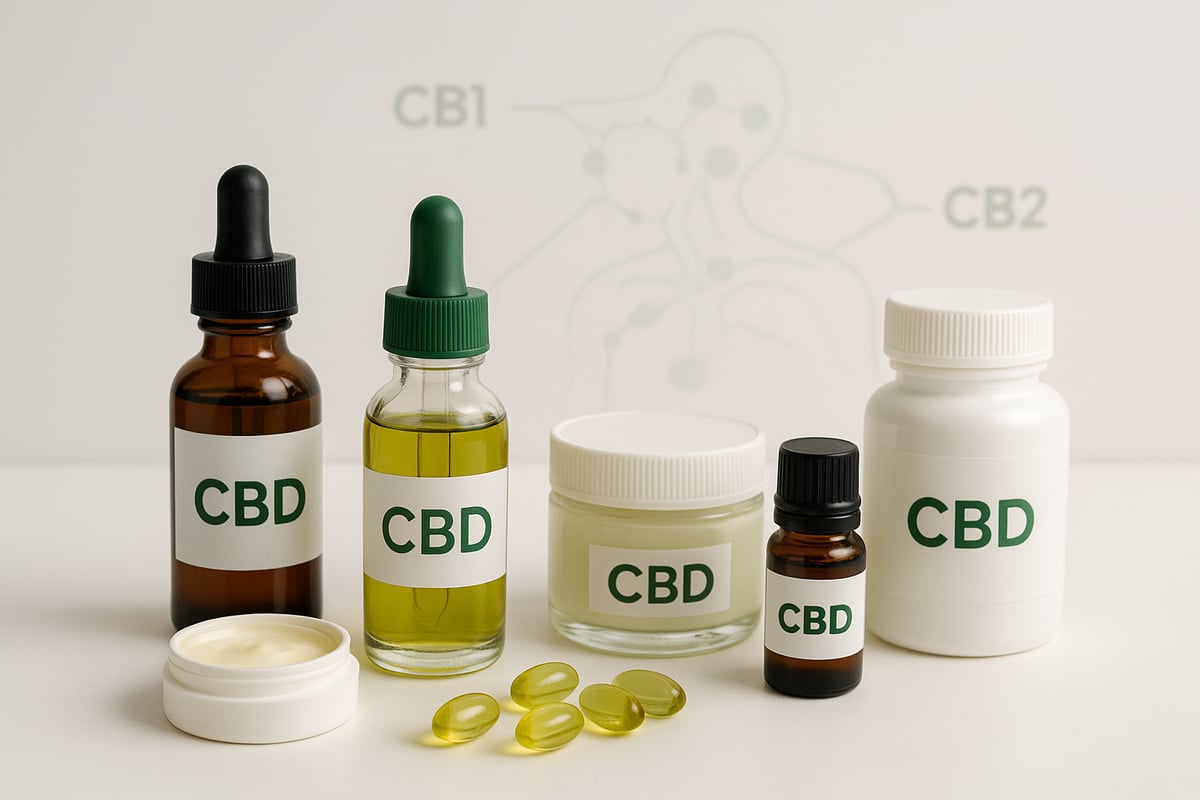
The Science of Cannabidiol (CBD)
CBD is one of over 100 cannabinoids found in cannabis plants. Its primary source is industrial hemp, which contains minimal THC. The distinction between CBD and THC is crucial for cbd and pain management, as only THC causes psychoactive effects.
The human body features the endocannabinoid system (ECS), a regulatory network that helps maintain balance in pain, inflammation, and sleep. The ECS includes CB1 and CB2 receptors, which are found throughout the brain, nervous system, and immune cells. CBD interacts with these receptors indirectly, influencing their activity and supporting homeostasis.
Emerging research, including a 2020 review, highlights CBD’s potential for addressing chronic pain, sleep disturbances, and inflammation. These effects are believed to be condition-specific, with some patients experiencing more benefits than others. The mechanisms behind cbd and pain management involve not only CB1 and CB2 receptors but also serotonin, TRPV1, and other molecular pathways. For a deeper understanding of these mechanisms, see this resource on how CBD works for pain.
CBD comes in three main types:
| Type | Cannabinoids Included | THC Content | Common Use Cases |
|---|---|---|---|
| Full-spectrum | All (plus terpenes) | <0.3% | Entourage effect |
| Broad-spectrum | Multiple, no THC | 0% | Sensitive users |
| Isolate | Pure CBD | 0% | Precise dosing |
A common misconception is that CBD will make users feel "high." In reality, only THC causes such effects. The FDA-approved medication Epidiolex, used for epilepsy, demonstrates CBD’s safety profile in medical settings.
Forms and Administration Methods
CBD is available in many forms, each suited to different preferences and types of pain. Popular options include oils, tinctures, capsules, edibles, topicals, and vapes. The choice of format can influence the effectiveness of cbd and pain management.
Bioavailability—the percentage of CBD that enters circulation—varies by method. For example, vaping offers rapid onset but may not be suitable for everyone. Oils and tinctures taken under the tongue are absorbed quickly, while edibles have a slower onset but longer-lasting effects. Topicals provide targeted relief for localized pain and inflammation, making them ideal for joint or muscle discomfort.
Selecting the right form depends on the specific pain condition. For joint pain, a topical cream might be preferable, while systemic issues may benefit from oral products. Understanding these differences is key to maximizing the benefits of cbd and pain management.
Always check product labels for type (full-spectrum, broad-spectrum, isolate) and consider starting with a low dose to assess your response. This approach helps ensure safe and effective use of CBD for pain relief.
CBD for Pain Management: Evidence and Effectiveness
Chronic pain affects millions, driving a growing interest in cbd and pain management. Individuals seek alternatives as traditional medications may not always offer effective or safe relief. Recent scientific investigations have illuminated how CBD could play a role for those suffering from persistent pain conditions.
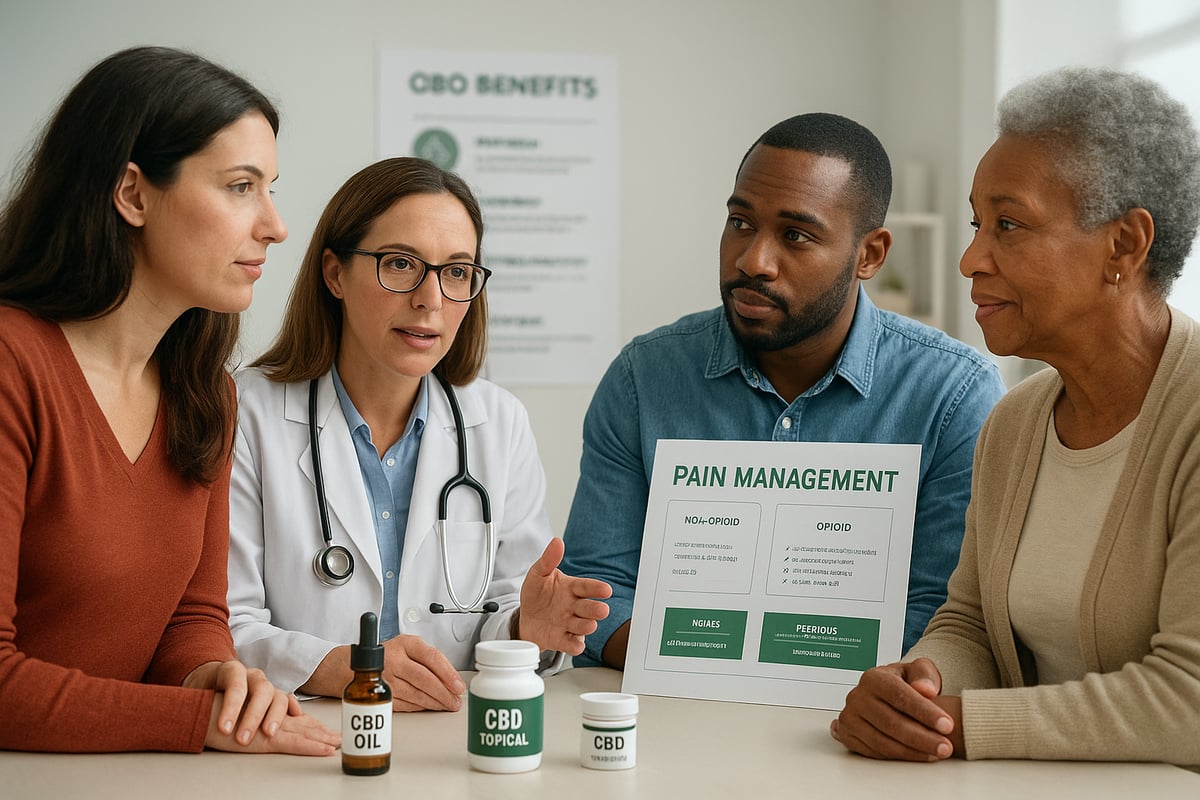
Types of Pain Addressed by CBD
CBD and pain management research spans a wide range of pain types. Chronic pain is the most commonly studied, including back pain, fibromyalgia, arthritis, and neuropathic pain. Many patients report improvements in daily functioning and quality of life.
For neuropathic pain, a 2017 review of 11 randomized controlled trials (1,219 patients) found that CBD may provide relief for chronic neuropathy. Arthritis sufferers are also exploring CBD, with a 2016 animal study demonstrating a significant reduction in both inflammation and pain after topical application.
Inflammatory pain, driven by immune responses, is another target for cbd and pain management. CBD’s anti-inflammatory effects are believed to be mediated through its impact on cytokines and the endocannabinoid system. Multiple sclerosis (MS) patients have reported reduced muscle spasms and pain with CBD use, supported by early clinical evidence.
Patient testimonials add a valuable layer to the conversation. Many real-world reports highlight improvements in sleep, mood, and pain levels after using CBD. A 2020 review concluded that CBD may improve sleep and reduce inflammation, though effects can be condition-specific.
The body of evidence is growing. For a comprehensive overview of clinical and preclinical findings, see Cannabidiol (CBD): A Systematic Review of Clinical and Preclinical Evidence in the Treatment of Pain. As more data emerges, the potential applications of cbd and pain management continue to expand.
| Pain Type | Evidence Level | Notable Study/Result |
|---|---|---|
| Chronic Pain | Moderate | Improved sleep, reduced inflammation (2020 review) |
| Neuropathic Pain | Moderate | 2017 RCT review, relief for chronic neuropathy |
| Arthritis Pain | Preclinical/Moderate | 2016 animal study, reduced inflammation |
| Multiple Sclerosis | Early Clinical | Reports of decreased spasms and pain |
Limitations and Gaps in Current Research
Despite promising developments, cbd and pain management research faces notable limitations. Most published studies are small in scale or limited in duration, making it difficult to draw broad conclusions for all pain conditions.
The placebo effect is a challenge in pain research. Some trials report significant benefits, while others find minimal differences compared to placebo. Variability in patient response highlights the need for more robust, controlled studies.
Currently, the FDA has only approved CBD for epilepsy (Epidiolex), not specifically for pain management. This regulatory stance reflects the need for further investigation and standardization. Without FDA approval, dosing guidelines and product quality can vary widely, complicating the experience for both patients and clinicians.
Another challenge in cbd and pain management is the lack of standardized dosing. Clinical studies use a wide range of doses, and individual needs differ based on factors such as body weight, pain severity, and metabolic rate. Product quality also remains inconsistent, with some items containing inaccurate CBD levels or contaminants.
In summary, while cbd and pain management show promise, more large-scale, long-term studies are essential. Patients should consult healthcare professionals and rely on reputable products as the scientific community continues to explore CBD’s full potential for pain relief.
CBD Product Selection: Quality, Dosage, and Safety
Choosing the right CBD product is essential for anyone considering cbd and pain management. Product quality, accurate dosing, and safety are crucial factors that can impact both effectiveness and peace of mind. With the market rapidly expanding, understanding these aspects will empower you to make informed choices in 2026.
Assessing Product Quality and Transparency
Quality is the foundation of effective cbd and pain management. Not all CBD products are created equal, and a lack of regulation means consumers must be vigilant. Always look for products that provide third-party lab testing and certificates of analysis. These documents verify cannabinoid content and screen for contaminants such as pesticides, heavy metals, and residual solvents.
Full-spectrum, broad-spectrum, and isolate CBD products each offer unique benefits. Full-spectrum options contain a range of cannabinoids and terpenes, potentially enhancing cbd and pain management through the “entourage effect.” Broad-spectrum products remove THC but keep other beneficial compounds. Isolates are pure CBD and may suit those with specific sensitivities.
Label accuracy is another key issue. Independent studies have found that mislabeling is common among unregulated products. Reputable brands will always offer batch-specific lab results and clear ingredient lists. Taking these steps helps ensure the product you choose is both safe and effective.
Determining the Right Dosage
Finding the appropriate dosage is vital for successful cbd and pain management. The ideal dose varies based on factors like body weight, severity of pain, product type, and individual metabolism. It is wise to start with a low dose, such as 5–10 mg per day, and gradually increase while monitoring your body’s response.
Clinical studies often use a wide range of doses, from 5 mg up to 50 mg daily, depending on the condition. Keep a journal or use a mobile app to track your progress and symptoms. This helps you and your healthcare provider determine whether adjustments are needed.
Consulting a medical professional is highly recommended, especially if you have chronic health issues or take other medications. Personalized guidance can enhance the safety and success of cbd and pain management.
Safety, Side Effects, and Drug Interactions
While most people tolerate CBD well, understanding potential risks is important for anyone using cbd and pain management strategies. Common side effects include fatigue, diarrhea, and appetite changes. Rarely, more serious adverse effects may occur, particularly at higher doses or with long-term use.
CBD can interact with other medications, especially blood thinners and central nervous system depressants. Special populations, such as the elderly, pregnant women, or those with multiple health conditions, should exercise extra caution. The FDA continues to monitor CBD products, and consumer advisories are issued when safety concerns arise.
Being proactive about safety, monitoring for side effects, and consulting with healthcare professionals can help ensure a positive experience with cbd and pain management.
CBD for Chronic Pain: Reclaim Labs’ Approach
Reclaim Labs exemplifies best practices in cbd and pain management by offering premium, lab-tested products designed for pain and inflammation. Their full-spectrum and broad-spectrum formulations leverage the “entourage effect,” providing comprehensive benefits for conditions such as rheumatoid arthritis, fibromyalgia, and joint pain.
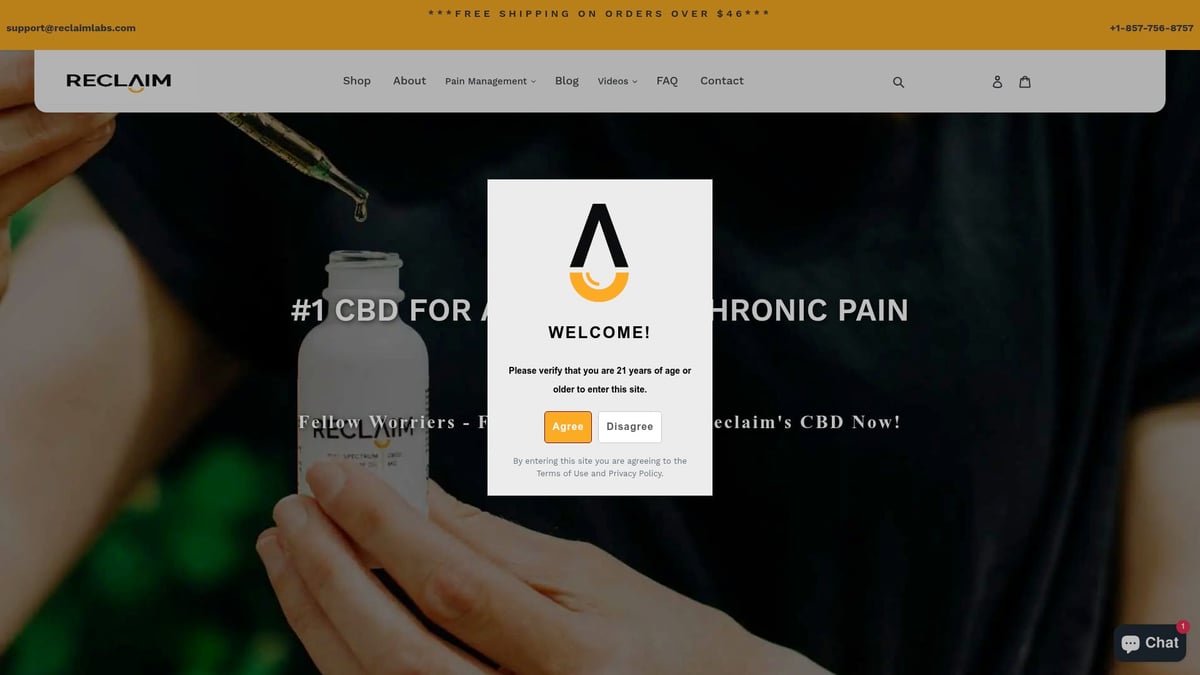
Transparency is central to their approach. All products are third-party tested, with certificates of analysis readily available for consumers. This commitment to quality safeguards against contaminants and mislabeling.
Reclaim Labs offers tailored solutions, robust customer support, and educational resources. Real-world testimonials highlight reduced pain and improved quality of life. For a deeper dive into the effectiveness of CBD oil for chronic pain, explore their CBD oil for chronic pain relief guide. Choosing a reputable provider is essential for safe, effective cbd and pain management.
Legal Landscape and Regulatory Updates for 2026
The legal environment for cbd and pain management is evolving rapidly, both in the United States and around the world. As new research emerges and demand for alternative pain relief grows, regulations are adjusting to ensure safety, quality, and accessibility for consumers.
CBD Regulation in the United States and Globally
In the U.S., cbd and pain management products remain under close scrutiny by federal and state authorities. As of 2026, CBD derived from hemp with less than 0.3% THC is federally legal, but state laws can differ significantly. Some states have expanded access, while others enforce stricter controls or require prescriptions for certain products.
Legislative changes in 2024 and 2025 have led to clearer pathways for manufacturers and retailers, focusing on product testing, labeling, and marketing standards. This shift aims to protect consumers from misbranded or contaminated products, and provides more consistent access for those seeking cbd and pain management solutions.
Internationally, the landscape is mixed. The European Union has moved toward more harmonized regulations, though individual countries still set their own limits on THC content and product types. Canada continues to allow a wide range of CBD products, while Australia has tightened import rules but expanded domestic access.
The FDA’s evolving stance is shaping the market. In recent years, the agency has increased enforcement against unsubstantiated health claims and unsafe products. Current momentum suggests movement toward more rigorous quality standards and possibly new approvals for clinical use of cbd and pain management. For a comprehensive overview of regulatory and safety considerations, see Can CBD Oil Help Manage Pain?.
Consumers now benefit from improved transparency, but they must pay attention to product origin, labeling, and any state-specific restrictions.
Navigating the Market Safely
Navigating the cbd and pain management market safely requires careful attention to legality and product quality. First, verify that any CBD product complies with both federal and local regulations in your area. Many states maintain official websites listing approved products and licensed retailers. Always check for clear labeling that details CBD and THC content, batch numbers, and expiration dates.
Purchasing unregulated or imported CBD can pose risks, including exposure to contaminants or inaccurate dosing. Look for third-party lab testing and certificates of analysis to confirm product safety. Reputable brands make these documents easily accessible, ensuring you are fully informed.
To further safeguard your experience with cbd and pain management, follow these steps:
- Confirm the seller’s license and reputation.
- Review the product’s certificate of analysis.
- Avoid products with vague ingredient lists or unsupported health claims.
If you are uncertain about local laws, consult your state health department or legal resources before purchasing. Several consumer organizations maintain updated databases and offer guidance on compliant products.
By staying informed and prioritizing transparency, you can confidently integrate cbd and pain management products into your wellness routine, knowing you are protected by current regulations and industry standards.
Integrating CBD into a Pain Management Plan
Integrating cbd and pain management effectively requires a thoughtful, step-by-step approach. With new research and products emerging, individuals and clinicians alike seek reliable methods to maximize benefits while minimizing risks. Below is a practical framework for safely including CBD in a comprehensive pain management strategy.
Steps for Safe and Effective Use
To achieve the best results from cbd and pain management, follow these essential steps:
-
Consult with a Healthcare Provider: Always begin by discussing your interest in CBD with a qualified medical professional. This is critical if you have chronic conditions or take other medications. A provider can help assess potential benefits and identify any risks or interactions.
-
Set Clear Goals: Define what you hope to achieve with cbd and pain management. Goals might include reducing pain levels, improving sleep, or lowering reliance on opioids. Clarifying objectives helps track progress and guides product selection.
-
Select High-Quality, Lab-Tested Products: Choose CBD products that are third-party tested, with transparent certificates of analysis. Products should be free from contaminants and accurately labeled. This ensures safety and consistency for your cbd and pain management plan.
-
Start Low, Go Slow: Begin with a low dose and gradually increase as needed. Monitor your response closely, noting any changes in pain, mood, or sleep. Use a pain diary or mobile app to record your experiences.
-
Track Progress and Adjust: Regularly evaluate your outcomes. If goals are not met, consult your provider to adjust dosage or product type. Combining CBD with other pain management methods, such as physical therapy or mindfulness, often leads to better results.
Case Study: A recent pragmatic trial protocol illustrates how veterans are integrating cbd and pain management under medical supervision, aiming to reduce opioid use and improve quality of life. This evidence-based, collaborative approach is becoming more common.
Special Considerations for Specific Populations
Certain groups require tailored strategies for cbd and pain management:
- Elderly Individuals: Older adults may need lower starting doses due to slower metabolism and increased risk of drug interactions. Monitoring for side effects is especially important.
- Athletes: CBD can support injury recovery and reduce inflammation. However, athletes should verify product legality and purity, especially if subject to drug testing.
- Women: Menstrual pain, endometriosis, and menopause are areas where cbd and pain management may offer relief. Dosage and product choice should be customized, as hormonal differences can affect response.
No matter your background, always revisit your cbd and pain management plan with your healthcare provider. Adjustments may be needed as your condition, medications, or goals change. By staying proactive and informed, you can safely harness the potential of CBD for long-term pain relief.
Future Trends and Expert Insights: CBD and Pain Management in 2026
As we look toward 2026, cbd and pain management are rapidly evolving fields, driven by scientific discovery and changing patient needs. The landscape is shaped by new technologies, deeper clinical understanding, and a growing focus on personalized care.
Advances in CBD Research and Technology
Recent years have seen a surge in clinical trials focused on cbd and pain management, with studies exploring both efficacy and safety across diverse populations. These trials are increasingly rigorous, aiming to clarify optimal dosing and product types for specific pain conditions.
Technological innovation is also transforming how patients use CBD. Nanoemulsions and transdermal patches now offer more precise and sustained delivery, increasing bioavailability and consistent relief. Researchers are leveraging genetic data to develop personalized CBD therapies, tailoring treatments based on individual response profiles.
Digital health integration is another major trend. Wearables and telemedicine platforms help patients track their symptoms, dosages, and outcomes in real time. This data-driven approach not only empowers patients but also supports clinicians in fine-tuning pain management strategies.
Expert Opinions and Predictions
Pain specialists and researchers recognize cbd and pain management as a promising approach, but they urge caution and continued study. Many experts predict tighter regulations and higher quality standards, especially as more clinical data becomes available. The FDA is expected to introduce stricter labeling and manufacturing requirements, improving product consistency and consumer safety.
A key area of consensus is the potential for CBD to reduce opioid dependence. Early evidence suggests that integrating CBD into care plans may help patients lower their reliance on traditional pain medications, leading to better long-term outcomes. For a comprehensive review of the scientific evidence and evolving perspectives, see Cannabinoids in Chronic Pain Management: A Review of the History, Efficacy, Applications, and Risks.
Experts also anticipate further advances in targeted formulations and delivery, making cbd and pain management increasingly effective for chronic conditions like arthritis, neuropathy, and fibromyalgia.
Consumer Awareness and Education
With rapid innovation, patient education is more important than ever. Staying informed about new products, research findings, and evolving regulations is essential for anyone interested in cbd and pain management.
Reliable resources, such as peer-reviewed journals and reputable health organizations, help consumers make evidence-based decisions. Patients are encouraged to consult healthcare professionals, track their experiences, and remain cautious of overhyped or unsupported claims.
Empowering individuals with up-to-date information ensures safer, more effective use of CBD as part of comprehensive pain care. As the field advances, ongoing education will be central to maximizing benefits and minimizing risks.
Additional Uses and Potential Applications of CBD
The conversation around cbd and pain management often opens the door to broader discussions about cannabidiol’s therapeutic promise. While much attention focuses on pain, research is uncovering new ways CBD may support well-being in other areas. Let’s explore where science stands and what the future may hold for this versatile compound.
Beyond Pain: Other Therapeutic Areas
CBD’s potential reaches far beyond cbd and pain management, with ongoing studies investigating its effects on body and mind. Early evidence suggests CBD may help with:
- Anxiety and mood disorders: Preliminary clinical trials indicate CBD’s possible calming effects, reducing anxiety and supporting emotional balance.
- Sleep disorders: CBD’s influence on sleep cycles and relaxation is under review for insomnia and sleep quality improvement.
- Neurological conditions: In addition to its epilepsy approval, research is exploring applications in multiple sclerosis, Alzheimer’s disease, and neuroprotection.
- Inflammatory and autoimmune diseases: Promising data highlight CBD’s anti-inflammatory actions, which may benefit conditions like Crohn’s disease, lupus, and arthritis pain.
- Substance use and withdrawal: Some studies point to CBD’s potential in managing cravings and supporting recovery from dependence.
- Skin health: Topical CBD is being studied for eczema, acne, and psoriasis, leveraging its anti-inflammatory and soothing properties.
As the landscape for cbd and pain management evolves, these additional uses reflect the growing interest in holistic health solutions supported by emerging research.
Ongoing Research and Untapped Potential
Despite enthusiasm for cbd and pain management and these additional applications, it is important to recognize the limitations of current knowledge. Many uses remain in the early stages of investigation, with human clinical trials still underway or planned.
Researchers highlight the need for:
- Robust clinical trials: Larger, longer-term studies are essential to confirm CBD’s safety and effectiveness beyond pain.
- Standardized formulations: Consistency in dosing and product quality will support reliable outcomes.
- Evidence-based recommendations: Healthcare providers rely on high-quality data to guide patient care.
Consumers should be wary of overhyped claims not supported by science. While the future of cbd and pain management appears promising, responsible use requires ongoing education and a critical eye toward new evidence. Staying informed and consulting healthcare professionals ensures CBD is used safely and effectively—whether for pain or other health goals.
As you consider how CBD might fit into your own pain management journey, remember that choosing a trusted source is key to both safety and effectiveness. We’ve discussed the importance of third party lab testing, transparent ingredients, and tailored solutions to address conditions like rheumatoid arthritis and fibromyalgia. If you’re ready to explore premium, thoroughly tested CBD products designed with your needs in mind, take the next step toward relief and empowered well being. Get Relief Now!