Imagine waking up each morning with less pain and greater freedom to move. For millions, CBD and pain relief are becoming closely linked, offering hope for those who struggle with daily discomfort.
This comprehensive guide brings you the latest evidence-based insights on CBD and pain relief as we move into 2025. Here, you will discover how CBD works in the body, its effectiveness for various pain types, and the range of product options available.
Stay informed about safety tips and the newest legal developments so you can make confident choices. Whether you are seeking natural alternatives or want to enhance your current pain management strategy, this handbook will empower you to take practical next steps.
Understanding CBD: What It Is and How It Works
CBD, or cannabidiol, is a naturally occurring compound found in hemp and cannabis plants. Unlike THC, CBD does not produce a high, making it an appealing option for those seeking relief without psychoactive effects. CBD and pain relief are often discussed together because of the compound’s unique profile. You will find CBD in full-spectrum, broad-spectrum, and isolate forms, each differing in cannabinoid content. Notably, the FDA approved Epidiolex, a CBD-based medication for epilepsy, demonstrating the compound’s therapeutic potential and sparking interest in its broader health applications.
The Endocannabinoid System and Pain Modulation
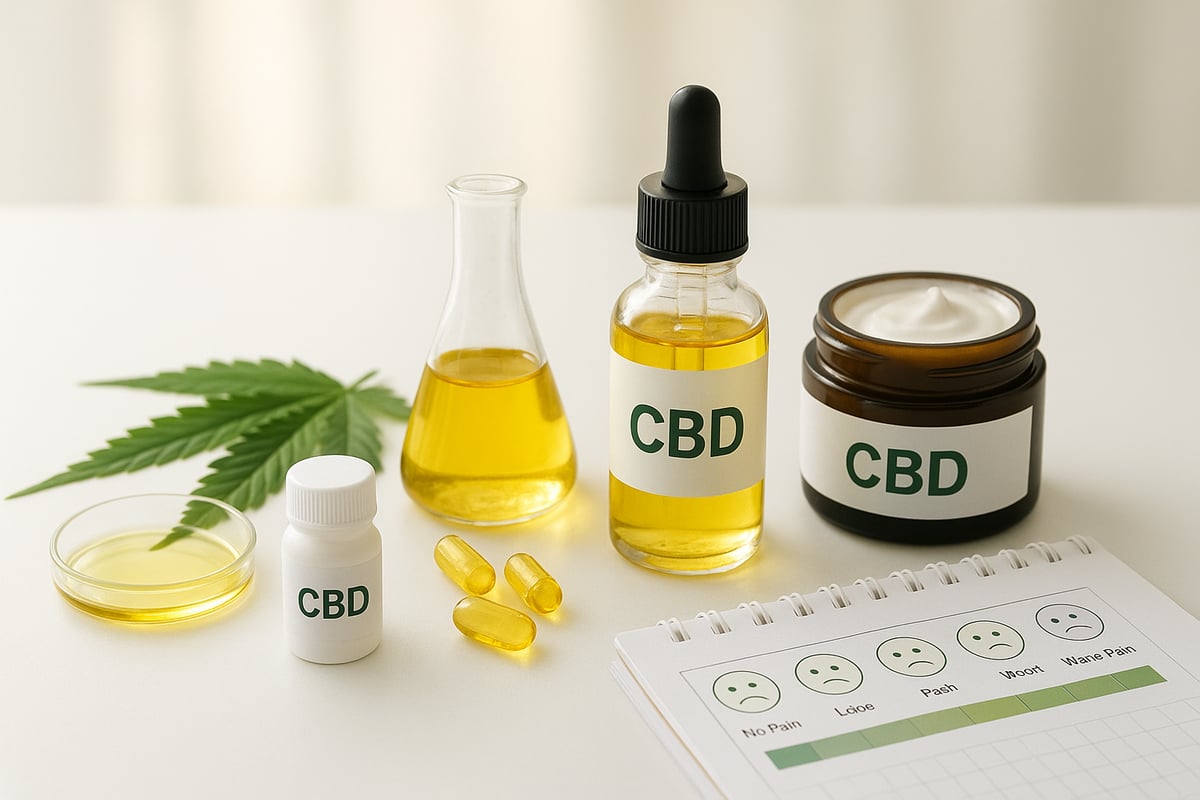
The endocannabinoid system (ECS) is a complex network of receptors and signaling molecules that help regulate pain, mood, and inflammation. CBD interacts with the ECS by influencing CB1 and CB2 receptors, which are found throughout the body and brain. Through this interaction, CBD and pain relief are connected via the modulation of inflammation and pain perception. Studies have shown that the ECS is involved in chronic pain conditions, highlighting why CBD's effects on this system are a focus of modern research. This biological relationship underpins much of the ongoing interest in CBD as a pain management tool.
Types of Pain Addressed by CBD
CBD and pain relief are most commonly associated with chronic pain, such as arthritis, fibromyalgia, and neuropathy. Acute pain, including injury or recovery after surgery, may also be supported by CBD’s properties. There is a distinction between inflammatory pain, like that from joint swelling, and neuropathic pain, which stems from nerve damage. According to a 2023 survey, 60 percent of CBD users reported that pain relief was their primary motivation for use. This widespread application across pain types is a driving force behind the growing popularity of CBD in pain management routines.
Key Scientific Findings and Ongoing Research
Recent years have brought a surge of clinical studies investigating the relationship between CBD and pain relief. Meta-analyses and systematic reviews, such as the Systematic Review on CBD for Chronic Pain, demonstrate growing scientific consensus around CBD’s potential for managing chronic pain. However, gaps remain in understanding optimal dosing, long-term effects, and which populations benefit most. Ongoing research includes randomized controlled trials and comprehensive reviews, including a recent JAMA publication, all seeking to clarify CBD’s precise role and effectiveness for various forms of pain.
Myths and Misconceptions
Despite the increasing use of CBD and pain relief products, several myths persist. Some believe all CBD products are the same, but differences in source, extraction, and formulation affect quality and results. Confusion also exists between hemp-derived and marijuana-derived CBD, especially regarding legality. CBD is federally legal when derived from hemp with less than 0.3 percent THC, but regulations vary by state. In 2024, the FDA issued warning letters to companies with mislabeled products, emphasizing the need for consumer vigilance. Understanding these facts is crucial for safe and effective CBD use.
How CBD Provides Pain Relief: Mechanisms and Effectiveness
Understanding how cbd and pain relief are connected requires a closer look at what happens inside the body. CBD’s interaction with different biological systems sets it apart from traditional pain management options. Scientists continue to uncover new mechanisms through which CBD may offer relief, making it an exciting area for anyone seeking alternatives to conventional painkillers.
Anti-Inflammatory Effects of CBD
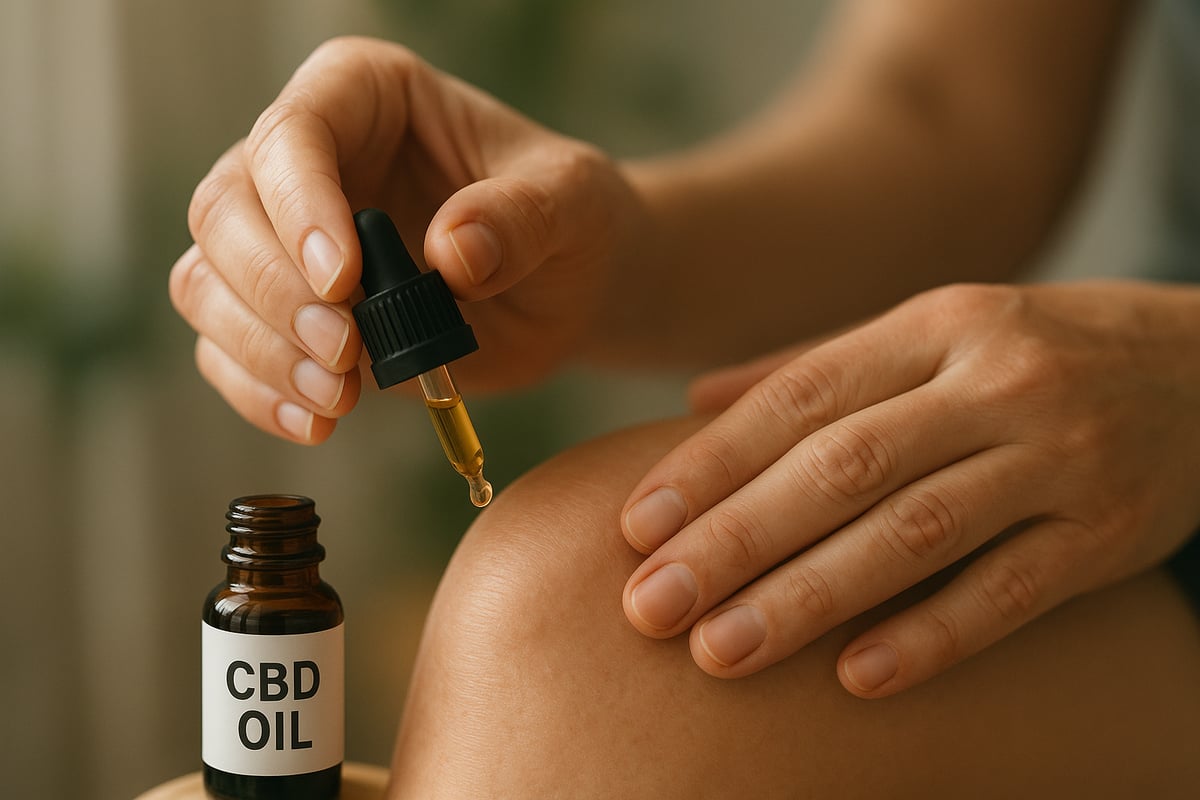
One of the primary ways cbd and pain relief are linked is through CBD’s anti-inflammatory properties. When the body is injured or under stress, inflammation often causes swelling, redness, and pain. CBD interacts with immune cell receptors and helps modulate the release of cytokines, which are signaling molecules that drive inflammation.
A 2023 study on rheumatoid arthritis demonstrated that CBD could reduce joint swelling and pain by inhibiting inflammatory markers at the cellular level. This effect is not limited to arthritis. Many users with chronic inflammatory conditions report similar benefits. By reducing inflammation, CBD may help restore comfort and improve mobility for individuals facing persistent pain.
Neuropathic and Nociceptive Pain Relief
CBD’s potential extends beyond inflammation to address nerve-related pain as well. Neuropathic pain, which results from nerve damage or dysfunction, can be notoriously difficult to treat. CBD is thought to influence pain signaling pathways in the nervous system, offering new hope for those with conditions like multiple sclerosis or diabetic neuropathy.
Recent research suggests that cbd and pain relief are closely connected in the context of nerve pain. CBD may reduce hyperactivity in pain pathways, leading to decreased discomfort. For a more in-depth look at these effects and real-world outcomes, visit How CBD Oil Helps Manage Pain. Compared to traditional medications, CBD is often associated with fewer side effects, making it a compelling option for those seeking alternatives.
The Entourage Effect: Synergy with Other Cannabinoids
The entourage effect describes how multiple cannabis compounds work together to enhance cbd and pain relief. Full-spectrum and broad-spectrum CBD products contain not only CBD but also other cannabinoids like CBG, CBN, and aromatic terpenes. These compounds may amplify each other’s benefits, resulting in more pronounced pain relief than CBD isolate alone.
A 2022 review found that full-spectrum CBD extracts were more effective for certain types of pain compared to isolates. The presence of flavonoids and terpenes may also contribute to anti-inflammatory and analgesic effects. When selecting a CBD product, considering the full cannabinoid and terpene profile can make a significant difference in results.
Dosage and Bioavailability Factors
How much CBD you take—and how your body absorbs it—affects cbd and pain relief outcomes. Dosage can depend on body weight, severity of pain, and individual sensitivity. Product type also matters: oils and tinctures are absorbed quickly under the tongue, while edibles and capsules take longer to work but last longer in the system.
Bioavailability, or the percentage of CBD that enters your bloodstream, varies between delivery methods. Topical creams target localized pain, while oral forms provide systemic relief. Starting with a low dose and gradually increasing allows users to find the most effective regimen with minimal risk.
Real-World Patient Outcomes and Case Studies
Patient-reported outcomes offer valuable insights into cbd and pain relief. Surveys conducted in 2024 found that 80% of users experienced moderate to significant reductions in pain after using CBD products. These findings are echoed in case studies involving conditions like fibromyalgia and arthritis, where individuals reported improved mobility and decreased reliance on traditional painkillers.
Many patients also highlight improved sleep and reduced anxiety as secondary benefits. Tracking these real-world results provides a fuller picture of CBD’s potential impact on quality of life, especially for those struggling with chronic discomfort.
Limitations and Who May Not Benefit
Despite promising research, cbd and pain relief are not guaranteed for everyone. Individual responses to CBD can vary widely due to genetics, metabolism, and the nature of the pain condition. Some users may experience only mild benefits, while others notice no change at all.
There is also a potential for placebo effects, and certain individuals—such as those with specific medical conditions or on particular medications—may not be good candidates for CBD use. Consulting with a healthcare provider before starting CBD is critical to ensure safety and avoid unwanted interactions.
Choosing the Right CBD Product for Pain Relief
Selecting the ideal CBD product can make a significant difference in your pain management journey. With the growing popularity of cbd and pain relief, understanding the available options and how to evaluate them is crucial for safe and effective results.
Product Types: Oils, Topicals, Edibles, and More
CBD products come in many forms, each tailored to different needs. The most common options include tinctures, capsules, gummies, creams, and transdermal patches. Oils and tinctures offer flexible dosing and systemic effects, making them popular for general cbd and pain relief.
Topical creams and roll-ons are best for localized pain since they target specific areas. Edibles like gummies provide convenience and longer-lasting effects, while patches deliver a steady dose over time. For a detailed look at these options and their benefits, explore CBD Oil Benefits for Pain.
Choosing the right type depends on your pain location, severity, and lifestyle preferences.
How to Evaluate Quality and Safety
Not all CBD products are created equal, so prioritizing safety is essential for anyone seeking cbd and pain relief. High-quality brands provide third-party lab testing and a Certificate of Analysis (COA) to verify potency and purity.
Key quality indicators include organic hemp sourcing, clean extraction methods, and the absence of synthetic additives or contaminants. Always check for visible lab results and transparent ingredient lists. Beware of red flags such as vague labeling, lack of testing information, or claims that sound too good to be true.
A careful evaluation ensures you avoid low-quality products and maximize the benefits of cbd and pain relief.
Full-Spectrum vs. Broad-Spectrum vs. Isolate for Pain
CBD products come in three main types: full-spectrum, broad-spectrum, and isolate. Full-spectrum contains all cannabinoids, including trace THC, which may enhance effects through the entourage effect. Broad-spectrum retains multiple cannabinoids but removes THC, offering a THC-free option with potential synergy.
Isolate is pure CBD, suitable for those who want to avoid other plant compounds. Recent research suggests broad-spectrum and full-spectrum products might offer superior cbd and pain relief compared to isolates, especially for inflammatory pain. Consider your sensitivity to THC and personal preferences when choosing a spectrum.
Understanding these differences helps you find the most effective fit for your needs.
Understanding Labels and Dosage Information
Accurate labeling is vital when considering cbd and pain relief. Carefully read product labels for total CBD content, serving size, and ingredient list. Look for clear dosing instructions based on your weight and pain level.
Start with a low dose and gradually increase, monitoring your response. Reliable products display batch numbers and expiration dates, ensuring quality and traceability. If uncertain, consult dosage calculators or healthcare providers for personalized guidance.
Proper label comprehension and careful titration help you achieve optimal results with cbd and pain relief.
CBD Solutions from Reclaim Labs
Reclaim Labs stands out in the cbd and pain relief market for its commitment to quality and transparency. Their offerings include high-potency broad-spectrum oils, nano CBD roll-ons, and CBG-infused patches, all rigorously third-party tested.
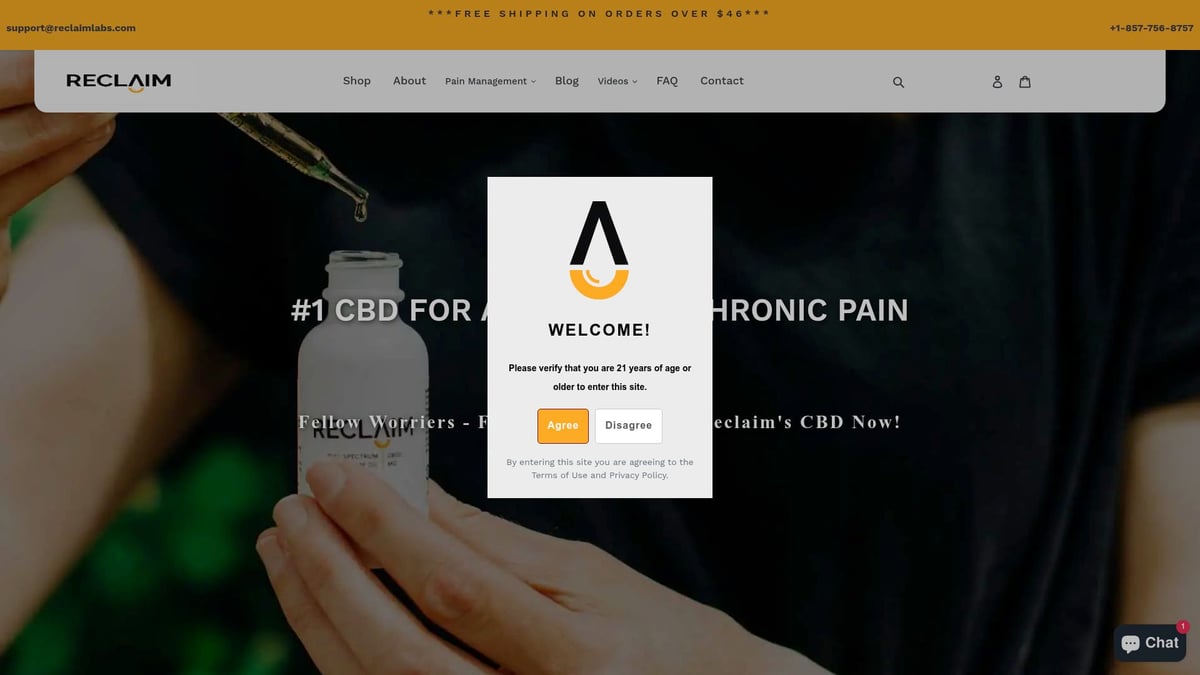
These products cater to individuals with chronic pain conditions such as rheumatoid arthritis and fibromyalgia who seek natural alternatives. Reclaim Labs emphasizes customer education and satisfaction, providing clear information and a guarantee on every purchase.
Customer testimonials highlight significant pain reduction and improved mobility, making Reclaim Labs a trusted choice for cbd and pain relief.
Step-by-Step Guide: Integrating CBD into Your Pain Management Routine
Starting a cbd and pain relief journey can feel overwhelming, but breaking it down into manageable steps makes the process much smoother. This guide details each phase to help you make informed decisions and achieve the best results for your unique needs.
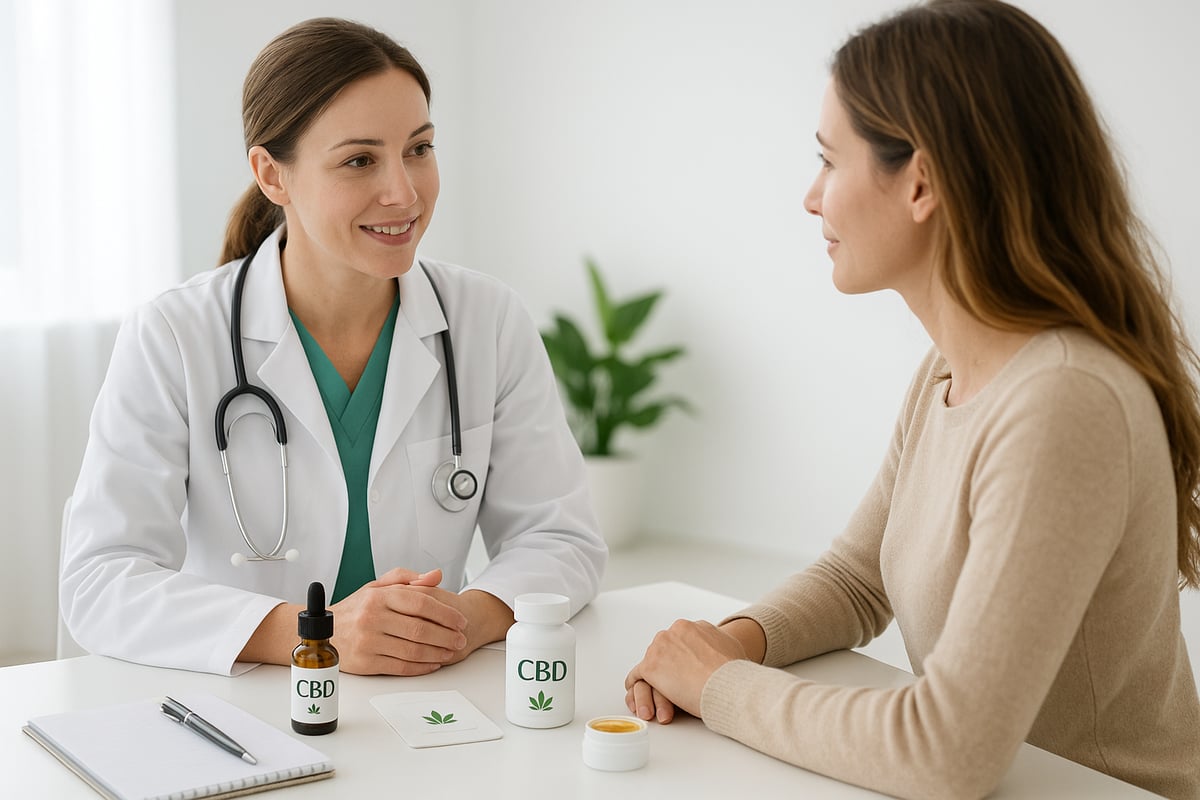
Step 1: Consult with Your Healthcare Provider
Before adding cbd and pain relief products to your routine, speak with your physician or pain specialist. Medical guidance is essential, especially if you take prescription medications or have chronic conditions. Your provider can review potential drug interactions and help determine if CBD is a safe option for you.
Clinical guidelines released in 2023 emphasize the importance of physician oversight when considering cannabinoids for pain management. Open communication ensures your approach is both safe and effective.
Step 2: Research and Select a High-Quality Product
Not all cbd and pain relief products are created equal. Research trustworthy brands that provide third-party lab testing, transparent sourcing, and clear labeling. Look for Certificates of Analysis (COA) to confirm product purity and potency.
Consumer advocacy groups in 2024 rated companies based on transparency, safety, and customer satisfaction. Avoid products with vague ingredient lists or lacking lab results. Your diligence can prevent wasted money and disappointing results.
Step 3: Determine the Appropriate Dosage
Finding the right dose for cbd and pain relief is not one-size-fits-all. Factors such as body weight, pain intensity, and product type influence dosage needs. Start with a low amount and gradually increase, monitoring your response.
Many users rely on online dosage calculators or professional recommendations to guide initial dosing. If unsure, your healthcare provider can assist in tailoring a plan that fits your individual pain profile.
Step 4: Choose the Right Delivery Method
Selecting the optimal method for cbd and pain relief maximizes benefits. Common options include oral oils, capsules, topicals, and patches. Oral products work systemically, while topicals and patches target localized pain.
For example, The Benefits of CBD Oil Patches for Chronic Pain Relief explores how patches provide steady, targeted relief over time. Matching delivery method to your pain type increases the likelihood of meaningful results.
Step 5: Monitor Effects and Adjust as Needed
Tracking your cbd and pain relief experience is key to long-term success. Keep a pain diary to note symptom changes, side effects, and any improvements in daily function. Adjust your dosage or delivery method if needed, based on your observations.
Know when to consult your provider, especially if you experience unexpected side effects or no improvement after several weeks. Regular check-ins ensure your regimen remains safe and effective.
Step 6: Combine with Other Pain Management Strategies
Integrating cbd and pain relief with other approaches often yields the best outcomes. Consider combining CBD with physical therapy, gentle exercise, or mindfulness practices for a comprehensive plan.
A patient case study showed that using CBD alongside yoga helped reduce chronic pain and improved mobility. Evidence supports a multimodal approach, highlighting the value of personalized, holistic care.
Safety, Side Effects, and Legal Considerations in 2025
Understanding the safety profile, side effects, and legal landscape is crucial for anyone considering cbd and pain relief in 2025. As this natural option becomes more popular, knowing the risks, regulations, and best practices helps ensure a safe and effective experience.
Common Side Effects and Risk Factors
Most people tolerate cbd and pain relief well, but side effects can occur. Typical reactions include drowsiness, gastrointestinal upset, and dry mouth. Some may also experience changes in appetite or mild dizziness.
Certain groups face higher risks. These include pregnant individuals, older adults, and those with liver or kidney issues. A 2024 meta-analysis on CBD safety found that adverse effects are usually mild, but long-term use should be monitored. For more details on prolonged safety, see this long-term cannabis use for chronic pain study.
Always consult your healthcare provider before starting cbd and pain relief, especially if you fall into a higher-risk category.
Drug Interactions and Contraindications
CBD can interact with common medications used for pain, such as NSAIDs and opioids. It may also affect blood thinners, certain antidepressants, and anti-seizure drugs. These interactions could increase side effects or reduce the effectiveness of your prescription.
People using cbd and pain relief should disclose all medications to their doctor. Clinical guidelines recommend careful monitoring when combining CBD with other drugs. Contraindications include severe liver disease or a history of allergic reactions to cannabinoid products.
Understanding these factors helps prevent complications and ensures that cbd and pain relief is both safe and effective for your needs.
Regulatory and Legal Status Update for 2025
The legal status of cbd and pain relief continues to change in 2025. In the United States, federal law allows hemp-derived CBD with less than 0.3% THC, but some states have stricter rules. Internationally, several countries have updated regulations, expanding access to medical-grade CBD products.
Staying informed about local laws is important. Recent policy updates require clear labeling and third-party lab testing to protect consumers. If you travel, check the legal status of cbd and pain relief at your destination, as laws may differ widely.
Legal clarity in 2025 makes it easier for patients to access high-quality, compliant products.
Tips for Safe and Effective Use
To maximize the benefits of cbd and pain relief, follow these safety tips:
- Verify product legitimacy by checking for third-party lab results and Certificates of Analysis.
- Avoid products with synthetic additives or contaminants.
- Start with a low dose and gradually increase as needed.
- Maintain ongoing communication with your healthcare team.
- Monitor for side effects and stop use if any serious symptoms develop.
These steps help ensure that your experience with cbd and pain relief is positive, effective, and safe.
Addressing Stigma and Misinformation
Despite growing acceptance, stigma around cbd and pain relief persists in some communities. Open conversations with family, friends, and healthcare providers can help dispel myths and outdated beliefs.
Recent surveys show that more physicians are supporting cbd and pain relief, especially as scientific evidence grows. Sharing reputable sources and personal experiences can foster understanding. Education remains the best tool for overcoming stigma and embracing the potential of cbd and pain relief in modern pain management.
The Future of CBD and Pain Relief: Trends and Innovations
The landscape of cbd and pain relief is evolving rapidly, with innovation and research paving the way for new possibilities. As we look to 2025 and beyond, both patients and clinicians can expect significant shifts in how cbd and pain relief strategies are developed, delivered, and regulated.
Advances in CBD Research and Clinical Trials
Scientific understanding of cbd and pain relief is advancing through large-scale clinical trials and new research methodologies. Recent years have seen a surge in studies investigating how cannabinoids impact chronic pain conditions. Notably, a Cannabinoids for Neuropathic Pain Meta-Analysis found promising results for cannabis-based medications, including CBD, in managing neuropathic pain compared to placebo.
Ongoing trials are exploring nano-formulations, targeted delivery, and patient-specific variables. This growing body of evidence is helping clarify which pain types can benefit most from cbd and pain relief, as well as informing optimal dosing and safety protocols.
Emerging Product Innovations
The cbd and pain relief market is set to introduce a wave of new product innovations. Next-generation delivery systems, such as transdermal patches and nanoemulsions, are designed to improve bioavailability and offer more sustained effects. Custom blends featuring minor cannabinoids like CBG and CBN, along with terpenes, are gaining traction for their synergistic potential.
Technological advancements are also enabling the creation of AI-driven dosing recommendations and precision formulations. These improvements aim to maximize the therapeutic benefits of cbd and pain relief while minimizing side effects and variability in outcomes.
Integration with Digital Health and Telemedicine
Digital health tools are becoming integral to cbd and pain relief management. Telemedicine platforms now allow patients to consult with clinicians about CBD use, track symptoms, and receive personalized recommendations from the comfort of home. Mobile apps are emerging that help users log pain levels, monitor product effects, and adjust dosages in real time.
This integration streamlines communication between patients and healthcare providers, improving safety and efficacy. It also enables ongoing data collection, which supports further research into cbd and pain relief strategies tailored to individual needs.
Shifting Consumer Preferences and Market Growth
Consumer interest in cbd and pain relief continues to rise, with the market projected to reach $25 billion by 2025. Patients are increasingly seeking products that are vegan, organic, and sustainably sourced, reflecting a broader trend toward health-conscious consumption. Transparency is a top priority, with buyers demanding clear labeling, third-party testing, and detailed sourcing information.
A growing number of individuals are choosing cbd and pain relief options as alternatives or adjuncts to traditional pain medications. This shift is reshaping both the supply chain and the types of products that manufacturers bring to market.
Policy Changes and Global Perspectives
The regulatory landscape for cbd and pain relief is evolving at both national and international levels. In the United States, recent years have seen changes in federal and state laws that impact access, product standards, and medical use. Globally, organizations like the WHO are collaborating on research and policy development to ensure safety and efficacy.
Emerging policies may soon enable wider insurance coverage and integration into mainstream healthcare. These developments are expected to make cbd and pain relief solutions more accessible and affordable for patients worldwide.
Addressing Unmet Needs in Chronic Pain Care
Despite progress, significant gaps remain in chronic pain management. Many patients do not achieve adequate relief with current therapies, underscoring the need for innovative approaches like cbd and pain relief. Ongoing research focuses on reducing opioid reliance, improving quality of life, and developing personalized protocols.
Future directions include combining cbd and pain relief with holistic care models, such as physical therapy and mindfulness. As science advances, the potential for tailored, multimodal pain management strategies grows, offering hope to those who need it most.
You’ve now explored how CBD can offer real support for chronic pain and inflammation, from understanding the science to choosing the right product for your needs. If you’re ready to take a step toward greater comfort and mobility, consider what a trusted, transparent provider like Reclaim Labs can offer. Their rigorously tested CBD solutions are crafted with your wellbeing in mind, ensuring you get both quality and peace of mind. You owe it to yourself to discover natural options that truly make a difference—why not start your journey toward relief today
Get Relief Now!