Pain is deeply personal. The persistent ache of an arthritic knee is completely different from the sharp signals of nerve pain, and finding what works for you often requires a bit of trial and error. While many people have found incredible relief with CBD, it’s not a one-size-fits-all solution. The key is understanding how it might help with your specific type of discomfort. This guide is here to help you do just that. We will explore how CBD interacts with different kinds of pain, from inflammation to chronic conditions, giving you a realistic look at what to expect. Think of this as your personal resource for exploring CBD for elderly pain management and discovering if it's a path worth taking.
Key Takeaways
-
Start smart by talking to your doctor and dosing slowly: Before you begin, get professional medical advice to ensure CBD is safe for you, then start with a low dose of 5-10 mg and increase gradually to find your ideal amount for relief.
-
Choose the right product for your needs and verify its quality: Use topical products like creams and patches for localized pain, and consider oils for more systemic relief. Always confirm a product's safety and potency by checking for a third-party Certificate of Analysis (COA).
-
View CBD as part of a complete wellness plan: Get the most out of CBD by pairing it with other healthy habits. Gentle exercise, an anti-inflammatory diet, and stress management can work together with CBD to create a more effective, long-term pain relief strategy.
Getting Started with CBD for Pain Relief
If you're exploring natural ways to manage pain, you've likely come across CBD. It can feel a little overwhelming at first, but understanding the basics is the first step toward finding out if it's the right fit for you. Let's walk through what CBD is, how it works with your body, and why so many people, especially older adults, are turning to it for relief.
What CBD Is (and Isn't)
First things first, let's clear up a common misconception. CBD, short for cannabidiol, is a natural compound found in the cannabis plant. But unlike its well-known cousin, THC, CBD is not psychoactive—meaning it won’t make you feel "high." Instead, people often report feeling a sense of calm or relaxation.
Hemp-derived CBD products containing less than 0.3% THC are legal in the United States. You can find CBD in many different forms, from oils and tinctures to topical creams and convenient patches. This variety allows you to choose a method that best suits your lifestyle and specific needs, whether you're looking for targeted relief for a sore joint or overall wellness support.
How Does CBD Actually Work?
Your body has a remarkable internal network called the endocannabinoid system (ECS). Think of the ECS as your body's master regulator, working constantly to keep things like your mood, sleep, appetite, and pain perception in balance. When you're dealing with chronic pain or inflammation, it's a sign that this system might be out of sync.
CBD interacts with and supports your ECS, helping it do its job more effectively. It doesn't force a reaction but rather encourages your body's natural ability to heal and find balance. This is why CBD can be a gentle yet effective tool for managing conditions like arthritis pain. Because CBD can interact with other medications, it's always a good idea to speak with your doctor before adding it to your routine.
Why CBD Can Be Effective for Seniors
Many older adults are actively looking for alternatives to traditional pain medications, which can sometimes come with unwanted side effects. CBD presents a promising, plant-based option. Research suggests that CBD can be particularly helpful for managing chronic pain, with some studies showing it can significantly reduce discomfort from conditions like arthritis.
Beyond just pain, many people find that a consistent CBD routine contributes to an overall better quality of life. The founder of Reclaim Labs even found a path to beating arthritis by incorporating these natural solutions. From supporting more restful sleep to easing everyday stress, CBD’s gentle, balancing properties can help you feel more like yourself again.
Can CBD Help Your Type of Pain?
Pain shows up in our bodies in many different ways. The dull ache in your joints from arthritis feels very different from the sharp, shooting nerve pain you might experience elsewhere. Because of this, it’s helpful to understand that CBD may work differently depending on the source of your discomfort. While many people have found incredible relief, the science is still catching up to fully explain how CBD interacts with various types of pain.
The good news is that researchers are actively studying how CBD can help with everything from inflammation to chronic aches. Understanding the basics can help you set realistic expectations and figure out if CBD is a path worth exploring for your specific needs. This isn't about finding a one-size-fits-all magic bullet, but about discovering a tool that could become a valuable part of your personal wellness routine. Let’s look at some of the most common types of pain seniors experience and what we know about CBD’s potential to help.
Arthritis and Joint Pain
If you’re dealing with the daily stiffness and soreness of arthritis, you’re not alone in looking for better solutions. Many people turn to CBD for its potential to ease joint pain. Some early studies suggest that CBD might help reduce both the pain and swelling associated with arthritis. The Arthritis Foundation notes that while more large-scale human research is needed, many individuals with arthritis have tried CBD. For some, it brings noticeable relief, better sleep, and less anxiety, while others may not feel a significant difference. This variability is normal and highlights why finding a personal routine is so important.
Neuropathic Pain
Neuropathic pain, or nerve pain, can be particularly challenging to manage. It often feels like a burning, tingling, or shooting sensation. When it comes to using CBD for this type of pain, the research is still developing. Some studies on older adults have found that CBD on its own hasn't been clearly shown to be effective for nerve pain. However, many people still choose to try it, often after other common treatments haven't provided enough relief. Because nerve pain is so complex, what works can be highly individual. Tracking your own experience is key to figuring out if CBD is helping you.
Chronic Pain Conditions
Living with chronic pain means you’re constantly looking for safe, sustainable ways to feel better. It’s no surprise that many older adults are exploring CBD as an alternative to traditional pain medications, which can come with unwanted side effects. In fact, you’re in good company—one poll found that among people over 65 who use CBD, a full 40% use it specifically for pain relief. This growing interest shows a collective desire for more natural and gentle options for managing long-term conditions. Hearing stories from others who have found success can be a powerful motivator, like the personal journey that inspired our own pain management solutions.
Inflammatory Pain
Inflammation is your body's natural response to injury, but when it becomes chronic, it can cause persistent pain. This is the root cause of discomfort in conditions like rheumatoid arthritis. One of the most well-known benefits of CBD is its potential to help reduce inflammation. By interacting with your body’s internal systems, CBD may help calm this response and, in turn, ease the pain it causes. Many people appreciate that CBD offers a way to address inflammatory pain that is non-addictive and gentle on the body, making it a suitable option for long-term use.
How to Choose the Right CBD Product for You
Walking into the world of CBD can feel like learning a new language, with terms like tinctures, topicals, and terpenes. But finding the right product doesn't have to be complicated. The best choice for you simply depends on your specific needs, the type of pain you're experiencing, and your personal preferences. Some methods offer targeted relief for a sore knee, while others provide a more systemic, all-over effect.
The most common ways to use CBD include placing an oil under your tongue, applying a cream directly to your skin, or swallowing a capsule. Each method works a bit differently in your body, affecting how quickly you feel the results and how long they last. Let's break down the most popular options so you can confidently choose from the different CBD products available and find what works for your routine.
Exploring CBD Oils and Tinctures
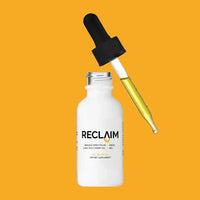
When you think of CBD, you probably picture a little bottle with a dropper. These are CBD oils and tinctures, and they are one of the most popular ways to take CBD. You use the dropper to place the oil under your tongue, holding it there for about 60 seconds before swallowing. This method, called sublingual administration, allows the CBD to be absorbed directly into your bloodstream for faster, more widespread effects than something you swallow. This makes oils a great option for managing chronic, all-over pain or inflammation. Plus, the dropper gives you precise control over your dose, so you can easily start low and adjust as needed to find what feels right.
Trying Topicals and Patches
If you're dealing with pain in a specific area, like an arthritic knuckle or a sore shoulder, topicals might be your best friend. CBD-infused creams, balms, and lotions are applied directly to the skin over the source of your discomfort. The CBD is absorbed through your skin to interact with local cannabinoid receptors, providing targeted relief right where you need it without entering your bloodstream. For a longer-lasting, more hands-off approach, CBD patches offer a slow, steady release of CBD over several hours. This makes them a fantastic "set it and forget it" option for persistent, localized pain.
Considering Capsules and Edibles
For those who prefer a no-fuss, straightforward approach, CBD capsules are an excellent choice. Each capsule contains a precise, pre-measured dose of CBD, so there’s no measuring or guesswork involved. You simply swallow one like any other supplement. Because they pass through your digestive system, they take longer to kick in, but the effects can also be longer-lasting. While you might see CBD gummies and other edibles, it's wise to be cautious. The Arthritis Foundation notes that dosing can be unreliable in edibles, and many contain unnecessary sugars. Capsules provide that same convenience without the added ingredients, making them a simple and consistent part of a daily wellness routine.
What to Look For in a Quality Product
Not all CBD is created equal, and it’s so important to know what you’re buying. A reputable company will always be transparent about what’s in its products. Look for brands that use an independent, third-party lab to test their products for both purity and potency. The lab will issue a Certificate of Analysis, or COA, which you should be able to find on the company’s website. This report confirms that the product contains the amount of CBD advertised on the label and is free from harmful contaminants like heavy metals, pesticides, and molds. This step ensures you’re getting a safe, high-quality product that you can trust, reflecting a company's commitment to quality.
Your Guide to Using CBD Safely
Trying any new wellness product can feel a little intimidating, and it’s smart to approach it with care. While CBD is generally well-tolerated, your safety and comfort are the top priorities. The key is to be informed and intentional. Think of it like adding a new, healthy food to your diet—you want to know what’s in it, how it might affect you, and the right amount to have.
This guide will walk you through the most important steps for using CBD safely. We’ll cover how to find the right starting dose for your body, what potential side effects to look out for, and the crucial topic of how CBD can interact with other medications. It’s all about giving you the confidence to make the best choices for your health. By understanding these basics, you can create a positive and effective experience with CBD from the very beginning. Remember, the goal is to find relief, and doing it safely is the best way to get there.
Finding Your Ideal Starting Dose
When it comes to CBD, the best approach is to "go low and slow." There’s no universal dose that works for everyone, as factors like your body weight, metabolism, and the type of pain you’re experiencing all play a role. A great starting point for most adults is to begin with 5 to 10 milligrams (mg) of CBD, taken once or twice a day. You can find this amount in a few drops of a CBD oil or a portion of an edible.
Stick with this low dose for three to four days and pay close attention to how you feel. If you don’t notice any changes, you can gradually increase the amount by another 5 to 10 mg. This slow, methodical process allows you to find your "sweet spot"—the minimum dose that gives you the relief you need without overdoing it.
Understanding Potential Side Effects
Most people use CBD without any issues, but it’s always good to know what to expect. The most commonly reported side effects are mild and often temporary. These can include drowsiness, fatigue, dry mouth, or an upset stomach like diarrhea or nausea. Sometimes, you might notice a reduced appetite.
If you experience any of these, don’t panic. It could just be your body adjusting. Often, lowering your dose slightly can make these effects go away. For dry mouth, simply drinking more water throughout the day can help. The key is to listen to your body. If any side effect feels persistent or uncomfortable, it’s a sign to pull back and reassess your dosage, and it’s always a good idea to check in with your doctor.
Be Aware of Drug Interactions
This is one of the most important safety considerations, especially if you take other medications. CBD is processed by enzymes in your liver, and it can interfere with how your body breaks down other drugs. This interaction can either make other medications less effective or increase their levels in your system, potentially causing unwanted side effects.
This is particularly relevant for common medications used for arthritis and pain management, such as ibuprofen and naproxen, as well as blood thinners like warfarin. Because of these potential interactions, you should always talk to your doctor or pharmacist before adding CBD to your routine. They can review your full medication list and give you the safest advice.
When You Should Avoid CBD
While CBD is a helpful tool for many, it isn’t the right choice for everyone. The most critical step before you start is to have a conversation with your doctor. They understand your complete health history and can provide personalized guidance on whether CBD is a safe option for you. This is especially true if you have liver conditions, as CBD can affect liver enzymes.
You should also be cautious about where you source your products. A major safety concern is when a CBD product contains ingredients that aren't listed on the label, or has more THC than advertised. Always choose products from a reputable company that provides third-party lab reports. This ensures you know exactly what you’re putting into your body and can trust its quality and purity.
Talk to Your Doctor About CBD
While CBD is a natural compound, it’s still a powerful one. That’s why bringing your doctor into the loop is one of the most important steps you can take. Think of it as adding a trusted expert to your wellness team. A good conversation with your healthcare provider ensures you’re using CBD safely, especially if you’re taking other medications or have underlying health conditions. They can help you understand potential interactions and find a routine that complements your overall health plan.
Being open with your doctor helps them give you the best possible advice. They can offer personalized guidance based on your health history, making your path to pain relief smoother and safer. This partnership is key to getting the most out of your CBD experience.
How to Start the Conversation
Bringing up CBD with your doctor doesn't have to be intimidating. The best approach is to be direct and honest. Simply let them know you're considering it for pain relief and want their medical opinion. It's crucial to "always tell your doctor about all medicines and supplements you are taking, including CBD." This helps them see the full picture of your health regimen. You can even bring the product you're interested in—or a link to it—to your appointment so they can review the ingredients and potency. This simple, open conversation is the first step toward creating a safe and effective wellness plan together.
Tracking Your Results and Progress
Once you start using CBD, how do you know if it’s actually working? The best way is to keep track of your experience. The Arthritis Foundation suggests you "keep a diary of your symptoms and the CBD dose you take to see if it's helping." In a simple notebook or a note on your phone, jot down your pain levels, the dose you took, the time of day, and any effects you notice—good or bad. This log provides concrete information you can share with your doctor, helping them assess your progress and make informed recommendations for your pain management plan.
Adjusting Your CBD Plan
Finding the right CBD routine often takes a bit of patience and fine-tuning. It’s not always a perfect fit from day one. If you’ve been consistent for several weeks and aren’t feeling the relief you hoped for, it might be time for an adjustment. This is another great reason to keep your doctor involved. They can help you decide whether to try a different dosage, a new type of product, or another approach altogether. Remember, "if you don't find relief after several weeks, CBD might not be for you," and that's okay. The goal is to find what works for your body, and being willing to adjust your plan is a key part of the process.
The Importance of Regular Check-ins
Your health isn't static, and your CBD plan shouldn't be either. Regular check-ins with your doctor are essential, especially as your health needs or medications change over time. These appointments are a chance to review your progress, discuss any new symptoms or side effects, and make sure your CBD routine is still serving you well. As experts note, it's important for seniors to consult with a professional who can "help figure out the right dose and discuss any potential risks." These ongoing conversations ensure your approach to wellness remains safe, effective, and perfectly tailored to you. If you have product-specific questions before your visit, you can always contact us for more information.
Decoding CBD Labels and Quality
Walking into the world of CBD can feel a bit like learning a new language, especially when you’re faced with a product label. But don’t worry—once you know what to look for, you can confidently choose a product that’s both safe and effective. The key is to become a savvy shopper who can spot quality from a mile away. A trustworthy brand will be transparent, providing all the information you need to feel good about what you’re putting in or on your body. This isn’t just about getting your money’s worth; it’s about ensuring your safety and getting the results you’re looking for. Let’s break down exactly what you should be looking for on labels, why lab reports are non-negotiable, and how to care for your product once you get it home.
How to Read a Product Label
Think of a CBD label as your product’s resume. First, look for the total amount of CBD in the entire package, usually listed in milligrams (mg). Then, find the serving size and the amount of CBD per serving. This tells you exactly how much you’re taking each time. You’ll also see the type of CBD: full-spectrum (contains all cannabis plant compounds, including trace amounts of THC), broad-spectrum (contains multiple compounds but no THC), or isolate (pure CBD). Finally, scan the list of other ingredients. A quality product should have a simple, clean list. Being able to shop for products with clear, easy-to-read labels is the first sign you’re dealing with a reputable company.
Why Third-Party Lab Reports Matter
This is the single most important factor in choosing a CBD product. A third-party lab report, often called a Certificate of Analysis (COA), is proof that an independent lab has tested the product for quality and safety. This report verifies that the amount of CBD on the label is accurate and ensures the product is free from harmful contaminants like heavy metals, pesticides, and solvents. Any brand that values your trust will make these reports easy to find on their website. If a company doesn’t provide a COA, it’s best to look elsewhere. Your health is worth the extra step of checking for that commitment to quality.
Understanding the Legal Landscape
You might be wondering about the legality of it all. Thanks to the 2018 Farm Bill, hemp-derived CBD products are federally legal in the United States as long as they contain less than 0.3% THC. THC is the compound in cannabis that causes a "high," and this tiny, legal amount is not enough to produce intoxicating effects. This is why you can purchase CBD online and in stores without a prescription. While the federal law is clear, some state laws can vary, so it’s always a good idea to be aware of your local regulations. Reputable brands will always adhere to the federal limit, ensuring their products are both legal and non-intoxicating.
How to Properly Store Your CBD
Once you’ve found the right product, you’ll want to make sure it stays effective for as long as possible. CBD is a natural compound, and like many natural products, it can degrade when exposed to heat, light, and air. To protect its potency, store your CBD oil, patches, or topicals in a cool, dark place. A medicine cabinet, a pantry, or a drawer are all great options. Avoid leaving it on a sunny windowsill or in your car. Proper storage is a simple step that protects your investment and ensures you get the full benefit from every single dose. Always check the product’s label for any specific storage instructions from the manufacturer.
Pair CBD with Other Natural Pain Relief Methods
Think of CBD as a powerful player on your wellness team, not the entire team itself. While CBD can offer significant relief, its benefits are often amplified when combined with other healthy habits and natural therapies. Creating a holistic pain management plan means looking at the bigger picture of your health. By pairing CBD with simple lifestyle adjustments, you can build a comprehensive strategy for feeling your best and maintaining your independence. This approach addresses pain from multiple angles, giving you more control over your comfort and daily life.
Simple Lifestyle Changes for Pain Relief
Small, consistent changes in your daily routine can make a huge difference in managing pain. An anti-inflammatory diet, rich in fruits, vegetables, and healthy fats, can help reduce systemic inflammation that contributes to conditions like arthritis. Staying hydrated and getting quality sleep are also fundamental for helping your body repair itself. Many older adults are exploring natural alternatives for pain, and CBD can be a wonderful addition. It can help ease the discomfort that might keep you from getting a good night’s rest, creating a positive cycle where better sleep leads to less pain.
The Role of Gentle Exercise
When you’re in pain, exercise might be the last thing on your mind, but gentle movement is one of the best things you can do for joint health. Activities like walking, swimming, or tai chi can improve flexibility, strengthen supporting muscles, and reduce stiffness without putting excess strain on your body. Studies show CBD can help reduce pain and swelling, making it more comfortable to get moving. Using a CBD topical before or after a walk can soothe sore muscles, helping you stay consistent with a routine that is crucial for long-term pain management.
How Managing Stress Can Reduce Pain
The connection between stress and pain is undeniable. When you’re stressed, your body tenses up and can increase inflammation, turning the volume up on your pain. Because CBD has calming effects that can help with anxiety, it’s a great tool for breaking this cycle. By helping you feel more relaxed, CBD can indirectly lower your pain levels. Pair it with other stress-reducing practices like deep breathing, meditation, or spending quiet time in nature. Managing your mental well-being is a key, and often overlooked, part of an effective pain relief strategy.
Exploring Complementary Therapies
Building your personal pain management toolkit may involve exploring other therapies that work well with CBD. Many people find additional relief from practices like acupuncture, massage, or physical therapy. Even simple at-home treatments like applying heat or cold packs to sore areas can be beneficial. Some people also find that products combining different cannabinoids offer enhanced effects for certain types of pain. The goal is to find a combination of tools that works for you. By exploring different CBD products and pairing them with other therapies, you can create a customized plan for managing your pain.
Answering Your Top Questions About CBD
Is CBD Safe and Non-Addictive?
It’s one of the first questions on everyone’s mind, and for good reason. The good news is that CBD is generally considered safe and is not addictive. Unlike THC, it doesn’t produce a “high” and doesn’t have the properties that lead to dependency. Many clinical studies suggest that older adults can use it without major issues, even alongside other medications. However, it’s not without things to consider. The Arthritis Foundation notes that CBD can interact with certain medicines, like blood thinners, so it's absolutely essential to talk with your doctor before adding it to your routine. This conversation ensures it’s a safe choice for your specific health needs.
Making CBD Affordable
Let’s be honest—high-quality CBD can be an investment in your wellness. Because of this, you want to make sure it’s actually working for you before you commit long-term. A great approach is to start with a smaller size or a lower-potency product to see how your body responds. Keeping a simple journal can help you track your symptoms and determine if you’re getting the relief you need. Once you know a product works for you, you can explore more cost-effective options like buying larger sizes or looking for bundles. You can explore a range of CBD products to find one that fits both your wellness goals and your budget.
Does Insurance Cover CBD?
This is a common and practical question, but the short answer is typically no. Most health insurance plans do not cover the cost of CBD products. The reason is that the vast majority of CBD on the market is sold as a wellness supplement, not a medication. Currently, the FDA has only approved one cannabis-derived drug, Epidiolex, which is prescribed for specific seizure disorders. As WebMD explains, other CBD products are not regulated in the same way. For now, you should plan for CBD to be an out-of-pocket expense as you factor it into your wellness budget.
Where to Find Products You Can Trust
In a crowded market, knowing what to look for is key. The most important factor is third-party lab testing. Reputable companies will send their products to an independent lab to verify their purity and potency. These lab reports, often called Certificates of Analysis (COAs), should be easy to find on the company’s website. They confirm the product contains the amount of CBD advertised and is free from harmful contaminants like heavy metals and pesticides. Also, look for products that contain a spectrum of cannabinoids and terpenes, as these compounds may work together to provide more effective relief. Finding a brand that is transparent about its process and ingredients is the best way to ensure you’re getting a safe and effective product. You can start by exploring our line of products, all of which are rigorously tested for quality.
Related Articles
Frequently Asked Questions
Will CBD make me feel "high" or impaired?
This is the most common question, and the answer is no. The CBD products we're discussing are derived from hemp and legally required to contain less than 0.3% THC, which is the compound that causes a "high." This trace amount is not enough to produce any intoxicating effects. Instead of feeling impaired, most people report a sense of calm or a subtle easing of tension in their body.
How long does it take for CBD to work?
The time it takes to feel effects really depends on how you use it. When you apply a topical cream or patch directly to a sore joint, you might notice targeted relief relatively quickly, often within the hour. If you use a CBD oil under your tongue, it's absorbed more directly into your system and you may feel more widespread effects in about 20 to 60 minutes. Capsules take the longest because they have to go through your digestive system first.
Is it safe to use CBD every day?
For many people, especially those managing chronic pain, consistency is key. Using CBD daily can help support your body's internal endocannabinoid system more effectively over time. Since CBD is non-addictive, building it into your daily routine is a common and safe approach for long-term wellness. As with any supplement, it's always best to discuss your routine with your doctor.
I'm using a CBD cream for my knee. Can I also take CBD oil?
Yes, and this is actually a great strategy for comprehensive relief. Using multiple types of CBD products allows you to customize your approach. A topical cream works locally on the specific area you apply it to, without entering your bloodstream. An oil taken under the tongue provides more systemic, all-over support. Using both together is a popular way to address both a specific sore spot and general inflammation or discomfort.
What's the most important thing to look for when buying a CBD product?
If you only remember one thing, let it be this: always look for a recent Certificate of Analysis (COA) from a third-party lab. This is non-negotiable. A COA is your proof that the product has been tested for safety and contains the amount of CBD it claims on the label. Any reputable company will make these reports easy to find on their website, giving you confidence that you're buying a pure and effective product.