Plantar fasciitis affects millions of Americans each year, causing debilitating heel pain that can interfere with daily activities and quality of life. This inflammatory condition occurs when the thick band of tissue running across the bottom of the foot becomes irritated and inflamed. Traditional treatment approaches often involve stretching exercises, orthotics, and anti-inflammatory medications, but many individuals are now exploring cannabidiol (CBD) as a natural alternative. The growing interest in cbd for plantar fasciitis stems from CBD's documented anti-inflammatory and analgesic properties, which may address the root causes of heel pain without the side effects associated with conventional pain medications.
Understanding Plantar Fasciitis and Its Impact
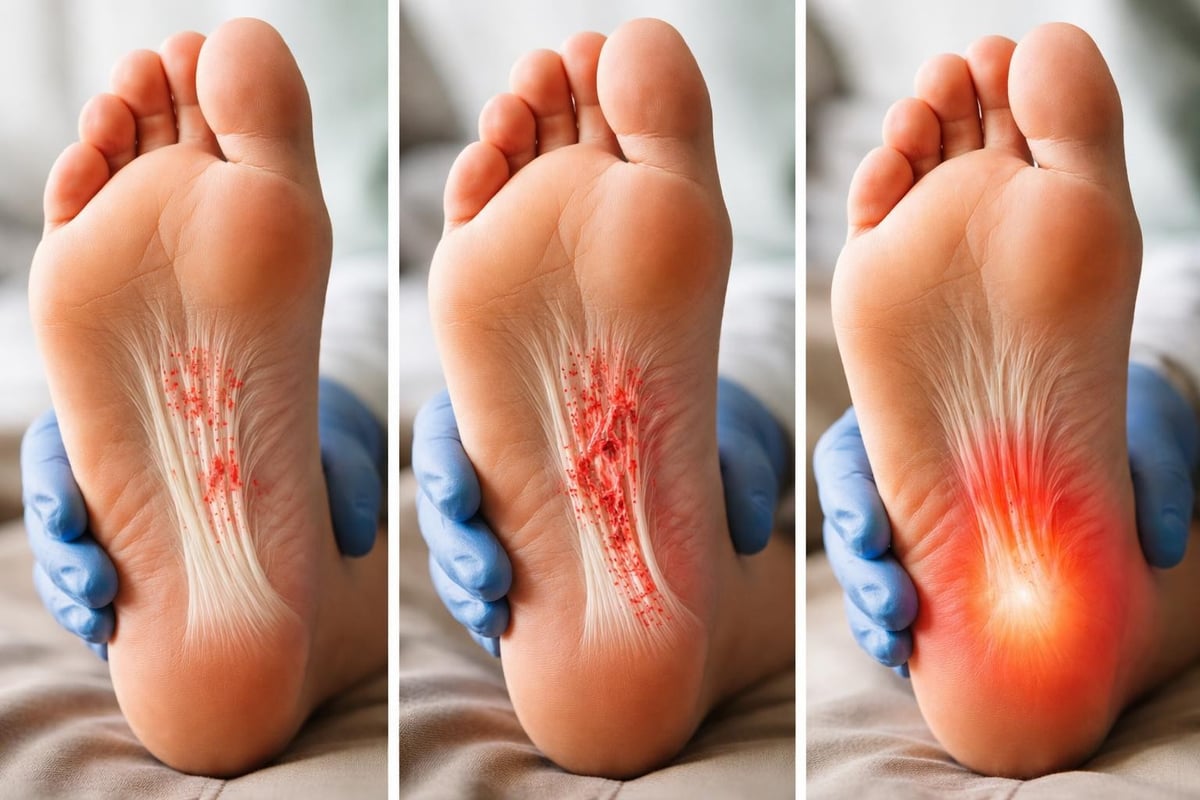
Plantar fasciitis develops when the plantar fascia-the ligament connecting your heel bone to your toes-experiences repeated stress and micro-tears. This condition creates sharp, stabbing pain typically felt during the first steps in the morning or after prolonged periods of sitting.
Common Causes and Risk Factors
Several factors contribute to the development of plantar fasciitis:
- Age: Most common in people between 40 and 60 years old
- Physical activity: Running, jumping, or standing on hard surfaces for extended periods
- Foot mechanics: Flat feet, high arches, or abnormal walking patterns
- Weight: Excess body weight increases stress on the plantar fascia
- Occupation: Jobs requiring prolonged standing or walking
The inflammatory nature of this condition makes it particularly responsive to anti-inflammatory treatments like CBD, which target the underlying tissue irritation rather than simply masking pain symptoms.
Symptoms That Disrupt Daily Life
The hallmark symptom is sharp heel pain, but plantar fasciitis manifests in several ways. Pain typically intensifies after exercise rather than during activity. Many patients describe a burning sensation along the bottom of the foot, while others experience stiffness that improves with movement but returns after rest.
How CBD Works for Pain and Inflammation
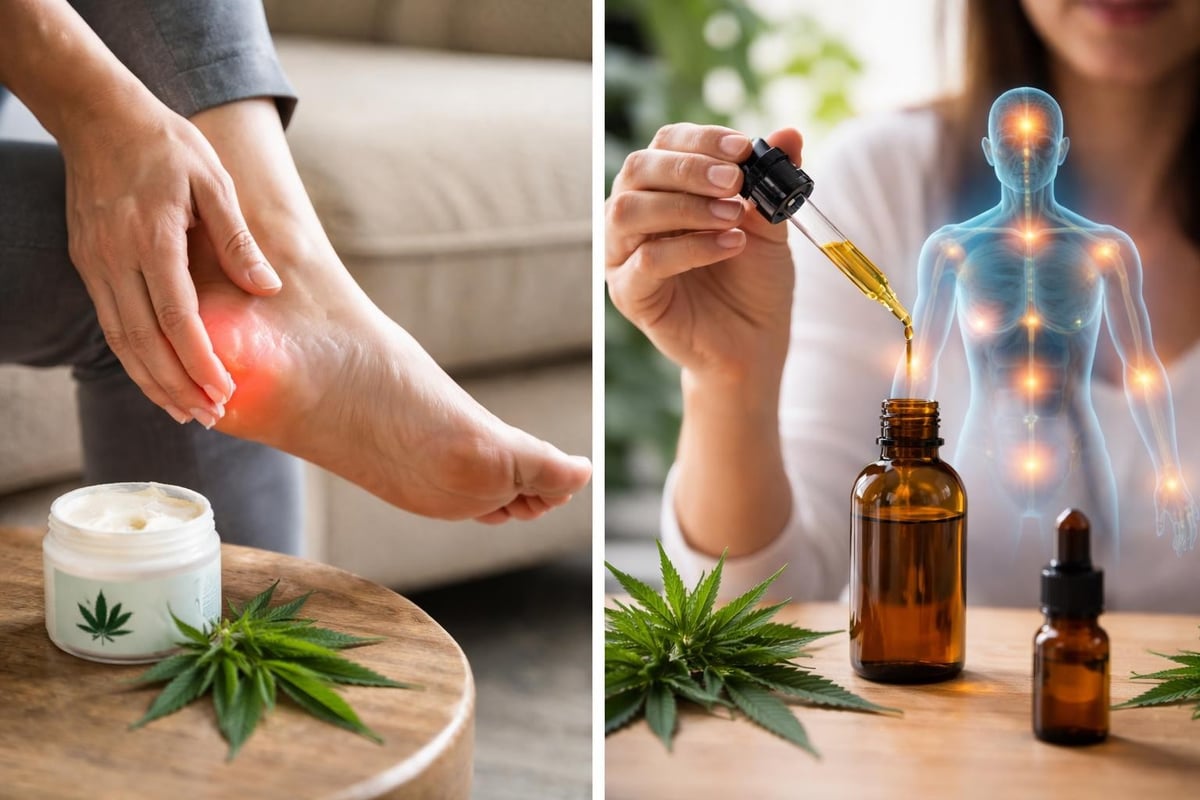
CBD interacts with the body's endocannabinoid system (ECS), a complex network of receptors that regulate pain perception, inflammation, and immune responses. Unlike traditional pain medications that primarily block pain signals, CBD addresses multiple pathways simultaneously.
The endocannabinoid system contains CB1 and CB2 receptors throughout the body. CB2 receptors, particularly abundant in immune cells and peripheral tissues, play a crucial role in modulating inflammatory responses. When CBD binds to these receptors, it can help reduce the production of inflammatory cytokines-the chemical messengers that trigger pain and swelling.
Anti-Inflammatory Mechanisms
CBD's effectiveness for plantar fasciitis relates directly to its anti-inflammatory properties:
- Cytokine reduction: CBD decreases pro-inflammatory cytokines like TNF-alpha and interleukin-6
- Oxidative stress reduction: Antioxidant properties protect tissues from damage
- Immune modulation: Helps regulate overactive immune responses contributing to chronic inflammation
- Pain pathway interaction: Influences TRPV1 receptors involved in pain perception
Research suggests that CBD's multi-targeted approach may provide more comprehensive relief than single-mechanism treatments. For individuals dealing with chronic inflammatory conditions, this broad-spectrum action offers significant advantages.
Application Methods for Plantar Fasciitis
Different CBD delivery methods offer distinct benefits for treating heel pain. The optimal approach depends on pain severity, lifestyle preferences, and individual response to treatment.
Topical CBD Products
Topical applications allow direct treatment of affected areas. CBD creams, balms, and roll-on products absorb through the skin to reach localized tissues without entering the bloodstream significantly.
Advantages of topical CBD:
- Targeted relief at the pain source
- Quick application before activities
- No systemic effects or drowsiness
- Combines well with massage therapy
The best topical CBD products for plantar fasciitis contain additional therapeutic ingredients like menthol, arnica, or eucalyptus oil that enhance pain relief. A CBD-infused roll-on stick provides convenient application throughout the day, especially beneficial for those who spend extensive time on their feet.
Oral CBD Consumption
Oral CBD oils and tinctures offer systemic relief that addresses inflammation throughout the body. This method proves particularly effective for individuals managing multiple pain conditions simultaneously.
| Application Method | Onset Time | Duration | Best For |
|---|---|---|---|
| Topical CBD | 15-30 minutes | 2-4 hours | Localized heel pain |
| CBD Tincture | 30-60 minutes | 4-6 hours | Overall inflammation |
| CBD Capsules | 60-90 minutes | 6-8 hours | Consistent daily dosing |
| Transdermal Patches | 30-60 minutes | 8-12 hours | Extended relief |
Sublingual administration (holding tincture under the tongue) provides faster absorption than swallowing capsules. Many patients find combining topical and oral CBD creates synergistic effects for comprehensive pain management.
Dosage Considerations and Strength Selection
Determining the appropriate CBD dosage for plantar fasciitis requires understanding product potency and individual factors. No universal dosage exists, but established guidelines help optimize results.
Starting with Conservative Doses
Healthcare professionals typically recommend beginning with low doses and gradually increasing until achieving desired relief. For topical applications, start with a small amount applied directly to the heel and arch two to three times daily.
For oral CBD, initial doses usually range from 10-20mg daily. Monitor symptoms for several days before adjusting. Selecting the right strength CBD oil depends on pain severity and body weight.
Factors Influencing Effective Dosage
- Body weight: Heavier individuals may require higher doses
- Pain severity: Chronic, severe pain often needs stronger concentrations
- CBD tolerance: Regular users may need increased amounts over time
- Product quality: Full-spectrum products may work at lower doses due to the entourage effect
- Individual metabolism: Varies significantly between people
Recommended starting points:
- Mild pain: 300-600mg strength products, 10-15mg daily
- Moderate pain: 1000-1500mg strength products, 20-30mg daily
- Severe pain: 2000-3000mg strength products, 40-50mg daily
Consistency matters more than high doses. Taking CBD at the same times daily maintains steady levels in your system, maximizing anti-inflammatory benefits.
Full-Spectrum vs. Broad-Spectrum CBD
Understanding CBD product types helps optimize treatment outcomes. The distinction between full-spectrum and broad-spectrum formulations significantly impacts effectiveness.
Full-Spectrum CBD Benefits
Full-spectrum products contain all naturally occurring compounds from the hemp plant, including trace amounts of THC (less than 0.3%), other cannabinoids, terpenes, and flavonoids. These compounds work together through the "entourage effect," potentially enhancing therapeutic benefits.
For plantar fasciitis, full-spectrum CBD may provide superior anti-inflammatory effects because multiple cannabinoids target different receptors and pathways. The synergistic interaction amplifies overall efficacy compared to CBD isolate alone.
Broad-Spectrum Options
Broad-spectrum CBD contains multiple cannabinoids and terpenes but undergoes additional processing to remove all THC. This option suits individuals concerned about drug testing or those who prefer avoiding any THC exposure.
Both formulations effectively address inflammation, though some users report enhanced relief with full-spectrum products. Understanding different cannabinoids helps inform product selection based on individual needs and preferences.
Integrating CBD with Conventional Treatments
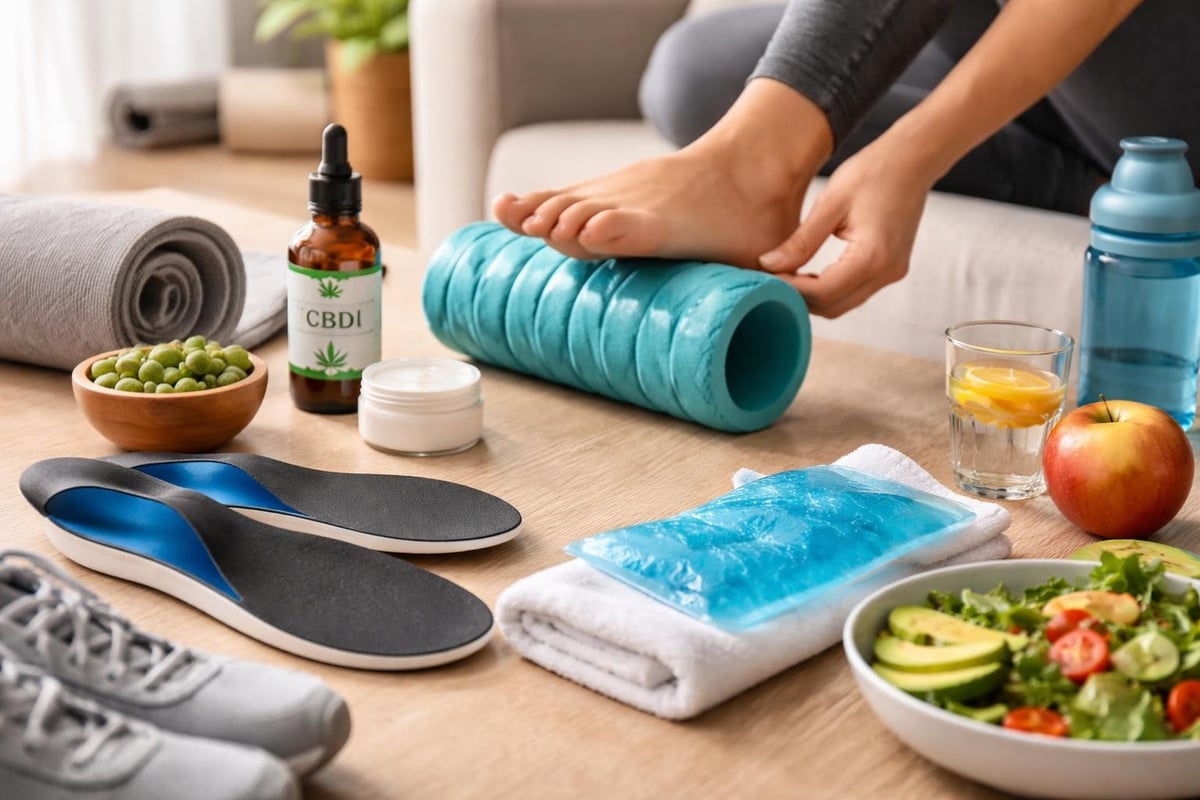
CBD works most effectively as part of a comprehensive treatment plan rather than as a standalone solution. Combining CBD with proven therapeutic approaches maximizes recovery potential.
Complementary Therapies
Physical interventions:
- Stretching exercises targeting the plantar fascia and Achilles tendon
- Ice therapy to reduce acute inflammation
- Orthotic inserts providing arch support
- Night splints maintaining gentle stretch during sleep
Lifestyle modifications:
- Weight management reducing stress on feet
- Appropriate footwear with adequate cushioning
- Activity modification avoiding excessive impact
- Gradual return to exercise programs
CBD enhances these conventional approaches by managing pain and inflammation, making it easier to perform therapeutic exercises and maintain activity modifications. The benefits of CBD for foot pain extend beyond plantar fasciitis to other podiatric conditions as well.
Professional Medical Guidance
Consult healthcare providers before starting CBD, especially when taking other medications. While CBD generally exhibits excellent safety profiles, potential drug interactions exist with certain medications metabolized by the liver's cytochrome P450 enzyme system.
Physical therapists can assess biomechanical issues contributing to plantar fasciitis and recommend specific exercises. Combining their expertise with CBD's anti-inflammatory properties creates a powerful treatment synergy.
Quality and Third-Party Testing Importance
Product quality varies dramatically across the CBD industry. Selecting properly tested products ensures safety, potency, and effectiveness for managing plantar fasciitis symptoms.
Certificate of Analysis Verification
Reputable CBD companies provide Certificates of Analysis (COAs) from independent laboratories. These documents verify:
- Cannabinoid content: Confirms CBD concentration matches label claims
- THC levels: Ensures compliance with legal limits
- Contaminant screening: Tests for pesticides, heavy metals, and solvents
- Microbial testing: Checks for harmful bacteria and mold
Premium CBD brands make COAs readily accessible on their websites, demonstrating transparency and commitment to quality. Before purchasing CBD for plantar fasciitis treatment, always review third-party testing results.
Manufacturing Standards and Sourcing
High-quality CBD products start with organically grown hemp cultivated in controlled environments. Extraction methods significantly impact final product purity. CO2 extraction produces clean, potent CBD without residual solvents.
| Quality Factor | What to Look For | Why It Matters |
|---|---|---|
| Hemp Source | Organically grown, US-sourced | Reduces pesticide exposure |
| Extraction Method | CO2 extraction | Preserves beneficial compounds |
| Third-Party Testing | Complete COA available | Verifies safety and potency |
| Ingredient Transparency | Full ingredient disclosure | Identifies potential allergens |
| Company Reputation | Customer reviews, industry standing | Indicates reliability |
Real-World Applications and User Experiences
Understanding how others successfully use cbd for plantar fasciitis provides practical insights for new users. While individual experiences vary, common patterns emerge regarding effective application strategies.
Morning and Evening Routines
Many plantar fasciitis patients develop consistent CBD routines addressing peak pain times. Morning applications before taking first steps help prevent the characteristic sharp heel pain. Evening applications support overnight healing and reduce morning stiffness.
Sample daily routine:
- Morning: Apply topical CBD to heel and arch before getting out of bed
- Mid-day: Take oral CBD tincture with lunch for sustained anti-inflammatory effects
- Post-activity: Reapply topical CBD after exercise or prolonged standing
- Evening: Use CBD before stretching exercises and bedtime
This multi-pronged approach addresses both acute pain episodes and underlying inflammation contributing to chronic symptoms.
Activity-Specific Applications
Athletes and active individuals often adjust CBD usage around training schedules. Pre-activity application helps prevent inflammation during impact activities, while post-activity use supports recovery. Managing chronic pain while maintaining active lifestyles becomes more achievable with strategic CBD integration.
Safety Profile and Potential Side Effects
CBD demonstrates excellent safety characteristics with minimal adverse effects reported in clinical studies. However, understanding potential reactions helps users make informed decisions.
Common Mild Effects
Most CBD users experience no side effects, but some report minor issues:
- Dry mouth or increased thirst
- Slight drowsiness at higher doses
- Changes in appetite
- Digestive changes with oral consumption
These effects typically resolve as the body adjusts to CBD supplementation. Starting with low doses minimizes likelihood of experiencing side effects.
Contraindications and Precautions
Pregnant or nursing individuals should avoid CBD due to insufficient safety data. People with liver conditions require medical supervision when using CBD, as high doses may affect liver enzyme levels.
CBD may interact with medications including blood thinners, certain antidepressants, and some pain medications. The interaction potential stems from CBD's influence on drug metabolism enzymes. Consulting healthcare providers ensures safe integration with existing treatment regimens, similar to precautions necessary when managing autoimmune conditions.
Long-Term Use and Chronic Pain Management
Plantar fasciitis often requires extended treatment periods, making long-term CBD safety an important consideration. Research indicates CBD maintains effectiveness over time without developing tolerance like opioid pain medications.
Sustained Anti-Inflammatory Benefits
Chronic inflammation perpetuates plantar fasciitis symptoms even after initial injury heals. Regular CBD use helps maintain reduced inflammatory states, supporting tissue healing and preventing symptom recurrence.
Long-term management strategies:
- Maintain consistent daily dosing rather than only using during pain flares
- Rotate between application methods to optimize different therapeutic pathways
- Periodically reassess dosage needs as symptoms improve
- Continue complementary treatments like stretching alongside CBD
Many individuals successfully manage chronic inflammatory conditions long-term with CBD, experiencing sustained relief without escalating doses.
Recovery Timeline Expectations
Plantar fasciitis recovery varies considerably between individuals. Mild cases may resolve within weeks, while severe or chronic cases require months of consistent treatment. CBD supports this healing process but doesn't provide instant cures.
Setting realistic expectations helps maintain treatment compliance. Most users notice initial pain reduction within one to two weeks, with progressive improvement over subsequent months. Combining CBD with physical therapy and activity modification accelerates recovery compared to any single treatment approach.
Cost Considerations and Value Assessment
CBD products represent an investment in health management. Understanding pricing structures helps identify quality products at fair prices while avoiding overpriced or substandard options.
Price Ranges and Quality Indicators
CBD product costs vary based on concentration, extraction methods, and brand positioning. While premium products command higher prices, cost doesn't always correlate with quality.
Average pricing (2026):
- 500-1000mg tinctures: $30-$60
- 1500-2500mg tinctures: $70-$120
- Topical creams (500-1000mg): $40-$80
- Transdermal patches: $25-$50 per package
Calculate cost per milligram to compare products accurately. A 2000mg tincture at $100 costs $0.05 per mg, while a 1000mg product at $60 costs $0.06 per mg-making the higher concentration more economical despite higher upfront cost.
Insurance and Healthcare Spending Accounts
Most insurance plans don't cover CBD products since they're classified as supplements. However, some Health Savings Accounts (HSAs) or Flexible Spending Accounts (FSAs) may allow CBD purchases for documented medical conditions. Check account terms and obtain healthcare provider documentation supporting therapeutic use.
Combining CBD with Other Natural Remedies
Holistic approaches to plantar fasciitis incorporate multiple natural interventions working synergistically. CBD integrates seamlessly with other evidence-based natural treatments.
Herbal and Nutritional Support
Anti-inflammatory supplements complement CBD's effects:
- Turmeric/Curcumin: Potent anti-inflammatory properties
- Omega-3 fatty acids: Support tissue healing and reduce inflammation
- Bromelain: Enzyme with anti-inflammatory effects
- Magnesium: Supports muscle relaxation and reduces cramping
These supplements address inflammation through different mechanisms than CBD, potentially enhancing overall anti-inflammatory effects. However, consult healthcare providers before combining multiple supplements to avoid interactions.
Physical Modalities
Manual therapy techniques enhance CBD absorption and effectiveness. Gentle massage while applying topical CBD improves product penetration into deeper tissues. The physical manipulation also promotes circulation, bringing healing nutrients to damaged plantar fascia tissue.
Contrast therapy-alternating ice and heat applications-combined with CBD creates powerful anti-inflammatory effects. Apply CBD cream, then ice for 15 minutes, followed by gentle heat. This sequence reduces acute inflammation while promoting healing blood flow.
Similar to approaches used for managing different types of foot pain, combining modalities addresses plantar fasciitis from multiple angles simultaneously, accelerating recovery beyond single-treatment approaches.
Product Selection Criteria
Choosing appropriate CBD products for plantar fasciitis requires evaluating multiple factors beyond price and potency. Matching product characteristics to individual needs optimizes therapeutic outcomes.
Topical Formulation Features
Effective CBD topicals for heel pain incorporate complementary ingredients enhancing absorption and efficacy:
- Carrier oils: Coconut oil, shea butter, or jojoba oil for skin penetration
- Additional analgesics: Menthol, camphor, or capsaicin for immediate cooling/warming sensations
- Anti-inflammatory botanicals: Arnica, eucalyptus, or ginger extracts
- Absorption enhancers: Ingredients facilitating CBD penetration into deeper tissues
Consistency matters for application convenience. Roll-on applicators enable hands-free application, particularly useful for reaching heel areas. Creams allow massage integration, while balms provide longer-lasting barrier protection.
Oral Product Considerations
CBD tinctures offer dosing flexibility unavailable with capsules. Adjusting drops allows precise titration to individual needs. Flavored options improve palatability, encouraging consistent use.
Tincture advantages:
- Sublingual absorption bypasses first-pass liver metabolism
- Flexible dosing adjustments
- Faster onset than capsules
- Easy incorporation into beverages
Capsules provide convenient pre-measured doses ideal for maintaining consistent daily intake without measuring. Time-release formulations extend duration, potentially requiring fewer daily doses.
CBD for plantar fasciitis offers a promising natural approach to managing the inflammation and pain associated with this common condition, combining well-documented anti-inflammatory properties with excellent safety profiles. When integrated thoughtfully with conventional treatments like stretching, orthotics, and activity modification, CBD addresses both symptoms and underlying inflammatory processes driving chronic heel pain. If you're seeking high-quality, third-party tested CBD products specifically formulated for managing chronic pain and inflammation, Reclaim Labs provides premium full-spectrum and broad-spectrum options backed by transparency and rigorous quality standards, helping you take control of your plantar fasciitis recovery naturally and effectively.