Imagine waking up pain-free, without prescriptions or side effects. For millions seeking a better way, cbd pain control offers a new path to relief and hope.
This essential handbook is your trusted companion for navigating the latest advances in CBD pain management in 2026. Here, you will find clear insights on the science behind CBD, updated regulations, how to choose the right products, and proven usage protocols.
Whether you are new to CBD or looking to optimize your regimen, you will discover practical steps, expert advice, and future trends to help you make informed decisions for safe, effective pain relief.
Understanding CBD and Pain Relief: The Science in 2026
CBD pain control has become one of the most discussed topics in modern pain management. As research and regulations evolve, understanding how CBD works for pain relief is essential for anyone seeking natural, effective solutions. This section explores the foundations of CBD, how it interacts with the body, the types of pain it may address, and the latest on safety and legality in 2026.
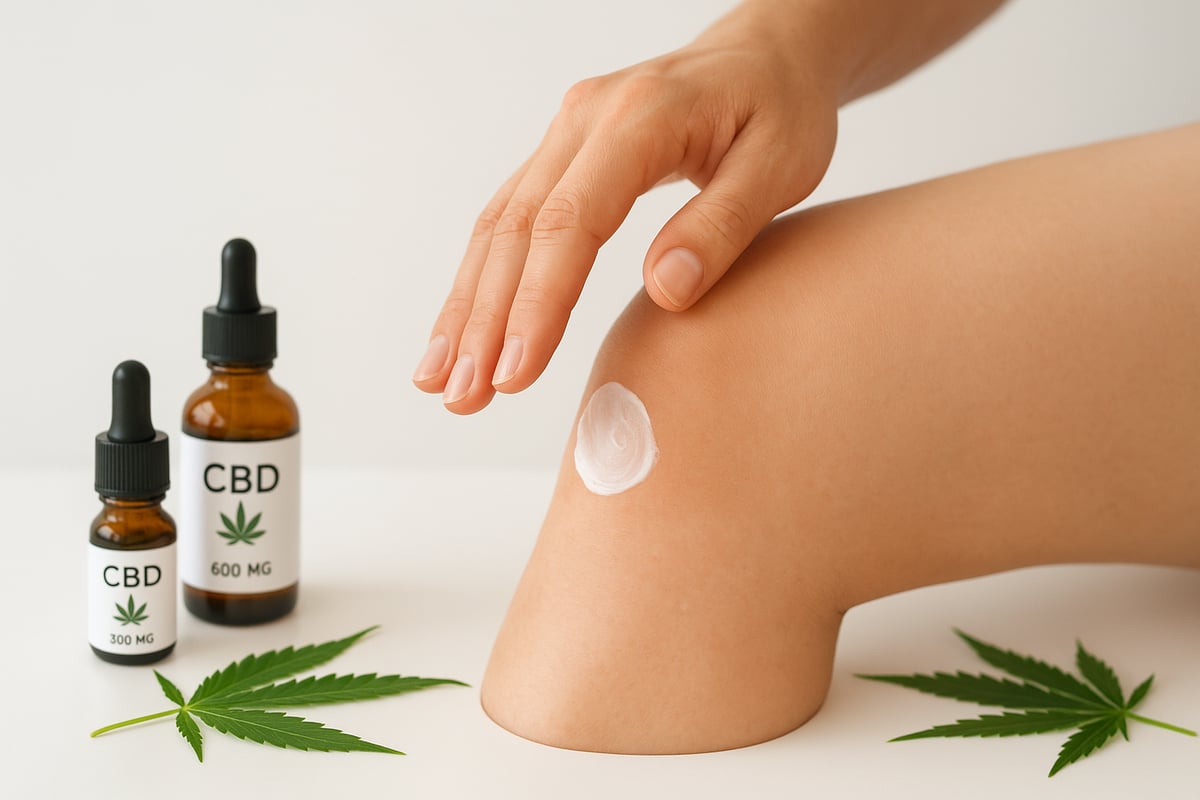
What is CBD?
Cannabidiol, or CBD, is a natural compound found in the Cannabis sativa plant. Unlike THC, CBD does not cause a high or alter perception. Instead, it interacts with the body’s systems to support balance and well-being.
CBD is commonly extracted from hemp using methods such as CO2 extraction or ethanol extraction. These methods affect the quality and purity of the final product. For cbd pain control, two main types are available:
- Full-spectrum CBD: Contains all cannabinoids, including trace THC.
- Broad-spectrum CBD: Contains multiple cannabinoids but no THC.
In 2026, hemp-derived CBD products dominate the market, providing a legal and accessible option for those seeking natural pain relief. The prevalence of high-quality, lab-tested CBD has made cbd pain control more reliable and mainstream.
How CBD Interacts with the Body’s Pain Pathways
CBD pain control works by interacting with the endocannabinoid system (ECS), a network of receptors and enzymes in the body that helps regulate pain, mood, and inflammation. CBD supports homeostasis by influencing these receptors, particularly CB1 and CB2, which play a critical role in pain modulation.
Recent scientific studies highlight CBD’s efficacy for chronic pain, arthritis, and neuropathic pain. A 2025 meta-analysis found that over 60 percent of chronic pain sufferers reported relief with CBD. Real-world testimonials also reveal reduced inflammation and improved mobility for many users.
For a deeper dive into the mechanism, see How CBD works for pain, which explains how CBD modulates pain signals and inflammation pathways. This growing body of evidence makes cbd pain control a compelling option for those seeking alternatives to traditional medications.
Types of Pain CBD May Help Address
CBD pain control is versatile, offering support for a range of pain types. Understanding your specific pain can help you choose the right CBD product and approach.
| Pain Type | Examples | CBD Use Case |
|---|---|---|
| Chronic | Arthritis, fibromyalgia, back pain | Oils, capsules, topicals |
| Acute | Injury, post-surgery recovery | Topicals, patches |
| Neuropathic | Diabetic neuropathy, MS | Oils, patches |
| Inflammatory | Autoimmune conditions | Creams, roll-ons |
Each pain type responds differently to cbd pain control. Chronic pain may benefit from daily oils or capsules, while acute pain often responds to topicals or transdermal patches. Neuropathic pain and inflammatory conditions are increasingly managed with targeted CBD formulations, ensuring a more personalized approach to pain relief.
Safety, Legality, and Side Effects in 2026
In 2026, cbd pain control is guided by updated FDA regulations and expanded global legal acceptance. Most countries now allow hemp-derived CBD with strict quality controls. Always look for products that comply with these guidelines.
Common side effects of CBD are mild and may include:
- Drowsiness
- Gastrointestinal upset
- Possible drug interactions
A 2025 safety review showed less than 5 percent of users experienced adverse events. Despite its safety profile, consulting a healthcare professional before starting cbd pain control is crucial, especially if you take other medications. Prioritizing medical guidance and quality standards ensures a safe and effective experience.
Choosing the Right CBD Products for Pain Control
Selecting the best product is essential for effective cbd pain control. With so many options available in 2026, understanding how each type works and what to look for ensures you choose a solution tailored to your needs.
Product Types: Oils, Topicals, Edibles, and More
CBD products come in several forms, each with unique advantages for cbd pain control. Oils and tinctures offer systemic relief and are popular for their quick absorption. Topicals, such as creams and roll-ons, target localized pain, making them ideal for sore joints or muscle aches. Edibles, like gummies and capsules, provide a convenient and discreet option, though their effects may take longer to appear.
Consider this quick comparison:
| Product Type | Best For | Pros | Cons |
|---|---|---|---|
| Oils/Tinctures | Systemic pain relief | Fast absorption, flexible dose | Taste, requires measuring |
| Topicals | Joint/muscle pain | Targeted, easy to apply | Shorter duration |
| Edibles | Ongoing daily support | Convenient, discreet | Slower onset |
| Patches | All-day relief | Steady release, low maintenance | May be pricier |
Nano-CBD and fast-acting formulas are gaining traction, promising improved absorption. For a deeper look at how oils specifically support pain management, see CBD oil benefits for pain.
Dosage and Potency: How Much CBD Do You Need?
Finding the right dosage is a key part of successful cbd pain control. Dosage depends on factors like body weight, pain severity, metabolism, and the specific product chosen. Many users start with a low dose and gradually increase it, tracking their response. Microdosing involves taking small amounts throughout the day, while standard dosing typically involves one or two larger doses.
In 2026, guidelines suggest an average effective dose for chronic pain is 30 to 50mg per day. However, individual needs vary. Always monitor your response and adjust as needed. Consulting with a healthcare provider can further personalize your cbd pain control approach.
Quality Indicators: What to Look For
High-quality products are crucial for reliable cbd pain control. Look for brands that provide third-party lab testing and Certificates of Analysis (COAs). These reports confirm potency and check for contaminants. Choose products that are organic, non-GMO, and free from pesticides or heavy metals.
Consider whether you prefer full-spectrum, broad-spectrum, or isolate formulations. A 2025 consumer survey found that 87% of users trust brands offering transparent lab reports. Quality and transparency are your best allies in cbd pain control.
CBD Pain Solutions from Reclaim Labs
Reclaim Labs leads the way in science-backed cbd pain control solutions. Their product line includes third-party lab-tested oils, roll-ons, and patches specifically designed for arthritis, fibromyalgia, and inflammatory pain. These proprietary formulas were developed by individuals with chronic pain, ensuring the products are both effective and user-friendly.
Reclaim Labs emphasizes transparency and customer education. Many customers report reduced pain and improved mobility, citing real benefits in their daily lives. Choosing Reclaim Labs means choosing trusted cbd pain control options designed with your needs in mind.
Red Flags and Avoiding Low-Quality Products
Not all cbd pain control products are created equal. Watch out for brands making unverified claims or lacking lab results. Unclear sourcing or the use of synthetic ingredients can signal poor quality. In 2024, the FDA recalled several mislabeled CBD products due to contamination and inaccurate labeling.
To protect yourself, only purchase from reputable sources with verifiable lab reports. Check reviews, verify certificates, and avoid offers that seem too good to be true. Safe cbd pain control starts with informed, cautious choices.
Step-by-Step Guide: Using CBD for Pain Management
Managing pain with CBD requires a thoughtful, stepwise approach. This guide walks you through each stage of cbd pain control, ensuring safe and effective results. Whether you are new to CBD or refining your regimen, following these steps increases your chances of success and minimizes risks.
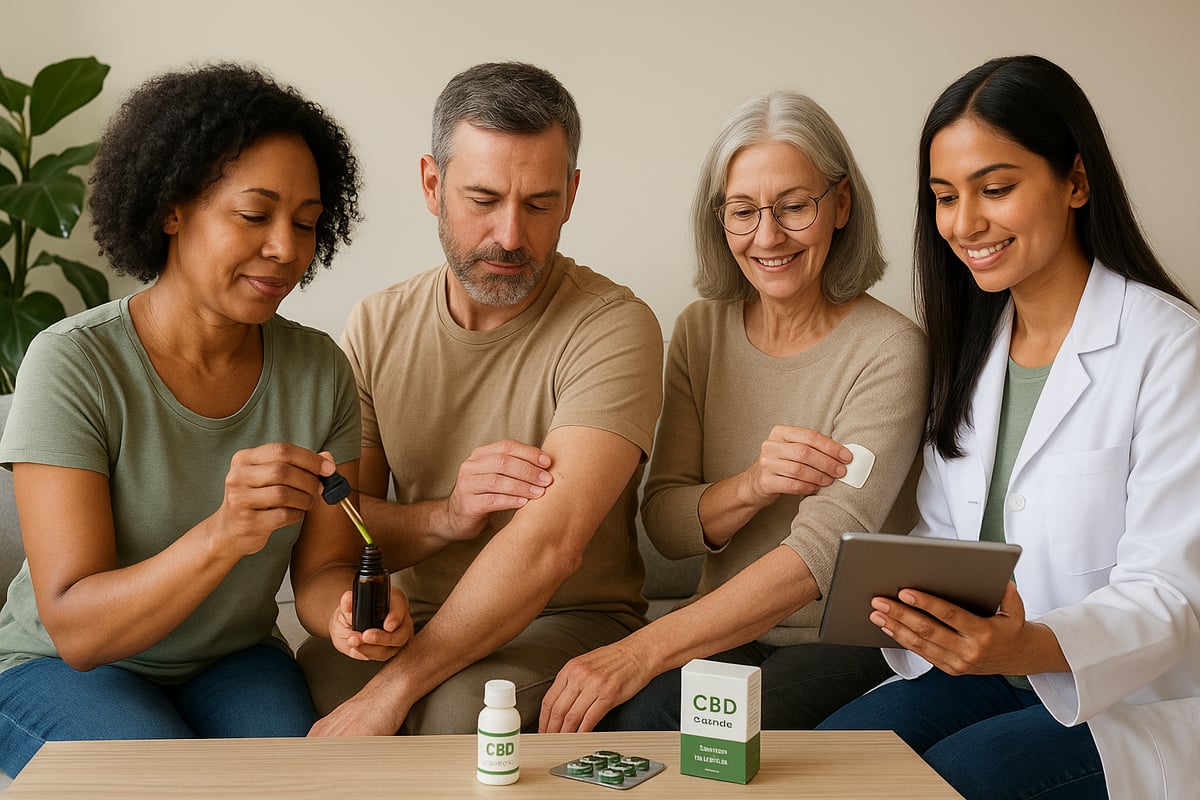
Step 1: Consult a Healthcare Professional
Before starting any cbd pain control regimen, consult a qualified healthcare provider. Medical guidance is crucial, especially if you take prescription drugs or have complex health conditions.
Your doctor can help you assess whether CBD is appropriate, recommend starting doses, and screen for potential drug interactions. For example, CBD may interact with blood thinners or certain antidepressants, so a professional's input is essential.
According to a 2025 survey, 72% of doctors now include CBD in pain management discussions. This shift reflects growing acceptance and emphasizes the importance of medical supervision as you begin your cbd pain control journey.
Step 2: Identify Your Pain Type and Goals
The next step in cbd pain control is to define your pain type and set clear goals. Is your pain chronic or acute? Does it stem from arthritis, injury, or nerve damage? Pinpointing the source helps you tailor your approach and select the most effective CBD product.
Start by tracking your symptoms. Rate your pain before and after using CBD. Note the location, severity, and how it impacts your daily life. Setting realistic goals—such as reducing pain scores by 30% or improving sleep—makes it easier to measure results.
By clarifying your needs, you lay the groundwork for targeted cbd pain control strategies that address your unique challenges.
Step 3: Select the Appropriate CBD Product
Choosing the right product is central to cbd pain control. There are many options: oils, capsules, gummies, topicals, and patches. Each has unique benefits and drawbacks depending on your pain type and lifestyle.
For example, topicals are ideal for localized joint pain, while oils offer systemic relief for widespread discomfort. Transdermal patches provide steady, all-day dosing with minimal hassle. Gummies and capsules are convenient and discreet, though onset time may vary.
Consider onset speed, duration, and your personal preferences. Experiment with different formats as needed, and always opt for reputable brands that provide third-party lab results to support your cbd pain control plan.
Step 4: Determine Dosage and Start Low
Finding the optimal dose is a gradual process in cbd pain control. Start with a low dose, such as 10 mg per day, and increase slowly based on your response and side effects.
Keep a journal to record your pain levels, any side effects, and overall well-being. This helps you and your healthcare provider adjust your dosing strategy as needed. Most people find relief within the 30-50 mg daily range, but individual needs vary.
Microdosing—taking small amounts throughout the day—may suit some, while others prefer a single larger dose. The key to effective cbd pain control is patience and careful monitoring as you titrate upward.
Step 5: Monitor Effects and Adjust as Needed
Ongoing assessment is vital for successful cbd pain control. Regularly evaluate your pain, mobility, and quality of life. If you notice minimal improvement or unwanted side effects, consider switching products or adjusting your dose.
For instance, if oral CBD is not providing enough relief, try a topical formulation for targeted pain. Alternatively, increase your dose in small increments until you reach optimal results.
Stay in touch with your healthcare provider during this phase. Open communication ensures that your cbd pain control plan remains safe and effective as your needs evolve.
Step 6: Combine CBD with Other Pain Management Strategies
Maximize the benefits of cbd pain control by integrating it with other therapies. Physical therapy, gentle exercise, mindfulness, and dietary changes can enhance your results and support long-term well-being.
Many people use CBD to reduce reliance on prescription painkillers. In fact, research and community reports show that CBD users are cutting back on opioids and NSAIDs. For a deeper look at how CBD can serve as a natural alternative to prescription medications, explore patient stories and expert recommendations.
Synergy between CBD and holistic therapies can help you achieve better pain control, greater mobility, and improved quality of life.
Step 7: Stay Informed and Reassess Regularly
The landscape of cbd pain control is always evolving. Stay updated on the latest research, new product innovations, and regulatory changes. Make it a habit to review your pain management plan with your healthcare provider at least once a year.
Join support groups or online communities to share experiences and learn from others. Continuous education empowers you to make informed choices and adapt as your needs shift.
Regular reassessment ensures that your cbd pain control strategies remain effective, safe, and tailored to your unique journey.
CBD Pain Control: Real-World Success Stories and Data
Living with chronic pain can feel isolating, but cbd pain control is transforming lives across the globe. Real-world stories and new data illuminate how CBD is reshaping the pain management landscape in 2026.

User Experiences: Chronic Pain Warriors
For many, cbd pain control has become a crucial part of daily life. Individuals with arthritis, fibromyalgia, and persistent back pain often share stories of renewed mobility and reduced discomfort.
Consider Linda, a woman living with rheumatoid arthritis. After incorporating CBD oil into her regimen, she gradually reduced her steroid use and now reports fewer flare-ups. Others describe using CBD creams to target joint pain, noting less morning stiffness and improved function.
These personal accounts are mirrored by a growing number of case studies. In one clinical trial, patients with chronic lower back pain experienced sustained relief and better quality of life when using a plant-derived cannabis extract. You can read more about these findings in this clinical trial on cannabis extract for chronic low back pain.
Clinical Studies and Medical Endorsements
The evidence supporting cbd pain control is steadily increasing. Between 2022 and 2026, researchers conducted multiple double-blind trials to assess CBD’s impact on chronic and neuropathic pain.
One landmark study showed a 40 percent reduction in neuropathic pain symptoms among CBD users compared to placebo. Pain specialists and rheumatologists are increasingly recommending CBD as an adjunct therapy for patients who have not found relief with traditional medications.
For those seeking comprehensive, up-to-date data, the living systematic review on cannabis and plant-based treatments for chronic pain provides a thorough analysis of benefits and potential risks. This resource is invaluable for anyone considering cbd pain control as part of their treatment plan.
Impact on Opioid and NSAID Use
A significant benefit of cbd pain control is its role in reducing reliance on opioids and NSAIDs. According to a 2025 study, CBD users cut their opioid use by 30 percent, easing concerns about addiction and withdrawal.
Some patients report switching to CBD after experiencing gastrointestinal side effects from NSAIDs. For them, CBD offers a gentler alternative with fewer adverse effects, contributing to improved overall health and well-being.
Addressing Skepticism and Limitations
While many find relief with cbd pain control, results are not universal. Some individuals experience only modest improvements, while others notice little change. The placebo effect and individual variability play important roles in outcomes.
Ongoing research is essential to clarify which patients benefit most and how to optimize treatment. Honest conversations with healthcare providers help set realistic expectations and ensure CBD is used safely alongside other therapies.
The Future of CBD Pain Management: Innovations and Trends for 2026
The landscape of cbd pain control is evolving rapidly, with 2026 bringing a host of innovations that are reshaping how patients and providers think about natural pain relief. From advanced formulations to regulatory milestones, the future of cbd pain control looks more promising than ever.
Advances in CBD Formulations and Delivery
In 2026, cbd pain control is driven by breakthroughs in how CBD is formulated and delivered. Nanoemulsion technology, for example, allows CBD molecules to be absorbed twice as quickly as traditional oils, according to a 2025 industry report. This means faster relief and improved bioavailability for those seeking natural pain solutions.
Time-release patches and water-soluble CBD drops are also making waves. These innovations deliver steady, controlled doses throughout the day, giving users more consistent pain management. A recent study highlighted a novel nano-micelle CBD formulation that effectively relieves neuropathic pain without the usual side effects, as detailed in CBD-IN formulation relieves neuropathic pain without side effects. As these advanced delivery methods become more accessible, cbd pain control is expected to become even more effective for diverse pain conditions.
Personalized CBD Therapies
Personalization is at the forefront of cbd pain control. In 2026, genetic testing and AI-driven platforms are being used to tailor CBD therapies to individual needs. These tools analyze genetic markers and lifestyle factors to recommend optimal dosing and product types.
Imagine an app that tracks your pain patterns and suggests real-time adjustments to your CBD regimen. This level of personalization helps patients achieve better results, minimizing trial and error. As more healthcare providers adopt these approaches, cbd pain control becomes a customized experience, increasing both safety and effectiveness for users.
Regulatory Changes and Global Adoption
Major regulatory shifts are shaping cbd pain control worldwide. In 2026, both the FDA and EMA have released comprehensive guidelines for over-the-counter CBD products. These standards focus on product safety, labeling, and quality assurance.
Legal markets are expanding across Europe and Asia-Pacific, making high-quality CBD more available than ever. This global adoption is raising the bar for manufacturing standards and boosting consumer confidence in cbd pain control solutions. Patients can now access reliable, compliant products, knowing they meet rigorous regulatory criteria.
Integrating CBD with Mainstream Healthcare
The integration of cbd pain control into conventional healthcare is accelerating. Pain clinics and hospitals are beginning to collaborate with reputable CBD providers, offering patients new avenues for holistic pain management. Insurance coverage for certain CBD therapies is now available in select regions, further reducing barriers to access.
Hospital-based CBD programs are piloting protocols for chronic pain, with medical teams overseeing usage and monitoring outcomes. By embedding cbd pain control within mainstream treatment plans, healthcare systems are acknowledging its growing role in comprehensive pain relief.
What to Watch For: Ongoing Research and Community Resources
Ongoing research is vital to the future of cbd pain control. Upcoming clinical trials and long-term safety studies are expected to shed more light on the benefits and limitations of CBD for pain. Community resources, like support groups and educational forums, help patients stay up to date and connected.
Recent findings, such as those from the Yale study identifying cannabinoids as potential safe pain relievers, underscore the importance of continued investigation. As the field evolves, staying informed and engaged will empower individuals to make the best choices for their cbd pain control journey.
You’ve learned how CBD can make a meaningful difference in managing chronic pain, from understanding the science behind it to finding the right product and dosage for your needs. At Reclaim Labs, every CBD solution is crafted with care, tested for quality, and designed to help you reclaim comfort and mobility—naturally. If you’re ready to put this knowledge into action and take the next step toward relief, I invite you to explore our trusted collection of CBD products. Your journey to a better, pain-free tomorrow starts here—Get Relief Now!