Living with nerve pain is a uniquely frustrating experience. It’s not like a sore muscle you can trace back to a workout; it’s a sharp, burning, or tingling sensation that seems to have a mind of its own. When traditional pain relievers don’t touch it, the search for effective relief can feel endless. This is why so many people are turning their attention to CBD. But with all the information out there, it’s natural to ask: does CBD help with nerve pain in a meaningful way? This guide is here to give you clear, straightforward answers. We’ll look at the science behind how CBD interacts with your body’s pain signals, what the research says, and how to create a safe and effective plan for yourself.
Key Takeaways
Work with your body, not against it
CBD helps manage nerve pain by supporting your body's endocannabinoid system. It works to reduce inflammation and quiet overactive pain signals, offering a way to find balance rather than just covering up symptoms.
Find your unique sweet spot
There's no one-size-fits-all dose for CBD. Start with a very small amount (around 5 mg) and increase it gradually over time. Tracking your progress in a journal will help you pinpoint the most effective dose for your specific needs.
Always check for a Certificate of Analysis (COA)
The CBD market isn't regulated, so third-party lab reports are your proof of quality. A COA confirms a product's potency and purity, and you should always consult your doctor before adding CBD to your routine, especially if you take other medications.
What Is Nerve Pain?
If you’ve ever felt a sharp, shooting, or burning sensation that seems to come out of nowhere, you might be familiar with nerve pain. Unlike a muscle ache from a good workout, this type of pain is different because it originates within the nervous system itself. It’s what’s known as neuropathic pain, and it happens when there's damage or irritation to the nerves. Think of your nerves as your body’s intricate electrical wiring, constantly sending signals between your brain and every other part of you. They tell your muscles to move, let you feel the warmth of the sun, and warn you when you touch something hot.
When that wiring gets damaged, the signals can get scrambled, short-circuit, or fire off randomly. This miscommunication is what causes those confusing and often debilitating sensations, like a constant burning, sudden stabbing pains, tingling, numbness, or even extreme sensitivity from something as simple as the fabric of your clothes. It’s a complex and often chronic condition that can be incredibly frustrating to live with, not just because of the physical discomfort but because it can be invisible to others. To make matters more challenging, it doesn’t respond to typical pain relievers in the same way other types of pain do. Understanding what’s happening at the nerve level is the first step toward finding effective relief and reclaiming your comfort.
The Different Kinds of Nerve Pain
Nerve pain isn't a one-size-fits-all condition; it can show up in different ways depending on which nerves are affected. One of the most common types is peripheral neuropathy, which involves damage to the peripheral nerves, the vast network that connects your brain and spinal cord to your muscles, skin, and internal organs. This often starts in the longest nerves, which is why symptoms like tingling, numbness, or sharp pain frequently appear first in the hands and feet. Other types of nerve pain can be more localized, like sciatica, which affects the sciatic nerve running down your leg, or trigeminal neuralgia, which causes intense facial pain. Each type has its own unique set of challenges, but they all share a common root in nerve dysfunction.
What Causes It?
The reasons behind nerve pain are incredibly varied, and sometimes it’s a complication of another chronic health condition. Diabetes is one of the most common culprits, as high blood sugar levels can damage delicate nerve fibers over time. Other causes include physical injuries that sever or compress nerves, infections like shingles, autoimmune diseases such as multiple sclerosis, and certain vitamin deficiencies. Some medical treatments, particularly chemotherapy, can also lead to nerve damage as an unfortunate side effect. In some cases, the exact cause can be difficult to pinpoint, but identifying any underlying condition is a key part of creating an effective management plan and finding the right path to relief.
How It's Typically Treated
Because nerve pain originates in the nervous system, it often doesn't respond well to standard over-the-counter pain medications like ibuprofen. Instead, doctors typically prescribe medications designed to calm the overactive nerves, such as certain antidepressants or anticonvulsants. Topical treatments like lidocaine patches or capsaicin cream can also provide localized relief by numbing the affected area. While opioids are sometimes used for severe cases, they come with significant risks and are generally not a long-term solution. When these conventional treatments fall short or cause unwanted side effects, many people begin looking for alternative ways to manage their symptoms. This search is why so many are exploring cannabis-based treatments for their potential to offer a different kind of relief.
How CBD Interacts with Your Body's Pain Signals
To understand how CBD might help with nerve pain, we first need to look at how it works inside your body. It’s not magic, it’s science. CBD interacts with a complex network that’s already hard at work trying to keep you in balance. Think of it less as a substance that masks pain and more as a supportive compound that helps your body’s own systems manage discomfort more effectively.
When you’re dealing with chronic nerve pain, it often feels like the pain signals are stuck on "high." CBD works with your internal systems to help turn down that volume. It influences the way your cells communicate, particularly when it comes to inflammation and pain perception. By supporting your body’s natural processes, CBD offers a different approach to finding relief, one that focuses on restoring balance from within.
Meet Your Endocannabinoid System
You might be surprised to learn that your body has its own built-in system that interacts with compounds like CBD. It’s called the endocannabinoid system (ECS), and it’s a master regulator. The ECS helps manage a whole host of functions, including your immune response, sleep cycles, and, most importantly for our topic, pain. It’s constantly working to maintain a state of internal balance, or homeostasis.
The ECS has three main parts: endocannabinoids (compounds your body makes), receptors that these compounds bind to, and enzymes that break them down. When something is off—like an injury or inflammation causing nerve pain, the ECS steps in to help restore order. CBD doesn't hijack this system; instead, it encourages your body to use its own endocannabinoids more effectively and interacts with other receptors involved in pain signaling.
How CBD Helps Calm Pain Signals
So, how does CBD actually help quiet those screaming nerve signals? It works in a couple of key ways. First, nerve pain is often linked to inflammation. CBD is known for its anti-inflammatory properties, which can help reduce the irritation and pressure on damaged nerves that cause pain. By calming the underlying inflammation, CBD can address one of the root causes of discomfort.
Second, research shows that cannabinoids can influence specific pain receptors in your spinal cord. They interact with proteins called α3 glycine receptors, which are crucial for processing pain signals. Essentially, CBD helps these receptors work better, which can dampen pain signals before they even have a chance to reach your brain. It’s like having a gatekeeper that helps filter out excessive pain messages, leading to a sense of relief.
CBD Compared to Traditional Pain Relievers
When you compare CBD to traditional pain medications, one of the most significant differences is how the body responds over time. With many conventional pain relievers, you might build up a tolerance, meaning you need higher doses to get the same effect. Studies suggest this isn't the case with cannabinoids. They seem to keep working effectively without the need to constantly increase the amount you take.
This makes CBD a compelling option for a long-term pain management strategy. Instead of just blocking pain, it supports your body’s ability to regulate it. For many people, this offers a more sustainable path to relief, especially when dealing with chronic conditions. It’s about working with your body’s systems, not just against the symptoms.
What the Research Says About CBD for Nerve Pain
When you’re dealing with nerve pain, you want to know what actually works. The conversation around CBD is exciting, but it can also be confusing with so much information out there. That’s why it’s helpful to look at the science. Researchers are actively studying how cannabinoids, the compounds found in the hemp plant, interact with our bodies to influence pain and inflammation. It’s a rapidly evolving field, which is great because it means we’re learning more every day.
Most of the early research has been done in preclinical settings, like studies with animals, which are crucial for understanding the basic mechanics of how CBD works. Now, we’re seeing more human trials that provide valuable insights into its real-world effects. It’s important to look at this research as a promising starting point rather than a final verdict. The scientific community is building a strong case for how CBD can be a useful tool for managing chronic pain, including the kind that comes from nerve damage. The goal isn't to get lost in complex jargon but to understand the key takeaways so you can make an informed, confident decision about your own wellness plan. Let’s walk through some of the most important findings from the research so far.
Key Research Findings
One of the most exciting discoveries is how cannabinoids directly address pain at its source. A foundational study found that specific cannabinoids, including CBD, can significantly reduce both long-lasting inflammatory and neuropathic pain in animal models. This suggests that CBD does more than just mask symptoms; it works on the underlying mechanisms of pain.
What’s especially appealing for many people is that CBD offers these potential benefits without the "high" associated with THC. Researchers have noted that while CBD’s effects are still being studied, it appears to help reduce pain and protect nerves on its own. This makes it a compelling option for those seeking relief without any psychoactive effects, allowing you to go about your day feeling clear-headed and comfortable.
Highlights from Clinical Studies
While animal studies lay the groundwork, human trials give us a better picture of real-world results. Several small clinical trials and larger reviews have shown that cannabis can be effective at reducing neuropathic pain. Though many of these studies look at cannabis products containing THC, they open the door to understanding how individual compounds like CBD contribute to that relief.
More specifically, a 2017 review concluded that CBD was helpful for chronic nerve pain. It’s also important to be realistic, another review from 2018 suggested the benefits might not always outweigh the risks for some cannabis-based medicines. This is a normal part of the scientific process; it simply means more research is needed to pinpoint the best uses and dosages for CBD.
Its Role as an Anti-Inflammatory
Inflammation is often a major contributor to nerve pain. When tissues become inflamed, they can swell and press on sensitive nerves, sending pain signals shooting through your body. One of CBD’s most well-known properties is its ability to fight inflammation. By calming this inflammatory response, CBD may help ease the pressure on your nerves and, in turn, reduce your pain.
This happens through CBD’s interaction with your body’s endocannabinoid system, which helps regulate your immune response and pain perception. CBD encourages your body to use its own pain-reducing compounds more effectively. It may also reduce inflammation in the brain and nervous system, providing a two-pronged approach to calming nerve-related discomfort.
How It Helps Regulate Pain Signals
Beyond reducing inflammation, CBD also seems to work on a deeper level by directly influencing how your body transmits pain signals. Think of pain signals as messages that travel along your nerves to your brain. Research has found that cannabinoids can make certain proteins in your spinal cord, called glycine receptors, work more efficiently. These receptors act like gatekeepers, helping to control which pain signals get through.
By improving how these receptors function, CBD can help turn down the volume on chronic pain. One study showed that CBD directly interacts with these glycine receptors, which helps them better regulate pain. This direct action is what makes CBD such a promising candidate for providing lasting relief from persistent nerve pain.
How to Choose the Right CBD Product for You
Walking into the world of CBD can feel a bit like standing in a grocery store aisle trying to pick a cereal, the options are endless and it’s hard to know where to start. From oils and creams to capsules and patches, the right choice really comes down to your specific needs, your lifestyle, and the kind of relief you’re looking for. Are you dealing with localized pain in your knee, or is it a more widespread discomfort? Do you prefer a quick-acting solution or something that offers slow, steady relief throughout the day?
Thinking through these questions will help you find the perfect match. Let's break down the most common types of CBD products so you can feel confident in your decision. Each form has its own unique benefits and understanding them is the first step toward creating a pain management plan that truly works for you. We’ll cover how they work, who they’re best for, and what to look for to ensure you’re getting a safe, high-quality product.
Oils and Tinctures
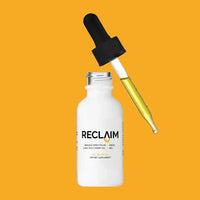
CBD oils and tinctures are one of the most popular ways to take CBD. You use a dropper to place the oil under your tongue, hold it there for about 30-60 seconds, and then swallow. This method, called sublingual administration, allows the CBD to be absorbed directly into your bloodstream for faster, more systemic effects. It’s a great option if you’re looking for all-over relief rather than targeting one specific spot. CBD (cannabidiol) is a natural compound found in the cannabis plant, but it’s different from THC, which is the part of cannabis that creates a “high.” Oils give you precise control over your dosage, as you can easily increase or decrease the amount drop by drop.
Topicals: Creams, Balms, and Patches
If you have pain concentrated in a specific area, like an arthritic knuckle or a sore lower back, topicals are a fantastic choice. Topical CBD products, such as creams and balms, are applied directly to the skin where you feel pain. They work by interacting with cannabinoid receptors in your skin, providing targeted relief without entering your bloodstream. This makes them ideal for localized issues. Patches work similarly but offer a slow, continuous release of CBD over several hours, which is perfect for consistent, long-lasting relief throughout your day or night. These are especially helpful for pain that comes and goes and needs on-the-spot attention.
Capsules and Edibles
For those who want a no-fuss, straightforward approach, capsules and edibles are the way to go. Just like taking a daily vitamin, capsules offer a pre-measured, consistent dose of CBD every single time. There’s no measuring or guesswork involved, making them incredibly convenient. Because you ingest them, the CBD passes through your digestive system before entering your bloodstream. This means it takes a bit longer to feel the effects, usually an hour or two, but the relief often lasts longer than with other methods. This makes capsules a solid choice for managing chronic, all-day pain and maintaining a steady level of CBD in your system.
What to Look for in a Quality Product
The CBD market isn't tightly regulated, so it's up to you to be a savvy shopper. The single most important thing to look for is a Certificate of Analysis, or COA. Since the FDA doesn't approve non-prescription CBD products, a COA is your proof that a product is legitimate. This document shows that an independent, third-party lab has tested the product to verify its CBD content and ensure it’s free from harmful contaminants like pesticides, heavy metals, and molds. Reputable companies are proud of their quality and make their COAs easy to find on their website. If a brand doesn’t provide one, consider it a red flag and look elsewhere.
How to Read a CBD Label
CBD labels can be confusing, but knowing what to look for makes it simple. First, understand the potency. Don't confuse the total amount of CBD in the entire bottle with the amount per serving. The label should clearly state how many milligrams (mg) of CBD are in a single dose (e.g., one dropperful or one capsule). When you’re just starting, it’s always best to begin with a small dose, like 5 mg, and slowly increase it over a few days or weeks until you find what works for you. This "start low and go slow" approach helps you find your ideal dose without taking more than you need.
How to Use CBD Safely and Effectively
Getting started with CBD is a personal journey, and finding what works best for you is key to a positive experience. The goal is to get the relief you need without any unwanted surprises. This means paying attention to dosage, understanding how different products work, and being aware of how CBD might interact with your body and any other medications you’re taking. Think of it as a partnership with your own wellness, you’re in the driver’s seat, and a little knowledge goes a long way.
Before you begin, it’s always a good idea to have a conversation with your doctor. They can offer personalized advice based on your health history and help you feel confident in your choices. By taking a mindful and informed approach, you can create a CBD routine that fits your life and helps you feel your best. The following steps will walk you through the essentials of using CBD safely so you can focus on what really matters: finding effective, natural relief.
Find Your Ideal Dose
When it comes to CBD, the golden rule is to "start low and go slow." There’s no universal dose that works for everyone, as the right amount depends on factors like your body weight, metabolism, and the specific reason you're using it. A great starting point is a small dose, around 5 milligrams, to see how your body responds.
It's also important to read the label carefully. Don't confuse the total amount of CBD in the entire bottle with the amount in a single serving. The product's packaging should clearly state the CBD content per dropper, capsule, or gummy. You can gradually increase your dose every few days until you find the amount that gives you the desired relief. Keeping a simple journal to track your dose and how you feel can be incredibly helpful in finding your sweet spot.
Tips for Applying and Taking CBD
The way you take CBD can influence how it works for you. Each method has its own benefits, so you can choose the one that best fits your needs and lifestyle.
Oils and Tinctures
These are taken by placing drops under your tongue and holding them for 30-60 seconds before swallowing. This method allows for quick absorption into the bloodstream.
Capsules and Edibles
If you want a precise, no-fuss dose every time, capsules or gummies are an excellent choice. They are easy to take and offer long-lasting effects, though they may take longer to kick in.
Topicals
For localized discomfort, like in your joints or muscles, creams, balms, and patches are ideal. You apply them directly to the skin over the area where you need relief, allowing the CBD to work right where it hurts.
Be Aware of Potential Drug Interactions
Safety should always be your top priority, and that includes understanding how CBD might interact with other medications. CBD is processed by the liver, and it can affect how your body metabolizes certain drugs. A helpful rule of thumb is the "grapefruit warning", if your medication advises against consuming grapefruit, you should be cautious with CBD.
Both grapefruit and CBD can interfere with a group of enzymes called cytochrome P450, which are essential for breaking down many common medications. This interaction could lead to higher levels of a drug in your system. Because of these potential drug interactions, it is absolutely essential to speak with your doctor or pharmacist before adding CBD to your routine, especially if you are taking prescription medications.
Understanding Potential Side Effects
While CBD is generally well-tolerated, it's good to be aware of potential side effects, which are typically mild. Some people may experience tiredness, diarrhea, or changes in their appetite or weight. Other reported side effects include dizziness, dry mouth, or lightheadedness.
Most of the time, these effects occur when someone starts with a dose that is too high for them. This is another reason why the "start low and go slow" approach is so important. By gradually introducing CBD into your system, you give your body time to adjust and can often avoid these issues altogether. If you do experience any discomfort, try reducing your dose to see if that helps.
When to Talk to Your Doctor
Before you start using any CBD product, the most important step is to have a conversation with your doctor. This is especially critical if you have an underlying health condition or are taking other medications, including over-the-counter drugs and supplements. Your doctor can review your health history and medication list to ensure CBD is a safe option for you.
They can provide guidance on dosing and help you monitor your progress. Think of your doctor as a partner in your wellness journey. Being open with them about your interest in using CBD allows them to provide the best possible care. If you have questions about specific products, you can always contact us, but medical advice should always come from a qualified healthcare professional.
Create Your Personal CBD Pain Management Plan
Finding the right approach to managing nerve pain is a personal journey. Since everybody and every body is different, what works for one person might not work for you. Creating a personalized CBD plan is all about listening to your body and making small, consistent adjustments. Think of it as a partnership with yourself. The goal is to find your unique "sweet spot"—the right product, dose, and timing that brings you steady relief.
This process doesn't have to be complicated. It starts with a simple principle: start low and go slow. From there, it’s about paying attention to how you feel and fine-tuning your routine over time. By being patient and methodical, you can build a sustainable plan that fits your life and your pain management needs. Below are some actionable steps to help you get started on creating a routine that truly works for you.
How to Start Your CBD Routine
When you first introduce CBD into your wellness routine, the best strategy is to start with a small dose and gradually increase it. This gives your body time to adjust and helps you gauge your individual response without overdoing it. A good starting point for many people is around 5 milligrams (mg) once or twice a day.
Stick with this initial dose for about a week, paying close attention to how you feel. Don't expect immediate, dramatic results. CBD can take time to build up in your system and produce its full effects. The key here is consistency. Taking your CBD at the same time each day can help you establish a baseline and more accurately assess its impact on your pain levels. You can explore different CBD products to find a format that fits easily into your daily life.
Track Your Progress and Results
Keeping a simple log or journal can be one of the most powerful tools in your pain management toolkit. It helps you connect the dots between your CBD dose and your symptoms, taking the guesswork out of the process. You don’t need anything fancy—a small notebook or a notes app on your phone works perfectly.
Each day, jot down a few key details: the date and time, how much CBD you took, and your pain level on a scale of 1 to 10 before and after. It’s also helpful to note any other observations, like your mood, sleep quality, or any side effects you might experience. This record will be invaluable for identifying patterns and making informed decisions. It’s also great information to share with your doctor, especially if you are taking other medications.
How to Adjust Your Dosage Over Time
After a week of consistent use at a low dose, you can check in with yourself. If you’re not feeling the relief you’d hoped for, it may be time for a small adjustment. You can gradually increase your daily dose by about 5 mg each week until you find what feels most effective. This methodical approach helps you pinpoint the lowest effective dose for your body.
Because the FDA does not regulate CBD for most conditions, there are no official dosage guidelines. This is why personal tracking is so important. Remember, the goal isn't to take the highest dose possible, but to find the precise amount that manages your symptoms effectively. Listen to your body—it will tell you what it needs.
Using CBD with Other Therapies
CBD can be a fantastic addition to a holistic pain management strategy. While it can offer significant relief on its own, its benefits are often amplified when combined with other supportive therapies. Think of CBD as one tool in a larger wellness toolbox designed to help you feel your best.
Consider incorporating other practices that support your body and mind. Gentle movement like yoga or tai chi, physical therapy, acupuncture, and meditation can all work alongside CBD to reduce inflammation and calm the nervous system. A comprehensive approach to pain management that addresses both physical and mental well-being often yields the most lasting success.
Tips for Long-Term Success
Consistency is the cornerstone of a successful CBD routine. Once you find a dose that works, try to stick with it. Taking your CBD regularly helps maintain a stable level in your system, which can lead to more consistent and reliable relief over time.
Always remember to have an open conversation with your doctor before trying CBD, especially if you have other health conditions or take prescription medications. They can help ensure it’s a safe choice for you. As you continue your journey, keep listening to your body. Your needs may change over time, and your routine can be adjusted accordingly. Being proactive and attentive is the best way to ensure your plan continues to support your long-term wellness goals.
How to Store Your CBD Products Correctly
You’ve found a CBD product that works for you, and that’s a big step. Now, you want to make sure it stays effective for as long as possible. Proper storage is key to preserving the quality and potency of your CBD oils, topicals, and patches. The good news is that it’s simple to do. The main things to protect your products from are light, heat, and air. Keeping these three elements in check will ensure you get the most out of every dose.
Think of it like storing any other wellness product or high-quality cooking oil. You wouldn't leave olive oil sitting in a sunny window, and the same principle applies here. By creating the right environment, you protect the delicate compounds that make your CBD effective. Let’s walk through the simple steps to keep your products fresh and ready to use when you need them.
The Best Way to Store CBD
The golden rule for storing CBD is to keep it in a cool, dark, and dry place. A pantry, a medicine cabinet, or a drawer are all excellent choices. Direct sunlight and heat can cause the active compounds in CBD, like cannabinoids and terpenes, to break down, which makes the product less effective. Air exposure can also degrade your product over time, so always make sure the cap on your oil or cream is screwed on tightly. Most high-quality CBD products, like our CBD oils, come in dark-colored glass bottles to help protect them from light, but finding a dark spot to store them adds an extra layer of protection.
Does CBD Expire? Understanding Shelf Life
Yes, CBD products do have a shelf life. While they don't "spoil" like milk, they will lose their potency over time. Most CBD oils, when stored correctly, have a shelf life of about one to two years. You can usually find a "best by" or expiration date printed on the packaging. Using a product past this date isn't typically harmful, but you might not get the full therapeutic benefits you're looking for. If you notice the oil has become cloudy, has a strange smell, or has changed in consistency, it’s probably time for a new bottle.
Keep Your Products Potent and Fresh
To maintain maximum freshness, always keep your CBD products in their original airtight containers. This prevents unnecessary exposure to air, which can speed up the breakdown process. While room temperature is generally fine, if you live in a particularly hot climate, you might consider storing your CBD oil in the refrigerator. This can help extend its potency. Just be aware that refrigeration might cause the oil to thicken. If this happens, simply run the bottle under warm (not hot) water for a minute or two before using it.
General Safety Tips
As with any wellness product, it’s essential to store your CBD safely and out of reach of children and pets. Keeping products in their original packaging not only protects them from the environment but also ensures the label with dosage information and ingredients is always handy. Before using any product, give it a quick check. If the color, smell, or texture seems off, it's best to err on the side of caution and replace it. Following these simple storage tips will help you maintain the quality and effectiveness of your CBD from the first drop to the last.
Related Articles
- Pain is critical to our wellbeing and how CBD can help with pain
- Can CBD Help with Sciatica Pain? What to Know
- Understanding Chronic Pain: The Importance of CBD Products
- CBD vs. THC for Pain: A Detailed Comparison
Frequently Asked Questions
Will using CBD for my nerve pain make me feel high?
This is a very common and important question. The simple answer is no, CBD will not make you feel high. The "high" associated with cannabis comes from a different compound called THC. CBD is a non-psychoactive compound, meaning it doesn't produce that intoxicating effect. Reputable products are carefully formulated and tested to ensure they contain only trace amounts of THC, if any, so you can experience the potential therapeutic benefits for your nerves without any unwanted mental effects.
How quickly can I expect to feel relief after taking CBD?
The time it takes to feel the effects of CBD really depends on the type of product you use and your own body. Topical creams and patches can provide targeted relief fairly quickly, often within 30 minutes, because you apply them directly to the source of your discomfort. Oils taken under the tongue are also relatively fast-acting. For chronic conditions like nerve pain, however, the most significant benefits often come from consistent, long-term use as CBD builds up in your system and helps support your body's balance over time.
I have pain in a specific spot. Should I use a topical cream or an oil?
This depends on the kind of relief you're looking for. If your pain is concentrated in one area, like your hands, feet, or lower back, a topical cream or patch is an excellent choice. It allows you to apply the CBD directly to the site of discomfort for targeted action. If your nerve pain is more widespread or you're looking for all-over wellness support, a CBD oil taken under the tongue might be a better fit, as it works systemically throughout your body. Some people find that using both gives them the best results.
Is it safe to take CBD if I'm already on other medications for my pain?
This is a crucial point, and the best course of action is to speak with your doctor before adding CBD to your routine. CBD can influence how your body processes certain medications, much like grapefruit does. Your doctor can review your current prescriptions and health history to make sure there are no potential interactions and help you create a safe and effective plan. An open conversation with your healthcare provider is the most important step you can take.
I've been using CBD for a week and don't feel a huge difference. Does this mean it's not working?
Not necessarily. Unlike conventional pain relievers that often provide immediate, temporary relief, CBD works more subtly by supporting your body's own endocannabinoid system. For many people, the effects are cumulative and become more noticeable with consistent use over several weeks. Patience is key. Continue with your routine, track your symptoms in a journal, and follow the "start low and go slow" method to find the dose that works best for you. Sometimes the changes are gradual, and you might notice improvements in sleep or mood before you notice a big shift in pain.