Joint pain is becoming increasingly common, with more people seeking natural ways to manage discomfort and improve mobility. Among the many remedies explored, hemp oil for joint pain is gaining attention as a safe and effective option supported by emerging scientific research.
This comprehensive guide will walk you through everything you need to know about using hemp oil for joint pain relief in 2026. We will cover what hemp oil is, how it works, the latest research, best usage methods, safety considerations, and tips for choosing the highest quality products.
If you are looking for proven, natural solutions to joint pain, this up-to-date resource will help you make informed decisions and get the most out of hemp oil for joint pain.
Understanding Hemp Oil: Origins, Composition, and Types
Hemp oil for joint pain is gaining attention as a natural remedy, but understanding its origins, makeup, and available forms is essential for making informed choices. Let's break down what sets hemp oil apart and how it can support joint health.
What is Hemp Oil?
Hemp oil for joint pain is derived from industrial hemp plants using advanced extraction methods that preserve beneficial compounds. It is distinct from both marijuana-derived oils and pure CBD oil. Unlike marijuana oils, hemp oil contains only trace amounts of THC, so it does not cause any psychoactive effects.
As of 2026, hemp oil is legal in most regions, provided it meets strict standards for THC content. The oil is available in several forms: full-spectrum (containing a range of cannabinoids and terpenes), broad-spectrum (THC-free but with other compounds), and isolate (pure CBD or other single cannabinoids). To understand the differences between hemp oil and CBD oil, see Hemp Oil vs CBD Oil.
Key Components Relevant to Joint Health
The effectiveness of hemp oil for joint pain comes from its unique blend of cannabinoids such as CBD, CBG, and trace others, along with terpenes and flavonoids. These compounds are known for their anti-inflammatory and analgesic properties, making them valuable for managing joint discomfort.
A key concept is the “entourage effect,” where cannabinoids and terpenes work together to enhance pain relief. Additionally, hemp oil is rich in omega-3 and omega-6 fatty acids, which help regulate inflammation. High-quality products are verified by third-party labs to ensure purity and potency, providing confidence in their benefits for joint health.
Types of Hemp Oil Products for Joint Pain
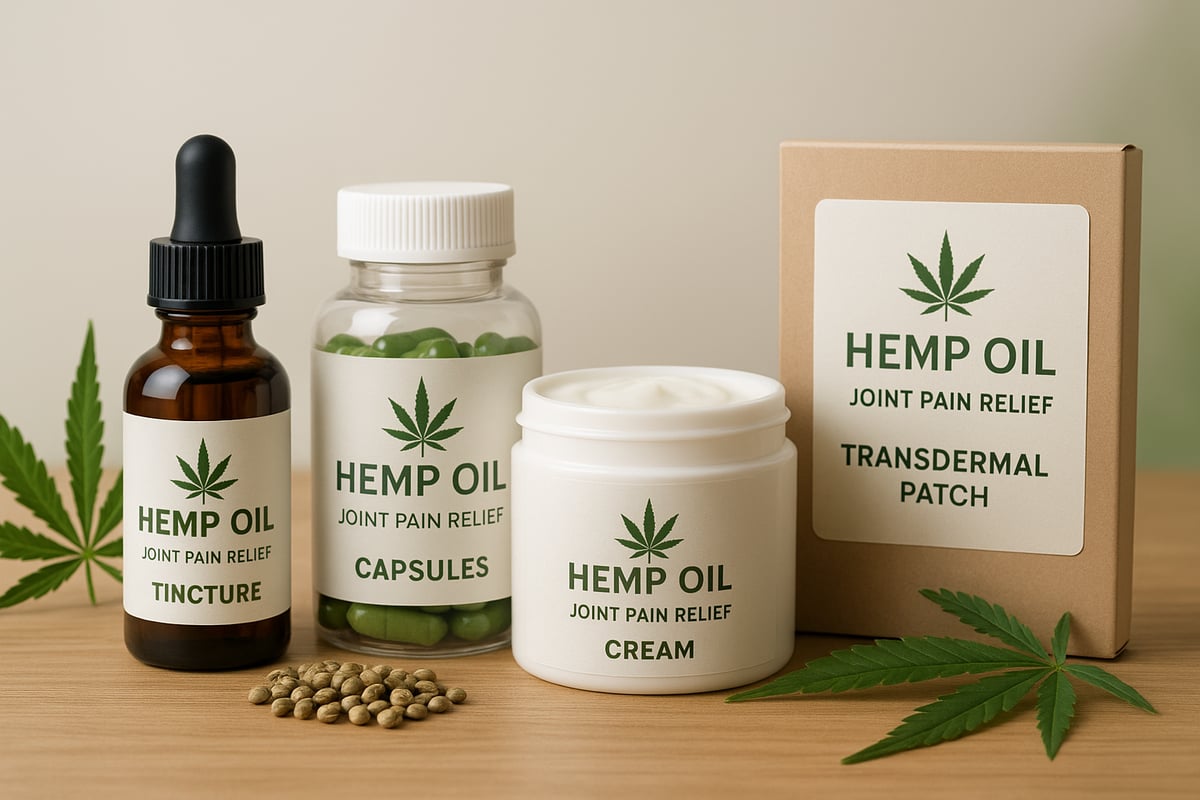
There are many ways to use hemp oil for joint pain, each offering unique advantages. Common product types include tinctures (liquid drops), capsules, topicals like creams and roll-ons, and innovative transdermal patches. Bioavailability varies: tinctures and capsules provide systemic effects, while topicals and patches target specific areas.
New product innovations, such as nanoemulsions and long-lasting patches, have improved absorption and convenience. Each method has pros and cons. For example, topicals deliver fast, localized relief but may require frequent application, while capsules offer consistent dosing but slower onset. Many chronic pain sufferers find success by combining several product types for optimal support.
How Hemp Oil Differs from Other Joint Supplements
Hemp oil for joint pain stands apart from traditional joint supplements like glucosamine, chondroitin, and fish oil. While those target cartilage or inflammation through different pathways, hemp oil interacts with the endocannabinoid system, which plays a key role in pain modulation and inflammation.
Research suggests that hemp oil may offer more direct relief for some users, especially when combined with other natural remedies. Unlike many supplements, hemp oil is subject to evolving regulatory standards, including mandatory lab testing and clearer labeling in 2026. This helps address misconceptions and ensures users choose safe, effective options for joint care.
The Science Behind Hemp Oil for Joint Pain Relief
Understanding the science behind hemp oil for joint pain is essential for anyone considering this natural remedy. Modern research continues to shed light on how hemp oil interacts with the body, what clinical evidence supports its use, and how experts and users view its effectiveness and safety.

Mechanisms of Action: How Hemp Oil Works in the Body
Hemp oil for joint pain acts through complex interactions with the endocannabinoid system (ECS), which helps regulate pain and inflammation throughout the body. The primary compound, cannabidiol (CBD), interacts with CB1 and CB2 receptors, modulating pain signals and reducing inflammatory responses.
Minor cannabinoids, such as cannabigerol (CBG), and terpenes found in hemp oil for joint pain, contribute to a broader spectrum of relief. These compounds can inhibit cytokine production, which is responsible for inflammation in joint tissues. By reducing cytokines, hemp oil for joint pain helps minimize swelling and discomfort.
Research also highlights its positive influence on synovial fluid and cartilage health. This means hemp oil for joint pain may support joint lubrication and slow cartilage degradation, which is vital for individuals managing chronic conditions. The combined effects of cannabinoids and terpenes create a synergistic benefit, known as the entourage effect, amplifying the overall relief for joint discomfort.
Review of Clinical Studies and Research (2020-2026)
Recent years have brought a surge in peer-reviewed research evaluating hemp oil for joint pain. Multiple randomized controlled trials have shown significant improvements in pain levels, mobility, and stiffness among arthritis patients. For example, a 2024 study found that topical hemp seed oil for knee osteoarthritis resulted in measurable symptom relief, supporting its practical application.
Meta-analyses from this period also highlight that hemp oil for joint pain may offer comparable or better outcomes than some NSAIDs, but with a more favorable side effect profile. In clinical settings, as many as 60% of participants reported a reduction in discomfort and improved range of motion after consistent use of hemp oil for joint pain.
These results are encouraging, as they provide robust evidence that supports the use of hemp oil for joint pain in both acute and chronic scenarios.
Expert and Patient Perspectives
Healthcare professionals, especially rheumatologists, increasingly recognize the potential of hemp oil for joint pain management. Many experts recommend it as a complementary approach, particularly for patients seeking alternatives to traditional pharmaceuticals.
Patient testimonials often describe noticeable improvements in daily function and reductions in pain intensity. Physical therapists and pain management specialists also observe positive outcomes in mobility and overall satisfaction rates among their clients using hemp oil for joint pain.
At the same time, professionals caution that results can vary. They emphasize the importance of personalized dosing strategies and ongoing monitoring to achieve the best results with hemp oil for joint pain.
Safety Profile and Potential Side Effects
The safety profile of hemp oil for joint pain is generally favorable when compared to conventional painkillers. Most users experience only mild side effects, such as gastrointestinal discomfort or drowsiness. Serious reactions are rare and often linked to pre-existing health conditions or drug interactions.
Unlike NSAIDs or opioids, hemp oil for joint pain has a lower risk of organ damage or dependency. However, it may interact with certain medications, so individuals should consult a healthcare provider before starting a regimen. Long-term studies suggest hemp oil for joint pain is well tolerated, but ongoing assessment is recommended, especially for those with complex medical histories.
By following proper dosing guidelines and monitoring for side effects, most people can safely incorporate hemp oil for joint pain into their wellness routine.
Who Can Benefit from Hemp Oil for Joint Pain?
Millions of people struggle with joint discomfort, searching for effective and natural solutions. Hemp oil for joint pain is gaining attention as research uncovers its benefits for a range of conditions and user groups.

Common Joint Conditions Addressed
Hemp oil for joint pain is used by people facing a wide spectrum of joint issues. Some of the most common conditions include:
- Osteoarthritis, affecting millions and leading to cartilage breakdown
- Rheumatoid arthritis, an autoimmune disorder causing inflammation
- Psoriatic arthritis, linked to skin conditions and joint swelling
- Gout, resulting from uric acid buildup in joints
- Sports injuries and repetitive strain disorders, such as tendonitis
- Age-related joint degeneration and stiffness
- Post-surgical joint pain, often seen after knee or hip replacements
Recent studies estimate that over 58 million adults in the United States alone live with arthritis, and many seek alternatives to standard pain relief. Hemp oil for joint pain offers a non-addictive, plant-based option for these prevalent conditions.
Ideal User Profiles
Who is most likely to benefit from hemp oil for joint pain? The answer spans a wide range of individuals:
- Adults wishing to avoid long-term pharmaceutical use
- People with chronic pain who have not found relief through conventional therapies
- Athletes and fitness enthusiasts managing inflammation from regular activity
- Seniors aiming to stay active and maintain mobility
- Caregivers looking for safe, effective support for loved ones
If you are curious about how hemp oil for joint pain can fit into your personal wellness plan, CBD for Chronic Joint Pain provides an in-depth look at real-world experiences and scientific evidence for its use.
Limitations and Who Should Avoid Use
While hemp oil for joint pain is safe for many, certain groups should use caution or avoid it unless advised by a healthcare provider:
- Pregnant or breastfeeding women, due to limited research on safety
- Children and adolescents, unless under strict medical supervision
- Individuals with serious liver or kidney disease
- Those taking medications that may interact, such as anticoagulants or immunosuppressants
Consulting a healthcare professional before starting hemp oil for joint pain is essential, especially when managing complex health conditions or combining supplements.
Reclaim Labs: Premium CBD Hemp Oil Solutions
Reclaim Labs delivers third-party tested, full-spectrum and broad-spectrum hemp oil for joint pain, purpose-built for chronic pain and inflammation. Their commitment to safety, transparency, and real-world results makes them a trusted choice for those seeking natural, effective relief.
How to Use Hemp Oil for Joint Pain Relief: Dosage, Application, and Best Practices
Hemp oil for joint pain offers promising relief, but getting the most from it requires an informed approach. Understanding how to determine the right dose, choose the best application method, and integrate it into your daily routine is essential for safe and effective results. Here is a step-by-step guide to using hemp oil for joint pain relief in 2026.

Determining the Right Dosage
Finding the optimal dose of hemp oil for joint pain depends on several factors. Body weight, the severity of joint discomfort, product type, and individual metabolism all play a role. Most clinical studies suggest starting with a low dose, such as 10-20 mg of CBD per day, and gradually increasing until you notice consistent relief.
It is important to titrate slowly. Begin with the minimum recommended dose, maintain it for several days, and monitor your symptoms closely. If needed, adjust upward in small increments. This approach helps you avoid both underdosing and overuse, which can reduce effectiveness or increase the risk of mild side effects.
Consistency is key with hemp oil for joint pain. Take your chosen dose at the same time each day, and keep a simple log of your pain levels and mobility. This allows you and your healthcare provider to track progress and make informed adjustments. Remember, higher doses are not always better; many people find relief at moderate levels.
Some individuals may need more or less hemp oil for joint pain based on age, concurrent medications, or overall health. Always consult your physician before starting, especially if you are taking other prescriptions. By following these best practices, you maximize the potential benefits while minimizing risks.
Methods of Administration
There are several ways to use hemp oil for joint pain, each offering distinct advantages. Oral methods, such as tinctures and capsules, provide systemic relief. Tinctures are absorbed quickly under the tongue, while capsules are convenient for consistent dosing. Both methods offer effects that typically last 4-6 hours.
Topical applications, including creams, gels, and roll-ons, target localized discomfort. When massaged directly onto sore joints, these products can deliver relief within 15-30 minutes. Transdermal patches are an innovative option for sustained, targeted delivery over several hours.
Product advancements like nanoemulsified hemp oil offer enhanced absorption and faster onset. For example, Nano-CBD for Arthritis Relief explains how nanoemulsions improve bioavailability, making hemp oil for joint pain more effective at lower doses.
Some users combine oral and topical methods for synergistic effects. For instance, taking a capsule in the morning and applying a topical before exercise can address both widespread and acute symptoms. Choose the method that best fits your lifestyle and specific joint pain needs.
Integrating Hemp Oil into a Joint Health Routine
For optimal results, integrate hemp oil for joint pain into a holistic joint care plan. Pair its use with physical therapy, regular low-impact exercise, and an anti-inflammatory diet. These strategies reinforce each other, contributing to better mobility and reduced discomfort.
Time your hemp oil for joint pain use around periods of increased activity or anticipated flare-ups. For example, apply a topical before a walk or take a tincture after physical therapy. Track your progress using pain and mobility journals or digital apps.
If you use other medications or supplements, inform your healthcare provider before adding hemp oil for joint pain. They can help you avoid potential interactions and ensure your regimen is safe. Many chronic pain sufferers report the greatest improvements when combining hemp oil with other evidence-based lifestyle modifications.
Tips for Maximizing Effectiveness
To get the most out of hemp oil for joint pain, follow these expert tips:
- Select the appropriate product type and potency for your needs.
- Check for third-party lab verification to confirm purity and strength.
- Avoid combining with alcohol or medications that may interact.
- Store hemp oil for joint pain in a cool, dark place to preserve potency.
- Set realistic expectations, as results can take days to weeks to become noticeable.
Patience and consistency are essential. Monitor your response, adjust as needed, and consult with professionals to tailor your approach. With careful selection and mindful use, hemp oil for joint pain can be a valuable part of your joint health strategy.
Choosing the Best Hemp Oil for Joint Pain in 2026
Selecting the right hemp oil for joint pain in 2026 requires careful attention to product quality, safety, and transparency. With a rapidly growing market, consumers must know what distinguishes a premium product from less reliable options. The following sections outline essential criteria, red flags, current innovations, and practical considerations for making an informed choice.
What to Look for in a Quality Hemp Oil Product
When evaluating hemp oil for joint pain, prioritize products that are either full-spectrum or broad-spectrum, as these contain a wider range of cannabinoids and terpenes. This composition may enhance relief through the entourage effect, according to recent research such as the Hemp seed oil and terpenes in knee osteoarthritis study. Always look for third-party lab testing and certificates of analysis, which confirm potency and purity.
Choose hemp oil for joint pain sourced from organically grown, non-GMO plants. Transparent labeling and clear dosage guidelines are crucial for safe and effective use. In 2026, updated regulations require additional certifications and traceability, so select brands that disclose their compliance openly.
Red Flags and What to Avoid
Avoid hemp oil for joint pain products that make unverified claims or lack accessible lab results. If the ingredient list is vague or omits cannabinoid content, this is a cause for concern. Be cautious of products containing artificial additives, contaminants, or those marketed as “miracle cures.” Unrealistic pricing, whether too low or excessively high, can also signal poor quality.
Consumer reports and product recalls should be reviewed before purchase. For a deeper dive into safe and effective options, consider resources like Natural Alternatives for Joint Pain, which provide guidance on reputable brands and formulations. Always check for adverse reaction reports and regulatory warnings.
Comparing Top Hemp Oil Brands and Innovations
The market for hemp oil for joint pain in 2026 features several leading brands known for efficacy and safety. Innovations such as nano-CBD, targeted cannabinoid blends, and advanced delivery systems like transdermal patches are gaining traction. These advancements improve absorption and target pain more effectively.
Customer satisfaction data, reviews, and third-party endorsements help identify brands with proven results. Awards and certifications can further validate a product’s quality. Comparing these factors ensures you select a hemp oil for joint pain that aligns with your therapeutic needs and safety expectations.
Cost, Accessibility, and Legal Considerations
The price of hemp oil for joint pain varies by product type and potency, with tinctures and nanoemulsions often costing more than standard capsules. Insurance coverage and HSA/FSA eligibility have expanded in some regions, making these products more accessible. Consumers can purchase hemp oil for joint pain both online and in specialty stores, but international shipping may be limited by local regulations.
Always verify that the product complies with federal and local laws, as legal standards can differ by jurisdiction. Staying informed about the latest regulatory updates in 2026 will help ensure safe and lawful use of hemp oil for joint pain.
Frequently Asked Questions About Hemp Oil for Joint Pain Relief
If you are considering hemp oil for joint pain, you likely have questions about safety, effectiveness, and usage. Below, we address the most common concerns to help you make informed decisions about integrating hemp oil for joint pain into your wellness plan.
Can hemp oil get you “high”?
No, hemp oil for joint pain will not get you high. The THC content in hemp oil products is typically below 0.3 percent, which is not enough to produce psychoactive effects. This makes hemp oil legal in most regions and safe for everyday use. For those concerned about drug testing, reputable brands ensure products remain below legal THC limits.
How long does it take to feel relief?
Relief from hemp oil for joint pain varies by administration method and individual factors. Oral products, like tinctures or capsules, may take 30 to 90 minutes to work, while topicals can provide localized effects within 15 to 30 minutes. Results depend on metabolism, severity, and consistent use. Many users notice gradual improvement with daily application over several weeks.
Is hemp oil safe to use with other medications?
Hemp oil for joint pain is generally well tolerated, but it can interact with certain medications, especially blood thinners and immunosuppressants. Always consult your healthcare provider before starting hemp oil, particularly if you take prescription drugs. For more detailed safety and usage guidelines, review the CBD for arthritis pain resource from the Arthritis Foundation.
Can hemp oil be used long-term?
Current research suggests hemp oil for joint pain is safe for most people when used over extended periods. Users should monitor for side effects like digestive discomfort or fatigue and periodically check in with a medical professional. A recent systematic review on CBD for chronic pain supports its safety and efficacy in long-term management.
What’s the difference between hemp oil and CBD oil?
Hemp oil for joint pain is often full-spectrum, containing various cannabinoids, terpenes, and nutrients. CBD oil, by contrast, is typically an isolated extract with higher concentrations of cannabidiol. Both can help with joint discomfort, but full-spectrum hemp oil may offer broader benefits due to the “entourage effect” from multiple plant compounds working together.
Are there age restrictions for hemp oil use?
In 2026, most regions require adults to be at least 18 or 21 years old to purchase hemp oil for joint pain. Pediatric use is only recommended under medical supervision. For seniors, hemp oil is considered safe but should be introduced cautiously, with regular monitoring for interactions or side effects, especially if other medications are involved.
Can pets use hemp oil for joint pain?
Veterinary research supports using hemp oil for joint pain in pets like dogs, cats, and horses. Dosing depends on weight and species, so always choose animal-specific formulations and consult a veterinarian first. Pet hemp oil products should be free of artificial additives and tested for safety, ensuring your companion receives the best possible care.
After exploring the science, real experiences, and practical tips for using hemp oil to manage joint pain, you now have the knowledge to make a truly informed decision for your health. We all deserve safe and effective relief, especially when chronic pain or inflammation stands in the way of living fully. If you’re ready to take that next step and want products that are carefully tested, transparent, and designed by people who understand joint pain, you don’t have to wait. You can Get Relief Now! and start your journey toward better comfort and mobility today.