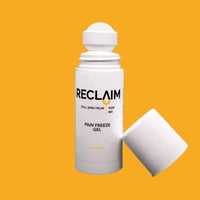
The world of CBD can feel overwhelming, with countless products all promising amazing results. When you’re looking for a topical to manage discomfort, you need clear, honest information to make the right choice. Understanding how long does CBD take to work topically is a huge part of knowing if a product is a good fit for your wellness routine. This guide is here to cut through the noise. We’ll explain the timeline for relief and dive into what makes a high-quality topical truly effective—from product potency and key ingredients to the right application technique. Our goal is to empower you with the knowledge to choose a product you can trust.
Key Takeaways
- Focus on the spot: CBD topicals work locally on the specific area you apply them to, providing targeted relief for muscles and joints without affecting your entire body.
- Quality and technique matter: For the best results, choose a product with clear potency and third-party lab tests, and always apply it to clean skin with a gentle massage to improve absorption.
- Your results are unique: Factors like your body chemistry and skin condition influence how a topical works for you, so listen to your body and adjust your routine to find what provides consistent comfort.
What is Topical CBD?
If you’re exploring natural ways to manage discomfort, you’ve likely come across CBD topicals. These products are a go-to for people seeking focused relief right where they need it most. But what exactly are they, and how do they work with your body to provide that soothing sensation? Let’s break down the basics of topical CBD so you can feel confident about what you’re putting on your skin.
Defining CBD topicals
Simply put, CBD topicals are any cream, lotion, balm, or salve infused with CBD that you apply directly to your skin. Unlike CBD oils or edibles that you ingest, topicals are designed to work on a specific, localized area. Think of a sore knee, an aching shoulder, or tense neck muscles. Instead of affecting your whole body, a topical allows you to target the precise spot that needs attention. These CBD products are crafted to deliver the benefits of CBD right to the source of your discomfort, offering a straightforward approach to relief.
How CBD works with your skin
So, what happens when you rub a CBD cream onto your skin? Your skin is equipped with a network of receptors that are part of your body’s endocannabinoid system (ECS). This system helps regulate things like pain and inflammation. When you apply a CBD topical, the CBD absorbs into the top layers of your skin and interacts with these receptors. This interaction can help calm signals of pain and irritation in that specific area. Because it works on the surface, the CBD doesn't enter your bloodstream, making it a great option for targeted pain management.
Common types of CBD topicals
You’ll find CBD topicals in several different forms, each with a unique texture and feel. Creams and lotions are often lighter and absorb quickly, making them great for covering larger areas or for daytime use. Balms and salves are typically thicker and more concentrated due to their wax base, creating a protective barrier on the skin that can provide long-lasting relief. You might also find CBD patches, which offer a slow, steady release of CBD over several hours. The best choice often comes down to personal preference and the specific relief you’re looking for.
How Topical CBD Gets to Work
When you smooth a CBD cream onto a sore joint, what’s actually happening under the surface? It’s not magic—it’s science. Understanding how topical CBD interacts with your body can help you use it more effectively and find the right product for your needs. It all comes down to how the CBD is absorbed, its work with your body’s internal systems, and a few key factors that influence its performance.
How CBD absorbs through your skin
Unlike CBD oil that you ingest, topical CBD is applied directly to your skin. Think of it as a localized treatment that gets to work right where you need it most. When you apply a cream or balm, the CBD absorbs into the top layers of your skin but does not enter your bloodstream. This is great news if you’re looking for targeted relief for a specific area, like an achy knee or a stiff neck, without affecting your whole body. The active compounds stay concentrated in that one spot to interact with nearby cells and tissues.
The role of your endocannabinoid system
Your body has a remarkable network called the endocannabinoid system (ECS), which helps keep things like pain, mood, and immune response in balance. Your skin has its own branch of this system, filled with cannabinoid receptors. When you apply topical CBD, it interacts with two key types of receptors in your skin, muscles, and joints: CB1 and CB2. Think of CB1 receptors as being involved with pain perception and CB2 receptors as helping manage inflammation. By engaging with these receptors, CBD can help soothe discomfort and reduce swelling right at the source, which is why it’s a popular choice for managing arthritis pain.
What affects bioavailability?
Bioavailability is simply the amount of a substance that your body can actually use. For topicals, this can change from person to person. One of the biggest factors is the product’s potency—a cream with a higher concentration of CBD will likely deliver more noticeable and faster results. Your skin type also plays a role. If your skin is very dry or thick, it might absorb the cream more slowly. On the other hand, well-hydrated skin tends to be more receptive. This is why it’s important to find a high-quality CBD topical and apply it to clean, moisturized skin for the best effect.
How Long Does Topical CBD Take to Work?
When you’re dealing with discomfort, you want relief, and you want it fast. One of the most common questions we get is about how quickly topical CBD starts working. The answer isn’t one-size-fits-all, but understanding the general timeline can help you set realistic expectations. The time it takes to feel the effects, when they peak, and how long they last all depend on a few key factors, including the product you’re using and your own body. Let’s walk through what you can generally expect when you apply a CBD topical.
When you'll first feel it
After applying a CBD cream or salve, most people begin to feel its effects within 15 to 45 minutes. This is the initial onset period where the CBD starts to interact with cannabinoid receptors in your skin. Think of it as the product getting to work on a specific, targeted area. When you apply a high-quality CBD topical, you’re delivering relief right where you need it most. This quick turnaround is one of the biggest advantages of using topicals, as they bypass the digestive system and get straight to the source of your discomfort, whether it’s a sore joint or a tight muscle.
When it reaches peak effectiveness
While you might feel some initial relief fairly quickly, the full, peak effects of topical CBD usually take a bit longer to set in. For most individuals, this happens anywhere from 45 to 90 minutes after application. This is the point where the CBD has been fully absorbed into the skin and surrounding tissues, providing the maximum level of relief. The exact timing can vary based on your personal body chemistry and the specific product you’re using. Patience is key here; give the product enough time to work its magic before deciding if you need to reapply or adjust the amount you’re using for conditions like arthritis.
How long the effects last
Once the CBD topical has reached its peak effectiveness, how long can you expect the relief to last? The duration can vary quite a bit, ranging from a few hours up to a full day. This depends on factors like the product's potency, how much you applied, and your body's metabolism. For chronic issues, you might find that you need to reapply the topical two or three times throughout the day to maintain a consistent level of comfort. Finding a routine that works for you is key to managing persistent pain, a journey our founder knows well from his own experience beating arthritis. Listen to your body and reapply as you feel you need it.
Why your results may vary
If you and a friend use the same CBD cream, you might have completely different experiences, and that’s perfectly normal. Several factors influence how your body responds to topical CBD. Your individual metabolism, the severity of your pain, and your unique body chemistry all play a significant role. The product itself also matters—a higher concentration of CBD may offer more pronounced or longer-lasting effects. Even your application technique can make a difference. This is why it’s so important to see your CBD journey as a personal one. You can find more tips and information to help you fine-tune your approach on our blog.
What Influences Topical CBD's Effectiveness?
Ever wonder why a CBD topical works wonders for your friend but feels different for you? It’s not just in your head. Several factors can change how quickly and effectively you feel relief. Think of it like baking a cake—the final result depends on the quality of your ingredients, your oven's temperature, and even how you mix everything together. Similarly, getting the most out of your CBD topical involves more than just the product itself. Your body, your application method, and the product's strength all play a significant role. Understanding these elements can help you fine-tune your routine for the best possible results.
Product potency
When it comes to CBD topicals, potency matters. This refers to the concentration of CBD in the product, usually measured in milligrams (mg). A higher potency cream generally contains more CBD per application, and as you might guess, stronger creams often work faster and more effectively for significant discomfort. However, "stronger" isn't always better for everyone. If you're dealing with mild muscle soreness, a lower-potency product might be all you need. For more persistent issues, a higher-potency option like our Relief CBD Patches could provide more targeted support. It’s all about matching the product’s strength to your specific needs.
Your skin's condition
Your skin is your body's gatekeeper, and its condition directly impacts how well it absorbs a CBD topical. Your skin type plays a big part; for instance, dry or thick skin might absorb creams and salves more slowly than well-hydrated, supple skin. Think of it like a sponge—a dry sponge takes a moment to start soaking up water, while a damp one absorbs it instantly. To help your skin absorb CBD more efficiently, try to keep it moisturized and healthy. Simple habits like drinking enough water and using a daily moisturizer can make a noticeable difference in how your body welcomes the benefits of topical CBD.
Your application technique
How you apply your CBD topical can be just as important as the product itself. For starters, always apply it to clean, dry skin. Washing the area beforehand removes dirt, oil, and other barriers that could prevent the cream from soaking in properly. Once the area is prepped, take a moment to gently but firmly massage the product into your skin. This simple action does more than just rub the cream in; it helps stimulate blood flow to the area, which can improve absorption and help the CBD get to work right where you need it. A little extra care in your application can go a long way.
Your unique body chemistry
One of the most important things to remember is that everybody is different. How fast and how well a CBD cream works can truly change from person to person. Your unique body chemistry—including factors like your metabolism, body weight, and the sensitivity of your endocannabinoid system—creates a personalized response to CBD. This is why your experience might not perfectly match someone else's. It’s a journey of discovery to find what feels right for you. Our own founder’s experience with beating arthritis is a testament to how personal and powerful this journey can be. Be patient with your body and focus on your own progress.
Environmental factors
The nature of your discomfort also influences how you'll experience relief. The type of pain matters; for sudden issues like a muscle cramp, you might feel relief relatively quickly. However, for long-lasting, chronic pain, you may need to apply the topical consistently for several days or even weeks to notice a significant change. Think of it as building up the effect over time, especially for conditions that benefit from consistent pain management. Other external factors, like applying a warm compress to the area before your CBD topical, can also help. The warmth can open up your pores and increase blood flow, creating a more receptive environment for the CBD to be absorbed.
Get the Most from Your CBD Topical
Using a CBD topical seems straightforward enough—just rub it on, right? While that’s the general idea, a few simple tweaks to your routine can make a world of difference in the relief you feel. Think of it like this: you wouldn't just toss quality ingredients in a pan and hope for the best; you'd follow a recipe to create a delicious meal. The same principle applies here. To get the full benefits from your chosen product, it helps to be a little more intentional with your application.
Taking a moment to prep your skin and apply the product correctly ensures that the CBD and other beneficial ingredients can get to work where you need them most. It’s not about using more product, but about using it more effectively. Whether you’re managing daily aches or dealing with flare-ups from a chronic condition, these actionable steps will help you create a consistent and effective routine. By paying attention to these small details, you can ensure you’re getting the best possible experience from your CBD topical.
How to prep your skin
Before you even open your CBD cream or salve, take a moment to prepare the area where you’ll be applying it. For the best absorption, your skin should be clean and dry. This simple step removes any barriers like dirt, sweat, natural oils, or residue from other lotions that could prevent the topical from soaking in properly. A quick wash with gentle soap and warm water is all you need. Afterward, pat the area completely dry with a clean towel. This creates a clear pathway for the CBD to penetrate your skin and reach the underlying tissues and receptors, helping you get the targeted relief you’re looking for.
The right way to apply it
Once your skin is prepped, it’s time to apply your topical. Instead of just slathering it on, be specific. Apply a small amount directly over the area where you’re feeling discomfort, whether it’s a sore knee, a tight neck, or an aching joint. Use your fingertips to gently but firmly massage the product into your skin using a circular motion. This not only helps the topical absorb more deeply but also stimulates blood flow to the area, which can further aid in the relief process. Take a minute or two to really work it in until it’s fully absorbed. This mindful application ensures the active ingredients are concentrated right where you need them.
Finding your ideal amount
When it comes to CBD topicals, more isn’t always better. Your skin can only absorb so much at one time, so applying a thick layer won’t necessarily speed up or strengthen the effects. In fact, it can just lead to wasted product. A great approach is to start with a small, pea-sized amount and gently massage it in. Give it some time to work—at least 30 to 60 minutes—and see how you feel. If you need more relief, you can always apply another thin layer. Finding the right amount is a personal journey, as it depends on your body and the specific pain management goals you have.
How often you should apply it
How frequently you should apply your CBD topical really comes down to listening to your body. There’s no universal rule, as everyone’s needs and experiences are different. Some people find that one application in the morning provides relief that lasts all day, while others may need to reapply every four to six hours, especially if they’re dealing with persistent discomfort. It’s generally safe to use CBD topicals as needed. A good starting point is to apply it once or twice a day and adjust from there. Pay attention to how long the effects last for you and create a schedule that keeps you comfortable and moving freely.
Common mistakes to avoid
To get the most out of your topical, it helps to be aware of a few common missteps. First, avoid applying CBD cream to broken or irritated skin, as this can cause further irritation. Another mistake is expecting immediate results for deep, chronic pain; while topicals can work quickly for surface-level issues, deeper relief may require consistent use over time. Finally, remember that while CBD can be an incredible tool for wellness, it’s important to have realistic expectations. If your pain doesn’t improve or gets worse, it’s always a good idea to check in with a healthcare professional to discuss your options.
How to Choose a Quality CBD Topical
With so many CBD products on the market, it can be tough to figure out which one is right for you. A flashy label doesn't always mean a better product. To find a topical that delivers real results, you need to look past the marketing and focus on a few key details. The quality of the ingredients, the concentration of CBD, and the type of extract used all play a huge role in how effective a cream or balm will be.
Learning to read a product label and understand what you're looking for is the best way to invest in a topical that will actually help manage your discomfort. It empowers you to make an informed choice and find a reliable product you can count on for consistent relief. Think of it as building your personal toolkit for wellness—it starts with choosing the right tools for the job.
Understanding product potency
Product potency simply refers to the concentration of CBD in the topical, usually measured in milligrams (mg). You’ll see this number displayed prominently on the packaging. Generally, stronger creams with a higher potency tend to work more effectively for targeted relief, especially for persistent discomfort. If you’re new to CBD, you might start with a lower-potency product to see how your body responds. However, if you’re dealing with significant joint or muscle pain, a higher-potency formula will likely provide the relief you’re looking for. Don’t be afraid to choose a stronger product if a lower dose isn’t quite doing the trick.
Full-spectrum vs. broad-spectrum
When you shop for CBD, you’ll see terms like "full-spectrum," "broad-spectrum," and "isolate." These describe the type of CBD extract used. Many experts believe that full-spectrum or broad-spectrum topicals work better because they contain a range of plant compounds that work together in what’s known as the “entourage effect.” Full-spectrum products contain all the cannabinoids from the hemp plant, including trace amounts of THC (less than 0.3%). Broad-spectrum products offer the benefits of multiple cannabinoids but have the THC removed. Both are excellent choices for anyone seeking natural pain management solutions.
What to look for on the label
A trustworthy product will always have a clear and detailed label. Good CBD topical products will plainly show how much CBD is in the entire container on the packaging. If this information is hard to find or missing altogether, consider it a red flag. Look for a label that clearly lists the total CBD content in milligrams, the type of extract (full-spectrum or broad-spectrum), and a full ingredient list. The best brands also provide easy access to third-party lab test results, often through a QR code on the package. This transparency confirms the product’s potency and purity, so you know exactly what you’re putting on your skin.
Key ingredients for extra relief
While CBD is the star of the show, many topicals include other ingredients to enhance their effects. CBD itself has properties that can help reduce swelling, but when combined with other botanicals, its benefits can be even greater. For example, you might find ingredients like arnica, which is known to help with bruising and inflammation, or menthol, which provides a cooling sensation that can soothe sore muscles. When you browse different CBD products, check the ingredient list for these helpful additions. Finding a formula that combines CBD with other supportive ingredients can create a more powerful and targeted solution for your specific needs.
Using CBD Topicals Safely
Adding any new product to your wellness routine means paying attention to how your body responds. While CBD topicals are known for being gentle and well-tolerated, it’s always smart to be mindful. Here’s how you can use them safely and confidently to get the relief you’re looking for.
Potential side effects
The good news is that CBD itself is generally very safe to use on your skin. Most people experience no issues at all. However, like with any skincare product, there's a small chance of a mild reaction, such as redness or irritation, often due to other ingredients in the formula like essential oils or botanical extracts.
To be safe, I always recommend doing a patch test first. Just apply a small amount of the topical to a discreet area of skin, like your inner wrist. Wait a full 24 hours to see if any irritation develops. If your skin looks and feels fine, you’re good to go.
Checking for drug interactions
If you’re taking other medications, especially for chronic conditions, it’s a great idea to chat with your doctor before trying CBD. While topical CBD is applied to the skin and doesn’t enter the bloodstream in large amounts, it’s always best to be cautious. Your doctor can give you personalized advice based on your health history and current treatment plan. This simple conversation can provide peace of mind and ensure that your pain management strategy is safe and effective. Being open with your healthcare provider helps you build a wellness routine that truly works for you.
When to adjust your dose
Finding the right amount of CBD is a personal process, and it’s all about listening to your body. If you’ve been using a topical consistently and aren’t getting the results you hoped for, don’t be discouraged. It might just be a sign that you need to make a small adjustment. You could try applying a slightly more generous layer or using it more frequently throughout the day. However, if your pain gets worse or doesn’t improve after making these changes, it’s best to consult with a healthcare professional to discuss your next steps.
How to know it's working for you
So, how can you tell if your CBD topical is doing its job? Most people begin to feel a sense of relief within 15 to 45 minutes of application, though it can sometimes take up to 90 minutes. The feeling isn't usually a dramatic, overwhelming sensation. Instead, think of it as a gentle easing of tension or a subtle decrease in discomfort in the area where you applied it. To track your progress, try rating your pain level before you apply the topical and again about an hour later. This can help you recognize the positive changes.
What to Expect from Your CBD Topical
When you first try a CBD topical, it’s natural to wonder what’s going to happen. Will you feel it instantly? How will you know it’s working? Setting realistic expectations is the first step toward a positive experience. Unlike some pain relief methods that promise immediate, widespread results, CBD topicals offer a more gradual and targeted approach. Think of it less as a quick fix and more as a supportive tool in your wellness toolkit, working with your body to address discomfort right at the source.
The way a CBD topical feels and works can be different for everyone. Your unique body chemistry, the specific product you’re using, and even how you apply it all play a part in the outcome. What provides profound relief for one person might feel more subtle to another. The goal is to find a routine that provides consistent, localized relief for your specific needs, whether that’s a sore knee after a long walk or persistent stiffness in your hands. In the next few sections, we’ll walk through what you can realistically expect, from understanding the product’s boundaries to tracking your own progress. This will help you get the most out of your CBD topical and determine if it’s the right fit for your pain management plan.
Understanding its limitations
One of the most important things to understand about a CBD topical is that it works locally. When you apply a cream, balm, or salve to your skin, the CBD interacts with cannabinoid receptors in that specific area. It’s designed for targeted relief, which is why it’s so great for sore joints or tight muscles. However, a topical does not reach your bloodstream. This means the effects stay right where you put it. If you rub a CBD cream on your aching knee, it will go to work on your knee, but it won’t have any effect on the tension in your shoulders. This is a key difference from CBD oils or edibles, which are ingested and provide systemic, full-body effects.
Key factors for success
Several factors can influence how well and how quickly you feel relief. Most people start to notice the effects of a CBD cream within 15 to 45 minutes of application. The potency of the product is a major player here; a cream with a higher concentration of CBD will generally work faster and more effectively than a lower-potency one. Your skin condition also matters. Well-hydrated, clean skin tends to absorb topicals more efficiently than skin that is very dry or thick. Taking a moment to wash the area beforehand can make a real difference in how well the product works for you. You can explore different CBD products to find a potency that matches your needs.
How to track your progress
Because the relief from a CBD topical can be subtle, it’s helpful to have a way to track your results. Some people feel a change in as little as 10 minutes, while for others, it can take up to 90 minutes to feel the full effect. A simple way to monitor your progress is to keep a small journal or a note on your phone. Before you apply the topical, rate your discomfort on a scale of 1 to 10. After about an hour, check in with yourself and rate it again. This gives you concrete feedback on how well it’s working. If you find your pain isn’t improving or gets worse, it’s always a good idea to check in with a healthcare professional.
Related Articles
- CBD Topicals: Benefits, Uses, and How to Choose – Reclaim Labs
- Best CBD Cream for Pain: 2024 Buyer's Guide – Reclaim Labs
- How to Apply CBD Topicals Effectively for Results – Reclaim Labs
Frequently Asked Questions
Will topical CBD make me feel high?
Not at all. Because topical CBD is applied to your skin, it works by interacting with local receptors in your muscles and tissues. It does not enter your bloodstream, which means it won't cause any of the psychoactive effects associated with THC. You can feel confident using it anytime you need relief without worrying about it affecting your state of mind.
What's the real difference between using a CBD cream and taking CBD oil?
Think of it as the difference between a spot treatment and a full-body approach. A CBD cream is designed for localized relief, working directly on the specific area where you apply it, like a sore shoulder or an aching knee. CBD oil, on the other hand, is ingested and works systemically. It enters your bloodstream to provide more widespread, whole-body benefits.
Is it possible to use too much CBD topical?
It's highly unlikely you'll overdo it with a topical. Your skin can only absorb a certain amount at one time, so applying an extra-thick layer won't necessarily lead to stronger or faster results. It's much more effective to start with a small, even layer, massage it in well, and then reapply later if you feel you need more relief.
I tried a CBD cream and didn't feel much. What should I do?
This is a common experience, and it doesn't mean topicals won't work for you. First, consider the product's potency; you might need a higher concentration of CBD for the level of discomfort you're feeling. Also, make sure you're applying it to clean, dry skin and massaging it in thoroughly to help with absorption. For chronic issues, consistent use over several days is often needed to notice a significant change.
Can I use a CBD topical every day?
Absolutely. CBD topicals are gentle and generally considered safe for daily use. Many people find that incorporating them into their daily routine, such as applying cream in the morning or before bed, provides the most consistent relief for persistent aches and stiffness. The key is to listen to your body and apply it as often as you need to stay comfortable.