Living with rheumatoid arthritis pain can disrupt every aspect of your daily routine. The constant struggle to manage discomfort and stiffness often feels relentless, but new advances in medicine for rheumatoid arthritis pain are bringing real hope for relief in 2026.
This essential guide will walk you through the latest breakthroughs in treatment. We’ll explain how RA pain develops, review both familiar and cutting-edge medications, and highlight natural pain relief methods. You’ll also find practical, expert-backed advice to help you take control and improve your quality of life.
If you are ready to explore proven strategies and the most up-to-date options for managing RA pain, you are in the right place.
Understanding Rheumatoid Arthritis Pain
Living with chronic joint pain can take a toll on every part of life. To better understand how medicine for rheumatoid arthritis pain works, it helps to start with the basics of this condition and why pain is often so persistent.

What is Rheumatoid Arthritis?
Rheumatoid arthritis (RA) is a chronic autoimmune disease where the immune system mistakenly attacks healthy joint tissue. This causes inflammation, swelling, pain, and stiffness—especially in the hands, wrists, and knees.
RA is more common than many realize, affecting about 1.3 million Americans according to the CDC. Symptoms often start slowly, with joint pain and swelling that can make even simple tasks difficult. Over time, RA may advance from mild discomfort to severe disability if not addressed with the right medicine for rheumatoid arthritis pain.
The impact reaches beyond joints, affecting daily routines, work, and emotional well-being. To explore more about the causes and treatments, you can read this comprehensive overview of RA causes and treatment.
How RA Pain Develops
The pain in RA comes from inflammation inside the joint linings. The immune system releases chemicals called cytokines, which drive inflammation and damage the joint. Over time, this process makes the nerves more sensitive, causing pain that can linger even when the inflammation is not severe.
Morning stiffness is a hallmark of RA, but pain can last all day. The need for medicine for rheumatoid arthritis pain is clear, as this chronic discomfort can limit movement and independence. Understanding how inflammation and nerve changes work is key to choosing the right treatment.
Factors Influencing Pain Severity
Not everyone with RA experiences pain in the same way. Genetics can increase your risk, but environmental triggers such as infections or smoking also play a role. Other health issues like heart disease, depression, and constant fatigue can make RA pain feel worse.
Weather changes, stress, and daily habits like diet and exercise also affect pain levels. The right medicine for rheumatoid arthritis pain may need to be adjusted based on these factors, showing how complex pain management can be. Each person’s journey with RA is unique.
Statistics and Examples
RA usually begins between ages 30 and 60, although it can start earlier or later. Women are two to three times more likely to develop RA than men. The need for medicine for rheumatoid arthritis pain is clear in real-world cases.
Take, for example, a 45-year-old woman who wakes up with swollen, stiff fingers and struggles to open jars or type at her job. She faces daily choices about medication, exercise, and rest to keep her pain under control and maintain her quality of life.
Traditional Medications for Rheumatoid Arthritis Pain
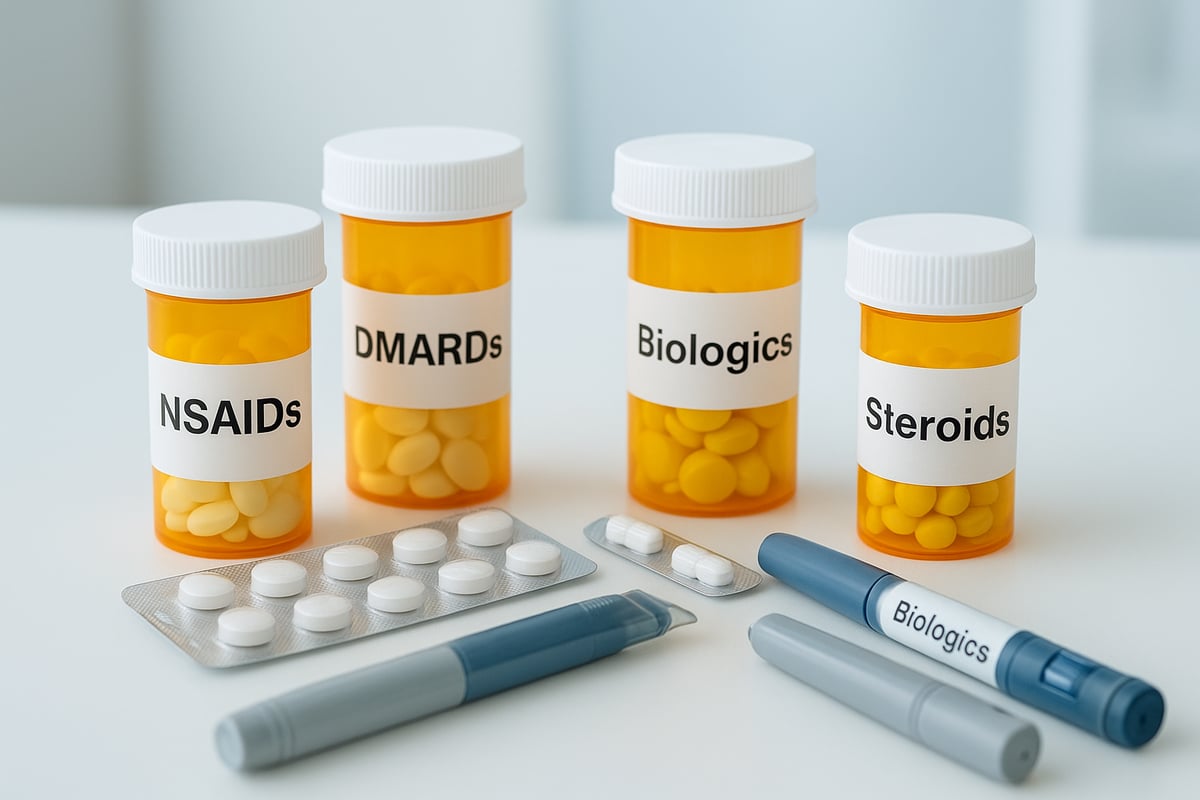
Living with rheumatoid arthritis often means dealing with ongoing joint pain and inflammation. Fortunately, decades of research have led to a wide variety of medicine for rheumatoid arthritis pain. Each class of medication offers unique benefits and risks, so understanding these options is key to effective pain management.
Nonsteroidal Anti-Inflammatory Drugs (NSAIDs)
NSAIDs are among the most widely used medicine for rheumatoid arthritis pain. These drugs, such as ibuprofen and naproxen, help reduce both pain and inflammation by blocking prostaglandins, substances that trigger swelling.
- Common NSAIDs: ibuprofen, naproxen, diclofenac
- Benefits: quick relief from pain and stiffness
- Risks: stomach ulcers, gastrointestinal bleeding, kidney problems, increased risk of heart issues
Many patients rely on NSAIDs for symptom control, but long-term use requires careful monitoring by your healthcare provider.
Corticosteroids
Corticosteroids, like prednisone, are powerful anti-inflammatory agents. These medicines can quickly reduce severe swelling and pain, making them valuable for flare-ups of rheumatoid arthritis.
- Forms: oral tablets, joint injections
- Benefits: rapid relief, especially during acute flares
- Risks: osteoporosis, weight gain, mood changes, blood sugar elevation
While corticosteroids are effective, they are not a long-term solution for medicine for rheumatoid arthritis pain due to their side effect profile.
Disease-Modifying Antirheumatic Drugs (DMARDs)
DMARDs are a cornerstone of medicine for rheumatoid arthritis pain. Drugs like methotrexate, sulfasalazine, and leflunomide work by slowing the progression of the disease itself, not just masking symptoms.
- Mechanism: suppress immune system activity to protect joint tissue
- Monitoring: regular blood tests for liver, lung, and blood cell health
- Benefits: reduce joint damage and long-term disability
For a deeper look at evolving therapies in this area, see this comprehensive review of recent therapeutic advances in rheumatoid arthritis.
Biologic Therapies
Biologic therapies represent a major advancement in medicine for rheumatoid arthritis pain. These drugs, including TNF inhibitors (like etanercept and adalimumab) and IL-6 inhibitors, target specific immune pathways involved in joint inflammation.
- Administration: injections or intravenous infusions
- Benefits: effective for patients not responding to traditional DMARDs
- Risks: increased risk of infections, higher cost, regular monitoring required
Biologics have improved outcomes for many patients, but they require careful oversight and regular follow-up.
Analgesics
Analgesics, such as acetaminophen, are often used as a supplemental medicine for rheumatoid arthritis pain. While they do not address inflammation, they can help manage mild to moderate pain.
- Common choices: acetaminophen, tramadol (prescription only)
- Benefits: accessible, useful for those who cannot tolerate NSAIDs
- Risks: liver toxicity with high doses, limited effect on swelling
Analgesics are best used as part of a broader pain management plan, not as the primary treatment.
Combination Therapy
Many patients benefit from a combination approach when using medicine for rheumatoid arthritis pain. Combining DMARDs, biologics, and other medications can improve control of symptoms and slow disease progression.
- Examples: methotrexate plus a TNF inhibitor, or NSAIDs plus DMARDs
- Importance: tailored regimens based on individual needs and response
- Role of rheumatologist: essential for safe and effective combinations
Combination therapy is guided by regular assessment and patient-doctor collaboration.
Real-World Data
In practice, about 60 percent of patients start with DMARDs as their first-line medicine for rheumatoid arthritis pain. Approximately 30 percent of those with moderate to severe disease will receive biologic therapies.
- DMARDs: first-line for most patients
- Biologics: reserved for those with inadequate response to standard treatments
- Ongoing monitoring: vital for safety and effectiveness
Choosing the right medicine for rheumatoid arthritis pain is a personalized process, balancing benefits, risks, and patient preferences.
Emerging and Future Medicines for RA Pain in 2026
The landscape of medicine for rheumatoid arthritis pain is rapidly changing, offering patients more choices and hope for lasting relief. In 2026, new therapies and technologies are poised to transform how RA pain is managed, making treatment more effective and personalized than ever before.

Janus Kinase (JAK) Inhibitors
JAK inhibitors represent a significant advancement in medicine for rheumatoid arthritis pain. These oral medications, including tofacitinib, baricitinib, and upadacitinib, disrupt inflammatory signaling directly at the cellular level.
Patients benefit from the convenience of pills rather than injections. However, side effects such as increased infection risk and blood clots require close monitoring. JAK inhibitors are especially useful when traditional therapies fail. For more on upcoming breakthroughs, explore 10 Breakthrough Rheumatoid Arthritis Therapies Set to Transform 2025.
Next-Generation Biologics
Next-generation biologics are designed with greater precision, targeting specific immune pathways involved in rheumatoid arthritis. These medicines use monoclonal antibodies and can be tailored to a patient’s unique genetic profile, enhancing both efficacy and safety.
Examples include new IL-17 and IL-23 inhibitors currently in clinical trials. As personalized medicine for rheumatoid arthritis pain evolves, these biologics offer hope for those who have not responded to older treatments.
Novel Small Molecule Therapies
Emerging small molecule therapies are non-biologic oral agents that target unique immune system pathways. Unlike older drugs, they can be produced at a lower cost and are easier to administer, making them an attractive option for many patients.
Early clinical trials show a 30 percent reduction in pain compared to placebo, signaling a promising future for medicine for rheumatoid arthritis pain. These therapies may soon become standard for those who prefer oral medication.
Advances in Drug Delivery
Innovations in how medicines are delivered are also changing the management of rheumatoid arthritis pain. Long-acting injectables, transdermal patches, and nanotechnology-based delivery systems ensure drugs reach targeted joints more efficiently.
These advances mean less frequent dosing and improved adherence, which can translate into better outcomes. For many, these new delivery options will make sticking with medicine for rheumatoid arthritis pain less burdensome.
Gene and Cell-Based Therapies
Gene and cell-based therapies, such as CRISPR gene editing and stem cell infusions, are at the forefront of experimental treatments. While still largely limited to clinical trials, these methods aim to modify the disease at its source, potentially offering long-term relief or even a cure.
Though not yet widely available, these therapies represent a bold new direction for medicine for rheumatoid arthritis pain, inspiring hope for complete remission in the future.
Digital Health and Remote Monitoring
The integration of digital health tools is revolutionizing how patients and providers manage medicine for rheumatoid arthritis pain. Wearable devices can track symptoms in real time, while AI-driven platforms help doctors adjust medications quickly.
Telemedicine makes it easier for patients to consult with rheumatologists without traveling. These technologies are enhancing the effectiveness of existing treatments and empowering patients to take a more active role in their care.
Data and Trends
Recent trends highlight the rapid progress in medicine for rheumatoid arthritis pain. In 2025, the FDA approved two new JAK inhibitors and one novel biologic, underscoring the pace of innovation.
By 2026, experts expect a 15 percent increase in the use of personalized medicine. These developments promise a future where RA pain is managed more precisely, safely, and effectively than ever before.
Natural and Complementary Pain Relief Approaches
Living with medicine for rheumatoid arthritis pain can be challenging, but natural and complementary approaches offer valuable support alongside traditional treatments. Many people find relief and improved quality of life by integrating these strategies into their daily routines.
Lifestyle Modifications
Healthy lifestyle choices play a significant role in managing medicine for rheumatoid arthritis pain. Adopting an anti-inflammatory diet, such as the Mediterranean or plant-based diet, may help reduce joint inflammation and discomfort.
Maintaining a healthy weight is equally important, as excess pounds increase stress on joints. Regular low-impact exercise, such as swimming, cycling, or yoga, can help preserve mobility and reduce pain.
- Choose whole grains, fruits, and vegetables
- Include omega-3-rich foods like salmon or flaxseed
- Avoid processed foods and excess sugar
These changes, combined with medicine for rheumatoid arthritis pain, can greatly enhance symptom control.
Physical and Occupational Therapy
Physical and occupational therapy are essential components of a comprehensive plan for medicine for rheumatoid arthritis pain. Therapists teach exercises to improve joint flexibility, strength, and overall function.
Occupational therapists also recommend adaptive devices, helping patients perform daily activities more easily. With consistent therapy, up to 70 percent of individuals report better hand function and less discomfort.
Therapy complements prescribed medicine for rheumatoid arthritis pain, empowering patients to maintain independence.
Mind-Body Techniques
Mind-body practices can significantly impact the perception of medicine for rheumatoid arthritis pain. Techniques such as meditation, mindfulness, and cognitive-behavioral therapy (CBT) help reduce stress, which is known to worsen pain.
Research shows that RA patients who use CBT experience 25 percent lower pain scores on average. Deep breathing, progressive muscle relaxation, and guided imagery are other effective options.
Combining these approaches with medicine for rheumatoid arthritis pain supports both physical and emotional well-being.
Supplements and Herbal Remedies
Some natural supplements may offer mild relief from medicine for rheumatoid arthritis pain. Popular choices include:
| Supplement | Evidence | Notes |
|---|---|---|
| Omega-3s | Moderate | Anti-inflammatory, safe |
| Turmeric | Limited | May reduce swelling |
| Ginger | Limited | Possible mild pain relief |
Always consult your healthcare provider before adding supplements, as they can interact with prescribed medicine for rheumatoid arthritis pain.
Heat, Cold, and Topical Treatments
Simple home treatments can provide temporary relief from medicine for rheumatoid arthritis pain. Applying heating pads or warm towels relaxes stiff joints, while ice packs help reduce swelling during flare-ups.
Topical creams, such as those containing capsaicin, may also ease discomfort in targeted areas. These therapies are easy to use and can be safely combined with other pain management strategies.
Acupuncture and Massage
Acupuncture and massage are popular complementary therapies for medicine for rheumatoid arthritis pain. Several clinical studies suggest acupuncture may reduce joint pain and improve function.
Massage therapy, when performed by trained professionals, can ease muscle tension, promote relaxation, and support overall well-being. These therapies are best used alongside conventional treatments for optimal results.
CBD and Hemp-Based Pain Relief: Reclaim Labs
CBD has gained attention as a promising option for medicine for rheumatoid arthritis pain. Recent meta-analyses suggest moderate efficacy and minimal side effects for CBD in managing chronic pain and inflammation.
Reclaim Labs offers a range of third-party tested products, including broad-spectrum CBD oil, nano CBD roll-ons, and CBD/CBG patches. Many users report less pain, improved mobility, and reduced reliance on prescription drugs.
For more details on how CBD oil may help with medicine for rheumatoid arthritis pain, see How CBD Oil Helps Manage Rheumatoid Arthritis. Always consult your healthcare provider before starting CBD or any new supplement.
Step-by-Step Guide to Managing RA Pain with Medicine in 2026
Managing rheumatoid arthritis pain in 2026 requires a strategic approach that combines the latest medical advances with individualized care. By following a clear, stepwise process, you can maximize the effectiveness of medicine for rheumatoid arthritis pain and achieve a better quality of life.
Step 1: Diagnosis and Baseline Assessment
Accurate diagnosis is the backbone of any successful treatment plan for medicine for rheumatoid arthritis pain. Early consultation with a rheumatologist ensures you receive expert evaluation.
Expect a thorough assessment, including physical exams, blood tests, and imaging studies. Tools like the DAS28 score help quantify disease activity and pain levels. This baseline guides all future treatment decisions, so honesty about your symptoms is essential.
Step 2: Initial Medication Selection
After diagnosis, your provider will help select the most appropriate medicine for rheumatoid arthritis pain. For many, treatment starts with DMARDs, such as methotrexate, possibly paired with NSAIDs to address inflammation.
Your medical history, age, and lifestyle inform this choice. Shared decision-making is encouraged, ensuring you understand potential benefits and risks. For more practical advice on starting medications, see Effective Strategies for Managing Rheumatoid Arthritis Pain.
Step 3: Monitoring and Adjusting Therapy
Ongoing monitoring is vital to ensure your medicine for rheumatoid arthritis pain is working effectively. Regular check-ins—often through digital health tools or telemedicine—allow your team to track progress and catch side effects early.
Lab tests monitor for medication-related risks. Adjustments are made based on your response, aiming for the lowest effective dose with minimal adverse effects.
Step 4: Adding or Switching Medications
If your initial medicine for rheumatoid arthritis pain does not sufficiently control symptoms, your provider may recommend escalating treatment. This could mean introducing biologics, JAK inhibitors, or combination therapy.
Decisions depend on your disease activity, tolerance, and preferences. Criteria for switching include ongoing pain, frequent flares, or side effects. Your care team will guide you through these adjustments, ensuring safety and efficacy.
Step 5: Integrating Complementary Approaches
Maximizing relief from medicine for rheumatoid arthritis pain often involves more than prescription drugs alone. Complementary strategies—such as physical therapy, dietary changes, and stress management—can boost overall well-being.
Supplements, heat/cold therapy, and safe use of CBD products may be considered with your doctor’s guidance. Coordinated care with physical therapists, nutritionists, and counselors enhances results.
Step 6: Long-Term Management and Flare Prevention
Long-term success with medicine for rheumatoid arthritis pain depends on proactive management. Your provider may taper medications if remission is achieved or adjust doses to prevent flares.
Recognizing early flare signs and responding promptly can minimize setbacks. Education, self-monitoring, and regular communication with your healthcare team are key components of sustained control.
Step 7: Staying Informed and Proactive
The landscape of medicine for rheumatoid arthritis pain is constantly evolving. Stay updated on new treatment approvals, clinical guidelines, and research breakthroughs.
Engage with patient support groups, use reputable online resources, and maintain open dialogue with your care team. For more actionable guidance, consider reviewing 7 Tips for Managing Rheumatoid Arthritis Pain.
Summary Table: Stepwise RA Pain Management
| Step | Focus Area | Key Actions |
|---|---|---|
| 1 | Diagnosis & Baseline | Rheumatologist consult, DAS28, labs |
| 2 | Initial Medication | DMARDs, NSAIDs, shared decisions |
| 3 | Monitoring & Adjustments | Regular check-ins, digital tracking |
| 4 | Escalation or Switch | Biologics, JAK inhibitors, combinations |
| 5 | Complementary Approaches | PT, nutrition, stress management |
| 6 | Long-Term & Flare Prevention | Maintenance, tapering, education |
| 7 | Staying Informed | New research, support groups, communication |
By following these steps, you can optimize your medicine for rheumatoid arthritis pain and take control of your health journey.
Expert Tips and Frequently Asked Questions about RA Pain Medicine
Managing medicine for rheumatoid arthritis pain requires both knowledge and a proactive approach. Below, explore expert-backed strategies, practical solutions, and answers to common questions that empower you to take control of your RA journey.
Medication Adherence and Safety
Staying consistent with your medicine for rheumatoid arthritis pain is crucial for long-term results. Use pill organizers, set reminders on your phone, or keep a medication diary to avoid missed doses.
Discuss any side effects quickly with your provider. For example, taking folic acid alongside methotrexate can help minimize nausea. Regular checkups and lab tests help catch issues early and ensure your treatment remains safe.
Open communication with your care team keeps you on track. Staying informed about new clinical guidelines, such as those discussed in STiR 2026: Selected Topics in Rheumatology, helps you make the best decisions for your medicine for rheumatoid arthritis pain.
Navigating Insurance and Cost Barriers
The cost of medicine for rheumatoid arthritis pain can be high, especially for advanced therapies. Understanding your insurance coverage is the first step. Many plans cover traditional DMARDs, but biologics and JAK inhibitors may require prior authorization.
Ask your provider about patient assistance programs and generic or biosimilar options. These can make medicine for rheumatoid arthritis pain more affordable. Compare costs with your pharmacy and consider specialty mail-order services for further savings.
| Type of Medicine | Average Monthly Cost (USD) | Coverage Likelihood |
|---|---|---|
| NSAIDs, Methotrexate (DMARD) | $10–$100 | High |
| Biologics, JAK inhibitors | $2,000–$5,000 | Moderate |
| Supplements, CBD (OTC) | $20–$100 | Low |
Managing Medication Side Effects
Many people experience side effects when starting or adjusting medicine for rheumatoid arthritis pain. Common issues include nausea, upset stomach, or mild fatigue. More serious effects, like liver changes or infections, require prompt attention.
Track symptoms using a journal or an app. Report any unusual reactions to your doctor, especially if you develop fever, yellowing of the skin, or persistent shortness of breath. Adjusting your routine, such as taking medication with food, can sometimes ease discomfort.
Lifestyle changes can help mitigate side effects. Staying hydrated, eating balanced meals, and getting enough rest all support your body while taking medicine for rheumatoid arthritis pain.
Drug Interactions and Polypharmacy
Combining several medications and supplements can increase the risk of drug interactions. Always share a complete list of everything you take with your healthcare provider, including over-the-counter products and herbal remedies.
For example, NSAIDs can increase bleeding risk if used with blood thinners. Some supplements may interfere with the metabolism of certain drugs. Your pharmacist can help review your regimen for safety.
Being proactive and transparent about your medicine for rheumatoid arthritis pain helps prevent complications and ensures all your treatments work together effectively.
Special Considerations: Pregnancy, Children, and Seniors
Choosing the right medicine for rheumatoid arthritis pain is especially important for pregnant women, children, and older adults. Some medications, like methotrexate, are not safe during pregnancy and must be avoided.
Dosing adjustments may be necessary for seniors with other medical conditions. Children often require specialized care and ongoing monitoring. Research is ongoing to develop safer and more effective options for these groups.
Stay updated on emerging therapies and guidelines by following trusted sources and considering innovative approaches, as described in Lifelong drugs for autoimmune diseases don't work well. Now scientists are trying something new.
Coping with Emotional Impact
Living with chronic pain can take a toll on your emotional health. About 40 percent of people using medicine for rheumatoid arthritis pain report depression or anxiety at some point.
Seeking support is vital. Counseling, cognitive-behavioral therapy, and online communities can provide comfort and practical coping strategies. Mind-body techniques, such as meditation or journaling, help reduce stress and improve resilience.
Remember, addressing mental health is as important as managing physical symptoms. Speak openly with your care team about how medicine for rheumatoid arthritis pain affects your mood and daily life.
Frequently Asked Questions
How quickly do RA medications work?
Some medicine for rheumatoid arthritis pain, like NSAIDs, may bring relief in days, while DMARDs and biologics often take weeks or months to show full effects.
Can I stop medication if I feel better?
Do not stop medicine for rheumatoid arthritis pain without consulting your doctor. Stopping suddenly can trigger flares or cause the disease to progress.
Are there natural alternatives proven to help?
While complementary therapies may reduce symptoms, no natural remedy fully replaces prescribed medicine for rheumatoid arthritis pain.
What should I do during a flare?
Contact your healthcare provider promptly. Adjustments in medicine for rheumatoid arthritis pain or short-term corticosteroids may be needed.
How do I talk to my doctor about changing medications?
Prepare a list of concerns, track your symptoms, and discuss new options or clinical trial opportunities. Attending events like STiR 2026: Selected Topics in Rheumatology can help you stay informed about the latest advances.
As you’ve seen in this guide, managing rheumatoid arthritis pain in 2026 means staying informed about both innovative medications and natural alternatives like CBD. If you’re looking for a safe, science-backed way to ease discomfort and support your daily well-being, exploring trusted CBD options could make a meaningful difference. At Reclaim Labs, you’ll find premium CBD hemp oil products—carefully crafted and third-party tested to help manage chronic pain and inflammation. You deserve solutions that fit your lifestyle and empower you to live better every day.
Get Relief Now!