The world of pain relief is changing quickly as we move into 2025. Innovative treatments and research breakthroughs are giving new hope to those who have struggled to find lasting comfort.
This article takes a closer look at seven essential options in medicine for the pain, highlighting both trusted solutions and the latest advances. We will examine what makes each option unique, who benefits most, and how these choices can fit into your daily life.
By uncovering the benefits, features, and costs of each approach, our goal is to help you make informed decisions. Are you ready to discover the future of pain management and find the solution that works best for you?
The Evolving Landscape of Pain Management in 2025
Chronic pain continues to affect millions worldwide, shaping daily life for over 20 percent of adults, according to the World Health Organization. As the demand for effective medicine for the pain rises, healthcare systems face the challenge of offering relief while minimizing risk.
Innovations in pharmaceutical research are rapidly transforming the way we approach pain. New classes of drugs, including non-opioid analgesics and biologics, are emerging, providing more diverse choices for medicine for the pain. Regulatory agencies have responded by updating approval pathways and encouraging the development of safer, targeted therapies.
The trend toward personalized pain management is gaining momentum. Advanced diagnostics and genetic profiling are guiding providers to tailor medicine for the pain to each individual's unique profile. This approach not only improves outcomes but also reduces the risk of side effects and dependence.
Digital health tools and telemedicine are now integral to modern pain care. Patients can use remote monitoring devices and pain tracking apps to collaborate with their providers, enabling real-time adjustments to their medicine for the pain. This integration streamlines follow-up, supports medication adherence, and empowers individuals to play an active role in their recovery.
Heightened awareness of opioid risks has shifted the focus toward safer alternatives. Non-opioid options, including topical treatments, anticonvulsants, and plant-based therapies, are increasingly recommended as first-line medicine for the pain. This shift is supported by multidisciplinary approaches, combining medication with physical therapy, psychological support, and alternative treatments to address pain from multiple angles.
Clinical guidelines have evolved to reflect these changes. The 2022 CDC Guideline for Prescribing Opioids for Pain emphasizes non-opioid therapies and careful, individualized prescribing. These updates are influencing how providers select medicine for the pain and are helping reduce the incidence of misuse and side effects.
As we move into 2025, the landscape of pain management is defined by innovation, personalization, and an ongoing commitment to safer, more effective solutions. The integration of technology, new drug classes, and multidisciplinary care is setting a new standard for medicine for the pain, promising brighter outcomes for patients everywhere.
7 Essential Medicine for the Pain Options in 2025
Finding the right medicine for the pain can transform daily life, especially as 2025 brings fresh advancements and choices. The options below reflect the most significant, evidence-based developments in pain management, serving a wide range of needs and conditions. Each medicine for the pain listed here is carefully selected for its unique benefits, target use, and innovation.
Reclaim Labs Broad Spectrum Hemp Extract Oil (2800mg)
Reclaim Labs Broad Spectrum Hemp Extract Oil stands out as a leading plant-based medicine for the pain in 2025. With a regular price of $95 and current sale pricing at $79, it offers a potent 2800mg CBD formula blended with organic MCT oil for optimal absorption. Every batch is third-party lab tested, ensuring transparency and quality.
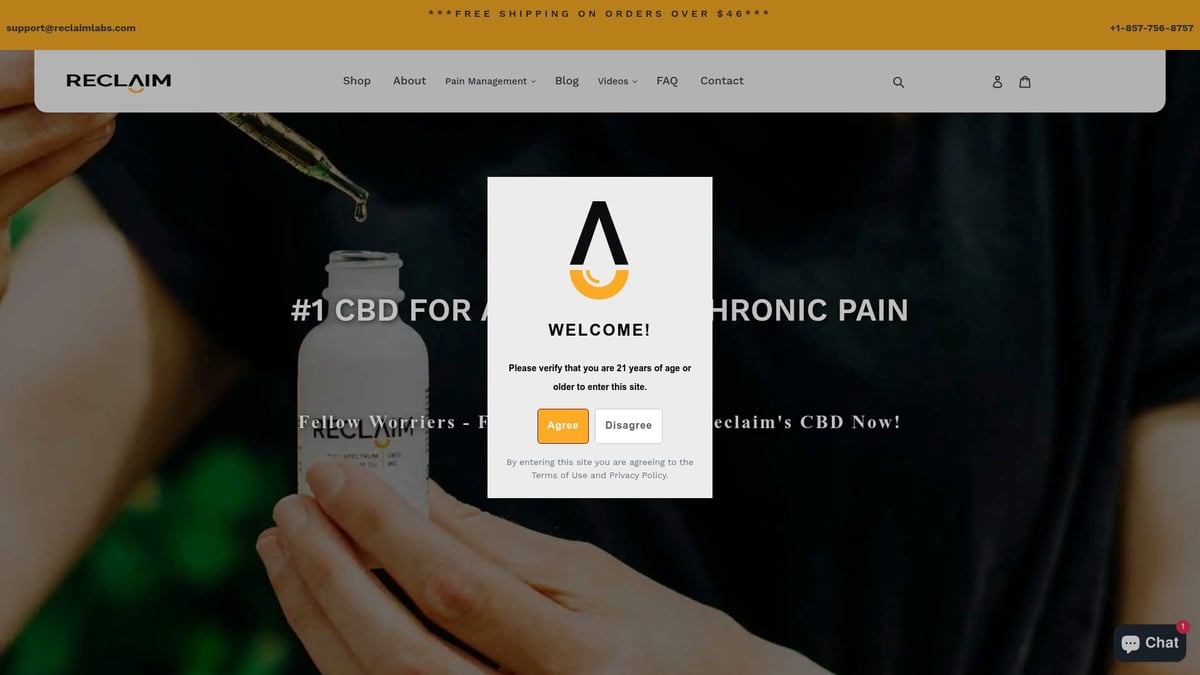
This medicine for the pain is non-psychoactive and formulated to minimize side effects. It’s especially beneficial for those with chronic pain conditions such as arthritis, fibromyalgia, or autoimmune issues, and for those seeking to reduce their reliance on traditional painkillers.
It is ideal for daily pain management routines and is praised for its natural sourcing and satisfaction guarantee. While not FDA-approved as a medicine for the pain, it is considered safe with minimal risk of serious side effects. Some regions may have legal restrictions, so always check local laws.
Many users report sustained relief and improved quality of life. For a deeper dive into how CBD oil can help, see these CBD oil benefits for pain.
Quick Facts Table:
| Feature | Details |
|---|---|
| Type | Full-spectrum CBD |
| Price | $79–$95 |
| Use Cases | Chronic pain, daily relief |
| Pros | Natural, minimal side effects |
| Cons | Not FDA-approved, legal limits |
Nucynta ER (Tapentadol Extended-Release)
Nucynta ER is a dual-action medicine for the pain, combining opioid receptor activity with norepinephrine reuptake inhibition. This unique approach provides significant pain relief for moderate to severe chronic pain, such as diabetic neuropathy or persistent back pain.

The average monthly cost ranges from $350 to $450, depending on insurance. Its extended-release formulation means steady pain control throughout the day, making it a practical medicine for the pain for those with ongoing needs.
Key benefits include a lower risk of constipation compared to traditional opioids and a reduced potential for abuse. However, as an opioid-based medicine for the pain, it still carries risks of dependence and requires close medical supervision. Nucynta ER is not suitable for everyone, and a healthcare provider should always oversee its use.
This medicine for the pain is best reserved for adults whose pain is not managed by other therapies, ensuring personalized and safe care.
Highlights:
- Dual mechanism for robust pain control
- Less GI upset than typical opioids
- Prescription required, strict monitoring
Lyrica (Pregabalin)
Lyrica, or pregabalin, is a well-established medicine for the pain, particularly effective for nerve-related conditions. With an average monthly cost of around $400, generic alternatives can make this medicine for the pain more affordable for many patients.
It is approved for fibromyalgia, diabetic neuropathy, postherpetic neuralgia, and spinal cord injury pain. Lyrica works by modulating nerve signals, thereby reducing abnormal pain sensations.
The medicine for the pain is widely used due to its versatility and well-documented efficacy. However, users may experience side effects such as dizziness or weight gain, and there is potential for misuse, especially at higher doses.
Lyrica’s multiple indications make it a reliable choice for a variety of neuropathic pain syndromes. Always consult a healthcare provider to tailor the regimen and monitor for side effects.
Summary Table:
| Condition | Indication | Generic? |
|---|---|---|
| Fibromyalgia | Yes | Yes |
| Diabetic Neuropathy | Yes | Yes |
| Spinal Cord Injury | Yes | Yes |
Voltaren Arthritis Pain Gel (Diclofenac Sodium Topical)
Voltaren Arthritis Pain Gel is an accessible, over-the-counter medicine for the pain, especially for joint discomfort due to osteoarthritis. Priced between $10 and $25 per tube, this topical NSAID delivers targeted relief with minimal systemic absorption.
Its main advantage is providing direct action at the site of pain, reducing inflammation without the gastrointestinal side effects typical of oral NSAIDs. This makes Voltaren an appealing medicine for the pain for adults with localized joint pain, particularly in the knees, hands, or wrists.
However, it is not recommended for large body areas or long-term continuous use. Some users may experience mild skin irritation at the application site. Despite these limitations, Voltaren’s OTC status and proven effectiveness make it a first-line medicine for the pain in arthritis management.
Quick Pros and Cons:
- Pros: Easy access, topical action, fewer GI side effects
- Cons: Not for widespread or chronic use, possible skin reactions
Tarlige (Mirogabalin)
Tarlige, or mirogabalin, is a next-generation medicine for the pain, recently approved in Japan and select Asian markets. It is especially effective for peripheral neuropathic pain, such as diabetic neuropathy or postherpetic neuralgia.
This medicine for the pain targets the α2δ-1 subunit with higher selectivity than older gabapentinoids, resulting in improved efficacy and tolerability. Once-daily dosing adds convenience for patients managing chronic nerve pain.
Although pricing varies by region and it remains prescription-only, Tarlige’s better side effect profile makes it a compelling medicine for the pain when first-line agents fail. Limited global availability is its main drawback, and it must be prescribed by a healthcare professional.
Benefits Overview:
- Superior nerve pain control
- Once-daily use
- Fewer cognitive side effects than pregabalin
Zynrelef (Bupivacaine and Meloxicam)
Zynrelef represents a breakthrough medicine for the pain in surgical care. Combining an extended-release local anesthetic (bupivacaine) with an NSAID (meloxicam), it provides up to 72 hours of targeted pain relief after surgery.
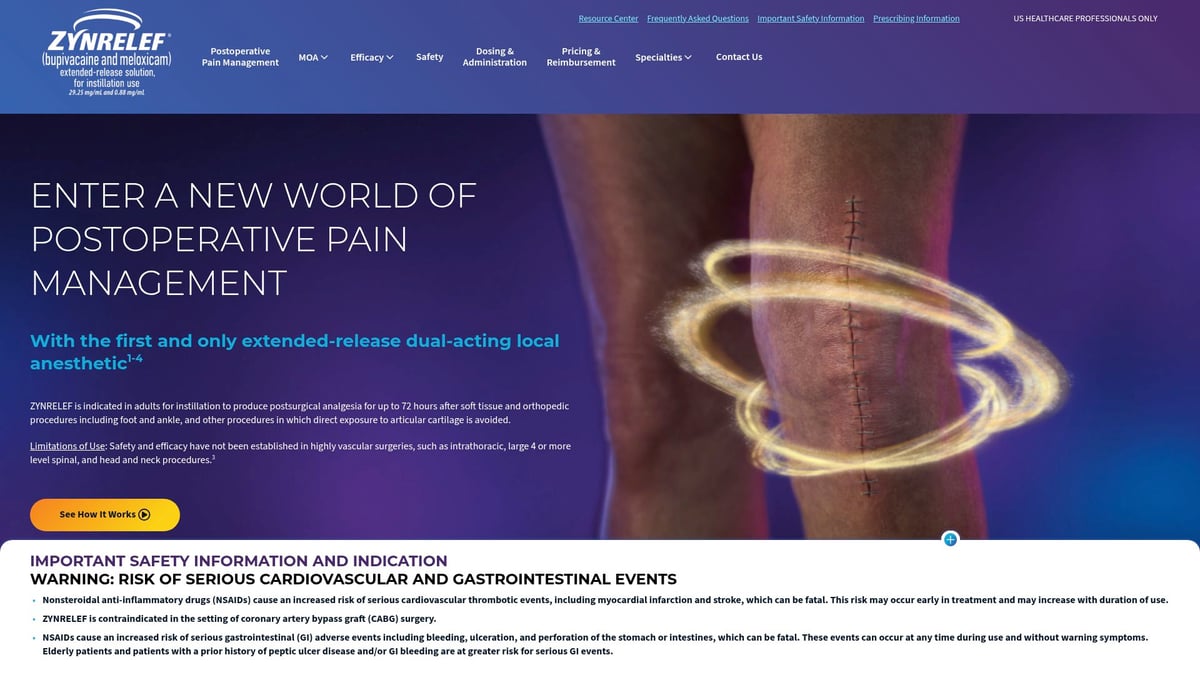
This medicine for the pain is administered in hospitals or clinics and is typically covered by insurance. It is designed to reduce the need for opioid medications following procedures, supporting safer recovery and improved patient outcomes.
Zynrelef is not intended for chronic pain or home use. Its use requires a healthcare provider, but the extended duration of action and opioid-sparing benefits make it a top choice for post-operative medicine for the pain.
Key Points:
- Long-acting local pain relief
- Reduces opioid use
- Hospital/clinic administration only
Nucala (Mepolizumab)
Nucala, or mepolizumab, is a monoclonal antibody medicine for the pain linked to eosinophilic disorders. Priced at approximately $3,200 per injection monthly, it is usually covered by insurance for qualifying conditions.
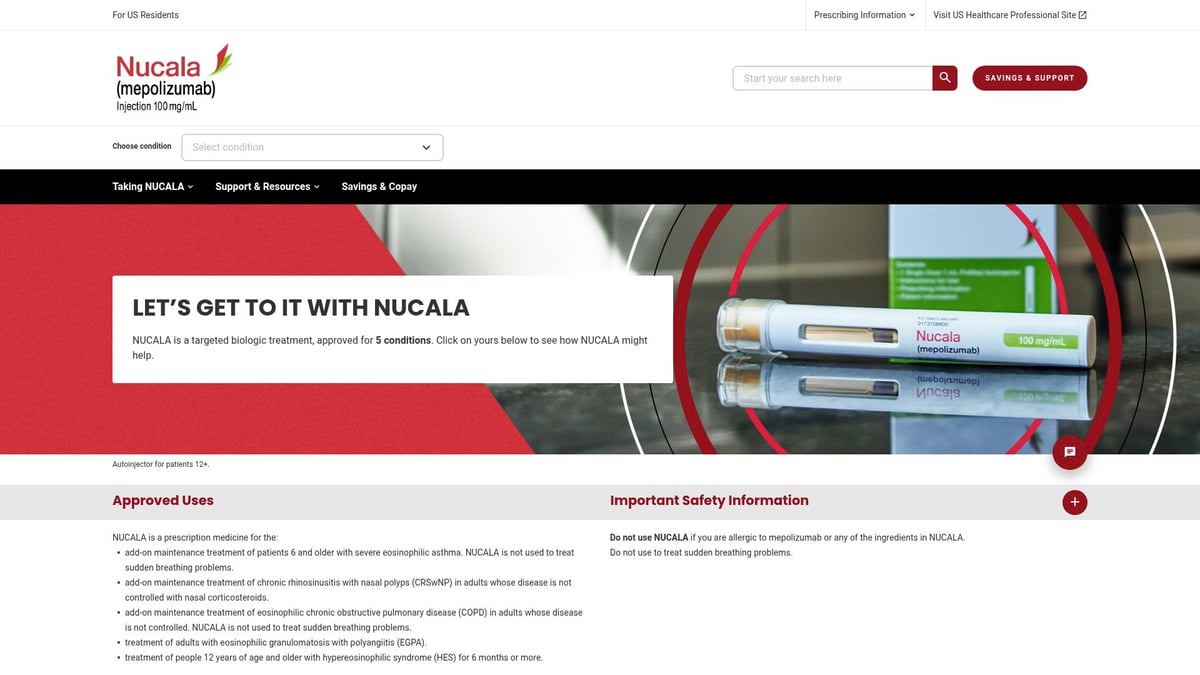
This medicine for the pain works by targeting interleukin-5 (IL-5), reducing inflammation and pain flares in conditions like severe eosinophilic asthma or EGPA. Its disease-modifying action decreases the reliance on steroids and frequent pain medications.
Nucala is not suitable for all types of pain and may cause injection site reactions. However, for those with chronic inflammatory or autoimmune pain, it can dramatically improve quality of life.
Summary Table:
| Feature | Details |
|---|---|
| Type | Monoclonal antibody |
| Use Cases | Eosinophilic pain, EGPA |
| Pros | Reduces flares, steroid-sparing |
| Cons | High cost, injections |
Each of these medicine for the pain options addresses a specific need, empowering patients and providers to select targeted, evidence-based solutions for lasting relief.
How to Choose the Right Pain Medicine for Your Needs
Selecting the most effective medicine for the pain is a deeply personal process. With so many advancements available in 2025, finding the right fit requires a thoughtful approach. Here is how you can navigate the landscape and make informed choices for lasting relief.
Assess Your Pain Type
Begin by identifying what kind of pain you are experiencing. Is it neuropathic, inflammatory, musculoskeletal, or a mix? Each category responds differently to medicine for the pain. For example, nerve-related pain like neuropathy often requires anticonvulsants or gabapentinoids, while inflammatory pain from arthritis may be better managed with NSAIDs or topical solutions.
Use a pain diary or digital tracking tool to document your symptoms. This information helps your provider match the medicine for the pain to your unique needs. The right diagnosis is the foundation for success.
Consider Personal Health Factors
Your age, existing medical conditions, and other medications significantly influence which medicine for the pain is safest. Older adults may be more sensitive to side effects, while those with liver or kidney issues might need dosage adjustments. Always review any history of allergies or sensitivities before starting a new treatment.
Discuss your full medical history with your provider to ensure the chosen medicine for the pain aligns with your overall health. This step minimizes risk and helps avoid unwanted interactions.
Evaluate Efficacy, Safety, and Dependence Risks
Balancing effectiveness with safety is essential. Some options provide rapid relief but carry a higher risk of dependence or side effects. Opioids, for example, require close monitoring, while non-opioid alternatives like topical NSAIDs or plant-based products may offer safer long-term use.
Many people now seek alternatives to prescription pain medications, especially if they wish to minimize opioid exposure. Weigh the pros and cons of each medicine for the pain with your healthcare provider, considering both your comfort and safety.
The Role of Medical Guidance and Affordability
Professional advice is vital. Creating a personalized plan with your provider ensures that your medicine for the pain is tailored to your diagnosis, goals, and financial situation. Insurance coverage and out-of-pocket costs can shape your options. Some therapies, especially newer biologics or specialty drugs, may require prior authorization or have higher copays.
According to the CDC, 75% of chronic pain patients need more than one medicine for the pain or therapy to achieve adequate relief. Do not hesitate to ask about combination strategies and available support programs.
Integrating Lifestyle and Alternative Therapies
Medication alone is rarely the full answer. Integrate physical therapy, stress management, and dietary changes to optimize outcomes. Many patients also explore non-traditional remedies. For those interested in natural options, top CBD pain relief options can complement or, in some cases, replace conventional medicine for the pain.
A case study: Sarah, a 45-year-old with fibromyalgia, achieved better control by combining low-dose medication for the pain, yoga, and a plant-based supplement. Her experience illustrates how a multidisciplinary approach can maximize comfort and function.
Ultimately, choosing the right medicine for the pain is a dynamic process. Stay proactive, communicate openly with your healthcare team, and adjust your strategy as your needs evolve.
The Future of Pain Medicine: Trends and Innovations to Watch
The future of medicine for the pain is unfolding rapidly, ushering in a new era of hope for those living with chronic discomfort. In 2025, we are witnessing a convergence of scientific breakthroughs, digital health tools, and regulatory progress that are reshaping how pain is understood and treated. Patients and clinicians have more options than ever before, and the pace of innovation shows no signs of slowing.
Emerging Therapies and Innovations
Breakthroughs in medicine for the pain are being driven by a surge of targeted and regenerative therapies. Gene-based treatments are now in clinical trials, aiming to address the root causes of pain at the molecular level. Non-opioid biologics, such as monoclonal antibodies, are providing relief for inflammatory and neuropathic conditions with fewer side effects than traditional drugs.
Regenerative medicine approaches, including stem cell therapies and tissue engineering, are offering hope for patients with previously untreatable pain. These methods focus on repairing damaged tissues rather than just masking symptoms. According to MarketWatch, the global pain management market is expected to grow 6 percent annually, fueled by such innovations.
For a deeper dive into these advances, Pain Management Innovations 2025 explores how AI-driven diagnostics and minimally invasive procedures are setting new standards for medicine for the pain.
Digital Health and Drug Delivery Advances
Digital technology is transforming medicine for the pain by empowering both patients and providers. Remote monitoring tools and pain tracking apps allow for personalized care plans and real-time adjustments. Artificial intelligence is being used to analyze patient data, predict pain flare-ups, and optimize dosing for maximum relief with minimal risk.
Drug delivery systems have also evolved. Long-acting injectable medications, advanced transdermal patches, and nano-formulations are making pain control more convenient and effective. These innovations help maintain steady drug levels, reduce dosing frequency, and improve patient adherence.
Integration of digital health records and telemedicine ensures that patients have seamless access to specialists and the latest medicine for the pain, regardless of location. This tech-driven approach is especially valuable for those managing complex, chronic conditions.
Regulatory Shifts and Future Outlook
As science advances, regulatory agencies are adapting to bring novel medicine for the pain to market faster. The FDA and other authorities are streamlining approval pathways for breakthrough therapies, particularly those that address the opioid crisis by offering safer alternatives.
A recent example is the approval of Journavx, a non-opioid painkiller developed by Vertex Pharmaceuticals. This milestone, covered in detail by FDA approves Vertex's non-opioid painkiller, signals a shift toward more diverse and innovative pain management strategies.
Global harmonization of guidelines is also underway, making it easier for patients to access cutting-edge medicine for the pain across borders. Ongoing clinical trials in cannabinoids and psychedelics are poised to further expand available options.
The future of pain relief is brighter than ever, with medicine for the pain evolving to meet the complex needs of patients worldwide.
As we’ve seen, pain management is rapidly changing, with new options and natural alternatives making a real difference for those of us living with chronic pain. Whether you’re searching for plant-based solutions like full-spectrum CBD or considering innovative therapies on the horizon, it’s important to choose products that are safe, transparent, and rigorously tested. If you’re ready to take the next step toward lasting relief and want to explore trusted, premium CBD options, I encourage you to Get Relief Now! and discover how a natural approach can support your journey to better well-being.