Chronic pain and inflammation affect millions of people worldwide, making them two of the most frequent reasons for seeking medical attention. In 2026, the landscape for managing these conditions continues to evolve, offering both traditional pharmaceuticals and innovative natural therapies.
With the latest medical advancements, individuals now have greater access to effective meds for pain and inflammation tailored to their specific needs. This article highlights seven essential options, examining their unique features, effectiveness, pricing, and when they are best used.
If you are searching for solutions to improve your quality of life, explore these top choices to find the right fit for your pain and inflammation management in 2026.
Understanding Pain and Inflammation: Trends in 2026
Pain and inflammation are complex processes that affect millions every year. Understanding the root causes and current trends is essential for selecting the right meds for pain and inflammation. In 2026, both the scientific community and patients have more knowledge and resources than ever before.
What Causes Pain and Inflammation?
Pain is a signal from the nervous system that something may be wrong, while inflammation is the body's response to injury or infection. Acute inflammation is a short-term, protective process. Chronic inflammation, however, can persist for months or years, contributing to conditions like arthritis, autoimmune disorders, and injuries.
In 2026, new data show that nearly 30% of adults worldwide experience ongoing pain or inflammation. Common triggers include joint degeneration, muscle injuries, and immune system dysregulation. Understanding these mechanisms helps guide the use of meds for pain and inflammation, ensuring targeted and effective relief.
Evolving Treatment Landscape
Over the past decade, the landscape of meds for pain and inflammation has shifted significantly. Treatments are now more patient-centered and personalized, blending traditional pharmaceuticals with integrative and lifestyle-based approaches.
There is a growing emphasis on safer, less addictive medications and innovative therapies. According to advancements in pain management research, 2026 has seen breakthroughs in drug development and patient care models. These advancements have expanded options for those seeking effective, long-term relief.
The Importance of Evidence-Based Choices
Choosing the right meds for pain and inflammation requires careful evaluation of clinical evidence. Regulatory bodies now demand robust data from clinical trials and real-world studies before approving new therapies. In 2026, safety monitoring is stricter, and adverse event reporting is more transparent.
Recent statistics reveal that over 75% of recommended medications demonstrate significant efficacy in reducing symptoms, while adverse events are closely tracked. This evidence-based approach ensures that patients receive reliable and safe options tailored to their needs.
Integrating Lifestyle and Medical Management
Effective management of pain and inflammation often combines medical and lifestyle strategies. Diet, exercise, and mindfulness practices play a critical role in reducing symptoms and improving quality of life. Medications are most effective when used as part of a holistic plan that might also include physical therapy or stress reduction techniques.
Successful integrative protocols in 2026 often feature a blend of meds for pain and inflammation with complementary approaches, helping patients achieve sustainable results with fewer side effects. This synergy empowers individuals to take an active role in their health journey.
7 Essential Meds for Pain and Inflammation in 2026
Managing pain and inflammation effectively is more important than ever. With so many options available in 2026, choosing the right meds for pain and inflammation can make a significant difference in daily comfort and long-term health. Below, we take a closer look at seven essential medications, each offering unique benefits and considerations for anyone seeking relief.
Reclaim Labs Broad Spectrum Hemp Extract Oil (2800mg)
For those looking for a natural approach among the leading meds for pain and inflammation, Reclaim Labs Broad Spectrum Hemp Extract Oil stands out in 2026. This product features a potent blend of full and broad spectrum CBD suspended in organic MCT oil, ensuring optimal absorption and effectiveness.

Pricing: Regularly priced at $95, currently on sale for $79. Free shipping applies to orders over $46, and new customers receive 10% off their first order.
Core Features:
- Full and broad spectrum CBD for comprehensive endocannabinoid support
- Organic MCT oil carrier for improved bioavailability
- Third-party lab tested for purity and potency
- Non-psychoactive, ensuring no intoxicating effects
Key Benefits:
- Potent anti-inflammatory action
- Natural pain relief for chronic conditions
- Supports the body’s endocannabinoid system
Unique Selling Points:
- Developed by a chronic pain survivor with firsthand experience
- Transparent lab testing and science-backed formulas
- Plant-based solution with fewer side effects than many synthetic meds for pain and inflammation
Target Audience: Ideal for chronic pain sufferers, including those with arthritis or fibromyalgia, and anyone seeking plant-based alternatives to traditional meds for pain and inflammation.
Ideal Use Cases:
- Daily pain management routines
- As an adjunct to prescription therapies
- Reducing long-term steroid dependency
Pros and Cons Table:
| Pros | Cons |
|---|---|
| Natural and plant-based | Not FDA-approved for all conditions |
| Fewer side effects | Potential interactions with certain medications |
| Transparent sourcing & testing | Results may vary individually |
For those interested in evidence-based, plant-powered solutions, learn more about CBD benefits for pain relief and how they are shaping the future of meds for pain and inflammation.
Celecoxib (Celebrex)
Celecoxib remains a top prescription choice in the realm of meds for pain and inflammation, particularly for joint conditions. As a COX-2 selective NSAID, celecoxib offers targeted anti-inflammatory effects with a reduced risk of gastrointestinal ulcers compared to older NSAIDs.
Pricing: Approximately $40-60 per month, with generic versions widely available.
Core Features:
- Oral capsule, taken once or twice daily
- Selective inhibition of COX-2 enzymes
Key Benefits:
- Effective for osteoarthritis and rheumatoid arthritis
- Suitable for acute and chronic pain
Unique Selling Points:
- Lower risk of GI side effects than non-selective NSAIDs
- Well-studied with decades of clinical use
Target Audience: Adults experiencing chronic joint pain or inflammation who require ongoing therapy.
Ideal Use Cases:
- Long-term inflammation control in arthritis
- Alternative to non-selective NSAIDs for those with GI sensitivities
Pros and Cons Table:
| Pros | Cons |
|---|---|
| Fewer GI side effects | Potential cardiovascular risks |
| Prescription-based, monitored use | Not suitable for all patients |
| Well-studied efficacy | Requires physician oversight |
Celecoxib continues to be a cornerstone among meds for pain and inflammation, especially for those needing safer long-term relief.
Acetaminophen (Tylenol)
Acetaminophen is one of the most accessible and widely trusted meds for pain and inflammation, though it is technically not anti-inflammatory. Its popularity stems from its safety profile and over-the-counter availability.
Pricing: Ranges from $5 to $15 per bottle, depending on brand and quantity.
Core Features:
- Analgesic and antipyretic (pain- and fever-reducing)
- Non-NSAID, gentle on the stomach
Key Benefits:
- Safe for most adults when taken as directed
- Minimal gastrointestinal or cardiovascular risks
Unique Selling Points:
- Available in various strengths and formulations
- Recommended for mild to moderate pain
Target Audience: Suitable for the general public, especially those with NSAID contraindications or sensitive digestive systems.
Ideal Use Cases:
- Headaches, muscle aches, and mild arthritis pain
- Fever management during illness
Pros and Cons Table:
| Pros | Cons |
|---|---|
| Widely available and affordable | Risk of liver toxicity at high doses |
| Few drug interactions | Not anti-inflammatory |
| Safe in pregnancy (with guidance) | Limited efficacy for severe pain |
While not a true anti-inflammatory, acetaminophen remains a staple among meds for pain and inflammation due to its versatility and safety.
Ibuprofen (Advil, Motrin)
Among the most recognizable over-the-counter meds for pain and inflammation, ibuprofen offers quick, effective relief for a range of acute complaints. Its fast-acting nature makes it a go-to for many.
Pricing: Typically $8-20 per bottle, depending on size and brand.
Core Features:
- Non-selective NSAID, available in oral and topical forms
- Reduces pain, inflammation, and fever
Key Benefits:
- Rapid onset of action
- Well-tolerated for short-term use
Unique Selling Points:
- Accessible without a prescription
- Choice of tablets, gels, and liquids
Target Audience: Individuals dealing with acute pain, such as sports injuries, headaches, or menstrual cramps.
Ideal Use Cases:
- Short-term pain from injury or overuse
- Managing inflammation after physical activity
Pros and Cons Table:
| Pros | Cons |
|---|---|
| Effective for many pain types | GI irritation possible with long-term use |
| Affordable and widely available | Kidney risks at high doses |
| Fast-acting | Not ideal for chronic use in some cases |
Ibuprofen continues to be a mainstay in the world of meds for pain and inflammation, offering a balance of efficacy and convenience for most users.
Duloxetine (Cymbalta)
Duloxetine has carved out a unique niche among meds for pain and inflammation, particularly for those with overlapping mood and pain disorders. As an SNRI antidepressant, it not only addresses pain but also improves mood and anxiety.
Pricing: Ranges from $40-120 per month, with generics offering cost-effective options.
Core Features:
- Serotonin and norepinephrine reuptake inhibition
- Prescription capsule, taken once daily
Key Benefits:
- Effective for chronic musculoskeletal and neuropathic pain
- Dual action on mood disorders
Unique Selling Points:
- FDA-approved for fibromyalgia and diabetic neuropathy
- Addresses both emotional and physical aspects of chronic pain
Target Audience: Patients with chronic pain who also experience depression or anxiety.
Ideal Use Cases:
- Fibromyalgia management
- Diabetic neuropathy and chronic back pain
Pros and Cons Table:
| Pros | Cons |
|---|---|
| Treats both mood and pain | Side effects: nausea, drowsiness |
| Multiple approved indications | Prescription required |
| Well-studied in chronic pain | May not suit all patients |
For those with complex pain syndromes, duloxetine’s dual action makes it a standout among modern meds for pain and inflammation.
Prednisone
Prednisone is a potent corticosteroid that remains indispensable for severe cases among meds for pain and inflammation. Its fast-acting nature makes it critical for acute flare-ups and autoimmune conditions.
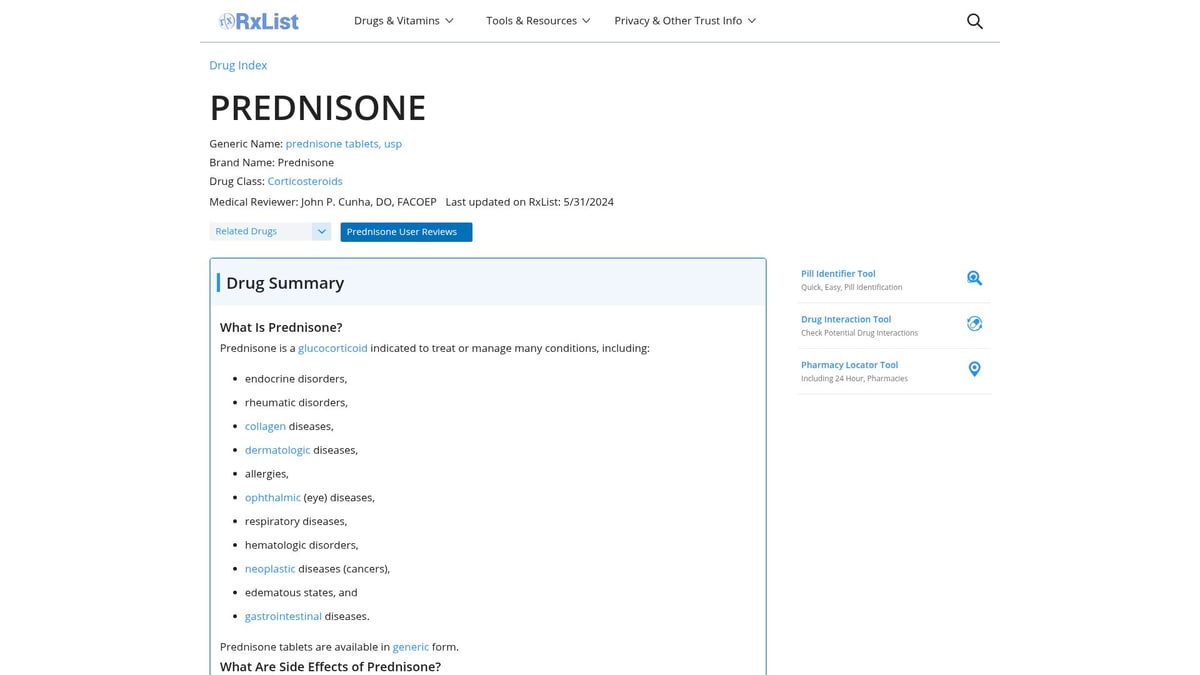
Pricing: Typically $10-30 per month for generic versions.
Core Features:
- Oral corticosteroid with strong anti-inflammatory properties
- Rapidly reduces inflammation and immune response
Key Benefits:
- Essential for managing autoimmune flares and severe allergic reactions
- Provides fast relief when other treatments fail
Unique Selling Points:
- Indispensable in rheumatology and emergency medicine
- Can dramatically improve symptoms in a short period
Target Audience: Patients with autoimmune diseases, severe inflammatory conditions, or acute allergic reactions.
Ideal Use Cases:
- Rheumatoid arthritis flares
- Asthma exacerbations and lupus
Pros and Cons Table:
| Pros | Cons |
|---|---|
| Highly effective and fast-acting | Long-term side effects: weight gain, osteoporosis, immunosuppression |
| Useful in emergencies | Requires close medical supervision |
| Versatile in many inflammatory conditions | Not suitable for prolonged use |
Patients using prednisone as part of their meds for pain and inflammation should stay informed about side effects and management strategies to ensure safe use.
Naproxen (Aleve)
Naproxen is a trusted non-selective NSAID known for its long-lasting effects among current meds for pain and inflammation. Its twice-daily dosing offers sustained relief for chronic and acute issues alike.
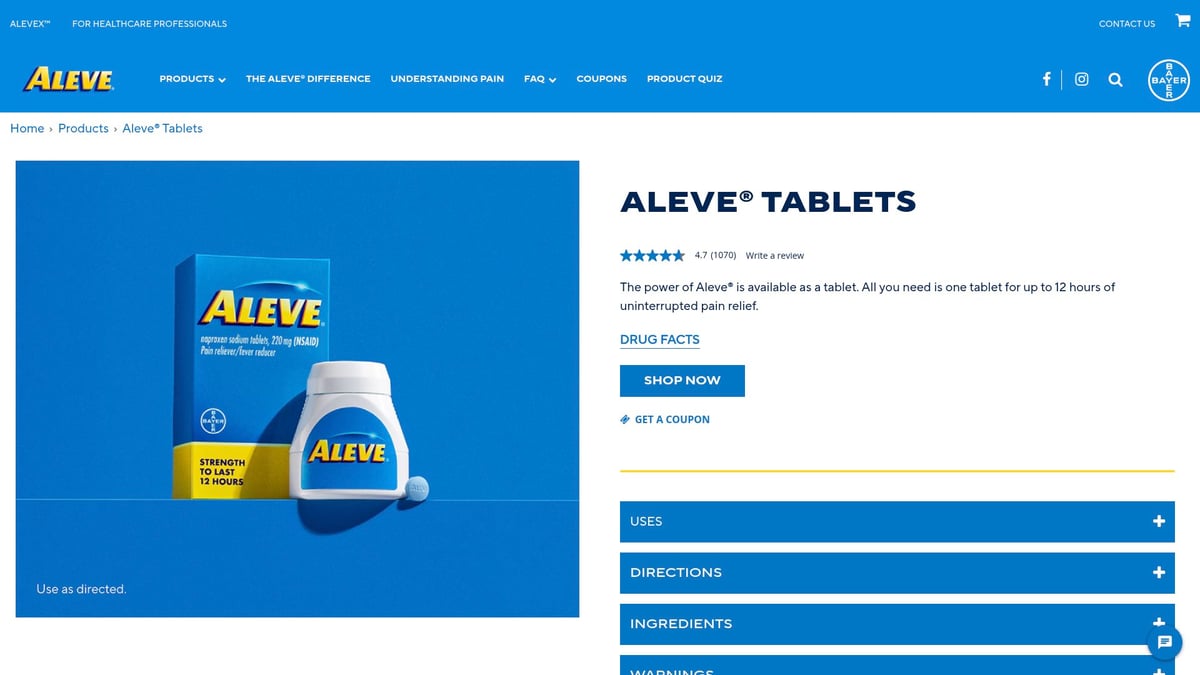
Pricing: $8-18 per bottle, available over the counter.
Core Features:
- Oral NSAID, longer half-life than ibuprofen
- Reduces pain, inflammation, and fever
Key Benefits:
- Extended duration of action
- Effective for arthritis, back pain, and sports injuries
Unique Selling Points:
- Requires less frequent dosing than other NSAIDs
- Well-suited for sustained pain management
Target Audience: Adults who need round-the-clock pain and inflammation control.
Ideal Use Cases:
- Chronic arthritis pain
- Back pain and injury recovery
Pros and Cons Table:
| Pros | Cons |
|---|---|
| Long-lasting relief | GI and cardiovascular risks |
| Widely accessible and affordable | Not suitable for all patients |
| Effective for a broad range of pain | May interact with other medications |
Naproxen’s convenience and efficacy make it a reliable choice in today’s arsenal of meds for pain and inflammation.
How to Choose the Right Medication for Pain and Inflammation
Choosing the right meds for pain and inflammation in 2026 requires a thoughtful and personalized approach. With a wide range of options available, understanding your needs and circumstances is the first step. The process involves weighing multiple factors, consulting professionals, monitoring outcomes, and adjusting strategies as needed.
Factors to Consider
When selecting meds for pain and inflammation, start by identifying the type and severity of your symptoms. Chronic conditions, like arthritis or fibromyalgia, may require different strategies than acute injuries. Consider underlying health concerns, such as liver or kidney function, which can influence medication safety.
Allergies and sensitivities matter as well, especially if you have a history of reactions to certain drug classes. Age, pregnancy status, and other medications you take are also important. For instance, those with gastrointestinal issues might opt for acetaminophen instead of NSAIDs to avoid stomach irritation.
Work with your healthcare provider to ensure the chosen meds for pain and inflammation align with your unique health profile.
Consulting Healthcare Professionals
Professional guidance is crucial when choosing meds for pain and inflammation. Doctors can help you navigate potential drug interactions, contraindications, and the best choices for your diagnosis. Self-medicating can increase the risk of side effects or inadequate relief, especially if you have complex health needs.
In 2026, telemedicine and digital health platforms make it easier to connect with specialists. These tools support timely consultations and adjustments to your plan. Always inform your provider about any supplements or over-the-counter products you use to ensure safe integration with your prescribed meds for pain and inflammation.
Monitoring Effectiveness and Side Effects
Tracking your response to meds for pain and inflammation is essential for long-term success. Keep a pain diary to document symptom levels, triggers, and any changes after starting a new medication. Be vigilant for side effects, and report any concerns to your healthcare team promptly.
Some medications, like steroids, require close monitoring due to potential adverse effects. For example, if you are prescribed prednisone, reviewing resources on Prednisone side effects and management can help you recognize and address issues early. Patient-reported outcomes are increasingly used in 2026 to fine-tune treatment and improve comfort.
Adjusting and Combining Treatments
Effective pain and inflammation management often involves combining different therapies. Alongside meds for pain and inflammation, physical therapy, exercise, and mindfulness practices can enhance results. Sometimes, switching medications or adding adjunct treatments is necessary if initial choices do not provide relief.
Many patients are exploring integrative options, such as CBD, for added support. For those with arthritis, understanding how CBD helps with arthritis can inform decisions about adding natural alternatives to your regimen. Work with your provider to develop a plan that adapts to your evolving needs.
The Future of Pain and Inflammation Management
The landscape of managing pain and inflammation continues to evolve rapidly as we move into 2026. New scientific discoveries, a greater emphasis on holistic care, and patient empowerment are reshaping how individuals approach relief and healing. Let us look ahead at the innovations and trends defining the future of meds for pain and inflammation.
Innovations in Medication Development
Advances in medical research are transforming the way we approach meds for pain and inflammation. In 2026, scientists are developing new drug classes, including biologics and gene-targeted therapies, that address pain at its source with greater precision. Personalized medicine, driven by genomics, matches treatments to an individual's genetic profile for more predictable results.
Recent clinical trials have shown promising outcomes. For example, a gene-silencing therapy for osteoarthritis is using peptide-siRNA delivery systems to target chronic pain and inflammation on a molecular level. Such innovations are expected to offer safer, more effective meds for pain and inflammation in the years ahead.
Integrative and Natural Alternatives
The rise of integrative medicine is reshaping the choices available for those seeking relief. Patients are increasingly interested in combining traditional meds for pain and inflammation with natural alternatives like CBD, turmeric, and acupuncture. Research supports the effectiveness of certain plant-based therapies, and regulatory bodies are responding with updated guidelines and safety data.
For those curious about holistic options, this overview of natural alternatives to prescription meds highlights the growing evidence behind CBD and other supplements for joint pain. As preferences shift, integrative protocols are becoming mainstream, empowering people to take a proactive role in their wellness.
Patient Empowerment and Education
In 2026, patient education is central to the effective use of meds for pain and inflammation. Digital resources, telemedicine, and online communities provide up-to-date information and support. Individuals are encouraged to make informed decisions, consult with healthcare providers, and participate in advocacy efforts.
Resources such as interactive guides, webinars, and patient support groups are widely available. These tools help people understand their medication options, track their symptoms, and connect with others facing similar challenges. As a result, patients are more confident in managing their health and achieving lasting relief.
As you explore the evolving landscape of pain and inflammation management in 2026, it is clear that having safe, effective options makes all the difference for quality of life. Whether you are navigating chronic conditions or looking for natural alternatives, knowing your choices empowers you to take control of your health. If you are ready to experience relief with premium, science-backed solutions designed for people like you, take the next step and Get Relief Now!