Chronic pain and inflammation can quietly erode comfort, mobility, and joy, but 2026 offers new frontiers in pain inflammation relief. Today, science-backed strategies, innovative treatments, and lifestyle changes empower you to reclaim your well-being. This guide presents a clear roadmap to understand, prevent, and relieve pain and inflammation, blending traditional wisdom with cutting-edge breakthroughs. Dive in to explore the biology behind discomfort, discover the latest relief methods, and learn practical steps for lasting comfort. Ready to take control? Let’s unlock a future of greater activity, resilience, and hope—one step at a time.
Understanding Pain and Inflammation: Causes, Types, and Impact
Chronic pain and inflammation are more than just fleeting discomforts—they are complex conditions affecting millions worldwide. Achieving pain inflammation relief starts with understanding the differences between pain and inflammation, as well as their underlying causes and impacts.

What Is Pain? Acute vs. Chronic
Pain is the body’s warning system, signaling injury or imbalance. Acute pain is short-lived, often triggered by a specific event like a sprain or surgery. It usually resolves as the body heals. Chronic pain, however, persists for months or years, often without a clear cause. For those seeking pain inflammation relief, it’s crucial to distinguish between these types, as chronic pain can become a condition itself, affecting nerves and brain pathways long after an initial injury.
What Is Inflammation? Acute vs. Chronic
Inflammation is the immune system’s response to harm. Acute inflammation is a short-term reaction, such as swelling or redness after a cut. It’s the body’s way of protecting and healing itself. Chronic inflammation, on the other hand, lingers and can silently damage tissues and organs over time. This lingering inflammation is a key target for pain inflammation relief strategies, as it often underpins many long-term health issues.
Common Causes of Pain and Inflammation
Several factors can trigger pain and inflammation. Injuries are a common cause, but autoimmune diseases like rheumatoid arthritis can provoke the immune system to attack healthy tissues. Lifestyle factors—such as poor diet, lack of exercise, or chronic stress—also contribute. Genetics plays a role, making some people more prone to chronic pain or inflammation. Understanding these triggers is a vital step toward effective pain inflammation relief.
The Immune System’s Role and Cytokines
The immune system is central to both pain and inflammation. When activated, it releases proteins called cytokines that either promote or reduce inflammation. In cases of chronic inflammation, the immune response becomes overactive, leading to persistent pain and tissue damage. Effective pain inflammation relief often involves calming this immune overreaction and restoring balance.
How Inflammation Contributes to Chronic Conditions
Chronic inflammation is a hidden driver behind many conditions. It plays a direct role in diseases such as arthritis, fibromyalgia, and chronic back pain. In arthritis, ongoing inflammation erodes joint cartilage, causing stiffness and discomfort. Fibromyalgia involves widespread pain with underlying inflammatory changes. For those seeking pain inflammation relief, addressing chronic inflammation can slow disease progression and ease daily symptoms.
Impact on Daily Life
Living with chronic pain and inflammation affects every aspect of life. Mobility can become limited, making simple tasks a challenge. Sleep disturbances are common, as pain interrupts rest and recovery. Mental health often suffers, with anxiety and depression rates higher among those with chronic pain. Productivity may decline, leading to missed workdays and social withdrawal. Prioritizing pain inflammation relief is essential for restoring quality of life and maintaining independence.
Key Statistics
The scale of the problem is significant. Over 50 million Americans live with chronic pain, impacting nearly one in five adults, according to the CDC report on chronic pain statistics. Chronic inflammation is linked to seven of the top ten causes of death worldwide, underscoring the urgency of effective pain inflammation relief.
Real-World Example
Imagine a day in the life of someone with chronic inflammatory pain. Even simple actions like getting out of bed or climbing stairs can be overwhelming. Persistent aches, fatigue, and emotional strain become daily companions. For these individuals, every step toward pain inflammation relief brings hope for a more comfortable and active future.
The 2026 Landscape: Breakthroughs and Trends in Pain & Inflammation Relief
The field of pain inflammation relief is evolving rapidly in 2026. Innovations in medical treatments, integrative therapies, and hemp-based solutions are transforming how millions approach chronic pain and inflammation. People now have more options than ever to find comfort and regain control of their lives.

Advances in Medical Treatments
Medical science continues to push the boundaries of pain inflammation relief. In 2026, new prescription medications such as biologics and JAK inhibitors are making a significant impact for those with autoimmune and inflammatory conditions. These drugs specifically target immune pathways involved in chronic inflammation.
Minimally invasive procedures are also gaining popularity. Nerve blocks and radiofrequency ablation offer targeted pain relief with less downtime. These options are especially valuable for patients with arthritis, back pain, or nerve-related conditions.
The rise of personalized medicine means treatments can now be tailored to your genetic profile. Pharmacogenomics helps doctors predict which medications will be most effective and safest for each individual. This approach reduces trial and error, leading to faster pain inflammation relief.
| Treatment Type | How It Works | Common Use Cases |
|---|---|---|
| Biologics | Target immune system proteins | Rheumatoid arthritis |
| JAK Inhibitors | Block inflammatory signaling pathways | Psoriatic arthritis |
| Nerve Blocks | Interrupt pain signals | Back pain, neuralgia |
For example, a patient with severe rheumatoid arthritis who struggled for years found that a new biologic therapy reduced her pain by 70 percent and improved her quality of life. These breakthroughs are redefining pain inflammation relief for many.
Natural and Integrative Approaches
Interest in natural and integrative therapies for pain inflammation relief continues to grow. Evidence-based supplements such as turmeric, omega-3 fatty acids, and boswellia have shown anti-inflammatory effects in clinical studies. These options are often used alongside conventional treatments to enhance results.
Acupuncture and advanced physical therapy techniques are now widely available. Many clinics specialize in combining traditional and modern therapies, offering patients a holistic approach to pain inflammation relief. Mind-body methods like meditation and cognitive behavioral therapy (CBT) help manage stress, which can worsen pain and inflammation.
A recent study found that 35 percent of chronic pain patients now use integrative therapies. This shift reflects a growing desire for comprehensive, personalized care. For instance, a woman with chronic back pain experienced significant improvement after integrating acupuncture and turmeric supplements into her routine.
- Popular integrative options:
- Turmeric and omega-3 supplements
- Acupuncture sessions
- Mindfulness meditation
- Physical therapy with tailored exercises
These approaches provide new avenues for pain inflammation relief, empowering people to take an active role in their well-being.
The Role of CBD and Hemp-Derived Products
CBD and hemp-derived products have emerged as powerful allies in pain inflammation relief. Scientific research now confirms that CBD interacts with the body's endocannabinoid system to reduce inflammation and ease discomfort. Clinical trials in 2026 highlight CBD's effectiveness for arthritis, neuropathic pain, and fibromyalgia.
Safety and quality are top priorities. Consumers are advised to choose products that are third-party tested and clearly labeled. Legal standards in 2026 require transparency, ensuring safer choices for those seeking pain inflammation relief.
Trends show that one in four people with chronic pain have tried CBD. Many report reduced reliance on prescription medications. For example, a patient with severe neuropathy found meaningful relief and improved daily function after starting a CBD oil regimen. If you want to learn more about how CBD can support your comfort, explore the CBD oil benefits for pain.
- Key points to consider when choosing CBD:
- Look for lab-tested, reputable brands
- Understand the difference between full-spectrum and isolate products
- Consult your healthcare provider about possible interactions
CBD and hemp-based options are now a cornerstone of pain inflammation relief strategies, offering new hope for lasting comfort and mobility.
Step-by-Step Roadmap: Relieving Pain and Inflammation in 2026
Finding sustainable pain inflammation relief in 2026 means following proven steps that address both the root causes and daily challenges of discomfort. This roadmap provides you with actionable strategies, innovative tools, and expert-backed advice to help you regain control and live with less pain and inflammation.

Step 1: Accurate Diagnosis and Assessment
The first step toward effective pain inflammation relief is obtaining a clear, professional diagnosis. Work closely with healthcare providers who understand the complexities of pain and inflammation. Diagnostic tools like blood tests, advanced imaging, and pain diaries can pinpoint the cause and pattern of your symptoms.
By identifying specific triggers and tracking pain levels over time, you enable your care team to tailor interventions. For example, a patient with persistent joint pain found that early assessment revealed an underlying autoimmune condition, leading to targeted treatment and improved outcomes.
Key actions:
- Schedule a comprehensive medical evaluation.
- Use pain diaries to log symptoms and activities.
- Discuss family history and lifestyle with your provider.
Taking this step ensures that your pain inflammation relief plan is built on accurate information, not guesswork.
Step 2: Building a Personalized Treatment Plan
Once you have a diagnosis, collaborate with a multidisciplinary team to create a custom pain inflammation relief strategy. This might involve doctors, physical therapists, and integrative practitioners. Review all available options, including medications, physical therapy, and lifestyle adjustments, to find the right combination for your needs.
Set realistic goals for reducing pain and improving mobility. For instance, a patient with osteoarthritis worked with specialists to develop a plan that balanced medication, aquatic therapy, and joint-friendly exercise. Progress was measured regularly, and adjustments were made as needed.
Consider exploring Arthritis management strategies for practical tips on structuring your plan and maximizing relief.
- Collaborate with your care team on all decisions.
- Revisit and revise your plan as symptoms change.
- Focus on achievable milestones, not just end results.
A personalized approach is essential for sustained pain inflammation relief.
Step 3: Medication and Supplement Strategies
Medications can be vital for pain inflammation relief, but they are not the only option. Work with your provider to balance prescription drugs like NSAIDs, DMARDs, or biologics with over-the-counter remedies and evidence-based supplements such as omega-3s, turmeric, or CBD.
Monitor for side effects and interactions, especially when combining treatments. For example, a fibromyalgia patient found that adding a high-quality turmeric supplement reduced their reliance on prescription painkillers, with fewer side effects.
Tips for effective medication and supplement use:
- Keep a list of all medications and supplements.
- Report new symptoms to your healthcare provider promptly.
- Use only products with verified quality and safety standards.
A thoughtful supplement strategy can enhance your pain inflammation relief plan without unnecessary risks.
Step 4: Lifestyle Modifications for Lasting Relief
Long-term pain inflammation relief often depends on healthy lifestyle changes. Incorporate regular, low-impact exercise such as walking, swimming, or gentle stretching to maintain joint function and reduce stiffness. Embrace an anti-inflammatory diet, focusing on foods like leafy greens, berries, fatty fish, and whole grains.
Prioritize sleep hygiene and stress management, as both poor rest and chronic stress can worsen inflammation. Clinical studies show that a comprehensive lifestyle overhaul can reduce pain scores by up to 40 percent.
- Follow a Mediterranean or plant-based diet.
- Practice mindfulness or guided relaxation daily.
- Maintain a consistent sleep schedule.
These changes are powerful tools for achieving sustainable pain inflammation relief.
Step 5: Self-Care, Technology, and Support Systems
Empowering yourself with at-home therapies and modern technology is the final step in your pain inflammation relief journey. Use hot or cold packs, TENS units, and foam rollers to manage symptoms between professional treatments. Wearable tech, such as pain tracking apps or smart braces, helps you monitor progress and communicate with your care team.
Building a support network is equally important. Engage family, friends, and online communities to share experiences and encouragement. Mental health support, including counseling or support groups, can significantly improve resilience.
Example: One patient used a pain management app to track daily symptoms, leading to more effective doctor visits and tailored interventions.
- Try different at-home therapies to see what works best.
- Connect with others through support groups or forums.
- Use technology to stay accountable and informed.
With these resources, you can maintain momentum and achieve lasting pain inflammation relief.
The Role of CBD and Hemp-Derived Solutions in Modern Pain Relief
CBD and hemp-derived products have rapidly become central to modern pain inflammation relief strategies. These compounds interact with the body's endocannabinoid system, a network of receptors that help regulate pain and immune responses. By influencing this system, CBD helps reduce inflammation and modulate pain signals, offering a non-intoxicating alternative to traditional medications.
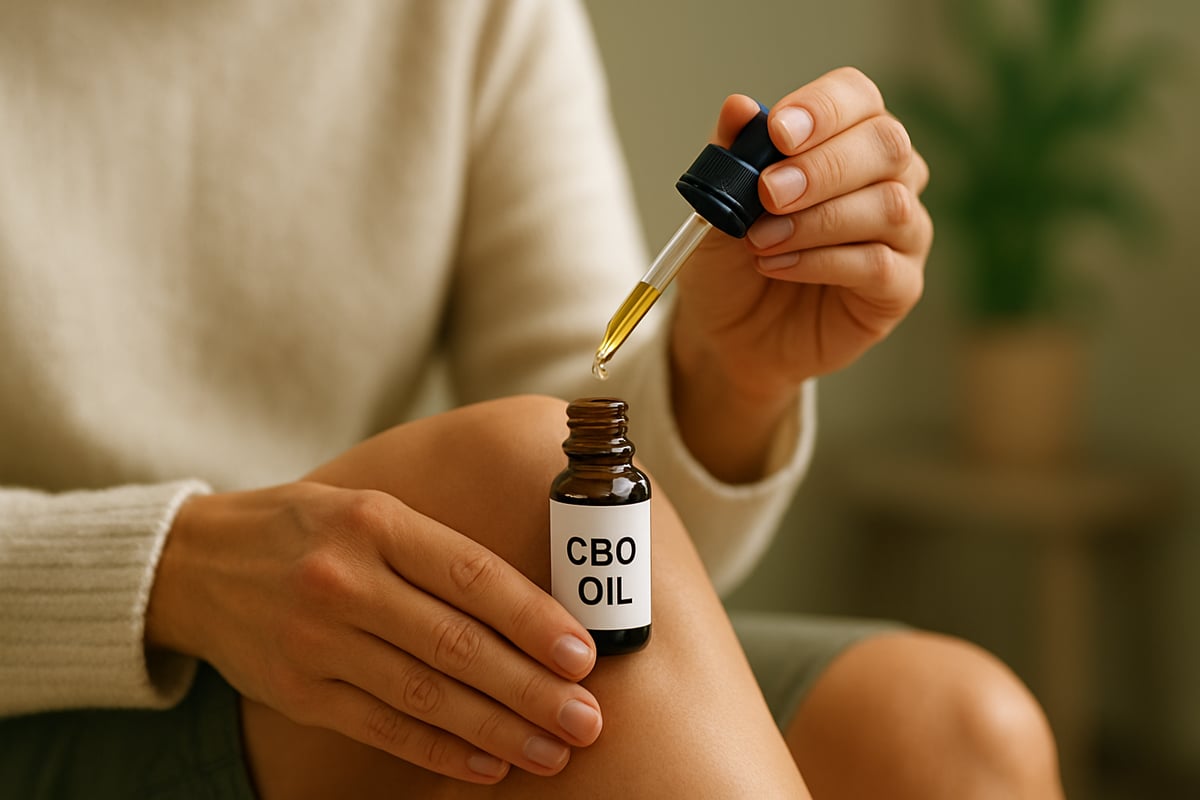
Recent clinical research in 2026 has provided robust evidence for CBD’s effectiveness in pain inflammation relief. Studies show that CBD can significantly reduce symptoms in arthritis, neuropathic pain, and muscle recovery. For example, patients with fibromyalgia have reported improved comfort and decreased reliance on prescription medication. For more details on this, see The benefits of CBD oil for fibromyalgia, which highlights real case outcomes and scientific findings.
Safety is a top priority for anyone seeking pain inflammation relief. Most users tolerate CBD well, experiencing only mild side effects such as dry mouth or fatigue. However, it can interact with some medications, so consulting a healthcare provider is essential. In rare cases, high doses may cause digestive discomfort. Always start with a low dose and monitor for any reactions.
In 2026, the legal landscape for CBD is clearer than ever. Hemp-derived CBD is legal in most regions, provided it contains less than 0.3 percent THC. Quality standards are enforced through mandatory third-party lab testing and transparent labeling. These regulations protect consumers and ensure that products are free from contaminants, pesticides, and inaccurate potency claims.
When choosing a CBD product for pain inflammation relief, understanding the differences between product types is crucial:
| Type | Contains THC | Other Cannabinoids | Best For |
|---|---|---|---|
| Full-spectrum | Trace | Yes | Broad symptom relief |
| Broad-spectrum | None | Yes | THC-free preferences |
| CBD Isolate | None | No | Pure CBD needs |
Consumers seeking pain inflammation relief should look for reputable brands that provide third-party lab results. Check for clear dosage information, ingredient lists, and customer reviews. Opt for companies that prioritize transparency, safety, and education. Never purchase from unverified sources, as product quality and legality can vary.
Consider the story of Maria, a 52-year-old with chronic joint pain. After adding a full-spectrum CBD oil to her routine, she noticed increased mobility and was able to reduce her prescription medication. Her experience reflects the growing body of evidence supporting CBD as a valuable tool for pain inflammation relief.
Preventing Pain and Inflammation: Proactive Strategies for a Healthier Future
Living pain-free is not just about treating symptoms, but about adopting a proactive approach to pain inflammation relief before discomfort takes hold. By focusing on daily habits that target the root causes of inflammation, you can build a foundation for lifelong comfort and resilience. Let’s explore three essential strategies that empower you to prevent pain and inflammation for a healthier future.
Nutrition and Diet for Inflammation Prevention
Your diet is a powerful tool for pain inflammation relief. Choosing the right foods can help regulate your body’s inflammatory response and support joint and tissue health. Focus on anti-inflammatory foods like:
- Berries (blueberries, strawberries)
- Leafy greens (spinach, kale)
- Fatty fish (salmon, sardines)
- Olive oil and nuts
At the same time, reduce or avoid processed meats, refined sugars, and trans fats, which can fuel chronic inflammation. Maintaining a healthy gut with probiotics from yogurt or fermented foods also supports immune balance. Research shows that following a Mediterranean diet can lower inflammatory markers by up to 30%. Try incorporating meal planning and simple recipes, such as grilled salmon with quinoa and mixed greens, to make anti-inflammatory eating sustainable.
If you’re interested in integrative solutions, consider reading about natural alternatives to prescription medications for joint pain relief. By making thoughtful food choices, you lay the groundwork for pain inflammation relief every day.
Physical Activity and Movement
Regular movement is essential for pain inflammation relief and overall well-being. Exercise helps reduce inflammation, maintain joint flexibility, and prevent muscle stiffness. Safe options for most people include:
- Yoga and tai chi for flexibility and stress reduction
- Swimming and water aerobics for low-impact cardiovascular health
- Walking or cycling to boost circulation and heart health
Even gentle activity can make a difference. For example, a structured exercise program lowered chronic pain in seniors by 50%, according to recent NIH data. Start with activities you enjoy and build consistency over time. Set achievable goals, listen to your body, and gradually increase intensity to avoid injury. Staying active not only supports pain inflammation relief, but also enhances mood and energy.
Stress Reduction and Sleep Optimization
Managing stress and prioritizing sleep are critical for pain inflammation relief. Chronic stress releases hormones that can worsen inflammation, while poor sleep disrupts healing and immune function. To break this cycle, adopt mindfulness techniques such as:
- Meditation or deep breathing exercises
- Guided relaxation before bed
- Journaling or gratitude practices
Good sleep hygiene is also vital. Aim for 7 to 8 hours of quality sleep each night by maintaining a consistent routine, creating a calm bedroom environment, and limiting screen time before bed. Studies show that adequate sleep can reduce inflammatory markers, helping you recover and feel your best. By managing stress and optimizing rest, you create an environment where pain inflammation relief is sustainable and effective.
Navigating Your Journey: Resources, Support, and Next Steps
Living with pain inflammation relief as a goal is a journey, not a single destination. Building the right support system and finding trusted information can make all the difference. Whether you are newly diagnosed or have been managing symptoms for years, having a roadmap helps you regain control.
Finding Your Care Team
The foundation of effective pain inflammation relief is a knowledgeable healthcare team. Seek out pain specialists, rheumatologists, or integrative medicine practitioners who understand both traditional and emerging therapies. Ask questions, share your concerns, and ensure your providers are open to discussing new treatments.
A comprehensive care team can include:
- Primary care physicians
- Pain management specialists
- Physical therapists
- Nutritionists
- Mental health professionals
If you want to understand the prevalence and persistence of chronic pain, the NIH study on chronic pain prevalence offers valuable insights to guide your conversations with providers.
Building Your Support Network
You do not have to walk the pain inflammation relief journey alone. Support groups, both in-person and online, offer emotional encouragement, shared experiences, and practical advice. Local organizations, national foundations, and digital communities connect you with others who truly understand.
Benefits of joining a support network:
- Reduced feelings of isolation
- Learning new coping strategies
- Motivation to stay consistent with self-care
- Opportunities to advocate for better care
Consider reaching out to chronic pain organizations or searching for community groups in your area.
Leveraging Digital Tools
Technology is transforming pain inflammation relief strategies in 2026. Telemedicine allows you to consult with specialists from home. Pain tracking apps help you monitor symptoms, triggers, and progress, making it easier to communicate with your care team.
Some emerging technologies include:
- Wearable devices that track movement and pain levels
- Virtual support groups and educational webinars
- Smart medication reminders and digital therapy platforms
To explore new advancements, see this overview of emerging technologies in pain management.
Staying Informed and Empowered
Knowledge is power on your pain inflammation relief journey. Stay up to date with the latest research, guidelines, and treatment options. Rely on trusted sources like national pain foundations, government health agencies, and respected research institutes.
Document your symptoms, track treatment responses, and communicate openly with your providers. Self-advocacy helps you receive the most appropriate care tailored to your needs.
Financial Considerations
Managing pain inflammation relief can come with financial stress. Learn about your insurance coverage, ask about generic medication options, and explore patient assistance programs. Many organizations offer financial guidance and resources to help manage costs.
Tips for reducing expenses:
- Compare prices at different pharmacies
- Ask providers about alternative therapies covered by insurance
- Apply for grants or nonprofit assistance programs
Recommended Resources
Here is a table summarizing valuable resources for your pain inflammation relief journey:
| Resource Type | Organization/Link | Purpose |
|---|---|---|
| National Support | U.S. Pain Foundation (chronic pain facts) | Education, advocacy, support |
| Research & Education | National Institutes of Health, CDC | Latest studies, guidelines |
| Digital Tools | Pain tracking apps, telemedicine platforms | Monitoring, virtual care |
| Local Connections | Community health centers, local support groups | In-person support, resources |
Conclusion
Navigating pain inflammation relief in 2026 is about more than medical treatments. It is about connecting with the right experts, building a supportive community, embracing technology, and staying informed. By taking proactive steps, advocating for your needs, and leveraging available resources, you can find comfort, empowerment, and hope for a more active life.
As you’ve explored the latest research, practical strategies, and the promise of natural solutions like CBD for pain and inflammation, remember that real, lasting comfort is within reach. You deserve relief that’s safe, effective, and supported by science. At Reclaim Labs, you’ll find premium, lab-tested CBD hemp oil products designed to help you reclaim your quality of life—whether you’re managing chronic pain, arthritis, or fibromyalgia. If you’re ready to take the next step toward a more comfortable, active future, discover trusted options and start your journey here:
Get Relief Now!