Rheumatoid arthritis is affecting more people than ever in 2026, making the need for reliable pain meds for rheumatoid arthritis a top priority. Thanks to groundbreaking advancements in medicine, treatment options have evolved, offering hope for better pain control and improved daily life.
Choosing the right medication is crucial for managing symptoms, preserving mobility, and maintaining independence. This article will guide you through seven essential pain medications, highlighting their benefits, drawbacks, costs, and which patients they best serve.
Discover how the latest therapies are changing the landscape of RA care and find the pain relief solutions that fit your unique needs.
Understanding Rheumatoid Arthritis Pain in 2026
Rheumatoid arthritis (RA) is a complex autoimmune disease that continues to affect millions worldwide in 2026. The need for effective pain meds for rheumatoid arthritis is greater than ever as more people seek relief and improved daily functioning. Understanding the nature of this chronic condition is the first step toward successful pain management.
What is Rheumatoid Arthritis?
Rheumatoid arthritis is an autoimmune disorder in which the immune system mistakenly attacks healthy joint tissue. This leads to chronic inflammation, pain, swelling, and stiffness, most often in the hands, wrists, and knees. In 2026, RA affects approximately 1.5% of the global population, with rising incidence in both younger and older adults.
Symptoms such as joint pain, morning stiffness, and persistent fatigue can make everyday tasks challenging. Without effective pain meds for rheumatoid arthritis, patients may experience reduced mobility and long-term joint damage, impacting their independence and wellbeing.
Advances in Pain Management for RA
The past decade has seen remarkable progress in pain management strategies for RA. New drug classes, including advanced biologics and targeted synthetic therapies, have broadened treatment options. Technology now plays a vital role, with personalized medicine and genetic testing helping tailor pain meds for rheumatoid arthritis to each individual’s needs.
For a comprehensive review of recent breakthroughs and how they are shaping the future of care, see this Therapeutic advances in rheumatoid arthritis article. Early intervention, combined with more precise therapies, has improved outcomes and long-term quality of life for many.
Challenges in Treating RA Pain
Despite advancements, treating RA pain remains complex. Not all patients respond equally to pain meds for rheumatoid arthritis, and some experience significant side effects. Long-term use of certain medications can increase risks such as infections, liver issues, or cardiovascular events.
Access is another challenge. The high cost of advanced treatments and insurance limitations can make it difficult for some patients to obtain optimal care. Balancing efficacy, safety, and affordability is a constant concern for both patients and healthcare providers.
The Role of Multimodal Therapy
Effective management of RA pain often requires a combination of approaches. Alongside pain meds for rheumatoid arthritis, non-drug therapies such as physical therapy, exercise, and occupational interventions can help maintain joint function and reduce discomfort.
Lifestyle changes, including weight management, stress reduction, and balanced nutrition, further support pain control. A multimodal strategy allows for more comprehensive and sustained relief, addressing the varied needs of each patient.
Patient Perspectives and Needs
Recent patient surveys highlight a growing demand for pain relief solutions that minimize side effects and support daily living. Many individuals prioritize improved mobility and the ability to participate in work or family activities.
Case studies illustrate that the journey with RA is highly personal. Some patients achieve good control with conventional therapies, while others require innovative treatments or alternative approaches. Listening to patient experiences and preferences ensures that care remains patient-centered and responsive to evolving needs.
7 Essential Pain Meds for Rheumatoid Arthritis in 2026
Choosing the right pain meds for rheumatoid arthritis can make a world of difference in managing symptoms and preserving quality of life. In 2026, patients have more options than ever, from advanced biologics to innovative natural therapies. Below are the seven most essential pain meds for rheumatoid arthritis, each with unique benefits, pricing, and ideal use cases.
1. Reclaim Labs Broad Spectrum Hemp Extract Oil (2800mg)
For RA patients seeking natural pain meds for rheumatoid arthritis, Reclaim Labs Broad Spectrum Hemp Extract Oil offers an alternative to conventional drugs. Priced at $95 (with a sale price of $79 and free shipping over $46), this oil features a 10% CBD concentration blended with organic coconut MCT oil. It is third-party lab tested, with full transparency through Certificates of Analysis.

One of the standout features is its non-psychoactive formula, which targets chronic pain and inflammation while supporting joint mobility. Developed by an RA sufferer, this oil provides a proprietary blend designed specifically for those with sensitive systems. The formulation is intended for daily use, helping users reduce reliance on prescription painkillers and manage long-term discomfort.
Key benefits include minimal side effects, ease of dosing, and long-lasting relief. However, as with many natural pain meds for rheumatoid arthritis, effectiveness can vary. It is not FDA-evaluated and should not be considered a cure, but many patients report significant improvements in daily comfort.
Pros:
- Natural and steroid-free
- Minimal side effects
- Easy to dose
- Supports mobility
Cons:
- Not FDA-approved
- Effectiveness varies
- Not a cure
This product is best for RA patients who prefer a holistic approach or have sensitivities to other treatments. For more information on how CBD can help, see this Guide to CBD Relief for RA Hands.
2. Humira (adalimumab)
Humira is one of the most widely used pain meds for rheumatoid arthritis, especially for those with moderate to severe disease. This injectable biologic DMARD acts as a TNF inhibitor, helping to reduce joint swelling, pain, and overall disease progression. The monthly cost averages around $5,000, though insurance and assistance programs can significantly lower out-of-pocket expenses.

Humira's core strength lies in its ability to slow structural joint damage, preserving function and mobility over time. It is self-injectable, making it convenient for patients who prefer at-home treatments. Humira is particularly effective for individuals who have not responded to conventional DMARDs or require more aggressive intervention.
Pros:
- Highly effective for many patients
- Slows joint damage
- Can be administered at home
Cons:
- High cost
- Increased risk of infections
- Regular monitoring required
Humira is best suited for those who need robust pain meds for rheumatoid arthritis, particularly when other therapies are inadequate.
3. Celebrex (celecoxib)
Celebrex stands out among pain meds for rheumatoid arthritis as a COX-2 selective NSAID. Available as an oral capsule, Celebrex is priced around $400 per month, with more affordable generic options accessible to many patients. Its unique formulation reduces pain and inflammation without the significant gastrointestinal side effects often associated with traditional NSAIDs.

For RA patients who experience GI sensitivities, Celebrex offers a safer, long-term solution. It is typically used to manage mild to moderate pain and often serves as an adjunct to other therapies. The medication is well-tolerated and has a lower risk of ulcers, making it ideal for ongoing pain control.
Pros:
- Reduced GI side effects
- Generic versions available
- Suitable for long-term use
Cons:
- Potential cardiovascular risks
- Not suitable for all patients
- Requires prescription
Celebrex is most appropriate for individuals looking for pain meds for rheumatoid arthritis that balance efficacy and safety, especially those who cannot tolerate standard NSAIDs.
4. Xeljanz (tofacitinib)
Xeljanz is a next-generation oral JAK inhibitor, representing a significant advancement in pain meds for rheumatoid arthritis. With a monthly cost of about $5,300, Xeljanz is prescribed for patients who have not responded well to biologics or methotrexate. Its oral administration is a major benefit for those who wish to avoid injections.
Xeljanz offers rapid relief from pain and inflammation by targeting multiple inflammatory pathways. This makes it especially effective for patients with moderate to severe RA who need fast symptom control. However, there are risks, including increased chances of infection and blood clots, making ongoing monitoring essential.
Pros:
- Rapid onset of action
- Oral dosing
- Effective for refractory cases
Cons:
- High cost
- Infection and clot risk
- Requires regular lab checks
Xeljanz is best suited for RA patients seeking modern pain meds for rheumatoid arthritis, especially if other therapies have failed and convenience is a priority.
5. Enbrel (etanercept)
Enbrel remains a cornerstone among pain meds for rheumatoid arthritis, especially for long-term biologic therapy. Costing about $5,000 per month, Enbrel is a weekly subcutaneous injection approved for both adults and children. As a TNF inhibitor, it reduces inflammation and slows joint damage, helping to preserve function over time.

Enbrel has extensive long-term safety data and is known for its once-weekly dosing, simplifying treatment routines. However, it carries risks of injection site reactions and immunosuppression, which can increase vulnerability to infections.
Pros:
- Proven long-term efficacy
- Convenient dosing schedule
- Approved for pediatric use
Cons:
- Expensive
- Potential injection site issues
- Immunosuppression risk
Enbrel is ideal for those seeking established pain meds for rheumatoid arthritis with a strong safety and efficacy record.
6. Orencia (abatacept)
Orencia is a biologic DMARD with a different mechanism compared to TNF inhibitors, making it a valuable alternative in pain meds for rheumatoid arthritis. Priced at approximately $4,200 per month, Orencia is administered either intravenously or via subcutaneous injection. It is often used when patients have an inadequate response to TNF inhibitors.
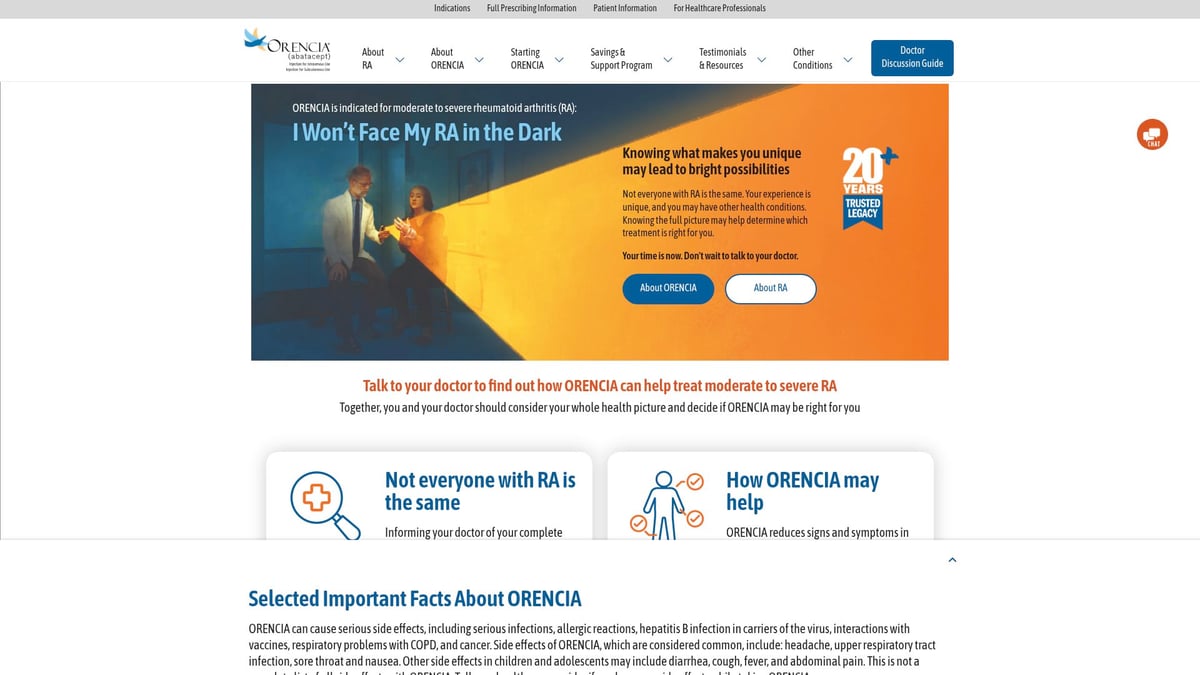
The main advantage of Orencia is its suitability for combination therapy and its unique action on T-cell co-stimulation. While effective, it can take longer to show results and may cause infusion reactions in some patients. The cost and need for regular administration are considerations.
Pros:
- Effective for refractory RA
- Multiple administration options
- Can be combined with other therapies
Cons:
- Expensive
- Possible infusion reactions
- Slower onset of action
Orencia is best for patients with difficult-to-treat RA who need advanced pain meds for rheumatoid arthritis beyond TNF inhibitors.
7. Methotrexate
Methotrexate continues to be the gold standard among pain meds for rheumatoid arthritis, especially for those newly diagnosed. As a conventional DMARD, it is available in both oral and injectable forms, with generic versions costing between $25 and $100 per month.

Methotrexate’s main benefits are its affordability, proven effectiveness, and ability to slow disease progression. It is often used alone in early-stage RA or in combination with biologics for more advanced cases. Regular blood tests are necessary to monitor potential liver toxicity, and it is not suitable for pregnant patients.
Pros:
- Low cost
- Widely available
- Long history of safe use
Cons:
- Requires frequent lab monitoring
- Possible liver side effects
- Contraindicated in pregnancy
Methotrexate is ideal for patients seeking cost-effective pain meds for rheumatoid arthritis, particularly when starting treatment or combining with other therapies.
Comparing Pain Meds: Efficacy, Safety, and Cost
Choosing the right pain meds for rheumatoid arthritis in 2026 involves careful consideration of how each medication performs, its safety profile, and the overall cost to patients. Advances in research and drug development have led to a diverse range of options, each with unique benefits and considerations. Let us break down these factors to help you make more informed choices.
Effectiveness in Pain and Inflammation Control
When evaluating pain meds for rheumatoid arthritis, effectiveness is a primary concern. Clinical trials consistently show that biologics such as Humira and Enbrel, as well as targeted therapies like Xeljanz, deliver significant pain relief and slow disease progression for many patients.
Oral options like methotrexate and Celebrex remain first-line treatments, especially in early or mild cases. For those seeking natural alternatives, options such as broad spectrum hemp extract oil are increasingly recognized for reducing daily discomfort. Patient-reported outcomes highlight the importance of rapid symptom control and sustained relief, which is a key differentiator among pain meds for rheumatoid arthritis.
| Medication | Onset of Action | Duration of Relief | Disease Progression Impact |
|---|---|---|---|
| Methotrexate | Weeks | Ongoing | High |
| Humira | Weeks | Ongoing | High |
| Celebrex | Days | Hours | Low |
| Hemp Extract Oil | Days | Hours | Low |
Safety Profiles and Side Effects
Safety is a crucial factor for anyone considering pain meds for rheumatoid arthritis. While biologics and JAK inhibitors offer potent benefits, they also carry risks such as increased susceptibility to infections or blood clots. Methotrexate, although cost-effective, requires regular blood monitoring due to potential liver toxicity.
NSAIDs like Celebrex are generally well-tolerated, but may not be suitable for patients with cardiovascular concerns. Natural alternatives may have fewer side effects, yet their efficacy can vary between individuals. It is vital to balance the benefits of pain meds for rheumatoid arthritis with their potential risks, and to work closely with healthcare providers to monitor for any adverse effects.
Cost and Accessibility in 2026
The financial impact of pain meds for rheumatoid arthritis is often a decisive factor. Biologics such as Humira, Enbrel, and Orencia remain among the most expensive, but increased availability of biosimilars is beginning to improve affordability. According to a recent JAMA study, biosimilars provide comparable efficacy and safety to original biologics, offering a cost-effective alternative for many patients.
Generic options like methotrexate and celecoxib are widely accessible and remain the standard for those seeking budget-friendly solutions. Insurance coverage, copay assistance, and patient support programs continue to play a vital role in ensuring equitable access to pain meds for rheumatoid arthritis.
Personalization of Therapy
Personalized medicine is reshaping the prescription of pain meds for rheumatoid arthritis. Genetic and biomarker testing help clinicians predict which therapies will be most effective and safest for each patient. This approach allows for tailored treatment plans, optimizing both efficacy and safety.
Case studies show that some patients respond better to biologics, while others achieve excellent results with conventional DMARDs or natural alternatives. By leveraging clinical data and individual health profiles, healthcare teams can recommend the most suitable pain meds for rheumatoid arthritis, ensuring long-term relief and improved quality of life.
Integrating Pain Meds into a Holistic RA Management Plan
Effective management of rheumatoid arthritis in 2026 requires a comprehensive approach. Pain meds for rheumatoid arthritis are only one part of a much larger strategy. To achieve the best outcomes, patients and providers must consider medical, physical, and emotional needs together.
The Importance of Multidisciplinary Care
A holistic RA management plan brings together experts from various fields. Rheumatologists lead the way, but pharmacists, physical therapists, and pain specialists all play key roles. This collaborative team ensures that pain meds for rheumatoid arthritis are prescribed and monitored safely.
Regular check-ins help track medication effectiveness and side effects. Adjustments can be made quickly, preventing complications and improving long-term results. Multidisciplinary care empowers patients to access support for every aspect of their journey.
Combining Medications with Non-Drug Therapies
While pain meds for rheumatoid arthritis are essential, non-drug therapies enhance relief and function. Physical therapy, exercise routines, and occupational therapy restore mobility and independence. Lifestyle changes such as a balanced diet, stress management, and better sleep can further reduce symptoms.
For practical, everyday tips, consider exploring 7 Tips for Managing RA Pain. Combining these methods often leads to better pain control than medication alone.
Addressing Mental and Emotional Wellbeing
Chronic pain impacts more than just the body. The ongoing challenges of RA can cause anxiety, depression, and isolation. Integrating mental health support is crucial for those using pain meds for rheumatoid arthritis.
Access to counseling, peer support groups, and stress-reduction techniques builds resilience. Patients who address emotional wellbeing often report improved pain control and a higher quality of life. Holistic care means seeing the whole person, not just the symptoms.
Patient Education and Self-Advocacy
Educated patients are empowered patients. Understanding how pain meds for rheumatoid arthritis fit into the bigger picture helps individuals make informed choices. Tracking symptoms, asking questions, and sharing concerns with the care team all strengthen self-advocacy.
Emerging research and new therapies are on the horizon. For example, New Research at ACR Convergence 2025 Highlights Potential of GLP-1 Therapies in Rheumatic Disease Management points to innovative options for the future. Staying informed ensures that patients benefit from the latest advances.
If you’re feeling overwhelmed by the choices and challenges of managing rheumatoid arthritis pain in 2026, you’re not alone. We’ve explored both traditional and innovative options, including natural alternatives that focus on your well-being and daily comfort. If you’re searching for a safe, transparent, and reliable solution to support your journey toward improved mobility and less pain, take the next step toward relief. Discover premium, lab-tested CBD products designed with chronic pain sufferers in mind—because you deserve to feel your best every day. Get Relief Now!