Every year, millions face the daily challenge of chronic pain, searching for a pain relief oil that offers fast and effective comfort without unwanted side effects. As the demand for natural, topical solutions rises, the pain relief oil market is evolving rapidly, bringing new science and innovation to consumers.
This guide will help you navigate the world of pain relief oil in 2026. You will discover the most effective options, learn about their ingredients and how they work, and understand the latest application techniques. We will also reveal the science behind these products and explore key trends shaping the future.
Ready to find the right pain relief oil for your needs? Dive in to uncover comprehensive solutions and achieve reliable, lasting relief.
Understanding Pain Relief Oils: What They Are and How They Work
Pain relief oil has become a go-to solution for millions seeking safe, targeted comfort. These oils are topical formulations, either natural or synthetic, that help manage pain by working directly on affected areas. They are designed to penetrate the skin, interact with nerve endings, and reduce inflammation.
Modern pain relief oil products harness ingredients like menthol, camphor, eucalyptus, peppermint, CBD, and capsaicin. Each offers a unique mechanism for easing discomfort, whether for sore muscles, joint aches, or nerve pain. Unlike oral painkillers, these oils act locally, often providing faster relief with fewer systemic side effects.
The popularity of pain relief oil is rapidly growing. In fact, the global market is projected to surpass $14 billion by 2026, highlighting rising demand for effective, topical solutions (Pain Relief Oil Market Size Forecast). With more people seeking alternatives to pills, understanding how these oils work is essential to choosing the right product.

The Science Behind Topical Pain Relief
How does pain relief oil deliver its benefits? The answer lies in the science of skin absorption and targeted action. When applied, active ingredients like menthol or CBD are absorbed through the outer skin layer, reaching underlying tissues and nerve endings.
Some oils, such as those containing CBD, also interact with the body's endocannabinoid system. This network helps regulate pain and inflammation, so topically applied CBD can offer relief for conditions like arthritis or fibromyalgia. Clinical trials support the efficacy of topical pain relief oil, especially for localized discomfort. For example, menthol-based oils are frequently used by athletes to address acute muscle injuries.
However, topical products do have limitations. They may not be sufficient for deep or widespread pain, and their effectiveness can vary based on formulation and individual response. Still, for many, pain relief oil offers a science-backed, non-invasive approach to managing daily aches.
Comparing Natural vs. Synthetic Pain Relief Oils
Choosing between natural and synthetic pain relief oil formulations involves weighing several factors. Natural oils often feature plant-based ingredients like arnica, turmeric, or essential oils. These appeal to users seeking organic or gentle options and may offer additional aromatherapy benefits.
Synthetic pain relief oil typically relies on compounds such as menthol or lidocaine, which deliver fast, targeted relief. These can be highly effective but may cause sensitivities in some individuals. Allergic reactions are possible with both types, so patch testing is recommended.
Below is a table comparing key aspects:
| Feature | Natural Oils | Synthetic Oils |
|---|---|---|
| Main Ingredients | Essential oils, botanicals | Menthol, lidocaine, camphor |
| Scent | Herbal, floral | Minty, medicinal |
| Common Reactions | Allergies, skin irritation | Sensitivity, numbness |
| Market Trend | Increasing demand | Stable, widely available |
Recent trends show a growing preference for plant-based pain relief oil, driven by consumer interest in organic and sustainable wellness products. Still, synthetic options remain popular for rapid, consistent results.
Types of Pain Relief Oils in 2026: Ingredients, Formulations, and Effectiveness
The pain relief oil market in 2026 offers a broad spectrum of choices, reflecting advances in science and growing consumer demand for natural, effective topical solutions. As more people seek alternatives to oral medications, understanding the categories, ingredients, and effectiveness of modern pain relief oil products becomes crucial.
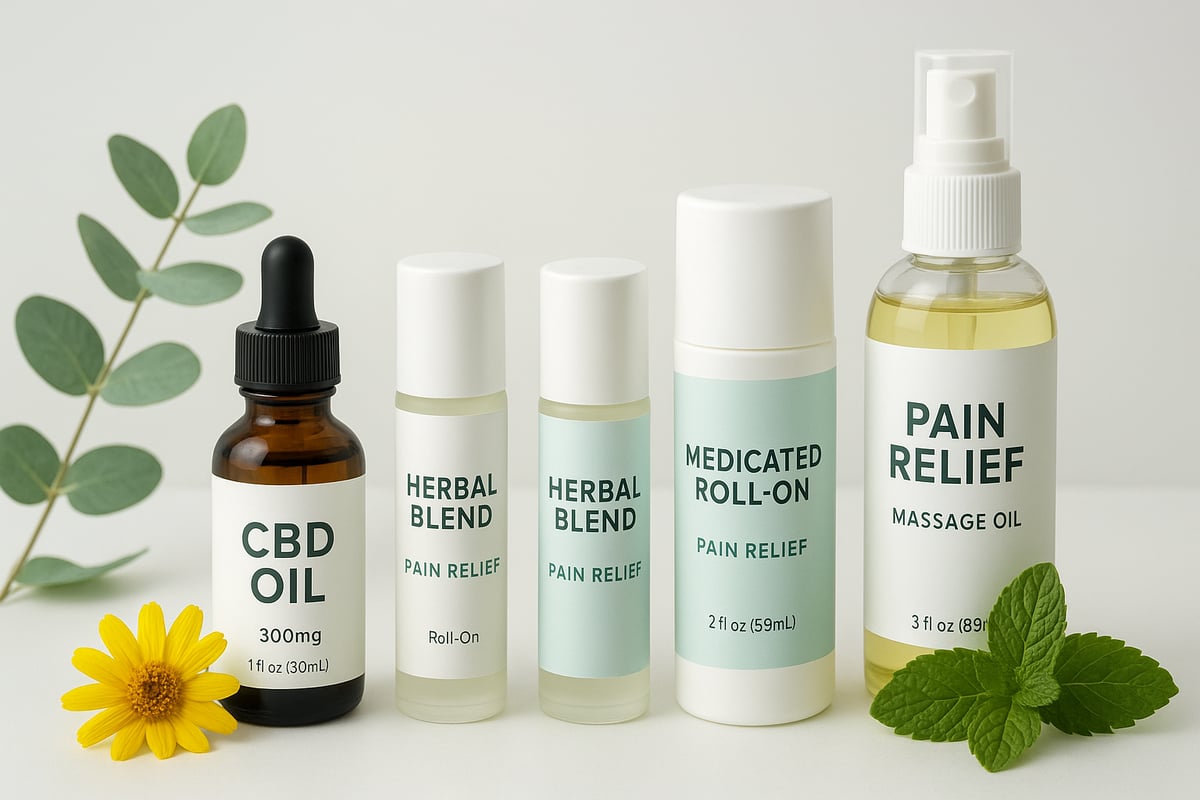
Major Categories of Pain Relief Oil
Today's pain relief oil options fall into four main categories:
- Herbal and Essential Oil Blends: These combine plant extracts like eucalyptus, arnica, peppermint, and turmeric. They are valued for anti-inflammatory and soothing properties.
- CBD and Hemp Oils: Leveraging cannabinoids, these oils are praised for targeted relief of chronic pain and inflammation.
- Ayurvedic Oils: Based on traditional Indian formulations, these often include turmeric, camphor, and ashwagandha for holistic care.
- Medicated (OTC) Oils: Contain synthetic or semi-synthetic actives such as menthol, camphor, or lidocaine. Popular for fast, over-the-counter pain relief.
Each type of pain relief oil is formulated for specific needs and user preferences, from all-natural approaches to clinically proven medicated solutions.
Ingredient Spotlights
The effectiveness of a pain relief oil depends on its active ingredients. Below is a table summarizing popular choices and their benefits:
| Ingredient | Source | Main Benefit | Typical Use |
|---|---|---|---|
| Eucalyptus | Plant/Leaf | Cooling, anti-inflammatory | Muscle/joint pain |
| Arnica | Flower | Reduces bruising, swelling | Injury, bruises |
| Turmeric | Root | Anti-inflammatory | Arthritis |
| Camphor | Tree Bark | Increases circulation, warmth | Stiffness, soreness |
| Peppermint | Plant/Leaf | Cooling, numbing effect | Headaches, tension |
| Capsaicin | Chili Pepper | Heat, nerve pain modulation | Neuropathic pain |
| CBD/CBG | Hemp Plant | Anti-inflammatory, calming | Chronic pain |
Consumers in 2026 are especially interested in plant-based pain relief oil formulas, as essential oil-based products have grown by 18% year over year. The right ingredient choice often depends on the type and location of pain.
Delivery Formats and Formulation Options
Pain relief oil now comes in a variety of user-friendly formats:
- Roll-ons: Convenient, mess-free application for on-the-go relief.
- Sprays: Quick to apply and ideal for hard-to-reach areas.
- Massage Oils: Designed for deeper absorption and larger body areas.
- Transdermal Patches: Offer steady, controlled release over several hours.
Formulations are tailored for fast absorption, non-greasy feel, and pleasant scent profiles. Choosing the best pain relief oil format often depends on lifestyle and the severity of symptoms.
Effectiveness for Different Pain Types
Not all pain relief oil products are created equal. For arthritis and joint pain, turmeric and CBD-based oils are highly regarded. Muscle soreness and sports injuries benefit from arnica and menthol blends. Nerve pain responds best to capsaicin or CBD.
For those seeking targeted muscle pain relief, reviewing a muscle pain relief oil guide can help match specific products to your needs.
Examples:
- Arnica oil is excellent for reducing bruising and inflammation after minor injuries.
- Capsaicin oil is used for persistent neuropathic pain.
- CBD and hemp oils are gaining popularity for chronic back pain and arthritis.
Selection Considerations and Regulatory Status
When choosing a pain relief oil, consider absorption rate, scent, and whether you prefer a natural or medicated formula. Non-greasy options are increasingly popular, and user preferences are shaping the market toward clean-label, transparent brands.
Regulatory status varies. Some pain relief oil products are FDA-approved medications, while others are classified as supplements. Always check for third-party lab testing and clear labeling to ensure safety and efficacy.
The evolution of pain relief oil in 2026 offers more tailored, effective options than ever before, helping users address pain with precision and confidence.
How to Choose the Right Pain Relief Oil for Your Needs
Selecting the best pain relief oil requires a thoughtful approach, as not every product suits every type of pain or individual need. Begin by identifying the nature of your discomfort. Is it acute or chronic? Localized to a joint, or spread across muscle groups? Matching the pain relief oil to your specific pain profile is the first step toward effective relief.
Next, evaluate your sensitivity to various ingredients. Some people react to menthol, while others may be sensitive to essential oils. Always perform a patch test before applying any new pain relief oil broadly. For those with allergies or sensitive skin, hypoallergenic and fragrance-free formulations can minimize the risk of irritation.
Consider the strength and concentration of the pain relief oil. Products list active ingredients in mg/mL or as a percentage. Higher concentrations may offer stronger relief, but they are not always better for everyone. If you are exploring natural alternatives, reading about CBD hemp oil benefits for pain can provide insights into this increasingly popular option.
Application method is another important factor. Roll-ons are convenient for on-the-go use, while massage oils cover larger areas. Sprays and patches offer targeted or long-lasting delivery. Here is a quick comparison table:
| Application Method | Best For | Pros | Cons |
|---|---|---|---|
| Roll-on | Small, targeted areas | Mess-free, portable | Limited coverage |
| Spray | Hard-to-reach spots | Fast-drying | May be less precise |
| Massage Oil | Large muscle groups | Deep tissue relief | Can be greasy |
| Patch | Chronic, constant pain | Extended release | May irritate skin |
When comparing price and value, look at cost per use and product longevity. Some pain relief oils, though more expensive upfront, last longer due to higher potency or larger volume. Brand reputation also matters. Choose products with third-party lab testing and transparent sourcing. According to a recent survey, 72% of consumers prefer pain relief oil brands that publish lab results.
Lastly, think about your lifestyle. If you need quick relief during a workout, a roll-on is ideal. For post-exercise recovery, a massage oil may be more beneficial.
Reading Labels and Understanding Certifications
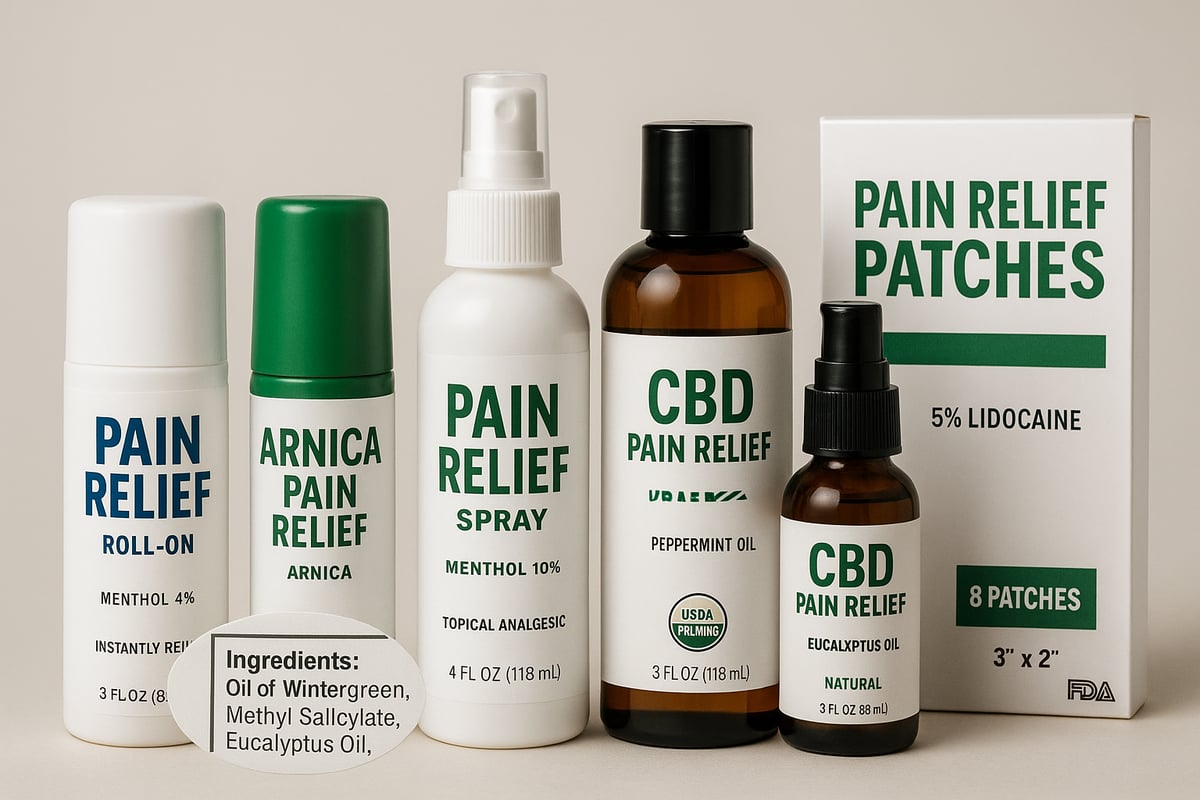
Reading the label on a pain relief oil is crucial for making an informed choice. Start by scanning the ingredient list. Active ingredients should be clearly stated, and their concentrations must be easy to find. Watch for common allergens, such as certain essential oils or synthetic compounds, which can cause reactions in sensitive individuals.
Pay attention to certifications. Terms like "organic," "natural," and "lab-tested" have specific meanings. "Organic" indicates the ingredients are grown without synthetic pesticides or fertilizers, while "natural" means the formula is primarily derived from plant sources. However, not all "natural" products are free from potential irritants.
Look for recognized certifications such as USDA Organic, cruelty-free logos, and third-party lab seals. These add credibility and assure you of a pain relief oil's quality and safety. Understanding these details helps you avoid misleading claims and choose a product that aligns with your values and needs.
When to Consult a Healthcare Professional
While most pain relief oil products are safe for general use, there are situations where professional guidance is necessary. If your pain is severe, persistent, or worsening, consult a healthcare provider to rule out underlying conditions that require targeted treatment.
Combining pain relief oil with other therapies, such as physical therapy or prescribed medications, should be approached with caution. Always inform your healthcare provider about all products you use to prevent potential interactions.
Special populations require extra care. Pregnant women, children, and individuals with chronic illnesses should consult a professional before starting any new pain relief oil. This ensures safety and maximizes the benefits of your pain management strategy.
Application Techniques: Maximizing the Effectiveness of Pain Relief Oils
Unlocking the full benefits of a pain relief oil begins with mastering its application. Proper technique not only enhances absorption but also maximizes the oil’s effectiveness for soothing discomfort. Many users overlook the importance of these steps, yet consistent and correct application can make a significant difference in pain outcomes.

Step-by-Step Guide to Applying Pain Relief Oil
Applying pain relief oil correctly starts with clean, dry skin. Wash the targeted area gently and pat it dry to remove sweat, dirt, or lotion that could block absorption. Next, dispense the recommended amount of oil. For roll-ons or sprays, follow the manufacturer’s instructions for dosage.
Gently massage the pain relief oil into the affected area using circular motions. This increases circulation and helps the active ingredients penetrate deeper. After application, wash your hands thoroughly to avoid accidental contact with your eyes or sensitive areas. For a detailed walkthrough specific to roll-ons, you can review How to apply CBD roll-on, which offers practical, step-by-step tips.
Frequency, Timing, and Absorption Tips
For acute pain, use pain relief oil immediately after injury or onset of discomfort, repeating as directed. Chronic pain often responds best to scheduled applications—morning and evening, for example. Always adhere to the product’s guidelines for frequency to avoid overuse.
To boost absorption, consider using a warm compress on the area before or after applying the pain relief oil. Gentle heat can open pores and allow active compounds to work more efficiently. Some users find that layering the oil with a plain, unscented lotion can lock in moisture and help the oil remain on the skin longer.
Enhancing Results: Combination and Safety Tips
Pairing pain relief oil with other modalities can further ease discomfort. Try gentle stretching, low-impact exercise, or physical therapy alongside topical application. Hot or cold packs may also complement the oil’s effects, especially for muscle or joint pain.
Prioritize safety by avoiding use on broken or irritated skin. Keep the oil out of your eyes, mouth, and mucous membranes. Always patch test a new product on a small area to check for sensitivities. If irritation occurs, discontinue use and consult a healthcare provider.
Consistency and Real-World Results
Consistency is key. According to a recent user survey, 85% of people report better outcomes when they apply pain relief oil regularly and as instructed. For those seeking targeted relief, consider using a roll-on before and after workouts to minimize soreness and speed recovery. Small adjustments in your routine can lead to noticeable improvements in comfort and mobility.
Safety, Side Effects, and Best Practices in 2026
Using a pain relief oil can offer targeted comfort, but safety remains paramount. As millions turn to topical solutions, understanding possible side effects and best practices ensures effective and responsible use.
Common Side Effects and How to Manage Them
Most people tolerate pain relief oil well, yet some may experience mild skin irritation, redness, or rashes. These reactions are often linked to ingredients like menthol, camphor, or essential oils. To minimize risk, always conduct a patch test by applying a small amount to a discreet skin area. Wait 24 hours and observe for any adverse reaction.
If irritation occurs, discontinue use and gently cleanse the area. For most, these effects resolve quickly. Less than 2 percent of users report significant adverse effects with topical oils, according to recent industry data.
Contraindications and When to Avoid Use
Certain situations require avoiding pain relief oil altogether. Do not apply oils to broken or irritated skin, open wounds, or infected areas. People on blood thinners, with serious skin conditions, or who are pregnant should consult a healthcare provider before use. Some individuals, such as those sensitive to menthol, may experience heightened reactions. Always review product labels for allergen warnings.
Long-Term Safety and Regulatory Updates for 2026
Studies show that repeated use of pain relief oil is generally safe when instructions are followed. Long-term data reveal minimal systemic absorption, reducing the risk of major side effects compared to oral medications. In 2026, new regulations require clearer labeling and stricter claims about ingredients and efficacy.
Consumers are increasingly interested in plant-based alternatives, with many seeking natural formulas for fewer side effects. For a deeper dive into the benefits and safety of natural options, discover the power of natural pain relief.
Best Practices for Safe Use
To maximize safety and results with pain relief oil:
- Always read and follow label instructions.
- Store oils in a cool, dark place away from children and pets.
- Avoid contact with eyes and mucous membranes.
- Wash hands after application.
- Discontinue if you notice persistent redness or swelling.
A simple reference table:
| Safety Step | Why It Matters |
|---|---|
| Patch test | Detects early allergic reaction |
| Read labels | Prevents exposure to allergens |
| Avoid open wounds | Reduces infection risk |
| Wash hands after use | Prevents accidental exposure |
By following these practices, you can enjoy the benefits of pain relief oil while minimizing potential risks. Stay informed about new guidelines and always prioritize your well-being.
Emerging Trends and Innovations in Pain Relief Oils for 2026
The pain relief oil industry is entering a new era of innovation, driven by consumer demand for faster, safer, and more sustainable solutions. In 2026, advances in science and technology are transforming how these oils are formulated, delivered, and personalized, while sustainability and digital tools are reshaping the market landscape.
Technological Advances in Pain Relief Oil
One of the most significant trends is the use of nano-emulsions and advanced delivery systems. These innovations allow pain relief oil to penetrate deeper into the skin, increasing absorption and speeding up relief. Time-release formulas are also gaining ground, offering longer-lasting effects for those who need consistent pain management.
Transdermal patches with extended-release technology are becoming more common, providing a steady dose of active ingredients over several hours. This minimizes the need for frequent reapplication and helps maintain steady pain relief. According to Topical Pain Relief Market Growth Projections, the market is set for robust growth as brands invest in these technological advances.
Personalized and Data-Driven Solutions
Personalization is at the forefront of pain relief oil innovation. Companies are developing custom blends tailored to individual needs, sometimes using genetic information or personal pain profiles. This approach can maximize effectiveness and minimize unwanted reactions.
Digital health integration is also on the rise. Mobile apps now help users track pain, monitor oil usage, and receive personalized recommendations. These tools empower consumers to make informed choices and optimize their pain relief routines. The intersection of data and pain relief oil is making targeted care more accessible than ever.
Sustainability and Digital Health Integration
Sustainability is quickly moving from a trend to a standard in the pain relief oil market. Brands are prioritizing eco-friendly packaging, using recycled materials, and ensuring ingredients are ethically sourced. These efforts reflect a growing consumer preference for transparency and environmental responsibility.
Digital health continues to support sustainability goals by reducing waste. For example, smart dispensers track oil usage and help avoid over-application, while apps encourage mindful consumption. With a 40% increase in demand for sustainable, transparent brands, companies are responding with greener, smarter solutions.
New Research and Future Outlook
New research is expanding the possibilities for pain relief oil. Scientists are exploring plant-based cannabinoids beyond CBD, such as CBG and CBN, for their unique pain-relieving properties. Early studies suggest these compounds could offer alternatives for people with specific needs or sensitivities.
Consumer advocacy is also shaping the future, pushing for clearer labeling and more rigorous clinical trials. As regulations evolve, expect to see higher standards for product claims and ingredient transparency. The next generation of pain relief oil will likely combine cutting-edge science, personalized care, and a commitment to sustainability, giving consumers more reliable options than ever before.
As you explore the latest insights on pain relief oils and the evolving science behind natural solutions, it’s clear that safe, effective options are more accessible than ever. Whether you’re managing chronic conditions like arthritis or seeking everyday relief from muscle soreness, finding a product you trust makes all the difference. At Reclaim Labs, you’ll discover rigorously tested CBD hemp oil formulas designed for real results and peace of mind. If you’re ready to take the next step toward lasting relief, explore the full range of premium solutions and Get Relief Now!