Pain relief pain is a constant challenge for millions in our fast-paced world, affecting daily routines and overall well-being. By 2026, breakthroughs in science and holistic health are set to transform how we address discomfort, offering new hope for lasting relief.
In this article, you will discover seven powerful pain relief pain solutions, blending cutting-edge medical treatments with proven holistic approaches. Ready to take control and enjoy a pain-free life? Explore these innovative options and find the path that works for you.
Understanding Pain in 2026: Trends and Challenges
Pain relief pain is a daily reality for millions, impacting productivity, mobility, and emotional health. Understanding the different types of pain is crucial as we move into 2026. Acute pain is typically short-lived, often resulting from injury or surgery. Chronic pain, however, persists for months or even years, and can significantly disrupt daily activities and quality of life.
| Pain Type | Duration | Common Causes | Impact on Life |
|---|---|---|---|
| Acute Pain | Short-term (days-weeks) | Injury, surgery, illness | Temporary disruption |
| Chronic Pain | Longer than 3 months | Arthritis, neuropathy, back pain | Ongoing challenges |
Recent studies show that chronic pain affects 1 in 5 adults worldwide, making pain relief pain a global health concern. The rise in digital device use has led to more cases of neck, back, and hand pain, especially among younger populations. Additionally, an aging society and sedentary lifestyles are contributing to increasing reports of joint and musculoskeletal pain.
Emerging research is revealing new details about how pain works in the body and why some people experience more intense or persistent pain relief pain than others. Scientists are focusing on genetic, psychological, and environmental factors that influence pain sensitivity. As traditional pain medications face challenges like side effects, risk of addiction, and reduced effectiveness, experts are searching for better solutions. For an in-depth look at ongoing research and non-addictive treatments, see the NIH HEAL Initiative's 2025 Annual Report.
In response, healthcare is evolving toward personalized pain relief pain management. Many people are now combining medical treatments with holistic strategies, such as physical therapy, nutrition, and psychological support. Multimodal pain management plans, which use a combination of approaches, are gaining popularity for their effectiveness and ability to reduce reliance on medications.
Patient-centered care and technology-driven tools are shaping the future of pain relief pain. From wearable devices that monitor pain levels to apps that track triggers and responses, individuals have more control than ever before. As research advances and new therapies become available, the outlook for those living with pain relief pain is steadily improving.

7 Effective Pain Relief Solutions to Try in 2026
Modern pain relief pain solutions are evolving rapidly, offering hope for those seeking better outcomes. In 2026, evidence-based options range from cutting-edge medications to holistic therapies. Each solution below was selected for its accessibility, innovation, and scientific backing. Whether you are managing acute or chronic pain relief pain, these approaches can help you build a personalized strategy for a more comfortable life.

1. Advanced Over-the-Counter (OTC) Pain Medications
The landscape of over-the-counter pain relief pain medications is transforming. In 2026, the next generation of OTC products offers improved efficacy and fewer side effects, making them a trusted choice for many.
Newly enhanced NSAIDs and paracetamol formulations target pain relief pain more precisely. Topical analgesics, such as advanced gels, creams, and patches, allow for localized application, reducing systemic exposure and potential adverse effects.
Safety features have improved, with smart packaging and digital dosage tracking helping to prevent accidental misuse. This is crucial, as OTC pain relief pain medications remain the first line of defense for mild-to-moderate discomfort, according to recent statistics.
Comparing OTC vs. Prescription Pain Relief Pain Options
| Feature | OTC Medications | Prescription Options |
|---|---|---|
| Accessibility | Widely available | Requires provider |
| Efficacy | Mild-moderate pain | Moderate-severe pain |
| Side Effects | Generally fewer | Varies, sometimes higher |
| Innovations | Smart packaging | Personalized regimens |
Pros include easy access, affordability, and a wide range of delivery methods, such as sprays and dissolvable strips. However, these medications are not without risks. Overuse may lead to stomach, kidney, or liver problems.
For safe self-medication, always adhere to recommended dosages, and consult a healthcare provider if pain relief pain persists or worsens. Innovations like digital reminders and childproof containers further enhance safety. Always read labels and report any adverse reactions promptly.
2. Personalized Prescription Therapies
Prescription pain relief pain management is shifting toward personalized, patient-centered care. In 2026, genetic profiling and lifestyle analysis guide the selection of medications, ensuring each regimen addresses unique needs.
Targeted NSAIDs, short-term opioids for acute pain, anticonvulsants, and antidepressants for nerve-related pain relief pain are commonly used. Digital health tools now monitor both effectiveness and side effects, allowing for real-time adjustments and more precise dosing.
This approach reduces the risk of addiction and unwanted side effects that have long challenged traditional pain relief pain therapies. For example, a patient with neuropathic pain relief pain may benefit from low-dose antidepressants combined with physical activity, rather than relying solely on opioids.
Healthcare providers play a vital role in ongoing pain relief pain management. They interpret genetic and health data, adjust prescriptions, and support patient education. A case study from 2025 showed that patients on customized medication plans reported higher satisfaction and fewer complications compared to those on standard regimens.
The future of prescription pain relief pain treatments lies in continuous monitoring, early intervention, and a focus on long-term wellness. Patients are encouraged to keep detailed pain diaries and communicate regularly with their medical team.
3. Medical Cannabis and CBD-Based Solutions
Medical cannabis and CBD-based therapies have entered the mainstream for pain relief pain, especially in chronic and neuropathic cases. By 2026, regulatory changes and new research have expanded access, safety standards, and product variety.
Studies confirm the benefits of CBD and cannabis oils for arthritis, fibromyalgia, and nerve-related pain relief pain. Prescription-grade cannabis oils, topical CBD creams, and oral supplements are now available in many regions, providing alternatives to traditional medications.
Legal frameworks have matured, with strict quality assurance and labeling standards. This ensures patients receive consistent, contaminant-free products for pain relief pain. Side effects are generally mild, such as drowsiness or dry mouth, but medical supervision remains crucial.
Statistics show a rising number of patients turning to CBD for pain relief pain, driven by reduced stigma and growing evidence. The importance of medical oversight cannot be overstated, as product quality and dosing vary widely.
For those interested in learning more about how CBD can play a role in managing chronic discomfort, this guide on CBD oil for chronic pain relief offers a detailed overview of current research and practical considerations.
Patients should always consult their healthcare provider before beginning cannabis or CBD-based pain relief pain solutions, especially if they are taking other medications.
4. Nutritional Supplements and Natural Remedies
Nutritional supplements and natural remedies are gaining traction as supportive pain relief pain options. Popular choices include glucosamine, chondroitin, omega-3 fatty acids, SAM-e, and curcumin, each backed by varying levels of research for osteoarthritis and inflammatory pain.
Omega-3s and glucosamine have shown mixed but promising results in clinical studies for pain relief pain reduction. Anti-inflammatory and elimination diets are also being used to identify food triggers and reduce overall inflammation.
Selecting reputable supplement brands is essential, as quality and potency can vary. Look for third-party testing and transparent ingredient lists to ensure safety and efficacy in your pain relief pain plan.
Patient-Reported Outcomes with Natural Remedies
- Curcumin: Many report reduced joint pain relief pain and stiffness.
- Fish oil: Some experience less inflammation and improved mobility.
- SAM-e: May support mood and pain relief pain control.
However, supplements are not a replacement for medical care. They may interact with prescription medications, so always discuss new remedies with your healthcare team. While some find significant relief, others notice only modest improvements.
Combining nutritional approaches with other pain relief pain strategies, such as exercise or mindfulness, may yield the best results. Keep a symptom journal to track changes and adjust your regimen as needed.
5. Physical Therapy, Exercise, and Movement-Based Therapies
Movement and physical activity are pillars of pain relief pain management. Regular exercise has been shown to decrease pain, improve mobility, and reduce reliance on medications for many conditions.
Physical therapy offers personalized plans to address specific pain relief pain triggers and functional limitations. Activities like walking, swimming, and yoga are commonly recommended, with intensity and duration tailored to each individual's needs.
Innovations in 2026 include virtual physical therapy sessions and wearable devices that track movement, posture, and progress. These technologies allow for remote monitoring and real-time feedback, making it easier to stay engaged with your pain relief pain program.
Tips for Safe Physical Activity
- Start slowly and increase intensity gradually.
- Work with a licensed therapist for personalized guidance.
- Use wearables to monitor progress and prevent injury.
A recent case highlighted a patient with chronic pain relief pain who improved their function and reduced their discomfort after following a therapist-guided exercise plan. The key is consistency and adaptation based on daily pain relief pain levels.
Physical and occupational therapists are invaluable partners, helping you set realistic goals and modify activities as needed. Integrating movement therapies with other pain relief pain solutions often leads to better outcomes.
6. Mind-Body and Psychological Approaches
The mind-body connection is reshaping how we approach pain relief pain. Cognitive behavioral therapy (CBT), mindfulness meditation, and biofeedback are leading the way in psychological pain management.
Clinical trials demonstrate that CBT and mindfulness reduce pain relief pain intensity and enhance quality of life for people with chronic conditions. These techniques help reframe negative thought patterns, lower stress, and build resilience.
Apps and digital platforms make mind-body practices more accessible than ever, offering guided meditations, relaxation exercises, and real-time biofeedback. Integration with other pain relief pain methods, such as medication or physical therapy, often boosts effectiveness.
Mind-Body Techniques for Pain Relief Pain
- Mindfulness meditation: Calms the nervous system.
- CBT: Teaches coping skills and pain relief pain management strategies.
- Biofeedback: Monitors physiological responses to stress.
Success stories abound, with many patients finding that meditation or CBT sessions significantly reduce their daily pain relief pain. However, mind-body approaches may not work for everyone. If pain relief pain persists or mental health concerns arise, seek professional support.
Combining psychological and physical strategies creates a holistic approach to pain relief pain, addressing both body and mind.
7. Innovative Devices and Digital Pain Management Tools
Technology is revolutionizing pain relief pain management. Smart wearables, TENS (transcutaneous electrical nerve stimulation) units, and app-based trackers are increasingly common in 2026.
These devices offer real-time monitoring of pain relief pain, provide personalized feedback, and connect patients with remote therapist support. For example, TENS devices can help manage nerve pain relief pain by delivering low-level electrical stimulation to affected areas.
Smart patches and AI-powered pain relief pain management apps analyze patterns, recommend interventions, and track medication use. Adoption rates are climbing as more patients seek non-invasive, user-friendly solutions.
Pros and Cons of Digital Pain Relief Pain Tools
| Pros | Cons |
|---|---|
| Non-invasive | Cost may be high |
| Easy to use | Learning curve for setup |
| Personalized feedback | Some require supervision |
| Remote support | Data privacy concerns |
Future trends point to deeper integration with telemedicine and personalized analytics, making pain relief pain management more proactive and precise.
While these tools offer promising benefits, they are not a substitute for medical advice. Always consult your provider before starting new devices, especially if you have underlying health conditions.
Integrating Pain Relief Solutions: Building Your Personalized Plan
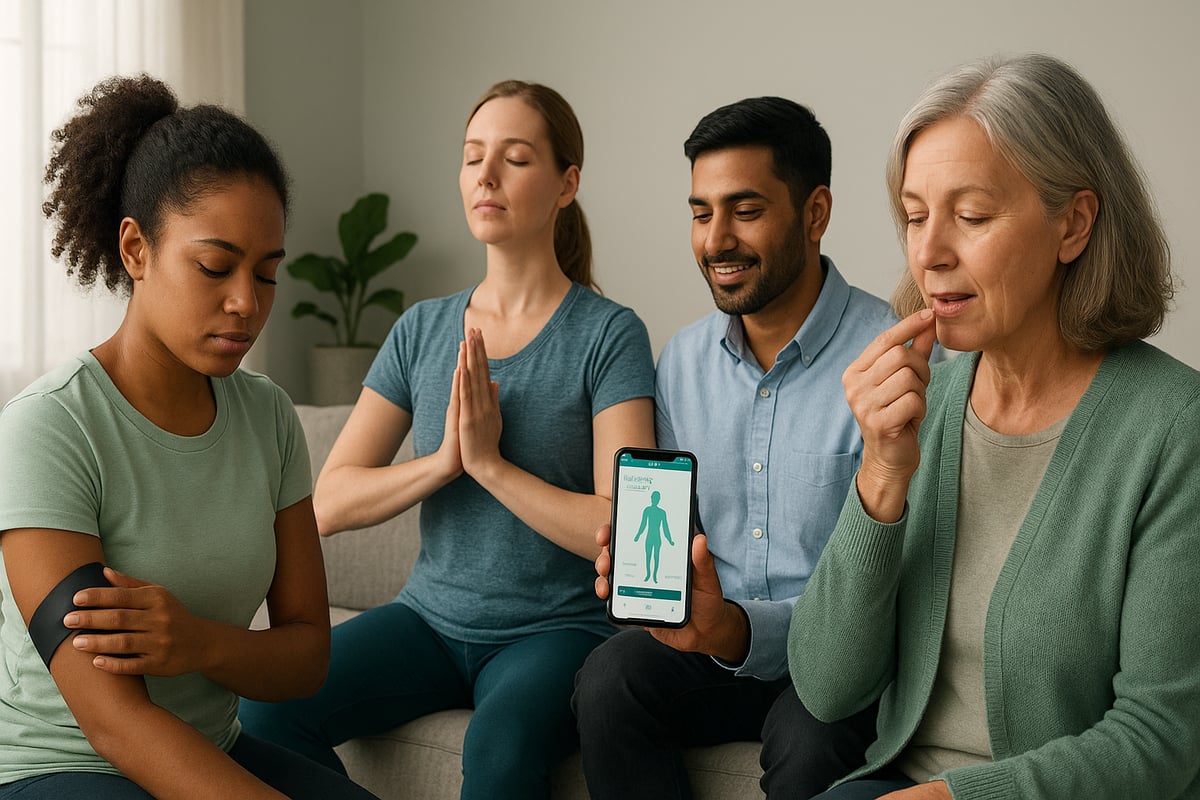
Creating an effective pain relief pain management plan in 2026 means thinking beyond a single remedy. Instead, the most successful strategies combine medical treatments with holistic and lifestyle-based solutions. This integrated approach empowers you to target pain relief pain from multiple angles, increasing your chances of long-term comfort and improved quality of life.
Why Multimodal Pain Relief Pain Plans Work
Pain is complex, affecting people physically, emotionally, and mentally. That is why experts recommend a multimodal pain relief pain plan, which combines solutions like medication, physical therapy, and mind-body techniques. Research shows that using several methods together often leads to better results than relying on one alone.
By blending prescription or over-the-counter treatments with approaches such as mindfulness or movement therapies, you can address pain relief pain at its roots. This strategy reduces reliance on any single therapy, helping to limit side effects and improve overall well-being.
How to Personalize Your Pain Relief Pain Strategy
No two people experience pain relief pain the same way. To build a plan that works for you, start by identifying your specific pain triggers and tracking how different solutions affect your symptoms. Tools like pain journals, wearable trackers, and digital apps make this process easier than ever.
Consider integrating medical treatments with holistic options, such as those highlighted in Natural pain relief strategies. For example, combining anti-inflammatory diets, supplements, and physical activity can amplify the impact of prescription medications or topicals.
Collaborating with Your Pain Relief Pain Team
Work closely with healthcare providers, physical therapists, and pain specialists to tailor your pain relief pain plan. These professionals can help you choose evidence-based therapies, monitor your progress, and adjust your approach as needed.
Regular check-ins allow for early detection of issues and fine-tuning of your regimen. If you are exploring innovative therapies, stay informed about the latest research and expert recommendations, such as those discussed at the Axios Event on Emerging Pain Management Alternatives.
Overcoming Barriers and Embracing Innovation
Access, cost, and education remain common barriers to effective pain relief pain management. Seek out community resources, telemedicine options, and digital support tools to bridge these gaps.
Track your progress with simple charts or digital logs, and do not hesitate to experiment safely under professional guidance. Remember, the future of pain relief pain management is promising, with ongoing breakthroughs making advanced solutions more accessible every year.
Frequently Asked Questions About Pain Relief in 2026
Living with pain relief pain raises many questions, especially as new solutions become available. Below, we address the most common concerns people have in 2026 about managing pain safely and effectively.

What are the safest pain relief options for long-term use?
For long-term management, non-opioid medications, physical therapy, and mind-body techniques are often recommended. Nutritional supplements and certain topical treatments can also provide relief. For some, medical cannabis or CBD-based products may be appropriate; learn more about Arthritis pain relief options with CBD. Always consult your healthcare provider before starting any new pain relief pain regimen.
How do I know which pain relief method is right for my condition?
The best approach depends on your diagnosis, pain type, and personal health factors. A multimodal plan, combining medical and holistic strategies, is often most effective. Personalized assessments by professionals can help tailor a pain relief pain solution to your needs.
Are there risks to combining multiple pain relief methods?
Yes, combining therapies can increase risks of side effects or drug interactions. It is vital to coordinate with your healthcare team when mixing medications, supplements, or therapies. Keep a record of everything you use for pain relief pain and share it with your provider.
What should I ask my doctor before starting a new pain relief solution?
Discuss your full medical history, current medications, and any concerns about addiction, side effects, or long-term impact. Ask about evidence supporting the treatment, alternatives, and monitoring plans. For new therapies, inquire about clinical data, such as ongoing research into non-addictive painkillers.
How can I access the latest pain relief technologies and therapies?
Stay informed through reputable medical organizations, patient advocacy groups, and healthcare providers. Many innovations, such as digital pain trackers and smart devices, are now available in clinics and pharmacies. Insurance coverage for advanced pain relief pain solutions is expanding, but availability may vary.
What are the warning signs that my pain management plan needs to be adjusted?
If you notice increased pain, new side effects, or reduced effectiveness, consult your provider. Other signs include mood changes, trouble sleeping, or difficulty with daily activities. Regular check-ins are key to keeping your pain relief pain plan on track.
Where can I find reliable resources and support for chronic pain management?
Trusted sources include national pain foundations, patient forums, and hospital websites. Many online communities and telehealth services offer education and peer support for pain relief pain. Your healthcare team can also recommend local programs and specialists.
If you’re ready to take control of your pain journey in 2026, remember that finding relief often means combining tried and true options with innovative new approaches. From advanced over the counter solutions to trusted natural products like CBD, you have more choices than ever before. Whether you’re managing chronic pain or seeking everyday comfort, quality and transparency matter. At Reclaim Labs, you’ll find premium CBD hemp oil products that are rigorously tested and designed to support your well being. If you’re looking to explore safe, effective alternatives, Get Relief Now!