
Prednisone Withdraw Guide: Safe Steps for 2026 Recovery
Stopping prednisone withdraw suddenly can trigger serious health risks, yet many people are unsure how to navigate this challenge safely. If you or a loved one are facing prednisone withdraw, understanding the safest approach is crucial to protecting your well-being.
This guide offers a clear, step-by-step plan for prednisone withdraw in 2026, based on the latest medical protocols and expert recommendations. You will learn why tapering is essential, how to recognize withdrawal symptoms, and what strategies can support your recovery.
By following this guide, you can minimize risks and move confidently toward full health. Take the first step to a safer, more informed prednisone withdraw journey.
Understanding Prednisone and Its Effects
Prednisone is a synthetic corticosteroid medication widely prescribed to manage inflammation and suppress immune responses. It is often used for conditions such as rheumatoid arthritis, inflammatory bowel disease, lupus, asthma, and various allergic reactions. Its primary role is to reduce inflammation quickly, which is crucial in acute flare-ups or when other treatments are less effective.
Prednisone closely mimics the hormone cortisol, which is naturally produced by the adrenal glands. By supplementing or replacing cortisol, prednisone can effectively control inflammation and immune activity. However, its presence signals the adrenal glands to slow or stop natural cortisol production. This adaptation makes the body reliant on prednisone for normal function, especially with prolonged use.
The differences between short-term and long-term prednisone use are significant. Short-term courses, typically lasting less than two weeks, rarely cause lasting changes in adrenal function. In contrast, long-term use—several weeks or months—can lead to dependency and a higher risk of prednisone withdraw symptoms. According to 2024 data, over 6 million adults in the U.S. received chronic prednisone prescriptions, with a notable percentage developing issues related to dependency and adrenal suppression.
| Year | U.S. Adults Prescribed Prednisone | Chronic Users (%) |
|---|---|---|
| 2024 | 12 million | 51% |
Risks from extended prednisone use include weight gain, osteoporosis, mood swings, increased infection risk, and suppressed adrenal function. These complications highlight the importance of proper medical guidance when starting or stopping prednisone. For more on managing these side effects, see Prednisone side effects and countermeasures.
Consider a patient scenario: Maria, age 52, was prescribed prednisone for severe lupus flares. After several months, she noticed increased fatigue, mood changes, and unexplained muscle weakness. When her dose was reduced too rapidly, she developed pronounced prednisone withdraw symptoms, including joint pain and nausea. Her experience underscores why medical oversight is essential for safe recovery.
In summary, prednisone is highly effective but carries risks, especially with long-term use. Understanding its effects and the potential for prednisone withdraw is crucial for anyone considering or currently using this medication. Always consult a healthcare provider before making changes to your treatment plan.
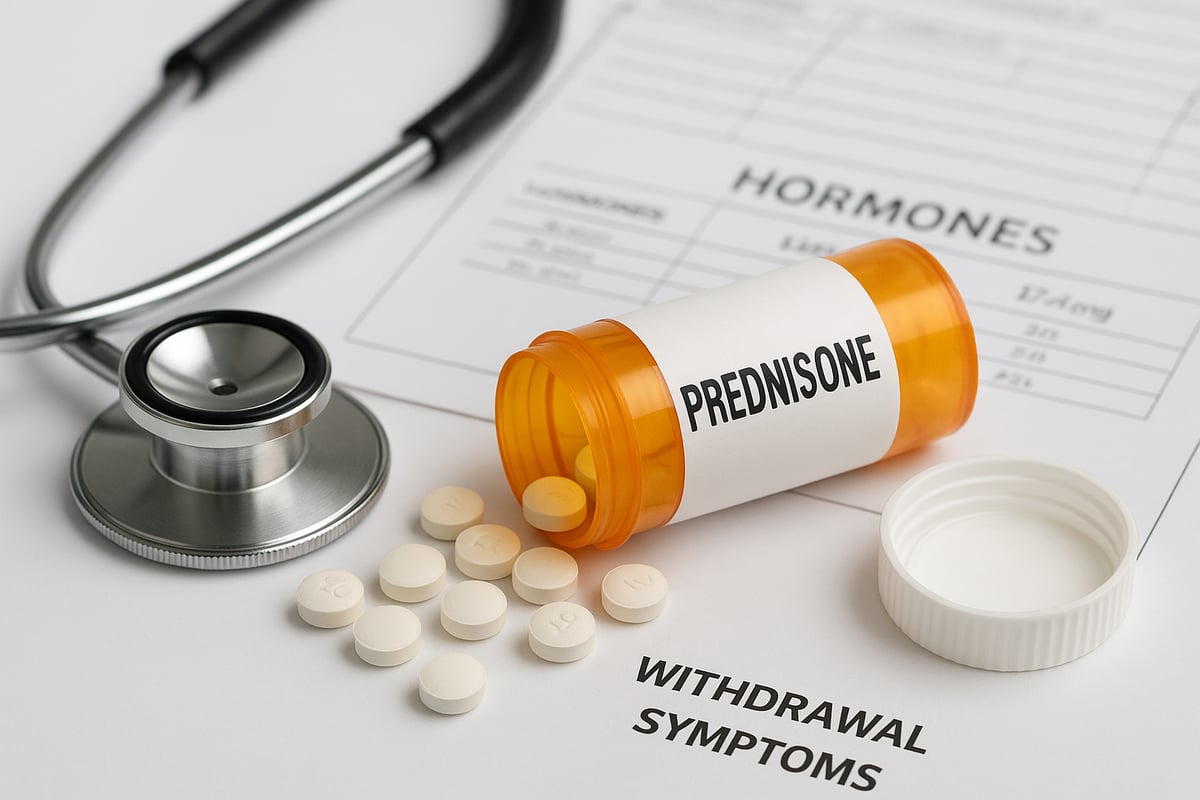
Recognizing Prednisone Withdrawal Symptoms
Stopping prednisone is not as simple as taking your last pill. The body, especially after long-term use, can react strongly. Recognizing the signs of prednisone withdraw early is vital for protecting your health and ensuring a smoother recovery.

Common Physical and Psychological Symptoms
Prednisone withdraw can trigger a wide range of symptoms as your body adjusts. Physical symptoms often include:
- Fatigue and weakness
- Muscle and joint pain
- Nausea or vomiting
- Headaches
- Dizziness or lightheadedness
Psychological symptoms are also common during prednisone withdraw:
- Mood swings or irritability
- Anxiety
- Depression
- Difficulty concentrating
Severe complications may develop in rare cases, such as adrenal crisis, marked by extreme fatigue, vomiting, confusion, low blood pressure, fever, or even loss of consciousness. These require urgent medical attention.
Duration and Severity: What to Expect
The intensity and length of prednisone withdraw symptoms vary based on dose, duration, and individual health. Most mild symptoms, like muscle aches or headaches, last 1–2 weeks, while emotional changes can persist for 2–8 weeks. The table below summarizes expected timelines:
| Symptom Type | Typical Duration |
|---|---|
| Mild Physical | 1–2 weeks |
| Psychological | 2–8 weeks |
| Severe Complications | Immediate attention |
For more detailed guidance on symptom management, read Prednisone withdrawal: Symptoms, Treatment, and More.
Withdrawal or Disease Flare? Understanding the Difference
It can be hard to tell if new symptoms are related to prednisone withdraw or a return of your underlying disease. For example, one patient with rheumatoid arthritis felt severe joint pain and fatigue soon after tapering. Initially, they feared a flare. However, lab results showed stable inflammation markers, pointing instead to withdrawal.
Key differences:
- Withdrawal symptoms often appear within days of dose reduction and include generalized fatigue, muscle aches, and mood changes.
- Disease flares typically cause symptom patterns unique to your original condition, such as joint swelling in arthritis or GI symptoms in IBD.
When and How to Seek Help
Careful tracking of prednisone withdraw symptoms is essential. Keep a symptom diary and share updates with your healthcare provider. Report any of the following immediately:
- Severe fatigue or confusion
- Persistent vomiting or diarrhea
- Sudden drop in blood pressure (dizziness, fainting)
- High fever
If you are unsure whether symptoms are due to prednisone withdraw or a disease relapse, always err on the side of caution and consult your provider. Early intervention can prevent serious complications and support a safer recovery.
Safe Steps for Tapering Off Prednisone in 2026
Tapering off prednisone withdraw requires a careful, stepwise approach to protect your health and minimize risks. Stopping prednisone suddenly can lead to dangerous consequences, including adrenal insufficiency and severe withdrawal symptoms. The safest path forward is a structured plan, guided by your healthcare provider, that gradually reduces your dose while monitoring your body's response.
Prednisone withdraw is unique for every individual, and the process must be tailored to your specific health needs. Factors like how long you've taken prednisone, your current dose, and your overall medical history all play a role in determining your ideal tapering schedule. Below is a comprehensive, three-step protocol designed to help you safely navigate prednisone withdraw in 2026.

Step 1: Initial Assessment and Planning
The first step in any prednisone withdraw process is a thorough assessment. Your healthcare provider will review your full medical history, including all current medications and past experiences with steroids. This information helps identify any risk factors that could complicate prednisone withdraw.
Baseline lab tests are essential. Your doctor may check your cortisol levels to evaluate adrenal gland function, measure inflammation markers to track disease activity, and assess bone density if you've been on prednisone long-term. These tests provide a reference point for monitoring changes during the prednisone withdraw process.
Setting realistic expectations is key. Depending on your dose and how long you've used prednisone, tapering might take weeks or even months. Your provider will explain possible symptoms, such as fatigue or mild joint pain, and discuss what to expect at each stage.
Planning is collaborative. You and your healthcare provider should work together to design a tapering plan that fits your lifestyle and medical needs. For example, someone with a history of severe withdrawal reactions may need a slower reduction schedule.
Consider this example: A patient with rheumatoid arthritis has been on prednisone for over a year. Their provider creates a customized taper plan, starting with a 10 percent reduction every two weeks, while monitoring for disease flare-ups. This individualized approach reduces the risk of severe prednisone withdraw symptoms.
Education is an important part of this step. Understanding the purpose of each phase, recognizing early signs of withdrawal, and knowing when to ask for help can make the process smoother and safer. Patients who are informed and engaged in their care are more likely to succeed in safely completing prednisone withdraw.
Step 2: Gradual Dose Reduction
Once your plan is in place, gradual dose reduction begins. The cornerstone of safe prednisone withdraw is slow, measured decreases in your daily intake. Most protocols recommend reducing the dose by about 10 percent every one to two weeks. This pace can be adjusted based on your symptoms and medical history.
Consistent timing and dosing are crucial. Take your medication at the same time each day to support your body's natural rhythms. In some cases, your provider may suggest alternate-day dosing to help your adrenal glands recover more efficiently.
If you experience significant symptoms during prednisone withdraw, your healthcare team may slow the taper or temporarily pause reductions. Flexibility is vital, as each patient's response is unique. For example, a patient with inflammatory bowel disease who develops muscle aches and fatigue after a dose decrease may benefit from maintaining the current dose for an extra week before the next reduction.
Here's a simplified table summarizing typical taper schedules:
| Prednisone Duration | Starting Dose | Taper Reduction | Interval |
|---|---|---|---|
| < 3 months | >20 mg/day | 5 mg | Every 1-2 weeks |
| > 3 months | 10-20 mg/day | 2.5 mg | Every 2 weeks |
| Long-term/high dose | <10 mg/day | 1 mg | Every 2-4 weeks |
Always follow your provider's instructions and never attempt to adjust your taper on your own. Stopping prednisone withdraw cold turkey can cause adrenal crisis, which is a life-threatening emergency.
If you need more detailed guidance, see this step-by-step guide on how to taper off prednisone safely.
Progress is not always linear. Some people may need to pause their taper or even increase their dose briefly if withdrawal symptoms become unmanageable. Open communication with your healthcare provider is essential for a safe and successful prednisone withdraw.
Step 3: Monitoring and Support During Taper
Ongoing monitoring is the backbone of successful prednisone withdraw. Regular follow-up visits allow your provider to assess your physical and psychological symptoms, review lab results, and make necessary adjustments to your taper plan.
Tracking symptoms is highly recommended. Many patients keep a daily diary, noting changes in energy, mood, pain levels, and sleep patterns. This record helps both you and your provider spot trends and catch problems early during prednisone withdraw.
If new or severe symptoms arise, your provider may order additional lab tests. Early intervention can prevent complications such as adrenal crisis or disease relapse. In some cases, your doctor might prescribe supplemental medications to manage pain or inflammation while you complete prednisone withdraw.
Support systems play a critical role. Family members and friends can help monitor changes, encourage healthy habits, and provide emotional support. Structured check-ins, whether in-person or virtual, ensure you stay on track and feel empowered during the process.
Consider this patient success story: After several failed attempts to stop prednisone, a patient with lupus worked closely with her healthcare team, used a symptom diary, and scheduled weekly check-ins. This approach allowed for early adjustments, minimized withdrawal symptoms, and led to a full recovery from prednisone withdraw.
Key tools for a smooth taper include:
- Symptom tracking diary
- Scheduled appointments with your provider
- Access to lab testing as needed
- Clear communication plan for urgent issues
With careful planning, gradual dose reduction, and robust support, most people can complete prednisone withdraw safely and regain their health.
Lifestyle Strategies to Support Recovery
Recovering from prednisone withdraw is not just about medication. Lifestyle choices play a critical role in easing symptoms, restoring adrenal balance, and supporting overall well-being. By making intentional adjustments to your daily habits, you can help your body adapt and minimize discomfort during this transition.

1. Focus on an Anti-Inflammatory Diet
A well-balanced, anti-inflammatory diet is essential during prednisone withdraw. Emphasize whole foods like leafy greens, berries, nuts, and fatty fish. These support immune health and may help reduce inflammation.
- Choose lean proteins and fiber-rich grains for steady energy.
- Limit processed foods, added sugars, and excess salt to avoid water retention.
- Include foods high in vitamin C, potassium, and calcium to support adrenal and bone health.
2. Gentle Exercise for Strength and Mood
Physical activity is proven to help with prednisone withdraw recovery. Gentle exercises, such as walking, yoga, stretching, or aquatic therapy, can boost mood, maintain muscle strength, and reduce joint pain.
- Start slow and listen to your body.
- Set realistic goals, even if it’s just a short walk daily.
- Consider working with a physical therapist for a tailored plan.
3. Prioritize Sleep Hygiene
Fatigue and insomnia are common during prednisone withdraw. Establishing good sleep habits is vital.
- Go to bed and wake up at consistent times.
- Create a relaxing bedtime routine, such as light reading or meditation.
- Minimize caffeine and electronics before bed.
4. Manage Stress Mindfully
Coping with psychological symptoms is a key part of prednisone withdraw. Mindfulness techniques can help.
- Practice meditation or deep breathing daily.
- Seek counseling or join a support group if needed.
- Journaling can help process emotions and track progress.
5. Hydration and Nutrition for Adrenal Health
Proper hydration supports adrenal recovery and reduces headaches, a frequent prednisone withdraw symptom.
- Drink water throughout the day, aiming for at least eight glasses.
- Snack on nuts, seeds, and fruits for natural energy.
- Discuss with your provider if supplements are needed to address deficiencies.
6. Evidence-Based Lifestyle Interventions
Clinical studies show that lifestyle interventions improve outcomes for those managing prednisone withdraw. Patients who adopt these strategies often report less fatigue, better mood, and faster recovery.
7. The Power of Social Support
Family and friends can make a significant difference. Share your experiences, ask for help with tasks, and stay connected to reduce feelings of isolation common during prednisone withdraw.
8. Practical Tips for Everyday Success
For more practical solutions and advice, explore Prednisone withdrawal tips and solutions, which offers actionable steps for managing symptoms and supporting recovery.
Case Example:
A patient struggling with prednisone withdraw adopted a daily routine of light walks, anti-inflammatory meals, and evening meditation. With encouragement from family and regular check-ins with their doctor, they noticed improved sleep, less joint pain, and a gradual return of energy.
Summary Table: Lifestyle Strategies for Prednisone Withdraw
| Strategy | Benefit | Practical Tip |
|---|---|---|
| Anti-inflammatory diet | Reduces inflammation | Add berries and leafy greens |
| Gentle exercise | Improves strength and mood | Daily walks or yoga |
| Sleep hygiene | Manages fatigue and insomnia | Set a regular bedtime |
| Mindfulness | Reduces stress and anxiety | Try guided meditation apps |
| Hydration | Supports adrenal recovery | Carry a water bottle |
| Social support | Eases emotional burden | Reach out to friends/family |
By embracing these lifestyle changes, you empower yourself to manage prednisone withdraw more effectively and support your body's healing process.
When to Seek Medical Help
Stopping prednisone withdraw is never a process to take lightly. Even with careful tapering, some people may experience symptoms that require immediate medical attention. Knowing when to seek help during prednisone withdraw is crucial for your safety and long-term health.
Recognizing Red Flags During Prednisone Withdraw
Certain warning signs during prednisone withdraw should never be ignored. These include:
- Severe fatigue that does not improve with rest
- Persistent vomiting or nausea
- Low blood pressure, dizziness, or fainting
- Unexplained confusion or difficulty thinking clearly
- Sudden loss of appetite, significant weight loss, or fever
At times, these symptoms may signal adrenal crisis, a medical emergency that can occur if your body cannot produce enough cortisol after prednisone withdraw. According to recent data, severe complications are rare but can be life-threatening if not addressed quickly. If you notice any of these red flags, seek emergency care without delay.
It is also important to distinguish withdrawal symptoms from a flare of your original condition. If you experience new or worsening joint swelling, fever, or gastrointestinal symptoms, contact your provider promptly. For more information about the importance of gradual tapering and potential risks of prednisone withdraw, see the Mayo Clinic’s expert guidance.
How to Communicate Symptoms to Your Healthcare Provider
Clear, timely communication can make a significant difference during prednisone withdraw. Keep a daily symptom diary, noting the onset, duration, and severity of any new symptoms. Share this information with your healthcare team during scheduled check-ins or if concerns arise.
When reporting symptoms, be specific. Use details like:
- Exact time and date symptoms started
- Severity (mild, moderate, severe)
- Triggers or patterns noticed
- Impact on daily activities
If you are unsure whether a symptom is related to prednisone withdraw or your underlying disease, do not hesitate to call your provider. Effective communication helps your care team decide when to adjust your taper or order additional tests.
Creating an Emergency Plan for Prednisone Withdraw
Having a clear emergency plan is essential for anyone undergoing prednisone withdraw. Discuss with your provider what steps to take if severe symptoms occur, including when to go to the emergency room or request urgent lab tests.
Some patients carry a medical alert card noting their recent prednisone use, which can speed up care in an emergency. Share your plan with family members or caregivers so they know how to help if you cannot communicate.
Consider this example: A patient tapering off prednisone began to feel faint and confused one evening. Because she had an emergency plan and recognized these as signs of adrenal crisis, her family took her to the ER immediately. Early intervention prevented serious complications and ensured a safe recovery.
Remember, when in doubt, it is always safer to seek medical advice. Prompt action during prednisone withdraw can protect your health and give you peace of mind.
Frequently Asked Questions About Prednisone Withdrawal
If you have questions about prednisone withdraw, you are not alone. Below are expert-backed answers to the most common concerns, helping you navigate this process with confidence.
How long does prednisone withdraw typically last?
Most people experience physical symptoms like fatigue, joint pain, and headaches for 1 to 2 weeks after tapering. Psychological symptoms, including mood swings or anxiety, can persist for 2 to 8 weeks. The timeline varies based on how long you were on prednisone and your tapering approach. Close monitoring is key to identifying and managing symptoms early.
Can prednisone withdraw be prevented or minimized?
While it cannot be fully prevented, gradual tapering under medical supervision significantly reduces risks. Following the latest clinical guidelines, like those from the European Society of Endocrinology and Endocrine Society Joint Clinical Guideline, ensures your adrenal glands have time to recover. Never stop prednisone abruptly, as this increases the chance of severe symptoms.
What if I have only taken prednisone for a short period?
People on prednisone for less than three weeks at low doses typically have a lower risk of withdraw symptoms. However, some may still feel mild effects. If you notice unusual fatigue or joint pain, report it to your provider. Children and older adults may be more sensitive, so individualized plans are essential.
Is it safe to use over the counter medications during prednisone withdraw?
Some OTC medications, like acetaminophen, can help with pain or headaches. Consult your healthcare provider before starting any new medication, especially NSAIDs, as they may interact with your treatment or underlying condition. Keep your provider informed about all products you use during the withdraw process.
Will prednisone withdraw cause my original condition to return?
A flare-up is possible, but careful monitoring and slow tapering help minimize this risk. Track your symptoms, and distinguish between withdraw effects and signs of disease relapse, such as new swelling or fever. Your care team can adjust your taper if needed to prevent complications.
Where can I find expert strategies for overcoming prednisone dependency?
For additional tips on safe recovery and support, explore resources like Beating prednisone addiction, which offers insights into overcoming dependency and supporting full recovery during prednisone withdraw.
Taking the step to safely taper off prednisone is a significant milestone in your recovery journey, and supporting your body with natural, proven solutions can make all the difference. As you implement strategies like a balanced diet, gentle exercise, and stress management, remember that you don’t have to navigate pain and inflammation alone. Reclaim Labs is here for you with premium CBD hemp oil products—each one rigorously tested for quality and transparency. If you’re ready to explore effective, trusted options to help manage your symptoms alongside your taper, Get Relief Now!