Pain remains a constant challenge for millions, and in 2026, the search for fast, effective comfort has never been more urgent. If you are tired of waiting for relief, this guide uncovers the seven best relief pain oil solutions designed for rapid results and targeted support.
You will find product comparisons, expert insights, and unique benefits for each oil. Discover which relief pain oil matches your needs, learn what sets each apart, and get practical tips to help you make an informed choice.
Take the first step toward fast, reliable comfort and find your ideal solution now.
Understanding Relief Pain Oils: What Makes Them Effective?
Finding the right relief pain oil can feel overwhelming with so many choices on the market. To make an informed decision, it helps to understand how these oils interact with your body and why some are more effective than others.
The Science Behind Pain Relief Oils
Relief pain oil works by delivering active compounds directly to the skin, where they interact with underlying tissues and nerve endings. These oils commonly use ingredients like menthol, eugenol, and cannabidiol to produce anti-inflammatory, analgesic, and cooling effects.
Essential oils such as peppermint, eucalyptus, and arnica are popular for their strong pain-relieving properties. Peppermint oil, for example, contains menthol, which cools and numbs the area, providing fast comfort. Eucalyptus oil is known for its ability to penetrate deeply into muscles, reducing soreness and swelling. CBD and hemp extracts have gained traction in recent years for their ability to modulate pain receptors and calm inflammation.
Carrier oils, such as coconut or almond oil, play a critical role by diluting potent essential oils and enhancing absorption. This helps minimize skin irritation while boosting the delivery of active ingredients.
Clinical studies support the use of relief pain oil for a range of conditions. According to the Efficacy of Topical Essential Oils in Musculoskeletal Disorders, evidence shows that certain essential oils can significantly reduce musculoskeletal pain and improve mobility. These findings highlight the scientific foundation behind many popular oils.
Natural relief pain oil is often preferred for its clean ingredient profile, while synthetic options may offer longer shelf life or targeted effects. However, both types can be effective when formulated and applied correctly. Safety is paramount: always check for potential allergic reactions, avoid application to broken skin, and consult a healthcare provider if you have chronic conditions.
Common conditions treated with relief pain oil include arthritis, muscle soreness, joint pain, and nerve discomfort. By understanding these mechanisms, users can better match oil choices to their specific needs.
How to Choose the Right Pain Relief Oil for Your Needs
Selecting the best relief pain oil starts with identifying your pain type. Is it acute from an injury, or chronic and persistent? Some oils are formulated for fast-acting relief, while others are designed for long-term management.
Consider your skin type and any allergies. Sensitive skin may react to certain essential oils, so opt for hypoallergenic blends or those with gentle carrier oils. Application preference matters too—some users enjoy the convenience of roll-ons or patches, while others prefer massage oils for broader coverage.
Always look for products with transparent labeling and third-party lab testing. This ensures potency, purity, and safety. Reviews and testimonials are invaluable, offering real-world insights into how each relief pain oil performs.
Price plays a role, but value should be weighed against potency and ingredient quality. Sometimes, a slightly higher investment yields better, longer-lasting results. The scent and texture of relief pain oil can also impact user experience. For example, athletes may favor invigorating, minty formulas, while those with chronic conditions might prefer calming blends like lavender or chamomile.
Here's a quick comparison table for choosing relief pain oil:
| Factor | Athletes | Chronic Pain Sufferers |
|---|---|---|
| Key Ingredients | Peppermint, Arnica | CBD, Lavender |
| Application | Roll-on, Massage | Massage, Patch |
| Scent Preference | Fresh, Cooling | Calming, Mild |
By closely evaluating these factors, you can find a relief pain oil that aligns with your needs and lifestyle.
7 Best Relief Pain Oil Picks for Fast Comfort in 2026
Finding the right relief pain oil can transform how you manage discomfort, whether you face chronic aches or sudden flare-ups. In 2026, innovation and research have brought forward powerful options tailored to a variety of pain types and lifestyles. This guide reveals the top seven relief pain oil picks, each offering rapid comfort, unique ingredients, and specialized benefits. Explore how these oils compare, what makes them effective, and which one might be your best fit for fast, targeted relief.
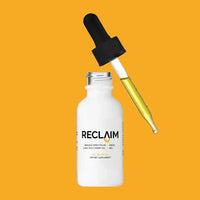
Reclaim Labs Broad Spectrum Hemp Extract Oil
When it comes to tackling persistent pain, Reclaim Labs Broad Spectrum Hemp Extract Oil stands out as a leading relief pain oil in 2026. Priced regularly at $95 but currently on sale for $79, with free shipping on orders over $46, this premium option delivers high-potency relief for chronic pain sufferers.

The core feature is its robust 2800mg CBD content, blended with organic coconut MCT carrier oil. This full-spectrum formula includes a range of cannabinoids, all working together for a stronger effect. The result is rapid relief for pain and inflammation, without any psychoactive side effects.
Developed by a chronic pain survivor, Reclaim Labs offers transparency with third-party lab testing and easy-to-access Certificates of Analysis. Their educational resources and customer support help guide you through safe, effective use. For those seeking more detail on how these oils work, the Muscle pain relief oil guide explains the science and best practices behind topical applications.
Key Benefits:
- Fast-acting comfort for arthritis, fibromyalgia, and autoimmune pain.
- Non-psychoactive and lab-tested for purity.
- Clean ingredients and satisfaction guarantee.
Pros:
- Strong potency, clear labeling, robust customer support.
Cons:
- Premium price point, hemp flavor may not appeal to all.
Ideal Use Cases:
- Daily management of chronic conditions, acute flare-ups, and reducing inflammation.
This relief pain oil is perfect for those who want a natural, research-backed solution with high efficacy and transparency.
Weh Weh® Natural Pain Relief Oil
Weh Weh® Natural Pain Relief Oil is crafted for individuals who prefer holistic, plant-based care. While pricing varies, free shipping is available on orders over $50 in the USA. This relief pain oil blends natural plant extracts, essential oils, and proprietary technology for a gentle yet effective formula.
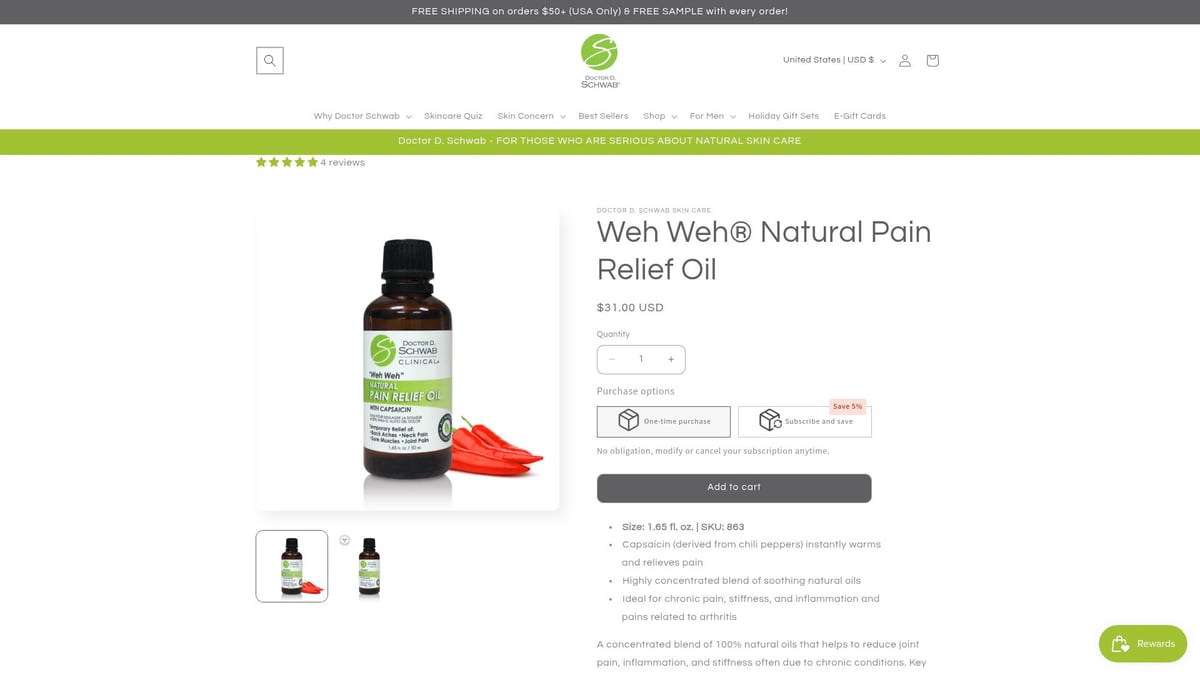
It is dermatologist-developed and prioritizes green, eco-friendly principles. The fast-acting blend targets joint, muscle, and nerve pain, making it suitable for daily use, especially on sensitive skin. The oil’s versatility means it works well for both everyday aches and more persistent discomfort.
Key Benefits:
- Quick relief for mild to moderate pain.
- Multi-purpose application, ideal for post-workout recovery.
- Clean, plant-based ingredients.
Pros:
- Eco-friendly, dermatologist-developed, suitable for sensitive users.
Cons:
- Scent may be strong for some, not as potent for severe pain.
Ideal Use Cases:
- Athletes looking for post-exercise recovery and anyone managing daily aches.
This relief pain oil is a smart choice for those who value sustainability and gentle, broad-spectrum relief.
GoodRx Essential Oils Pain Relief Pick: Arnica Oil
Arnica oil, highlighted by GoodRx, is a trusted relief pain oil for acute injuries and post-surgical recovery. Typically priced between $10 and $30, it is an accessible and research-backed option for bruising, swelling, and inflammation.

Derived from the arnica flower, this oil offers potent anti-inflammatory and antioxidant properties. Studies support its use for reducing pain and swelling after injuries or minor surgical procedures, making it a favorite among athletes and those recovering from accidents.
Key Benefits:
- Effective for bruises, sprains, and joint swelling.
- Natural origin, widely available.
Pros:
- Research-supported, affordable, easy to find.
Cons:
- Can cause skin irritation if not diluted, toxic if ingested.
Ideal Use Cases:
- Recovery from minor injuries, sprains, and post-surgical healing.
Arnica oil is an excellent relief pain oil for anyone needing fast, targeted care after physical trauma.
Peppermint Oil for Muscle & Joint Relief
Peppermint oil is renowned as a relief pain oil for its cooling, numbing effects, and invigorating scent. Priced between $8 and $25, it is accessible and versatile, offering immediate comfort for muscle aches, joint pain, and tension headaches.

The menthol in peppermint oil delivers a fast-acting, soothing experience. This oil is multi-use, suitable for both aromatherapy and topical application. However, it is not recommended for children under six due to its potency.
Key Benefits:
- Immediate relief for muscle tension and sports injuries.
- Strong cooling sensation and refreshing aroma.
Pros:
- Fast-acting, affordable, versatile.
Cons:
- Can cause skin sensitivity, not suitable for young children.
Ideal Use Cases:
- Desk workers, athletes, and migraine sufferers seeking quick relief.
Peppermint oil is a go-to relief pain oil for those who need rapid, on-the-spot comfort throughout the day.
Eucalyptus Oil for Deep Muscle Pain
Eucalyptus oil is a powerful relief pain oil, especially effective for deep muscle and joint pain. At $10 to $20 per bottle, it is both affordable and potent. Its cooling, anti-inflammatory properties penetrate deeply to soothe throbbing discomfort.

Research shows eucalyptus oil can reduce pain after surgery, particularly knee procedures, through aromatherapy and topical use. The strong scent is invigorating but may be intense for those with sensitivities.
Key Benefits:
- Deep penetration for chronic and post-surgical pain.
- Refreshing, research-supported relief.
Pros:
- Effective for deep pain, affordable, natural.
Cons:
- Strong aroma, potential for skin irritation.
Ideal Use Cases:
- Chronic lower back pain, surgical recovery, muscle soreness.
Eucalyptus oil is an essential relief pain oil for anyone dealing with persistent, deep-seated aches.
Lavender Oil for Stress-Related Pain Relief
Lavender oil is cherished as a relief pain oil for its calming and anti-inflammatory effects. Priced at $12 to $30 per bottle, it offers dual benefits: pain reduction and relaxation, making it ideal for stress-induced discomfort.

Studies indicate that lavender, when used with acupressure, can lessen back pain and tension headaches. Its gentle formula is suitable for older adults and sensitive users, although it may not provide enough relief for severe pain.
Key Benefits:
- Reduces stress, pain, and inflammation.
- Pleasant scent, supports better sleep.
Pros:
- Calming, gentle, suitable for daily use.
Cons:
- Not potent for severe pain, possible allergies.
Ideal Use Cases:
- Tension headaches, sleep-related discomfort, mild back pain.
Lavender oil is a top relief pain oil for those who want gentle, holistic care that soothes both mind and body.
Clove Oil for Intense, Targeted Relief
Clove oil is a robust relief pain oil known for its intense, warming sensation and numbing effect. Priced at $9 to $25 per bottle, it is especially popular in massage therapy and dental pain management.

With high eugenol content, clove oil delivers quick, localized relief for severe muscle, joint, or dental pain. It is potent and versatile, but should be used carefully to avoid skin irritation, especially on sensitive areas.
Key Benefits:
- Intense, fast-acting relief for targeted pain.
- Versatile application in both home and professional settings.
Pros:
- Potent, quick results, multi-use.
Cons:
- Can irritate skin, strong aroma, not for long-term use on sensitive skin.
Ideal Use Cases:
- Toothaches, muscle knots, arthritis flare-ups.
Clove oil is a powerful relief pain oil for those who need focused, immediate comfort for severe or stubborn aches.
Product Comparison Table
| Product Name | Price Range | Key Ingredient(s) | Best For | Notable Pros | Potential Cons |
|---|---|---|---|---|---|
| Reclaim Labs Broad Spectrum Hemp Extract Oil | $79–$95 | CBD, MCT oil | Chronic pain, inflammation | Strong potency, support | Premium price, hemp flavor |
| Weh Weh® Natural Pain Relief Oil | Varies | Plant extracts, essentials | Mild/moderate pain, recovery | Eco-friendly, gentle | Scent strength, less potent |
| Arnica Oil (GoodRx) | $10–$30 | Arnica flower | Bruises, swelling, recovery | Affordable, natural | Skin irritation, toxic ingested |
| Peppermint Oil | $8–$25 | Menthol | Muscle/joint pain, headaches | Cooling, versatile | Skin sensitivity, not for kids |
| Eucalyptus Oil | $10–$20 | Eucalyptus extract | Deep muscle/joint pain | Deep relief, research | Strong scent, skin irritation |
| Lavender Oil | $12–$30 | Lavender oil | Stress pain, tension | Calming, gentle | Mild for severe pain, allergy |
| Clove Oil | $9–$25 | Eugenol (clove) | Intense, targeted pain | Potent, fast-acting | Irritation, strong aroma |
With these top relief pain oil picks, you can identify the ideal solution for your specific needs, whether you seek everyday support or targeted, powerful relief.
How to Use Pain Relief Oils Safely and Effectively
Managing pain with relief pain oil requires careful attention to safety and technique. Using these oils properly can maximize their benefits while reducing the risk of irritation or other side effects. Whether you are new to topical solutions or looking to refine your routine, understanding application and combination strategies is essential.
Application Methods and Best Practices
The foundation of safe relief pain oil use is proper dilution. Essential oils are potent and should always be mixed with a carrier oil, such as coconut, jojoba, or almond oil. This step reduces the risk of skin irritation and ensures even absorption. A general guideline is to use 2–3 drops of essential oil per teaspoon of carrier oil for adults.
There are several ways to apply relief pain oil, depending on your needs and preferences:
- Massage: Gently rub the diluted oil into sore muscles or joints for targeted relief.
- Roll-on: Pre-diluted roll-ons are convenient for on-the-go application and reduce mess.
- Patches and compresses: Soak a cloth in the diluted mixture and place it over the affected area.
- Bath soaks: Add a few drops of diluted oil to a warm bath for whole-body comfort.
For best results, use relief pain oil after a warm shower when pores are open. Apply only the amount recommended on the product label, and reapply as needed, typically up to three times a day. To avoid unwanted reactions, always perform a patch test on a small area of skin before widespread use.
It is critical never to ingest relief pain oil unless the product is specifically labeled for consumption. Avoid applying oils to open wounds or sensitive areas, such as the eyes or mucous membranes. For more detailed guidance on topical application, including step-by-step instructions for CBD roll-ons, see How to apply CBD roll-on.
Homemade blends can be customized to your preferences. For example, combine 3 drops of peppermint oil with 2 drops of lavender oil in a tablespoon of carrier oil for a soothing massage blend. Always store oils in a cool, dark place to maintain their potency.
Combining Oils for Enhanced Results
Blending different relief pain oil types can enhance their effects through synergy. For example, mixing peppermint oil, known for its cooling and numbing properties, with lavender oil, valued for relaxation, can offer both immediate relief and calming benefits.
Popular carrier oils like coconut, jojoba, and almond not only dilute essential oils but also aid in skin absorption and reduce the risk of irritation. Experimenting with ratios allows you to find the most comfortable blend for your skin and pain type.
When creating a custom relief pain oil blend, start with small amounts and gradually adjust based on your response. Some oils, such as clove or eucalyptus, are potent and should be used sparingly. Always check for potential allergies to both essential and carrier oils.
If you are pregnant, nursing, managing chronic health conditions, or taking medications, consult a healthcare provider before using relief pain oil. Some ingredients may interact with medications or be unsuitable for certain populations.
A sample blend for deep muscle soreness might include equal parts eucalyptus and peppermint oils in a base of fractionated coconut oil. For enhanced relaxation, add a few drops of chamomile or lavender. Record your recipes and reactions for future reference to build your ideal relief pain oil regimen.
Who Should Use Relief Pain Oils? Benefits, Limitations & Precautions
Finding the right relief pain oil can transform daily comfort for many individuals. But who truly benefits most, and what should users keep in mind before adding these oils to their routine?
Relief pain oil is especially valuable for people managing chronic discomfort, such as those with arthritis, fibromyalgia, or recurring muscle soreness. Athletes often turn to these oils for post-exercise recovery, while older adults use them to ease joint stiffness. Even those experiencing tension headaches or nerve pain can find targeted relief with the right product.
Benefits & Ideal Candidates
The main advantage of relief pain oil is its ability to deliver targeted, fast-acting comfort without the systemic effects of oral medications. This makes it appealing for individuals who want to avoid potential side effects from pills or who seek natural alternatives to prescription medications. Common users include:
- Chronic pain sufferers (arthritis, back pain)
- Athletes and fitness enthusiasts
- Elderly individuals with joint discomfort
- People with fibromyalgia or nerve pain
Relief pain oil is also popular among those sensitive to synthetic ingredients, as many formulas rely on natural plant extracts. For a deeper dive into natural options, explore this guide to natural alternatives to prescription medications.
Limitations & Precautions
While relief pain oil can significantly reduce symptoms, it is not a cure for underlying conditions. Instead, it works best as part of a broader pain management plan. Users should be aware of possible side effects, such as skin irritation or allergic reactions, especially if they have sensitive skin or known allergies.
Key precautions include:
- Consult a healthcare provider if pregnant, breastfeeding, or managing a chronic illness.
- Avoid overuse to reduce the risk of irritation.
- Never apply to open wounds or broken skin.
- Perform a patch test before widespread use.
Risks increase if relief pain oil is used excessively or without proper dilution. According to recent studies, the use of aromatherapy and topical oils is on the rise in the U.S., reflecting a growing trust in these products for symptom control. For more on the science and limitations, see the Effectiveness of Aromatherapy in Reducing Pain.
| Benefits | Limitations |
|---|---|
| Fast, targeted relief | Not a cure |
| Fewer systemic effects | Possible skin irritation |
| Natural options | Not always potent enough |
| Versatile applications | Contraindications exist |
Example Scenarios & When to Seek Help
Relief pain oil is ideal for managing post-exercise soreness, arthritis flare-ups, and tension headaches. However, it is important to seek medical advice if pain persists, worsens, or is accompanied by other symptoms. Statistics from GoodRx show a steady increase in the adoption of these oils, particularly among those seeking non-pharmaceutical solutions.
In summary, relief pain oil can be a powerful addition to your pain management toolkit when chosen and used thoughtfully. Always prioritize safety, consult your healthcare provider if unsure, and monitor your response to find the right fit for your needs.
Frequently Asked Questions About Relief Pain Oils
Choosing a relief pain oil can bring up many questions, especially as more options enter the market. Here, we address the most common concerns so you can use these products safely and confidently.
Are relief pain oils safe for daily use?
Most relief pain oil products are designed for regular, topical application. However, always follow label directions and conduct a patch test first. Overuse or applying to broken skin may cause irritation.
How quickly can you expect results after application?
The onset of relief varies by oil and individual. Many users report feeling effects from relief pain oil within minutes to an hour. Fast-acting oils, such as those with menthol or eucalyptus, typically provide more immediate comfort.
Can relief pain oils be used with oral pain medications?
In most cases, topical oils can be safely combined with oral medications since they act locally rather than systemically. To be sure, consult your healthcare provider, especially if you use prescription pain medications or have chronic health conditions.
What are the most common side effects?
Mild skin irritation, redness, or allergic reactions may occur, particularly with essential oils. Using a carrier oil to dilute relief pain oil can minimize these risks. If you notice itching, burning, or a rash, discontinue use immediately.
How do you store relief pain oil for maximum shelf life?
Keep oils tightly sealed in a cool, dark place away from sunlight. Proper storage helps preserve active ingredients and prevents oxidation. Most relief pain oil blends remain effective for 1–2 years when stored correctly.
Are these oils safe for children or pets?
Not all relief pain oil products are suitable for children or animals. Some essential oils, like peppermint and clove, may be unsafe for young children or pets. Always check age recommendations and consult a healthcare professional or veterinarian before use.
What does “full-spectrum” or “broad-spectrum” mean in CBD oils?
Full-spectrum oils contain a range of cannabinoids, including trace THC, while broad-spectrum relief pain oil is THC-free but retains other beneficial compounds. Both types are popular for pain management, as explored in this CBD oil for chronic pain relief article.
How can you identify quality relief pain oil products?
Look for third-party lab testing, transparent ingredient lists, and certifications. Avoid products with artificial fragrances or unclear labeling. For more information on the clinical effectiveness of topical oils, review this Topical Analgesics: Pharmacology and Clinical Efficacy resource.
After exploring the top pain relief oils and learning what sets each option apart, you now have the tools to make an informed choice for your comfort and wellbeing. Whether you’re managing chronic pain, bouncing back from a tough workout, or seeking a natural way to ease everyday aches, there’s a solution that fits your needs. At Reclaim Labs, you’ll find premium CBD hemp oil products that are lab tested, transparent, and crafted for real results. If you’re ready to experience fast, effective relief, take the next step and Get Relief Now!