Rheumatoid Arthritis Nodules Guide: Symptoms, Care, and Insights 2026
Have you noticed firm, painless lumps under your skin if you have rheumatoid arthritis nodules? You are not alone. These nodules are more common than many realize, yet their cause and management often remain a mystery.
This guide offers a comprehensive look at rheumatoid arthritis nodules, from understanding their symptoms and causes to exploring risk factors and modern care strategies. You will discover ways to identify nodules, learn why they form, and see who is most at risk.
We will also share the latest expert insights for 2026, including practical tips for daily living. Whether you are seeking clarity or new ways to manage your health, read on for answers that can empower you.
Understanding Rheumatoid Arthritis Nodules
Rheumatoid arthritis nodules are a common yet often misunderstood aspect of living with rheumatoid arthritis. These lumps can be a visible sign that the disease is affecting more than just the joints. Understanding their structure, where they appear, and how they impact daily life is essential for anyone managing rheumatoid arthritis nodules.

What Are Rheumatoid Nodules?
Rheumatoid arthritis nodules are firm lumps that develop under the skin, most frequently in people diagnosed with rheumatoid arthritis. These nodules are made up of fibrin, inflammatory cells, and dead skin cells, forming as a result of chronic inflammation. They vary in size, typically ranging from as small as 2 millimeters to as large as 5 centimeters. Most nodules are round, but some can be irregular in shape.
The texture of rheumatoid arthritis nodules can feel doughy or firm. Some nodules move slightly when pressed, while others are fixed tightly to underlying tissues. It is not unusual for people to notice nodules as large as a walnut or as small as a pea. Importantly, these nodules are usually painless, though some discomfort can occur if the area becomes inflamed.
It is crucial to distinguish rheumatoid arthritis nodules from other types of lumps, such as cysts or tophi. Unlike cysts, which are often fluid-filled, rheumatoid arthritis nodules are solid. Tophi, associated with gout, contain uric acid crystals and have a different texture and appearance. The presence of nodules is a sign of systemic rheumatoid arthritis and may indicate greater disease severity. For a comprehensive overview of their composition and clinical significance, see Rheumatoid Nodules Overview.
Where Do Nodules Commonly Appear?
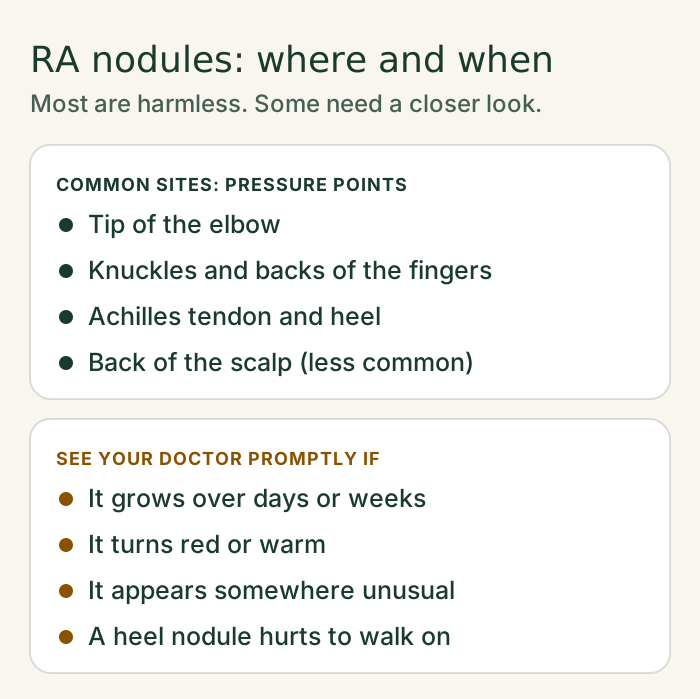
Rheumatoid arthritis nodules most often develop in areas exposed to frequent pressure or minor trauma. Common locations include the hands, elbows, fingers, knuckles, feet, and wrists. These are the spots where repeated movement or resting against surfaces can trigger nodule formation.
Less commonly, rheumatoid arthritis nodules may appear in unusual places such as the lungs, vocal cords, heart, hips, back of the head, or sacrum. For individuals who are bedridden, nodules can develop at points of prolonged contact with mattresses or chairs. A notable example is vocal cord nodules, which may cause hoarseness or changes in voice quality.
According to recent data, up to 30 percent of people with rheumatoid arthritis develop nodules at some point. Visually, nodules are typically round or oval, firm, and located just beneath the skin. On the hands and elbows, they may be especially noticeable, sometimes appearing as raised bumps that do not move when pressed. In rare cases, internal nodules are only detected through imaging tests.
How Nodules Affect Daily Life
Most rheumatoid arthritis nodules are painless, but during a flare-up, they can become tender or even inflamed. Large nodules, especially those near nerves or joints, may press on surrounding tissues, causing discomfort or limiting movement. This can make daily tasks, such as writing or gripping objects, more challenging if nodules develop on the fingers or hands.
Functional limitations are a real concern. Nodules on the hands and knuckles may interfere with fine motor skills, making it harder to perform tasks that require dexterity. Nodules on the feet or heels can make walking uncomfortable and may alter gait. In some cases, nodules can ulcerate, increasing the risk of infection, especially if the skin breaks down over the lump.
There are also psychological effects to consider. The visible appearance of rheumatoid arthritis nodules may affect self-esteem or cause anxiety, particularly if the lumps are large or located in noticeable areas. For some individuals, nodules can interfere with joint use to the point where medical intervention becomes necessary.
It is important to remember that while most nodules are benign, they can sometimes signal complications or more severe rheumatoid arthritis. Monitoring changes in size, number, or tenderness is essential for early detection of problems. Addressing these challenges with the support of a healthcare provider can help manage both the physical and emotional impacts of rheumatoid arthritis nodules.
Causes and Risk Factors for Rheumatoid Nodules
Understanding why rheumatoid arthritis nodules develop is crucial for both patients and healthcare providers. These nodules are unique to rheumatoid arthritis and often point to underlying disease activity and individual risk factors. In this section, we break down the science behind nodule formation, highlight who is most at risk, and discuss medication-related nodules that may appear during treatment.

Why Do Rheumatoid Nodules Form?
Rheumatoid arthritis nodules form as a result of chronic inflammation triggered by the immune system attacking healthy tissue. When rheumatoid arthritis is active, the immune response sends inflammatory cells to specific areas, leading to the accumulation of fibrin, immune cells, and dead skin cells. Over time, these materials cluster together, forming firm lumps under the skin known as rheumatoid arthritis nodules.
Nodules are most likely to develop after several years of active disease, rather than at the onset. Their presence signals a more systemic or aggressive form of rheumatoid arthritis. Not every patient with RA will develop nodules, suggesting that other factors, including genetic predisposition and environmental triggers, play a role. For a deeper look at the mechanisms behind rheumatoid arthritis and what drives nodule formation, see Understanding rheumatoid arthritis causes.
The size and number of rheumatoid arthritis nodules can vary, and their appearance is closely linked to the underlying immune activity in the body. Recognizing this process is the first step in managing and monitoring disease progression.
Major Risk Factors
Certain risk factors make some individuals more likely to develop rheumatoid arthritis nodules. The severity and duration of rheumatoid arthritis play a significant role. People with more severe or uncontrolled RA are at a higher risk of nodule formation. The presence of specific autoantibodies, such as rheumatoid factor (RF) and anti-cyclic citrullinated peptide (anti-CCP), is strongly associated with the development of nodules. Studies indicate that nearly all patients with nodules test positive for these markers.
Smoking is another major risk factor. Smokers with rheumatoid arthritis are more likely to develop nodules compared to non-smokers. This link is well documented in clinical research and highlights the importance of lifestyle choices in disease management. Genetics may also contribute, as individuals with a family history of RA or nodules have an increased risk.
In addition to these, extra-articular RA, where the disease affects organs beyond the joints, often correlates with nodule development. Nodules can also be more common in those with longstanding disease. Data suggests that up to 30 percent of RA patients may experience nodule formation at some point in their illness. Understanding these risk factors helps patients and doctors anticipate and address rheumatoid arthritis nodules as part of comprehensive care.
Accelerated Nodulosis and Medication-Induced Nodules
Some medications used to treat rheumatoid arthritis can paradoxically trigger the rapid appearance of nodules. Methotrexate, a commonly prescribed disease-modifying antirheumatic drug (DMARD), has been associated with a phenomenon called accelerated nodulosis. This condition is characterized by the sudden growth of small, firm nodules, especially around the fingers and hands, often within months of starting therapy.
Other DMARDs, though less commonly, may also contribute to medication-induced nodules. When accelerated nodulosis occurs, healthcare providers may recommend adjusting or changing the medication regimen to prevent further nodule growth. Monitoring for these side effects is a key aspect of rheumatoid arthritis management.
For patients, it is important to recognize that rheumatoid arthritis nodules resulting from medication are generally benign but can cause discomfort or impair function. Prompt communication with a healthcare provider ensures that these nodules are properly evaluated and that treatment remains both effective and safe.
Recognizing Symptoms and Diagnosis
Identifying and understanding rheumatoid arthritis nodules is key to proactive RA management. These nodules present unique symptoms, require specific diagnostic steps, and sometimes signal the need for prompt medical attention. Knowing what to watch for and when to consult your healthcare provider can help you stay ahead of potential complications.

Key Symptoms of Rheumatoid Nodules
Rheumatoid arthritis nodules are typically firm, round lumps that develop under the skin. Most often, they appear on pressure points such as the elbows, fingers, or heels. The size of these nodules can vary widely, ranging from a few millimeters to several centimeters. Some are as small as a pea, while others may reach the size of a walnut.
The nodules are usually painless, but during rheumatoid arthritis flare-ups, they may become tender or swollen. Some nodules move slightly under the skin, while others are fixed to deeper tissues. Large nodules can press on nerves or restrict joint movement, making daily tasks more challenging. For example, a nodule on the heel can cause discomfort while walking, and one on a finger may limit fine motor skills.
Here is a quick overview of common features:
| Symptom | Typical Presentation |
|---|---|
| Consistency | Firm or doughy |
| Mobility | Movable or fixed |
| Pain | Usually painless |
| Size | 2mm to 5cm |
| Location | Hands, elbows, heels |
Recognizing these symptoms of rheumatoid arthritis nodules early can help you and your care team monitor disease progression and address any complications.
How Are Nodules Diagnosed?
Diagnosis of rheumatoid arthritis nodules begins with a thorough clinical examination by a rheumatologist. The doctor will inspect and palpate the lumps, noting their size, location, and texture. Imaging studies, such as ultrasound or MRI, are often used to evaluate the depth of the nodules and their relationship to surrounding tissues. For nodules in less accessible areas, like the lungs, X-rays may be performed.
Occasionally, a biopsy is necessary to rule out other causes, such as infection or malignancy. Differential diagnosis is important, as other lumps like cysts, tophi, or bursitis can mimic rheumatoid arthritis nodules. According to the Cutaneous Manifestations in RA, distinguishing between different skin findings in RA is crucial for effective management.
Imaging is particularly valuable when nodules are suspected in internal organs. For example, a lung nodule may require a chest X-ray or CT scan for further evaluation.
When to Seek Medical Advice
Certain changes in rheumatoid arthritis nodules require prompt medical attention. If you notice rapid growth, increased pain, redness, warmth, or signs of infection such as drainage, contact your healthcare provider right away. Numbness, tingling, or restricted movement caused by a nodule should also be evaluated promptly.
New nodules appearing in unusual locations, like the lungs or vocal cords, may signal more severe or systemic disease. Regular monitoring is essential, as early intervention can prevent further complications.
Keep track of any changes in your nodules and share this information with your healthcare team at routine visits. Proactive management of rheumatoid arthritis nodules helps ensure the best possible outcomes and supports overall well-being.
Current and Emerging Care Options for RA Nodules
Managing rheumatoid arthritis nodules requires a multi-faceted approach that considers both medical and lifestyle interventions. As research advances, more options are becoming available to help patients reduce discomfort and maintain quality of life. Understanding the range of care strategies empowers you to make informed decisions with your healthcare provider.
Medical Treatment Strategies
Treatment for rheumatoid arthritis nodules often begins with addressing the underlying inflammation. Disease-modifying antirheumatic drugs (DMARDs) such as rituximab or leflunomide may help decrease nodule size by controlling the immune response. For some, biologic medications targeting specific inflammatory pathways can also offer relief, especially when standard DMARDs are insufficient.
Steroid injections directly into a nodule can reduce swelling and tenderness, though this approach is usually reserved for nodules causing significant discomfort or interfering with daily function. Surgical removal is an option for nodules that become infected, ulcerated, or severely limit movement. However, recurrence is common post-surgery, so the decision must be weighed carefully.
Medication adjustments are sometimes necessary. For example, patients who develop accelerated nodulosis on methotrexate may need to switch to another therapy. Regular follow-ups with a rheumatologist ensure that rheumatoid arthritis nodules are managed proactively, minimizing complications and optimizing overall RA care.
Self-Care and Lifestyle Adjustments
Beyond medical treatments, self-care is essential for those living with rheumatoid arthritis nodules. Protecting pressure points with padding or cushions helps prevent trauma to areas prone to nodule development, such as elbows or feet. Mobility aids, like ergonomic utensils or button hooks, can make daily activities easier if nodules restrict hand movement.
Maintaining healthy skin is crucial. Keep affected areas clean and moisturized to lower the risk of ulceration or infection. Smoking cessation is strongly recommended, as it not only reduces the risk of developing new nodules but also helps slow overall RA progression. Physical therapy and gentle exercises support joint mobility and help maintain independence.
For more detailed guidance, explore Effective strategies for RA pain, which covers practical approaches that complement standard care for rheumatoid arthritis nodules. By integrating these self-care habits, you can improve comfort and minimize disruptions to daily life.
Natural and Complementary Approaches
Many patients seek natural ways to support their health alongside traditional care for rheumatoid arthritis nodules. Anti-inflammatory diets, emphasizing fruits, vegetables, whole grains, and omega-3-rich foods, may help reduce systemic inflammation. Some individuals find relief with supplements like turmeric or fish oil, though scientific evidence is still emerging.
Stress management is another important aspect. Techniques such as mindfulness, meditation, or gentle yoga can help ease tension and support overall well-being. Always consult your healthcare provider before starting any supplement or alternative therapy to ensure it fits safely within your treatment plan.
CBD and Natural Alternatives for RA Nodules
CBD hemp oil products are gaining attention as a complementary approach to managing symptoms associated with rheumatoid arthritis nodules. CBD interacts with the body’s endocannabinoid system, which may help reduce inflammation and discomfort in affected joints. Available in forms like oils, topical roll-ons, and patches, these products offer targeted relief for localized pain.

Preliminary studies and patient reports suggest CBD could help improve joint mobility and reduce discomfort related to nodules. Quality and safety are critical, so look for products that provide third-party lab testing. For those interested in learning more, the Guide to CBD relief for RA hands offers practical insights into using CBD as part of a comprehensive care plan. Remember, CBD should complement—not replace—medical advice and prescribed treatments.
Living With Rheumatoid Nodules: Insights and Practical Tips
Living with rheumatoid arthritis nodules can present both physical and emotional hurdles. Understanding practical strategies for managing these challenges is essential for maintaining your quality of life. By combining self-care, ongoing monitoring, and staying informed about new research, you can take proactive steps to manage rheumatoid arthritis nodules effectively.
Coping with Physical and Emotional Challenges
Adapting to life with rheumatoid arthritis nodules means finding ways to handle discomfort and changes in your daily routine. Many people experience frustration or embarrassment when nodules are visible, especially on the hands or fingers. Emotional support can be just as important as physical care in these situations.
Joining an RA support group or connecting with others who share similar experiences can help reduce anxiety and provide encouragement. If nodules interfere with work or personal tasks, consider requesting workplace accommodations or using adaptive tools designed for people with limited hand mobility. These tools can make dressing, cooking, and writing much easier and help preserve independence.
For pain or tenderness, applying gentle heat or cold packs may offer relief. Practicing mindfulness or relaxation techniques can ease stress associated with rheumatoid arthritis nodules. For more detailed strategies, you can explore Managing rheumatoid arthritis pain tips, which provides practical advice for daily comfort.
Remember, prioritizing mental health is crucial. Speaking with a counselor or therapist who understands chronic illness can provide coping tools and foster resilience. Taking small, consistent steps helps you remain empowered and engaged in your care.
Preventing Complications and Monitoring Progress
Prevention and routine monitoring are key elements in managing rheumatoid arthritis nodules. Scheduling regular check-ups with your rheumatologist allows for early detection of any changes in nodule size, number, or location. Keeping a symptom diary can help you and your healthcare team identify patterns or triggers that may affect your nodules.
Be alert to warning signs such as redness, swelling, warmth, or rapid growth, as these could indicate infection or other complications. If you notice any of these symptoms or experience numbness and tingling, seek medical advice promptly.
Maintaining good skin hygiene and using protective padding on pressure points can reduce the risk of ulcers and infections. According to research on Rheumatoid Nodules and Disease Progression, the presence of nodules may be linked with more aggressive forms of rheumatoid arthritis, highlighting the importance of ongoing monitoring.
Early intervention, combined with vigilant self-care, helps minimize complications and supports long-term well-being. Your proactive approach can make a significant difference in managing rheumatoid arthritis nodules.
Advances in Research and Future Outlook (2026)
Exciting advances in research are shaping the future of rheumatoid arthritis nodules management. Scientists are investigating new biologic medications and targeted therapies that may reduce inflammation more effectively, potentially preventing the formation of new nodules.
Personalized medicine is becoming increasingly important, with treatments tailored to each patient's genetic and antibody profile. This approach may improve outcomes for those with rheumatoid arthritis nodules by addressing the unique factors driving their disease.
Technological improvements in imaging, such as high-resolution ultrasound and MRI, now allow for earlier detection and more accurate monitoring of nodules. Ongoing studies are also exploring the impact of gut health, the microbiome, and lifestyle factors on nodule development.
Clinical trials and collaborative research suggest a promising future with safer, more individualized therapies. Staying informed about these advances empowers you to discuss new options with your healthcare provider and make informed choices about your care for rheumatoid arthritis nodules.
Expert Answers to Common Patient Questions
Many people living with rheumatoid arthritis nodules have similar questions. Below are some of the most common concerns, along with expert insights:
- Can nodules go away on their own? Occasionally, small nodules may shrink or disappear, but most persist over time.
- Are nodules a sign my RA is getting worse? Nodules often appear in more severe cases, but their presence alone does not always mean worsening disease.
- Is surgery always necessary for painful nodules? Surgery is typically reserved for nodules that are infected, ulcerated, or causing significant impairment.
- What lifestyle changes can help prevent nodule growth? Quitting smoking, managing RA activity, and protecting pressure points can all help.
- How do I know if a nodule is infected? Watch for redness, warmth, pain, or drainage. Contact your doctor if these symptoms appear.
Most experts agree that rheumatoid arthritis nodules are usually benign but require regular monitoring. Staying informed and maintaining open communication with your healthcare team helps ensure timely intervention and optimal care.
As you navigate the challenges of rheumatoid arthritis nodules, remember you’re not alone—many people face similar questions about symptom management, daily comfort, and finding the right care. It’s empowering to explore both medical treatments and natural alternatives, especially when you want to manage pain and inflammation safely. If you’re interested in trying premium CBD hemp oil products that are crafted for quality and transparency, you can take the next step toward relief and confidence today. Explore your options and Get Relief Now!