7 Best Joint Pain Patches to Try in 2026
Joint pain affects millions worldwide, often limiting daily activities and reducing quality of life. Traditional pain relief methods, such as oral medications or topical creams, can be inconvenient and may not provide targeted, lasting comfort.
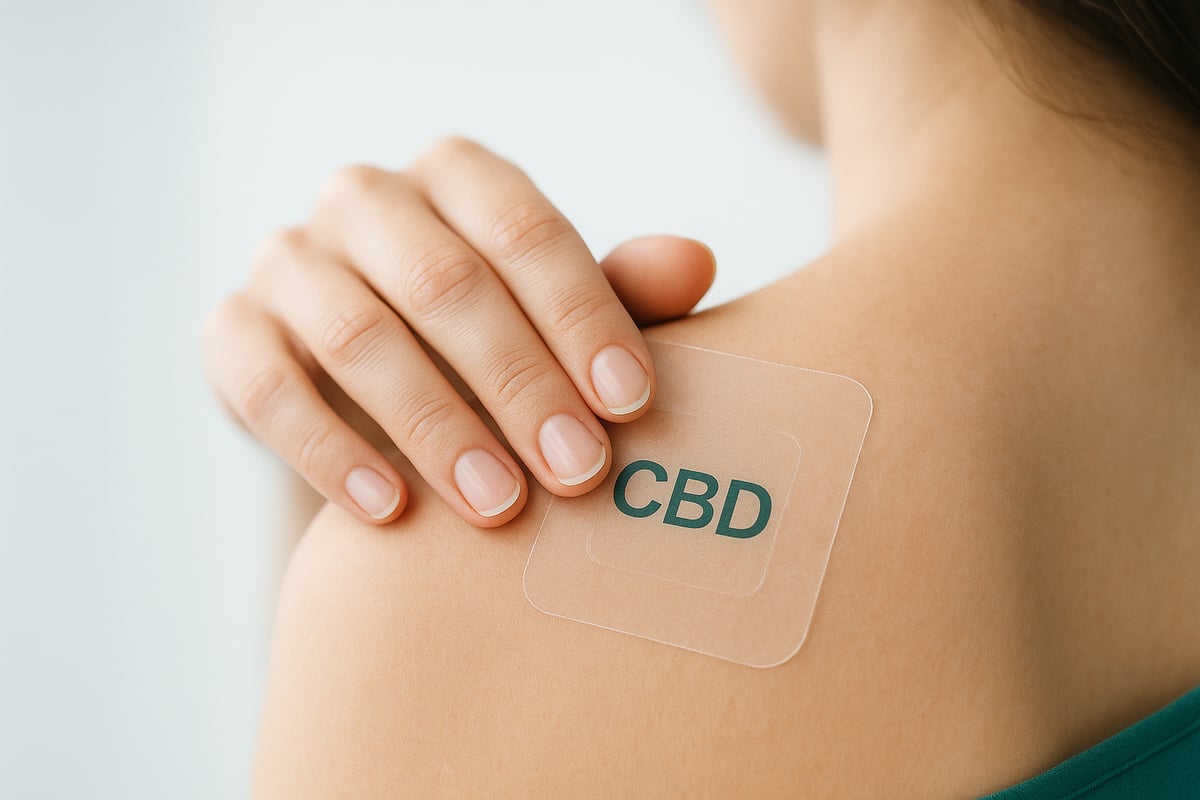
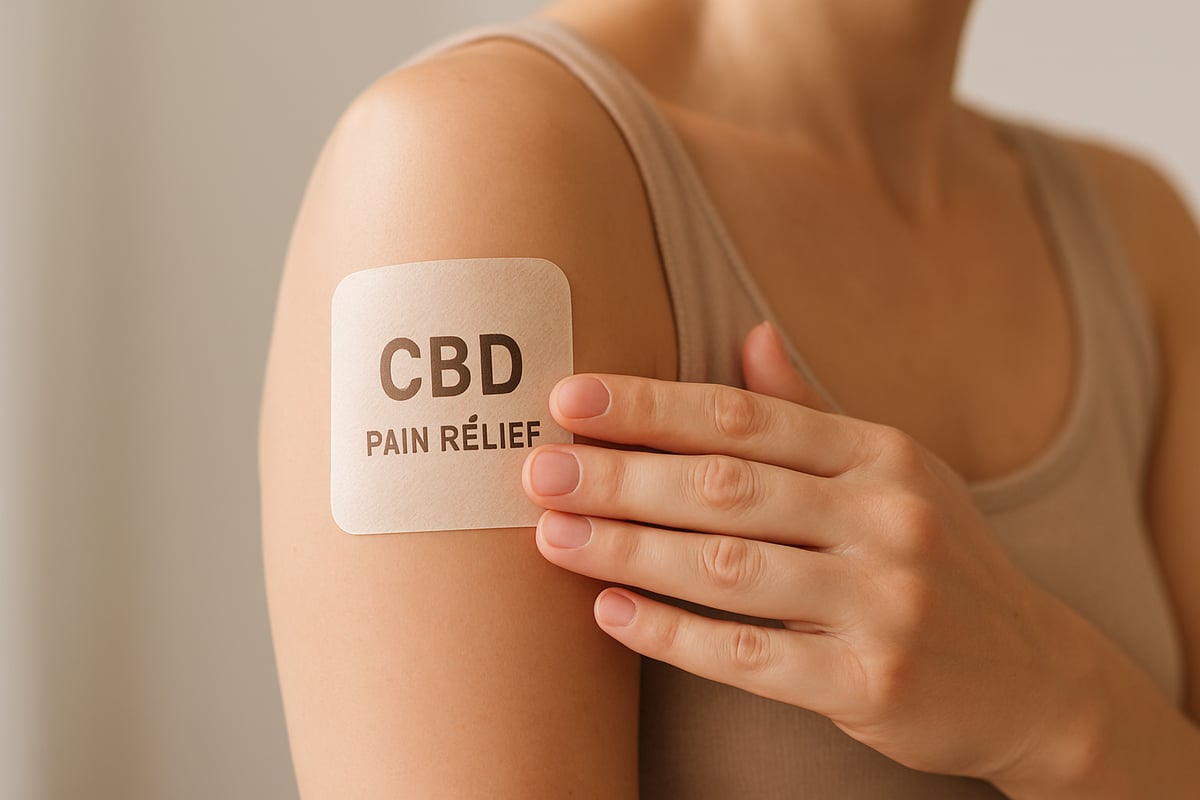
As a result, joint pain patches are gaining popularity as a convenient and modern solution. These patches offer fast-acting, targeted, and non-invasive relief right where you need it most.
This article will guide you through the 7 best joint pain patches to try in 2026. We will compare top products, highlight key features, discuss benefits, and help you find the ideal option for your needs.
What Are Joint Pain Patches and How Do They Work?
Joint pain patches are topical products designed to deliver pain-relieving ingredients directly to areas of discomfort. Unlike oral medications, these patches offer focused relief right at the source, making them an increasingly popular option for people seeking alternatives to pills or creams.
Key Ingredients and Mechanisms
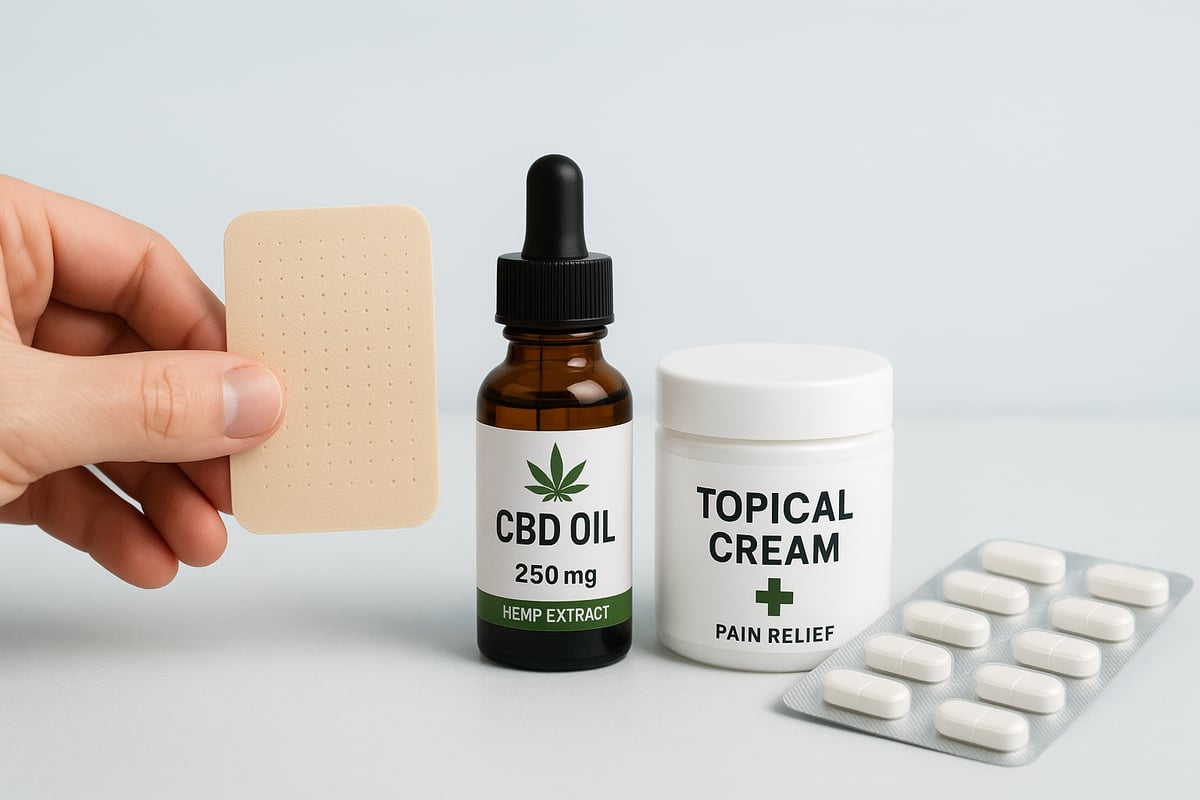
Most joint pain patches use active ingredients such as menthol, lidocaine, capsaicin, CBD, and methyl salicylate. Each of these compounds targets pain in a unique way. For example, menthol creates a cooling sensation that interrupts pain signals, while lidocaine works as a local anesthetic to numb the area.
CBD and capsaicin are increasingly featured in joint pain patches for their anti-inflammatory and analgesic properties. Capsaicin, derived from chili peppers, can reduce pain by depleting substance P, a chemical messenger involved in transmitting pain sensations. Some patches blend natural and synthetic ingredients, catering to different user preferences.
Transdermal delivery systems are a key advantage of joint pain patches. These systems allow the active ingredients to pass through the skin barrier and reach deeper tissues. This targeted approach not only enhances absorption but also reduces the risk of systemic side effects often seen with oral medications. According to a systematic review of transdermal anti-inflammatory patches, this method can provide rapid and sustained relief for both acute and chronic musculoskeletal pain.
Compared to oral painkillers, joint pain patches often provide a faster onset of action and more localized effect. They are less likely to cause gastrointestinal upset or interact with other medications. Medicated patches usually contain pharmaceutical-grade compounds, while herbal or natural patches may feature plant-based extracts for users seeking alternative therapies.
Benefits and Limitations
Joint pain patches offer several compelling benefits:
- Ease of use: Simple peel-and-stick application.
- Localized action: Relief is delivered right where it's needed.
- Minimal systemic side effects: Lower risk of stomach, liver, or kidney issues.
Many users appreciate the convenience and discretion of joint pain patches, especially for chronic conditions like arthritis or after exercise. Market research projects the pain relief patch industry to reach $7.3 billion globally by 2031, reflecting growing consumer trust and demand.
However, joint pain patches have limitations. Some users may experience mild skin irritation, redness, or itching. The duration of relief is usually limited to 8–24 hours per patch, and they may not address pain caused by deeper or systemic health issues. Not all types of pain respond equally to topical treatments.
Patient testimonials often highlight improved quality of life and reduced reliance on oral medications. Still, it is important to follow usage instructions and consult a healthcare provider if pain persists or worsens. Overall, joint pain patches represent a practical, effective option for many people seeking targeted pain management.
7 Best Joint Pain Patches to Try in 2026
Choosing the right joint pain patches can make a significant difference in your daily comfort and mobility. In 2026, technology and research have brought a new generation of patches—each designed to provide targeted, fast-acting relief for joint discomfort. Below, we review the seven best joint pain patches, outlining their unique features, benefits, and ideal use cases to help you make an informed choice.
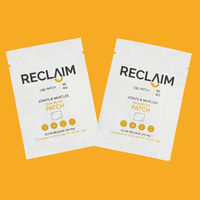
Reclaim Labs Joints and Muscles Pain Relief CBD CBG Patches
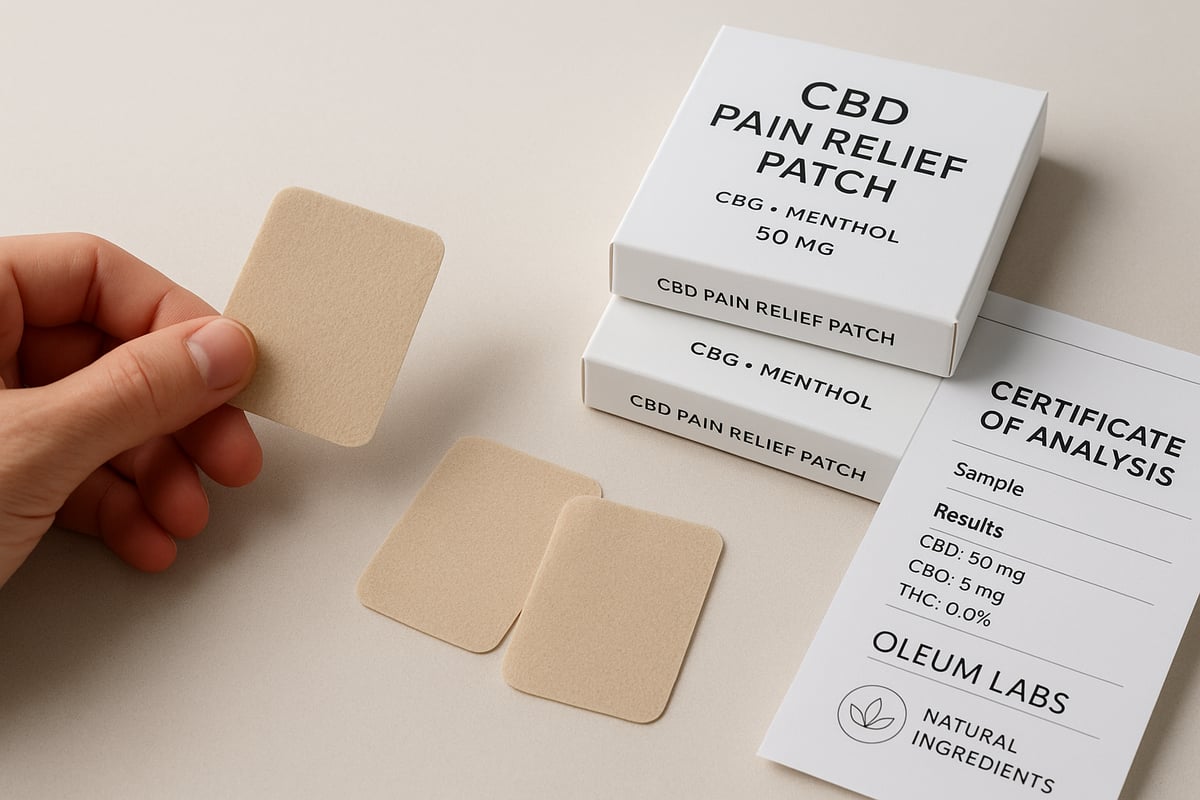
Reclaim Labs leads the way in innovative joint pain patches, offering a premium solution that harnesses the power of cannabinoids. These patches feature a patent-pending waterproof design, ensuring they stay in place for a full 24 hours, even through showers or workouts.

Key Features:
- Broad-spectrum CBD and CBG blend for enhanced pain and inflammation relief.
- Waterproof and sweat-resistant, suitable for active lifestyles.
- Developed by a chronic pain survivor, with a focus on transparency and user trust.
- Third-party lab tested, ensuring product safety and efficacy.
- Premium pricing with free shipping over $46 and regular discounts.
Benefits:
- Synergistic cannabinoids provide targeted, non-psychoactive relief.
- Ideal for persistent pain in knees, shoulders, back, or hands.
- Satisfaction guarantee supports confident purchasing.
Target Audience and Use Cases:
- Chronic joint pain sufferers, including those with arthritis or fibromyalgia.
- Individuals seeking natural, plant-based alternatives to traditional options.
- Post-exercise recovery or ongoing joint discomfort.
Pros:
- Transparent lab results and a satisfaction guarantee.
- Long-lasting, 24-hour relief with minimal reapplication.
Cons:
- Higher price point compared to standard options.
- Available exclusively online.
For a deeper understanding of how CBD patches can help manage pain, see CBD patches for pain relief.
Salonpas Pain Relieving Patch
Salonpas is a household name in joint pain patches, trusted for delivering fast and accessible relief. These medicated patches contain menthol and methyl salicylate, both renowned for their effective pain-relieving properties.

Key Features:
- FDA-approved formula with clinically proven ingredients.
- Up to 12 hours of sustained relief per patch.
- Affordable multi-pack options for cost savings.
Benefits:
- Fast-acting and widely available over the counter.
- Minimal odor and easy to apply.
Target Audience and Use Cases:
- Adults experiencing mild to moderate joint or muscle pain.
- Ideal for arthritis flare-ups, muscle strains, and sports injuries.
Pros:
- Trusted brand reputation and broad accessibility.
- Effective for both joint and muscle discomfort.
Cons:
- Potential for skin irritation in sensitive users.
- Not recommended for use on broken skin.
These joint pain patches are well-suited to those who need reliable, on-the-go relief without a prescription.
Bengay Ultra Strength Pain Relieving Patch
Bengay’s Ultra Strength patch is a staple among joint pain patches, offering a lidocaine-based solution for deep, numbing relief. Its flexible design makes it easy to wear discreetly under clothing.

Key Features:
- Powered by lidocaine, delivering a strong numbing effect.
- Flexible, thin patch for comfortable wear.
- Available in cost-saving multi-packs.
Benefits:
- Provides temporary relief for acute joint pain and post-injury discomfort.
- Quick onset of action, perfect for busy lifestyles.
Target Audience and Use Cases:
- Individuals suffering from acute joint pain or recovering from injuries.
- Elbow, knee, and shoulder pain; suitable for on-the-go application.
Pros:
- Reputable, time-tested brand.
- Strong numbing action for noticeable comfort.
Cons:
- Not intended for long-term, continuous use.
- May cause mild burning or tingling sensations in some users.
Bengay’s joint pain patches are particularly useful for those who need rapid, targeted relief after sprains or strains.
Icy Hot Medicated Patch
Icy Hot’s medicated patch is a favorite among joint pain patches for its dual-action cooling and heating effect. The large patch size provides broad coverage, making it ideal for larger joints or muscle groups.

Key Features:
- Combines menthol and methyl salicylate for a cooling sensation followed by warmth.
- Delivers up to 8 hours of relief.
- Budget-friendly and accessible in most pharmacies.
Benefits:
- Easy peel-and-stick application.
- Effective for recurring pain and post-activity soreness.
Target Audience and Use Cases:
- Athletes, older adults, and anyone with recurring joint pain.
- Lower back, hip, or shoulder discomfort, especially after physical activity.
Pros:
- Widely trusted and easy to find.
- Large surface area for comprehensive coverage.
Cons:
- Strong scent may not appeal to everyone.
- Adhesion may weaken during intense movement or sweating.
These joint pain patches are an excellent choice for those seeking a familiar, affordable solution with decades of proven results.
Tiger Balm Pain Relieving Patch
Tiger Balm brings its renowned herbal expertise to joint pain patches, offering a non-greasy, breathable patch infused with camphor and menthol. Its natural approach appeals to those sensitive to synthetic ingredients.

Key Features:
- Herbal blend for natural pain relief.
- Non-greasy, flexible, and breathable design.
- Available in multiple sizes for different body parts.
Benefits:
- Pleasant, soothing aroma.
- Long-lasting effect without harsh chemicals.
Target Audience and Use Cases:
- Fans of herbal remedies and users with sensitive skin.
- Chronic joint stiffness, neck, and shoulder pain.
Pros:
- Natural ingredients and flexible construction.
- Pleasant scent enhances the user experience.
Cons:
- Mild heat sensation may not suit all preferences.
- Scent can be strong for those sensitive to fragrances.
Tiger Balm’s joint pain patches are ideal for individuals seeking a holistic, plant-based approach to managing discomfort.
Biofreeze Pain Relief Patch
Biofreeze offers a menthol-based formula among joint pain patches, focusing on cold therapy for pain and inflammation. Its non-addictive approach is appreciated by users seeking alternatives to oral painkillers.

Key Features:
- Delivers rapid cooling relief with menthol.
- Mess-free, easy-to-apply patch design.
- Available in single and multi-packs.
Benefits:
- Clinically recommended for joint conditions.
- No prescription needed, making it accessible for most adults.
Target Audience and Use Cases:
- Active individuals and those with inflammatory joint issues.
- Swollen joints, post-workout soreness, and arthritis pain.
Pros:
- Quick effect and non-greasy formula.
- Recommended by healthcare professionals.
Cons:
- Cooling effect may be too intense for sensitive skin.
- Not ideal for those preferring warmth-based relief.
Biofreeze joint pain patches are best for those who benefit from cold therapy and need effective, fast-acting relief.
Voltaren Arthritis Pain Patch
Voltaren’s arthritis pain patch stands out among joint pain patches for its prescription-strength anti-inflammatory action. Using diclofenac sodium, it targets the root cause of arthritis pain.
Key Features:
- Contains diclofenac sodium for potent anti-inflammatory effects.
- Designed specifically for arthritis-related joint pain.
- Lasts up to 24 hours with minimal systemic absorption.
Benefits:
- Physician-recommended and proven efficacy in clinical studies.
- Suitable for ongoing pain management in osteoarthritis and rheumatoid arthritis.
Target Audience and Use Cases:
- Patients with knee, hand, or wrist arthritis.
- Those needing continuous, long-term pain control.
Pros:
- Long-lasting relief with targeted application.
- Minimal risk of systemic side effects.
Cons:
- Higher price point; may require prescription in some regions.
- Potential for mild skin reactions in sensitive users.
Voltaren joint pain patches are a top pick for arthritis sufferers seeking a doctor-endorsed, sustained solution.
Comparison Table: 7 Best Joint Pain Patches (2026)
| Patch Name | Key Ingredient(s) | Duration | Target Audience | Price Range | Special Feature |
|---|---|---|---|---|---|
| Reclaim Labs | CBD, CBG | 24 hours | Chronic pain, natural | Premium | Waterproof, lab tested |
| Salonpas | Menthol, Salicylate | 12 hours | Mild-moderate pain | Affordable | FDA-approved, OTC |
| Bengay Ultra | Lidocaine | 8 hours | Acute pain, injuries | Moderate | Strong numbing, flexible |
| Icy Hot | Menthol, Salicylate | 8 hours | Athletes, seniors | Budget | Cooling-heating, large |
| Tiger Balm | Camphor, Menthol | 8 hours | Herbal remedy fans | Mid-range | Herbal, breathable |
| Biofreeze | Menthol | 8 hours | Inflammatory pain | Moderate | Cold therapy, mess-free |
| Voltaren | Diclofenac Sodium | 24 hours | Arthritis patients | High | Anti-inflammatory, Rx OTC |
With these top-rated joint pain patches, you have a comprehensive set of options to match your specific needs, preferences, and lifestyle. Whether you prefer natural solutions, require prescription-level support, or need something budget-friendly, there is a patch designed for you.
How to Choose the Right Joint Pain Patch for Your Needs
Selecting the most effective joint pain patches for your unique situation requires thoughtful evaluation. With so many options on the market, it is important to look beyond brand names and focus on how a patch aligns with your specific pain profile and lifestyle.
Assess Your Pain Type and Medical Needs
Begin by identifying the type and severity of your joint pain. Acute injuries, such as sprains, may benefit from numbing agents like lidocaine, while chronic inflammatory conditions often respond well to anti-inflammatory or herbal ingredients. Always review your medical history, including allergies and sensitivities, before selecting joint pain patches. If you have a history of skin reactions, choose hypoallergenic or natural ingredient options.
Compare Ingredients and Patch Features
Not all joint pain patches are created equal. Examine the active components, such as menthol, capsaicin, CBD, or diclofenac. Synthetic versus natural ingredients may impact both efficacy and potential side effects. Evaluate how long each patch provides relief, how often it needs replacement, and whether it adheres well during movement or physical activity. Size and flexibility are important for targeting specific joints or larger areas.
Consider Convenience, Cost, and Reviews
Practical considerations can greatly influence satisfaction. Look for joint pain patches that are easy to apply and remove, especially if you require frequent changes. Compare prices, package sizes, and whether a prescription is needed. Read user reviews and look for clinical endorsements to gauge real-world effectiveness. Safety certifications and transparent lab results add an extra layer of trust.
Make Informed Choices with Clinical and Market Insights
Finally, align your decision with your lifestyle and health goals. If you are managing arthritis, seek patches with proven anti-inflammatory action. For sports injuries, opt for fast-acting, cooling relief. Always check for third-party lab testing and consult your healthcare provider if unsure. The market for joint pain patches is expanding rapidly, offering more tailored solutions than ever before. According to the Global pain patch market projected growth, increasing demand is driving innovation and variety, making it easier to find a patch that fits your needs.
Safety Tips and Best Practices for Using Joint Pain Patches
Proper use of joint pain patches is essential for both effectiveness and safety. By following a few best practices, you can maximize relief and minimize potential risks. Whether you are new to joint pain patches or a regular user, these guidelines will help you achieve the best results.
Application Guidelines and Precautions
Before applying joint pain patches, always start by cleaning and drying the area thoroughly. Dirt, oil, or moisture can affect adhesion and reduce patch effectiveness. Use gentle soap and water, then pat dry with a clean towel.
When placing joint pain patches, ensure the patch covers the painful joint directly. Smooth the patch onto your skin to prevent wrinkles or air bubbles. Avoid using lotions or creams under the patch, as these can interfere with absorption.
Tips to maximize patch performance:
- Press firmly along the edges to secure the patch.
- Apply to areas with minimal hair for better contact.
- Do not apply to broken, irritated, or infected skin.
Monitor your skin for any signs of redness, rash, or burning. Mild irritation is possible, but persistent discomfort means you should remove the patch immediately. If you experience severe reactions or symptoms beyond minor irritation, consult your healthcare provider.
Certain groups should avoid using joint pain patches. These include people with known allergies to patch ingredients, those with open wounds, and, in many cases, pregnant women or children unless directed by a physician. Always check the product label for specific contraindications.
Combining joint pain patches with other therapies, such as physical therapy or oral medications, can be beneficial. However, discuss this approach with your healthcare provider to avoid interactions or overuse. Safe removal involves gently peeling off the patch and washing the area to remove any residue. Dispose of used patches according to package instructions, keeping them out of reach of children and pets.
Statistics indicate that most users experience minimal side effects when following proper application, with less than 5% reporting significant skin reactions. For more information on the safe use and unique benefits of certain products, see the Benefits of CBD patches.
Real-world examples highlight the importance of patch placement and skin care. One patient found that rotating patch locations reduced mild irritation and improved comfort during long-term use. Regularly consulting with medical professionals can further enhance safety, especially if you have underlying health conditions.
By following these safety tips and best practices, you can make joint pain patches a valuable part of your pain management plan. Always read product instructions, stay alert to your body's responses, and seek guidance when necessary.
Frequently Asked Questions About Joint Pain Patches
Understanding joint pain patches can help you decide if they are the right solution for your needs. Here, we answer the most common questions, drawing on clinical research, user experiences, and expert insights.
How quickly do joint pain patches work?
Most joint pain patches begin to provide relief within 15 to 60 minutes of application, depending on the active ingredient. Fast-acting formulas with menthol or lidocaine typically work within half an hour. Natural patches containing CBD or herbal blends may take slightly longer but are often preferred for their gentle action. For more on how plant-based options work, see Unlock the power of CBD pain relief patches.
Are joint pain patches safe for daily or long-term use?
Many joint pain patches are designed for short-term, daily, or as-needed use. Medicated patches, such as those with lidocaine or diclofenac, should be used according to package directions or healthcare guidance to reduce the risk of side effects. Natural and herbal patches are often suitable for more regular use, but skin should be monitored for irritation. If you have sensitive skin or allergies, always test a small area first.
Can joint pain patches be used with other medications?
Most joint pain patches can be combined with oral pain relievers or physical therapy, but it is important to avoid doubling up on similar ingredients. For instance, do not use multiple products containing NSAIDs or lidocaine at the same time. Always consult your healthcare provider before combining therapies, especially if you are taking prescription medications or managing chronic health conditions.
What are the most common side effects of joint pain patches?
Side effects are generally mild and localized, such as skin redness or itching. Here is a quick reference table:
| Side Effect | Frequency | Notes |
|---|---|---|
| Skin irritation | Common | Usually mild, temporary |
| Rash | Rare | Discontinue if persists |
| Burning sensation | Occasional | More common with menthol |
| Allergic reaction | Rare | Test patch before full use |
If you experience persistent discomfort, remove the patch and consult your doctor.
Do joint pain patches treat the underlying cause or just mask pain?
Most joint pain patches provide symptomatic relief by numbing the area or reducing inflammation. Some ingredients, like diclofenac, target inflammation at the source, while others only mask pain. Research into ingredients such as glucosamine and chondroitin suggests potential long-term benefits for joint health, as summarized in these clinical trials.
Can you cut joint pain patches to fit smaller areas?
Some patches can be trimmed to fit, especially those without a liquid or gel reservoir. Always check the packaging, as cutting certain medicated patches may affect dosing or efficacy.
Are there joint pain patches for sensitive skin or allergies?
Yes, several brands offer hypoallergenic or natural options, made without harsh adhesives or fragrances. Look for patches labeled as suitable for sensitive skin, and review ingredient lists carefully.
When in doubt, consult your healthcare provider to ensure joint pain patches are safe and effective for your specific situation.
As we’ve explored, finding the right joint pain patch can be a game changer—especially when you want fast, targeted relief without the drawbacks of traditional methods. Whether you’re managing chronic conditions like arthritis or just need support for sore joints after a long day, these innovative patches offer a natural and convenient alternative. If you’re ready to take the next step toward feeling your best, you don’t have to wait. You can discover premium, lab-tested options designed with your comfort and well-being in mind—start your journey to effective relief today with Get Relief Now!