

Are you frustrated by nagging muscle pain holding you back from your best? In 2026, a new era of relief is here: smarter, science-backed solutions are changing how we manage discomfort. This guide unpacks everything about muscle patches for pain relief, bringing you expert insights, real-world tips, and the latest breakthroughs. Learn how these innovative patches work, which types suit your needs, and proven ways to apply them for results. Ready to move pain-free? Explore practical advice and recommendations to reclaim your active lifestyle.
Understanding Muscle Patches for Pain Relief
For anyone dealing with sore muscles or chronic discomfort, muscle patches for pain relief offer a modern, targeted solution. These innovative patches are changing the way people manage muscle and joint pain, from athletes to those with everyday aches.
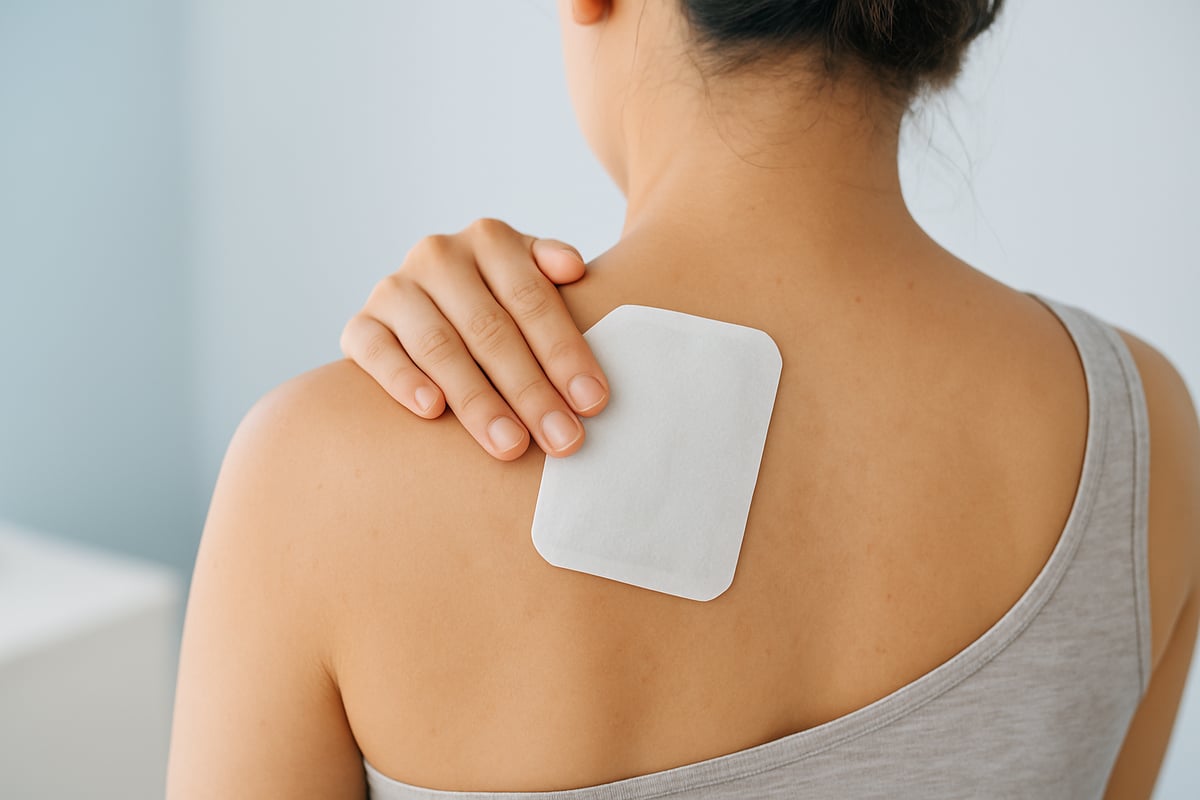
What Are Muscle Patches and How Do They Work?
Muscle patches for pain relief are topical products designed to deliver active ingredients directly to the affected area through the skin. Unlike oral medications, which must pass through the digestive system, these patches use transdermal technology to target pain at its source.
The mechanism behind muscle patches for pain relief centers on transdermal delivery. This approach allows for a controlled release of medication, maintaining steady levels right where you need relief. By bypassing the digestive tract and liver, users can avoid many systemic side effects, such as stomach upset or drowsiness, that are common with oral painkillers.
Common active ingredients found in muscle patches for pain relief include:
- Menthol, which provides a cooling sensation and reduces discomfort
- Lidocaine, a local anesthetic that numbs nerve endings
- NSAIDs (nonsteroidal anti-inflammatory drugs) to reduce inflammation
- Capsaicin, which delivers gentle heat and disrupts pain signals
- Herbal blends with arnica or other plant extracts
There are both medicated patches, containing pharmaceutical agents, and non-medicated options that use natural or physical mechanisms like heat or cooling. For example, a lidocaine patch is often chosen for nerve pain, while menthol patches are popular for general muscle soreness.
Clinical studies have demonstrated the effectiveness of muscle patches for pain relief. Data shows up to a 40% greater reduction in musculoskeletal pain compared to placebo. This evidence is further supported by a recent systematic review and meta-analysis evaluating the efficacy of transdermal anti-inflammatory patches in treating both acute and chronic pain.
Muscle patches for pain relief are especially useful in cases such as:
- Acute sports injuries
- Chronic back or joint pain
- Post-exercise soreness
- Arthritis and other inflammatory conditions
These patches are well suited for athletes seeking fast recovery, desk workers managing tension, and anyone looking for non-oral pain relief.
Key Benefits of Muscle Patches
Muscle patches for pain relief provide targeted comfort exactly where it is needed. Unlike oral medications, which affect the whole body, patches focus relief on sore muscles or joints, minimizing unwanted effects elsewhere.
Some standout benefits include:
- Sustained relief for 8 to 12 hours, reducing the need for frequent reapplication
- Non-drowsy and non-invasive, making them safe for daytime use
- Simple application, with no mess or complicated steps
- Effective for a range of pain types, including sprains, strains, and inflammation
Another key advantage of muscle patches for pain relief is the reduced risk of gastrointestinal distress, which can occur with traditional oral painkillers. This makes them a smart choice for those with sensitive stomachs or who need ongoing pain management.
Muscle patches for pain relief are also versatile, fitting into various lifestyles. Athletes can use sweat-resistant patches during intense training, while professionals may prefer discreet, long-wear options for the office. People managing chronic pain can integrate patches into their daily routines for consistent support.
For both acute injuries and long-term conditions, muscle patches for pain relief deliver effective, convenient, and reliable results, helping users move more freely and comfortably.
Types of Muscle Patches: Choosing the Right One for Your Needs
Choosing the right muscle patches for pain relief can make a significant difference in your daily comfort and recovery. With so many options available, understanding the distinctions and best uses is crucial for effective pain management.
Medicated vs. Non-Medicated Patches
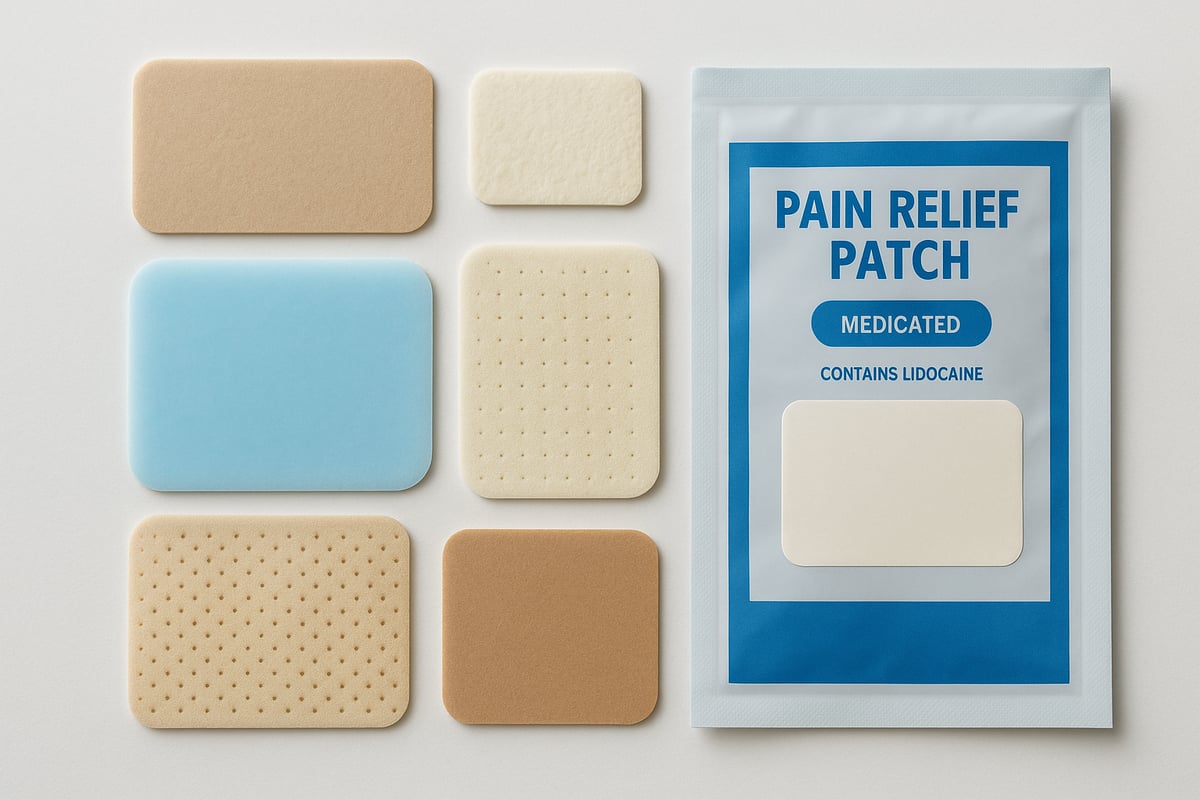
Muscle patches for pain relief fall into two main categories: medicated and non-medicated. Medicated patches contain pharmaceutical ingredients such as NSAIDs or lidocaine, which directly address pain and inflammation. Non-medicated patches, on the other hand, rely on natural or physical methods like menthol, heat, or cooling effects to provide symptom relief.
Here’s a quick comparison:
| Feature | Medicated Patches | Non-Medicated Patches |
|---|---|---|
| Main Ingredients | NSAIDs, lidocaine, capsaicin | Menthol, herbal blends, heat/cool |
| Targeted Conditions | Nerve pain, inflammation | Muscle soreness, swelling |
| Prescription Needed | Sometimes | Rarely |
| Onset of Relief | Rapid, direct | Gradual, soothing |
| Systemic Side Effects | Minimal | None |
For example, lidocaine patches are often chosen for nerve pain, while menthol patches are popular for muscle soreness. Some users also turn to CBD patches for pain relief for a plant-based approach that combines targeted delivery with natural ingredients.
Muscle patches for pain relief offer both immediate and sustained comfort, depending on the type selected. Knowing which category fits your needs is the first step in effective pain management.
Popular Patch Types and Their Best Uses
The market for muscle patches for pain relief continues to grow, offering a variety of specialized options:
- Cooling patches: Best for reducing acute swelling and muscle inflammation, especially after injuries or intense workouts.
- Heating patches: Ideal for relaxing stiff muscles and managing chronic pain, such as lower back discomfort.
- Herbal patches: Incorporate natural extracts like capsaicin or arnica, providing gentle, steady relief for those seeking plant-based solutions.
- Prescription-strength patches: Reserved for severe or persistent pain, these require medical supervision for safe use.
Each type of patch offers unique benefits. Cooling patches are excellent after a strain, while heating patches promote blood flow and flexibility during recovery. Herbal patches suit those who prefer minimal synthetic ingredients, and prescription patches address complex or unresponsive pain.
Muscle patches for pain relief can be tailored to fit your situation, whether you are an athlete dealing with post-exercise soreness or managing chronic joint pain at home. Choosing the right type ensures you get targeted, long-lasting comfort.
Factors to Consider When Selecting a Patch
When selecting muscle patches for pain relief, several personal and practical factors come into play:
- Pain type: Acute injuries may benefit from cooling patches, while chronic pain often responds better to heating or medicated patches.
- Skin sensitivity: If you have allergies or sensitive skin, choose hypoallergenic or herbal options.
- Duration and lifestyle: Consider long-wear or sweat-resistant patches for active days, or discreet patches for workplace use.
- Budget and availability: Over-the-counter patches are widely accessible, but some prescription options may be covered by insurance.
For instance, professionals may prefer discreet patches that last through long workdays, while athletes might need patches that stay put during intense activity. Taking these factors into account helps you find the most effective and comfortable muscle patches for pain relief.
The Science Behind Muscle Patches: What Research Says
Muscle patches for pain relief have rapidly advanced, offering a modern solution that stands on solid scientific ground. Understanding how these innovative products work, and what the research reveals about their efficacy and safety, is essential for anyone seeking reliable pain management.
How Transdermal Patches Deliver Pain Relief
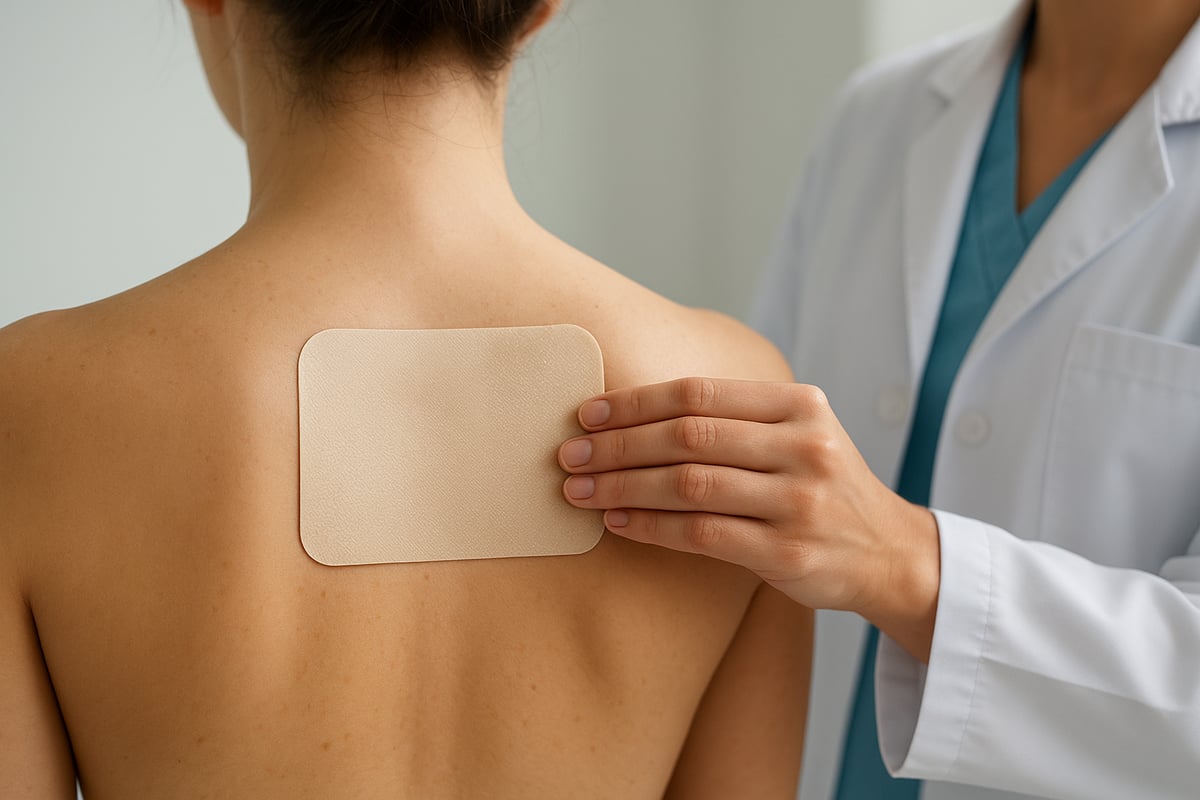
Muscle patches for pain relief work by delivering active ingredients through the skin directly to the affected area. This transdermal method bypasses the digestive system, ensuring that medication reaches the pain site faster and more efficiently.
Unlike oral medications, which must travel through the stomach and liver, muscle patches for pain relief provide a steady, localized dose. This approach helps maintain therapeutic levels at the target site while minimizing the risk of systemic side effects.
Here is a quick comparison:
| Delivery Method | Onset Time | Side Effects Risk | Localized Effect |
|---|---|---|---|
| Oral Medication | Slower | Higher | No |
| Muscle Patch (Transdermal) | Faster | Lower | Yes |
Common ingredients in muscle patches for pain relief include NSAIDs, lidocaine, menthol, and herbal extracts. Each is chosen for its ability to penetrate the skin barrier and act directly at the source of discomfort.
Evidence-Based Effectiveness
Scientific studies have consistently demonstrated that muscle patches for pain relief can significantly reduce discomfort in a variety of conditions. For example, randomized controlled trials have shown up to 40 percent greater pain reduction compared to placebo, especially in musculoskeletal injuries and chronic pain scenarios.
Transdermal patches are also favored for their rapid onset and sustained effect. Clinical research, such as the transdermal ketoprofen for muscle soreness, indicates that certain patch formulations can effectively decrease post-exercise muscle soreness, making them popular among athletes and physically active individuals.
Physical therapists and clinicians often recommend muscle patches for pain relief as adjunctive therapy. Their targeted delivery means that patients can experience relief without the drowsiness or gastrointestinal upset often linked to oral medications.
Safety and Limitations
While muscle patches for pain relief are generally considered safe, users should be mindful of potential skin reactions, such as redness or irritation. Rotating application sites and carefully following instructions can help prevent these issues.
Not every individual or pain type is suited to muscle patches for pain relief. For example, they should not be applied to open wounds or severely damaged skin, and people with known allergies to specific ingredients must choose patches carefully.
Some active ingredients, like capsaicin, may cause a burning sensation, particularly for those with sensitive skin. Monitoring for adverse reactions is essential, and discontinuing use if severe irritation occurs is recommended.
In summary, muscle patches for pain relief offer a scientifically validated, user-friendly option for those seeking targeted, effective, and convenient pain management.
Step-by-Step Guide: How to Use Muscle Patches for Maximum Relief
Applying muscle patches for pain relief properly is essential for achieving the greatest benefit. This step-by-step guide walks you through each stage, from preparing your skin to integrating patches into your daily routine. Follow these expert-backed instructions to maximize comfort and effectiveness.
Step 1: Prepare the Skin
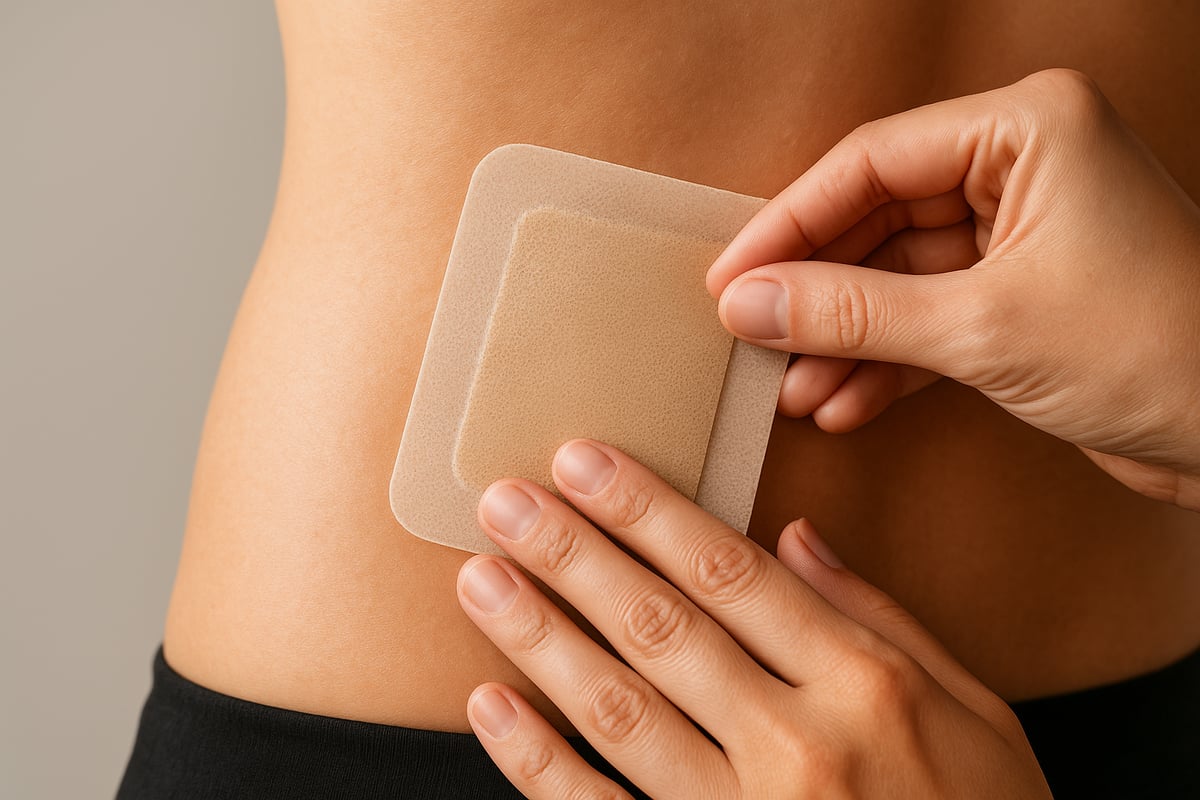
Start by cleaning the area where you plan to use muscle patches for pain relief. Use mild soap and warm water, then gently pat the skin dry. This removes oils, sweat, and residue that could interfere with adhesion.
Avoid applying lotions or creams before using the patch. If you have sensitive skin, test a small patch on your arm first. Watch for redness or irritation before applying a full-sized patch to the target area.
Clean, dry skin ensures optimal contact, helping muscle patches for pain relief deliver their active ingredients efficiently.
Step 2: Apply the Patch Correctly
Place the patch directly over the source of discomfort for targeted relief. Smooth out any air bubbles to ensure full contact with your skin. This step is crucial for muscle patches for pain relief to work as intended.
Do not overlap patches on the same area. Use only one patch at a time unless directed otherwise by a healthcare provider. Make sure the patch is firmly pressed onto the skin, especially at the edges, to prevent peeling during movement.
If you are using patches on joints or curved areas, gently flex the joint before application to allow for natural movement without pulling.
Step 3: Wear and Monitor
Wear muscle patches for pain relief for the recommended duration, typically between 8 and 12 hours. Always check the product instructions for specific timing.
Monitor your skin during use. If you feel burning, itching, or notice redness, remove the patch immediately. Some mild warmth or cooling is normal, depending on the active ingredient, but persistent discomfort is a sign to stop.
For patches with weaker adhesive, avoid excessive movement or sweating to prevent the patch from slipping or detaching.
Step 4: Remove and Reapply Safely
When the wear time is up, gently peel off the patch. Wash the area with warm water to remove any residue. Wait at least 4 to 6 hours before applying another patch to the same spot to reduce the risk of irritation.
Rotate application sites if you plan to use muscle patches for pain relief regularly. This helps the skin recover and prevents sensitivity or breakdown.
Never apply patches to broken, irritated, or sunburned skin. If irritation develops, switch to a different area or consult a healthcare professional.
Step 5: Integrate Into Your Routine
For best results, use muscle patches for pain relief as part of your recovery plan. Apply after workouts to target delayed onset muscle soreness or before activity to manage chronic discomfort.
Pair patches with stretching, gentle massage, or hydration to support overall muscle health. Desk workers can benefit from discreet patches during long shifts, while athletes should select sweat-resistant options for active days.
Interested in advanced options? Explore the Benefits of CBD oil patches to see how they may fit into your pain management strategy.
Tips for Best Results
- Always follow the specific instructions on your patch’s packaging.
- Choose sweat-resistant muscle patches for pain relief on high-activity days.
- Avoid using multiple products with the same active ingredient at once.
- Consult your healthcare provider if pain persists or worsens.
- Allow your skin to breathe between applications to minimize irritation.
By following these steps, you can maximize the effectiveness of muscle patches for pain relief and support your path to a more comfortable, active lifestyle.
Common Mistakes and Troubleshooting Muscle Patch Use
Muscle patches for pain relief can be highly effective, yet common mistakes can limit their benefits or cause unwanted side effects. Knowing how to avoid and troubleshoot these issues will help you get the most from your pain management routine.
Poor Adhesion and Application Errors
One of the most frequent challenges with muscle patches for pain relief is poor adhesion. This can result from applying patches to moist skin, using lotions beforehand, or excessive movement causing the patch to peel. To ensure optimal stick, always clean and dry the area thoroughly before application. Choose patches with high-quality adhesives, especially for active lifestyles. If needed, medical tape can help secure the patch, but avoid covering the medicated area itself.
- Always start with a clean, dry surface.
- Avoid applying patches after using creams or oils.
- Select sweat-resistant options for workouts.
Proper application ensures that the active ingredients in muscle patches for pain relief reach the affected area efficiently.
Skin Reactions and Sensitivities
Some individuals may experience burning, redness, or irritation from certain ingredients in muscle patches for pain relief, such as menthol or capsaicin. Always test a small area first, especially if you have sensitive skin. If persistent irritation occurs, discontinue use and consider hypoallergenic or herbal patches as alternatives.
For example, high-concentration capsaicin patches are effective but can cause notable skin sensations. Learn more about their use and safety in clinical practice in this Capsaicin 8% dermal patch in clinical practice review.
- Rotate patch sites to prevent skin fatigue.
- Choose patches labeled for sensitive skin if you have allergies.
Timing and Reapplication Issues
Incorrect timing is a common error when using muscle patches for pain relief. Overuse, such as reapplying patches too soon, may lead to skin irritation or excessive medication absorption. On the other hand, waiting too long between applications can disrupt pain control, reducing effectiveness. Always follow the product's instructions for recommended intervals.
- Set reminders for patch changes.
- Never overlap patches unless directed by a healthcare provider.
Consistency and proper timing can make a significant difference with muscle patches for pain relief.
Ineffective Pain Relief
Sometimes, users report little or no pain relief from muscle patches for pain relief. This could be due to selecting the wrong patch type for the pain source, or not placing the patch directly over the area of discomfort. For instance, cooling patches are best for acute injuries, while heating or medicated patches are more suitable for chronic muscle pain.
- Match the patch type to your pain (cooling for acute, heating for chronic).
- Ensure direct placement over the painful area.
If pain persists, consult a healthcare professional for a different approach.
Combining with Other Pain Relief Methods
Muscle patches for pain relief can often be used alongside other therapies, such as stretching, massage, or oral medications. However, avoid layering multiple products with similar ingredients to prevent overdosing. Always read ingredient lists and consult with your provider when using several pain relief methods.
- Do not use multiple patches with the same active ingredient simultaneously.
- Seek professional advice for complex pain management.
Integrating different therapies wisely can optimize your results with muscle patches for pain relief.
Integrating Muscle Patches Into a Holistic Pain Relief Plan
Achieving long-term relief from muscle discomfort requires more than just quick fixes. Integrating muscle patches for pain relief into a comprehensive plan can help you address symptoms while supporting overall recovery and prevention. By combining targeted patch therapy with proven lifestyle strategies, you can optimize comfort and mobility.
Building a Comprehensive Recovery Routine
Muscle patches for pain relief work best as part of a multi-faceted recovery plan. Start by pairing patch use with physical therapy or guided mobility exercises. This helps restore muscle function and flexibility while patches target localized discomfort.
Support your body's healing with adequate hydration and balanced nutrition, as these factors are critical for muscle repair. Incorporate massage or foam rolling to further reduce soreness and enhance blood flow. Finally, use patches pre- or post-activity to prevent pain flare-ups and speed up recovery.
- Combine with regular stretching or yoga
- Schedule patch use after intense workouts
- Support with adequate sleep and stress management
Lifestyle Considerations
Every lifestyle demands a tailored approach to muscle patches for pain relief. Athletes should choose sweat-resistant, long-wear patches that remain effective during rigorous training. Desk workers may benefit from discreet, extended-release patches that provide steady relief throughout long workdays.
For chronic pain sufferers, regular patch application can be synchronized with other therapies, such as scheduled exercise or medication. Always consider skin sensitivity and opt for hypoallergenic options if needed. Adapt your patch routine based on daily activity, pain levels, and environmental factors.
Expert Tips for Maximizing Results
To get the most from muscle patches for pain relief, apply them in alignment with your pain patterns or activity schedule. Alternate between patch types, such as using cooling patches in the evening and warming patches in the morning, to address changing symptoms.
Rotate patch application sites to prevent skin irritation and allow your skin to recover between uses. Integrate patches with evidence-based therapies and monitor your progress to adjust your plan as needed. If using prescription options, review the benefits and safety of long-term use of buprenorphine transdermal patches with your healthcare provider.
When to Seek Professional Help
While muscle patches for pain relief are effective for many, persistent or worsening pain signals the need for professional evaluation. If you experience severe skin reactions, allergies, or if pain does not improve after consistent patch use, consult your healthcare provider.
Chronic or complex pain may require a multidisciplinary approach, including advanced therapies or medical interventions. Never ignore unexplained symptoms or changes in your pain pattern. Timely intervention ensures your pain management plan remains safe and effective.
Buying Guide 2026: Top Muscle Patches for Pain Relief
Navigating the market for muscle patches for pain relief in 2026 can feel overwhelming, given the variety of options and new technologies available. Selecting the right patch requires understanding your pain type, lifestyle needs, and ingredient preferences. This buying guide breaks down what to consider, top-rated options, and common pitfalls, so you can make an informed, confident choice.
What to Look for When Shopping
When choosing muscle patches for pain relief, start by identifying the active ingredients that best match your pain type. Menthol works well for soreness, while lidocaine targets nerve pain. Check patch size and shape to ensure it fits the area you need to treat, such as your back or knee.
Consider how long you want the patch to last. Longer-wear options provide convenience for busy days. If you have sensitive skin, hypoallergenic patches are ideal. Always look for transparent labeling, including third-party testing and a clear list of ingredients. Selecting the right product ensures you get safe, effective relief.
Top-Rated Patch Types and Brands (2026)
The market for muscle patches for pain relief has expanded, with several standout options in 2026. Over-the-counter cooling patches, often menthol-based, are excellent for general muscle soreness and delayed onset muscle soreness (DOMS). Prescription-strength NSAID patches offer targeted relief for chronic inflammation or arthritis.
Herbal and capsaicin patches provide natural alternatives for those seeking plant-based solutions. For active individuals, long-wear and waterproof patches are now widely available. Popular brands include Voltaren for joint pain, Salonpas for mild soreness, and IcyHot for sports recovery. Always choose reputable brands recognized for safety and efficacy.
Budget and Accessibility
Muscle patches for pain relief are available in a broad price range, from affordable over-the-counter options to premium prescription products. Some insurance plans may cover the cost of certain prescription-strength patches, which can help manage ongoing pain affordably.
You can find patches at most pharmacies, online retailers, and specialty wellness stores. Compare prices and package sizes to find the best value. For those with chronic pain, buying in bulk may reduce costs over time. Accessibility has improved, making quality patches easier to obtain for all lifestyles.
Red Flags and What to Avoid
When shopping for muscle patches for pain relief, avoid products with unlabeled or untested ingredients. Strong synthetic adhesives may cause irritation, especially for sensitive skin users. Steer clear of patches containing parabens or unnecessary fillers that do not contribute to pain relief.
Always check for clear expiration dates and proper storage instructions. If a product lacks transparent labeling or third-party verification, consider alternative, better-documented brands. Making informed choices helps you avoid adverse reactions and ensures consistent, reliable results.
Frequently Asked Questions (FAQs)
- How quickly do patches work? Most patches begin to relieve pain within 30 minutes, with effects that last between 4 and 12 hours.
- Are patches safe for daily use? Yes, provided you follow usage instructions and monitor your skin.
- Can I wear patches while sleeping or exercising? Absolutely, just select patches designed for extended wear and check your skin regularly.
- Which patch is best for sprains versus chronic pain? Cooling patches are ideal for sprains, while heating or medicated patches work best for chronic pain.
This buying guide gives you the foundation to select the most effective and safe muscle patches for pain relief, tailored to your needs.
After exploring how muscle patches can offer targeted pain relief and learning which options work best for your needs, it’s clear that taking control of your comfort starts with making informed choices. Whether you’re managing chronic aches, recovering from a workout, or simply looking for a safe, noninvasive way to feel better, you deserve solutions that are both effective and trustworthy. If you’re ready to experience relief backed by science and quality, I encourage you to explore premium CBD hemp oil products that prioritize transparency and customer care. Start your journey to better pain management—Get Relief Now!
