Chronic pain touches millions of lives, often leaving people searching for relief that is both effective and safe. The growing interest in pain cbd reflects a desire for natural options that do not rely on harsh medications.
This Pain CBD Guide 2026 explores how CBD is transforming the landscape of pain management. You will discover what CBD is, how it works for pain, the latest scientific findings, safety tips, product selection strategies, and step-by-step guidance to help you unlock natural relief.
If you are seeking trustworthy answers and a path forward, this guide is designed for you.
Understanding CBD: What It Is and How It Works for Pain
CBD is gaining attention as a natural option for managing persistent pain. In this section, we break down what CBD is, how it interacts with your body, the science behind its pain-relieving properties, and the types of pain it may address. Understanding these fundamentals is key to making informed decisions about pain cbd solutions.
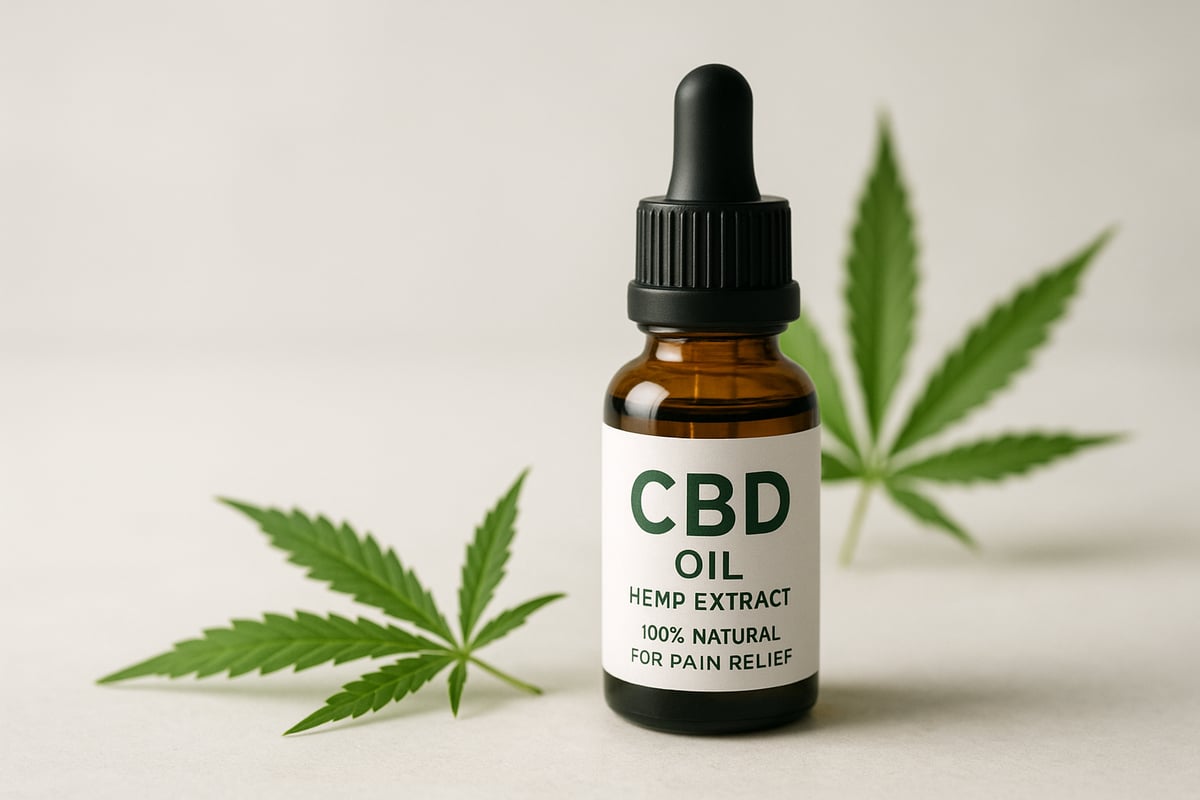
What Is CBD?
Cannabidiol, or CBD, is a naturally occurring compound found in the hemp and cannabis plants. Unlike THC, CBD is non-psychoactive, meaning it will not produce a "high." This distinction is crucial for those seeking pain cbd options without mind-altering effects.
CBD is typically extracted from hemp, which contains less than 0.3% THC, making it legal in the US under federal law. Common forms include oils, capsules, and topicals, each offering unique benefits and delivery methods. While the FDA has approved CBD for certain types of epilepsy, it has not yet approved it for pain relief.
With over 400 compounds in cannabis, CBD stands out as one of the most researched for pain. Its growing popularity among chronic pain sufferers highlights its potential as a natural, accessible solution.
The Endocannabinoid System and Pain Regulation
The endocannabinoid system (ECS) plays a central role in maintaining balance within the body, especially for pain regulation. This complex network of receptors, primarily CB1 and CB2, is found throughout the brain, nervous system, and immune cells.
When you use pain cbd products, CBD interacts with these ECS receptors. This interaction helps modulate pain signals, control inflammation, and influence mood and immune responses. For example, ECS activity is linked to conditions like arthritis and fibromyalgia, where pain and inflammation are prominent.
Researchers see the ECS as a promising target for future therapies. By supporting ECS function, CBD may help restore balance and reduce discomfort in those with chronic pain.
Mechanisms: How CBD May Relieve Pain
CBD’s pain-relieving effects are rooted in its anti-inflammatory and neuroprotective properties. It can reduce cytokine activity, which lowers inflammation, and inhibit pain signaling pathways in the nervous system. This dual action is why pain cbd is being explored for both neuropathic and inflammatory pain.
Animal studies show that CBD can decrease pain behaviors, offering hope for human applications. In addition, CBD may indirectly support pain relief by improving sleep quality and reducing anxiety, both common in chronic pain conditions.
For a deeper dive into the science behind these effects, see How CBD Relieves Chronic Pain, which explores the mechanisms and research supporting pain cbd use.
Types of Pain CBD May Address
Pain cbd products are used by individuals facing a range of conditions. These include chronic pain from arthritis, fibromyalgia, neuropathy, and musculoskeletal disorders. CBD is also considered for acute pain and injury recovery.
According to the Arthritis Foundation, user reports on CBD’s effectiveness are mixed but show promise, especially for arthritis-related discomfort. Nearly one in four US adults lives with arthritis pain, creating a significant demand for safe alternatives.
It is important to note that CBD is best viewed as a complementary therapy, not a substitute for prescribed treatments. Its role in pain management continues to evolve as research expands.
The Latest Science: What Research Says About CBD for Pain Relief
Millions of people are searching for better answers to chronic pain. Scientific research on pain cbd is evolving rapidly, offering a glimpse into how this natural compound may help. Let us explore what leading studies, expert organizations, and real-world users are learning about pain cbd.

Overview of Clinical Evidence
Research into pain cbd has accelerated in recent years. Both animal and human studies suggest that CBD may reduce pain and inflammation. Systematic reviews, such as this Systematic Review on CBD for Chronic Pain, highlight promising results but stress the need for more high-quality trials.
Harvard Health notes that while evidence is encouraging, pain cbd is not yet fully validated by large-scale clinical data. The FDA currently approves CBD only for epilepsy, not for pain. Anecdotal reports often outnumber clinical proof, but ongoing studies aim to close this gap.
CBD for Arthritis and Joint Pain
Arthritis is a leading cause of disability, and many people are turning to pain cbd for relief. The Arthritis Foundation reports that users often experience improvements in pain, sleep, and anxiety. Small clinical trials suggest that transdermal CBD may help reduce hand pain in some patients.
Topical forms of pain cbd may work differently than oral versions, and results can be mixed. Nearly 60 million Americans are diagnosed with arthritis, making more research critical. Larger, well-designed studies are needed to confirm these early findings and guide best practices.
CBD for Neuropathic and Fibromyalgia Pain
Neuropathic pain and fibromyalgia are notoriously difficult to treat. Early studies on pain cbd show some benefit, particularly for nerve pain and conditions like multiple sclerosis. Patients often report improved quality of life and a reduced need for opioids when using pain cbd as part of a broader management plan.
Harvard Health has observed pain cbd may be helpful for specific types of neuropathic pain, but data remains limited. Fibromyalgia research is still in its infancy, making it essential to approach pain cbd as one element in a comprehensive strategy.
Limitations and Gaps in Research
Despite rising interest, pain cbd research faces several hurdles. Many studies combine CBD with THC, making it hard to isolate the effects of pain cbd alone. Dosing and product formulation vary widely, limiting consistency in results. Regulatory barriers further restrict large-scale research.
The FDA has not approved pain cbd for pain management due to insufficient evidence. Ongoing and future studies may soon offer clearer guidance on how pain cbd can best support those in need of relief.
Real-World Experiences and Trends
As clinical research develops, real-world use of pain cbd is surging. Some people report dramatic improvements, while others notice little change. High-quality pain cbd products can be costly, prompting careful consideration of cost versus benefit.
Consumers increasingly demand transparency, third-party lab testing, and clear education about pain cbd. The market is expected to surpass 20 billion dollars by 2026, reflecting a growing desire for safe, natural pain relief options.
CBD Safety, Side Effects, and Drug Interactions
CBD has gained popularity as a natural option for pain cbd relief, but understanding its safety profile is essential. Research shows that most adults tolerate CBD well, yet some users experience side effects. Knowing what to expect and how to use pain cbd safely ensures a positive experience.
Safety Profile of CBD
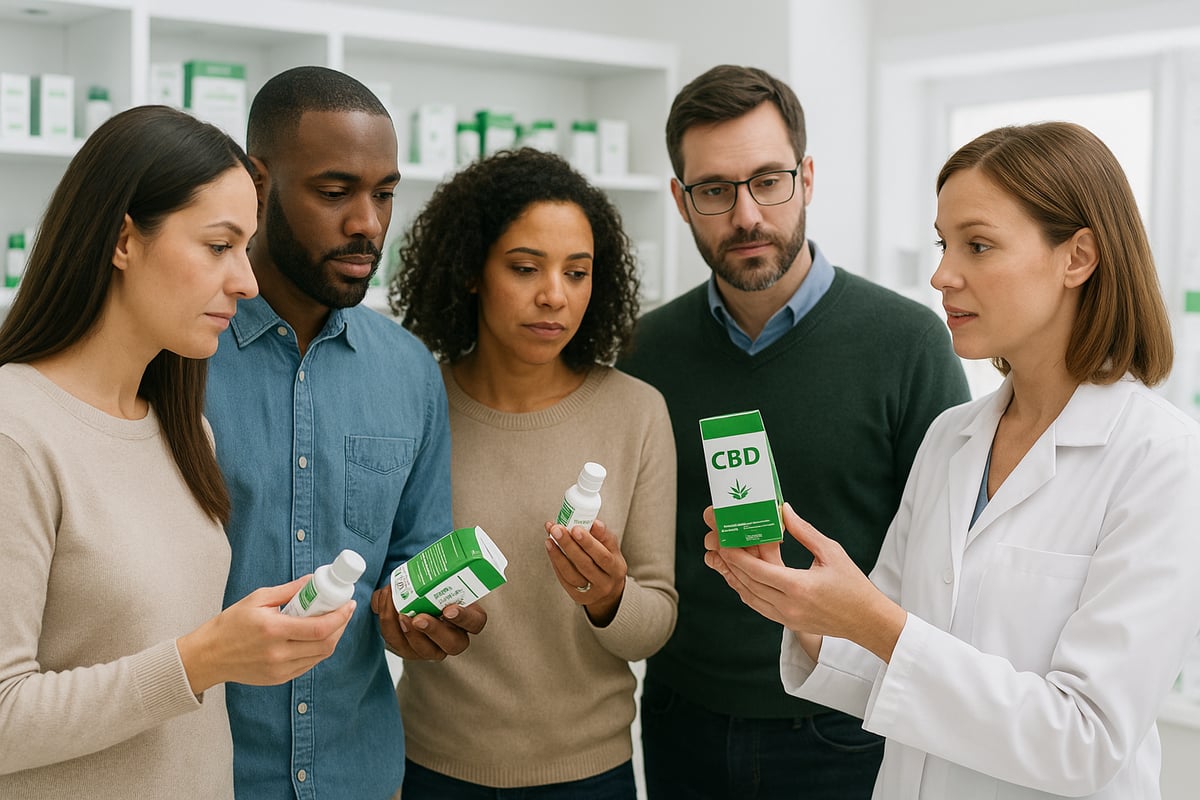
The World Health Organization reports that CBD is generally well-tolerated with a good safety profile for most people using pain cbd. Common side effects include fatigue, drowsiness, changes in mood, diarrhea, appetite or weight fluctuations, and dry mouth. Rare cases of liver inflammation have been documented, mainly at high doses or in those with preexisting liver issues.
It is important to remember that individual responses to pain cbd can vary. Experts at Harvard Health and the Arthritis Foundation emphasize that while CBD is considered safe for most, users should remain cautious and start with low doses. For additional authoritative information on CBD's safety and regulation, see the FDA's CBD Consumer Update.
Drug Interactions and Contraindications
Pain cbd can interact with other medications because it affects liver enzymes responsible for metabolizing many drugs. This may raise blood levels of medicines such as NSAIDs, corticosteroids, certain antidepressants, and blood thinners like warfarin. These interactions could increase side effects or alter a drug’s effectiveness.
The CDC advises avoiding pain cbd during pregnancy. Consulting a healthcare provider before starting is crucial, especially for those already using prescription pain medications or managing chronic conditions. Healthcare professionals can help monitor for adverse effects and tailor recommendations to individual needs.
Quality, Purity, and Labeling Concerns
Due to limited regulation, not all pain cbd products on the market are created equal. Some may contain higher than advertised THC levels, pesticides, heavy metals, or solvent residues. Mislabeling is a frequent issue, making it hard for consumers to know what they are actually using.
To minimize risks, always choose pain cbd products that offer third-party lab testing and a certificate of analysis (COA). Reputable brands will clearly display batch numbers and detailed ingredient lists. Avoid items with vague labeling or no proof of independent testing, as these may pose health risks.
Who Should (and Should Not) Use CBD for Pain?
Pain cbd may be a suitable complementary option for adults seeking natural relief, but it is not a replacement for disease-modifying therapies in conditions like rheumatoid arthritis. It is not recommended for children, pregnant or nursing women, or those with significant liver disease. Edible pain cbd products should be stored safely to prevent accidental ingestion by children or pets.
A personalized approach, guided by medical advice, ensures the safest and most effective use of pain cbd. Regular check-ins with a healthcare provider help optimize results and reduce potential risks.
Choosing the Right CBD Product for Pain Relief
Selecting the right pain cbd product is essential for effective and safe relief. With so many options available, understanding the differences among forms, dosing, and quality can help you make an informed choice. Let us break down the key considerations for finding the best fit for your needs.
Forms of CBD: Pros and Cons
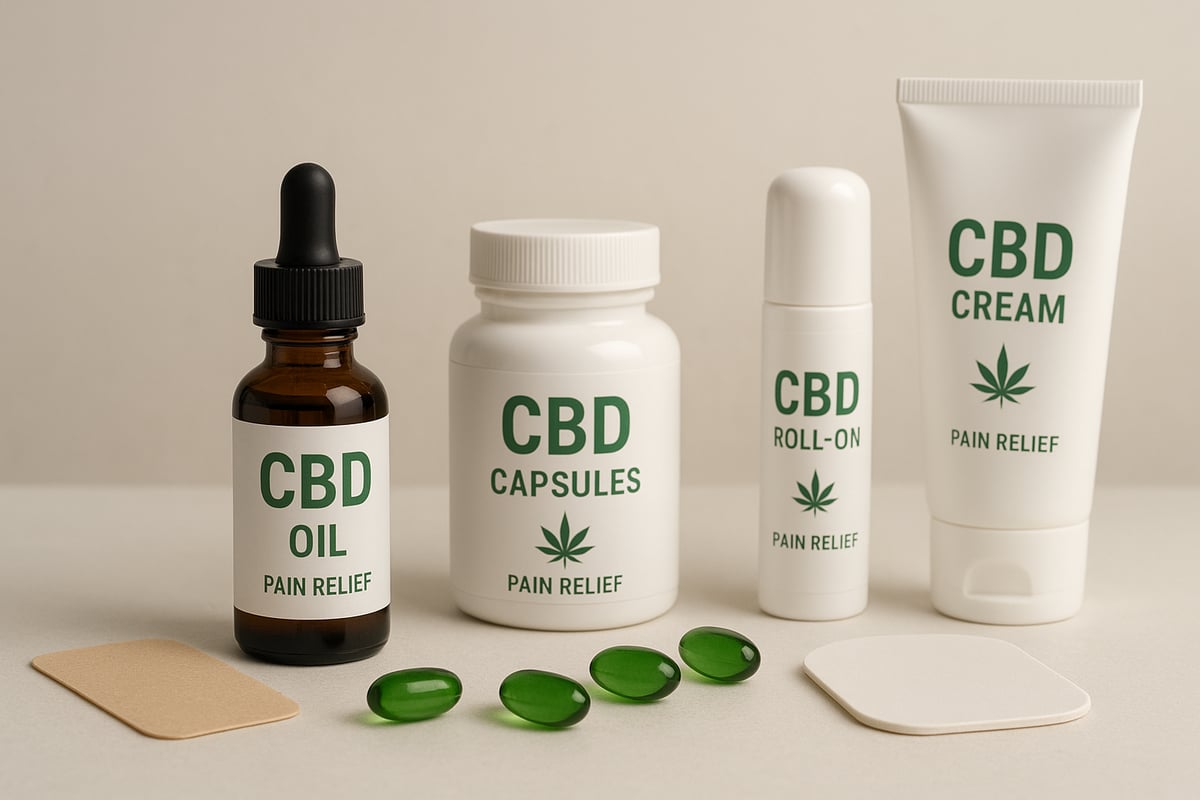
Pain cbd is available in several delivery forms, each offering unique benefits and limitations. Here is a quick comparison:
| Form | Onset Time | Duration | Key Benefit | Consideration |
|---|---|---|---|---|
| Oral (oil, capsules) | 1-2 hours | 4-6 hours | Consistent daily dosing | Slower relief |
| Sublingual (tinctures) | 15-45 min | 4-6 hours | Faster absorption | Taste may be strong |
| Topical (creams, roll-ons) | 10-30 min | Varies | Targeted relief | Absorption varies by skin |
| Edibles | 1-2 hours | 4-8 hours | Discreet, easy dosing | Dosing can be tricky |
| Inhaled | 5-10 min | 2-3 hours | Fastest onset | Not recommended for most |
| Patches | 15-60 min | Up to 24 hrs | Sustained, localized relief | May cause skin irritation |
For those seeking long-lasting, localized relief, CBD patches for pain management offer a convenient and effective option. Choosing the right form of pain cbd depends on your symptoms, lifestyle, and personal preferences.
Dosage Guidelines and Best Practices
Finding the optimal pain cbd dose requires patience and careful tracking. Experts recommend starting low and increasing gradually:
- Begin with 5-10 mg twice daily.
- Track your symptoms, side effects, and response in a journal.
- Adjust the dose every few days as needed.
- Do not exceed recommended maximums without professional advice.
Consistency is vital for chronic pain management. Everyone responds differently to pain cbd, so individual experimentation is necessary. If you notice no improvement after several weeks, consult your provider before making changes.
What to Look for When Shopping for CBD
Quality and transparency matter when choosing a pain cbd product. Use this checklist to evaluate your options:
| Checkpoint | Why It Matters |
|---|---|
| Third-party lab testing | Confirms potency and purity |
| COA (Certificate of Analysis) | Ensures product matches label |
| Clear ingredient list | Identifies unwanted additives |
| Batch number | Enables traceability |
| US-manufactured | Meets federal standards |
Avoid brands with vague labels or missing lab results. High-quality pain cbd products will always provide transparent information and independent verification.
Reclaim Labs: Science-Driven CBD Solutions for Chronic Pain
Reclaim Labs stands out in the pain cbd space with their focus on science, safety, and customer empowerment.
- Premium, third-party lab-tested CBD hemp oil products.
- Broad and full-spectrum formulas for arthritis, fibromyalgia, and autoimmune pain.
- Options include oils, topical roll-ons, and transdermal patches.
- Founded by a chronic pain survivor, prioritizing transparency and education.
- Free shipping and satisfaction guarantee for peace of mind.
Reclaim Labs equips users with resources and guidance to make the most of pain cbd for their unique needs.
Avoiding Common Pitfalls and Scams
With the rapid growth of the pain cbd market, some products make unrealistic claims or lack quality controls. Protect yourself by:
- Avoiding "miracle cure" promises.
- Steering clear of products without lab results.
- Understanding the difference between full-spectrum, broad-spectrum, and isolate CBD.
- Checking for illegal THC levels or contaminants.
- Being wary of deep discounts and unverified sellers.
Education and vigilance are your best defenses against pain cbd scams.
Cost, Accessibility, and Legal Considerations
Pain cbd quality often comes at a price. Here is what to keep in mind:
| Factor | Details |
|---|---|
| Cost | Premium products can be expensive |
| Accessibility | Available online and in stores, but varies |
| Insurance | Rarely covers CBD for pain |
| Legal status | Hemp-derived CBD is federally legal (<0.3% THC) |
| Employment | Trace THC may impact drug tests |
Always check your state’s laws and workplace policies before purchasing pain cbd. Choose reputable suppliers to ensure safety and compliance.
Step-by-Step Guide: Integrating CBD into Your Pain Management Plan
Living with chronic pain often means searching for new strategies. Integrating pain cbd into your routine can be a game-changer, but a thoughtful, stepwise approach is essential. Use this practical guide to confidently make cbd part of your pain management plan.
Step 1: Consult Your Healthcare Provider
Before starting pain cbd, schedule a conversation with your doctor or healthcare provider. Share your interest in cbd, your pain history, and any current medications. This step protects you from potential drug interactions and helps tailor a plan to your needs.
Some medications may interact with cbd, impacting how your body processes them. For a detailed overview of safety and interactions, see Harvard Health on CBD and Medications. Your provider may recommend blood tests or dose adjustments to ensure safe use.
Step 2: Choose the Right Product and Delivery Method
Selecting the most suitable pain cbd product depends on your pain type and lifestyle. Options include oral oils, capsules, topicals, and edibles. For joint pain, a topical roll-on may offer targeted relief. Widespread or neuropathic discomfort often responds better to oral oils or capsules.
Think about onset time and how long you want relief to last. If you need quick results, sublingual tinctures act faster than edibles. Always check for third-party lab testing and clear labeling to ensure quality and safety.
Step 3: Start with a Low Dose and Monitor Effects
Begin pain cbd with the lowest recommended dose, typically 5–10 mg twice daily. Track your symptoms, side effects, and overall experience in a diary or app. Adjust your dose gradually every few days, only increasing if you notice no improvement.
Here’s a simple tracking table to help:
| Day | Dose (mg) | Pain Level (1–10) | Notes |
|---|---|---|---|
| 1 | 5 | 7 | Mild drowsiness |
| 2 | 5 | 6 | Slight improvement |
| 3 | 10 | 6 | No new side effects |
If you do not experience relief after several weeks, consider stopping or consulting your provider for other options.
Step 4: Evaluate Outcomes and Adjust as Needed
After a trial period, assess the impact of pain cbd on your daily life. Are you experiencing meaningful pain relief? Has your sleep or mood improved? Some people find the best results by combining cbd with physical therapy, gentle exercise, or dietary changes.
Discuss your progress with your provider. Adjust your plan if needed, and consider integrating other therapies for a holistic approach. Regular evaluation ensures you get the most benefit and avoid unnecessary risks.
Step 5: Long-Term Use, Cost Management, and Legal Awareness
If pain cbd is effective, plan for safe, sustainable use. Monitor for side effects or changes in how your body responds. Quality cbd can be costly, so look for discounts, subscription services, or assistance programs.
Stay informed about local laws and employer policies regarding cbd, especially since trace amounts of THC may be present. Use reputable suppliers who provide transparent lab results and educational resources to stay compliant and safe. Ongoing education and regular check-ins with your provider will help you navigate long-term use confidently.
The Future of Pain Management: CBD and Beyond in 2026
As we look to 2026, the landscape of pain cbd is rapidly evolving. Advances in technology, research, and policy are shaping new opportunities for those seeking relief. The next few years promise a transformation in how pain cbd is integrated into mainstream care, with a focus on innovation, safety, and patient empowerment.
Emerging Research and Innovations
Innovation is at the heart of the next wave in pain cbd. Scientists are developing advanced delivery systems like nano-emulsions, which improve absorption and offer faster results. Transdermal patches and targeted formulations are being designed for long-lasting, localized relief.
Personalized medicine is also gaining traction. In the near future, genetic profiling may help predict how individuals respond to pain cbd, optimizing treatment plans. Ongoing clinical trials are exploring cbd for pain related to inflammation and autoimmune disorders. Patent-pending products are now aiming for 24-hour relief, which could be a game changer for chronic pain sufferers.
The global market for pain cbd continues to expand, driving investment in research and new product development. These innovations promise more effective and tailored solutions for those living with persistent pain.
Regulatory and Policy Developments
Regulation around pain cbd is tightening, with the potential for FDA approval of certain cbd products for pain on the horizon. Stricter standards for product labeling, testing, and marketing are being implemented to protect consumers. State and federal laws are evolving, reflecting a trend toward greater acceptance and oversight.
A key driver of these changes is the growing body of safety research, such as the FDA's CBD Safety Literature Review, which informs policy and helps ensure products meet quality standards. Increased demand for certificates of analysis and transparency from brands is shaping the regulatory environment.
As oversight improves, consumers can expect safer and more reliable pain cbd options. Regulatory progress also builds trust, encouraging more healthcare providers to recommend cbd as part of pain management.
Integrative and Holistic Pain Management
The future of pain cbd lies in a holistic approach. Rather than relying on a single solution, patients and providers are embracing cbd as part of a broader pain management toolkit. This includes exercise, nutrition, physical therapy, and mind-body practices.
Healthcare professionals are playing a larger role in guiding patients through integrative care plans. For example, leading institutions recommend combining pain cbd with lifestyle changes to maximize relief. This whole-person approach helps address both the physical and emotional aspects of chronic pain.
By integrating pain cbd with established therapies, individuals may achieve better outcomes and long-term well-being.
Consumer Empowerment and Education
Empowered consumers are driving the evolution of pain cbd. The rise of educational resources, patient advocacy groups, and online communities is making it easier for individuals to make informed choices.
Patients are demanding clear information about product ingredients, safety, and efficacy. Brands are responding with detailed guides, transparent lab testing, and open communication. This shift toward education and advocacy is helping people take control of their pain cbd journey.
As awareness grows, consumers are better equipped to find safe, effective, and personalized solutions for their pain. The future is bright for those seeking natural relief through pain cbd.
As you’ve discovered throughout this guide, finding the right CBD solution for chronic pain is about more than just relief—it’s about reclaiming your quality of life with confidence and clarity. Whether you’re navigating arthritis, fibromyalgia, or other persistent pain, knowing what to look for and where to start is essential. At Reclaim Labs, you’ll find rigorously tested, transparent CBD products designed with your well-being in mind. If you’re ready to explore natural, science-driven options and take the next step toward lasting comfort, I encourage you to Get Relief Now!