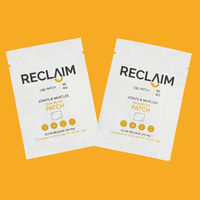
Imagine waking up free from persistent pain, energized to start your day, and not constantly thinking about when to take your next pill. For many, pain med patches offer this kind of relief, providing a modern approach to pain management. This essential guide to pain med patches in 2025 will help you understand how these patches work, their unique benefits, and how you can use them safely and effectively.
We will break down the science behind pain med patches, highlight the latest innovations, and compare the top options available. You will also find a practical step-by-step usage guide, safety information, and expert tips to help you maximize relief. If you are looking for a reliable, convenient, and informed way to manage pain, this handbook will empower you to make the right decisions for your health.
Understanding Pain Med Patches: What They Are and How They Work
Imagine a world where pain relief is as easy as placing a small patch on your skin. That is the promise behind pain med patches, a modern solution designed to deliver targeted relief with less hassle. These innovative patches have transformed the way many people manage chronic and acute pain.
Definition and Brief History of Pain Med Patches
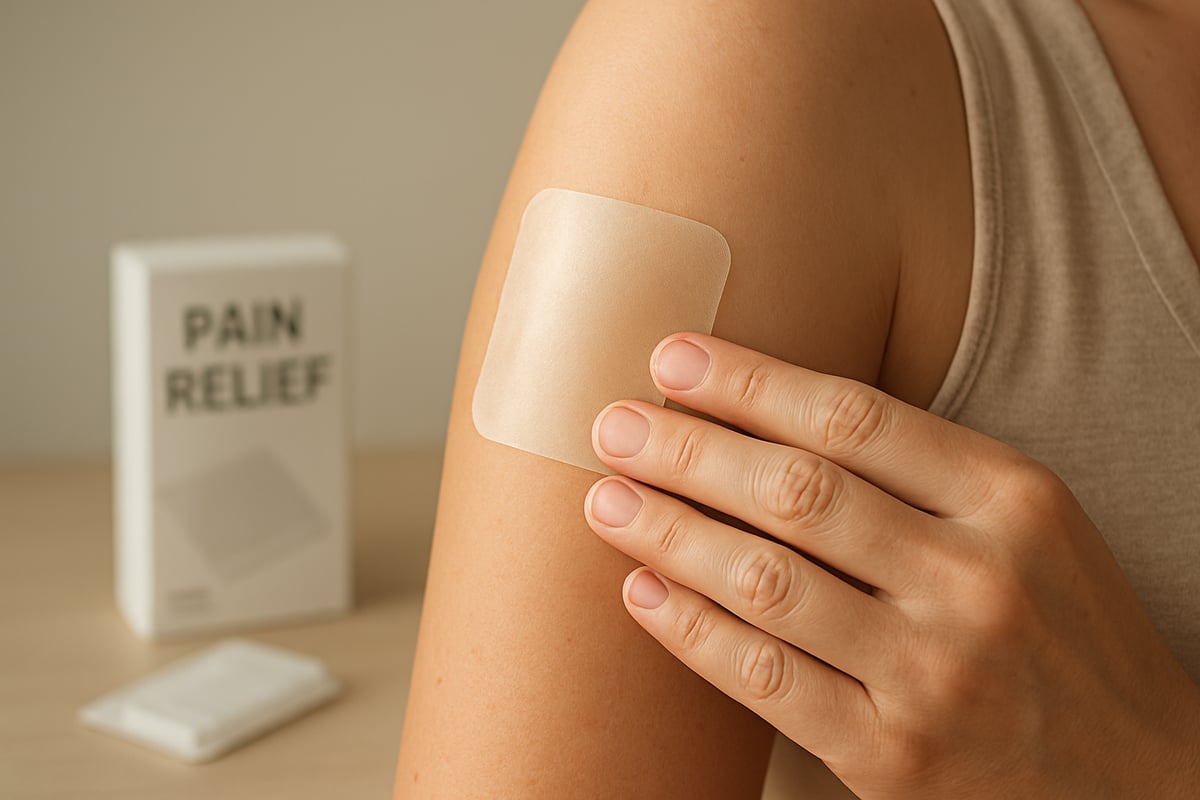
Pain med patches are a form of transdermal delivery system, meaning they release medication through the skin and into the bloodstream. This method was first explored in the late 20th century, with early patches primarily used for motion sickness and nicotine replacement.
Over time, the technology evolved. Key milestones include the introduction of the first opioid pain patch in the 1990s, followed by advances in adhesive materials and controlled-release mechanisms. Today, pain med patches are more precise and user-friendly than ever.
How Pain Med Patches Deliver Medication
The science behind pain med patches centers on transdermal absorption. When applied to the skin, the patch’s medication gradually passes through the outer layers, entering local tissues and then the bloodstream.
This approach allows for a steady, controlled release of medication over several hours or days. Unlike oral or injectable pain medications, pain med patches bypass the digestive system, reducing peaks and valleys in drug levels and minimizing gastrointestinal side effects.
Types of Medications Delivered via Patches
A variety of medications can be delivered via pain med patches. The most common include:
- Opioid patches (such as fentanyl and buprenorphine) for severe chronic pain
- Non-opioid options like lidocaine and diclofenac for localized relief
- Natural ingredient patches using capsaicin, menthol, or herbal extracts
Some newer formulations even combine multiple active ingredients, giving patients more ways to tailor their pain management.
Advantages Over Traditional Pain Medications
Pain med patches offer several benefits compared to pills or injections:
| Advantage | Traditional Meds | Pain Med Patches |
|---|---|---|
| Consistent pain control | No | Yes |
| Reduced gastrointestinal side effects | No | Yes |
| Lower misuse risk (some types) | No | Yes |
This steady delivery helps maintain stable pain relief, with fewer interruptions to daily life.
Common Conditions Treated with Pain Patches
Pain med patches are prescribed for a range of conditions, including:
- Chronic back or neck pain
- Osteoarthritis and joint pain
- Neuropathic pain from nerve damage
- Cancer-related pain
- Post-surgical discomfort or injury recovery
Their versatility makes them suitable for long-term and temporary pain management.
Key Limitations and Considerations
Despite their advantages, pain med patches are not right for everyone. Some patients may experience skin irritation or allergic reactions at the application site. Others may not absorb medication efficiently due to individual skin differences.
Certain patches require a prescription and close monitoring. Regulatory oversight ensures safety, but also means not all patches are widely available or suitable for every pain type.
Current Usage Statistics and Trends
The popularity of pain med patches has grown steadily in recent years. According to Global Pain Relief Patches Market Growth, the global market is projected to reach $7.2 billion by 2025. More patients with chronic pain are choosing patches for their convenience and effectiveness.
Innovations in non-opioid and natural ingredient patches are expected to drive further adoption, making pain med patches an increasingly important tool for modern pain care.
Types of Pain Med Patches in 2025: Innovations and Options
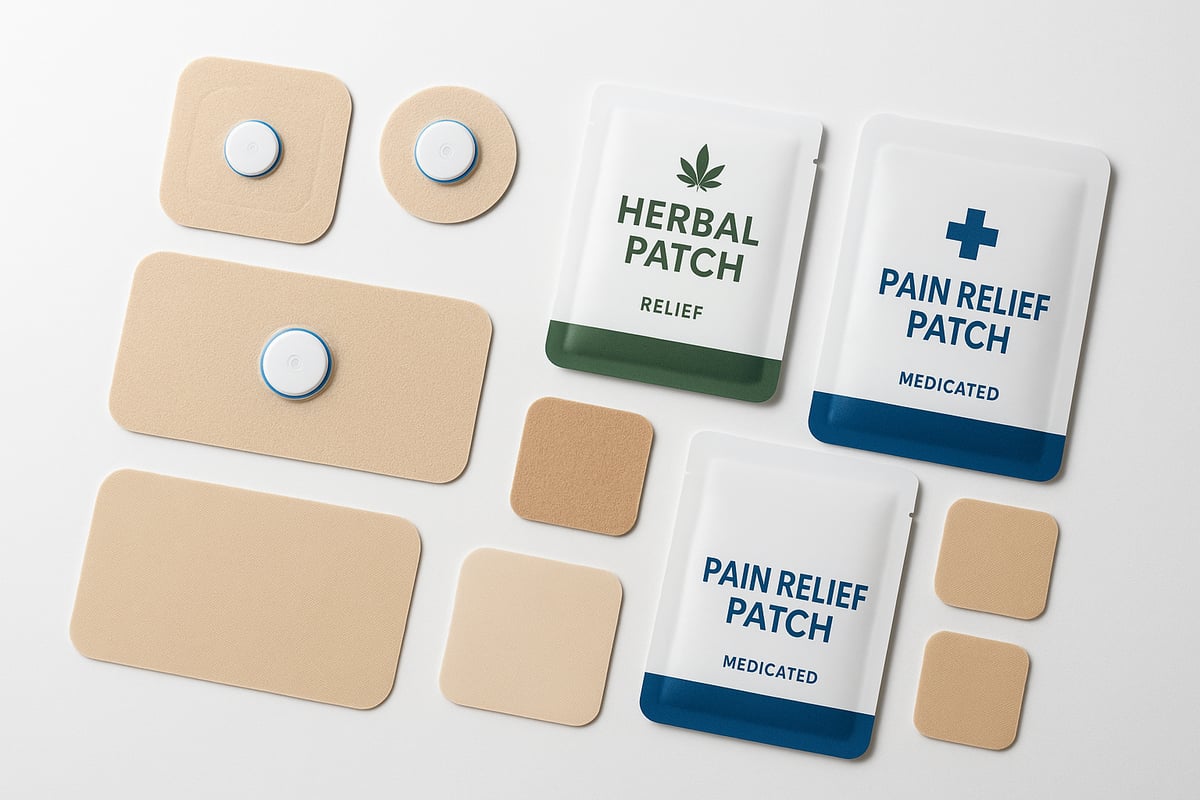
The landscape of pain med patches in 2025 is more diverse and advanced than ever before. Patients and clinicians now have a wide range of transdermal solutions, each designed to address specific pain needs while prioritizing safety, convenience, and effectiveness.
Opioid Pain Patches: Evolving Safety and Regulation
Opioid-based pain med patches, such as fentanyl and buprenorphine, remain vital for managing severe and chronic pain, especially in cancer and palliative care. In 2025, manufacturers have introduced new tamper-resistant technologies to reduce misuse and accidental overdoses.
Recent regulatory changes focus on enhancing patient safety by requiring improved labeling, stricter prescription protocols, and digital tracking systems. These updates help ensure that opioid pain med patches are dispensed appropriately, minimizing risks for both patients and caregivers.
Healthcare providers now receive specialized training on safe prescribing and monitoring of opioid patches. As a result, patients benefit from more personalized pain control, and adverse events have declined in recent years.
Non-Opioid Pharmaceutical Patches
Non-opioid pain med patches have surged in popularity due to their effectiveness for localized and neuropathic pain without the risks associated with opioids. Lidocaine 5 percent patches are a leading option for nerve pain, while diclofenac and other NSAID patches target arthritis and musculoskeletal discomfort.
Clinical trials from 2023 and 2024 have shown significant improvements in pain scores and daily function for users of these patches. Newer formulations offer longer-lasting relief and better skin compatibility.
Market data reveal that non-opioid pain med patches are driving robust growth in the sector, with patients and prescribers seeking safer alternatives. For more in-depth insights on market trends and projections, see Non-Opioid Pain Patches Market Trends.
Non-Pharmaceutical and Alternative Pain Patches
Alternative pain med patches have gained traction among those seeking non-drug solutions. Capsaicin patches, derived from chili peppers, are used for nerve pain and postherpetic neuralgia. Menthol-based patches provide a cooling effect for muscle aches, while herbal patches often blend ingredients like camphor, arnica, or essential oils.
Evidence supporting these alternatives is growing, with several studies demonstrating moderate pain relief for mild to moderate conditions. These pain med patches appeal to patients who prefer natural remedies or who want to avoid pharmaceuticals.
When considering non-pharmaceutical pain med patches, it’s important to review the ingredient list for allergens and consult with a healthcare provider to ensure compatibility with your pain management plan.
CBD and Cannabinoid-Infused Pain Patches
CBD and cannabinoid-infused pain med patches have become a popular choice for individuals interested in plant-based relief. These patches deliver cannabinoids like CBD or CBG through the skin, targeting inflammation and chronic pain at the source.
Mechanisms of action involve interaction with the body’s endocannabinoid system, which regulates pain signaling and immune response. Legal status varies by region, so consumers should verify local regulations and choose products with third-party lab testing for purity and potency.
CBD pain med patches are often used for conditions like arthritis, fibromyalgia, and joint pain. Patients appreciate their non-intoxicating effects and consistent delivery over many hours.
Wearable Tech-Integrated Pain Patches
Tech-integrated pain med patches represent a leap forward in personalized pain management. These smart patches feature built-in sensors that monitor medication delivery, skin condition, and even pain levels in real time.
Bluetooth-enabled patches sync with health apps, allowing patients and providers to track usage, adjust dosages, and receive alerts for missed applications. Integration with telemedicine platforms streamlines remote consultations and ongoing care.
By combining digital health with pain med patches, patients gain greater control and adherence, while clinicians can optimize treatment based on real-world data.
Market Leaders and Popular Brands
The pain med patches market in 2025 features several standout brands known for safety, innovation, and user satisfaction. Leading companies offer a range of options, from opioid and non-opioid pharmaceutical patches to tech-enabled and natural ingredient formulations.
Key differentiators include patch adhesion quality, duration of action, skin compatibility, and integration with digital tools. Consumer satisfaction surveys indicate high ratings for brands that prioritize transparency, third-party testing, and responsive customer support.
When selecting pain med patches, patients should compare features, read verified reviews, and consult their healthcare provider to ensure the best match for their needs.
How to Use Pain Med Patches: Step-by-Step Guide for Safe and Effective Relief
Managing pain effectively means more than just choosing the right medication. Using pain med patches correctly is crucial for safety and optimal results. This step-by-step guide will walk you through every part of the process, from consultation to troubleshooting.
Step 1: Consult Your Healthcare Provider
Before starting pain med patches, consult your healthcare provider. A medical professional will evaluate your pain type, medical history, and current medications. This assessment ensures pain med patches are suitable and safe for your needs.
Discuss any allergies, past skin reactions, or sensitivities. Your provider will determine if a prescription is necessary, and help you understand insurance coverage or out-of-pocket costs.
Trust their expertise to guide you toward the best pain management strategy, including whether pain med patches are an appropriate option.
Step 2: Choose the Right Patch for Your Needs
Selecting the correct patch is vital for effective relief. There are different pain med patches available, including opioid, non-opioid, and alternative options. Match the patch type to your pain condition for best results.
Consider the strength, duration, and ingredients. Read product labels carefully and look for third-party certifications that verify quality. If you are considering CBD patches, consult your provider about potential interactions.
Take time to review your options, as the right pain med patches will improve comfort and minimize side effects.
Step 3: Prepare Your Skin for Application
Proper skin preparation ensures that pain med patches adhere well and deliver medication effectively. Start by cleaning the area with mild soap and water, then dry thoroughly.
Avoid placing patches on irritated, broken, or recently shaved skin. If needed, trim hair with scissors instead of shaving to prevent micro-cuts.
Rotate application sites with each new patch to reduce the risk of skin irritation or sensitivity over time.
Step 4: Applying the Patch Correctly
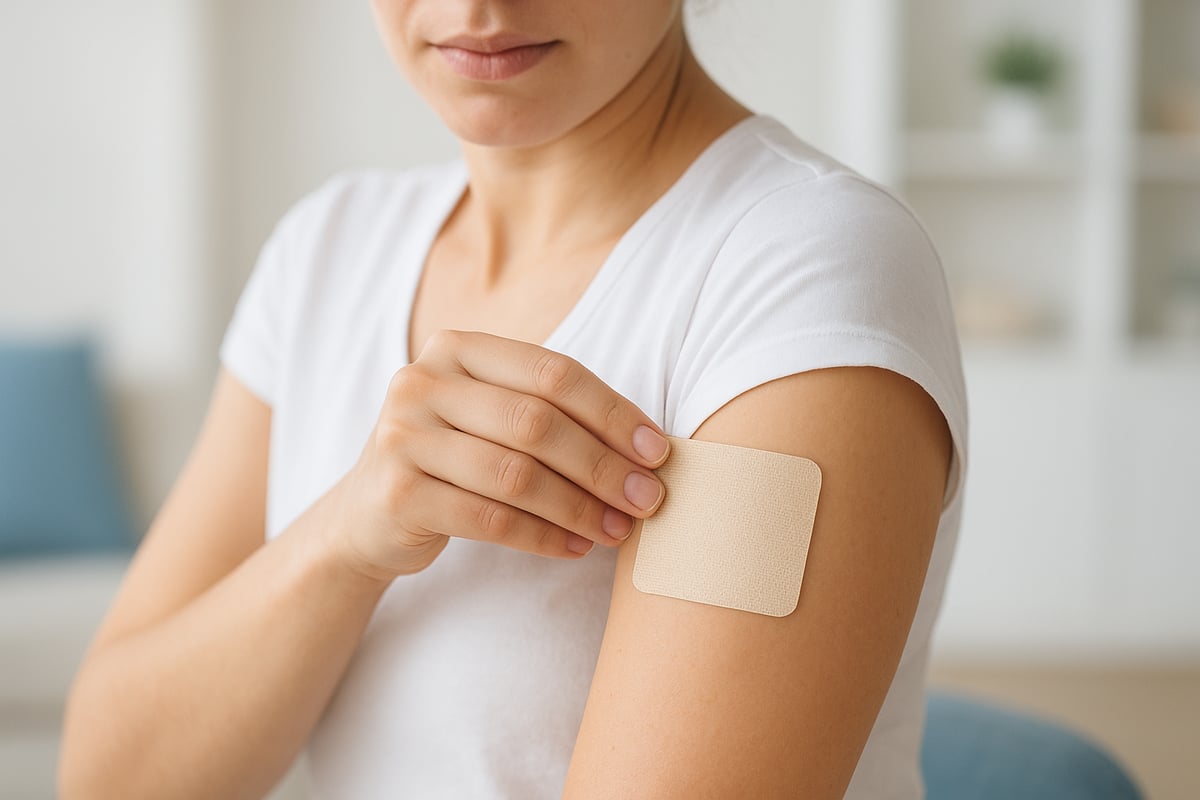
Follow the manufacturer’s instructions for applying pain med patches. Remove the patch from its packaging, handling it by the edges. Place it flat on the prepared skin and press gently for 30 seconds.
Make sure the patch fully adheres, especially at the edges. Avoid touching the adhesive side. If using specialty patches like CBD, refer to detailed guides such as How to use CBD patches for best application practices.
Rotate the site with each new patch to maintain skin health and consistent absorption.
Step 5: Monitoring and Managing Side Effects
While using pain med patches, monitor your skin and general health. Common side effects include redness, itching, or mild irritation at the application site.
If you notice severe reactions, such as swelling or blistering, remove the patch and contact your provider. Keep a pain diary to track relief and note any side effects. Adjustments may be needed based on your response.
Stay alert for any systemic symptoms, and always follow up with your healthcare team if concerns arise.
Step 6: Safe Patch Removal and Disposal
Remove pain med patches gently to avoid leaving residue or damaging the skin. Fold the used patch in half with the adhesive sides together.
Dispose of patches according to FDA guidelines or local pharmacy take-back programs. Do not flush patches, as they may contain residual medication that could harm the environment.
Always wash your hands thoroughly after handling used patches to prevent accidental exposure.
Step 7: Troubleshooting Common Issues
If your pain med patches are not sticking, ensure the skin is clean, dry, and free from lotions or oils. For minor skin reactions, rotate sites more frequently and use a hypoallergenic barrier if recommended.
If a patch falls off early, refer to the product instructions for replacement guidance. Avoid doubling up unless directed by your provider.
For accidental exposure or missed doses, contact your healthcare team for advice, and remain vigilant for any changes in pain control.
Safety, Side Effects, and Precautions for Pain Med Patches
Effectively managing pain with pain med patches requires a clear understanding of their safety profile, possible side effects, and essential precautions. Whether you are new to pain med patches or have used them before, knowing how to use them responsibly will help you achieve the best results while minimizing risks.
Common Side Effects and How to Manage Them
Pain med patches are designed for convenience and consistent relief, but they can sometimes cause side effects. The most frequent issues are skin-related, such as redness, itching, or mild rashes at the application site.
To minimize these effects, rotate patch sites and avoid placing patches on irritated or broken skin. If you notice persistent irritation, switch to a different area or consult your healthcare provider. Systemic side effects, like drowsiness or mild nausea, may occur, especially with opioid-based pain med patches. Staying hydrated and resting can help manage these symptoms, but always report severe or ongoing problems to your doctor. Monitoring your skin and overall well-being is key when using pain med patches.
Serious Risks and Warning Signs
While most people tolerate pain med patches well, some risks require immediate attention. Overdose is a critical concern, particularly with opioid patches. Signs include difficulty breathing, extreme drowsiness, or confusion. If you suspect an overdose, seek emergency care right away.
Accidental exposure is another risk, especially for children or pets. Always store pain med patches securely and dispose of used patches following your provider’s instructions. If a patch is accidentally ingested or applied by someone else, call emergency services. Recognizing warning signs early and acting promptly can prevent serious complications.
Drug Interactions and Contraindications
Pain med patches may interact with other medications, increasing the risk of side effects or reducing effectiveness. Common interactions involve sedatives, certain antidepressants, and other pain medications. Always inform your healthcare provider about all medicines and supplements you use.
Some health conditions, like severe liver or kidney disease, may make pain med patches unsuitable. Elderly patients or those with weakened immune systems might also need special monitoring. Full disclosure of your health history ensures that pain med patches are both safe and effective for your needs.
Regulatory and Legal Considerations
Pain med patches are regulated to ensure patient safety. Opioid-based patches require a prescription and are subject to state and federal monitoring. Non-opioid and alternative patches may have different requirements, but all should be purchased from reputable sources.
Regulatory agencies regularly update guidelines and issue warnings about pain med patches. For example, the FDA provides guidance on non-opioid analgesics, which can help patients and providers navigate new options and stay informed about safe use. Staying updated on regulations helps you make informed decisions about pain med patches.
Best Practices for Safe Use
Following best practices protects your health and maximizes the benefits of pain med patches. Use patches exactly as prescribed, and never cut or alter them. Check your skin regularly for irritation and document any side effects.
Keep a schedule to ensure you apply and remove pain med patches on time. Dispose of used patches safely to prevent accidental exposure. Regular check-ins with your healthcare provider are essential for ongoing safety and effective pain management. By following these steps, you can use pain med patches with confidence and peace of mind.
Maximizing Relief: Expert Tips and Lifestyle Strategies
Pain med patches offer targeted relief, but maximizing their benefits requires more than just proper application. Small changes in your daily routine, combined with expert strategies, can elevate your comfort and long-term results. Whether you are new to pain med patches or seeking better outcomes, these approaches are designed to help you achieve optimal pain management.
Optimizing Patch Effectiveness
To get the most from pain med patches, start with skin preparation. Clean, dry skin helps the patch adhere and ensures even medication delivery. Avoid using lotions or oils before application, as these can interfere with absorption.
Proper rotation of patch sites is crucial. Switch locations with each new patch to prevent irritation and maintain effectiveness. Track your patch schedule using a journal or smartphone app.
When using pain med patches, combine them with other pain management strategies, such as gentle stretching or heat therapy, for enhanced relief. Always consult your healthcare provider before making adjustments. Following these steps, pain med patches can deliver consistent, reliable results.
Integrating Pain Patches with Other Therapies
Pain med patches are often most effective when combined with other therapies. Physical therapy can improve mobility and reduce pain triggers, working in tandem with patch-based relief.
Consider integrating complementary therapies, such as acupuncture or massage. These approaches may help reduce tension and promote relaxation, enhancing the overall effect of pain med patches.
It is important to avoid doubling up on medications. Discuss all treatments with your healthcare provider to prevent interactions. By blending pain med patches with supportive therapies, you can address pain from multiple angles and improve your quality of life.
Nutrition, Sleep, and Stress Management
Lifestyle factors play a crucial role in the effectiveness of pain med patches. An anti-inflammatory diet, rich in fruits, vegetables, and omega-3 fatty acids, can help reduce underlying inflammation and support healing.
Proper sleep hygiene is essential for chronic pain sufferers. Aim for consistent bedtimes, limit screen time before sleep, and create a restful environment. Pain med patches may work better when your body is well-rested.
Managing stress is equally important. Techniques such as deep breathing, meditation, or gentle movement can lower stress hormones and reduce pain perception. When you combine healthy habits with pain med patches, you set yourself up for better daily comfort.
Patient Success Stories and Real-World Outcomes
Many people have experienced significant improvements in their lives thanks to pain med patches. Surveys show that up to 70 percent of patients report better daily function and reduced reliance on oral medications.
Success stories highlight the convenience of pain med patches. For example, one patient with osteoarthritis found that using a patch allowed her to return to gardening and walking her dog, activities she previously avoided due to discomfort.
If you are considering pain med patches, reviewing real-world outcomes can provide reassurance. Hearing from others can inspire confidence and help you set realistic expectations for your own pain management journey.
Cost, Insurance, and Accessibility in 2025
Understanding the cost and coverage for pain med patches is key to making informed choices. In 2025, average prices vary based on brand and medication type, but many insurance plans now offer expanded coverage for both opioid and non-opioid patches.
Some manufacturers provide assistance programs or discounts for those without insurance. It is wise to review your policy and speak with your provider about reimbursement options.
Accessibility has improved, with more pharmacies stocking a wider range of pain med patches. By staying informed about costs and coverage, you can access the relief you need while managing expenses.
CBD and Cannabinoid Pain Patches: Natural Alternatives for Chronic Pain
CBD and CBG pain med patches are gaining attention as non-pharmaceutical options for chronic pain. These patches deliver cannabinoids through the skin, offering targeted relief for conditions like arthritis and fibromyalgia.

Research suggests cannabinoids may reduce inflammation and modulate pain signals. Quality matters, so choose lab-tested, transparent brands for safety. For more, read about CBD patches for pain relief to understand their benefits and how they compare to traditional pain med patches.
CBD patches are waterproof, discreet, and can last up to 24 hours, making them a convenient option for those seeking natural alternatives.
Future Trends: What’s Next for Pain Med Patches?
The future of pain med patches is bright, with advances in personalized medicine and next-generation delivery systems on the horizon. Micro-needle patches and AI-driven dose customization are being developed to offer even more precise relief.
Wearable technology is also expanding, allowing users to track medication levels and pain responses in real time. This integration with health apps and telemedicine platforms will make pain med patches more adaptive to individual needs.
As research continues, expect to see safer, more effective, and highly personalized pain med patches leading the way in pain management for years to come.
Frequently Asked Questions About Pain Med Patches
Navigating pain med patches can raise many questions. Below, we address the most common concerns to help you feel confident and informed when considering or using these innovative treatments.
How long do pain patches take to work?
Most pain med patches begin to deliver relief within a few hours of application. The exact onset depends on the medication and your unique response. Some patches, like lidocaine, act faster, while opioid patches may take longer. Always follow your provider's instructions for best results.
Are pain patches safe for long-term use?
Pain med patches can be safe for extended periods when prescribed and monitored by a healthcare professional. Regular follow-up ensures that side effects, such as skin irritation or tolerance, are managed. Long-term use should always be tailored to your specific condition and medical history.
Can you shower or swim with a pain patch on?
Many modern pain med patches are designed to withstand mild water exposure, such as brief showers. However, prolonged soaking or swimming may affect adhesion and medication delivery. Review product instructions and consider waterproof brands if water exposure is frequent.
What should you do if a patch falls off early?
If your pain med patch detaches before the scheduled time, check the instructions provided with your medication. Usually, you should apply a new patch to a different skin site and document the change. Contact your healthcare provider if unsure about the next steps.
Can pain patches be used with other medications?
Pain med patches can often be combined with other treatments, but drug interactions are possible. Always inform your provider about all medications and supplements you use. This helps prevent unwanted interactions and ensures optimal pain control.
How do you know if a patch is working effectively?
Monitor your pain levels and daily function after starting pain med patches. Relief should be steady, without dramatic highs or lows. If you notice insufficient control or new side effects, discuss adjustments with your provider.
Are there age restrictions for using pain patches?
Most pain med patches are approved for adults, though some may be suitable for adolescents under strict supervision. Age, weight, and overall health impact eligibility. Children should only use patches under pediatric specialist guidance.
What are the signs of an allergic reaction to a patch?
Watch for redness, swelling, severe itching, or blistering at the patch site. Systemic reactions, such as difficulty breathing, are rare but require immediate medical help. For those interested in alternatives, The benefits of CBD oil patches may offer options with different ingredients.
After exploring how pain med patches are transforming comfort, convenience, and safety for chronic pain management, you might be wondering how to take the next step for yourself. Reclaim Labs is dedicated to helping you find natural, lab-tested solutions—like CBD and CBG patches—that fit seamlessly into your daily routine and offer reliable relief from conditions such as arthritis and fibromyalgia. If you’re ready to discover options tailored to your needs and start reclaiming your everyday life with confidence, I invite you to Get Relief Now!