Chronic pain affects millions, driving a rising demand for solutions that are both effective and easy to use. As innovation accelerates, pain medicine patches are emerging as a top choice for those seeking targeted, convenient relief in 2026.
This comprehensive guide will help you navigate the world of pain medicine patches, from understanding how they work to exploring the latest products and expert tips. Discover the different types, learn about leading brands, and stay informed on safety and trends, so you can take control of your pain management and improve your daily quality of life.
Understanding Pain Medicine Patches: What Are They?
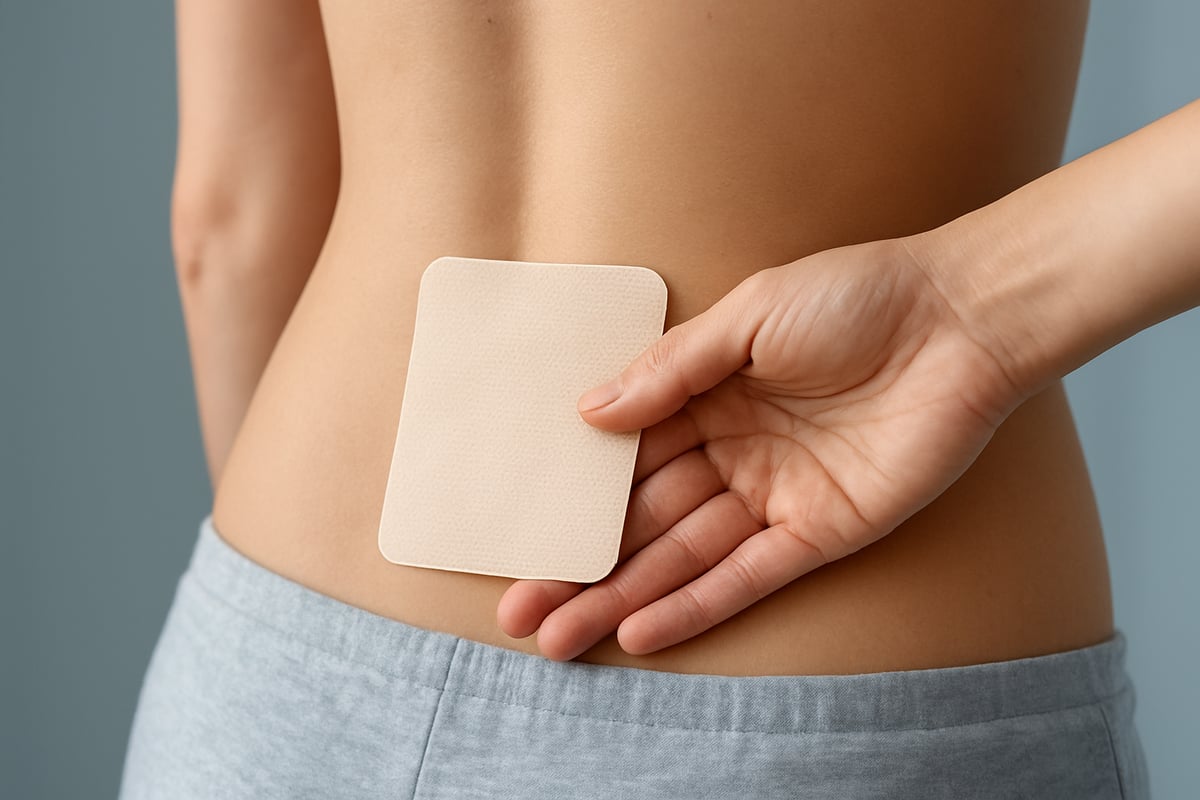
Pain medicine patches are a modern solution for managing discomfort directly at the source. These adhesive patches deliver medication through the skin, offering targeted relief for a range of pain conditions. Unlike traditional pills, pain medicine patches use transdermal technology to bypass the digestive system, steadily releasing active ingredients into the bloodstream over time.
How Pain Medicine Patches Work
The science behind pain medicine patches lies in their ability to deliver medication steadily through the skin. The patch's adhesive layer contains drugs that are absorbed into the body, offering consistent dosing without the spikes and drops of oral medications. This controlled release minimizes stomach upset and reduces systemic side effects.
Transdermal patches are engineered for optimal absorption based on skin type, placement, and patch formulation. Innovations in adhesives and drug release technology have improved both comfort and effectiveness. Studies, such as this systematic review on the efficacy of transdermal anti-inflammatory patches, have shown significant benefits for both acute and chronic musculoskeletal pain.
Types of Pain Treated
Pain medicine patches are versatile and can address different types of pain, including:
- Chronic pain (long-term conditions like arthritis)
- Acute pain (injuries or post-surgery)
- Neuropathic pain (nerve-related discomfort)
- Musculoskeletal pain (muscles, joints, and tendons)
These patches are suitable for people who need steady relief without frequent dosing. By delivering medicine directly to the affected area, pain medicine patches can help manage symptoms more effectively than oral or topical creams in many cases.
Common Active Ingredients and the Science of Controlled Dosing
Pain medicine patches feature a range of active ingredients. Common options include:
- Lidocaine: numbs the area and blocks nerve signals
- Menthol and camphor: create a cooling sensation to distract from pain
- Capsaicin: reduces pain by depleting substance P in nerves
- NSAIDs: reduce inflammation and swelling
- Prescription medications: such as fentanyl or buprenorphine for severe pain
The controlled-release technology ensures medication is delivered at a steady rate, providing long-lasting relief and reducing the chance of side effects. This scientific approach allows pain medicine patches to maintain consistent therapeutic levels in the body, making them an important tool for pain management.
Use Cases, Market Growth, and Who Benefits Most
Pain medicine patches are commonly used for:
- Back pain
- Osteoarthritis
- Sports injuries
- Fibromyalgia
Market research indicates a growing demand, with user satisfaction rates remaining high as more people seek alternatives to oral medications. The global market for pain medicine patches is projected to continue expanding, reflecting increased awareness and trust in their effectiveness.
Adults, seniors, athletes, and chronic pain sufferers often benefit the most from pain medicine patches. These groups appreciate the convenience, discretion, and targeted relief patches provide. Whether managing daily discomfort or recovering from injury, pain medicine patches offer a practical solution for many individuals.
Types of Pain Medicine Patches Available in 2026
Pain medicine patches continue to evolve, offering a wide range of solutions for those seeking targeted relief in 2026. Whether you are managing chronic discomfort or acute injuries, these patches provide flexible, effective options. Understanding the different types of pain medicine patches on the market helps you make informed choices for your unique needs.
Over-the-Counter (OTC) Pain Relief Patches
Over-the-counter pain medicine patches remain a first choice for many individuals managing mild to moderate pain. These patches are widely available, affordable, and easy to use without a prescription.
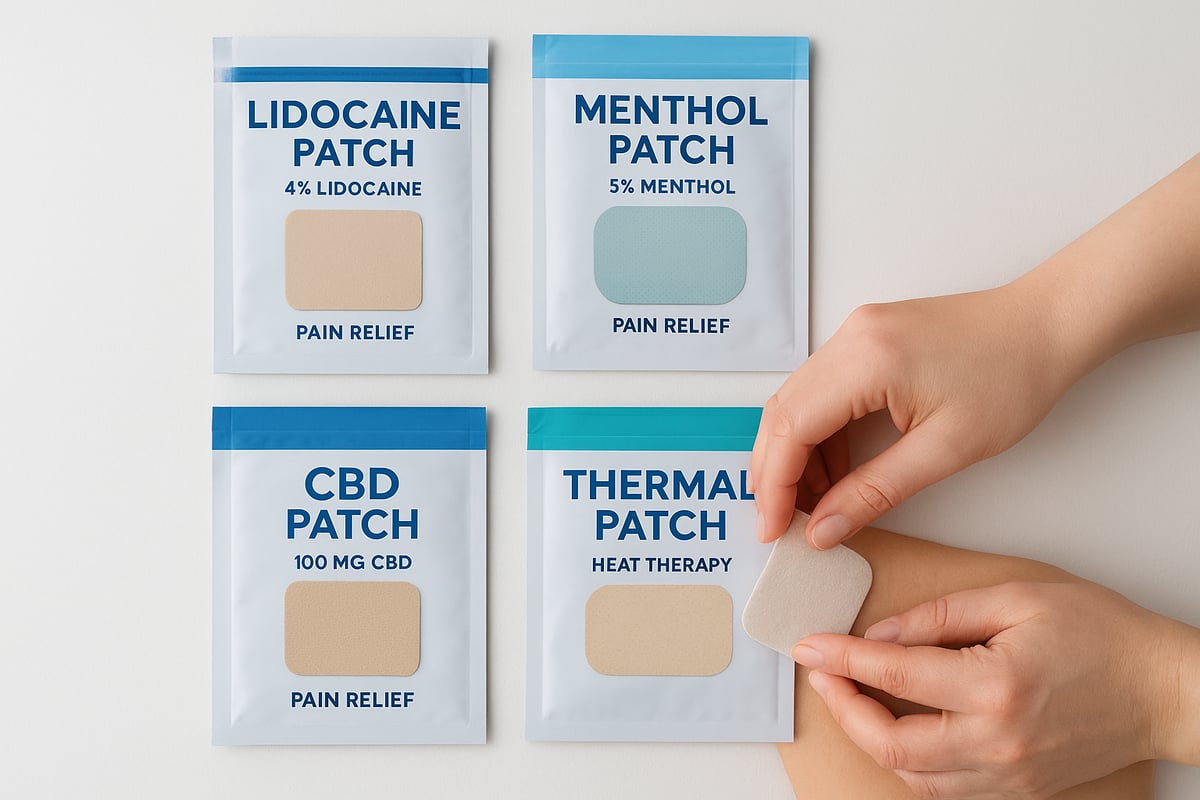
Most OTC pain medicine patches feature active ingredients like lidocaine, menthol, or camphor. For example, lidocaine-based patches such as HealthWise 4% Lidocaine + 1% Menthol, Equate, and Salonpas are popular for their numbing effect. Menthol and camphor varieties, including Icy Hot and Salonpas, offer a cooling sensation that soothes muscle aches.
Here is a quick comparison of top OTC brands:
| Brand | Active Ingredient | Duration | Avg. Rating |
|---|---|---|---|
| Salonpas | Lidocaine/Menthol | 8 hours | 4.6/5 |
| Icy Hot | Menthol | 8 hours | 4.5/5 |
| Equate | Lidocaine | 8 hours | 4.4/5 |
| HealthWise | Lidocaine/Menthol | 8 hours | 4.3/5 |
Typical uses for these pain medicine patches include back pain, arthritis, and minor injuries. Most patches last up to eight hours, with prices ranging from $5 to $20 per box. High customer ratings reflect satisfaction with convenience and results.
Prescription Pain Patches
Prescription pain medicine patches are essential for those with severe or persistent pain that cannot be managed with OTC options. These patches require a doctor's authorization and are used under close supervision due to their potency and risk profile.
Common prescription pain medicine patches include fentanyl, buprenorphine, and diclofenac. Fentanyl patches are primarily used for cancer pain and advanced chronic pain, offering long-lasting relief for up to 72 hours. Buprenorphine patches are another opioid-based option providing continuous pain control for several days. Diclofenac patches, a nonsteroidal anti-inflammatory drug, are prescribed for arthritis and localized joint pain.
Regulations around prescription pain medicine patches are strict to prevent misuse. Patients are closely monitored for side effects and effectiveness. Recent trends show an increase in prescription patch use for chronic pain management, especially among seniors and those with complex medical conditions. Always follow your healthcare provider's instructions and report any concerns immediately.
Natural and Alternative Ingredient Patches
Interest in natural and alternative pain medicine patches is rapidly growing. Many consumers seek plant-based or non-pharmaceutical solutions for pain relief, looking for fewer side effects and a more holistic approach.
These pain medicine patches often use ingredients like capsaicin (derived from chili peppers), CBD, and hemp extracts. Capsaicin patches are effective for neuropathic pain and conditions like postherpetic neuralgia. CBD and hemp patches are gaining popularity for inflammation, muscle aches, and arthritis. According to recent consumer trends, satisfaction with these patches is high, especially for users who prefer natural remedies.
For a deeper look at how these options work and their unique benefits, explore how you can unlock the power of CBD pain relief patches for soothing aches and discomfort.
Safety profiles for natural pain medicine patches are generally favorable, though users should always check for allergies or skin sensitivities. These patches are available online and in select health stores, with prices varying based on ingredient concentration and brand reputation.
Heat and Cold Therapy Patches
Heat and cold therapy pain medicine patches provide another non-pharmaceutical option for acute and chronic pain. These patches deliver either warmth or cooling directly to the affected area, helping to relax muscles and reduce inflammation.
Heat patches, such as ThermaCare, are frequently used for muscle strains, menstrual cramps, and lower back pain. They gradually release heat for up to eight hours, improving blood flow and easing stiffness. Cold therapy patches, like BioFreeze, use menthol and cooling agents to numb pain and limit swelling, making them ideal for sprains and acute injuries.
User reviews consistently praise these pain medicine patches for their ease of use and targeted relief. The intensity and duration of thermal therapy vary by brand, so it is important to read instructions carefully. Both heat and cold patches are available in various sizes and shapes, catering to different body parts and pain types.
How Pain Medicine Patches Work: Science and Effectiveness
The science behind pain medicine patches has evolved rapidly, making them a preferred choice for many seeking targeted pain relief. Unlike conventional painkillers, these patches offer a unique way to deliver medication directly where it is needed. Understanding how pain medicine patches function, their effectiveness, and who can benefit most is crucial for making informed decisions about pain management.
The Transdermal Delivery System Explained
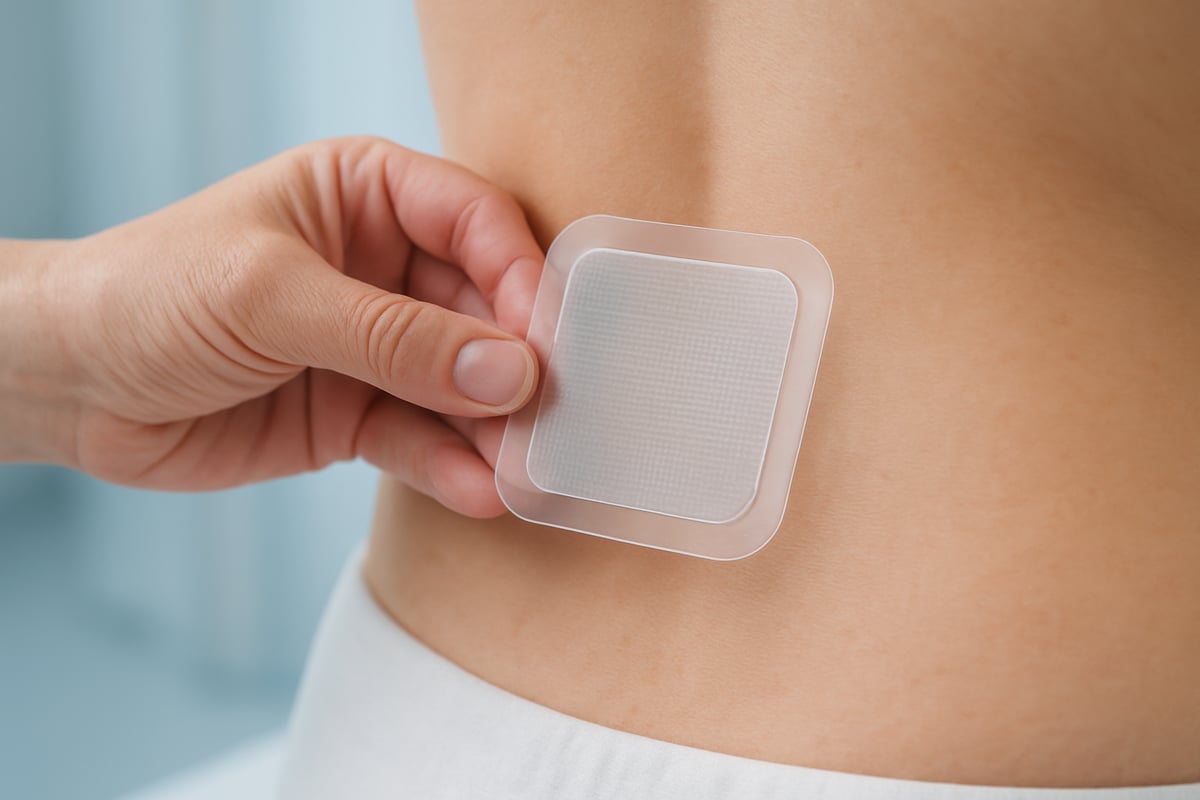
Pain medicine patches use a transdermal delivery system, meaning medication passes through the skin and enters the bloodstream. This allows for steady, controlled absorption over hours or even days. The patch’s adhesive holds it in place, while the active drug diffuses through the skin layers to reach underlying tissues and nerves.
Absorption rates depend on factors like skin type, hydration, temperature, and the patch’s placement on the body. For example, areas with thinner skin can increase absorption, while thicker or calloused skin may slow it down. Bioavailability, or the percentage of medication that reaches the bloodstream, is generally higher with pain medicine patches compared to topical creams but lower than injections.
Innovations in patch technology for 2026 include improved adhesives that reduce skin irritation and advanced drug release materials for more consistent dosing. Scientific studies show that pain medicine patches provide reliable pain control, especially for chronic conditions.
Comparing delivery methods:
| Delivery Method | Onset Speed | Duration | Systemic Side Effects | Localized Relief |
|---|---|---|---|---|
| Oral Medications | Fast-Varies | Hours | Higher | Low |
| Pain Medicine Patches | Moderate | 8-72 hrs | Lower | High |
| Injectable Medications | Fast | Hours | Higher | Moderate |
By offering steady, localized relief, pain medicine patches continue to gain popularity among patients and healthcare professionals.
Benefits and Limitations of Pain Patches
Pain medicine patches offer several key benefits that set them apart from other pain relief options. First, they provide localized relief, targeting pain at its source without flooding the entire body with medication. This leads to fewer gastrointestinal side effects, which are common with oral painkillers. Patches also deliver steady, controlled doses, reducing the risk of peaks and valleys in pain control.
Additional benefits include:
- Easy, discreet application
- Reduced risk of forgetting doses
- Suitable for people who have trouble swallowing pills
However, pain medicine patches are not without limitations. Some users experience skin irritation, redness, or allergic reactions. Certain pain types, such as sharp or acute pain, may not respond as well as chronic or neuropathic pain. There can be a delayed onset of relief for some drugs, and not all medications are suited for transdermal delivery.
User-reported outcomes show high satisfaction rates, especially for chronic back pain and arthritis. Side effect rates are generally low, but it is important to monitor for skin changes. There are myths that all pain medicine patches are addictive or only for severe pain, but many are safe for regular use under guidance. For a closer look at specific advantages, see the Benefits of CBD patches.
Who Should (and Shouldn’t) Use Pain Patches?
Pain medicine patches are ideal for adults with chronic pain, seniors sensitive to oral medications, and those who need consistent pain management. They are also favored by individuals with gastrointestinal issues, since patches bypass the digestive system. Athletes with localized injuries often choose pain medicine patches for targeted relief.
However, certain groups should avoid pain medicine patches. People with known allergies to patch ingredients, broken or irritated skin at the application site, or specific medical conditions (like severe liver disease) should consult a doctor before use. Pediatric use is limited and requires close supervision.
Geriatric patients benefit from the steady dosing and reduced drug interactions. For children, patches are rarely recommended unless prescribed by a specialist. Clinical guidelines from pain societies highlight the importance of individualized assessment before starting pain medicine patches.
Real-world testimonials emphasize the convenience of patches, but always follow professional advice to ensure safety and effectiveness.
Top Pain Medicine Patch Brands and Products for 2026
Choosing the right pain medicine patches can transform your approach to pain management. With so many new options on the market in 2026, it's important to know which brands and products stand out for their effectiveness, innovation, and user satisfaction.
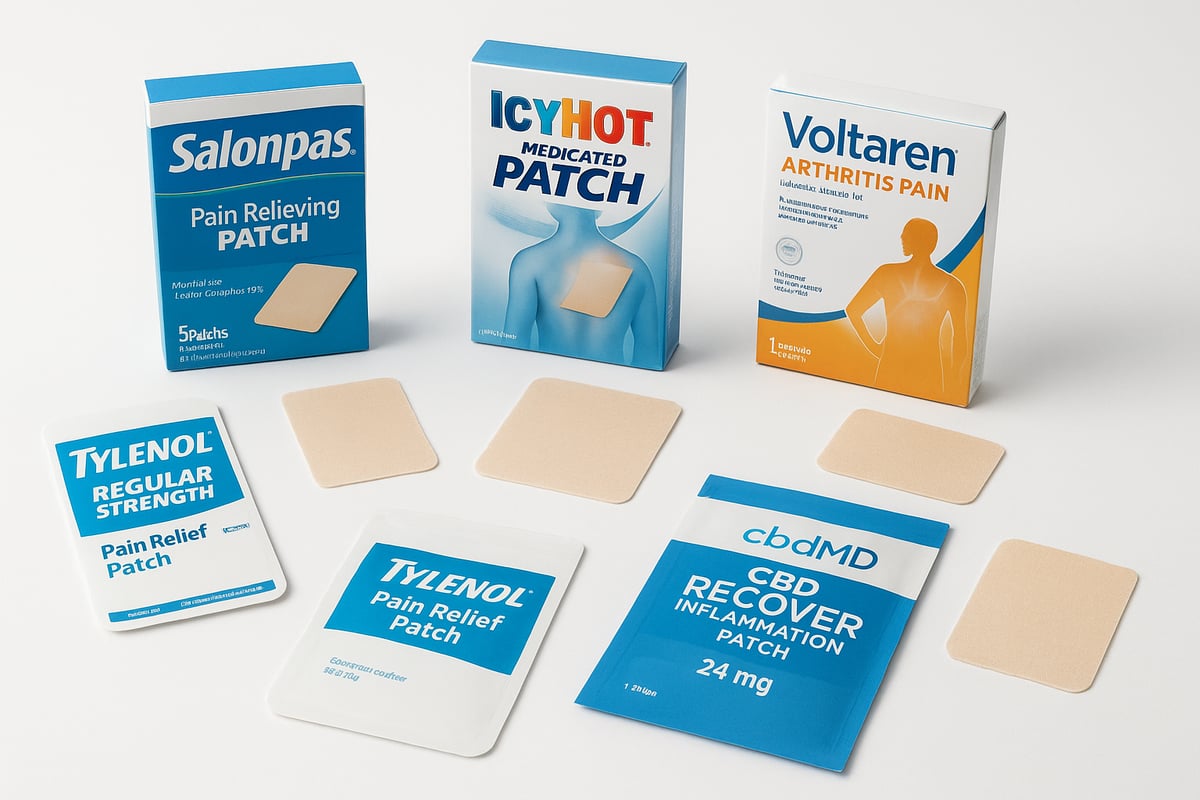
Leading OTC Brands: Features, Pros & Cons
The over-the-counter market for pain medicine patches continues to expand, with brands competing on ingredients, comfort, and value. Popular options include Salonpas, Icy Hot, Equate, HealthWise, BioFreeze, and Aspercreme.
Below is a comparison of top OTC pain medicine patches:
| Brand | Active Ingredient(s) | Duration | Patch Size | Customer Rating | Unique Features |
|---|---|---|---|---|---|
| Salonpas | Lidocaine, Menthol | 8 hours | Medium/Large | 4.6/5 (5,275+) | Waterproof, extra-large |
| Icy Hot | Menthol, Methyl Salicylate | 8 hours | Standard | 4.5/5 (3,900+) | Rapid-acting, flexible |
| Equate | Lidocaine | 8 hours | Large | 4.4/5 (2,100+) | Budget-friendly, no fragrance |
| HealthWise | Lidocaine, Menthol | 8 hours | Medium | 4.5/5 (1,800+) | Dual-action, gentle adhesive |
| BioFreeze | Menthol | 8 hours | Standard | 4.3/5 (1,500+) | Cooling effect, flexible fit |
| Aspercreme | Lidocaine | 8 hours | Large | 4.4/5 (1,900+) | Odor-free, hypoallergenic |
Salonpas leads with its high customer ratings and a variety of sizes. Icy Hot and HealthWise are known for fast relief and comfortable wear. Equate is valued for affordability, while BioFreeze and Aspercreme focus on specialized formulas for sensitive skin. All these pain medicine patches are widely available in pharmacies and online, making them accessible for most users.
When comparing these brands, consider patch size, ease of use, and duration. Many users prefer patches that stay on during daily activities and deliver steady relief. For those with sensitive skin, hypoallergenic options like Aspercreme or fragrance-free choices like Equate are ideal. Pain medicine patches in this category provide versatile, reliable solutions for mild to moderate pain.
Prescription Patch Options: What’s New?
Prescription pain medicine patches are designed for those with severe or persistent pain who require medical supervision. In 2026, advancements focus on safety, efficacy, and user-friendly designs.
Leading prescription pain medicine patches include fentanyl, buprenorphine, and diclofenac formulations. Fentanyl patches are often prescribed for cancer-related pain, while buprenorphine is used for chronic pain syndromes. Diclofenac patches target inflammatory arthritis and musculoskeletal pain.
New developments include improved adhesives to reduce skin irritation, tamper-resistant packaging, and enhanced drug-release profiles. Recent regulatory updates ensure stricter monitoring, especially for opioid-based pain medicine patches. Clinical trials report higher patient satisfaction and better pain control with these innovations.
Patients considering prescription pain medicine patches should consult their healthcare provider for personalized recommendations. These patches are only available through a doctor and require regular follow-up for safety.
Innovations in Natural and CBD Pain Patches
The demand for natural pain medicine patches is surging, with CBD and herbal options leading the way in 2026. Brands now offer full-spectrum and isolate CBD patches, as well as herbal-based patches featuring capsaicin or menthol.
Recent innovations include patent-pending absorption technology, which enables more consistent delivery of active ingredients through the skin. Consumers report positive results for conditions like arthritis, fibromyalgia, and localized muscle pain.
CBD pain medicine patches are particularly popular for their anti-inflammatory properties and minimal side effects. Many users value the non-intoxicating nature of these products and their potential as alternatives to traditional medications. For a deeper look at how these patches work and their effectiveness, see this guide on CBD patches for pain relief.
Herbal patches, such as those containing capsaicin, are also gaining traction. They are often used for neuropathic pain and are favored by individuals seeking plant-based relief options. Consumer trends indicate rising satisfaction rates, especially among those looking to avoid pharmaceuticals.
How to Choose the Right Pain Patch for You
Selecting the best pain medicine patches depends on several personal factors. Start by identifying the type of pain and its location. Chronic joint pain might respond best to larger, long-duration patches, while acute muscle strains may benefit from cooling or heating options.
Consider these criteria:
- Type and source of pain (chronic, acute, neuropathic)
- Desired duration of relief (short-term or all-day)
- Skin sensitivity and allergy risk
- Budget and insurance coverage
- Preference for natural or pharmaceutical ingredients
Check product labels for active ingredients and recommended use. Consult user testimonials and expert advice for real-world insights. If you have underlying health conditions or take other medications, speak with your healthcare provider before trying new pain medicine patches.
Testing a small area first can help avoid skin reactions. Comparing brands and reading reviews ensures you select patches that align with your comfort and lifestyle. With the right approach, pain medicine patches can be a valuable tool in your pain management strategy.
Safe Use and Best Practices for Pain Medicine Patches
Proper use of pain medicine patches is essential for effective, safe relief. Whether you are new to these products or seeking to optimize your experience, following best practices can help you achieve the best outcomes while minimizing risks. Below, you will find clear guidance on application, safety, interactions, and environmental responsibility.
How to Apply Pain Patches Correctly
Applying pain medicine patches properly ensures you get the full benefit of the medication. Here is a step-by-step guide for optimal results:
- Start by washing and drying the area where you will apply the patch. Clean, oil-free skin helps the patch adhere and ensures consistent absorption.
- Open the packaging carefully. Avoid touching the sticky side more than necessary.
- Place the patch flat on your skin, pressing gently for a secure fit. Smooth out any wrinkles or air bubbles.
- Avoid hairy, irritated, or broken skin. If needed, trim hair with scissors instead of shaving to prevent irritation.
- Rotate application sites with each new patch to minimize skin reactions.
- Replace the patch as directed, usually every 8 to 12 hours for most over-the-counter products.
For unique patches like those containing CBD, you may find extra tips in resources such as 10 ways CBD patches can improve your life, which offers practical insights on maximizing comfort and effectiveness.
Common mistakes include applying pain medicine patches to damp skin, failing to rotate sites, or leaving the patch on too long. Always follow the manufacturer’s instructions for your specific product.
Side Effects, Risks, and Safety Precautions
Most users tolerate pain medicine patches well, but some side effects may occur. The most common issues are mild and involve the skin. Here’s a comparison of typical reactions:
| Common Side Effects | Rare but Serious Risks |
|---|---|
| Redness or irritation | Allergic reactions |
| Mild itching | Overdose (opioid patches) |
| Dry skin under patch | Systemic absorption issues |
To reduce risks, check your skin regularly for signs of redness or rash. If you notice severe irritation, swelling, or difficulty breathing, remove the patch and seek medical attention immediately.
Never use more pain medicine patches than recommended, as this can cause serious health problems, especially with prescription opioid products. Keep patches away from children and pets, and avoid using them on broken or inflamed skin.
If you are new to these products, speak with your healthcare provider before starting pain medicine patches. They can help you choose the right type and monitor for side effects.
Drug Interactions and Contraindications
Pain medicine patches may interact with other medications. For example, some patches can intensify the effects of blood thinners or antiarrhythmics, increasing your risk of side effects.
Do not use pain medicine patches if you have known allergies to any patch ingredients. Avoid patches on broken skin, or if you have certain medical conditions such as severe liver disease.
Always inform your doctor about all medications and supplements you take. Consult FDA guidelines and pain society recommendations to ensure safe combinations. If in doubt, your pharmacist is a valuable resource for checking interactions.
Storage, Disposal, and Environmental Concerns
Proper storage and disposal of pain medicine patches protect others and the environment. Store patches in a cool, dry place, away from direct sunlight and excess moisture.
When finished, fold the patch in half with the sticky sides together. Place it in a sealed container before throwing it away. Do not flush pain medicine patches down the toilet, as this can pollute water sources.
Many communities offer safe disposal programs for medications and medical waste. Check local guidelines or manufacturer recommendations for disposal options. Choosing eco-friendly brands can also help reduce your environmental impact.
Emerging Trends and Future Innovations in Pain Patch Technology
The landscape of pain medicine patches is rapidly evolving, with new technologies and materials shaping how people manage pain. As we look ahead to 2026, several key trends are set to transform the market. From smart patches that track dosing to sustainable materials and regulatory shifts, these innovations promise to make pain medicine patches more effective, safer, and environmentally responsible.
Smart and Digital Pain Patches
Smart technology is making its way into pain medicine patches, introducing a new era of personalized pain management. Digital patches now feature integrated sensors that monitor skin temperature, medication levels, and even physiological responses. Bluetooth connectivity allows users and healthcare providers to track dosing, adherence, and effectiveness in real time using smartphone apps.
Early pilot programs have shown that smart pain medicine patches can improve patient outcomes by ensuring medications are delivered precisely when needed. These innovations also help reduce the risk of misuse, a vital consideration for patches containing prescription medications.
Companies like Medherant's transdermal patch innovations are at the forefront, developing patches that offer controlled release and advanced monitoring features. As these technologies mature, smart pain medicine patches are expected to become a mainstay for those seeking more control over their pain relief regimens.
Advanced Drug Delivery and New Ingredients
Cutting-edge advances in drug delivery are redefining what pain medicine patches can achieve. Nanotechnology and microneedle arrays are allowing for more efficient absorption through the skin, targeting pain at its source with greater precision. These methods enhance bioavailability and reduce the potential for side effects.
New active ingredients are also entering the market. Research is ongoing into novel non-opioid compounds, extended-release formulations, and multi-drug patches that can address multiple symptoms simultaneously. This innovation is particularly promising for chronic conditions that require long-term pain management.
By leveraging these breakthroughs, pain medicine patches are becoming more versatile and effective. Pharmaceutical innovators are working to ensure these patches provide steady, reliable relief for a broader range of pain types.
Sustainability and Eco-Friendly Patch Solutions
As environmental concerns grow, the demand for sustainable pain medicine patches is rising. Manufacturers are responding with biodegradable backings, recyclable packaging, and toxin-free adhesives. These changes are designed to reduce the environmental footprint of single-use patches.
Brands are seeking certifications for eco-friendly practices and investing in materials that break down safely after disposal. Consumer surveys indicate that many people now consider sustainability when choosing pain medicine patches, especially those managing chronic pain and using patches regularly.
The commitment to greener solutions not only appeals to environmentally conscious users but also supports public health by minimizing waste and chemical exposure.
Regulatory Changes and Market Outlook
Regulatory agencies are keeping pace with the innovation seen in pain medicine patches. Recent FDA approvals have focused on both safety and efficacy, with new labeling requirements to ensure proper use. Safety warnings for opioid-containing patches are more prominent, and digital patches are subject to additional scrutiny for data security.
On the market front, growth is robust. The pain patch market projected growth forecasts the global market to reach $7.3 billion by 2031, driven by rising chronic pain prevalence and ongoing technological advancements. Consumers are showing a clear preference for pain medicine patches that combine innovation with proven results, and insurance coverage is expanding for both prescription and advanced OTC options.
With these trends, the future of pain medicine patches is bright, promising safer, smarter, and more sustainable pain relief for millions worldwide.
As you explore the latest advancements in pain medicine patches and what’s ahead for 2026, remember that finding the right relief is all about understanding your options and choosing what fits your needs best. If you’re looking for safe, effective, and naturally derived solutions—especially for chronic pain or inflammation—discovering premium CBD hemp oil products could make a real difference. At Reclaim Labs, you can browse thoroughly tested, full-spectrum and broad-spectrum CBD patches designed for comfort and reliability. Ready to take a step toward better pain management? Get Relief Now!