

Interest in cbd pain relief patches has skyrocketed as innovative technology and new research reshape pain management by 2026. This comprehensive guide reveals how cbd pain relief patches work, their unique benefits, and the latest advancements making them more effective than ever. Discover the science behind these patches, compare them to other methods, learn how to use them correctly, and find out what to look for when choosing a high-quality product. Ready to explore the future of pain relief? Read on for expert insights and practical tips.
The Science Behind CBD Pain Relief Patches
Exploring the science of cbd pain relief patches reveals why they are becoming a preferred choice for many seeking effective relief. These innovative products have moved beyond traditional CBD formats, offering a targeted and consistent approach that addresses pain at its source.
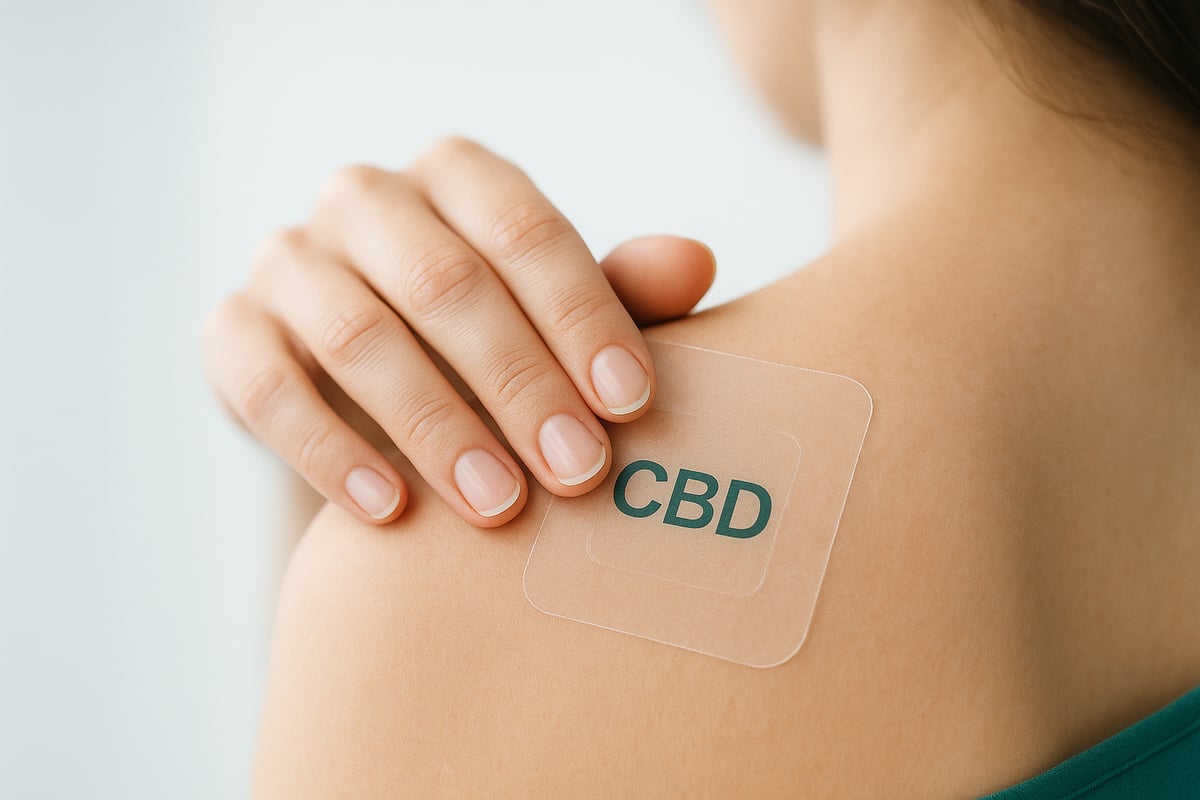
What Are CBD Pain Relief Patches?
CBD pain relief patches are transdermal patches infused with cannabidiol, designed to deliver CBD directly through the skin to specific areas of discomfort. Unlike oral CBD products, which are ingested and processed by the digestive system, or topical creams that sit on the skin's surface, these patches offer a controlled and sustained release of CBD.
Common strengths for cbd pain relief patches include 8mg, 24mg, and even 50mg per patch, allowing users to tailor their experience based on pain severity. The patch is placed over the area of discomfort, where it adheres securely and gradually releases CBD over time, supporting targeted relief.
This method is especially effective for those looking to avoid fluctuations in CBD levels or the inconvenience of repeated dosing throughout the day.
How Do CBD Patches Work in the Body?
CBD pain relief patches utilize a transdermal delivery system, which means CBD is absorbed through the skin and enters the bloodstream directly. This bypasses the digestive tract, leading to higher bioavailability compared to oral CBD products. Once absorbed, CBD interacts with the body's endocannabinoid system, which plays a crucial role in regulating pain, inflammation, and overall balance.
The patches provide continuous, time-released absorption, often lasting up to 24 hours. This steady delivery helps maintain consistent CBD levels, reducing the need for frequent reapplication. Research and clinical studies support the effectiveness of transdermal CBD, showing promising results for various pain conditions.
For a deeper dive into the mechanism and science behind cbd pain relief patches, explore this comprehensive resource on How CBD Patches Work.
Advancements in CBD Patch Technology by 2026
By 2026, cbd pain relief patches have benefited from significant technological advancements. Modern patches now offer higher concentrations of CBD, improved skin adhesion, and enhanced resistance to sweat and water, making them more reliable during daily activities.
Nanotechnology and advanced penetration enhancers are being used to increase the rate and depth of CBD absorption. Many patches now provide rapid onset of action, with relief beginning in as little as 30 minutes and lasting up to 24 hours. Manufacturers are also prioritizing eco-friendly and hypoallergenic materials, making patches suitable for sensitive skin and environmentally conscious consumers.
Real-world user feedback highlights these improvements. Many report that the new generation of cbd pain relief patches not only stay in place better but also deliver more noticeable, consistent relief throughout the day.
Benefits of Targeted Pain Relief
One of the main advantages of cbd pain relief patches is their ability to provide localized relief for muscles, joints, and areas affected by inflammation. This targeted approach helps avoid the gastrointestinal side effects sometimes associated with oral medications.
Patches are discreet and convenient, making them easy to apply to any part of the body without drawing attention. They are particularly suitable for managing chronic conditions like arthritis and fibromyalgia, where ongoing support is essential.
Users often share real-life examples of how cbd pain relief patches have helped them regain mobility and comfort in daily life. Whether dealing with persistent back pain or joint discomfort, many find that patches offer a reliable, plant-based alternative to traditional pain relief methods.
Comparing CBD Pain Relief Patches to Other Methods
The landscape of pain relief is evolving, and cbd pain relief patches are at the forefront of this transformation. With new technology and growing user demand, it is important to see how these patches stack up against other popular pain management options. Below, we break down the key differences and help you determine when cbd pain relief patches might be your best choice.
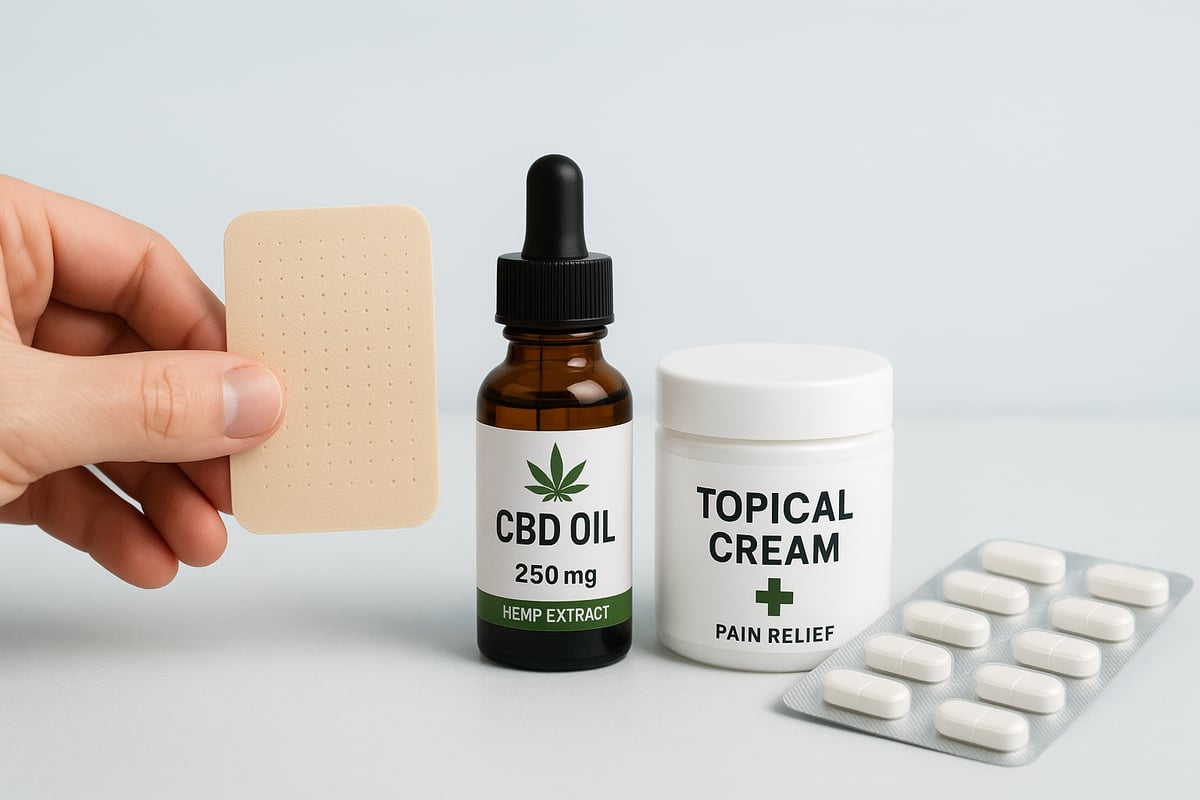
CBD Patches vs. Oral CBD (Oils, Gummies, Capsules)
When comparing cbd pain relief patches to oral CBD options, absorption and duration are critical factors. Oral CBD, found in oils, gummies, and capsules, passes through the digestive system before reaching the bloodstream. This process can lower bioavailability, meaning less CBD is absorbed and effects may take longer to appear.
In contrast, cbd pain relief patches use a transdermal system to deliver CBD directly through the skin. This method bypasses the digestive tract, allowing for higher and more consistent absorption. Patches can provide steady relief for 12 to 24 hours, while oral products often last 4 to 8 hours.
| Feature | CBD Patches | Oral CBD (Oils, Gummies, Capsules) |
|---|---|---|
| Onset Time | 30 min – 1 hour | 30 min – 2 hours |
| Duration | 12–24 hours | 4–8 hours |
| Bioavailability | High | Moderate to Low |
| Convenience | Discreet, easy | May require dosing tools |
Users frequently report that cbd pain relief patches offer more predictable and long-lasting results, especially for chronic pain. For a detailed comparison, see CBD Patches vs. Other Methods.
CBD Patches vs. Topical Creams and Roll-Ons
Topical creams and roll-ons are common for localized pain, but their effects can be short-lived. These products deliver CBD to the outer layers of the skin and often need frequent reapplication, especially after sweating or showering. They can be messy and may not provide consistent dosing.
Cbd pain relief patches, on the other hand, are designed for long-term, controlled release. They adhere securely and deliver a steady amount of CBD over many hours. This makes them ideal for people with active lifestyles or those who need reliable relief throughout the day.
Benefits of cbd pain relief patches over topicals include:
- No mess or residue
- Extended release (up to 24 hours)
- Easy to use under clothing
Users often mention that patches are more convenient and less disruptive to daily routines. For those who want to avoid reapplying products or dealing with greasy residue, cbd pain relief patches are a clear winner.
CBD Patches vs. Traditional Pain Medications
Traditional pain medications, such as NSAIDs or opioids, have long been used for managing pain. However, they can cause side effects like gastrointestinal discomfort, drowsiness, or even dependency with long-term use.
Cbd pain relief patches provide a plant-based, non-habit-forming alternative. They target pain locally, reducing the risk of systemic side effects. Many users report a decreased need for prescription painkillers after switching to cbd pain relief patches, finding them both effective and easier on the body.
Cost is another factor. While initial investment in patches may be higher, their long duration often translates to better value over time.
When to Choose CBD Patches Over Other Methods
Cbd pain relief patches are especially useful for persistent, localized pain where discreet, long-lasting relief is needed. They are ideal for athletes, older adults, and anyone with sensitive stomachs who may not tolerate oral CBD well.
Consider cbd pain relief patches if you:
- Suffer from chronic joint or muscle pain
- Want to avoid oral administration
- Need pain relief that lasts all day or night
Conditions like arthritis, fibromyalgia, and sports injuries often respond well to patches. Their ease of use and consistent results make cbd pain relief patches a preferred option for many seeking modern pain management.
How to Use CBD Pain Relief Patches Effectively
Applying cbd pain relief patches correctly is crucial for getting the best results. This step-by-step guide covers everything you need to know, from choosing the right patch to maximizing its effectiveness for long-lasting comfort.
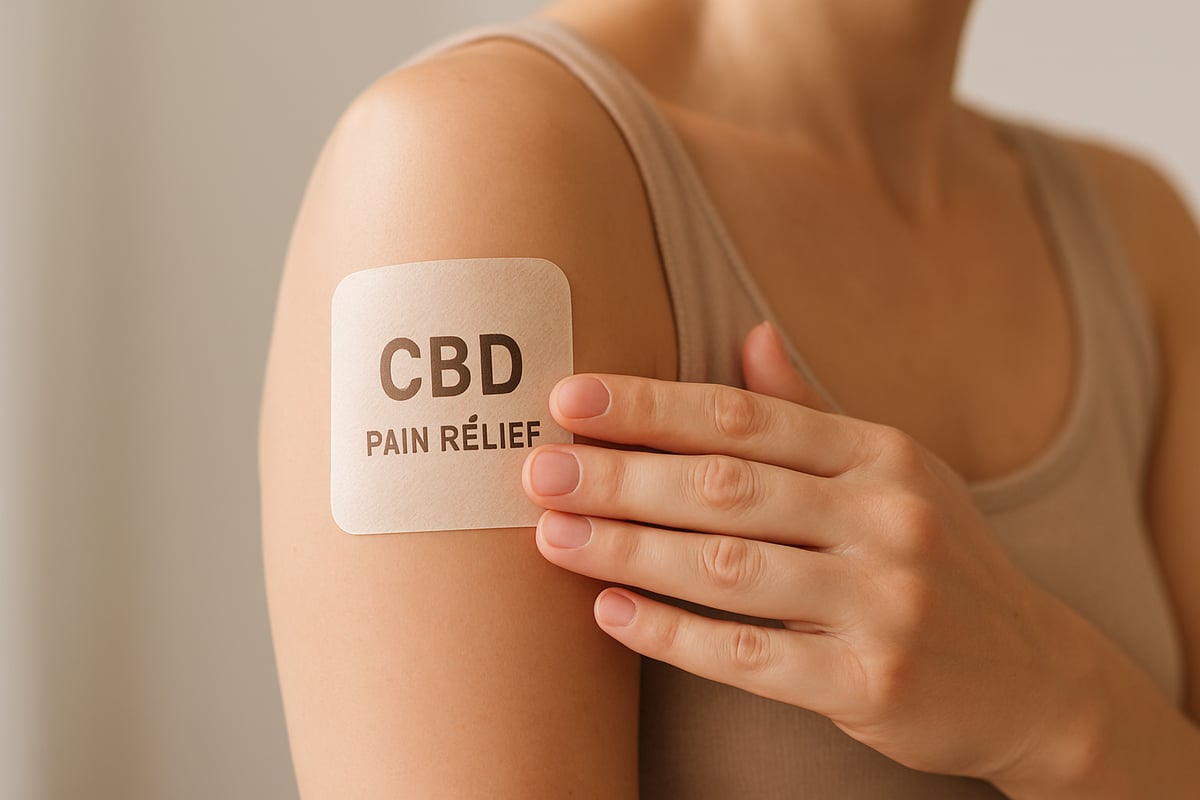
Step-by-Step Application Guide
To experience optimal relief, follow these steps for using cbd pain relief patches:
- Select the right patch strength: Choose from options like 8mg, 24mg, or 50mg, depending on your needs.
- Prep your skin: Clean and dry the area. For best results, apply to a hairless, venous region, such as the upper arm or inner forearm.
- Apply over the discomfort: Place the patch directly over the area where you feel pain, ensuring direct contact with the skin.
- Secure adhesion: Press and hold the patch for 20–30 seconds. Smooth out any air bubbles for full contact.
- Wear as directed: Most cbd pain relief patches are designed to be worn for up to 24 hours, providing continuous comfort.
Proper application helps ensure the active compounds are absorbed efficiently. Always wash your hands after handling the patch to avoid transferring any residue.
Dosage and Frequency Recommendations
When starting with cbd pain relief patches, apply one patch and monitor your response. Adjust frequency as needed:
- Start low: Begin with the lowest effective dose for your pain severity.
- Consider body weight and tolerance: Heavier individuals or those with higher tolerance may need stronger patches.
- Follow manufacturer guidance: Always read product instructions for specific dosing.
- Example: Advanced users with chronic discomfort often find 24mg cbd pain relief patches effective for daily relief.
Consult your healthcare provider for personalized dosage advice, especially if you are new to cbd pain relief patches.
Safety, Side Effects, and Precautions
Cbd pain relief patches are generally safe, but some users may experience:
- Mild skin irritation or redness at the application site.
- Rare allergic reactions to adhesives or hemp extract.
- Those who are pregnant, breastfeeding, or on certain medications should avoid use.
Always consult a healthcare provider before starting cbd pain relief patches, especially if you have sensitive skin or existing health conditions. Remove the patch gently and use a mild cleanser if needed to care for your skin.
Maximizing Patch Effectiveness
To get the most from your cbd pain relief patches, keep these tips in mind:
- Ensure the skin is dry and oil-free before application.
- Avoid water exposure unless the patch is labeled waterproof.
- Rotate application sites to prevent irritation or sensitivity.
- Combine with other pain management strategies, such as gentle stretching or physical therapy.
For more guidance on optimizing your experience, see the Benefits of CBD Patches, which covers unique advantages and usage tips.
CBD Patches for Chronic Pain by Reclaim Labs
Reclaim Labs offers premium cbd pain relief patches that are third-party tested and designed for up to 24 hours of targeted relief. These patches are ideal for chronic pain, inflammation, arthritis, and fibromyalgia. Customers report consistent results and value the transparency of lab-tested ingredients, making them a trusted choice for natural pain management.
What to Look for in High-Quality CBD Pain Relief Patches in 2026
Choosing the best cbd pain relief patches in 2026 requires attention to detail. With so many products available, knowing what sets high-quality patches apart is essential. Below, explore the most important factors, from ingredients to pricing, to ensure you make an informed choice.
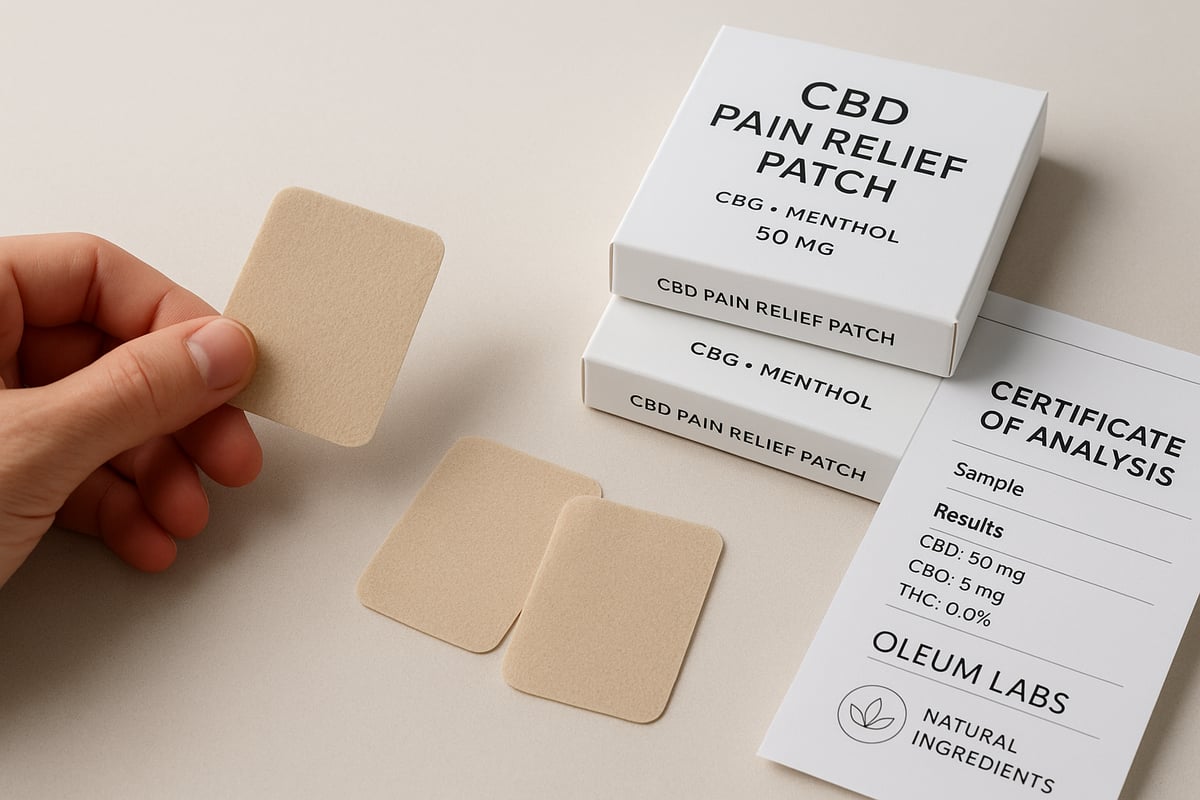
Key Ingredients and Formulations
The foundation of effective cbd pain relief patches is a potent, pure formulation. Look for patches containing full-spectrum or broad-spectrum hemp extract, as these include a range of cannabinoids that work together through the entourage effect.
High-quality patches often add CBG or CBN to enhance pain relief. Prioritize products made with organic, non-GMO, and hypoallergenic materials. Avoid patches with artificial additives or fillers, which can irritate sensitive skin or reduce efficacy.
A quick checklist for ingredients:
- Full-spectrum or broad-spectrum hemp extract
- Additional cannabinoids like CBG, CBN
- Organic, non-GMO, hypoallergenic base
- No artificial additives or fillers
Selecting patches with these qualities ensures your cbd pain relief patches deliver optimal results.
Third-Party Lab Testing and Transparency
Trustworthy cbd pain relief patches always come with third-party lab testing. Certificates of Analysis (COA) confirm the CBD content and ensure there are no harmful contaminants. Before buying, check that the brand provides easy access to COAs for every batch.
Verifying lab results is simple:
- Look for COA links on the product page
- Confirm CBD potency matches the label
- Check for tests on heavy metals, pesticides, and solvents
Brands that offer transparent testing demonstrate their commitment to safety and quality. This transparency builds confidence in the cbd pain relief patches you choose.
Patch Design and Technology Advancements
Modern cbd pain relief patches feature cutting-edge design and technology. Look for sweat-resistant and waterproof patches, especially if you have an active lifestyle. Discreet sizes and advanced adhesives for sensitive skin are important for comfort and usability.
Innovations such as time-release mechanisms deliver consistent dosing over 12 to 24 hours. For a deeper dive into new features like smart patches and sustainable materials, see this overview of Advancements in Pain Patch Technology.
When choosing cbd pain relief patches, prioritize options that integrate these advancements for reliable, long-lasting relief.
Company Reputation and Customer Support
A reputable brand stands behind its cbd pain relief patches with excellent service and reviews. Look for companies with positive customer feedback, easy-to-access support, and comprehensive educational resources.
Helpful features include:
- Responsive customer service channels
- Detailed FAQs and usage guides
- Clear return policies and satisfaction guarantees
Brands that focus on customer education and support show they care about your experience with their cbd pain relief patches.
Pricing, Value, and Subscription Options
Price matters when selecting cbd pain relief patches, but so does the overall value. Compare the cost per patch, with high-potency options often ranging from $4 to $5 each. Many brands offer savings with bulk purchases or subscription models for ongoing pain management.
Look for:
- Discounts on first orders
- Free shipping offers
- Transparent pricing and bulk deals
A quick comparison table can help:
| Option | Price per Patch | Subscription Savings | Free Shipping |
|---|---|---|---|
| High-Potency Patch | $4 | 10% off | Yes |
| Standard Patch | $2.50 | 5% off | Sometimes |
By evaluating both cost and convenience, you can find cbd pain relief patches that fit your needs and budget.
Real User Experiences and Reviews: What People Say About CBD Pain Relief Patches
Real-world feedback on cbd pain relief patches provides valuable insight into their impact on daily life. Users frequently describe positive outcomes, especially when managing chronic pain. Many appreciate the discreet, long-lasting nature of these patches, noting improvements in mobility and overall comfort.
Common Themes in User Feedback
Feedback on cbd pain relief patches often highlights their rapid and sustained pain relief. Many users compare their experience favorably to traditional medications, with comments such as “better than any pill the Dr can prescribe.” Chronic pain sufferers, including those with arthritis or post-surgical discomfort, commonly report improved quality of life.
Key themes include:
- Noticeable reduction in pain within hours
- Steady relief lasting a full day
- Convenience for work, travel, or sleep
Some users also reference the science, citing studies like the Efficacy of CBD Transdermal Patches to support their positive experiences with cbd pain relief patches.
Success Stories and Case Examples
Personal accounts often illustrate how cbd pain relief patches have changed users’ routines. For instance, individuals managing back or joint pain describe returning to daily activities with less discomfort. One long-term user with fibromyalgia shared, “They work great, and I finally sleep through the night.”
Many users reduce or eliminate their need for prescription painkillers after regular patch use. Athletes and older adults alike highlight the patches’ ability to target specific pain points discreetly. These testimonials reinforce the growing trust in cbd pain relief patches for ongoing pain management.
Limitations and Criticisms
While many praise cbd pain relief patches, some users express concerns about affordability, especially for high-potency options. Reports of mild skin irritation occur, particularly among those with sensitive skin, though most find these reactions manageable. Effectiveness can vary based on individual health factors, such as metabolism or severity of pain.
Constructive criticism helps manufacturers improve patch quality and transparency. Some users seek more scientific evidence, referencing reviews and clinical trials. This drives demand for further research, like the Efficacy of CBD Transdermal Patches, to validate benefits and address skepticism around cbd pain relief patches.
Trends in 2026: What’s Changed?
By 2026, cbd pain relief patches have gained broader acceptance due to increased transparency and rigorous lab testing. The market has expanded, as highlighted in the CBD Patch Market Growth Forecast, with more options tailored for different needs.
Many older adults and athletes now embrace these patches for their convenience and effectiveness. Enhanced formulations and improved adhesives have reduced previous issues, such as skin irritation. User feedback in 2026 reflects greater satisfaction, with cbd pain relief patches seen as a viable, natural alternative for persistent pain.
The Future of CBD Pain Relief Patches: Innovations and Market Outlook
The future of cbd pain relief patches is shaped by rapid innovation, evolving research, and shifting consumer needs. As we look ahead, several key trends are set to define how these patches will support pain management and overall wellness in the coming years.
Emerging Technologies and Ingredients
CBD pain relief patches are benefiting from remarkable technological progress. Manufacturers are now integrating nanotechnology, which allows for faster and more efficient absorption of CBD into the skin. Enhanced penetration enhancers and smart adhesives improve comfort and patch longevity, even during intense activity.
Some cutting-edge patches feature synergistic herbal extracts and new cannabinoid blends, maximizing the entourage effect for targeted relief. Smart patch designs, including app connectivity, let users monitor dosage and wear time. For a deeper look at these advancements, see Advancements in CBD Patch Technology.
Regulatory Changes and Quality Standards
Regulation is catching up with the popularity of cbd pain relief patches. The FDA and other agencies are updating guidelines to ensure that products are both safe and effective. This means stricter requirements for accurate CBD content, clearer labeling, and consistent third-party lab testing.
Improved quality standards are pushing brands to offer greater transparency. Consumers can now expect Certificates of Analysis (COAs) with every purchase, confirming potency and purity. These changes are building trust and setting a higher bar for the entire market.
Expanding Applications and Research
Ongoing research is expanding the potential uses for cbd pain relief patches across a range of health conditions. Clinical trials are exploring their effectiveness for autoimmune diseases, inflammation, and chronic pain syndromes. Healthcare providers are increasingly open to recommending patches as part of integrative pain management plans.
Recent reviews, such as CBD in Chronic Pain Management, highlight both the efficacy and safety of cannabinoids for pain relief. As the evidence base grows, more patients and practitioners are turning to these patches as a reliable alternative.
Market Growth and Consumer Trends
The market for cbd pain relief patches is expanding rapidly, with global sales projected to rise significantly through 2026. More seniors, athletes, and chronic pain patients are adopting patches for their convenience and effectiveness.
Key trends include demand for eco-friendly materials, discreet designs, and customizable strengths. Subscription models and bulk buying options are making ongoing pain management more affordable. As new innovations reach the market, cbd pain relief patches are poised to become a mainstream choice for natural, on-the-go relief.
As you’ve discovered throughout this guide, CBD pain relief patches are transforming how we address chronic pain, thanks to targeted delivery, long-lasting effects, and the latest advancements in patch technology. If you’re considering a natural, science-backed solution for conditions like arthritis or fibromyalgia, now is the perfect time to explore your options. Reclaim Labs offers premium, lab-tested CBD patches designed with your comfort and relief in mind—so you can feel confident about what you’re using. Ready to take the next step toward lasting relief? Get Relief Now!
