Joint pain affects millions of Americans, disrupting daily activities and diminishing quality of life. Whether caused by osteoarthritis, rheumatoid arthritis, fibromyalgia, or injury, finding effective relief requires understanding the full spectrum of available treatments. From pharmaceutical interventions to natural alternatives like CBD hemp oil, the landscape of joint pain management has expanded significantly. This comprehensive guide explores evidence-based solutions that are best for joint pain relief, helping you make informed decisions about managing chronic discomfort and inflammation.
Understanding Joint Pain and Its Impact
Joint pain manifests differently depending on its underlying cause. Osteoarthritis typically produces stiffness and aching that worsens with activity, while rheumatoid arthritis creates symmetrical inflammation and morning stiffness lasting over an hour. Fibromyalgia presents with widespread pain and tender points throughout the body.
The economic burden of joint pain extends beyond medical costs. Lost productivity, reduced mobility, and decreased independence affect millions of sufferers annually. According to comprehensive treatment options outlined by the Arthritis Foundation, addressing joint pain requires a multifaceted approach combining medication, lifestyle modifications, and alternative therapies.
The Role of Inflammation
Chronic inflammation drives much of the pain associated with arthritis and joint conditions. The body's immune response triggers the release of inflammatory cytokines, creating swelling, heat, and discomfort in affected joints. Understanding this mechanism helps explain why certain treatments work better than others.
Key inflammatory markers include:
- C-reactive protein (CRP)
- Erythrocyte sedimentation rate (ESR)
- Tumor necrosis factor-alpha (TNF-α)
- Interleukin-6 (IL-6)
Managing inflammation directly impacts pain levels and joint function. Treatments that address the inflammatory cascade at multiple points tend to provide superior relief compared to single-mechanism interventions.
Pharmaceutical Interventions for Joint Pain
Traditional medications remain a cornerstone of joint pain management for many patients. The Mayo Clinic's treatment overview emphasizes the importance of selecting medications based on pain severity, underlying condition, and individual tolerance.
Over-the-Counter Options
Nonsteroidal anti-inflammatory drugs (NSAIDs) like ibuprofen and naproxen reduce both pain and inflammation. Acetaminophen provides pain relief without anti-inflammatory effects, making it suitable for patients who cannot tolerate NSAIDs.
| Medication Type | Pain Relief | Anti-Inflammatory | Common Side Effects |
|---|---|---|---|
| NSAIDs | Moderate-High | Yes | Stomach upset, bleeding risk |
| Acetaminophen | Moderate | No | Liver damage (high doses) |
| Topical NSAIDs | Mild-Moderate | Yes (localized) | Skin irritation |

Prescription Medications
Disease-modifying antirheumatic drugs (DMARDs) and biologics target specific inflammatory pathways. Methotrexate, hydroxychloroquine, and TNF inhibitors can slow disease progression in rheumatoid arthritis while providing significant pain relief.
Corticosteroids offer powerful anti-inflammatory effects but carry risks with long-term use. Many patients seek to reduce steroid dependency through alternative arthritis management strategies that minimize side effects while maintaining symptom control.
Opioid medications are generally reserved for severe, short-term pain management due to addiction risks and limited efficacy for chronic inflammatory conditions.
Exercise as Primary Treatment
Recent research confirms that physical activity represents one of the best for joint pain relief interventions available. A comprehensive review highlighted by exercise experts found that aerobic exercises prove most effective for knee pain in individuals over 45 with osteoarthritis.
Types of Beneficial Exercise
Low-impact aerobic activities:
- Walking 30 minutes daily
- Swimming and water aerobics
- Cycling (stationary or outdoor)
- Elliptical training
Strength training builds muscle around joints, providing better support and stability. Resistance exercises two to three times weekly improve joint function without exacerbating pain when properly designed.
Flexibility and range-of-motion exercises maintain joint mobility. Yoga and tai chi combine stretching with balance training, reducing fall risk while improving overall function.
According to physiotherapist insights on exercise as first-line treatment, consistent physical activity produces results comparable to many medications without side effects. The key lies in finding appropriate intensity and duration for individual tolerance levels.
Exercise Program Design
Starting slowly prevents overexertion and discouragement. Begin with five to ten minutes of activity, gradually increasing duration and intensity over weeks. Pain lasting more than two hours after exercise indicates excessive intensity.
Warm-up and cool-down periods protect joints from injury. Five minutes of gentle movement before and after exercise improves blood flow and reduces stiffness.
Natural and Alternative Therapies
Natural approaches to pain management appeal to those seeking options best for joint pain relief without pharmaceutical side effects. These therapies often complement conventional treatments, creating synergistic benefits.
CBD Hemp Oil for Joint Pain
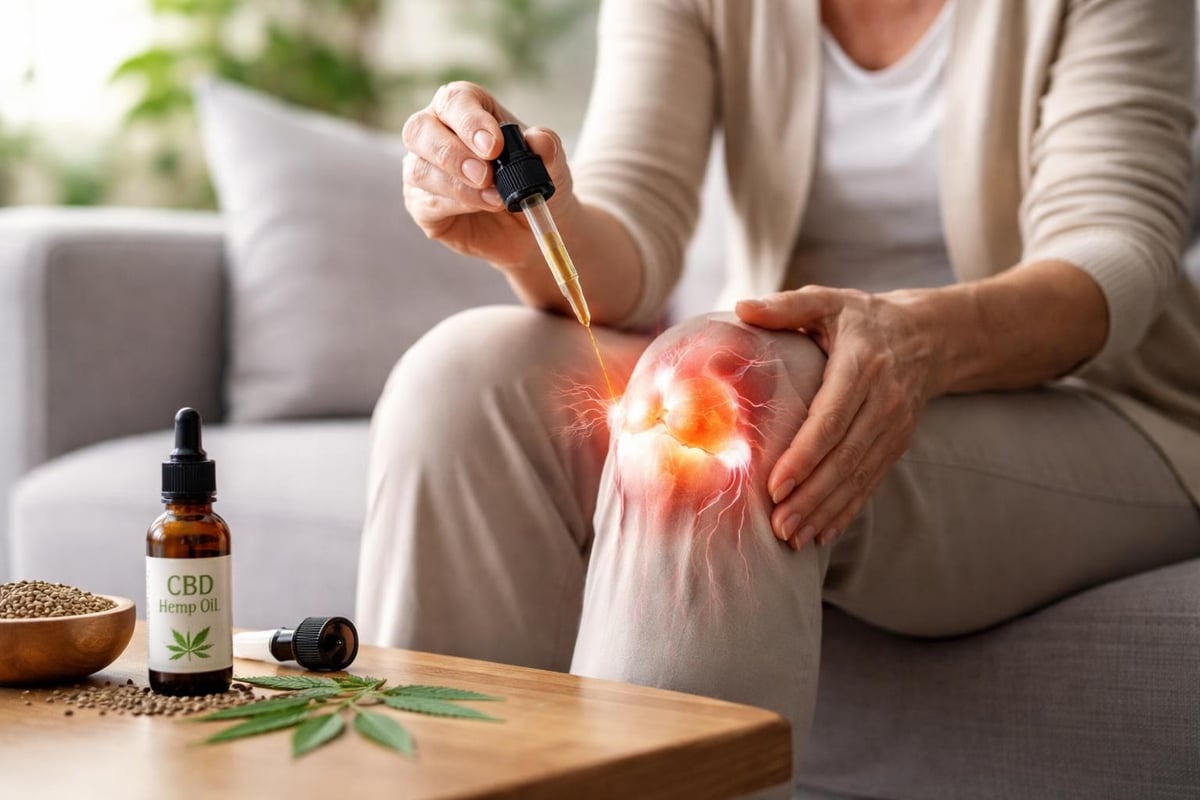
Cannabidiol (CBD) has emerged as a promising natural alternative for managing joint pain and inflammation. Research examining CBD for arthritis and joint pain demonstrates potential efficacy through multiple mechanisms.
CBD interacts with the endocannabinoid system, which regulates pain perception, immune response, and inflammatory processes. Unlike THC, CBD produces no intoxicating effects, making it suitable for daily use without impairment.
Benefits of CBD for joint pain:
- Reduces inflammatory cytokine production
- Modulates pain signaling pathways
- Improves sleep quality despite pain
- Minimal side effects compared to NSAIDs
- Non-addictive alternative to opioids
Quality matters significantly with CBD products. Third-party testing ensures accurate cannabinoid content and absence of contaminants. Understanding CBD hemp oil benefits for arthritis helps patients select appropriate formulations and dosing strategies.
Full-spectrum CBD contains multiple cannabinoids, terpenes, and flavonoids that work synergistically. Broad-spectrum products remove THC while retaining other beneficial compounds. Isolate forms contain pure CBD without additional hemp components.
Heat and Cold Therapy
Temperature-based treatments provide accessible, cost-effective relief. Heat increases blood flow, relaxing muscles and reducing stiffness. Cold therapy decreases inflammation and numbs acute pain.
Alternating hot and cold applications creates a pumping effect, enhancing circulation while controlling inflammation. Apply heat for 15-20 minutes, followed by cold for 10-15 minutes, repeating the cycle two to three times.
Dietary Modifications
Anti-inflammatory nutrition supports joint health from within. According to practical approaches for easing joint pain, dietary changes significantly impact inflammation levels and pain perception.
Anti-inflammatory foods to emphasize:
- Fatty fish rich in omega-3s (salmon, sardines, mackerel)
- Colorful fruits and vegetables high in antioxidants
- Nuts and seeds providing healthy fats
- Whole grains with fiber
- Turmeric and ginger with natural anti-inflammatory compounds
Foods that promote inflammation include refined sugars, processed meats, trans fats, and excessive alcohol. Reducing these items while increasing nutrient-dense options creates a dietary foundation for pain management.
Weight Management and Joint Health
Excess weight places additional stress on weight-bearing joints, particularly knees, hips, and ankles. Each pound of body weight creates approximately four pounds of pressure on knee joints during walking.
Impact of Weight Loss
Losing just 10-15 pounds significantly reduces joint pain and improves mobility for many overweight individuals. Weight reduction decreases inflammatory markers systemically, providing benefits beyond mechanical stress relief.
Sustainable weight loss combines dietary changes with increased physical activity. Working with healthcare providers ensures safe, effective strategies tailored to individual needs and limitations.
| Weight Loss | Knee Pressure Reduction | Pain Improvement |
|---|---|---|
| 10 pounds | 40 pounds less stress | 25-30% reduction |
| 20 pounds | 80 pounds less stress | 40-50% reduction |
| 30 pounds | 120 pounds less stress | 50-60% reduction |
Gradual weight loss of one to two pounds weekly proves more sustainable than rapid reduction. Crash diets often lead to muscle loss and nutritional deficiencies, potentially worsening joint health.
Physical Therapy and Professional Support
Licensed physical therapists design personalized exercise programs addressing specific joint limitations and pain patterns. Manual therapy techniques including massage, joint mobilization, and stretching complement exercise interventions.
Modalities Used in Physical Therapy
Ultrasound therapy delivers deep heat to tissues, promoting healing and reducing inflammation. Electrical stimulation blocks pain signals while strengthening muscles through controlled contractions.
Hydrotherapy utilizes water's buoyancy to enable exercise with reduced joint stress. Warm water pools allow greater range of motion and pain-free movement compared to land-based activities.
Taping and bracing provide external joint support, improving alignment and reducing pain during activity. Proper application by trained professionals ensures maximum benefit without restricting necessary movement.

Topical Treatments and Localized Relief
Topical applications deliver pain-relieving compounds directly to affected joints, minimizing systemic exposure and side effects. Various joint pain relief options include both over-the-counter and prescription formulations.
Types of Topical Products
Capsaicin creams derived from chili peppers deplete substance P, a neurotransmitter involved in pain signaling. Regular application over several weeks produces cumulative benefits, though initial burning sensations discourage some users.
Menthol and camphor products create cooling or warming sensations that override pain signals. These counter-irritants provide temporary relief without addressing underlying inflammation.
CBD topicals combine cannabinoid benefits with direct application to painful joints. Roll-on formulations enable easy, mess-free application while providing targeted relief. Post-workout recovery supplements often incorporate CBD for enhanced muscle and joint support.
Application Techniques
Applying topicals to clean, dry skin maximizes absorption. Gentle massage during application increases blood flow and product penetration. Washing hands thoroughly after application prevents accidental eye or mucous membrane contact.
Frequency recommendations vary by product, but most topicals work best with three to four daily applications. Consistent use produces better results than sporadic treatment.
Emerging Treatments and Future Directions
Scientific advances continue expanding options best for joint pain relief. Innovative approaches target pain at its source while minimizing side effects.
Regenerative Medicine
Platelet-rich plasma (PRP) injections concentrate growth factors from a patient's own blood, promoting tissue healing and reducing inflammation. While research continues, some patients report significant improvement with PRP therapy.
Stem cell treatments remain experimental but show promise for cartilage regeneration. Ethical concerns and regulatory considerations currently limit widespread availability.
Novel Pain Management Approaches
Researchers are developing pain sponge technology using specialized neurons to absorb pain signals before reaching the brain. This groundbreaking approach could revolutionize chronic pain management within the next decade.
Nerve ablation procedures interrupt pain signals from affected joints using radiofrequency energy. Results typically last six to twelve months before requiring repeat treatment.
Integrative Approaches for Optimal Results
Combining multiple strategies creates comprehensive pain management superior to single interventions. An integrative approach addresses physical, biochemical, and psychological aspects of chronic pain.
Mind-Body Techniques
Meditation and mindfulness reduce pain perception by altering brain activity patterns. Regular practice decreases stress hormones that amplify pain signals.
Cognitive behavioral therapy (CBT) helps patients develop coping strategies and challenge negative thought patterns about pain. CBT improves function and quality of life even when pain levels remain constant.
Breathing exercises activate the parasympathetic nervous system, promoting relaxation and reducing muscle tension around painful joints.
Creating Your Personal Plan
- Assess current pain levels and functional limitations
- Identify triggering activities and aggravating factors
- Select two to three initial interventions to implement
- Track progress weekly using pain scales and activity logs
- Adjust strategies based on results after four to six weeks
- Add complementary therapies gradually for synergistic benefits
Working with healthcare providers ensures safe, effective combinations. Some treatments interact or contraindicate each other, requiring professional guidance.
Monitoring Progress and Adjusting Treatment
Effective pain management requires ongoing evaluation and modification. What works initially may need adjustment as conditions change or the body adapts to interventions.
Tracking Methods
Pain diaries record intensity, location, and duration of discomfort alongside activities, foods, and treatments. Patterns emerge over weeks, revealing triggers and effective interventions.
Functional assessments measure specific capabilities like walking distance, stair climbing, or dressing independence. Improvements in function often matter more than pain scale numbers.
Quality of life questionnaires capture broader impacts including sleep, mood, social participation, and overall satisfaction. Managing chronic pain while maintaining enjoyment represents a key goal for many patients.
When to Modify Treatment
Persistent pain despite consistent intervention for six to eight weeks signals need for adjustment. Adding complementary therapies or switching primary treatments may produce better results.
New or worsening symptoms require immediate medical evaluation. Sudden onset severe pain, joint deformity, or systemic symptoms like fever indicate potential serious conditions needing urgent attention.
Addressing Common Barriers to Treatment
Many patients struggle with consistency despite knowing beneficial interventions. Understanding and overcoming these obstacles improves long-term success.
Financial Considerations
Treatment costs create significant barriers for some patients. Generic medications, community exercise programs, and natural therapies often provide affordable alternatives to expensive interventions.
Insurance coverage varies widely for different treatments. Investigating benefits before starting therapy prevents unexpected expenses and financial stress.
Time and Convenience Challenges
Busy schedules make consistent treatment difficult. Home-based exercises, convenient topical applications, and streamlined routines increase adherence compared to time-intensive programs.
Planning exercise and therapy sessions like non-negotiable appointments improves consistency. Starting with minimal time commitments and gradually increasing proves more sustainable than ambitious initial goals.
Fear of Pain or Worsening Symptoms
Kinesiophobia (fear of movement causing pain) keeps many patients sedentary despite exercise benefits. Education about appropriate pain during activity versus harmful pain helps overcome this barrier.
Starting with very gentle, low-intensity movements builds confidence. Professional guidance from physical therapists ensures safe progression without injury or excessive discomfort.
Special Considerations for Specific Conditions
Different types of joint conditions require tailored approaches for optimal results. Understanding condition-specific factors ensures appropriate treatment selection.
Rheumatoid Arthritis
Autoimmune-driven inflammation requires disease-modifying treatments to prevent joint damage. Beating rheumatoid arthritis pain involves addressing systemic inflammation while managing local symptoms.
Flare management differs from baseline pain control. Having strategies ready for both scenarios prevents escalating discomfort during inflammatory episodes.
Osteoarthritis
Degenerative changes respond well to weight management, exercise, and joint protection strategies. Preserving remaining cartilage through appropriate activity selection slows progression.
Fibromyalgia
Widespread pain and central sensitization characterize fibromyalgia. Understanding what fibromyalgia pain feels like helps differentiate it from localized joint conditions, guiding treatment selection.
Gentle exercise, sleep optimization, and stress management form the foundation of fibromyalgia treatment. Pushing through pain typically worsens symptoms rather than building tolerance.
Finding relief from joint pain requires patience, persistence, and willingness to explore multiple evidence-based approaches. The most effective strategies combine conventional treatments, natural alternatives like CBD hemp oil, lifestyle modifications, and mind-body techniques tailored to individual needs and conditions. At Reclaim Labs, we understand the challenges of living with chronic joint pain and inflammation, which is why we've developed premium CBD hemp oil products specifically formulated to help manage conditions like rheumatoid arthritis, osteoarthritis, and fibromyalgia. Our third-party tested, transparent formulations provide a natural alternative for those seeking effective relief without the side effects of conventional medications. Discover how our full-spectrum and broad-spectrum CBD solutions can support your journey toward greater comfort and improved quality of life.