Living an active lifestyle brings tremendous health benefits, but it also comes with its share of physical challenges. Athletes, weekend warriors, and fitness enthusiasts frequently experience muscle soreness, joint discomfort, and inflammation following intense workouts or prolonged physical activity. Traditional pain management approaches often involve over-the-counter medications or prescription drugs, but many active individuals are now turning to natural alternatives. CBD for active lifestyle pain has emerged as a compelling option for those seeking effective relief without the potential side effects associated with conventional pain medications.
Understanding Pain Patterns in Active Individuals
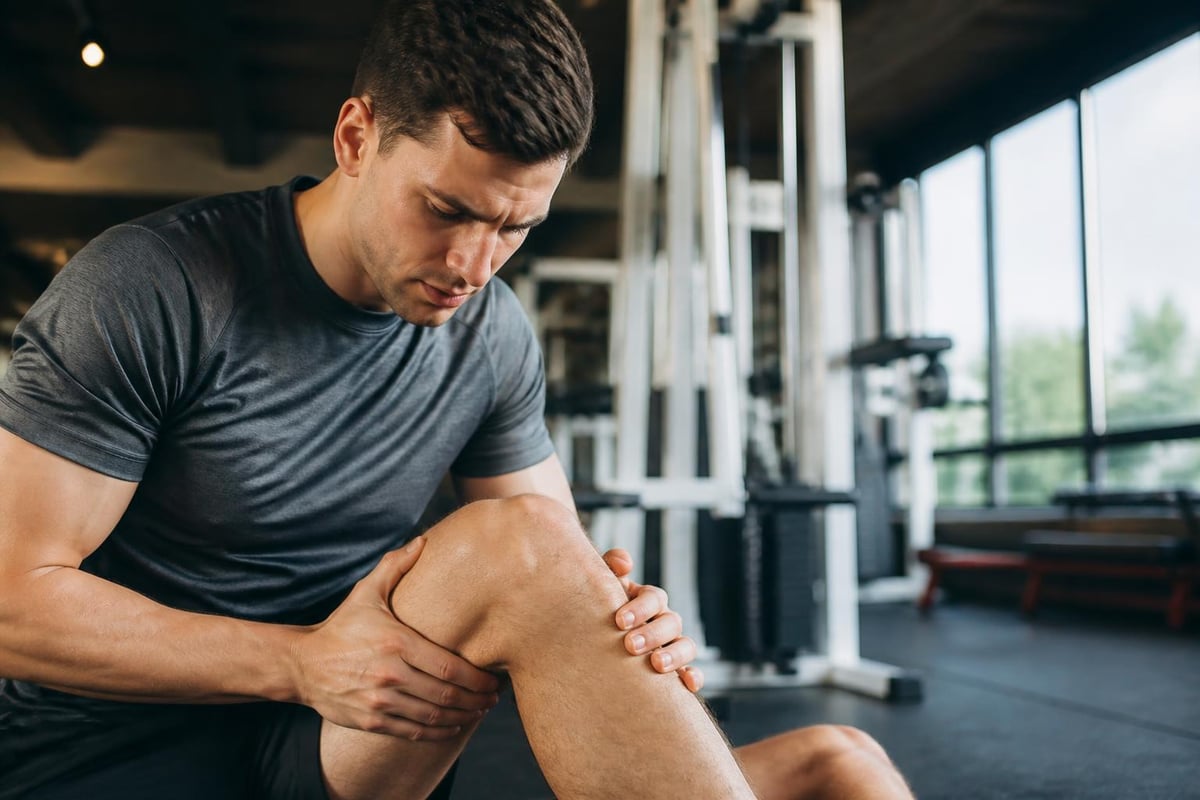
Physical activity places significant demands on muscles, joints, and connective tissues. Exercise-induced muscle damage triggers inflammatory responses that can persist for 24 to 72 hours after intense training sessions.
Common pain points include:
- Delayed onset muscle soreness (DOMS) affecting major muscle groups
- Joint inflammation in knees, shoulders, and elbows from repetitive movements
- Tendon irritation from overuse or improper form
- Lower back discomfort from strength training or running
- Chronic inflammation from cumulative stress on the body
These conditions can significantly impact training consistency and overall quality of life. According to a recent study on recreationally active female cannabidiol users, many athletes are exploring CBD as a potential solution for managing exercise-related discomfort and supporting their recovery processes.
How CBD Addresses Exercise-Related Discomfort
Cannabidiol interacts with the body's endocannabinoid system, a complex network of receptors that regulate pain perception, inflammation, and immune responses. This system plays a crucial role in maintaining homeostasis throughout the body.
The Endocannabinoid System Connection
The endocannabinoid system contains CB1 and CB2 receptors distributed throughout the nervous system and immune tissues. CBD influences these receptors indirectly, modulating how the body processes pain signals and manages inflammatory responses.
When you engage in strenuous physical activity, your body releases endocannabinoids naturally as part of the recovery process. Supplementing with CBD may enhance this natural mechanism, potentially providing more efficient pain management and faster recovery times.
| Mechanism | Effect on Active Individuals | Benefit Timeline |
|---|---|---|
| Anti-inflammatory action | Reduces swelling in muscles and joints | 1-2 hours topically, 2-4 hours orally |
| Pain signal modulation | Decreases perception of discomfort | Varies by delivery method |
| Muscle relaxation | Eases tension and spasms | 30 minutes to 2 hours |
| Sleep quality improvement | Enhances recovery during rest | Ongoing with consistent use |
For those dealing with chronic conditions alongside their active pursuits, understanding CBD hemp oil benefits for pain becomes particularly important in developing a comprehensive wellness strategy.
Choosing the Right CBD Product for Your Activity Level
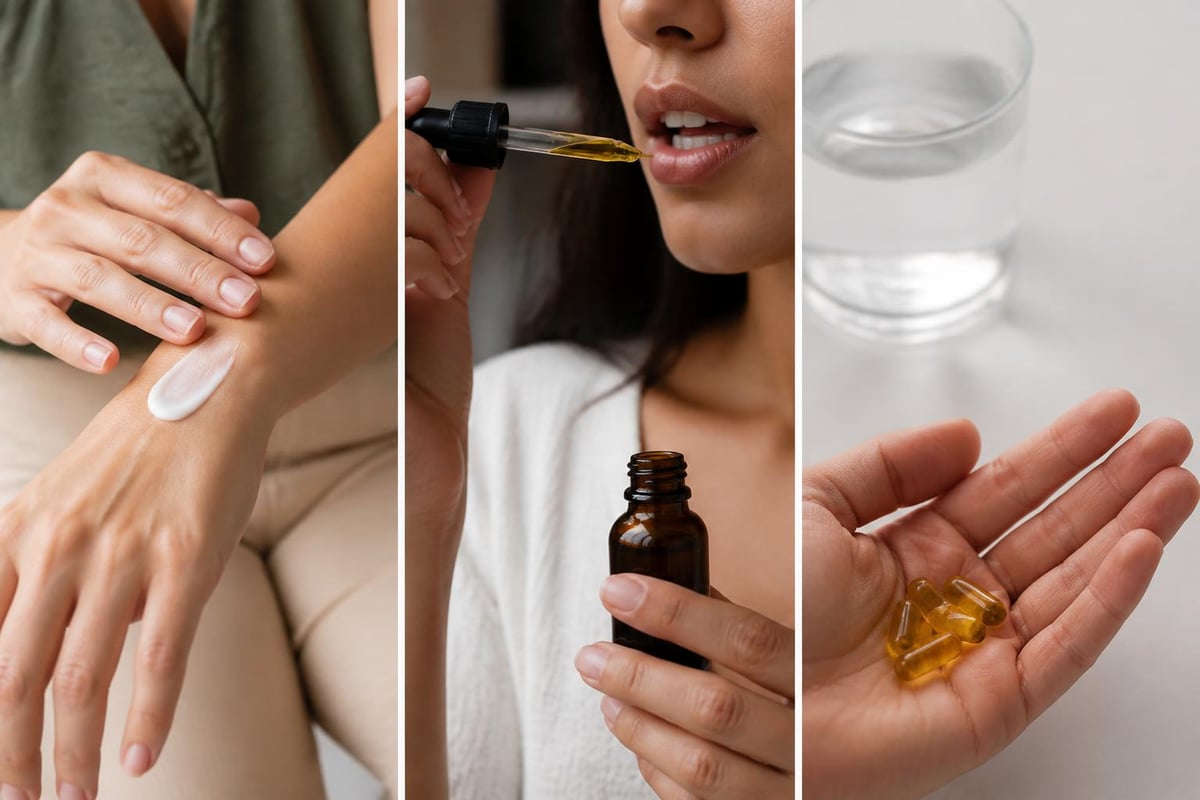
Different forms of cbd for active lifestyle pain serve different purposes depending on your specific needs and preferences. The delivery method significantly impacts onset time, duration, and targeted effectiveness.
Topical Applications for Targeted Relief
Roll-ons, balms, and gels provide localized relief directly where you need it most. These products work exceptionally well for joint pain, muscle soreness, and surface-level inflammation. Papa & Barkley's Extra Strength 3:1 Active Releaf Stick represents one example of targeted topical solutions designed specifically for athletes.
Advantages of topical CBD:
- Fast-acting relief at the application site
- No systemic absorption concerns
- Easy to apply before or after workouts
- Can be combined with oral CBD for enhanced effects
- Portable and convenient for gym bags
Oral Tinctures for Comprehensive Support
CBD oil tinctures offer systemic benefits throughout the body. They work well for managing overall inflammation, supporting recovery, and addressing widespread discomfort. Products like CANVIVA's SPORT CBD Oil Tincture provide substantial concentrations designed for active adults.
Sublingual administration allows CBD to enter the bloodstream through tissues under the tongue, bypassing first-pass metabolism and providing relatively quick onset compared to capsules or edibles.
Combination Approaches for Maximum Effectiveness
Many active individuals find that combining different CBD delivery methods provides the most comprehensive relief. This strategy allows you to address both immediate, localized discomfort and systemic inflammation simultaneously.
Dosing Strategies for Athletic Performance and Recovery
Finding the optimal CBD dosage requires individual experimentation, as factors like body weight, metabolism, pain severity, and product potency all influence effectiveness.
Starting Point Recommendations
Begin with conservative doses and gradually increase:
- Low dose (10-20mg daily): Suitable for mild discomfort and maintenance
- Moderate dose (20-40mg daily): Appropriate for regular training-related soreness
- Higher dose (40-80mg daily): Reserved for intense pain or chronic conditions
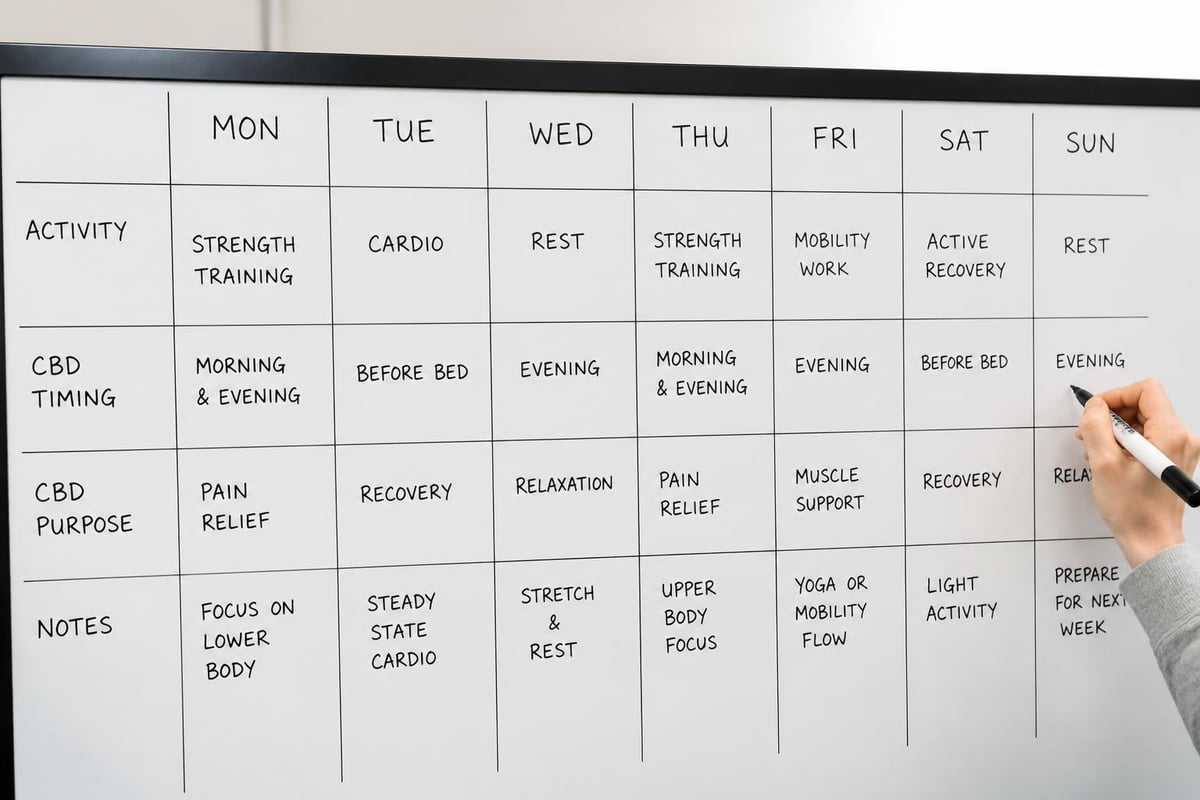
- Split dosing: Divide daily intake between morning and evening for consistent coverage
Athletes managing both acute exercise-related pain and chronic conditions like arthritis may benefit from exploring CBD hemp oil benefits for arthritis to understand how these applications overlap.
Timing Your CBD Intake
Strategic timing maximizes CBD's benefits for active individuals. Consider these approaches based on your training schedule and pain patterns.
| Timing Strategy | Purpose | Best For |
|---|---|---|
| Pre-workout (30-60 min before) | Reduce inflammation during exercise | High-intensity training, joint concerns |
| Post-workout (immediately after) | Accelerate recovery processes | Strength training, endurance activities |
| Before bed | Support restorative sleep | Overall recovery, chronic pain management |
| Consistent daily dosing | Maintain steady levels | Chronic inflammation, regular training |
Full-Spectrum vs. Broad-Spectrum for Athletes
Understanding the distinction between CBD product types helps active individuals make informed choices aligned with their needs and circumstances.
Full-Spectrum Benefits
Full-spectrum CBD contains all naturally occurring compounds from the hemp plant, including trace amounts of THC (below 0.3% federally legal limit). The "entourage effect" suggests these compounds work synergistically to enhance therapeutic benefits.
Full-spectrum may be ideal for:
- Maximum pain relief potential
- Enhanced anti-inflammatory effects
- Non-competitive athletes with no drug testing concerns
- Individuals seeking comprehensive cannabinoid benefits
Products like cbdMD's Full Spectrum CBD MAX Pain Tablets combine CBD with THC and herbal ingredients specifically targeting muscle soreness and joint stiffness.
Broad-Spectrum Advantages
Broad-spectrum CBD retains multiple beneficial hemp compounds while removing THC entirely. This option provides many entourage effect benefits without any THC exposure.
Broad-spectrum suits:
- Competitive athletes subject to drug testing
- Individuals sensitive to THC
- Those requiring zero-THC verification
- People seeking cannabinoid diversity without psychoactive concerns
Third-party lab testing becomes crucial when selecting broad-spectrum products to verify complete THC removal while confirming the presence of other beneficial cannabinoids and terpenes.
Integrating CBD into Your Recovery Routine
CBD for active lifestyle pain works best as part of a comprehensive recovery strategy rather than as a standalone solution. Combining CBD with proven recovery methods creates synergistic benefits.
Complementary Recovery Practices
Successful active individuals typically employ multiple recovery modalities working together:
- Proper nutrition: Anti-inflammatory diet supporting natural healing processes
- Adequate hydration: Essential for flushing metabolic waste and reducing inflammation
- Quality sleep: Primary recovery window where tissue repair occurs
- Active recovery: Light movement promoting circulation and waste removal
- Stretching and mobility work: Maintaining range of motion and preventing stiffness
- CBD supplementation: Supporting all of the above processes naturally
Those dealing with specific pain patterns, such as foot pain from running or standing, can benefit from targeted CBD applications combined with appropriate footwear and biomechanical corrections.
Creating Your Personal Protocol
Developing an effective CBD routine requires attention to your unique response patterns and training demands.
Steps to optimize your approach:
- Track your baseline pain levels before starting CBD
- Document dosages, timing, and products used
- Note changes in pain intensity, recovery speed, and sleep quality
- Adjust variables systematically rather than changing multiple factors simultaneously
- Allow 2-3 weeks for full evaluation of any protocol changes
Safety Considerations and Quality Standards
Not all CBD products deliver equal quality or safety profiles. Active individuals investing in their health deserve products meeting rigorous standards.
Third-Party Testing Requirements
Reputable CBD companies provide certificates of analysis (COA) from independent laboratories verifying:
- Actual CBD content matches label claims
- Absence of harmful contaminants (heavy metals, pesticides, solvents)
- THC levels within legal limits
- Presence of advertised cannabinoid profiles
Products like Nuasan's Active CBD Muscle Gel from established brands typically undergo comprehensive testing to ensure purity and potency.
Potential Interactions and Precautions
CBD generally demonstrates excellent safety profiles, but awareness of potential interactions remains important. CBD can affect how the liver metabolizes certain medications through cytochrome P450 enzyme pathways.
Consult healthcare providers if you take:
- Blood thinners
- Anti-seizure medications
- Immunosuppressants
- Prescription pain medications
- Any medication with grapefruit warnings
Starting with lower doses and monitoring your response helps identify any unexpected reactions before progressing to higher amounts.
The Role of Transparency in CBD Selection
Companies committed to quality prioritize transparency throughout their operations. This commitment protects consumers and ensures product reliability.
What Transparency Looks Like
Key indicators of reputable CBD companies:
- Publicly available third-party lab results
- Clear sourcing information for hemp material
- Detailed extraction method disclosure
- Responsive customer service for questions
- Educational resources beyond marketing claims
- Money-back guarantees demonstrating product confidence
For those comparing options, visiting the Reclaim Labs FAQ page provides insights into how transparent companies address common questions and concerns.
Managing Expectations and Long-Term Results
CBD for active lifestyle pain offers genuine benefits, but understanding realistic timelines and outcomes prevents disappointment and supports consistent use.
Short-Term vs. Long-Term Effects
Initial experiences with CBD vary considerably among users. Some individuals report immediate relief, particularly with topical applications, while others require consistent use over several weeks to notice significant changes.
| Timeframe | Expected Outcomes | Optimization Strategy |
|---|---|---|
| First application | Possible localized relief (topicals) | Use after particularly intense workouts |
| First week | Minimal systemic changes | Establish consistent dosing schedule |
| 2-4 weeks | Noticeable reduction in recovery time | Fine-tune dosage based on response |
| 1-3 months | Cumulative anti-inflammatory benefits | Evaluate overall training capacity improvements |
| 3+ months | Optimized personal protocol | Maintain consistency, adjust as training evolves |
Athletes managing chronic conditions alongside their active pursuits may find additional value in understanding CBD oil for chronic pain management strategies.
Addressing Specific Athletic Pain Scenarios
Different activities create distinct pain patterns requiring tailored approaches to cbd for active lifestyle pain management.
Runners and Endurance Athletes
Distance running creates repetitive impact stress affecting joints, connective tissues, and muscles. Common issues include IT band syndrome, plantar fasciitis, knee pain, and general leg muscle soreness.
Recommended approach:
- Pre-run: Light topical application to problem joints
- Post-run: Comprehensive topical coverage on major muscle groups
- Evening: Oral CBD supporting overnight recovery and inflammation management
- Rest days: Consistent oral dosing maintaining baseline anti-inflammatory effects
Strength Training Enthusiasts
Weightlifting causes intentional muscle damage stimulating growth, but excessive inflammation can hinder progress and cause lingering discomfort.
Combining Stirling's CBD Pain Relief Roll-On with oral CBD provides both targeted and systemic support for the unique demands of resistance training.
CrossFit and High-Intensity Training
Mixed-modal training challenges multiple systems simultaneously, often resulting in widespread muscle soreness and joint stress from varied movement patterns.
Strategic CBD use:
- Focus on recovery rather than pre-workout application
- Higher doses may be appropriate given training intensity
- Prioritize products combining CBD with cooling or warming ingredients
- Consider timing doses to support both immediate recovery and sleep quality
Yoga and Flexibility-Focused Activities
While generally lower impact, yoga and similar practices can create specific joint stresses, particularly in wrists, shoulders, and hips from sustained positions.
Moderate CBD doses supporting joint health and reducing low-level inflammation help maintain practice consistency without the acute soreness associated with higher-intensity training.
Building Long-Term Wellness Strategies
Sustainable active lifestyles require proactive approaches to pain management rather than reactive responses to acute injuries.
Prevention vs. Treatment Mindset
Using cbd for active lifestyle pain preventively offers advantages over waiting until discomfort becomes debilitating. Consistent, moderate dosing may reduce the inflammatory baseline that makes acute flare-ups more likely.
This approach aligns with broader wellness principles emphasizing maintenance over crisis management. Regular CBD use potentially allows you to train more consistently by minimizing the cumulative inflammatory burden from repeated workouts.
Listening to Your Body
CBD should enhance your ability to interpret pain signals appropriately, not mask warning signs of genuine injury. Productive training discomfort differs fundamentally from pain indicating damage requiring rest or medical attention.
Distinguishing productive vs. problematic pain:
- Sharp, sudden pain during movement suggests potential injury
- Gradual onset soreness after workouts indicates normal training response
- Pain preventing normal daily activities warrants professional evaluation
- Asymmetric pain (one side only) may indicate biomechanical issues
- Pain that worsens with continued activity requires immediate cessation
Using CBD to push through legitimate injury warnings creates risks far outweighing short-term performance goals.
The Science Behind CBD and Athletic Recovery
Research into CBD's effects on athletic populations continues expanding, with promising preliminary findings supporting anecdotal reports from active individuals.
Current Research Landscape
While large-scale clinical trials specifically examining cbd for active lifestyle pain remain limited, existing studies on CBD's anti-inflammatory and analgesic properties provide relevant insights. Research demonstrates CBD's interaction with multiple physiological systems involved in pain processing and inflammation management.
The mechanisms appear to involve more than simple receptor binding, including effects on inflammatory mediator production, immune system modulation, and neuroplasticity related to chronic pain conditions.
Emerging Areas of Investigation
Scientists are exploring CBD's potential effects on:
- Exercise-induced oxidative stress reduction
- Muscle protein synthesis and recovery optimization
- Neuroinflammation related to concussion and contact sports
- Performance anxiety management in competitive settings
- Sleep architecture improvements supporting recovery
As research methodologies improve and regulatory environments evolve, more definitive evidence will emerge regarding optimal CBD protocols for various athletic applications.
Product Selection Criteria for Active Individuals
Choosing appropriate CBD products requires evaluating multiple factors beyond simple CBD concentration.
Potency Considerations
Higher concentration doesn't automatically mean better results. Product selection should match your specific needs, experience level, and pain severity.
Concentration guidelines:
- 250-500mg total CBD: Suitable for mild, occasional discomfort
- 500-1500mg total CBD: Appropriate for regular active individuals
- 1500-3000mg total CBD: Designed for intense training or chronic conditions
- 3000mg+ total CBD: Reserved for severe pain or very high body weight
Remember that concentration refers to the entire container. A 1000mg bottle containing 30ml provides approximately 33mg per 1ml serving.
Additional Ingredient Evaluation
Many CBD products targeting active lifestyles include complementary ingredients enhancing effectiveness:
- Menthol and camphor: Provide cooling sensations for immediate relief perception
- Arnica: Traditional botanical used for bruising and muscle soreness
- Turmeric/curcumin: Powerful anti-inflammatory compounds
- Magnesium: Supports muscle relaxation and recovery
- MCT oil: Carrier improving CBD absorption in oral products
Products like Hempdepotco's Cibadol Zero Muscle Gel Roll-On combine substantial CBD concentrations with complementary ingredients optimizing the formula for athletic applications.
Value Assessment
Price comparison requires examining cost per milligram of CBD rather than simply bottle price. Calculate by dividing total cost by total CBD milligrams.
A $60 bottle containing 1000mg CBD costs $0.06 per mg, while a $100 bottle with 2500mg costs $0.04 per mg, making the higher-priced option actually more economical.
Managing pain from an active lifestyle requires thoughtful approaches balancing immediate relief with long-term wellness. CBD offers a natural alternative supporting both goals without the side effects associated with conventional pain medications. Whether you're addressing exercise-induced muscle soreness, joint inflammation, or chronic conditions affecting your training, quality CBD products can become valuable components of comprehensive recovery strategies. Reclaim Labs provides premium, third-party tested CBD hemp oil products specifically designed for individuals seeking effective, transparent solutions for pain and inflammation management, helping you maintain the active lifestyle you love.