Athletes, active individuals, and anyone recovering from physical injury face a common challenge: managing pain and inflammation while supporting the body's natural healing processes. Traditional approaches often involve pharmaceuticals with unwanted side effects or lengthy recovery periods that limit mobility and quality of life. As research expands into cannabinoid therapeutics, CBD for injury healing has emerged as a promising natural alternative that addresses multiple aspects of the recovery process simultaneously. Understanding how CBD interacts with the body's endocannabinoid system reveals why this compound has gained significant attention in sports medicine and rehabilitation circles.
Understanding the Biological Mechanisms Behind CBD for Injury Healing
The human endocannabinoid system plays a critical role in regulating inflammation, pain perception, and tissue repair. When injury occurs, whether from sports activities, accidents, or repetitive strain, the body initiates a complex cascade of inflammatory responses designed to protect damaged tissue and begin the healing process.
CBD interacts with cannabinoid receptors throughout the body, particularly CB2 receptors concentrated in immune system cells and peripheral tissues. This interaction modulates the inflammatory response, potentially reducing excessive inflammation that can delay healing while maintaining the beneficial aspects necessary for tissue repair.
How CBD Influences the Injury Recovery Timeline
Research demonstrates that CBD for injury healing works through multiple pathways simultaneously:
- Anti-inflammatory action reduces swelling and tissue damage
- Analgesic properties diminish pain signaling without affecting cognitive function
- Antioxidant effects protect cells from oxidative stress during recovery
- Sleep enhancement supports the body's natural repair processes
- Anxiety reduction addresses psychological aspects of injury recovery
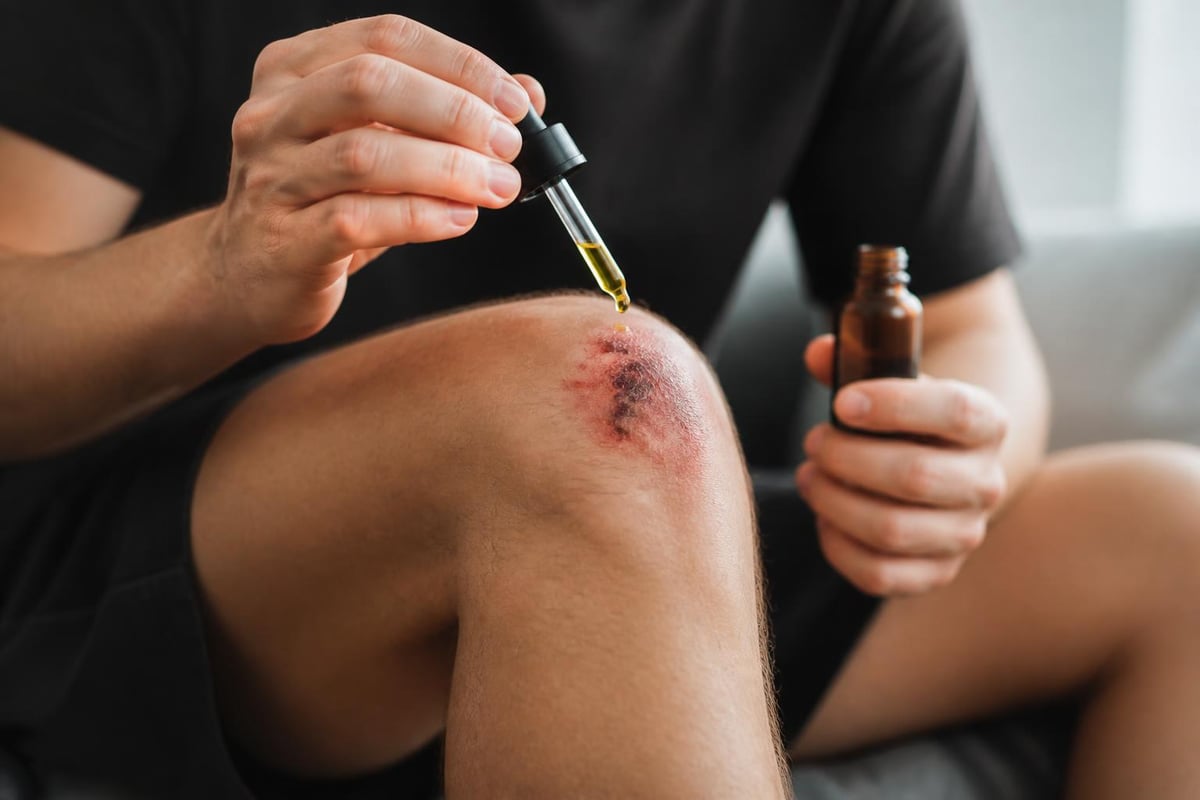
A randomized placebo-controlled trial evaluating CBD's efficacy in reducing pain associated with exercise-induced muscle injury provided compelling evidence for CBD's role in muscle recovery. Participants receiving CBD showed measurable improvements in both pain reduction and functional capacity compared to placebo groups.
Clinical Evidence Supporting CBD for Different Injury Types
Not all injuries respond to treatment in the same manner, and CBD's versatility across various injury types makes it particularly valuable for comprehensive recovery protocols. Understanding which injuries benefit most from CBD supplementation helps individuals make informed decisions about their healing journey.
Muscle Injuries and Strains
Muscle damage from overexertion, tears, or strains represents one of the most common injury categories. A pilot study investigating topical CBD application on muscle recovery revealed promising results regarding enhanced healing processes after exercise-induced damage.
Athletes and fitness enthusiasts using CBD for injury healing report several benefits:
- Reduced delayed onset muscle soreness (DOMS)
- Faster return to training capacity
- Decreased reliance on NSAIDs and other pain medications
- Improved sleep quality during recovery periods
- Better range of motion maintenance during healing
For those managing chronic conditions that affect muscle function, such as fibromyalgia, understanding CBD oil benefits for fibromyalgia provides additional context for its therapeutic applications.
Joint Injuries and Inflammation
Joint injuries present unique challenges because of the limited blood supply to cartilage and the chronic inflammation that often accompanies damage to these structures. CBD for injury healing addresses both acute trauma and the long-term inflammatory processes that can lead to degenerative conditions.
| Injury Type | Primary Benefit | Secondary Benefit | Application Method |
|---|---|---|---|
| Sprains/Strains | Pain reduction | Inflammation control | Topical + Oral |
| Tendonitis | Inflammation management | Improved mobility | Topical targeted |
| Arthritis flares | Joint pain relief | Stiffness reduction | Combined approach |
| Post-surgical | Swelling reduction | Sleep support | Oral primary |
Research into CBD hemp oil benefits for arthritis demonstrates how these compounds support joint health beyond acute injury scenarios, offering long-term benefits for chronic conditions.
Optimal Dosing Strategies for Injury Recovery
Determining the appropriate CBD dosage for injury healing requires consideration of multiple factors including injury severity, individual body chemistry, and product formulation. Unlike pharmaceutical medications with standardized dosing, CBD therapy often requires personalization to achieve optimal results.
Factors Influencing CBD Dosage Requirements
Body weight, metabolism, injury location, and inflammation severity all impact how much CBD proves effective. Most practitioners recommend starting with lower doses and gradually increasing until desired therapeutic effects appear.
Typical starting protocols include:
- Mild injuries: 10-25mg daily, divided into two doses
- Moderate injuries: 25-50mg daily, potentially increased after one week
- Severe injuries: 50-100mg+ daily under healthcare provider guidance
- Chronic inflammation: Sustained moderate dosing with periodic adjustments
The comprehensive guide on how CBD works provides deeper insight into the biological mechanisms that inform these dosing strategies.
Combining Delivery Methods for Enhanced Results
Many individuals find that combining oral CBD supplementation with topical applications delivers superior results for localized injuries. This dual approach addresses both systemic inflammation and provides concentrated relief to specific injury sites.
Product Selection and Quality Considerations
The CBD market offers numerous products claiming therapeutic benefits, but quality varies dramatically between manufacturers. For CBD for injury healing to deliver consistent results, product selection must prioritize purity, potency, and third-party verification.
Full-Spectrum vs. Broad-Spectrum CBD for Recovery
Full-spectrum products contain all naturally occurring cannabinoids, terpenes, and trace amounts of THC (below 0.3%), creating an "entourage effect" that may enhance therapeutic benefits. Broad-spectrum formulations offer similar compound diversity without THC, making them suitable for individuals subject to drug testing or those preferring complete THC avoidance.
Key quality indicators include:
- Third-party laboratory testing certificates (COAs)
- Transparent sourcing and extraction methods
- Consistent cannabinoid concentrations
- Absence of heavy metals, pesticides, and solvents
- Clear labeling with accurate CBD content
Premium manufacturers provide detailed information about their testing protocols. Reclaim Labs maintains transparency through accessible certificate of analysis documentation that verifies product purity and potency.
Topical Formulations for Targeted Relief
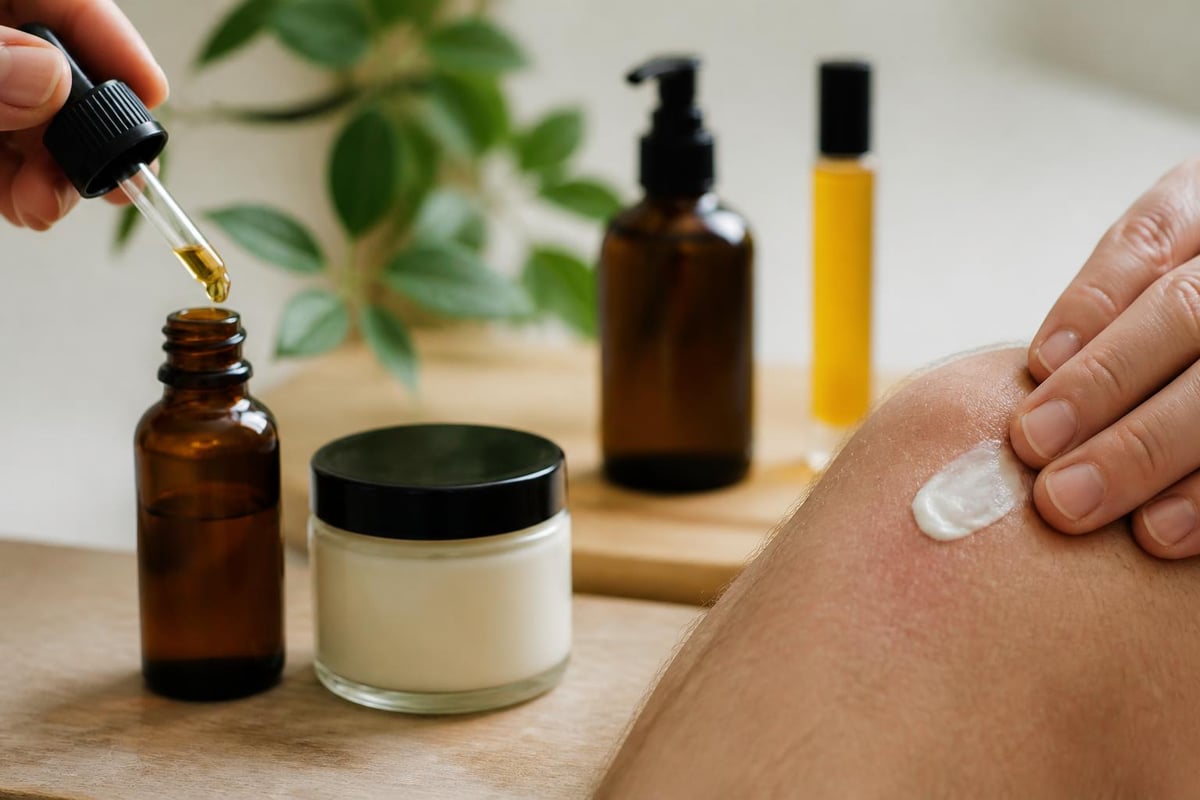
Topical CBD products deliver cannabinoids directly to injury sites through skin absorption. These formulations prove particularly effective for surface-level muscle injuries, joint pain, and localized inflammation without entering systemic circulation.
Research examining topical cannabidiol efficacy in managing tissue healing demonstrates the compound's ability to support repair processes when applied directly to affected areas.
| Product Type | Best For | Absorption Time | Duration |
|---|---|---|---|
| Roll-on applicators | Precise targeting | 15-30 minutes | 2-4 hours |
| Creams/balms | Large areas | 20-45 minutes | 3-6 hours |
| Patches | Sustained release | 30-60 minutes | 8-12 hours |
| Oils/tinctures (oral) | Systemic effects | 30-90 minutes | 4-8 hours |
Integrating CBD into Comprehensive Recovery Protocols
While CBD for injury healing offers significant benefits, optimal recovery requires a holistic approach combining multiple therapeutic modalities. Successful rehabilitation integrates CBD with physical therapy, appropriate rest, nutrition optimization, and gradual return to activity.
Synergistic Therapies That Enhance CBD Effectiveness
CBD works most effectively when combined with evidence-based recovery practices. Physical therapy exercises maintain mobility and prevent compensatory movement patterns that could lead to secondary injuries. Proper nutrition provides the building blocks necessary for tissue repair, while adequate hydration supports cellular function and waste removal.
Complementary recovery strategies include:
- Progressive loading exercises supervised by qualified professionals
- Anti-inflammatory dietary patterns emphasizing whole foods
- Sleep optimization techniques for enhanced healing
- Stress management through mindfulness or meditation
- Appropriate rest intervals between training sessions
Understanding arthritis management strategies provides valuable frameworks applicable to various injury recovery scenarios, particularly for individuals dealing with chronic inflammatory conditions.
Monitoring Progress and Adjusting Treatment Plans
Successful injury recovery requires consistent monitoring and willingness to adjust approaches based on response. Keeping detailed records of pain levels, functional capacity, and CBD dosing helps identify patterns and optimize protocols.
Track these key metrics throughout recovery:
- Daily pain ratings on a 0-10 scale
- Range of motion measurements
- Sleep quality and duration
- Activity tolerance levels
- Any adverse reactions or concerns
Safety Considerations and Potential Interactions
CBD demonstrates an excellent safety profile in clinical research, with most individuals tolerating therapeutic doses without significant adverse effects. However, understanding potential interactions and contraindications ensures safe integration into recovery protocols.
Common Side Effects and Management
While generally well-tolerated, some individuals experience mild side effects when using CBD for injury healing. These typically resolve with dosage adjustments or discontinuation.
Reported side effects include:
- Dry mouth (managed through increased hydration)
- Drowsiness (adjust timing or reduce dose)
- Digestive changes (take with food)
- Changes in appetite (typically temporary)
- Mild dizziness (reduce dose, ensure proper hydration)
Most side effects occur at higher dosages and diminish as the body adapts to regular CBD use.
Drug Interactions and Medical Considerations
CBD metabolizes through the same liver enzyme pathways (cytochrome P450) as many common medications. This creates potential for interactions that may increase or decrease the effectiveness of certain drugs.
Individuals taking the following medication categories should consult healthcare providers before using CBD:
- Blood thinners and anticoagulants
- Certain antidepressants and anti-anxiety medications
- Anti-seizure medications
- Immunosuppressants
- Pain medications, particularly opioids
The comprehensive FAQ section addresses common questions about CBD safety and appropriate use for various conditions.
Real-World Applications Across Different Activity Levels
CBD for injury healing benefits individuals across the activity spectrum, from professional athletes to weekend warriors and those recovering from accidents or surgery. Understanding how different populations utilize CBD provides practical insights for personal application.
Athletic Performance and Recovery
Professional and amateur athletes increasingly incorporate CBD into training regimens, citing benefits for both injury prevention and recovery acceleration. The detailed research on CBD's efficacy in reducing exercise-induced muscle injury supports many athletes' experiential reports.
Athletes report using CBD for:
- Pre-workout anxiety management
- Post-training inflammation control
- Sleep quality enhancement during intense training blocks
- Management of chronic overuse injuries
- Competition recovery protocols
Chronic Pain Conditions and Injury Healing
Individuals managing conditions like rheumatoid arthritis or fibromyalgia often experience acute injury flares alongside baseline symptoms. CBD for injury healing addresses both acute trauma and underlying chronic inflammation, making it particularly valuable for this population.
Those dealing with persistent pain conditions find CBD helps manage:
- Acute flare-ups triggered by minor injuries
- Accumulated inflammation from daily activities
- Sleep disruption from pain
- Stress and anxiety related to chronic conditions
- Reduced pharmaceutical dependency
Resources on CBD hemp oil benefits for pain offer additional guidance for those managing persistent discomfort alongside injury recovery.
Future Research Directions and Emerging Applications
The scientific understanding of CBD for injury healing continues evolving as researchers explore new applications and refine dosing protocols. Ongoing clinical trials examine CBD's potential for specific injury types, optimal delivery methods, and long-term safety profiles.
Promising Areas of Investigation
Current research focuses on several exciting frontiers:
- Bone fracture healing: Early animal studies suggest CBD may accelerate bone repair
- Nerve injury recovery: Preliminary research examines neuroprotective properties
- Post-surgical healing: Studies evaluate CBD's role in reducing post-operative complications
- Scar tissue formation: Investigation into whether CBD influences collagen deposition patterns
- Combination therapies: Research on CBD paired with other natural compounds
Standardization and Regulatory Development
As CBD gains mainstream acceptance, efforts toward standardization and regulatory clarity continue advancing. Future developments will likely include:
- Standardized dosing guidelines for specific injury types
- Enhanced quality control measures across the industry
- Greater insurance coverage for CBD therapeutic applications
- Expanded clinical research funding
- Professional training programs for healthcare providers
The trajectory suggests CBD will become increasingly integrated into conventional rehabilitation protocols as evidence accumulates and regulatory frameworks mature.
Practical Implementation Guide for Injury Recovery
Successfully incorporating CBD for injury healing into recovery protocols requires thoughtful planning and consistent application. This practical framework helps individuals maximize therapeutic benefits while minimizing trial-and-error.
Creating Your Personalized CBD Recovery Protocol
Week 1-2: Establishment Phase
Begin with conservative dosing to assess individual tolerance and response. Start with 15-25mg daily, split between morning and evening doses. Monitor pain levels, sleep quality, and any side effects.
Week 3-4: Optimization Phase
Adjust dosage based on initial response. Increase by 5-10mg increments if benefits plateau. Consider adding topical applications to oral supplementation for localized relief.
Week 5+: Maintenance Phase
Establish sustainable long-term dosing that balances therapeutic benefits with cost considerations. Gradually reduce dosage as healing progresses to determine minimum effective dose.
Selecting the Right Products for Your Needs
Different injury types and individual preferences require tailored product selection. Consider these factors:
| Consideration | Oral Products | Topical Products | Combined Approach |
|---|---|---|---|
| Systemic inflammation | Excellent | Limited | Best overall |
| Localized pain | Good | Excellent | Highly effective |
| Sleep support | Excellent | Minimal | Oral primary |
| Convenience | Moderate | High | Varies |
| Cost efficiency | Good | Moderate | Higher investment |
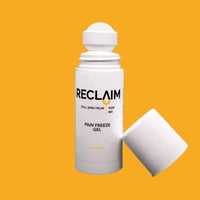
For targeted relief combined with systemic support, products like the CBD hemp-infused relief roll-on complement oral supplementation effectively.
Addressing Common Misconceptions About CBD for Injury Healing
Despite growing acceptance, misconceptions about CBD persist and may prevent individuals from exploring this therapeutic option. Clarifying common misunderstandings helps people make informed decisions based on evidence rather than misinformation.
Myth vs. Reality in CBD Therapeutics
Misconception: CBD produces psychoactive effects similar to marijuana.
Reality: CBD is non-intoxicating and does not produce the "high" associated with THC. Understanding whether CBD makes you feel high clarifies this important distinction.
Misconception: All CBD products deliver equivalent results.
Reality: Product quality varies dramatically based on sourcing, extraction methods, and manufacturing standards. Premium products from reputable manufacturers undergo rigorous testing to ensure consistency and purity.
Misconception: Higher doses always produce better results.
Reality: CBD demonstrates a biphasic response, meaning effectiveness may decrease at very high doses. Finding the optimal therapeutic window requires gradual titration and careful monitoring.
Misconception: CBD works immediately for all injuries.
Reality: While some individuals experience rapid relief, others require several weeks of consistent use before noticing significant benefits. Patience and consistent application prove essential for optimal results.
CBD for injury healing represents a scientifically supported approach to managing pain and inflammation while supporting the body's natural recovery processes. The compound's multifaceted mechanisms address various aspects of healing simultaneously, from reducing excessive inflammation to improving sleep quality during critical repair periods. Reclaim Labs provides premium, third-party tested CBD hemp oil products specifically formulated to support recovery from injury and manage chronic inflammatory conditions. With transparent sourcing, rigorous quality control, and a commitment to customer education, Reclaim Labs offers reliable natural alternatives for those seeking effective injury recovery support.