Muscle stiffness and limited flexibility affect millions of Americans every year, creating barriers to daily activities, exercise, and overall quality of life. Whether caused by chronic conditions like arthritis and fibromyalgia, intense physical activity, or age-related changes, these mobility challenges can significantly impact your well-being. As individuals seek natural alternatives to conventional pain management, cbd for flexibility and stiffness has emerged as a compelling option backed by growing scientific research. This comprehensive guide explores how CBD hemp oil may help address muscle rigidity, enhance range of motion, and support recovery for those struggling with movement limitations.
Understanding Muscle Stiffness and Flexibility Challenges
Muscle stiffness occurs when your muscle fibers remain partially contracted even at rest, creating tension that restricts normal movement. This condition differs from muscle weakness or fatigue, presenting instead as resistance when you attempt to move a joint through its full range of motion.
Common Causes of Reduced Flexibility
Several factors contribute to decreased flexibility and increased stiffness throughout the body:
- Chronic inflammatory conditions such as rheumatoid arthritis and osteoarthritis
- Fibromyalgia and other pain syndromes affecting muscle tissue
- Post-exercise inflammation and delayed onset muscle soreness
- Sedentary lifestyles and prolonged periods of inactivity
- Age-related changes in connective tissue elasticity
- Previous injuries that create scar tissue and adhesions
Inflammation plays a central role in most stiffness-related conditions. When tissues become inflamed, they swell and compress surrounding structures, limiting movement and creating discomfort. Understanding this inflammatory component is crucial when evaluating cbd for flexibility and stiffness as a potential intervention.

The Impact on Daily Life and Physical Performance
Limited flexibility extends beyond simple discomfort. It affects your ability to perform everyday tasks, from bending to tie shoes to reaching overhead cabinets. Athletes and physically active individuals experience decreased performance, reduced power output, and increased injury risk when muscle stiffness interferes with proper movement patterns.
Morning stiffness, particularly common in arthritis patients, can last from minutes to hours, significantly delaying the start of productive activities. This pattern often leads individuals to explore arthritis management strategies that address both pain and mobility limitations.
How CBD Interacts with the Body
Cannabidiol (CBD) is a non-psychoactive compound derived from hemp plants that interacts with the endocannabinoid system, a complex network of receptors throughout your body that regulates various physiological processes including pain perception, inflammation, and muscle function.
The Endocannabinoid System and Muscle Function
The endocannabinoid system (ECS) includes CB1 and CB2 receptors distributed throughout your nervous system, immune cells, and muscle tissue. This system helps maintain homeostasis, balancing inflammatory responses and modulating pain signals.
CBD influences the ECS indirectly by inhibiting enzymes that break down naturally occurring endocannabinoids, allowing them to remain active longer. Additionally, CBD interacts with other receptor systems, including vanilloid receptors involved in pain perception and temperature regulation.
| Receptor Type | Location | Primary Function | CBD Interaction |
|---|---|---|---|
| CB1 | Central nervous system, muscles | Pain modulation, motor control | Indirect enhancement |
| CB2 | Immune cells, peripheral tissues | Inflammation regulation | Indirect enhancement |
| TRPV1 | Sensory neurons | Pain and temperature sensation | Direct activation |
| GPR55 | Various tissues | Inflammation, bone density | Antagonist effect |
Research published in Cannabis and Health demonstrates that CBD affects skeletal muscle function through multiple mechanisms, including altering membrane elasticity and blocking specific ion channels. These effects may contribute to improved muscle relaxation and reduced stiffness.
Anti-Inflammatory Properties of CBD
CBD's anti-inflammatory effects represent perhaps its most significant contribution to addressing stiffness. Multiple studies demonstrate that CBD reduces the production of pro-inflammatory cytokines, the signaling molecules that amplify inflammatory responses throughout the body.
When you apply cbd for flexibility and stiffness through topical formulations or consume it orally, CBD works to dampen excessive inflammation without completely suppressing your immune system. This balanced approach differs from conventional anti-inflammatory medications that may have broader immunosuppressive effects.
A 2023 pilot study examining CBD's impact on inflammation and performance following eccentric exercise provides preliminary evidence that CBD may help reduce post-exercise inflammation, potentially supporting faster recovery and reduced stiffness.
CBD Applications for Flexibility and Stiffness
Different CBD delivery methods offer distinct advantages depending on your specific needs, the location of stiffness, and your lifestyle preferences. Understanding these options helps you select the most effective approach for your situation.
Topical CBD Products
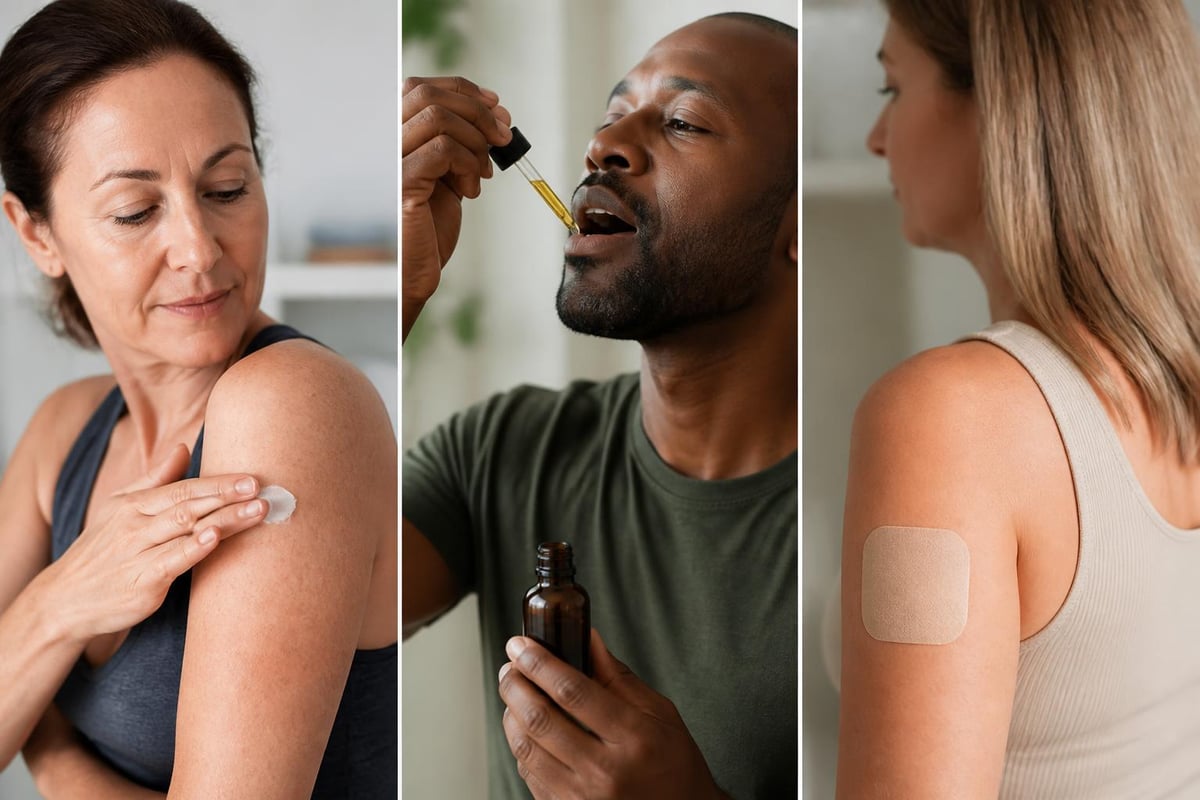
Topical applications allow you to target specific areas of stiffness directly. CBD-infused creams, balms, and roll-on applicators deliver cannabidiol through the skin to local tissues without entering the bloodstream significantly.
Benefits of topical CBD include:
- Localized relief for specific joints or muscle groups
- Rapid onset of effects within 15-30 minutes
- No systemic side effects or drug interactions
- Convenient application throughout the day
- Combination with other beneficial ingredients like menthol or arnica
The 1000mg CBD roll-on stick exemplifies this approach, offering portable, mess-free application for stiff shoulders, knees, or back muscles. A 2023 study on topical CBD tolerability in individuals with chronic lower extremity pain confirms that topical CBD is well tolerated, supporting its safety profile for regular use.
Oral CBD Tinctures and Oils
Oral CBD products work systemically, affecting your entire body through the bloodstream. These formulations typically provide longer-lasting effects compared to topical applications, making them suitable for widespread stiffness or chronic conditions.
Full-spectrum and broad-spectrum CBD oils contain additional beneficial compounds from the hemp plant, including other cannabinoids, terpenes, and flavonoids that work together in what researchers call the "entourage effect." This synergistic interaction may enhance the overall therapeutic impact of cbd for flexibility and stiffness.
Transdermal CBD Patches
CBD patches for pain relief offer sustained release over extended periods, maintaining consistent CBD levels in your system for up to 24 hours. This delivery method proves particularly valuable for chronic stiffness that requires around-the-clock management.
Transdermal delivery bypasses first-pass metabolism in the liver, potentially improving bioavailability compared to oral consumption. The steady release prevents peaks and valleys in CBD concentration, providing more stable symptom control throughout the day and night.
Optimizing CBD Use for Mobility Enhancement
Effective use of cbd for flexibility and stiffness requires more than simply applying or consuming CBD products. Integration with complementary approaches maximizes benefits and addresses the multifaceted nature of mobility limitations.
Timing and Dosage Considerations
CBD dosing remains highly individualized, with optimal amounts varying based on body weight, metabolism, severity of symptoms, and product concentration. Most experts recommend starting with lower doses (10-20mg for oral products) and gradually increasing until you achieve desired effects.
Timing strategies for different activities:
- Pre-exercise application: Apply topical CBD 20-30 minutes before stretching or physical activity to support flexibility during movement
- Post-workout recovery: Use CBD within one hour after exercise to address inflammation and prevent next-day stiffness
- Morning routine: Take oral CBD with breakfast to manage chronic all-day stiffness, particularly beneficial for those experiencing morning rigidity
- Evening supplementation: CBD before bed supports overnight recovery and may reduce morning stiffness intensity
Combining CBD with Physical Therapy and Stretching
CBD should complement, not replace, active mobility work. Research on flexibility improvement interventions highlights the importance of regular stretching and movement for maintaining range of motion.
Consider this integrated approach:
- Apply topical CBD to stiff areas before stretching sessions
- Use gentle, sustained stretches held for 30-60 seconds
- Incorporate dynamic movements that take joints through full range of motion
- Follow stretching with additional CBD application to support recovery
- Track improvements in flexibility metrics over time
Physical therapists increasingly recognize the potential role of CBD hemp oil benefits for pain management in supporting rehabilitation efforts. By reducing discomfort during therapeutic exercises, CBD may help patients perform movements more effectively and consistently.
CBD for Specific Conditions Affecting Flexibility
Different conditions that limit flexibility may respond to cbd for flexibility and stiffness through distinct mechanisms, requiring tailored approaches for optimal results.
Arthritis-Related Stiffness
Both rheumatoid arthritis and osteoarthritis create joint stiffness through inflammation and structural changes. CBD hemp oil benefits for arthritis extend beyond simple pain relief to address the inflammatory processes driving joint rigidity.
For arthritis patients, combining oral CBD for systemic anti-inflammatory effects with topical applications to particularly stiff joints often yields the best results. Many individuals report reduced morning stiffness duration and improved ability to engage in daily activities when using CBD consistently.
Fibromyalgia and Widespread Muscle Tension
Fibromyalgia creates unique challenges with widespread muscle stiffness, tenderness, and fatigue. The benefits of CBD oil for fibromyalgia include addressing both the pain hypersensitivity and sleep disturbances that exacerbate stiffness in this condition.
CBD may support fibromyalgia patients by:
- Reducing central nervous system sensitization that amplifies pain signals
- Improving sleep quality, allowing better overnight muscle recovery
- Decreasing anxiety that often contributes to muscle tension
- Providing anti-inflammatory effects without harsh pharmaceutical side effects
Post-Exercise Recovery and Athletic Performance
Athletes and active individuals use cbd for flexibility and stiffness to support recovery between training sessions. The anti-inflammatory properties of CBD may help reduce delayed onset muscle soreness (DOMS), the stiffness and discomfort that peaks 24-72 hours after intense exercise.
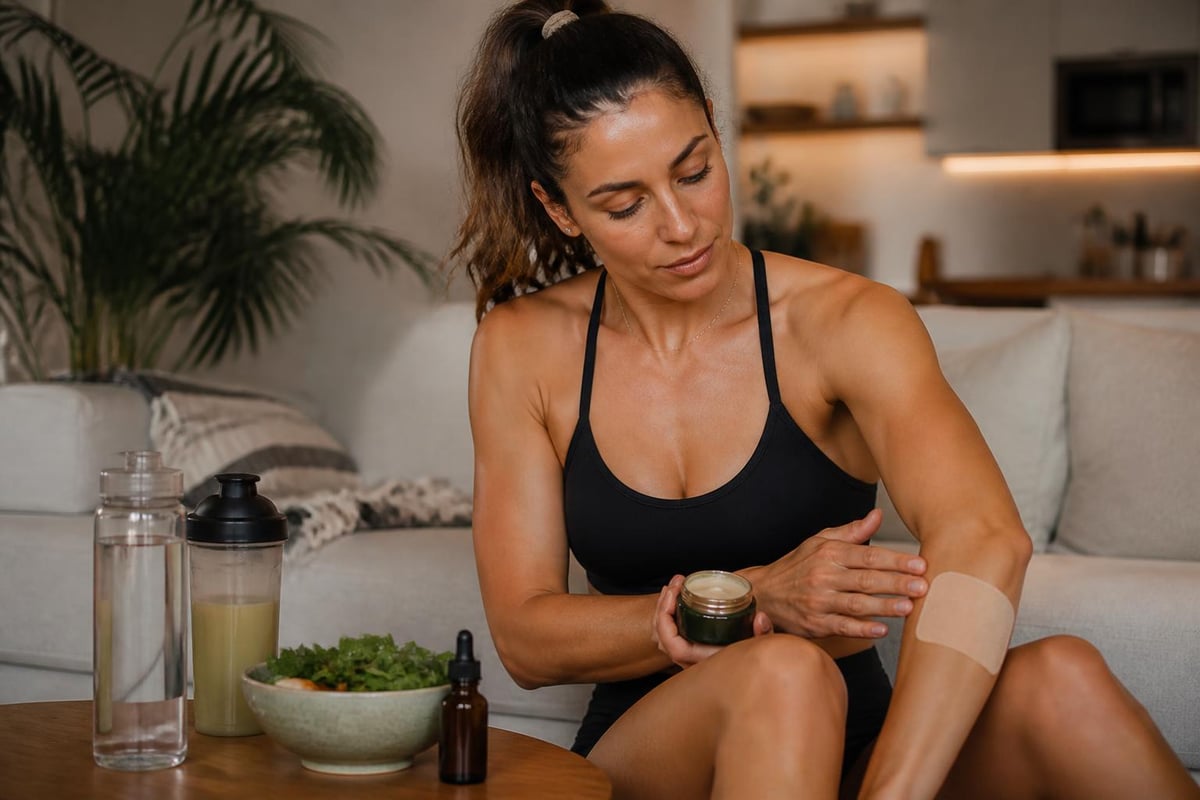
Incorporating CBD into your recovery routine doesn't replace proper nutrition, hydration, and rest. Instead, it augments these foundational recovery practices, potentially allowing faster return to training and reduced stiffness between sessions.
Safety Considerations and Quality Standards
While CBD demonstrates a favorable safety profile, understanding potential interactions and quality considerations ensures you use cbd for flexibility and stiffness effectively and safely.
Potential Side Effects and Interactions
Most people tolerate CBD well, with side effects typically mild and dose-dependent. Common experiences include:
- Mild drowsiness or fatigue, particularly at higher doses
- Dry mouth or changes in appetite
- Temporary digestive changes when starting oral CBD
- Skin irritation with some topical formulations (rare)
CBD may interact with certain medications, particularly those metabolized by liver enzymes in the cytochrome P450 system. If you take prescription medications, especially blood thinners, immunosuppressants, or seizure medications, consult your healthcare provider before using CBD products.
Third-Party Testing and Transparency
Quality varies significantly across CBD products. Premium manufacturers conduct third-party laboratory testing to verify:
| Test Parameter | Purpose | Acceptable Standard |
|---|---|---|
| CBD content | Confirms labeled potency accuracy | Within 10% of stated amount |
| THC levels | Ensures legal compliance | Below 0.3% for broad-spectrum |
| Contaminants | Checks for pesticides, heavy metals | Below detection limits |
| Microbials | Screens for harmful bacteria, mold | Absence of pathogens |
Reclaim Labs exemplifies this commitment to transparency, providing detailed certificates of analysis for products like their 2800mg broad-spectrum CBD hemp oil. These third-party lab reports give you confidence in product purity and potency when addressing flexibility and stiffness concerns.
Measuring Progress and Adjusting Your Approach
Tracking improvements in flexibility and stiffness helps you determine whether your cbd for flexibility and stiffness protocol delivers meaningful benefits.
Objective Flexibility Assessments
Regular measurement provides concrete data on mobility changes:
- Sit-and-reach test: Measure fingertip-to-floor distance when bending forward
- Shoulder flexibility: Check how far you can reach behind your back
- Range of motion: Use a goniometer or smartphone app to measure joint angles
- Morning stiffness duration: Track how long after waking until stiffness resolves
- Functional tests: Monitor ability to perform specific activities (climbing stairs, reaching overhead)
Conduct assessments weekly or bi-weekly under consistent conditions. Morning measurements often reveal the most significant stiffness, while afternoon or evening tests may show peak flexibility.
When to Adjust Your CBD Protocol
If you don't notice improvements within 2-4 weeks, consider these modifications:
- Increase dosage gradually (10-20% increments every week)
- Switch delivery methods (try oral if using only topical, or vice versa)
- Upgrade to higher-concentration products for more CBD per application
- Add complementary approaches like heat therapy or massage
- Ensure consistent daily use rather than occasional application
Some individuals require higher CBD doses than others due to variations in endocannabinoid system function, metabolism, and condition severity. Patient adjustment of your approach based on measurable results ensures you find the optimal protocol for your needs.
Building a Comprehensive Flexibility Protocol
The most effective approach to managing stiffness combines cbd for flexibility and stiffness with evidence-based lifestyle modifications that address root causes rather than just symptoms.
Lifestyle Factors Affecting Flexibility
Hydration status significantly impacts muscle and connective tissue elasticity. Dehydrated tissues become less pliable and more prone to stiffness. Aim for half your body weight in ounces of water daily, increasing intake during exercise or hot weather.
Sleep quality directly influences recovery and inflammation levels. Poor sleep amplifies inflammatory markers and reduces your pain threshold, making stiffness more severe. CBD's potential sleep benefits may create a positive cycle: better sleep reduces inflammation, which decreases stiffness, allowing more restorative sleep.
Nutrition provides the building blocks for healthy connective tissue. Anti-inflammatory diets rich in omega-3 fatty acids, antioxidants, and adequate protein support the body's natural flexibility and recovery processes.
Creating Your Daily Routine
A structured routine ensures consistency, the key factor in experiencing cumulative benefits from CBD and complementary practices:
Morning (6:00-8:00 AM):
- Take oral CBD with breakfast for all-day coverage
- Perform 10-15 minutes of gentle stretching
- Apply topical CBD to particularly stiff areas
Midday (12:00-2:00 PM):
- Mobility break with dynamic movements
- Reapply topical CBD if needed for specific activities
Evening (6:00-9:00 PM):
- Light stretching or yoga session
- Apply transdermal CBD patch for overnight support
- Take oral CBD if using twice-daily dosing
Pre-bedtime:
- Gentle foam rolling or self-massage
- Final topical application to problem areas
This schedule provides multiple intervention points throughout the day, addressing stiffness before it becomes severe and supporting continuous recovery processes.
Understanding Full-Spectrum vs. Broad-Spectrum CBD
The type of CBD extract you choose influences effectiveness for cbd for flexibility and stiffness applications. Understanding the differences helps you make informed product selections.
Cannabinoid and Terpene Profiles
Full-spectrum CBD contains all naturally occurring hemp compounds, including trace amounts of THC (below 0.3%), other minor cannabinoids (CBG, CBN, CBC), and aromatic terpenes. These compounds work synergistically, potentially enhancing anti-inflammatory and pain-relieving effects through the entourage effect.
Broad-spectrum CBD offers a middle ground: all beneficial hemp compounds except THC, which is completely removed. This option suits individuals who want potential entourage benefits without any THC exposure, whether for drug testing concerns or personal preference.
CBD isolate contains only pure cannabidiol, with all other compounds removed. While this provides the highest CBD concentration per milligram, it lacks the synergistic benefits of other hemp constituents.
| Product Type | THC Content | Other Cannabinoids | Terpenes | Best For |
|---|---|---|---|---|
| Full-Spectrum | <0.3% | Yes | Yes | Maximum entourage effect |
| Broad-Spectrum | 0% | Yes | Yes | THC-sensitive individuals |
| CBD Isolate | 0% | No | No | Pure CBD preference |
For chronic conditions involving inflammation and stiffness, many experts recommend full-spectrum or broad-spectrum products to leverage the complete therapeutic potential of the hemp plant.
Understanding how cbd for flexibility and stiffness works through anti-inflammatory mechanisms, endocannabinoid system modulation, and muscle relaxation provides a foundation for effective use. By selecting appropriate delivery methods, optimizing timing and dosage, and integrating CBD with complementary approaches like stretching and proper recovery practices, you can address mobility limitations more comprehensively. If you're ready to explore premium CBD solutions backed by third-party testing and transparency, Reclaim Labs offers full-spectrum and broad-spectrum products specifically formulated to support individuals managing chronic pain, inflammation, and mobility challenges.