Chronic pain touches the lives of millions worldwide, making daily routines challenging and diminishing overall well-being. As we look ahead to 2026, the need for the best for pain relief strategies has never been greater.
This article highlights seven essential and innovative methods that are set to transform pain management in the coming years. You will discover both breakthrough therapies and reliable natural remedies, each offering practical ways to help you regain control.
Ready to find lasting relief? Explore these proven solutions and take the next step toward a more comfortable, active life.
Understanding Pain in 2026: Trends and Challenges
Chronic pain stands as one of the world's most pervasive health issues in 2026. Estimates indicate that nearly one in five adults globally experience persistent pain, with millions more suffering from acute pain episodes every year. This widespread impact disrupts daily life, limits mobility, and poses ongoing challenges for both individuals and healthcare systems. Understanding the landscape is essential for anyone seeking the best for pain relief, as the scope of the problem continues to expand.
The burden of pain brings with it a complex set of obstacles. Many sufferers rely on medication, often leading to dependency or troubling side effects. Access to specialized care remains limited, especially in rural and underserved areas. For those searching for the best for pain relief, these realities mean that traditional solutions may fall short, making innovation more crucial than ever. The demand for safe, effective, and accessible options keeps rising as more people seek alternatives to long-term pharmaceutical use.
In response, the medical community has embraced digital health tools and personalized approaches. Wearable devices now track pain symptoms in real time, while telehealth platforms connect patients with pain specialists regardless of their location. The best for pain relief increasingly involves customized treatment plans based on genetics, lifestyle, and medical history. As the population ages and chronic illnesses become more common, these advancements are vital for keeping up with shifting needs.
Emerging research shines a light on the complex pathways that influence pain perception. Scientists are exploring genetic predispositions and how they affect an individual's response to different therapies. Regulatory agencies have also adjusted their stance, with new guidelines shaping access to both traditional and innovative treatments. For example, the CDC's updated recommendations on opioid prescriptions have paved the way for greater acceptance of alternative therapies, including neuromodulation and integrative approaches. For a deeper dive into these developments, you can explore Advances in Neuromodulation Techniques for Chronic Pain Management. Staying informed about these trends ensures that those seeking the best for pain relief can make educated decisions and benefit from the latest breakthroughs.

7 Essential Best for Pain Relief Methods to Try in 2026
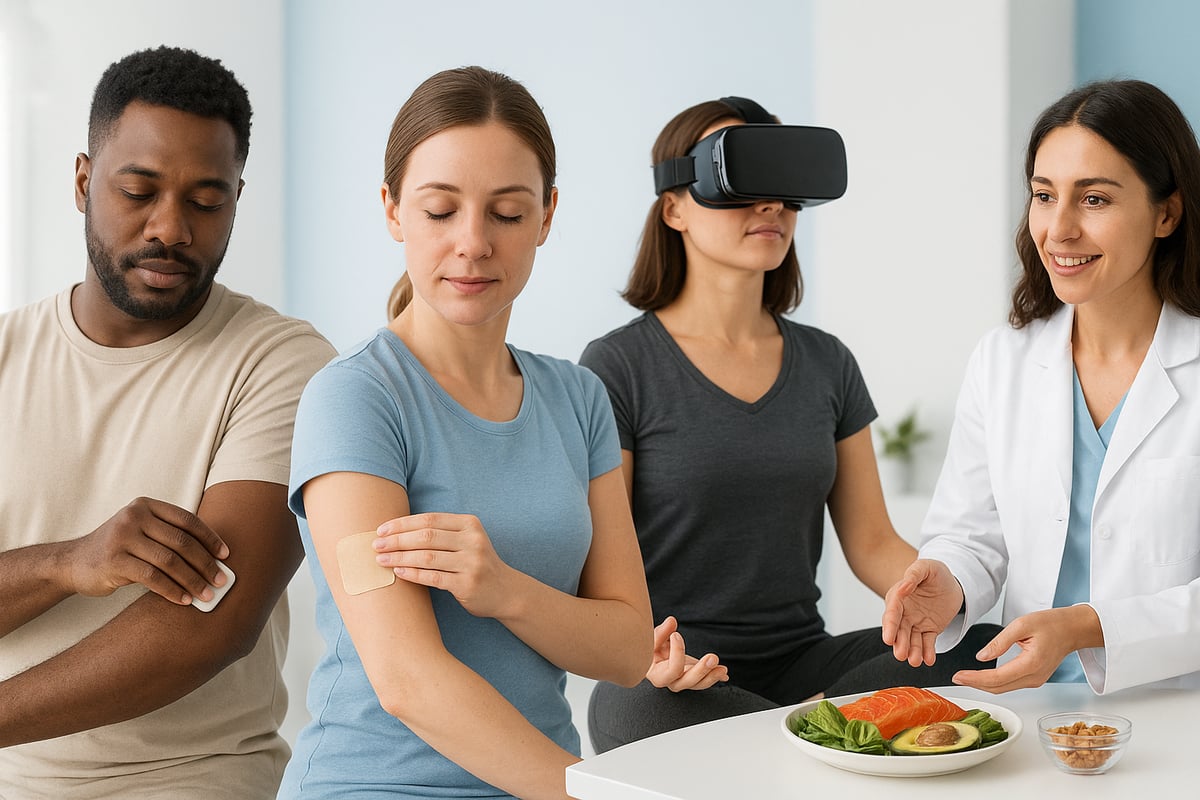
Finding the best for pain relief in 2026 means looking beyond traditional options and embracing both advanced technology and holistic care. Pain relief is no longer a one-size-fits-all journey. With new research and innovation, people have more choices than ever to manage chronic and acute pain. Below, we explore seven leading-edge approaches that stand out as the best for pain relief, offering hope and practical solutions for those seeking comfort and improved quality of life.
1. Advanced Neuromodulation Therapy
Neuromodulation therapy is rapidly becoming one of the best for pain relief for people with persistent discomfort that resists standard treatments. This therapy uses electrical or magnetic stimulation to alter nervous system activity, targeting pain at its source. Devices like TENS units, spinal cord stimulators, and non-invasive brain stimulation are now enhanced by AI-driven programming and wireless technology.
Recent advancements make these therapies more customizable. AI algorithms adjust stimulation patterns in real time, improving outcomes for chronic back pain, neuropathic pain, and migraines. Clinical trials in 2025 showed significant pain score reductions, with some patients experiencing up to 60% improvement after six months.
Ideal candidates include those who have not found relief with medication or are seeking non-pharmaceutical alternatives. However, neuromodulation requires specialist oversight and can be costly. Safety is generally high, though surgical implants carry risks.
Pros:
- Targeted and customizable
- Non-pharmaceutical
- Suitable for various pain types
Cons:
- High upfront cost
- Requires medical supervision
A real-world example: Patients with neuropathic pain using wireless spinal cord stimulators reported improved mobility and daily function. As technology evolves, neuromodulation will remain among the best for pain relief, especially as access broadens through telehealth and remote monitoring.
2. Next-Generation CBD & Hemp-Based Solutions
CBD and hemp-based products are redefining what it means to find the best for pain relief naturally. Scientific studies confirm CBD’s potential to reduce inflammatory and neuropathic pain, especially for arthritis, fibromyalgia, and autoimmune conditions. The market now offers advanced options, including nanoemulsion technology for better absorption, targeted transdermal patches, and full-spectrum blends that maximize therapeutic compounds.
In 2026, regulatory clarity and improved quality controls make these products safer and more reliable. Innovations like nano-CBD patches deliver consistent relief, and full-spectrum oils provide a broader range of benefits. A case study showed that integrating CBD into chronic pain management led to a significant reduction in opioid use, supporting its role as one of the best for pain relief.
For more on how these products work and their effectiveness, see this guide on CBD oil for chronic pain relief.
Pros:
- Natural and plant-based
- Low risk of addiction
- Minimal side effects
Cons:
- Results vary by individual
- Quality depends on source
Patients often report better sleep and mood alongside pain reduction. While not a universal solution, next-gen CBD remains a cornerstone of the best for pain relief toolkit, especially for those seeking alternatives to pharmaceuticals.
3. Personalized Pain Relief Plans Using AI and Big Data
The future of best for pain relief is personalized, leveraging AI and big data to tailor solutions for each individual. By analyzing genetics, lifestyle, and pain history, AI platforms recommend therapies and medications with a higher chance of success. These systems connect to wearable devices, providing real-time feedback and adjusting strategies as needed.
Benefits include fewer failed treatments and less trial-and-error. For example, an AI-driven app might monitor your activity, sleep, and pain levels, then suggest adjustments to medication or therapy. This approach leads to improved outcomes and greater patient satisfaction, making it one of the best for pain relief methods.
However, there are challenges. Data privacy is a concern, and older adults may find technology difficult to use. Insurance coverage for AI-driven programs can also be inconsistent.
Pros:
- Highly customized
- Reduces unnecessary treatments
- Data-driven decisions
Cons:
- Requires comfort with technology
- Privacy and access issues
In practice, patients working with AI-driven care teams report faster improvement and less frustration. With ongoing advances, personalized plans will become standard among the best for pain relief strategies.
4. Virtual Reality (VR) Pain Distraction Therapy
Virtual reality is transforming the landscape of best for pain relief by offering immersive distraction and relaxation. VR works by engaging the senses, pulling attention away from pain and reducing its perceived intensity. Hospitals and clinics now use VR for burn, procedural, and chronic pain, with content ranging from guided meditation to interactive games.
Research shows that VR can significantly lower pain scores during medical procedures and in chronic pain management. A hospital pilot program saw reduced opioid use and faster recovery in post-surgery patients who used VR for pain distraction.
Types of VR Content:
- Guided mindfulness sessions
- Immersive nature experiences
- Biofeedback games
Pros:
- Non-invasive and drug-free
- Engaging and adaptable for home use
Cons:
- Equipment can be expensive
- Some users experience motion sickness
VR is especially effective for children or adults seeking non-medication options. As the technology becomes more affordable, VR will increasingly rank among the best for pain relief tools available, offering both immediate and long-term benefits.
5. Regenerative Medicine: PRP and Stem Cell Therapies
Regenerative medicine is a breakthrough in the best for pain relief for joint and musculoskeletal issues. Platelet-Rich Plasma (PRP) and stem cell therapies use the body’s own healing mechanisms to repair tissue and reduce inflammation. In 2026, these therapies have gained wider acceptance, with growing evidence supporting their effectiveness for osteoarthritis, tendonitis, and sports injuries.
PRP involves injecting concentrated platelets to stimulate healing, while stem cell therapy introduces cells that can develop into new tissue. Success rates are promising, with athlete recovery timelines improving by up to 30% after PRP treatments. FDA approvals are expanding, making these options more accessible.
Pros:
- Minimally invasive
- Potential for long-term relief
- Supports tissue repair
Cons:
- High cost
- Not always covered by insurance
Ideal candidates are those seeking alternatives to surgery or long-term medication. While not suitable for every type of pain, regenerative medicine is an important addition to the best for pain relief arsenal, especially for active individuals.
6. Integrative Mind-Body Approaches
Mind-body techniques are essential for those seeking the best for pain relief that addresses both physical and emotional aspects. Approaches like mindfulness, cognitive behavioral therapy (CBT), and acceptance and commitment therapy (ACT) have strong evidence for reducing pain severity and improving quality of life.
These therapies work best when combined with medical treatments, creating a synergistic effect. Group CBT programs in community health centers show that participants experience less pain and greater empowerment. Mindfulness-based interventions help patients reframe their pain experience, reducing its impact on daily life.
Pros:
- Addresses psychological components of pain
- Empowers patients to self-manage
- No medication required
Cons:
- Requires commitment and practice
- Progress may be gradual
Patients who embrace mind-body methods often find lasting relief and improved resilience. Integrative approaches are a vital part of the best for pain relief, especially for those managing long-term conditions.
7. Personalized Nutrition and Anti-Inflammatory Diets
Diet is increasingly recognized as a key factor in the best for pain relief. Chronic inflammation from poor eating habits can worsen pain perception, while anti-inflammatory diets like Mediterranean, DASH, and plant-based plans offer protective benefits. Supplements such as omega-3s, turmeric, and vitamin D enhance these effects.
Clinical studies demonstrate that patients following anti-inflammatory regimens report significant reductions in pain after six months. Table 1 summarizes common diet types and their benefits:
| Diet Type | Main Features | Reported Benefits |
|---|---|---|
| Mediterranean | Olive oil, fish, veggies | Lower inflammation |
| DASH | Low sodium, whole grains | Blood pressure, pain |
| Plant-based | Fruits, legumes, nuts | Overall health |
Pros:
- Accessible and supports whole-body health
- Few side effects
- Can complement other therapies
Cons:
- Requires consistent adherence
- Not a standalone cure
Patients who commit to dietary changes often experience better mobility and energy. As more evidence accumulates, nutrition will remain central to the best for pain relief strategies, especially for those seeking holistic improvement.
Key Considerations When Choosing Pain Relief Methods
Choosing the best for pain relief method in 2026 requires careful thought and a personalized approach. With so many options available, it is vital to assess your unique pain profile, medical background, and daily routines. No single solution works for everyone, so understanding your needs is the first step toward lasting relief.

Evaluating Your Pain and Treatment Needs
Start by identifying the type and source of your pain. Chronic and acute pain have different origins and may respond differently to treatments. Consider factors like injury history, underlying health conditions, and lifestyle habits when determining what is best for pain relief in your case.
A thorough evaluation also means being honest about medication sensitivities and previous experiences with pain management. For example, if you have tried oral medications without success, exploring innovative solutions like CBD oil patches might offer a more targeted approach.
Working With Healthcare Professionals
Consulting a qualified healthcare provider is essential. They can help diagnose the root cause of your pain and recommend the best for pain relief options tailored to your circumstances. Avoid self-medicating or relying solely on over-the-counter solutions, as this can mask symptoms and delay necessary care.
Your doctor can also help monitor your progress and adjust treatments as needed. They may suggest integrating mind-body therapies, physical rehabilitation, or dietary changes. For those interested in natural approaches, reviewing evidence-based products such as natural supplements for mobility can be a valuable part of a comprehensive plan.
Weighing Short-Term Relief vs. Long-Term Health
It is tempting to seek quick fixes, but the best for pain relief strategies balance immediate comfort with sustainable health. Discuss with your provider the risks and benefits of each method, including potential side effects and the likelihood of dependency.
Regularly assess your progress and remain open to adjusting your plan. Use a checklist to review your options:
- What is the source and duration of your pain?
- Have you consulted a healthcare professional?
- Are you combining therapies for optimal results?
- Are you monitoring for side effects or changes in effectiveness?
- Do your choices support your long-term health and lifestyle goals?
Choosing the best for pain relief method is an ongoing journey. By staying informed, working closely with professionals, and remaining flexible, you can achieve better outcomes and improved quality of life.
The Future of Pain Relief: What to Expect Beyond 2026
The landscape of pain management is set for remarkable transformation beyond 2026. As science and technology continue to evolve, those searching for the best for pain relief can expect a wave of innovative solutions that promise more effective, personalized, and accessible care.
Emerging Therapies and Next-Generation Innovations
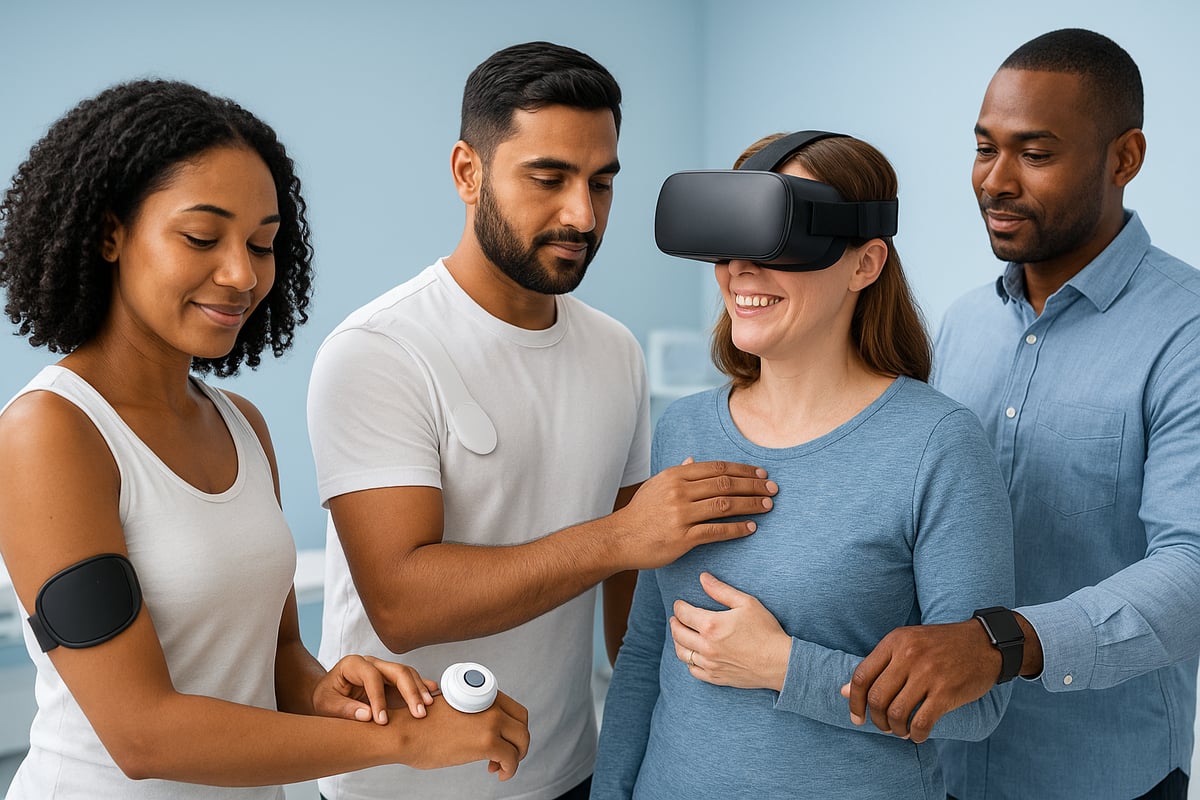
Looking ahead, the research pipeline is filled with groundbreaking therapies. Gene editing technologies hold the potential to address pain at its genetic roots, offering hope for those with inherited pain disorders. Wearable nanotechnology and smart drug delivery systems are also on the horizon, aiming to deliver medication precisely where and when it is needed. For a closer look at how these advancements are shaping the future, explore Nanotechnology in pain relief for insights into nano-CBD and related technologies.
As these therapies advance, patients will have more choices than ever. The best for pain relief will increasingly involve a blend of high-tech and personalized options, reducing trial-and-error and improving outcomes.
The Rise of Digital Communities and Patient Advocacy
Digital health communities and patient advocacy groups are playing a pivotal role in shaping the direction of pain management. These platforms empower individuals to share experiences, review treatments, and influence research priorities. By amplifying patient voices, the best for pain relief is becoming more tailored to real-world needs and expectations.
Online support networks also provide education, emotional support, and access to resources, making it easier for people to navigate the complex world of chronic pain. As engagement grows, these communities will continue to drive innovation and accountability across the healthcare ecosystem.
Regulatory Evolution and Holistic Care Integration
Regulatory agencies are adapting to the rapid pace of innovation. Evolving policies are expected to make novel therapies more widely available, while also ensuring safety and efficacy. The best for pain relief will involve a careful balance between embracing new treatments and maintaining rigorous standards.
At the same time, the future will see a convergence of holistic and high-tech approaches. Mind-body therapies, such as Mindfulness-Oriented Recovery Enhancement, are gaining recognition for their ability to address the psychological dimensions of pain. Integrating these practices with advanced medical interventions can lead to comprehensive, whole-person care that supports both body and mind.
Global Collaboration and Ongoing Research
International collaboration is accelerating progress in pain research. Large-scale clinical trials and data sharing across borders are unlocking new insights into pain mechanisms and treatment effectiveness. As a result, the best for pain relief will continue to evolve, shaped by global expertise and diverse patient populations.
Mental health support is also becoming an integral part of chronic pain management. Recognizing the strong connection between emotional well-being and physical pain, future strategies will prioritize mental health alongside physical relief.
In summary, beyond 2026, expect a future where the best for pain relief is defined by personalization, innovation, and a holistic approach. By staying informed and engaged, individuals and communities can help shape a new era of effective, compassionate pain care.
As we look ahead to 2026, it is clear that managing chronic pain is becoming more personal, innovative, and accessible. Whether you are interested in advanced therapies, natural CBD solutions, or integrative approaches, you have more options than ever to find lasting relief. At Reclaim Labs, our mission is to support you on this journey with premium, lab-tested CBD hemp oil products designed to help manage pain and inflammation safely and effectively. If you are ready to take the next step toward a more comfortable, active life, Get Relief Now!