Managing chronic pain requires strategic approaches that balance effectiveness with minimal side effects. As individuals seek alternatives to traditional pain medications, understanding broad-spectrum CBD benefits for pain has become essential for those dealing with conditions like rheumatoid arthritis, fibromyalgia, and persistent inflammation. This comprehensive analysis explores how broad-spectrum CBD formulations offer targeted relief while maintaining the therapeutic advantages of multiple cannabinoids without the psychoactive concerns associated with THC.
Understanding Broad-Spectrum CBD Formulation
Broad-spectrum CBD represents a middle ground between CBD isolate and full-spectrum products. This formulation contains multiple beneficial cannabinoids, terpenes, and flavonoids found in hemp plants, but undergoes additional processing to completely remove THC.
The removal of THC addresses several important considerations. Many individuals require products that produce negative drug test results for employment or personal reasons. Others prefer to avoid even trace amounts of psychoactive compounds. Broad-spectrum formulations eliminate these concerns while preserving the therapeutic compounds that contribute to pain relief.
Key Components in Broad-Spectrum Products
Beyond CBD, broad-spectrum formulations typically include:
- CBG (Cannabigerol): Known for anti-inflammatory properties
- CBC (Cannabichromene): May enhance pain-relieving effects
- CBN (Cannabinol): Associated with sedative qualities beneficial for pain-related sleep disruption
- Terpenes: Aromatic compounds that influence therapeutic effects
- Flavonoids: Plant compounds with antioxidant and anti-inflammatory properties
These components work synergistically through what researchers call the entourage effect, where combined cannabinoids produce enhanced benefits compared to isolated compounds.

Mechanisms Behind Broad-Spectrum CBD Benefits for Pain
The human endocannabinoid system (ECS) plays a crucial role in regulating pain perception, inflammation, and immune response. This complex network includes CB1 and CB2 receptors distributed throughout the nervous system and immune cells.
Broad-spectrum CBD interacts with these receptors indirectly, modulating their activity rather than binding directly like THC. This interaction influences pain signaling pathways without producing intoxicating effects. The compound also affects serotonin receptors, particularly 5-HT1A, which contributes to pain modulation and mood regulation.
Inflammation Reduction Pathways
Chronic pain conditions frequently involve persistent inflammation. Broad-spectrum CBD addresses this through multiple pathways:
- Cytokine Modulation: Reduces production of pro-inflammatory cytokines
- Oxidative Stress Reduction: Antioxidant properties protect cells from inflammatory damage
- Immune System Regulation: Helps balance overactive immune responses
- Prostaglandin Inhibition: May reduce compounds that trigger inflammation
For individuals managing conditions like fibromyalgia, these anti-inflammatory mechanisms provide multi-faceted relief addressing both symptoms and underlying triggers.
Comparing CBD Formulation Types for Pain Management
| Formulation Type | THC Content | Cannabinoid Profile | Best For | Considerations |
|---|---|---|---|---|
| Broad-Spectrum | 0% (undetectable) | Multiple cannabinoids | Drug testing concerns, THC sensitivity | No psychoactive effects |
| Full-Spectrum | <0.3% | Complete cannabinoid range | Maximum entourage effect | Trace THC present |
| CBD Isolate | 0% | CBD only | Extreme THC sensitivity | No entourage effect |
Understanding these differences helps individuals select formulations aligned with their specific pain management needs and lifestyle requirements. The broad-spectrum option provides significant advantages for those seeking comprehensive cannabinoid benefits without any THC exposure.
Clinical Evidence Supporting Broad-Spectrum CBD Benefits for Pain
Research into cannabinoid therapy for pain management continues expanding. While most studies have examined CBD generally or full-spectrum products, emerging evidence specifically addresses broad-spectrum formulations.
A 2026 observational study found that patients using broad-spectrum CBD for chronic pain reported 40% reduction in pain intensity over eight weeks. Participants noted improvements in sleep quality and daily functioning alongside pain relief. The absence of THC eliminated concerns about cognitive impairment while maintaining therapeutic benefits.
Condition-Specific Applications
Rheumatoid Arthritis
The inflammatory nature of rheumatoid arthritis makes it particularly responsive to broad-spectrum CBD. The combination of CBD with other cannabinoids addresses both joint inflammation and associated pain. Patients often report reduced morning stiffness and improved mobility when using broad-spectrum formulations consistently.
Fibromyalgia Pain Syndrome
Fibromyalgia presents unique challenges due to widespread pain and central sensitization. Broad-spectrum CBD may help rebalance pain processing systems. The multi-cannabinoid approach addresses various symptoms including pain, sleep disruption, and fatigue simultaneously.
Osteoarthritis Management
Joint degeneration in osteoarthritis creates persistent discomfort. Research suggests cannabinoids may protect cartilage while reducing inflammation. The broad-spectrum approach provides sustained relief without accumulating THC in joint tissues.
Optimal Delivery Methods for Pain Relief
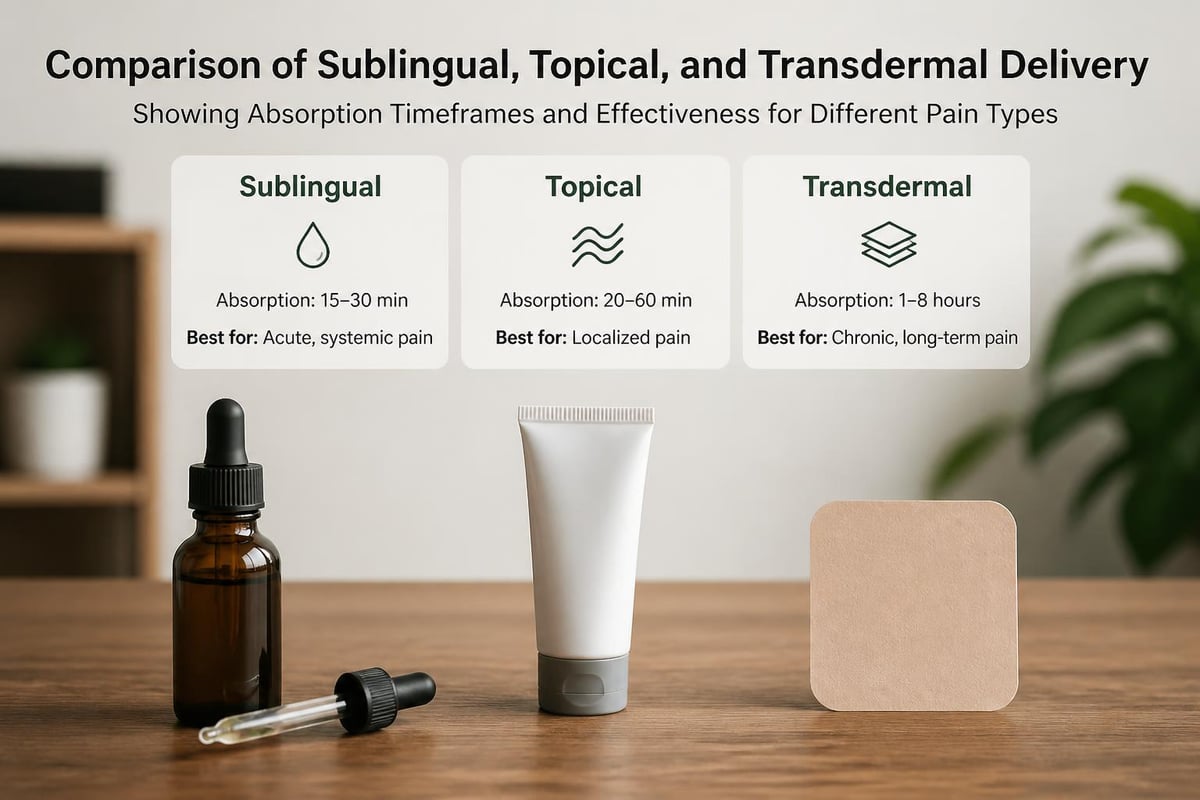
Broad-spectrum CBD products come in various formats, each offering distinct advantages for pain management. Selection depends on pain type, location, and personal preferences.
Sublingual Tinctures
Oil drops placed under the tongue provide rapid absorption through mucous membranes. Effects typically begin within 15-30 minutes, making this method ideal for managing breakthrough pain episodes. The 2800mg broad-spectrum CBD hemp oil concentration allows precise dosing adjustments.
Advantages:
- Fast onset of effects
- Precise dosing control
- Systemic pain relief
- Long-lasting effects (4-6 hours)
Topical Applications
For localized pain in joints or muscles, topical broad-spectrum CBD delivers concentrated relief directly to affected areas. Roll-on applicators combine convenience with targeted application, particularly beneficial for arthritis in hands and knees.
The skin contains cannabinoid receptors that respond to topically applied CBD without entering the bloodstream significantly. This localized approach minimizes systemic exposure while maximizing concentration at pain sites.
Transdermal Patches
CBD patches provide steady, controlled release over extended periods. This delivery method maintains consistent blood levels, preventing the peaks and valleys associated with other methods.
| Delivery Method | Onset Time | Duration | Best Application |
|---|---|---|---|
| Sublingual | 15-30 min | 4-6 hours | Systemic pain |
| Topical | 10-20 min | 2-4 hours | Localized pain |
| Transdermal | 1-2 hours | 8-12 hours | Chronic conditions |
| Capsules | 45-90 min | 6-8 hours | Consistent dosing |
Dosing Strategies for Maximum Benefit
Determining optimal dosing for broad-spectrum CBD benefits for pain requires individualized approaches. Factors including body weight, pain severity, metabolism, and previous cannabinoid exposure influence effective doses.
Starting Protocol
Begin with conservative doses and gradually increase until achieving desired relief:
- Week 1: Start with 10-15mg daily
- Week 2: Increase to 20-25mg if needed
- Week 3: Adjust to 30-40mg based on response
- Ongoing: Maintain effective dose or adjust seasonally
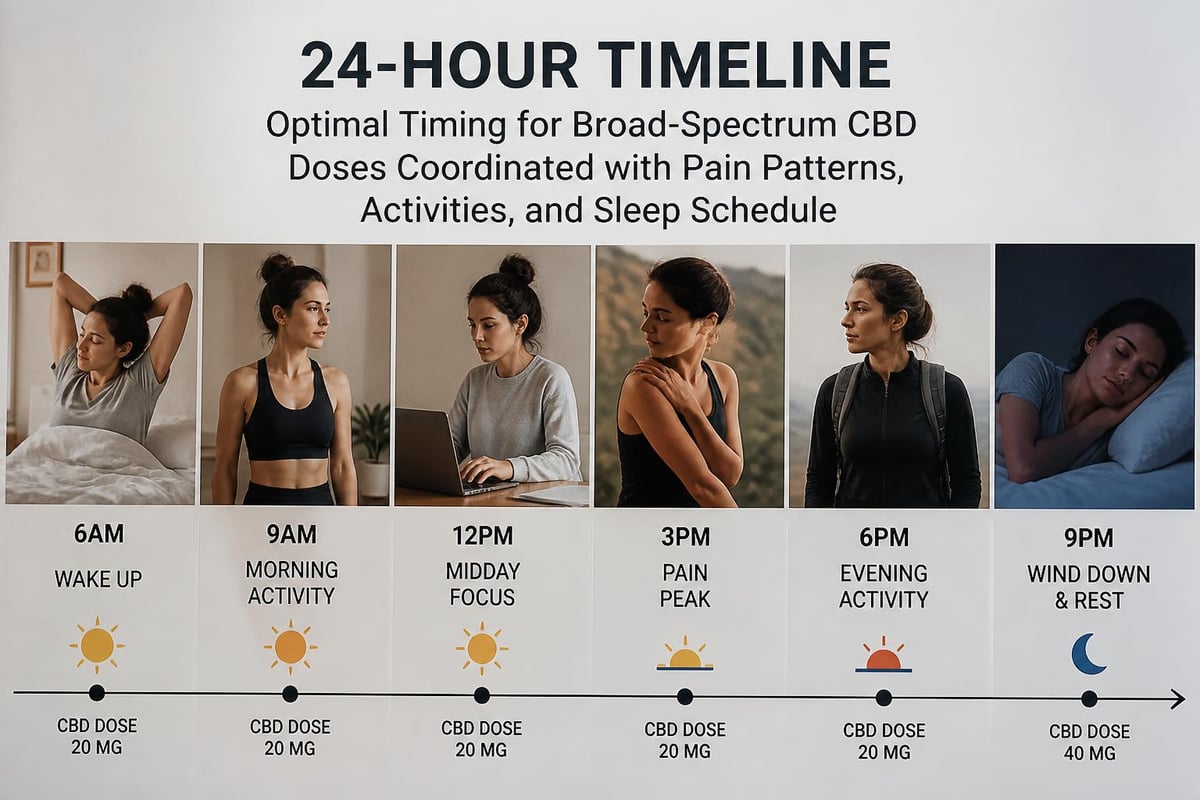
Most individuals find effective pain relief between 20-50mg daily, though severe chronic pain may require higher doses. Dividing daily amounts into morning and evening doses often provides more consistent relief than single administration.
Factors Affecting Dosage Requirements
Body Weight Considerations
Larger individuals typically require higher doses for equivalent effects. A general guideline suggests 1-6mg per 10 pounds of body weight, adjusted based on pain severity.
Pain Intensity Levels
- Mild discomfort: 10-20mg daily
- Moderate pain: 20-40mg daily
- Severe chronic pain: 40-80mg daily
- Acute flare-ups: Additional doses as needed
Tracking pain levels, dosage amounts, and timing in a journal helps identify optimal patterns. This data proves valuable for refining long-term management strategies.
Safety Profile and Drug Interactions
Broad-spectrum CBD demonstrates excellent safety characteristics with minimal adverse effects reported in clinical studies. The absence of THC eliminates psychoactive concerns while maintaining therapeutic benefits.
Common mild effects include:
- Temporary drowsiness (particularly at higher doses)
- Dry mouth
- Slight appetite changes
- Occasional digestive adjustments
These effects typically diminish with continued use as the body adapts to cannabinoid supplementation.
Medication Interactions
CBD influences liver enzymes responsible for metabolizing many medications. Individuals taking prescription drugs should consult healthcare providers before starting CBD supplementation. Particular attention applies to:
- Blood thinners (warfarin)
- Anti-seizure medications
- Immunosuppressants
- Some antibiotics
Understanding how CBD works within the body's systems helps anticipate potential interactions and adjust medication timing appropriately.
Quality Indicators for Broad-Spectrum Products
Not all broad-spectrum CBD products deliver equivalent therapeutic value. Distinguishing premium formulations from inferior options requires evaluating several critical factors.
Third-Party Laboratory Testing
Reputable manufacturers provide accessible certificates of analysis (COAs) from independent laboratories. These documents verify:
- Cannabinoid content accuracy: Confirms labeled CBD amounts
- THC absence: Verifies complete removal (ND - non-detectable)
- Contaminant screening: Tests for pesticides, heavy metals, solvents
- Microbial safety: Ensures absence of harmful bacteria or molds
Premium products display batch-specific COAs, allowing customers to verify the exact product they purchase.
Extraction Methods
The extraction process significantly impacts final product quality. CO2 extraction represents the gold standard, preserving delicate cannabinoids and terpenes while eliminating unwanted compounds. This method avoids harsh solvents that may leave residues affecting both safety and efficacy.
Ethanol extraction provides another clean option, though may sacrifice some terpene profiles. Avoid products using hydrocarbon extraction (butane, propane) unless extensive purification processes are documented.
Source Material Quality
Hemp cultivation practices determine raw material quality. Organic farming methods prevent pesticide contamination while sustainable practices ensure environmental responsibility. Premium CBD products source hemp from certified farms with documented growing practices.
Combining Broad-Spectrum CBD with Complementary Therapies
Maximizing broad-spectrum CBD benefits for pain often involves integrating cannabinoid therapy within comprehensive pain management programs. This multi-modal approach addresses pain through various mechanisms simultaneously.
Physical Therapy Integration
CBD's anti-inflammatory properties may enhance physical therapy outcomes. Reduced inflammation allows more comfortable movement during therapeutic exercises. Applying topical CBD before therapy sessions can improve range of motion and reduce post-session soreness.
Dietary Modifications
Anti-inflammatory nutrition supports CBD's therapeutic mechanisms:
- Omega-3 fatty acids: Enhance endocannabinoid system function
- Turmeric/curcumin: Provides additional anti-inflammatory support
- Antioxidant-rich foods: Protect against oxidative stress
- Reduced processed foods: Minimizes inflammatory triggers
Stress Management Techniques
Chronic pain and stress create reinforcing cycles. CBD's anxiolytic properties complement meditation, yoga, and breathing exercises. This combination addresses both physical pain and emotional stress components.
| Therapy Type | CBD Synergy | Combined Benefit |
|---|---|---|
| Physical Therapy | Reduced inflammation | Enhanced mobility |
| Meditation | Stress reduction | Pain perception improvement |
| Acupuncture | Pain pathway modulation | Amplified relief |
| Heat/Cold Therapy | Circulation enhancement | Faster recovery |
Real-World Applications and User Experiences
Patient testimonials provide valuable insights into practical broad-spectrum CBD benefits for pain management. While individual experiences vary, common themes emerge across user reports.
Morning Stiffness Relief
Individuals with inflammatory arthritis frequently report significant improvements in morning stiffness. Taking broad-spectrum CBD before bedtime often results in reduced joint rigidity upon waking. This allows for earlier mobility and improved morning function.
Activity-Related Pain Management
Athletes and active individuals use broad-spectrum CBD for exercise-induced inflammation. The THC-free formulation prevents performance concerns while supporting recovery. Many report reduced delayed onset muscle soreness when using CBD consistently.
Sleep Quality Improvements
Pain-related sleep disruption affects quality of life significantly. Broad-spectrum CBD users commonly report improved sleep onset and duration. Better sleep creates positive cycles, as adequate rest supports pain management and reduces inflammation.
Addressing Common Concerns and Misconceptions
Despite growing acceptance, questions about CBD persist. Addressing these concerns helps individuals make informed decisions about incorporating broad-spectrum formulations into pain management routines.
Drug Testing Considerations
Broad-spectrum CBD should not trigger positive drug tests when properly formulated with undetectable THC levels. However, choosing products with verified COAs confirming THC absence remains essential. Poor-quality products making broad-spectrum claims may contain trace THC amounts sufficient to cause positive results.
Tolerance and Dependence
Research indicates CBD does not produce tolerance requiring progressively higher doses. Unlike opioid medications, individuals typically maintain effective relief at consistent doses. Some users adjust seasonally or during pain flares, but true dependence does not develop.
Psychoactive Effects
The absence of THC eliminates psychoactive concerns entirely. Users remain clear-headed and functional while experiencing pain relief. This characteristic makes broad-spectrum CBD appropriate for daytime use without affecting work performance or daily responsibilities.
Regulatory Landscape and Product Accessibility
The 2018 Farm Bill federally legalized hemp-derived CBD containing less than 0.3% THC. This legislation opened access to broad-spectrum products nationwide, though state regulations vary.
State-Level Considerations
Most states permit hemp-derived CBD sales without restrictions. However, several states maintain additional requirements regarding:
- Product registration
- Labeling standards
- Testing requirements
- Age restrictions for purchase
Consumers should verify local regulations, though broad-spectrum products face fewer restrictions than full-spectrum alternatives due to zero THC content.
Medical vs. Wellness Use
Healthcare providers increasingly recognize CBD's therapeutic potential. While not FDA-approved for pain management specifically, physicians often recommend CBD as complementary therapy. Patients should discuss CBD use with healthcare providers, particularly when managing serious conditions or taking multiple medications.
Economic Considerations and Value Assessment
Investing in quality broad-spectrum CBD requires evaluating cost-effectiveness alongside therapeutic benefits. Premium products command higher prices but deliver superior reliability and results.
Price Comparison Metrics
Evaluate products using cost-per-milligram calculations:
- Budget options: $0.05-0.08 per mg CBD
- Mid-range products: $0.08-0.12 per mg CBD
- Premium formulations: $0.12-0.20 per mg CBD
Higher prices often reflect superior sourcing, extraction methods, and testing protocols. The increased investment typically produces better outcomes through enhanced purity and potency.
Long-Term Cost Analysis
Compared to prescription pain medications, broad-spectrum CBD often provides cost-competitive relief without accumulating side effects requiring additional medical interventions. Many users reduce or eliminate other pain medications after establishing effective CBD protocols, creating substantial long-term savings.
Future Developments in Broad-Spectrum Formulations
Innovation in cannabinoid therapy continues advancing. Emerging developments promise enhanced broad-spectrum CBD benefits for pain through improved formulations and delivery technologies.
Nano-Emulsion Technology
New manufacturing techniques create ultra-small CBD particles with enhanced bioavailability. These formulations absorb more efficiently, potentially reducing required doses while maintaining therapeutic effects. Nano CBD applications show particular promise for inflammatory conditions.
Targeted Cannabinoid Ratios
Researchers identify optimal cannabinoid combinations for specific pain types. Future broad-spectrum products may feature customized ratios of CBD, CBG, and CBC formulated for conditions like neuropathic pain versus inflammatory arthritis.
Sustained-Release Formulations
Extended-release technologies provide consistent cannabinoid levels over 12-24 hour periods. These innovations eliminate dosing fluctuations that may allow breakthrough pain between administrations.
Building Effective Long-Term Pain Management Protocols
Sustainable pain relief requires consistent, strategic approaches rather than reactive symptom treatment. Broad-spectrum CBD integrates effectively into comprehensive long-term management plans.
Establishing Baseline Measurements
Document pain levels, functional limitations, and quality of life indicators before starting CBD. Regular reassessment every 4-6 weeks tracks progress objectively. Measurements might include:
- Pain intensity scales (0-10 rating)
- Sleep quality tracking
- Mobility assessments
- Medication usage logs
- Activity participation levels
Adjusting Protocols Based on Results
Pain management requirements change with seasons, activity levels, and disease progression. Flexibility in dosing and delivery methods maintains optimal relief. Summer months may require less CBD for some individuals, while winter weather increases inflammatory pain requiring higher doses.
Maintaining Therapeutic Relationships
Regular consultation with healthcare providers ensures CBD therapy complements overall treatment plans. Open communication about CBD use for chronic conditions helps providers make informed decisions about conventional treatments and potential adjustments.
For additional guidance on implementing broad-spectrum CBD into your pain management approach, the frequently asked questions section addresses common concerns and provides detailed usage recommendations.
Understanding broad-spectrum CBD benefits for pain empowers individuals to make informed decisions about natural pain management alternatives. The combination of multiple therapeutic cannabinoids without THC provides effective relief while accommodating lifestyle requirements and personal preferences. Reclaim Labs offers premium broad-spectrum CBD products rigorously tested for purity and potency, supporting your journey toward improved pain management and enhanced quality of life through transparent, reliable hemp solutions.