Joint inflammation affects millions of Americans each year, causing pain, stiffness, and reduced mobility that can significantly impact daily life. Understanding what triggers inflammation in your joints is the first step toward effective management and relief. Whether you're experiencing occasional discomfort or dealing with chronic inflammatory conditions, knowing the root causes empowers you to make informed decisions about your health and treatment options.
Understanding the Biological Mechanisms Behind Joint Inflammation
The causes of joint inflammation begin at the cellular level, where your body's immune system responds to various triggers. When inflammation occurs, blood vessels in the affected joint dilate, allowing white blood cells and inflammatory proteins to flood the area. This natural defense mechanism becomes problematic when it persists or occurs without a legitimate threat.
The synovial membrane, which lines your joints and produces lubricating fluid, often becomes the primary site of inflammation. When irritated, this membrane thickens and produces excess fluid, leading to swelling, warmth, and pain. The inflammatory response can also damage cartilage over time, creating a cycle where joint deterioration triggers more inflammation.
Key Inflammatory Mediators in Joint Tissue
Several chemical messengers drive the inflammatory process in joints:
- Cytokines like tumor necrosis factor (TNF) and interleukin-1 (IL-1) promote inflammation
- Prostaglandins contribute to pain and swelling
- Leukotrienes attract more immune cells to the joint
- Matrix metalloproteinases break down cartilage and connective tissue
Understanding these biological pathways helps explain why different treatments target specific aspects of the inflammatory cascade.
Autoimmune Disorders as Primary Causes of Joint Inflammation
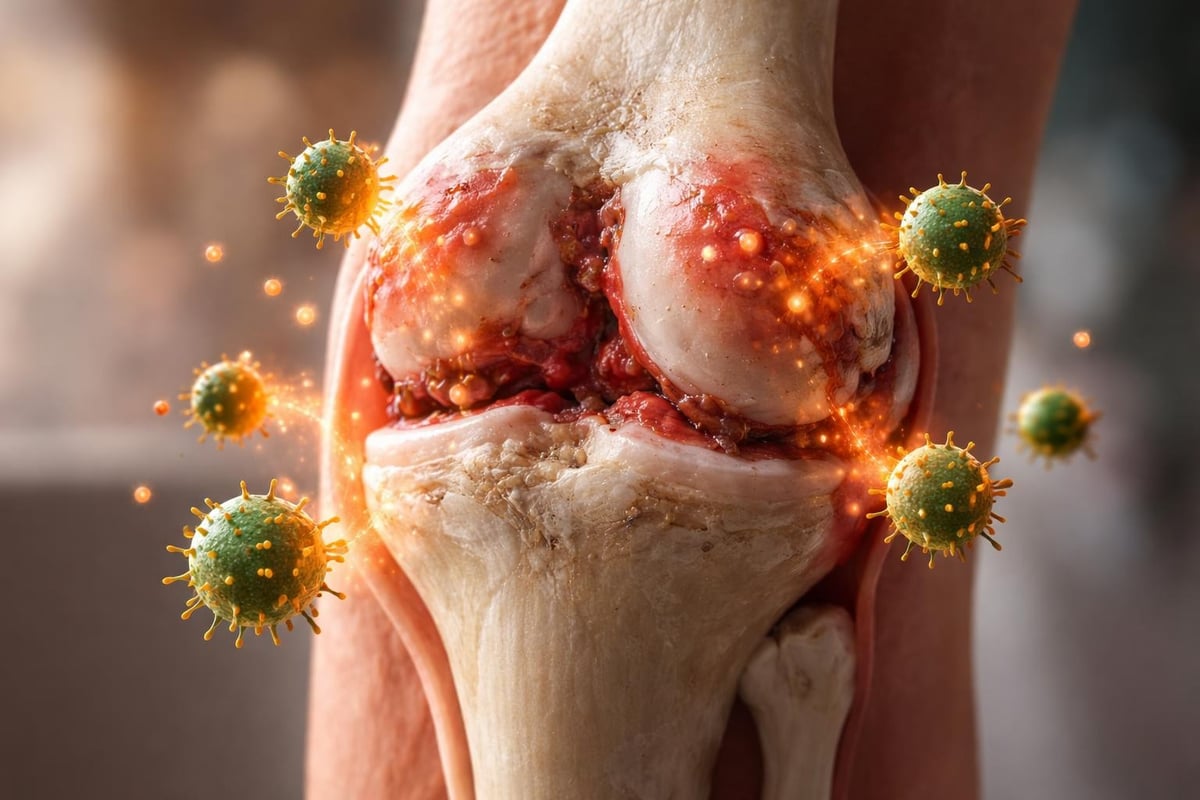
Autoimmune conditions represent some of the most significant causes of joint inflammation. In these disorders, your immune system mistakenly identifies joint tissues as foreign invaders and launches an attack. Rheumatoid arthritis stands as one of the most common autoimmune conditions affecting joints, where the immune system specifically targets the synovial membrane.
The chronic nature of autoimmune joint inflammation distinguishes it from acute injuries. Unlike temporary inflammation from a sprain, autoimmune responses continue indefinitely without proper management. This persistent attack leads to progressive joint damage, deformity, and disability if left untreated.
Common Autoimmune Conditions Affecting Joints
| Condition | Primary Target | Typical Age of Onset |
|---|---|---|
| Rheumatoid Arthritis | Synovial membrane, multiple joints | 30-60 years |
| Psoriatic Arthritis | Joints and skin | 30-50 years |
| Lupus | Multiple organs including joints | 15-45 years |
| Ankylosing Spondylitis | Spine and sacroiliac joints | 17-35 years |
Many individuals with autoimmune-related joint inflammation seek natural alternatives for managing symptoms, particularly when conventional treatments cause unwanted side effects.
Degenerative Joint Disease and Wear-Related Inflammation
Osteoarthritis, the most prevalent form of arthritis, develops when protective cartilage cushioning your joints gradually wears away. This degenerative process creates one of the most common causes of joint inflammation in adults over 50. As cartilage deteriorates, bones begin rubbing against each other, triggering inflammatory responses.
The breakdown products of damaged cartilage actually stimulate inflammation within the joint. Small fragments of cartilage and bone float in the synovial fluid, irritating the joint lining and perpetuating the inflammatory cycle. This explains why osteoarthritis pain often includes both mechanical and inflammatory components.
Weight-bearing joints suffer the most from degenerative changes. Knees, hips, and the spine carry substantial loads throughout life, making them particularly vulnerable to wear and tear. Even the small joints in fingers and toes can develop osteoarthritis, especially after years of repetitive use.
- Previous joint injuries accelerate cartilage breakdown
- Genetic factors influence cartilage quality and resilience
- Obesity increases mechanical stress on weight-bearing joints
- Age-related changes reduce the body's ability to repair cartilage damage
Infectious Agents and Septic Joint Inflammation
Bacterial, viral, and fungal infections can directly invade joint spaces, creating acute inflammatory responses. Septic arthritis represents a medical emergency requiring immediate treatment, as infectious organisms rapidly destroy joint structures. Joint infections typically cause severe swelling accompanied by fever and intense pain.
Bacteria most commonly enter joints through bloodstream infections, though direct trauma can also introduce pathogens. Staphylococcus aureus causes the majority of bacterial joint infections, particularly in adults. Young children more frequently develop infections from Haemophilus influenzae, though vaccination has reduced this occurrence.
Post-Infectious Reactive Arthritis
Some infections trigger inflammatory arthritis weeks after the initial illness resolves. Reactive arthritis develops when your immune system continues responding even after eliminating the infection. Common triggering infections include:
- Gastrointestinal bacteria like Salmonella or Shigella
- Sexually transmitted infections such as Chlamydia
- Respiratory infections in susceptible individuals
This phenomenon demonstrates how causes of joint inflammation extend beyond direct joint involvement to include immune system dysregulation.
Metabolic Disorders and Crystal-Induced Inflammation
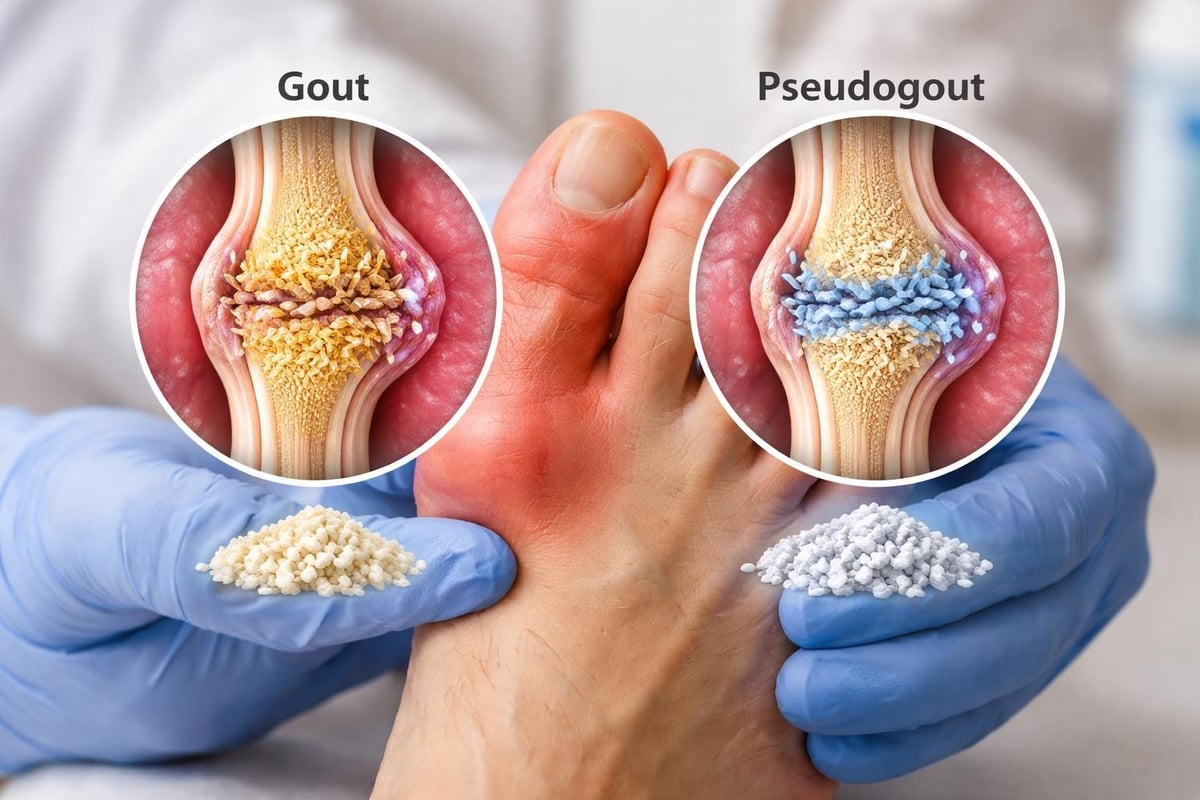
Metabolic imbalances create some of the most painful causes of joint inflammation. Gout occurs when excess uric acid in the bloodstream forms needle-sharp crystals within joints, most famously affecting the big toe. These crystals trigger intense inflammatory responses as white blood cells attempt to eliminate what they perceive as foreign material.
The inflammatory attack in gout can be so severe that even the weight of a bedsheet causes excruciating pain. Between attacks, crystals may remain in the joint without symptoms, but repeated episodes progressively damage joint structures. Understanding these inflammatory mechanisms helps explain why both acute treatment and long-term uric acid management are essential.
Pseudogout presents similarly but involves calcium pyrophosphate crystals rather than uric acid. This condition typically affects larger joints like knees and wrists, and often develops in older adults with other metabolic conditions.
| Metabolic Condition | Crystal Type | Most Affected Joints | Key Risk Factors |
|---|---|---|---|
| Gout | Uric acid | Big toe, ankle, knee | Diet, genetics, medications |
| Pseudogout | Calcium pyrophosphate | Knee, wrist, shoulder | Age, thyroid disorders |
| Hemochromatosis | Iron deposits | Hands, wrists | Genetic iron overload |
Injury-Related and Mechanical Causes of Joint Inflammation
Acute trauma ranks among the most immediate causes of joint inflammation. Sprains, dislocations, and fractures all trigger inflammatory responses as your body initiates healing processes. Even without visible injury, repetitive stress creates microtrauma that accumulates over time, eventually manifesting as chronic inflammation.
Athletes and manual laborers frequently experience overuse injuries affecting joints. Tennis elbow, runner's knee, and pitcher's shoulder all involve inflammatory components stemming from repetitive movements. The inflammatory response initially helps with healing, but continued stress prevents resolution, creating persistent discomfort.
Bursitis and Tendinitis
Inflammation often affects structures surrounding joints rather than the joint itself. Bursae, small fluid-filled sacs cushioning joints, can become inflamed from pressure or friction. Tendons connecting muscles to bones also develop inflammation from overuse or sudden stress.
- Knee bursitis commonly affects people who kneel frequently
- Shoulder bursitis often results from overhead activities
- Achilles tendinitis plagues runners and dancers
- De Quervain's tendinitis affects the thumb side of the wrist
These conditions demonstrate how causes of joint inflammation encompass not just the joint proper but also supporting structures. Many individuals dealing with these mechanical issues find relief through targeted recovery supplements that address inflammation.
Lifestyle Factors Contributing to Joint Inflammation
Your daily habits significantly influence inflammatory processes throughout your body, including your joints. Diet plays a particularly important role, as certain foods promote inflammation while others help reduce it. Processed foods, refined sugars, and trans fats increase systemic inflammation, while omega-3 fatty acids, antioxidants, and fiber demonstrate anti-inflammatory properties.
Obesity creates mechanical stress on joints while also promoting inflammation through metabolic pathways. Fat tissue, particularly around the abdomen, produces inflammatory chemicals that circulate throughout the body. This explains why weight loss often reduces joint pain even in non-weight-bearing joints like hands.
Chronic stress elevates cortisol and other hormones that can dysregulate immune function and promote inflammation. Poor sleep quality similarly disrupts inflammatory regulation, creating a vicious cycle where pain disrupts sleep and sleep deprivation worsens pain.

Environmental and Occupational Exposures
Certain workplace exposures and environmental factors contribute to joint inflammation:
- Silica dust exposure increases autoimmune arthritis risk
- Repetitive vibration from power tools damages joint structures
- Cold, damp environments may trigger symptom flares
- Chemical exposures in agriculture and manufacturing
These environmental causes of joint inflammation often go unrecognized until patterns emerge over years of exposure.
Age-Related Changes and Hormonal Influences
Aging itself represents one of the unavoidable causes of joint inflammation. As we age, cartilage loses resilience, synovial fluid decreases in quality and quantity, and the body's anti-inflammatory mechanisms become less efficient. These changes explain why arthritis becomes increasingly common after age 50.
Hormonal fluctuations significantly impact joint inflammation, particularly in women. Many women first develop rheumatoid arthritis during perimenopause, suggesting estrogen's protective effects on joints. Pregnancy often temporarily improves autoimmune arthritis symptoms, only to have them return or worsen postpartum.
Thyroid disorders also influence joint health. Both hypothyroidism and hyperthyroidism can cause joint pain and stiffness, though through different mechanisms. Correcting thyroid imbalances often improves joint symptoms, highlighting the interconnected nature of endocrine and musculoskeletal systems.
Genetic Predisposition and Family History
Your genetic makeup influences susceptibility to many causes of joint inflammation. Certain genes increase risk for autoimmune conditions, while others affect cartilage quality or inflammatory responses. Having a first-degree relative with rheumatoid arthritis increases your risk three to five times compared to the general population.
The HLA-B27 gene strongly associates with ankylosing spondylitis and other spondyloarthropathies. However, not everyone with this gene develops these conditions, demonstrating that genetics load the gun while environmental factors pull the trigger. Understanding your genetic risk helps with early detection and prevention strategies.
| Genetic Marker | Associated Condition | Population Prevalence |
|---|---|---|
| HLA-DR4 | Rheumatoid arthritis | 60-70% of RA patients |
| HLA-B27 | Ankylosing spondylitis | 90% of AS patients |
| COL2A1 variants | Early-onset osteoarthritis | Variable |
| MTHFR polymorphisms | Increased inflammation | 30-40% of population |
Medication-Induced Joint Inflammation
Paradoxically, some medications intended to treat other conditions can cause or worsen joint inflammation. Certain antibiotics, particularly fluoroquinolones, occasionally trigger tendinitis and joint pain. Aromatase inhibitors used in breast cancer treatment frequently cause joint symptoms in up to half of patients.
Immune checkpoint inhibitors, revolutionary cancer treatments, sometimes activate autoimmune responses affecting joints. This demonstrates how manipulating immune function for therapeutic purposes can have unintended musculoskeletal consequences. Recognizing medication-related causes of joint inflammation allows for appropriate adjustments or additional supportive treatments.
Some individuals managing medication side effects turn to complementary approaches, finding that CBD-based products help manage inflammation without interfering with their prescribed treatments.
Systemic Inflammatory Conditions Affecting Joints
Several systemic inflammatory diseases include joint involvement as a major component. Inflammatory bowel disease (IBD) frequently causes peripheral arthritis, affecting large joints in the arms and legs. This connection between gut and joint inflammation highlights how systemic inflammation spreads throughout the body.
Sarcoidosis, though primarily affecting lungs, commonly involves joints. Similarly, vasculitis conditions that inflame blood vessels often cause joint pain and swelling. These systemic conditions remind us that causes of joint inflammation frequently stem from body-wide inflammatory processes rather than isolated joint problems.
- IBD-associated arthritis affects 10-20% of Crohn's and ulcerative colitis patients
- Sarcoid arthritis often appears as the first symptom of the disease
- Behçet's disease causes recurrent joint inflammation alongside other symptoms
- Sjögren's syndrome frequently includes joint pain and swelling
Nutritional Deficiencies and Joint Health
Inadequate nutrition contributes to inflammatory joint conditions through multiple pathways. Vitamin D deficiency associates with increased inflammation and pain sensitivity, while also affecting bone health adjacent to joints. Low vitamin C impairs collagen synthesis, weakening connective tissues that support joints.
Omega-3 fatty acid deficiency shifts the body toward pro-inflammatory states. These essential fats serve as building blocks for anti-inflammatory compounds, and inadequate intake promotes inflammation throughout the body. Similarly, antioxidant deficiencies allow oxidative stress to damage joint tissues and perpetuate inflammatory cycles.
Modern diets often lack sufficient nutrients to support optimal joint health. Processing removes beneficial compounds while adding inflammatory ingredients. Addressing nutritional gaps through diet and supplementation represents an important strategy for managing inflammatory joint conditions.
Sleep Disorders and Circadian Rhythm Disruption
Poor sleep quality and disrupted circadian rhythms rank among the overlooked causes of joint inflammation. During deep sleep, your body performs critical repair processes and regulates inflammatory mediators. Chronic sleep deprivation elevates inflammatory markers and lowers pain thresholds, creating a perfect storm for joint discomfort.
Sleep apnea, beyond causing daytime fatigue, promotes systemic inflammation that affects joints. The repeated oxygen deprivation and stress responses throughout the night activate inflammatory pathways. Treating sleep disorders often yields unexpected improvements in joint symptoms.
Shift work and irregular sleep schedules disrupt natural anti-inflammatory rhythms. Your body produces anti-inflammatory cortisol in predictable daily patterns, and circadian disruption throws off this natural regulation. Prioritizing sleep quality represents an underutilized but powerful tool for managing inflammatory conditions.
Understanding the diverse causes of joint inflammation empowers you to identify your specific triggers and pursue targeted solutions. Whether dealing with autoimmune conditions, degenerative changes, or lifestyle-related inflammation, addressing root causes alongside symptom management offers the best path forward. Reclaim Labs provides premium CBD hemp oil products specifically formulated to help manage chronic pain and inflammation naturally, offering third-party tested solutions for those seeking effective alternatives to conventional treatments. Explore our full-spectrum and broad-spectrum options designed with your joint health and overall wellness in mind.