As new therapies emerge for chronic pain, many people are turning their attention to cbd and rheumatoid arthritis as a natural and promising solution for 2026.
This guide provides an in-depth look at the latest research, scientific evidence, and practical tips for using CBD to manage RA symptoms.
You will gain a clear understanding of rheumatoid arthritis, how CBD works in the body, current research findings, safety considerations, legal updates, and steps to integrate CBD into your wellness routine.
With growing interest in alternative options, it is more important than ever to make informed choices. Use this comprehensive resource to explore the potential of CBD and take control of your RA management.
Understanding Rheumatoid Arthritis in 2026
Rheumatoid arthritis (RA) remains a complex autoimmune disease that continues to challenge patients and clinicians alike. As research evolves, understanding both the nature of RA and the role of new therapies such as CBD and rheumatoid arthritis management is crucial for making informed decisions.

What is Rheumatoid Arthritis?
Rheumatoid arthritis is a chronic autoimmune disorder where the immune system mistakenly attacks healthy joint tissue. This leads to inflammation, pain, stiffness, swelling, and often fatigue. Unlike osteoarthritis, which is caused by wear and tear, RA is driven by immune dysfunction.
Symptoms typically appear in the hands, wrists, and knees, but RA can affect multiple joints and even organs. The impact on daily life can be significant, with patients experiencing difficulty with simple tasks, reduced mobility, and emotional stress.
RA affects approximately 1.3 million Americans, a figure confirmed by WebMD. Recent years have seen a slight increase in prevalence, possibly due to better diagnostic awareness. RA differs from other forms of arthritis not only in cause but also in the pattern of joint involvement and systemic features.
Consider the journey of a middle-aged woman who noticed persistent morning stiffness and finger swelling. After months of worsening symptoms, she received an RA diagnosis and began her treatment journey, which introduced her to the evolving landscape of cbd and rheumatoid arthritis therapies.
Advances in RA Diagnosis and Treatment
The landscape of RA care in 2026 has seen notable progress. Advanced diagnostic tools, including novel biomarkers and imaging technologies, now allow for earlier and more accurate detection of RA. Early diagnosis is key, as it can help prevent irreversible joint damage.
Standard treatments for RA include disease-modifying antirheumatic drugs (DMARDs), biologics, and nonsteroidal anti-inflammatory drugs (NSAIDs). These therapies aim to control inflammation and slow disease progression. However, they can come with side effects such as increased infection risk, liver issues, and gastrointestinal discomfort.
Despite these advances, up to 30% of patients still experience incomplete symptom control. This reality highlights the ongoing need to refine and personalize treatment strategies. Personalized medicine, which tailors therapy based on individual characteristics, is gaining traction. Multidisciplinary approaches now combine medication, physical therapy, dietary guidance, and mental health support.
For example, when a patient receives an early diagnosis and starts therapy quickly, their long-term outcomes often improve. Yet, even with optimal medical care, many continue to seek relief from persistent pain and fatigue, prompting exploration of cbd and rheumatoid arthritis as an adjunct to traditional care.
The Ongoing Need for Complementary Approaches
Current RA management leaves gaps, especially for those with lingering symptoms or medication side effects. Many patients express a desire for natural and integrative therapies, looking beyond pharmaceuticals for holistic relief.
Alternative options include supplements, lifestyle modifications, and therapies like cbd and rheumatoid arthritis. Surveys from WebMD indicate steadily increasing interest in non-pharmaceutical solutions, as patients seek more control over their wellness.
Real-world stories often highlight the benefits of combining conventional and alternative care. For example, some individuals report improved comfort and function after integrating dietary changes, stress management, and natural treatments for rheumatoid arthritis such as CBD into their routines. As the demand for comprehensive care grows, exploring these complementary strategies becomes an essential part of the conversation.
CBD: Science, Mechanisms, and Forms
Understanding how CBD and rheumatoid arthritis are connected begins with the basics of what CBD is, how it works in the body, and the many forms it can take. This section breaks down the science behind CBD, its interaction with your body’s systems, and the best ways to use CBD for managing rheumatoid arthritis symptoms.
What is CBD?
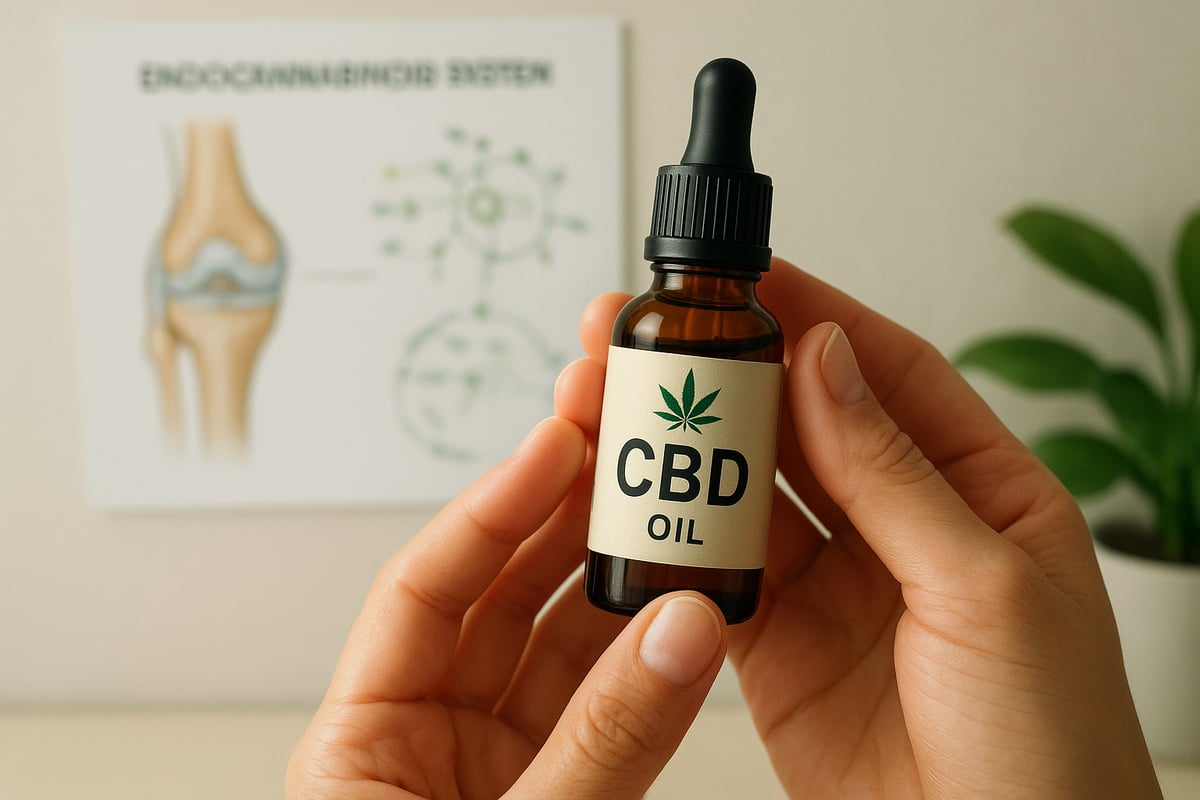
CBD, or cannabidiol, is a naturally occurring compound found in hemp and cannabis plants. Unlike THC, CBD does not produce a high or intoxicating effect, making it an appealing choice for those seeking relief without altered consciousness. The connection between CBD and rheumatoid arthritis is gaining attention due to CBD’s potential anti-inflammatory and pain-relieving properties.
CBD is extracted primarily from hemp, which contains low levels of THC. This legal distinction is important, as hemp-derived CBD products are federally legal in the United States as of 2026, provided they contain less than 0.3% THC. However, regulations may vary by state, so it is essential to check local laws regarding CBD and rheumatoid arthritis products.
The FDA’s position on CBD remains cautious. While certain CBD-based medications are approved for rare seizure disorders, most over-the-counter CBD products are not officially endorsed for medical use. Consumers should look for reputable brands that provide third-party lab testing and clear labeling. Understanding these basics lays the groundwork for exploring how CBD and rheumatoid arthritis interact on a biological level.
How CBD Interacts with the Body
The science behind CBD and rheumatoid arthritis centers on the body’s endocannabinoid system (ECS). The ECS is a network of receptors found throughout the body, including in the immune system and nervous system. These receptors help regulate pain, inflammation, mood, and immune responses. CBD interacts with this system by influencing how these receptors respond to signals, which may help modulate pain and inflammation in rheumatoid arthritis.
CBD is believed to reduce inflammation by affecting cytokine production and immune cell activity. Animal studies have shown that CBD can lower inflammatory markers and decrease joint swelling, which is especially relevant for those exploring CBD and rheumatoid arthritis. Early human trials suggest that CBD may also improve sleep quality and reduce morning stiffness for RA patients.
For a more detailed explanation of the mechanisms behind CBD’s effects on arthritis, see How CBD helps arthritis. Ongoing research continues to shed light on how CBD and rheumatoid arthritis are connected, but more large-scale studies are needed to confirm these promising results.
Types and Delivery Methods of CBD
When considering CBD and rheumatoid arthritis, it is important to understand the different forms of CBD and their delivery methods. There are three primary types:
- Full-spectrum CBD: Contains all cannabinoids, including trace THC.
- Broad-spectrum CBD: Includes multiple cannabinoids but no THC.
- CBD isolate: Pure CBD with no other cannabinoids.
CBD can be taken in various ways, each suited for different needs. Common delivery methods include:
| Method | Best For | Absorption Rate | Pros | Cons |
|---|---|---|---|---|
| Oil/Tincture | Systemic relief | Moderate | Customizable dose | Taste, slower onset |
| Capsules | Systemic relief | Slow | Convenient, pre-measured | Delayed effect |
| Edibles | Systemic relief | Slow | Discreet, easy to use | Variable absorption |
| Topicals | Localized joint discomfort | Fast (local) | Targeted relief, minimal side effects | Limited to surface application |
| Patches | Extended relief | Slow to steady | Long-lasting, consistent dosing | May cause skin irritation |
| Vapes | Rapid onset | Fast | Quick relief | Not ideal for lung health |
For localized symptoms, such as joint pain in the hands, topicals are often preferred by those using CBD and rheumatoid arthritis remedies. Oral methods, like oils or capsules, may be better for systemic symptoms. Understanding these forms helps you select the most effective approach for managing your RA symptoms with CBD.
Latest Research: CBD and Rheumatoid Arthritis
Interest in CBD and rheumatoid arthritis has surged, prompting researchers to investigate its true potential for managing pain, inflammation, and quality of life. In 2026, both clinical trials and patient reports contribute to a clearer, though still evolving, understanding of how CBD may fit into RA care.

Clinical Evidence and Ongoing Studies
Over the past several years, studies investigating CBD and rheumatoid arthritis have provided encouraging, yet preliminary, findings. Clinical trials from 2020 to 2026 have focused on pain reduction, inflammation, sleep, and physical function.
A notable example is a 2024 study that observed reduced joint swelling and improved sleep among RA patients using CBD. Early research highlights potential benefits, particularly for morning pain and sleep disturbances. However, sample sizes remain small and long-term data is limited.
| Study Year | Sample Size | Key Outcome | Limitation |
|---|---|---|---|
| 2022 | 40 | Reduced joint pain | Short duration |
| 2024 | 60 | Improved sleep, less swelling | Small sample |
| 2025 | 80 | Better function reported | No placebo control |
For those seeking detailed trial data, the Therapeutic Response of Cannabidiol in Rheumatoid Arthritis clinical trial is evaluating both the efficacy and safety of CBD as an add-on treatment for RA. These findings are shaping the ongoing discussion around cbd and rheumatoid arthritis.
Mechanisms: How CBD May Affect RA
Scientists are unraveling how cbd and rheumatoid arthritis interact at a biological level. The endocannabinoid system (ECS) is central to this relationship, as it helps regulate immune response, pain, and inflammation.
CBD appears to modulate immune cell activity, including T-cells and cytokines, which are often overactive in RA. By reducing the production of pro-inflammatory cytokines, CBD may lower joint inflammation. In animal models, CBD has demonstrated the ability to decrease joint damage and limit progression of arthritis-like symptoms.
Neuroprotective properties are another area of interest. Some studies suggest CBD can help manage nerve pain and cognitive symptoms, such as brain fog, which frequently affect people with RA. These mechanisms support the ongoing exploration of cbd and rheumatoid arthritis as a complementary approach.
Patient Experiences and Real-World Outcomes
Beyond the lab, real-world experiences with cbd and rheumatoid arthritis are increasingly reported. Surveys show a growing number of RA patients have tried CBD, with many citing pain relief, better sleep, and reduced reliance on other medications as primary benefits.
Patients often describe improvements in daily comfort and mobility. However, challenges persist—dosing can be confusing, and product quality varies widely. Some users report inconsistent results, emphasizing the need for clear guidance and trustworthy sources.
A testimonial from an arthritis foundation member notes, “CBD helped me manage morning stiffness and allowed me to participate in activities I had once avoided.” Such stories add valuable context to the research on cbd and rheumatoid arthritis.
Limitations and Areas for Future Research
Despite promising developments, research on cbd and rheumatoid arthritis faces several hurdles. Large-scale, long-term human trials are still lacking, and regulatory inconsistencies complicate product standardization.
Current studies often have small cohorts or short durations, making it difficult to draw broad conclusions. Experts call for more robust research and clear regulatory frameworks to ensure safety and efficacy.
Ongoing trials and evolving guidelines in 2026 are expected to fill these gaps, ultimately guiding both clinicians and patients in safely integrating cbd and rheumatoid arthritis therapies.
Safety, Side Effects, and Legal Considerations
Navigating the safety, side effects, and legal landscape is essential for anyone considering cbd and rheumatoid arthritis. As CBD gains popularity, understanding these aspects helps patients protect their health and make informed choices. This section offers clear, practical guidance for anyone exploring cbd and rheumatoid arthritis as part of their wellness plan.

Safety Profile of CBD for RA Patients
When considering cbd and rheumatoid arthritis, safety is a top priority. Most patients tolerate CBD well, with side effects typically mild to moderate. Common issues include dry mouth, fatigue, diarrhea, and changes in appetite. These are generally less severe than side effects from many conventional RA medications, which may include liver toxicity, infections, or gastrointestinal problems.
However, CBD can interact with other drugs, especially blood thinners and immunosuppressants often prescribed for RA. Elderly patients may be more sensitive to adverse effects, so regular monitoring is important. Healthcare providers recommend starting with a low dose and gradually increasing while observing for unwanted reactions.
Recent surveys confirm that side effects linked to cbd and rheumatoid arthritis are usually manageable. For more comprehensive information on safety, legal considerations, and patient guidance, see the CBD for Arthritis Pain resource from the Arthritis Foundation.
Legal and Regulatory Status in 2026
The legal status of cbd and rheumatoid arthritis therapies continues to evolve. As of 2026, federal law in the United States permits hemp-derived CBD products containing less than 0.3% THC. However, state regulations vary, affecting whether patients can access CBD over the counter or need a prescription.
Some states have expanded access, allowing a broader range of CBD products for medical use, while others maintain stricter controls. The FDA has approved a limited number of CBD medications, mainly for rare seizure disorders. Most CBD products marketed for cbd and rheumatoid arthritis are not FDA-approved, so patients should research local laws before purchasing or traveling with CBD.
Patients should consult healthcare providers and review state-specific guidelines to ensure compliance. Differences in access and legal protections can impact treatment options and peace of mind.
Product Quality, Purity, and Labeling
Quality control is a major concern for anyone using cbd and rheumatoid arthritis products. Not all CBD products are created equal. Some may contain contaminants, inaccurate cannabinoid levels, or misleading labels. Third-party lab testing is essential to verify purity and potency.
Patients should look for a Certificate of Analysis (COA) from an independent laboratory. This document lists cannabinoid content and screens for pesticides, heavy metals, and solvents. Reading the COA ensures the product matches its label and is safe for use.
Unfortunately, the FDA does not regulate all cbd and rheumatoid arthritis supplements. This lack of oversight increases the risk of purchasing ineffective or even unsafe products. Choosing brands that prioritize transparency and rigorous testing can help avoid these pitfalls.
Guidance on Choosing Safe CBD Products
Selecting safe cbd and rheumatoid arthritis products requires careful research. Start by seeking reputable brands known for transparency and customer support. Look for clear product labels, accessible lab reports, and detailed ingredient lists.
Before purchasing, ask:
- Is the product third-party tested?
- Does it have a recent COA?
- What extraction methods are used?
- Are customer reviews and support available?
A helpful checklist includes confirming lab results, reviewing company reputation, and consulting healthcare professionals. Prioritizing quality and accountability ensures a safer experience with cbd and rheumatoid arthritis.
Integrating CBD into Your Rheumatoid Arthritis Management Plan
Living with rheumatoid arthritis calls for a comprehensive approach. Integrating CBD into your routine can offer new possibilities for symptom management. Understanding how to safely and effectively use CBD and rheumatoid arthritis therapies together is crucial for achieving the best results.
Steps to Discuss with Your Healthcare Provider
Before starting any CBD and rheumatoid arthritis regimen, consult your rheumatologist or primary care provider. Open communication ensures your current treatment plan is safe and effective. Discuss your goals, such as reducing pain, improving sleep, or managing inflammation.
Review all medications you are taking. Some drugs, including blood thinners and immunosuppressants, may interact with CBD and rheumatoid arthritis therapies. Your provider can help identify any risks and suggest monitoring strategies.
Set clear expectations about what you hope to achieve with CBD and rheumatoid arthritis interventions. Use shared decision-making to weigh the potential benefits and risks. For example, some patients prioritize reducing morning stiffness, while others seek better sleep quality.
Bring questions to your appointment, such as:
- Is CBD safe with my current medications?
- What signs of side effects should I watch for?
- How should I monitor my response to CBD and rheumatoid arthritis treatment?
This collaborative approach helps tailor your plan to your needs and increases your confidence in using CBD and rheumatoid arthritis solutions.
Starting CBD: Dosage, Timing, and Monitoring
When beginning CBD and rheumatoid arthritis therapy, it is best to start low and go slow. Begin with a low dose and gradually increase as needed, based on your symptoms and tolerance. Your provider can recommend a suitable starting dose and titration schedule.
Track your symptoms and side effects daily. Many patients use symptom diaries or mobile apps to monitor pain, sleep, and joint stiffness. This data helps you and your healthcare team adjust your CBD and rheumatoid arthritis plan for optimal results.
Monitor for common side effects such as dry mouth, fatigue, or changes in appetite. Report any concerns to your provider promptly. Adjusting the dose or changing the time of day you take CBD and rheumatoid arthritis supplements can help minimize unwanted effects.
If you are interested in targeted relief, topical options may be beneficial. For instance, CBD relief for rheumatoid arthritis hands offers practical guidance on applying CBD directly to affected joints. This approach allows you to address pain where it is most intense while monitoring overall progress.
Combining CBD with Other RA Therapies
CBD and rheumatoid arthritis therapies are most effective when used as part of a holistic treatment strategy. Do not discontinue disease-modifying antirheumatic drugs (DMARDs), biologics, or other prescribed medications without medical advice.
Integrate CBD alongside physical therapy, exercise, dietary changes, and mental health support. For example, some patients use a nano CBD roll-on after workouts to ease muscle discomfort while maintaining their prescribed medications. Combining approaches can enhance symptom control and improve your quality of life.
Always communicate with your care team about any changes or additions to your regimen. This ensures that all aspects of your CBD and rheumatoid arthritis management are coordinated for safety and effectiveness.
Lifestyle and Self-Care Practices for RA
Beyond medication and supplements, lifestyle adjustments support the effectiveness of CBD and rheumatoid arthritis treatments. Prioritize stress management, sleep hygiene, and an anti-inflammatory diet. Techniques such as mindfulness, meditation, and gentle exercise can reduce flare-ups and improve daily function.
Protect your joints with assistive devices, ergonomic tools, and regular movement breaks. Listen to your body and modify activities when necessary to prevent overexertion. Incorporating self-care practices empowers you to take control of your health and maximize the benefits of CBD and rheumatoid arthritis strategies.
Remember, integrating CBD is just one part of a broader wellness plan. Consistent self-care and open communication with your care team set the foundation for long-term success in managing rheumatoid arthritis.
The Future of CBD and RA: Trends and Innovations
The next frontier for cbd and rheumatoid arthritis is rapidly approaching, with new breakthroughs and patient-centered innovations shaping the landscape. As we look to 2026, research, policy, and expert insight are converging to redefine how patients manage RA with CBD.
Emerging Research and Therapies
In 2026, emerging research is paving the way for advanced solutions in cbd and rheumatoid arthritis management. Scientists are developing next-generation delivery systems such as nanoemulsions, transdermal patches, and rapid-acting oral sprays. These approaches may improve absorption and target relief more effectively.
Personalized CBD therapy is also gaining traction, with genetic testing helping tailor dosages and formulations to individual patients. Ongoing clinical trials continue to explore the potential of CBD in reducing inflammation and joint pain. Notably, a recent study found that a high CBD extract modulates inflammation in RA, offering promising directions for future therapies.
As more data emerges, these innovations could set new standards for RA care.
Policy, Access, and Patient Advocacy
Policy changes are reshaping access to cbd and rheumatoid arthritis therapies. Insurance providers are beginning to consider CBD as a reimbursable option for chronic pain and inflammation, especially where conventional treatments offer limited relief.
Patient advocacy groups are pushing for increased research funding and clearer regulatory pathways. Their efforts help ensure that quality standards are set for product safety and efficacy.
Patient communities play a vital role by sharing experiences, supporting clinical studies, and educating newcomers. These collective actions are essential for expanding access and shaping the future of RA management with CBD.
Expert Predictions for 2026 and Beyond
Experts predict a transformative era ahead for cbd and rheumatoid arthritis. Rheumatologists and cannabinoid researchers anticipate that, as evidence grows, CBD could become a standard adjunct to conventional RA therapies.
Patients may see expanded access, improved product quality, and clearer guidelines as regulations evolve. Studies, such as those where arthritis patients report substantial improvements following cannabis use, reinforce optimism about future outcomes.
Looking forward, those living with RA can expect a more personalized, evidence-based approach to integrating CBD into their treatment plans.
As you consider your next steps in managing rheumatoid arthritis, remember that finding relief doesn’t have to be a guessing game. We’ve explored how science-backed CBD solutions can support your wellness journey, especially when you’re searching for natural alternatives that put your safety and quality of life first. If you’re ready to take control of your chronic pain and inflammation with trusted, third party tested CBD products, I invite you to discover what’s possible for you. Explore the full range of premium options and Get Relief Now!