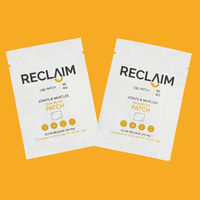
When managing chronic pain and inflammation, choosing the right CBD delivery method can significantly impact your results. The debate between cbd cream vs roll-on vs patches continues to evolve as more individuals seek natural alternatives for conditions like rheumatoid arthritis and fibromyalgia. Each topical application offers distinct advantages, absorption rates, and use cases that make them suitable for different situations and pain profiles. Understanding these differences empowers you to make informed decisions about which CBD product aligns with your specific needs and lifestyle.
Understanding CBD Topical Application Methods
CBD topicals work by interacting with cannabinoid receptors in the skin and underlying tissues without entering the bloodstream. This localized approach makes them particularly effective for targeted pain relief. When comparing different CBD topical formats, the fundamental difference lies in how the product delivers cannabidiol to affected areas.
Creams are emulsions combining CBD extract with carrier oils, moisturizing agents, and sometimes additional therapeutic ingredients. They absorb into the skin through manual application and massage. Roll-ons feature a rolling ball applicator that dispenses CBD-infused liquid or gel, providing convenient, mess-free application. Patches use transdermal technology to deliver CBD through the skin over extended periods, often 8-12 hours or longer.
The choice between these formats depends on several factors including pain location, severity, duration of relief needed, and personal preferences regarding application method.
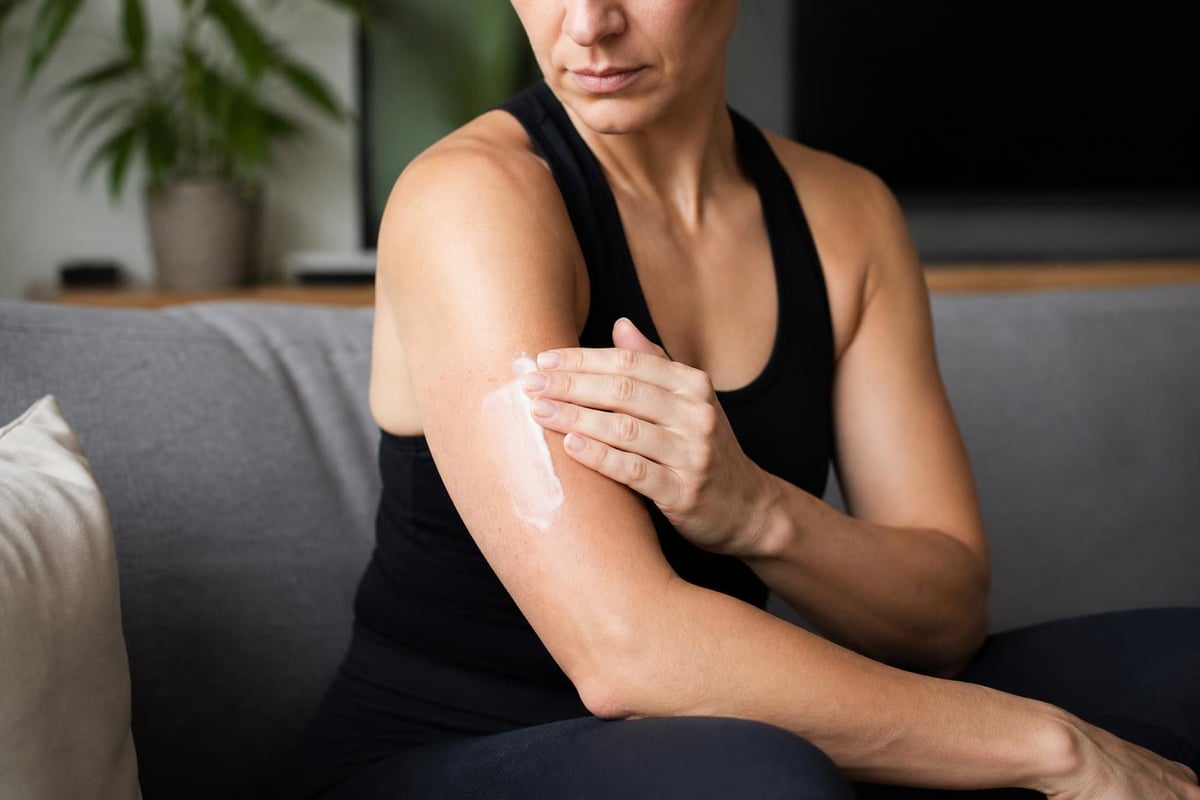
CBD Cream: Deep Absorption and Customization
CBD creams offer versatility and control that many users find invaluable for managing chronic conditions. The massage application process itself provides therapeutic benefits beyond cannabidiol delivery.
Application and Absorption Characteristics
When you apply CBD cream, you control the amount, pressure, and coverage area. This hands-on approach allows you to work the product into tight muscles, inflamed joints, or painful areas with precision. The massaging action increases blood flow to the affected region, potentially enhancing the therapeutic effects.
- Full control over dosage and application area
- Ability to combine with massage therapy techniques
- Immediate tactile feedback during application
- Suitable for large surface areas or multiple pain points
- Can be layered or reapplied as needed throughout the day
Formulation Benefits
Quality CBD creams incorporate complementary ingredients that address multiple aspects of pain and inflammation. Products from reputable manufacturers often include essential oils, menthol, arnica, or other botanicals that work synergistically with cannabidiol.
The cream base itself provides moisturizing benefits, which is particularly valuable for individuals with arthritis or skin conditions. Research on CBD skin applications suggests that topical cannabidiol may offer benefits beyond pain relief, including anti-inflammatory and skin-protective properties.
Ideal Use Cases for CBD Cream
| Situation | Why Cream Works Best |
|---|---|
| Rheumatoid arthritis flares | Allows massage of multiple affected joints |
| Large muscle groups | Covers extensive areas efficiently |
| Evening relaxation routine | Provides self-care massage opportunity |
| Combination with heat therapy | Easy to apply before heating pads |
| Dry or irritated skin | Delivers moisture alongside CBD |
CBD creams excel when you need flexibility in application or want to address widespread discomfort across larger body regions.
CBD Roll-On: Precision and Portability
Roll-on applicators represent a modern evolution in topical CBD delivery, combining convenience with targeted application. These products have gained popularity among active individuals and those seeking discreet pain management options.
Targeted Delivery System
The rolling ball mechanism provides several distinct advantages over traditional creams. It enables no-mess application, keeping your hands clean while delivering CBD precisely where needed. This design makes roll-ons particularly effective for spot treatment of specific pain points.
Key advantages include:
- Mess-free, hands-free application process
- Compact design fits easily in purses, gym bags, or desk drawers
- Cooling sensation from the rolling action itself
- Prevents contamination of the product
- Quick application without preparation or cleanup
The 1000mg CBD hemp-infused relief roll-on exemplifies this format's potential for delivering substantial cannabidiol concentrations in a portable, user-friendly format.
When Roll-Ons Excel
Roll-ons shine in situations requiring quick, convenient application. If you experience sudden pain flares at work, during travel, or while exercising, a roll-on provides immediate access to relief without requiring privacy or cleanup.
Athletes particularly appreciate roll-ons for pre-workout preparation and post-exercise recovery. The cooling effect combined with CBD's potential anti-inflammatory properties addresses both immediate discomfort and longer-term recovery needs.
For those managing conditions like fibromyalgia, where pain points can shift throughout the day, having a portable roll-on enables responsive treatment wherever symptoms appear.

CBD Patches: Sustained Transdermal Release
Transdermal CBD patches represent a fundamentally different approach to cannabidiol delivery. Unlike creams and roll-ons that work topically, quality patches are designed to deliver CBD through the skin into the bloodstream for systemic effects.
Transdermal Technology Explained
The distinction between topical and transdermal is crucial when evaluating cbd cream vs roll-on vs patches. Transdermal patches differ from topical applications in their mechanism and intended effects. Patches use advanced formulation techniques and sometimes permeation enhancers to carry CBD through skin layers into circulation.
This technology provides several unique benefits:
- Consistent delivery over 8-24 hours depending on the patch design
- Steady blood levels avoiding peaks and valleys of other methods
- Hands-free convenience requiring no reapplication during wear time
- Discreet use underneath clothing with minimal visibility
- Measured dosing with predetermined CBD content per patch
Comparing Patch Options
When exploring CBD patches, you'll encounter various formulations and strengths. A comprehensive comparison of CBD patches in 2026 reveals significant differences in CBD content, duration, and additional ingredients.
| Feature | Standard Patches | Extended-Release Patches | Hybrid Formulations |
|---|---|---|---|
| Duration | 8-12 hours | 24+ hours | 12-16 hours |
| CBD Content | 10-30mg | 30-100mg | Variable |
| Onset Time | 1-2 hours | 2-4 hours | 30 minutes-2 hours |
| Best For | Daily maintenance | Chronic conditions | Breakthrough pain |
Products like CBD patches for pain relief provide consistent cannabidiol delivery throughout the day, making them ideal for individuals with persistent discomfort.
Optimal Patch Applications
Patches work exceptionally well for chronic conditions requiring consistent CBD levels. If you experience continuous pain from arthritis, neuropathy, or inflammatory conditions, patches eliminate the need to remember multiple daily applications.
They're particularly valuable for individuals with limited mobility who might struggle with cream application or for those who prefer set-it-and-forget-it solutions. Nighttime use is another strong application, as patches continue working while you sleep without requiring middle-of-night reapplication.
Absorption Rates and Onset Times
Understanding how quickly each format delivers relief helps match products to your specific needs. The comparison of cbd cream vs roll-on vs patches reveals distinct timing profiles.
Speed of Relief
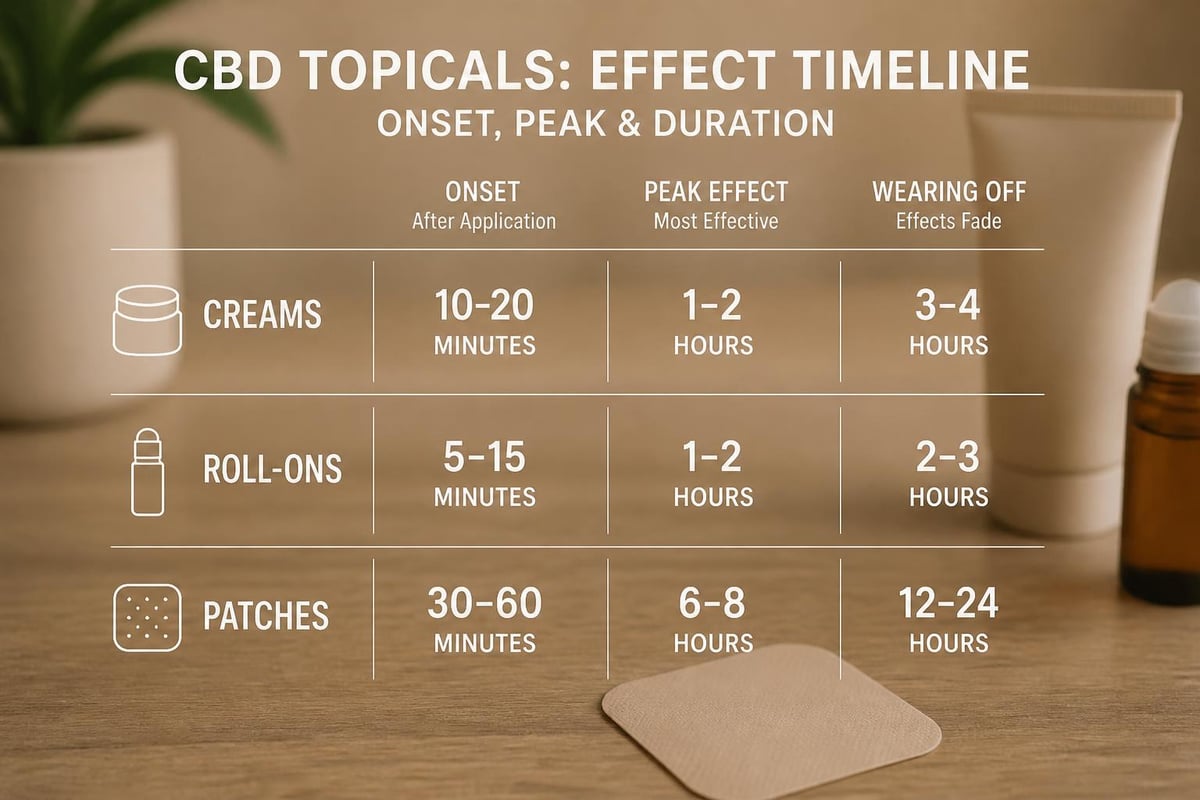
Creams and roll-ons typically provide the fastest onset, with many users reporting initial effects within 15-30 minutes. The massaging action and increased blood flow contribute to rapid absorption. Some formulations incorporating menthol or camphor provide immediate cooling or warming sensations even before CBD effects begin.
Patches operate on a slower timeline, often requiring 1-2 hours before noticeable effects as the transdermal delivery system establishes steady absorption. However, this delayed onset trades immediate relief for extended duration.
Duration Comparison
The longevity of relief varies significantly across formats:
- Creams: 2-4 hours of noticeable effects
- Roll-ons: 2-4 hours, similar to creams
- Patches: 8-24 hours depending on formulation
For managing conditions like rheumatoid arthritis, where consistent symptom control is essential, patches may reduce the frequency of application compared to creams or roll-ons.
Concentration and Dosing Considerations
Determining appropriate CBD dosage differs across topical formats. Each application method presents unique considerations for achieving therapeutic levels.
Measuring Effective Doses
With creams, dosing involves estimating the amount applied, typically measured in milligrams of CBD per application. A pea-sized amount might contain 5-10mg of CBD, while larger applications could deliver 25-50mg or more. The challenge lies in maintaining consistency across applications.
Roll-ons often specify CBD content per roll or per second of rolling, providing more standardized dosing than creams. This consistency helps establish effective personal dosages through trial and adjustment.
Patches offer the most precise dosing, with each patch containing a predetermined CBD amount. A patch labeled 30mg delivers that full amount over its wear time, removing guesswork from the equation.
Bioavailability Factors
Not all CBD applied reaches its target. Bioavailability varies based on formulation quality, skin condition, and individual factors. Understanding how CBD works helps contextualize why different people may require different amounts for similar results.
Factors affecting topical CBD absorption:
- Skin thickness and condition at application site
- Quality and type of carrier oils used
- Presence of penetration enhancers
- Body temperature and blood flow to the area
- Individual endocannabinoid system variations
Combining Multiple Formats for Optimal Relief
Many individuals find that using different CBD formats strategically throughout the day or week maximizes benefits. This approach isn't about choosing one winner in the cbd cream vs roll-on vs patches debate but rather leveraging each format's strengths.
Strategic Multi-Format Usage
Consider using patches for baseline, continuous relief from chronic conditions while keeping a roll-on available for breakthrough pain or unexpected flares. This combination provides both preventive and responsive treatment options.
For evening routines, applying CBD cream through massage after removing a daytime patch offers therapeutic touch while maintaining cannabidiol presence in your system. This layered approach addresses both physical symptoms and the stress often accompanying chronic pain.
Sample Application Schedules
For Active Arthritis Management:
- Morning: Apply transdermal patch for all-day baseline relief
- Midday: Use roll-on on specific joints experiencing activity-related soreness
- Evening: Apply cream with massage to major affected areas before bed
- Replace patch every 12-24 hours as directed
For Fibromyalgia Symptom Control:
- Night: Apply patch before sleep for consistent overnight relief
- Morning: Assess pain points and apply roll-on as needed
- Throughout day: Reapply roll-on to shifting pain locations
- Evening: Use cream on widespread tender points with gentle massage
Cost-Effectiveness and Value Analysis
Budget considerations influence product selection for many individuals managing chronic conditions. Evaluating cbd cream vs roll-on vs patches requires examining not just upfront costs but also cost-per-dose and overall value.
Price Comparison Framework
| Product Type | Typical Price Range | Applications Per Container | Cost Per Use |
|---|---|---|---|
| CBD Cream (2oz) | $30-$80 | 20-40 | $0.75-$4.00 |
| CBD Roll-On | $25-$60 | 50-100 | $0.25-$1.20 |
| CBD Patches (5-pack) | $20-$50 | 5 | $4.00-$10.00 |
While patches may appear more expensive per use, their extended duration means fewer total applications needed, potentially offsetting higher per-unit costs. The effective management strategies for arthritis often require balancing efficacy with sustainability.
Long-Term Value Considerations
Beyond immediate pricing, consider factors like product waste, shelf life, and convenience value. Creams may dry out if not sealed properly, while patches have defined expiration dates. Roll-ons typically offer good shelf stability and minimal waste.
The convenience factor also carries real value. If a patch's all-day relief helps you maintain productivity or quality of life versus multiple cream applications, the higher cost may deliver superior overall value.
Making Your Selection: Key Decision Factors
Choosing among CBD cream, roll-on, or patches ultimately depends on your unique circumstances, preferences, and pain profile. Several key questions can guide your decision.
Assessment Questions
Pain Pattern Evaluation:
- Is your pain constant or intermittent?
- Does it affect specific points or larger areas?
- Does pain intensity fluctuate throughout the day?
Lifestyle Factors:
- Do you need discreet, on-the-go application?
- Can you commit to multiple daily applications?
- Do you have full mobility for self-application?
Treatment Goals:
- Are you seeking immediate relief or long-term management?
- Do you prefer hands-on application or set-and-forget solutions?
- Is precise dosing important for tracking effectiveness?
Product Quality Markers
Regardless of format selected, prioritize products from manufacturers committed to transparency and quality. Look for third-party lab testing, clear CBD content labeling, and information about extraction methods. Companies like Reclaim Labs that focus specifically on chronic pain management often provide better-suited formulations than generic CBD brands.
Verify that products contain the advertised CBD content through accessible Certificates of Analysis. Research on CBD efficacy underscores the importance of actual cannabidiol content matching labeled claims for achieving therapeutic benefits.
Special Considerations for Specific Conditions
Different chronic conditions may respond better to particular CBD formats based on symptom patterns and affected body regions.
Rheumatoid Arthritis Applications
Rheumatoid arthritis typically affects multiple joints symmetrically, often including hands, wrists, knees, and feet. CBD options for osteoarthritis apply equally to rheumatoid variants, though treatment approaches may differ.
For widespread joint involvement, combining patches for systemic baseline relief with targeted cream or roll-on application to particularly inflamed joints often proves effective. Morning stiffness might respond well to overnight patch use, while roll-ons address midday flares.
Fibromyalgia Management
Fibromyalgia presents unique challenges with its characteristic widespread pain and shifting tender points. The unpredictable nature of symptoms makes portable roll-ons particularly valuable, allowing immediate response when pain flares in new locations.
However, the constant nature of fibromyalgia discomfort also makes patches attractive for maintaining steady CBD levels without requiring constant attention to symptom management.
Localized Chronic Pain
For conditions affecting specific regions like foot pain, creams often provide the best results. The ability to thoroughly work CBD into affected tissues through massage, combined with coverage of the entire painful area, makes creams ideal for focused treatment zones.
Safety and Potential Interactions
Understanding safety considerations helps you use CBD topicals confidently and effectively when comparing cbd cream vs roll-on vs patches.
General Safety Profile
Topical CBD products generally demonstrate excellent safety profiles with minimal side effects. The localized application limits systemic absorption compared to oral CBD, reducing interaction potential with medications.
Possible mild reactions include:
- Skin irritation or redness at application sites
- Allergic reactions to carrier oils or added ingredients
- Temporary staining of clothing from some cream formulations
Medication Considerations
While topical CBD has lower interaction risk than oral forms, individuals taking blood thinners, immunosuppressants, or other medications metabolized by liver enzymes should consult healthcare providers. This precaution applies regardless of chosen format.
Patches with transdermal delivery may have slightly higher interaction potential than purely topical creams or roll-ons due to systemic absorption, though risks remain low compared to oral CBD consumption.
Quality Indicators Across All Formats
Distinguishing premium CBD products from inferior options requires attention to specific quality markers that transcend format differences.
Essential Quality Standards
Third-party testing verifies CBD content and screens for contaminants including pesticides, heavy metals, and residual solvents. Reputable manufacturers provide easily accessible lab reports for each product batch.
Extraction method impacts final product quality. CO2 extraction preserves beneficial cannabinoids and terpenes while avoiding chemical residues associated with solvent-based extraction.
Full-spectrum vs. broad-spectrum formulations offer different cannabinoid profiles. Full-spectrum includes trace THC (under 0.3%) along with other hemp compounds, while broad-spectrum removes THC entirely while retaining other beneficial cannabinoids.
Transparency and Customer Support
Companies committed to customer success provide detailed product information, usage guidelines, and responsive support. Access to resources about managing chronic pain and condition-specific guidance indicates a manufacturer focused on results rather than just sales.
Review authenticity and volume provide insights into real-world effectiveness. Look for detailed experiences rather than brief, generic testimonials when evaluating products.
Understanding the distinctions in cbd cream vs roll-on vs patches empowers you to select CBD products aligned with your specific pain management needs, lifestyle requirements, and treatment goals. Whether you prioritize the massage benefits and flexibility of creams, the convenience and precision of roll-ons, or the sustained release of transdermal patches, quality formulation remains paramount. Reclaim Labs specializes in premium CBD products specifically designed for chronic pain and inflammation management, with third-party tested formulations addressing conditions like rheumatoid arthritis and fibromyalgia. Explore their range of creams, roll-ons, and patches to find the natural pain relief solution that fits your journey toward reclaiming your quality of life.