Managing chronic pain requires a comprehensive approach, and many individuals are turning to CBD as a natural alternative to traditional pharmaceuticals. However, determining the right amount of CBD to take can feel overwhelming without proper guidance. This cbd dosage guide for chronic pain provides evidence-based recommendations to help you find your optimal dose safely and effectively, whether you're dealing with arthritis, fibromyalgia, or other persistent pain conditions.
Understanding CBD Dosage Fundamentals
The challenge with CBD dosing stems from the lack of standardized guidelines from regulatory agencies. Unlike prescription medications with specific dosing protocols, CBD requires a more personalized approach based on individual factors and response patterns.
Why Standard Dosing Doesn't Exist
Several variables influence how CBD affects each person differently. Body weight, metabolism, pain severity, product concentration, and individual endocannabinoid system function all play crucial roles in determining effectiveness. According to Medical News Today's comprehensive CBD dosage overview, there are no official guidelines, making it essential to work closely with healthcare professionals.
Key factors affecting CBD absorption:
- Body composition and weight
- Severity and type of chronic pain
- Tolerance to cannabinoids
- Delivery method chosen
- Product quality and spectrum type
Starting Your CBD Journey for Pain Relief
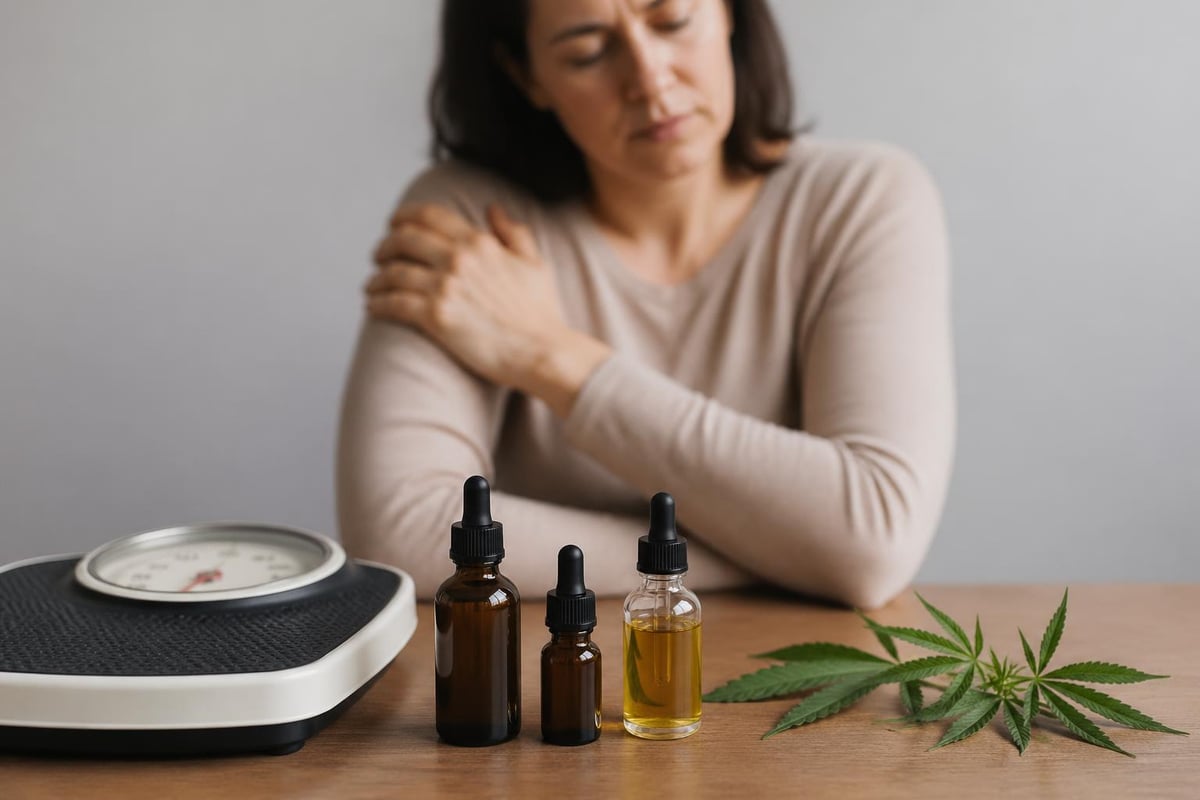
Beginning with CBD for chronic pain management requires patience and systematic observation. The general principle follows a "start low and go slow" methodology to identify your minimum effective dose.
Initial Dosage Recommendations
For individuals new to CBD, starting with 5-10 mg daily represents a conservative approach. This allows your body to adapt to the compound while minimizing potential side effects. After 3-5 days of consistent use, you can gradually increase by 5 mg increments weekly until you achieve desired pain relief.
| Body Weight | Starting Dose | Moderate Dose | Higher Dose |
|---|---|---|---|
| Under 130 lbs | 5-10 mg | 10-20 mg | 20-40 mg |
| 130-230 lbs | 10-15 mg | 15-30 mg | 30-60 mg |
| Over 230 lbs | 15-20 mg | 20-40 mg | 40-80 mg |
Those managing chronic pain with CBD may find that moderate to higher doses provide better relief, particularly for conditions like rheumatoid arthritis or fibromyalgia.
Timing and Frequency Considerations
Distributing your CBD intake throughout the day often produces more consistent pain management than single doses. Many chronic pain sufferers benefit from splitting their daily amount into two or three servings, taken morning, afternoon, and evening.
Adjusting Your CBD Dosage Over Time
Finding your optimal dose isn't a one-time event. Your CBD dosage guide for chronic pain management should evolve based on your body's response and changing pain levels.
Recognizing Effectiveness Indicators
Signs your dosage is working:
- Reduced pain intensity within 1-2 hours of administration
- Improved sleep quality and duration
- Decreased inflammation markers
- Enhanced mobility and function
- Sustained relief lasting 4-6 hours
The CBD dosing guide from Colorado Botanicals emphasizes tracking your symptoms daily to identify patterns and optimize timing. If you're not experiencing noticeable improvements after two weeks at a consistent dose, consider increasing by 5-10 mg.
When to Increase or Decrease
Adjustments should happen methodically. Increase your dose if pain relief is insufficient, plateaus quickly, or doesn't last through your daily activities. Conversely, reduce your intake if you experience unwanted side effects like drowsiness, digestive upset, or mood changes.
Those dealing with arthritis pain management may need higher doses during flare-ups, then return to maintenance levels during less severe periods.
Product Selection and Potency Matters
Not all CBD products deliver the same results, even at identical milligram doses. The spectrum type, carrier oil quality, and additional ingredients significantly impact effectiveness for chronic pain.
Full-Spectrum vs. Broad-Spectrum vs. Isolate
Full-spectrum products contain all naturally occurring cannabinoids, terpenes, and up to 0.3% THC, creating an "entourage effect" that many find superior for pain management. Broad-spectrum removes THC while maintaining other beneficial compounds. Isolate contains only pure CBD.
| Product Type | THC Content | Entourage Effect | Best For |
|---|---|---|---|
| Full-Spectrum | Up to 0.3% | Maximum | Severe chronic pain |
| Broad-Spectrum | 0% | Moderate | Drug testing concerns |
| CBD Isolate | 0% | None | THC sensitivity |
For conditions like fibromyalgia, full-spectrum products often provide superior symptom management due to the synergistic effects of multiple cannabinoids working together.
Calculating Actual CBD per Dose
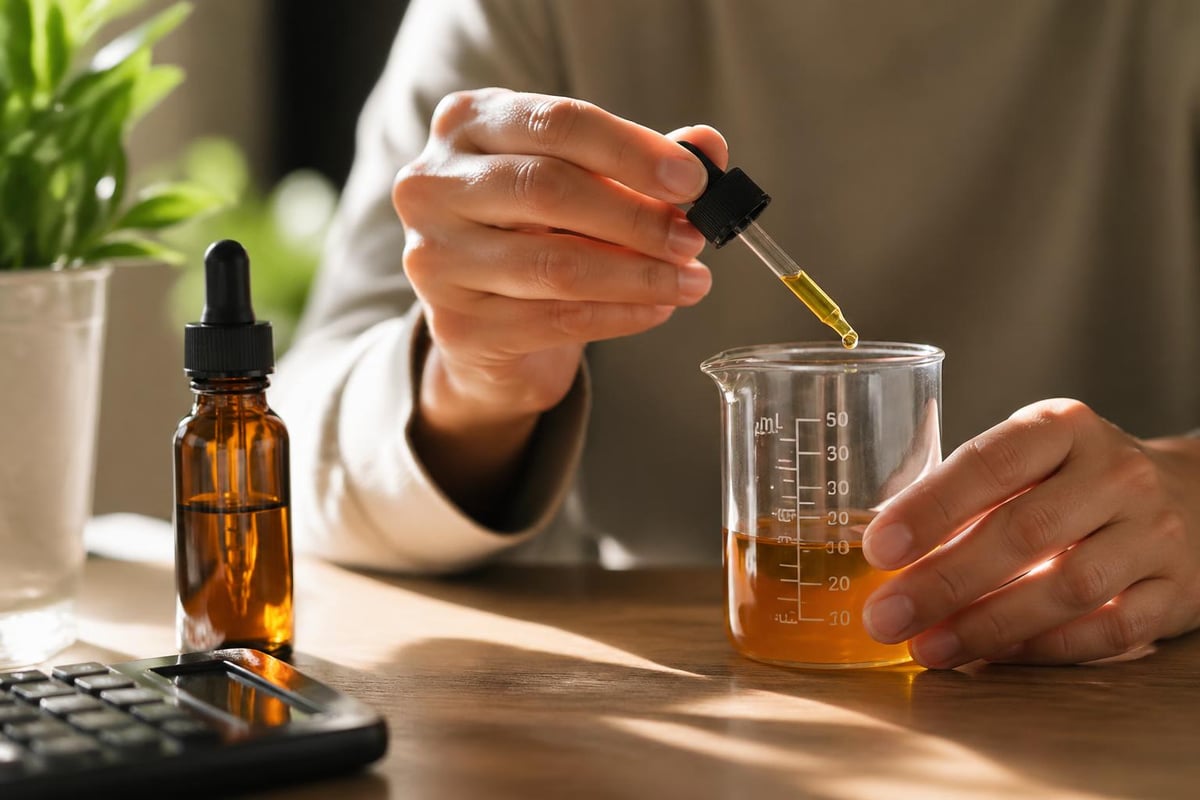
Understanding product labeling prevents dosing errors. A 30ml bottle labeled "1500mg CBD" contains 50mg per ml. If your dropper holds 1ml, each full dropper delivers 50mg. Half a dropper provides 25mg, and so forth.
Delivery Methods and Bioavailability
How you consume CBD dramatically affects how much enters your bloodstream. Bioavailability refers to the percentage of CBD that actually reaches your system to produce effects.
Sublingual Tinctures
Placing CBD oil under your tongue for 60-90 seconds before swallowing offers 20-30% bioavailability. This method provides relatively quick onset (15-45 minutes) and is the most popular for systematic chronic pain management. The Standard CBD pain relief guide recommends sublingual administration for consistent daily dosing.
Topical Applications
CBD creams, balms, and roll-ons applied directly to painful areas bypass systemic circulation, targeting localized pain and inflammation. While bioavailability measurements don't apply to topicals, they excel for joint-specific conditions like osteoarthritis.
Bioavailability comparison:
- Inhalation (vaping): 40-50%
- Sublingual: 20-30%
- Oral (capsules, edibles): 6-15%
- Topical: Localized, not systemic
Capsules and Edibles
While convenient for consistent dosing, oral CBD must pass through the digestive system and liver, significantly reducing bioavailability. Effects take 1-2 hours to manifest but last longer, making them suitable for overnight pain management.
Dosing for Specific Chronic Pain Conditions
Different chronic pain conditions may respond better to varying CBD dosage ranges. This cbd dosage guide for chronic pain addresses common conditions separately.
Arthritis and Joint Pain
Research suggests moderate to higher doses (20-60mg daily) prove most effective for inflammatory arthritis conditions. Those exploring CBD benefits for arthritis often combine oral tinctures with topical applications for comprehensive relief.
Split dosing works particularly well for arthritis sufferers. Take 15-20mg upon waking to address morning stiffness, 10-15mg mid-afternoon for sustained relief, and another 15-20mg before bed to manage nighttime inflammation.
Fibromyalgia
Fibromyalgia's complex pain mechanisms often require patient experimentation to find the right balance. According to research on CBD dosing for chronic pain, many fibromyalgia patients report optimal results between 25-75mg daily, divided into multiple doses.
Starting conservatively remains important, but don't hesitate to increase gradually if lower doses prove insufficient after two weeks of consistent use.
Neuropathic Pain
Nerve pain often responds to higher CBD doses than other chronic pain types. Beginning at 20-30mg daily and increasing to 60-100mg over several weeks helps many individuals with neuropathic conditions achieve meaningful relief.
Safety Considerations and Side Effects
CBD demonstrates an excellent safety profile, but understanding potential interactions and side effects ensures responsible use.
Common Side Effects at Higher Doses
Most people tolerate CBD well, even at doses exceeding 100mg daily. When side effects occur, they typically include:
- Drowsiness or fatigue
- Dry mouth
- Changes in appetite
- Mild digestive upset
- Lightheadedness
Reducing your dose by 25-30% usually resolves these issues while maintaining pain relief benefits.
Medication Interactions
CBD affects how your liver processes certain medications through the cytochrome P450 enzyme system. If you take blood thinners, antidepressants, or other medications with grapefruit warnings, consult your healthcare provider before starting CBD. The Harmone Therapeutics dosing guide provides detailed information about potential drug interactions.
Optimizing Your CBD Regimen
Maximizing CBD's pain-relieving potential extends beyond finding the right milligram amount. Several complementary strategies enhance effectiveness.
Consistency is Critical
CBD works best when maintained at steady levels in your system. Taking your doses at the same times daily prevents gaps in coverage and allows for more accurate assessment of effectiveness. Missing doses or irregular timing makes it difficult to evaluate whether your current amount is optimal.
Quality Matters More Than Quantity
Premium CBD products from reputable manufacturers undergo third-party testing to verify potency and purity. Companies that provide Certificates of Analysis (COA) demonstrate transparency and commitment to quality. Lower-quality products may contain less CBD than labeled or include contaminants that reduce effectiveness.
What to look for in quality CBD:
- Third-party lab testing certificates
- Clear labeling of CBD content
- Organic hemp sources
- Extraction method transparency
- Customer reviews and reputation
Combining with Other Pain Management Strategies
CBD works synergistically with other evidence-based pain management approaches. Physical therapy, stress reduction techniques, anti-inflammatory diets, and appropriate exercise often enhance CBD's effectiveness, potentially allowing you to achieve relief at lower doses.

Tracking Your Progress
Maintaining detailed records helps identify your optimal cbd dosage guide for chronic pain and reveals patterns that might otherwise go unnoticed.
Creating a CBD Journal
Document the following daily:
- Time and amount of each CBD dose
- Pain levels before and after (1-10 scale)
- Activities and function improvements
- Sleep quality changes
- Any side effects experienced
- Other factors affecting pain (weather, stress, activity level)
After two weeks, review your journal to identify trends. Did morning doses provide better relief? Does splitting your total daily amount work better than single doses? Has pain intensity decreased consistently?
When to Consult Healthcare Professionals
While CBD is generally safe, working with knowledgeable healthcare providers optimizes results. Seek professional guidance if you're taking multiple medications, have liver conditions, are pregnant or nursing, or don't experience improvement after 4-6 weeks of consistent use at progressively higher doses.
The Dr. CBD Canada dosage recommendations emphasize the importance of medical supervision, particularly for complex chronic pain conditions requiring multifaceted treatment approaches.
Advanced Dosing Strategies
Once you've established your baseline effective dose, advanced techniques can further optimize pain management.
Micro-Dosing vs. Macro-Dosing
Some individuals find success with micro-dosing, taking very small amounts (2-5mg) multiple times throughout the day for cumulative effects. Others prefer macro-dosing with larger amounts (50-100mg) once or twice daily. Experimentation reveals which pattern suits your lifestyle and pain patterns.
Adjusting for Tolerance
Unlike opioids, CBD doesn't typically create tolerance requiring escalating doses. However, some individuals find that cycling their use (5 days on, 2 days off) or taking periodic breaks prevents diminishing returns. If you notice reduced effectiveness after months of consistent use, a one-week break may reset your endocannabinoid system's sensitivity.
Dosage Charts and Calculators
Online tools and CBD dosage charts provide helpful starting points based on weight and condition severity. However, remember these represent general guidelines, not prescriptions. Your individual response remains the most reliable indicator of appropriate dosing.
Product Form Considerations
Beyond delivery method, the physical form of your CBD product influences dosing precision and convenience.
Tinctures and Oils
Offer the most flexibility for precise dose adjustments. Graduated droppers enable exact measurements, and sublingual absorption provides consistent bioavailability. Starting with a quality tincture allows you to establish your baseline dose before exploring other forms.
Capsules
Provide pre-measured doses eliminating guesswork, ideal once you've determined your optimal amount. However, they lack the dosing flexibility of tinctures during the initial adjustment period.
Topicals
Don't contribute to total systemic dose but complement oral CBD for localized pain. Many people use topicals liberally on specific joints or muscles while maintaining consistent oral doses for overall pain management.
Long-Term CBD Use for Chronic Pain
Managing chronic conditions requires sustainable, long-term solutions. CBD's safety profile makes it suitable for extended use when integrated thoughtfully into comprehensive pain management plans.
Maintenance Dosing
Once you achieve satisfactory pain control, maintaining that dose consistently often prevents flare-ups better than reactive dosing. Many long-term CBD users find their optimal maintenance dose remains stable over months or years, occasionally adjusting during particularly stressful periods or seasonal changes affecting their condition.
Cost Considerations
Higher quality CBD products command premium prices, but their superior effectiveness often means you'll use less product overall. Calculate cost per milligram of actual CBD rather than price per bottle to make accurate comparisons. Establishing your minimum effective dose through careful titration prevents wasting money on unnecessarily high amounts.
Monitoring and Re-evaluation
Schedule regular self-assessments every 3-6 months to evaluate whether your current cbd dosage guide for chronic pain still serves your needs. Pain conditions evolve, and your dosing strategy should adapt accordingly.
Finding the right CBD dosage for chronic pain requires patience, observation, and willingness to adjust based on your unique response. By starting conservatively, tracking your progress, and making incremental changes, you can identify the optimal amount that provides meaningful relief without unnecessary side effects. Reclaim Labs offers premium, third-party tested CBD hemp oil products specifically formulated for chronic pain management, backed by transparent quality standards and dedicated customer support to guide you through your dosing journey. Whether you're managing arthritis, fibromyalgia, or other persistent pain conditions, their full-spectrum and broad-spectrum options provide the quality foundation needed for effective, reliable relief.