Millions of Americans navigate daily life with chronic pain while simultaneously managing anxiety disorders, creating a complex health challenge that traditional medications don't always address effectively. The search for natural, effective alternatives has brought cannabidiol (CBD) to the forefront of wellness conversations. As research evolves and quality standards improve, understanding how cbd for anxiety and chronic pain works becomes essential for individuals seeking relief without the side effects associated with conventional pharmaceuticals. This comprehensive guide examines the science, practical applications, and evidence-based strategies for incorporating CBD into your wellness routine.
Understanding the Dual Challenge of Anxiety and Chronic Pain
Chronic pain and anxiety frequently coexist, creating a debilitating cycle that impacts quality of life. Research indicates that approximately 60% of individuals with chronic pain also experience significant anxiety symptoms. This connection isn't coincidental.
The relationship operates bidirectionally. Chronic pain triggers anxiety through constant worry about symptom progression, financial burden, and activity limitations. Conversely, anxiety amplifies pain perception by heightening nervous system sensitivity and reducing pain tolerance thresholds.
The Neurological Connection
Both conditions share overlapping brain regions and neurotransmitter systems:
- The amygdala processes both pain perception and emotional responses
- Serotonin and norepinephrine regulate mood and pain signaling
- Chronic inflammation contributes to both anxiety symptoms and pain sensitivity
- Sleep disruption worsens both conditions simultaneously
This neurological overlap explains why traditional single-target treatments often fail to provide comprehensive relief. Studies examining medical cannabis effects on chronic pain patients reveal that those with co-morbid anxiety experience different response patterns than pain-only patients, highlighting the importance of addressing both conditions together.
How CBD Works for Both Conditions
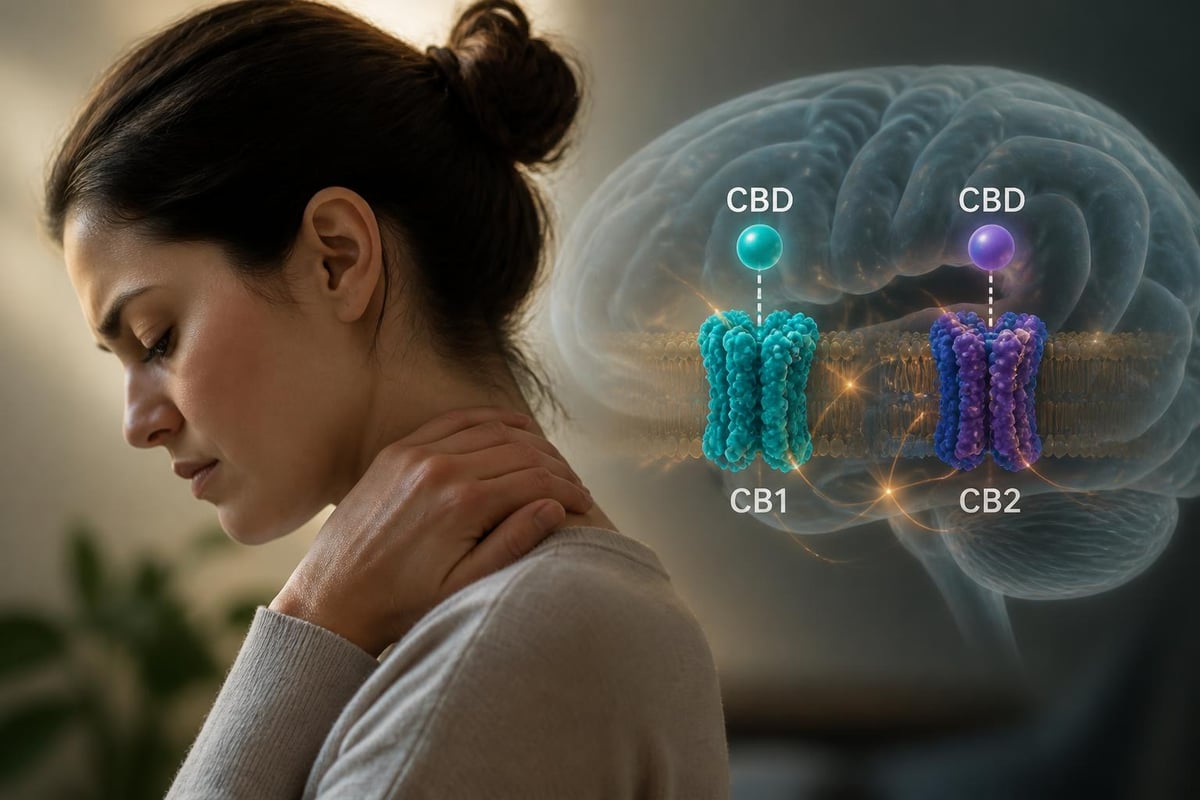
CBD's therapeutic potential stems from its interaction with the endocannabinoid system (ECS), a complex network regulating pain, mood, inflammation, and stress responses. Unlike THC, CBD doesn't produce intoxicating effects, making it an attractive option for daytime use and long-term management.
Mechanisms of Action for Pain Relief
CBD addresses chronic pain through multiple pathways:
Anti-inflammatory properties reduce tissue inflammation that triggers pain signals. This proves particularly beneficial for conditions like rheumatoid arthritis and fibromyalgia, where inflammation drives symptom severity.
Neuropathic pain modulation occurs through CBD's influence on glycine receptors in the spinal cord, which regulate pain transmission to the brain.
Peripheral pain reduction happens when CBD activates TRPV1 receptors, which desensitize pain-sensing neurons over time.
According to Harvard Health's examination of CBD oil for pain management, these mechanisms show promise but require further clinical validation through rigorous trials.
Anxiety Reduction Pathways
For anxiety management, CBD operates differently than conventional anti-anxiety medications:
| Mechanism | Effect | Timeline |
|---|---|---|
| 5-HT1A receptor activation | Reduces generalized anxiety | 30-90 minutes |
| Hippocampal neurogenesis | Supports emotional regulation | 2-4 weeks consistent use |
| Cortisol reduction | Lowers stress hormone levels | Within hours |
| Sleep architecture improvement | Enhances restorative sleep | 1-2 weeks |
Cleveland Clinic's analysis of CBD for anxiety notes that while early research appears promising, individual responses vary considerably based on dosage, delivery method, and underlying anxiety type.
Choosing the Right CBD Product Type
The CBD market offers numerous product formats, each with distinct advantages for managing cbd for anxiety and chronic pain. Understanding these differences helps optimize therapeutic outcomes.
Full-Spectrum vs. Broad-Spectrum CBD
Full-spectrum CBD contains all hemp plant compounds, including trace THC (under 0.3%), terpenes, and flavonoids. The "entourage effect" suggests these compounds work synergistically for enhanced benefits.
Broad-spectrum CBD removes THC entirely while preserving other beneficial compounds. This option suits those concerned about drug testing or THC sensitivity.
For conditions like rheumatoid arthritis management, full-spectrum formulations often provide superior anti-inflammatory effects due to complete cannabinoid profiles.
Delivery Methods and Absorption Rates
Different administration routes affect onset time and duration:
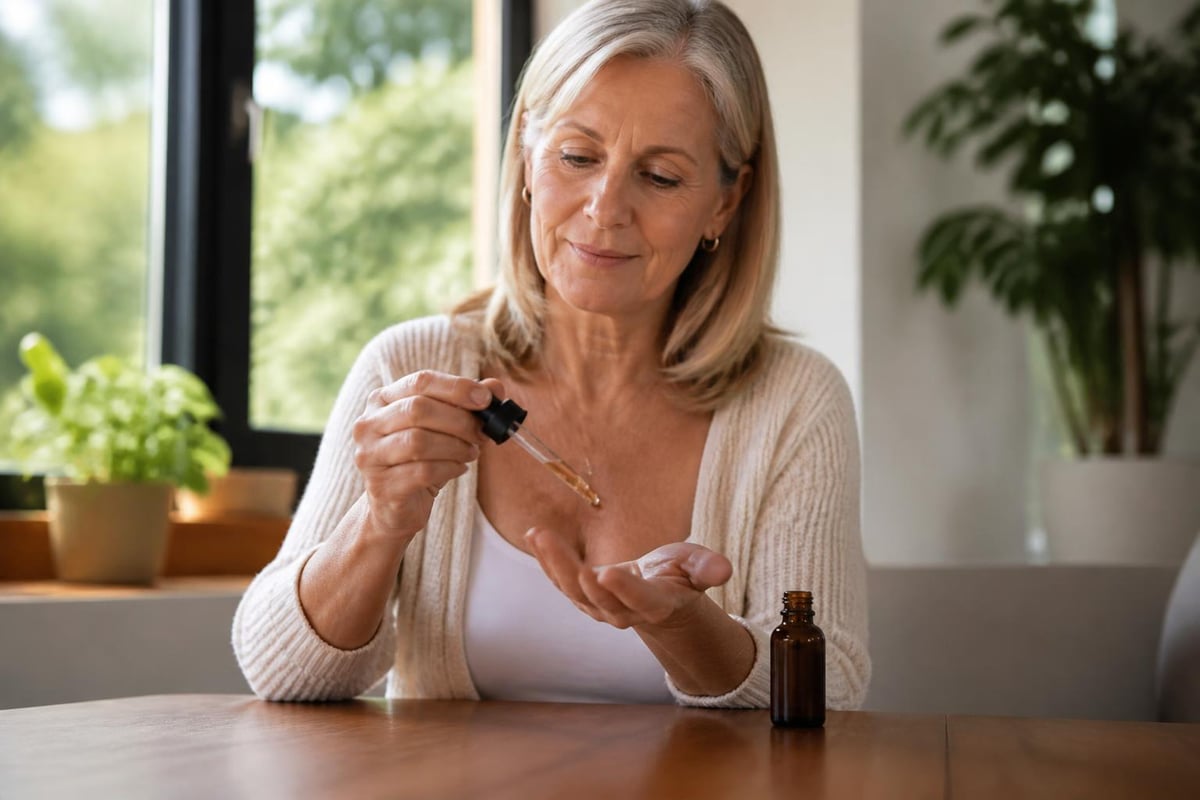
- Sublingual tinctures: 15-45 minute onset, 4-6 hour duration, 20-30% bioavailability
- Topical applications: Localized relief within 20 minutes, minimal systemic absorption
- Oral capsules: 45-90 minute onset, 6-8 hour duration, 6-15% bioavailability
- Transdermal patches: Consistent 8-12 hour delivery, steady blood levels
For managing fibromyalgia symptoms, many patients combine sublingual CBD for anxiety with topical applications targeting specific pain areas.
Evidence-Based Dosing Strategies
Determining optimal CBD dosage represents one of the most challenging aspects of treatment. Unlike pharmaceuticals with standardized dosing, CBD requires individualized titration based on body weight, condition severity, and desired outcomes.
Starting Low and Titrating Up
Expert consensus recommendations on medical cannabis dosing emphasize a conservative approach:
- Week 1: Begin with 5-10mg daily to assess tolerance
- Week 2: Increase to 10-20mg if no adverse effects occur
- Week 3-4: Gradually increase by 5-10mg increments until symptom relief
- Maintenance: Continue effective dose, adjusting as needed
Most individuals find effective relief between 20-40mg daily for moderate symptoms, though severe chronic pain may require higher doses (50-100mg daily).
Timing Considerations
For dual anxiety and pain management, strategic timing maximizes benefits:
Morning doses (10-20mg) support daytime anxiety management and inflammatory pain control without sedation.
Evening doses (20-30mg) promote sleep quality while addressing nighttime pain flares that disrupt rest.
As-needed doses provide acute anxiety relief before stressful situations or pain breakthrough episodes.
Clinical Research and Current Evidence
The evidence base for cbd for anxiety and chronic pain continues expanding, though significant gaps remain. Understanding what research does and doesn't demonstrate helps set realistic expectations.
What Studies Show About Pain Relief
Systematic reviews of cannabis for chronic pain indicate moderate evidence supporting cannabinoid effectiveness for specific pain types, particularly neuropathic pain and inflammatory conditions. However, CBD-only studies show more modest effects compared to THC-containing formulations.
A 2024 meta-analysis found that:
- 47% of chronic pain patients reported meaningful improvement with CBD
- Neuropathic pain responded better than musculoskeletal pain
- Combination therapies (CBD plus other treatments) outperformed CBD alone
- Quality of life improvements exceeded objective pain score reductions
Anxiety Research Findings
Preclinical studies consistently demonstrate CBD's anxiolytic properties in animal models. Human trials show promise but remain limited in scope and duration.
Notable findings include:
- Social anxiety disorder symptoms reduced significantly at 300-600mg doses
- Generalized anxiety showed improvement with consistent dosing over 4+ weeks
- Sleep quality improvements correlated with anxiety reduction
- Few significant adverse effects reported across studies
The American Academy of Family Physicians notes that while preliminary results appear encouraging, robust long-term trials are necessary before making definitive clinical recommendations.
Safety Considerations and Drug Interactions
CBD demonstrates an excellent safety profile compared to many conventional medications, but certain precautions warrant attention.
Common Side Effects
Most users tolerate CBD well, with side effects typically mild and dose-dependent:
| Side Effect | Frequency | Management Strategy |
|---|---|---|
| Fatigue | 10-15% | Reduce dose or take evening only |
| Diarrhea | 8-12% | Lower dose, take with food |
| Appetite changes | 5-8% | Monitor and adjust meal timing |
| Dry mouth | 12-18% | Increase water intake |
These effects generally resolve within 1-2 weeks as the body adjusts or with minor dosage modifications.
Medication Interactions
CBD inhibits certain cytochrome P450 enzymes responsible for metabolizing many medications. This interaction can increase blood levels of:
- Blood thinners (warfarin)
- Anti-seizure medications (clobazam)
- Sedatives and benzodiazepines
- Certain antidepressants
Always consult healthcare providers before combining CBD with prescription medications, especially those carrying grapefruit warnings, which indicate similar metabolic pathways.
Quality Standards and Third-Party Testing
The unregulated nature of the CBD industry makes quality verification essential. Premium products undergo rigorous testing to ensure safety, potency, and purity.
What to Look for in Lab Reports
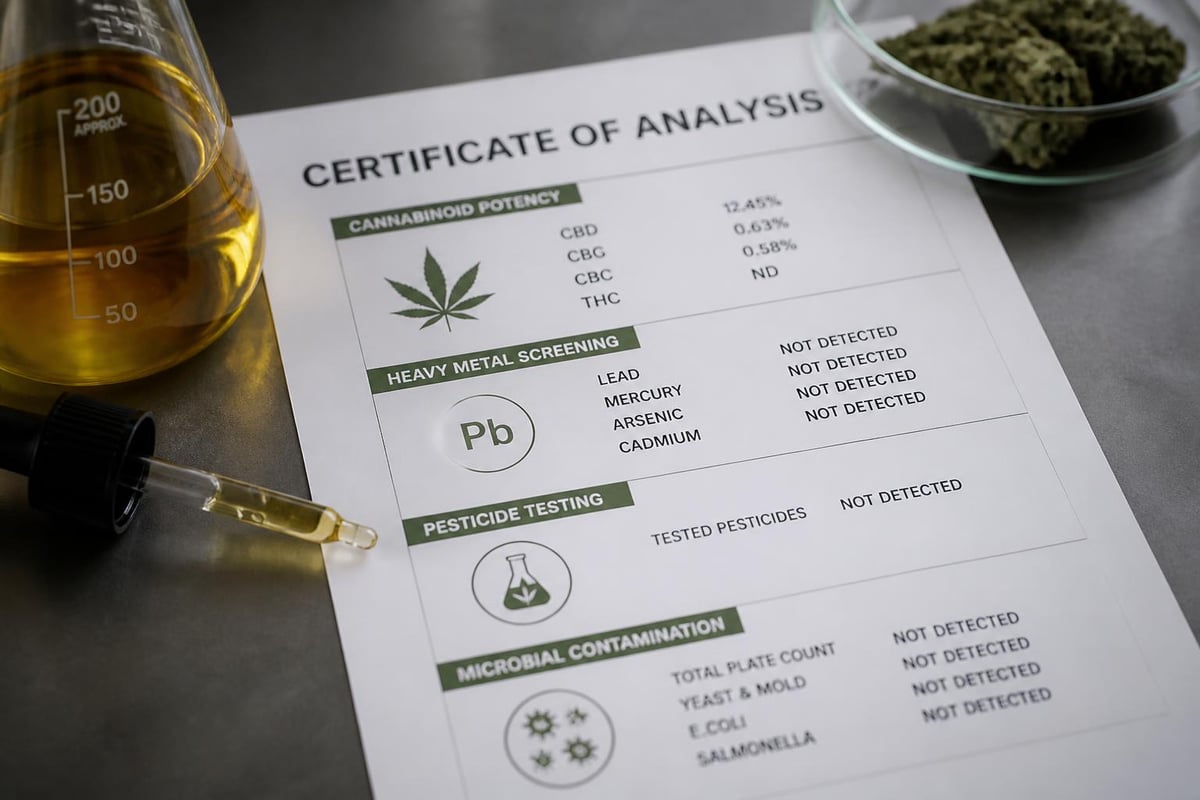
Legitimate CBD companies provide Certificates of Analysis (COA) from independent laboratories. These documents should confirm:
Cannabinoid content accuracy: Actual CBD levels should match label claims within 10%. THC content must remain below 0.3% for legal compliance.
Contaminant screening: Tests should detect heavy metals (lead, mercury, arsenic), pesticides, residual solvents, and microbial contamination.
Terpene profiles: These aromatic compounds contribute to therapeutic effects and indicate proper extraction methods.
Companies like Reclaim Labs make third-party lab results readily accessible, demonstrating transparency and quality commitment.
Red Flags to Avoid
Be cautious of products that:
- Make disease cure claims (FDA prohibits these)
- Lack accessible third-party testing
- Use hemp seed oil labeled as CBD oil
- Price significantly below market average
- Provide vague sourcing information
Quality CBD products reflect proper cultivation, extraction, and testing costs, typically ranging from $0.05-0.15 per milligram of CBD.
Integrating CBD into Comprehensive Pain Management
CBD works most effectively as part of a holistic approach rather than a standalone treatment. Combining CBD with other evidence-based strategies produces superior outcomes for cbd for anxiety and chronic pain.
Complementary Therapies
Effective integration includes:
- Physical therapy: Targeted exercises strengthen supporting muscles and improve mobility
- Cognitive behavioral therapy: Addresses pain catastrophizing and anxiety thought patterns
- Anti-inflammatory nutrition: Reduces systemic inflammation that exacerbates both conditions
- Stress management: Meditation, yoga, and breathing exercises lower cortisol levels
- Sleep hygiene: Consistent routines enhance CBD's sleep-promoting effects
Many patients find that CBD oil for chronic pain provides the relief necessary to engage more fully in these complementary approaches.
Tracking Progress
Systematic monitoring helps optimize treatment:
Symptom journals document pain levels, anxiety episodes, sleep quality, and activity limitations before and after CBD initiation.
Functional assessments measure improvement in daily activities, social engagement, and work productivity.
Dosage logs track amounts, timing, and correlation with symptom changes to identify optimal protocols.
This data-driven approach enables informed adjustments and helps identify whether CBD provides meaningful benefit for your specific situation.
Condition-Specific Applications
Different chronic pain and anxiety conditions respond variably to CBD, requiring tailored approaches.
Fibromyalgia and Widespread Pain
Fibromyalgia pain characteristics include widespread musculoskeletal discomfort with heightened pain sensitivity. CBD addresses multiple fibromyalgia aspects:
- Reduces central sensitization through endocannabinoid system modulation
- Improves sleep architecture, critical for fibromyalgia symptom management
- Decreases anxiety that amplifies pain perception
- Supports gentle activity resumption through pain reduction
Combination protocols using both oral CBD (30-50mg daily) and topical applications to tender points often yield best results.
Arthritis-Related Pain and Anxiety
Whether managing osteoarthritis or rheumatoid arthritis, CBD offers anti-inflammatory and analgesic properties particularly suited to joint pain. The anxiety accompanying chronic arthritis often stems from mobility limitations and progressive disease concerns.
Effective strategies include:
- Morning sublingual doses for systemic anti-inflammatory effects
- Topical CBD application to affected joints before activity
- Evening doses supporting restorative sleep despite discomfort
- Roll-on formulations for convenient joint-specific application
Neuropathic Pain Syndromes
Nerve pain presents unique challenges that CBD may address through its neuroprotective properties and interaction with pain-modulating receptors. Higher doses (50-100mg daily) often prove necessary for neuropathic conditions.
Real-World Considerations and Practical Tips
Successfully incorporating CBD into daily routines requires attention to practical details that research studies often overlook.
Cost Management Strategies
Quality CBD represents a significant investment. Maximize value through:
- Subscription programs that offer 15-25% discounts on regular orders
- Higher concentration products that reduce cost per milligram
- Combination use of premium oral CBD with less expensive topicals
- Strategic timing focusing doses when symptoms typically peak
Travel and Legal Considerations
Despite federal legality under the 2018 Farm Bill, CBD occupies a complex legal landscape:
- TSA allows CBD products containing less than 0.3% THC in carry-on luggage
- Some states maintain stricter CBD regulations
- International travel requires researching destination country laws
- Employment drug screens rarely detect CBD, though full-spectrum products carry minimal THC risk
Always carry product documentation, including COAs, when traveling with CBD.
Building Effective Routines
Consistency enhances CBD effectiveness for both anxiety and chronic pain. Successful users typically:
Establish set dosing times that align with daily schedules and symptom patterns rather than sporadic use.
Maintain adequate supply to prevent treatment gaps that reset symptom management progress.
Adjust seasonally as inflammatory conditions often fluctuate with weather and activity levels.
Communicate with providers about CBD use to ensure coordinated care and monitor for potential interactions.
Setting Realistic Expectations
While cbd for anxiety and chronic pain shows considerable promise, maintaining realistic expectations prevents disappointment and supports informed decision-making.
What CBD Can and Cannot Do
CBD may:
- Reduce pain intensity by 20-40% for responsive individuals
- Decrease anxiety symptoms supporting better daily functioning
- Improve sleep quality that chronic pain disrupts
- Reduce reliance on medications with problematic side effects
- Enhance quality of life through multiple mechanisms
CBD cannot:
- Cure underlying conditions causing pain or anxiety
- Provide complete symptom elimination for most users
- Work equally well for all pain types or anxiety disorders
- Replace necessary medical treatments or therapies
- Produce immediate, dramatic results without proper dosing
Individual Response Variability
Genetics, endocannabinoid system function, condition severity, and numerous other factors influence CBD effectiveness. Approximately 30-40% of users report minimal benefit, while others achieve life-changing relief.
This variability underscores the importance of:
- Adequate trial periods (4-6 weeks minimum)
- Proper dosing escalation
- Quality product selection
- Integration with other treatments
- Patience with the titration process
The FAQ section addresses common questions about expected timelines and realistic outcomes.
CBD for anxiety and chronic pain offers a promising natural alternative for millions seeking relief from these interconnected conditions, though individual results vary based on product quality, dosing strategy, and condition specifics. When you're ready to explore premium, third-party tested CBD formulations designed specifically for chronic pain and inflammation management, Reclaim Labs provides transparent, effective solutions backed by rigorous quality standards and dedicated customer support to guide your journey toward improved wellness.