Living with arthritis means navigating daily challenges of joint pain, stiffness, and inflammation that can significantly impact quality of life. As millions of Americans seek alternatives to traditional pain management approaches, cbd for arthritis has emerged as a promising natural option. Recent research suggests that CBD may help reduce inflammation and provide relief from arthritis symptoms, offering hope to those looking for solutions beyond conventional medications. Understanding how CBD works, what the science says, and how to use it safely can empower you to make informed decisions about incorporating this natural compound into your arthritis management strategy.
Understanding How CBD Works for Joint Pain
CBD, or cannabidiol, interacts with your body's endocannabinoid system, a complex network of receptors that helps regulate pain, inflammation, and immune response. Unlike THC, CBD doesn't produce psychoactive effects, making it an appealing option for those seeking therapeutic benefits without the high.
The Endocannabinoid System and Inflammation
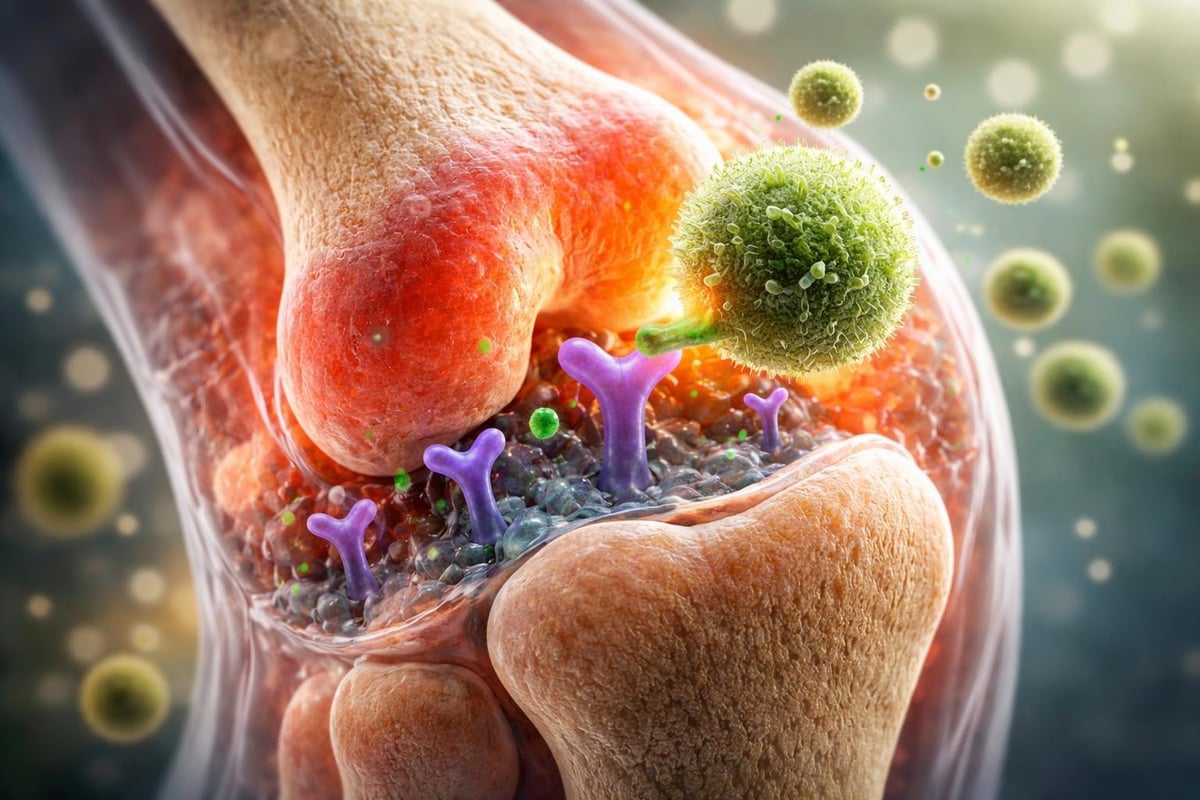
The endocannabinoid system plays a crucial role in maintaining homeostasis throughout your body. When you experience arthritis, your immune system triggers inflammatory responses in your joints. CBD may help modulate these responses by interacting with CB2 receptors, which are particularly abundant in immune cells and peripheral tissues.
Research published in Cell Death & Disease demonstrates that CBD affects rheumatoid arthritis synovial fibroblasts, potentially reducing inflammation at the cellular level. This mechanism suggests why many people report relief when using cbd for arthritis symptoms.
Key mechanisms include:
- Reducing pro-inflammatory cytokine production
- Modulating immune system responses
- Inhibiting inflammatory mediators
- Supporting natural pain management pathways
- Promoting cellular balance in affected tissues
Types of Arthritis and CBD Applications
Different forms of arthritis present unique challenges, but cbd for arthritis may offer benefits across various types. Understanding your specific condition helps determine the most effective approach.
Rheumatoid Arthritis and CBD
Rheumatoid arthritis is an autoimmune condition where your immune system mistakenly attacks joint tissues. Studies examining CBD's role in rheumatology care suggest that CBD's anti-inflammatory properties may be particularly relevant for autoimmune conditions. People managing rheumatoid arthritis often explore CBD as a complementary approach alongside their prescribed treatments.
The Arthritis Foundation provides guidance on CBD use for adults with arthritis, emphasizing the importance of working with healthcare providers. Many individuals find that combining CBD with traditional therapies helps them manage symptoms more effectively.
Osteoarthritis Management
Osteoarthritis results from wear and tear on joints over time, causing cartilage breakdown and pain. For this degenerative condition, topical CBD applications may provide targeted relief directly to affected areas. CBD oil for osteoarthritis has gained attention for its potential to address both pain and inflammation in weight-bearing joints.
| Arthritis Type | Primary Mechanism | CBD Application Method | Potential Benefits |
|---|---|---|---|
| Rheumatoid | Autoimmune inflammation | Oral tinctures, capsules | Systemic anti-inflammatory support |
| Osteoarthritis | Joint degeneration | Topical roll-ons, patches | Localized pain relief |
| Psoriatic | Immune-mediated | Combined oral/topical | Dual-action approach |
| Gout | Crystal deposits | Topical applications | Acute flare management |
Choosing the Right CBD Product Format
The effectiveness of cbd for arthritis depends significantly on selecting the appropriate product format for your needs. Different delivery methods offer varying benefits, absorption rates, and duration of effects.
Topical CBD Applications
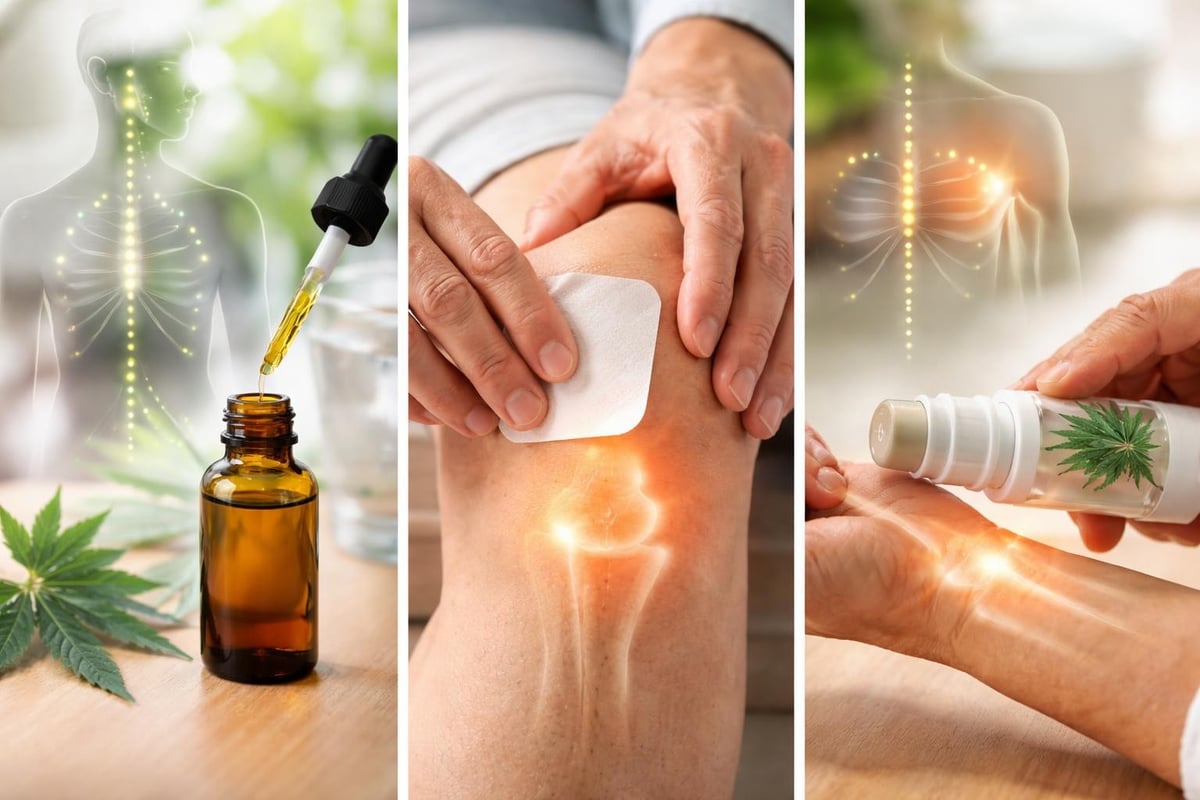
Topical CBD products deliver cannabinoids directly to affected joints through the skin. A CBD roll-on guide can help you understand how these convenient applicators work for targeted relief. Roll-ons combine CBD with carrier oils and other beneficial ingredients to penetrate the skin barrier and reach underlying tissues.
Benefits of topical CBD include:
- Direct application to painful joints
- No systemic absorption concerns
- Quick, convenient application
- Combination with other therapeutic ingredients
- Minimal interaction with medications
CBD pain relief patches offer another topical option with sustained release over several hours. These transdermal patches provide consistent CBD delivery, making them ideal for managing persistent joint pain throughout the day or night.
Oral CBD Products
Oral CBD products include tinctures, capsules, and edibles that provide systemic effects throughout your body. When you take CBD orally, it enters your bloodstream and can address inflammation system-wide, which may be particularly beneficial for rheumatoid arthritis affecting multiple joints.
Full-spectrum CBD products contain all naturally occurring compounds from the hemp plant, including trace amounts of THC (below 0.3%), other cannabinoids, and terpenes. This combination may produce an "entourage effect," where compounds work synergistically for enhanced benefits. Broad-spectrum products offer similar benefits without any THC content.
Dosing Guidelines and Safety Considerations
Determining the right CBD dosage for arthritis requires a personalized approach. Harvard Health Publishing emphasizes that more research is needed, but current evidence suggests starting with lower doses and adjusting gradually.
Starting Your CBD Regimen
Begin with a low dose of 5-10mg of CBD daily and monitor your response over one to two weeks. If you don't experience adequate relief, gradually increase by 5mg increments until you find your optimal dose. Most people find effective doses range from 20-50mg daily, though individual needs vary significantly.
Factors affecting dosage:
- Body weight and metabolism
- Severity of arthritis symptoms
- Type of arthritis being managed
- Previous cannabis or CBD experience
- Specific product potency and format
- Other medications or supplements
Keep a journal tracking your dosage, timing, and symptom relief. This documentation helps you identify patterns and optimize your regimen. It's also valuable information to share with your healthcare provider during consultations.
Drug Interactions and Precautions
CBD can interact with certain medications by affecting liver enzymes that metabolize drugs. This is particularly important for arthritis patients who may be taking NSAIDs, DMARDs, or corticosteroids. Always consult your healthcare provider before adding CBD to your treatment plan.
If you're taking prednisone or other steroids for arthritis, understanding prednisone side effects and tapering strategies is essential. Some people explore CBD as part of a broader strategy to reduce reliance on steroids, but this should only be done under medical supervision.
Quality Standards and Third-Party Testing
Not all CBD products deliver what they promise. The quality and safety of cbd for arthritis products depend on rigorous testing and manufacturing standards. Premium CBD companies prioritize transparency through third-party laboratory testing.
What to Look for in Lab Reports
Certificate of Analysis (COA) documents verify CBD content, confirm THC levels remain within legal limits, and screen for contaminants like pesticides, heavy metals, and residual solvents. Reputable companies make these reports readily accessible to customers.
| Testing Category | What It Verifies | Why It Matters |
|---|---|---|
| Cannabinoid Profile | CBD and THC levels | Ensures accurate dosing |
| Pesticide Screen | Agricultural chemical residues | Protects against toxins |
| Heavy Metals | Lead, mercury, cadmium levels | Prevents contamination |
| Microbial Testing | Bacteria, mold, fungi | Ensures product safety |
| Residual Solvents | Extraction chemical remnants | Confirms purity |
Understanding arthritis management strategies includes knowing how to evaluate product quality. Companies like Reclaim Labs provide comprehensive testing documentation, ensuring customers receive safe, effective products with verified potency.
Combining CBD with Traditional Arthritis Treatments
CBD for arthritis works best as part of a comprehensive management approach. Rather than replacing conventional treatments, CBD may complement existing therapies to enhance overall symptom control.

Working with Your Healthcare Team
Open communication with your rheumatologist or primary care physician ensures safe integration of CBD into your treatment plan. Share information about the specific products you're considering, including CBD concentration, spectrum type, and intended dosage. Your healthcare provider can monitor for potential interactions and adjust other medications as needed.
Many patients successfully use CBD alongside NSAIDs, physical therapy, and lifestyle modifications. Research on CBD for arthritis and joint pain shows that patients often report reduced reliance on traditional pain medications when incorporating CBD into their regimen.
Lifestyle Factors That Enhance CBD Effectiveness
CBD works more effectively when combined with anti-inflammatory lifestyle choices. Regular low-impact exercise, maintaining a healthy weight, following an anti-inflammatory diet, and managing stress all contribute to better arthritis outcomes.
Supporting strategies include:
- Gentle movement practices like swimming or yoga
- Anti-inflammatory foods rich in omega-3 fatty acids
- Adequate sleep for tissue repair and recovery
- Stress reduction through mindfulness or meditation
- Proper hydration to support joint health
Real-World Evidence and Patient Experiences
While clinical research on cbd for arthritis continues to expand, patient reports and observational studies provide valuable insights. The Arthritis Foundation's overview acknowledges that many people find CBD helpful, though individual responses vary.
What Current Research Shows
A study evaluating online information quality about CBD for hip and knee arthritis highlights the importance of accessing reliable resources. While rigorous clinical trials are still limited, preliminary studies and patient surveys suggest promising results for pain and inflammation reduction.
Resources on CBD's potential medicinal use in rheumatoid arthritis detail mechanisms that support its therapeutic prospects. These include modulation of inflammatory pathways, neuroprotective effects, and potential disease-modifying properties that warrant further investigation.
Managing Expectations
CBD is not a cure for arthritis, and results vary among individuals. Some people experience significant relief within days, while others require weeks of consistent use to notice benefits. Setting realistic expectations and maintaining patience during the initial trial period is essential.
Exploring CBD hemp oil benefits for arthritis provides detailed information about what you can reasonably expect from CBD supplementation. Understanding that CBD may help manage symptoms rather than eliminate them completely allows for a balanced approach to arthritis care.
Monitoring Progress and Adjusting Your Approach
Successful use of cbd for arthritis requires ongoing assessment and adjustment. Tracking your symptoms, CBD usage, and any changes in your condition helps optimize your regimen over time.
Creating an Effective Tracking System
Document baseline pain levels, stiffness duration, and functional limitations before starting CBD. Use a simple 0-10 scale to rate daily pain, note the number of affected joints, and track activities you can or cannot perform comfortably.
After beginning CBD, continue daily tracking for at least 30 days. This timeline allows sufficient time to assess effectiveness while identifying patterns related to dosing, timing, and product format.
Track these key metrics:
- Pain intensity at different times of day
- Joint stiffness duration upon waking
- Range of motion in affected joints
- Sleep quality and duration
- Overall quality of life measures
- Any side effects or concerns
When to Adjust Your CBD Protocol
If you're not experiencing adequate relief after four weeks at a stable dose, consider adjusting your approach. Options include increasing dosage, trying a different product format, switching between full-spectrum and broad-spectrum formulations, or combining oral and topical applications.
Learning how to address arthritis pain effectively often involves some trial and error. What works for one person may not work for another, and your optimal protocol may change as your condition evolves.
Safety Profile and Potential Side Effects
CBD is generally well-tolerated, with a favorable safety profile compared to many traditional arthritis medications. However, understanding potential side effects helps you use cbd for arthritis responsibly.
Common Side Effects
Most CBD users experience minimal side effects, but some report dry mouth, slight drowsiness, changes in appetite, or mild digestive upset. These effects are typically mild and often resolve as your body adjusts to CBD supplementation.
| Side Effect | Frequency | Management Strategy |
|---|---|---|
| Dry mouth | Common | Increase water intake |
| Drowsiness | Occasional | Take CBD before bedtime |
| Digestive changes | Rare | Adjust timing with meals |
| Appetite changes | Rare | Monitor and adjust dosing |
Starting with low doses and increasing gradually minimizes the likelihood of side effects. If you experience persistent or concerning symptoms, reduce your dose or discontinue use and consult your healthcare provider.
Long-Term Safety Considerations
Current evidence suggests CBD can be used safely for extended periods, though long-term studies spanning years are still limited. Regular check-ins with your healthcare provider ensure any potential issues are identified early, especially if you're taking other medications.
Information about beating rheumatoid arthritis pain includes guidance on sustainable long-term approaches. CBD represents one tool in a comprehensive toolkit for managing chronic arthritis symptoms over time.
Frequently Asked Questions About CBD for Arthritis
How quickly does CBD work for arthritis pain?
Response time varies by delivery method and individual factors. Topical CBD may provide localized relief within 15-45 minutes, while oral CBD typically takes 30-90 minutes to produce effects. For chronic inflammation reduction, consistent use over 2-4 weeks often yields the best results. Some people notice immediate pain relief, while others require longer to experience full benefits from cbd for arthritis supplementation.
Can I use CBD if I'm already taking arthritis medications?
You should always consult your healthcare provider before combining CBD with prescription arthritis medications. CBD can interact with certain drugs by affecting liver metabolism, potentially altering medication levels in your bloodstream. Your doctor can assess specific interactions based on your complete medication list and may adjust dosages accordingly to ensure safe, effective combination therapy.
What's the difference between full-spectrum and broad-spectrum CBD for arthritis?
Full-spectrum CBD contains all hemp plant compounds including trace THC (under 0.3%), other cannabinoids, and terpenes that may work synergistically. Broad-spectrum CBD offers similar benefits without any THC content, making it ideal for those who want to avoid THC entirely. Both types may be effective for cbd for arthritis, though some research suggests full-spectrum products provide enhanced benefits through the entourage effect.
How much CBD should I take for arthritis pain?
Starting doses typically range from 5-10mg daily, with gradual increases until you find your optimal dose. Most people find relief with 20-50mg daily, though some require higher amounts. Factors including body weight, symptom severity, and product potency influence ideal dosing. For personalized guidance, review our CBD roll-on guide or consult with a healthcare professional familiar with CBD use.
Is topical or oral CBD better for arthritis?
Both delivery methods offer distinct advantages. Topical CBD provides targeted relief to specific joints without systemic absorption, making it ideal for localized osteoarthritis. Oral CBD offers whole-body anti-inflammatory effects beneficial for rheumatoid arthritis affecting multiple joints. Many people achieve optimal results by combining both approaches, using CBD pain relief patches for targeted application alongside oral tinctures for systemic support.
Will CBD make me fail a drug test?
Full-spectrum CBD products contain trace THC amounts (below 0.3%) that could potentially accumulate and trigger positive drug test results with frequent, high-dose use. Broad-spectrum CBD and CBD isolate products contain no THC and shouldn't cause positive results. If drug testing is a concern, choose THC-free products and request COA documentation verifying cannabinoid content before use.
Can CBD help with both pain and inflammation from arthritis?
Research suggests CBD may address both symptoms through different mechanisms. CBD's interaction with endocannabinoid receptors may help modulate pain perception, while its anti-inflammatory properties could reduce joint swelling and tissue damage. Studies on CBD's anti-inflammatory effects support its potential for managing multiple arthritis symptoms simultaneously, though individual results vary significantly.
How long should I try CBD before deciding if it works?
Give CBD at least 4 weeks of consistent use at an appropriate dose before evaluating effectiveness. Some people experience rapid relief, while others require longer for cumulative anti-inflammatory benefits to manifest. Maintain consistent dosing during this trial period and track symptoms daily. If you notice no improvement after 4-6 weeks, consider adjusting your dose or trying a different product format.
Can I use CBD instead of prednisone for arthritis?
Never discontinue prescribed medications without medical supervision. While some people explore CBD as part of a strategy to reduce steroid dependence, this requires careful medical oversight. Understanding prednisone side effects and tapering protocols is essential. CBD may complement but should not replace prescribed treatments without your doctor's explicit guidance and gradual medication adjustment plan.
Are there any conditions where I shouldn't use CBD for arthritis?
People who are pregnant, nursing, or have liver disease should avoid CBD without medical approval. Those with low blood pressure or taking blood thinners require close medical monitoring. If you have known allergies to hemp or cannabis plants, avoid CBD products. Always disclose CBD use to healthcare providers before surgeries or medical procedures, as it may affect anesthesia and healing.
What quality markers should I look for when buying CBD for arthritis?
Prioritize products with accessible third-party lab testing (COA documentation), organic or pesticide-free hemp sources, appropriate CBD concentration for your needs, and clear labeling of spectrum type. Avoid products making disease cure claims or lacking manufacturer contact information. Companies providing detailed CBD hemp oil benefits information and transparent testing demonstrate commitment to quality and customer education.
Can CBD help with arthritis-related sleep problems?
Many arthritis patients struggle with sleep disruption due to pain and inflammation. CBD may help improve sleep quality by addressing underlying pain that interferes with rest and potentially promoting relaxation through its interaction with the endocannabinoid system. Taking CBD in the evening may support better sleep, though effects vary individually. Some people find combining CBD with good sleep hygiene practices yields the best results.
These statements have not been evaluated by the FDA. This product is not intended to diagnose, treat, cure, or prevent any disease. Consult your healthcare provider before using CBD.
Managing arthritis requires a multifaceted approach that addresses pain, inflammation, and quality of life. CBD represents a promising natural option that may help reduce symptoms and support overall joint health when used as part of a comprehensive management strategy. If you're seeking premium, third-party tested CBD products specifically formulated for arthritis management, Reclaim Labs offers full-spectrum and broad-spectrum options designed with transparency and efficacy in mind. Our commitment to quality testing and customer education ensures you receive safe, reliable hemp solutions tailored to your chronic pain management needs.