Arthritis affects millions of Americans, causing chronic pain, inflammation, and reduced mobility that can significantly impact quality of life. As more individuals seek natural alternatives to traditional pharmaceutical interventions, CBD for arthritis pain has emerged as a promising option supported by growing research and patient testimonials. With the evolving landscape of cannabinoid science in 2026, understanding how CBD interacts with the body's systems to potentially alleviate arthritic symptoms has become increasingly important for those managing this challenging condition.
Understanding How CBD Works for Joint Pain
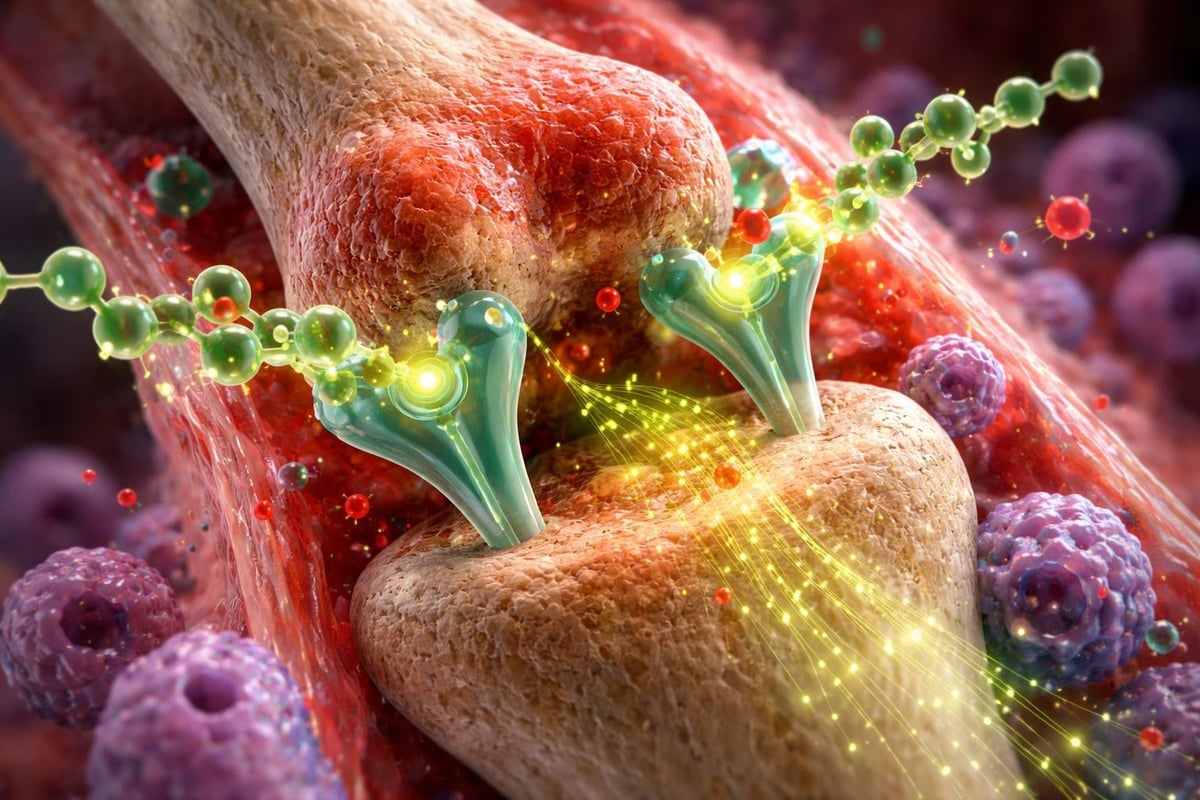
The human body contains an intricate endocannabinoid system (ECS) that regulates pain perception, immune response, and inflammation. This biological network consists of receptors, endogenous cannabinoids, and enzymes that work together to maintain homeostasis throughout the body.
CBD interacts with CB1 and CB2 receptors located throughout the nervous system and immune cells. When applied topically or consumed orally, CBD may help modulate inflammatory responses in affected joints by influencing these receptor pathways. Research published in Nature demonstrates CBD's potential anti-inflammatory mechanisms in rheumatoid arthritis synovial fibroblasts, providing scientific backing for its therapeutic applications.
The Science Behind Cannabinoid Pain Relief
Unlike THC, CBD does not produce psychoactive effects, making it an attractive option for daily pain management. The compound works through multiple biological pathways simultaneously:
- Reducing pro-inflammatory cytokine production
- Modulating immune cell activity in joint tissues
- Influencing serotonin receptors that affect pain perception
- Protecting against oxidative stress in inflamed areas
Understanding how CBD works within your body helps establish realistic expectations for symptom management. The endocannabinoid system's complexity means individual responses vary based on genetics, arthritis type, and overall health status.
Types of Arthritis and CBD Applications
Different forms of arthritis present unique challenges that may benefit from targeted CBD approaches. The two most common types require distinct management strategies.
Rheumatoid Arthritis Treatment Considerations
Rheumatoid arthritis is an autoimmune condition where the immune system attacks joint linings, causing severe inflammation and progressive damage. The Arthritis Foundation provides comprehensive guidance on incorporating CBD into rheumatoid arthritis management plans.
For this condition, CBD for arthritis pain may help by:
- Reducing systemic inflammation throughout the body
- Managing morning stiffness and joint swelling
- Supporting better sleep quality despite nighttime discomfort
- Potentially reducing reliance on corticosteroids
Many patients explore alternatives to steroid medications due to significant side effects associated with long-term prednisone use. Understanding prednisone side effects and how to taper off prednisone becomes crucial when considering complementary approaches.
Osteoarthritis Management Strategies
Osteoarthritis results from cartilage breakdown and typically affects weight-bearing joints like knees, hips, and spine. This degenerative condition responds differently to CBD interventions than autoimmune arthritis.
Research examining patient-reported effects indicates improvements in pain levels, physical function, and sleep quality among arthritis patients using CBD. The compound's ability to address multiple symptoms simultaneously makes it particularly valuable for osteoarthritis management.
| Arthritis Type | Primary Mechanism | CBD Target Areas | Best Application Methods |
|---|---|---|---|
| Rheumatoid | Autoimmune attack | Systemic inflammation, immune modulation | Oral oils, capsules, topicals |
| Osteoarthritis | Cartilage degradation | Localized pain, joint inflammation | Topical roll-ons, transdermal patches |
| Psoriatic | Immune dysfunction | Skin and joint inflammation | Combined oral and topical approaches |
CBD Product Types for Arthritis Relief
Selecting the appropriate CBD delivery method significantly impacts effectiveness for joint pain. Each product type offers distinct advantages depending on symptom location and severity.
Topical Applications for Targeted Relief
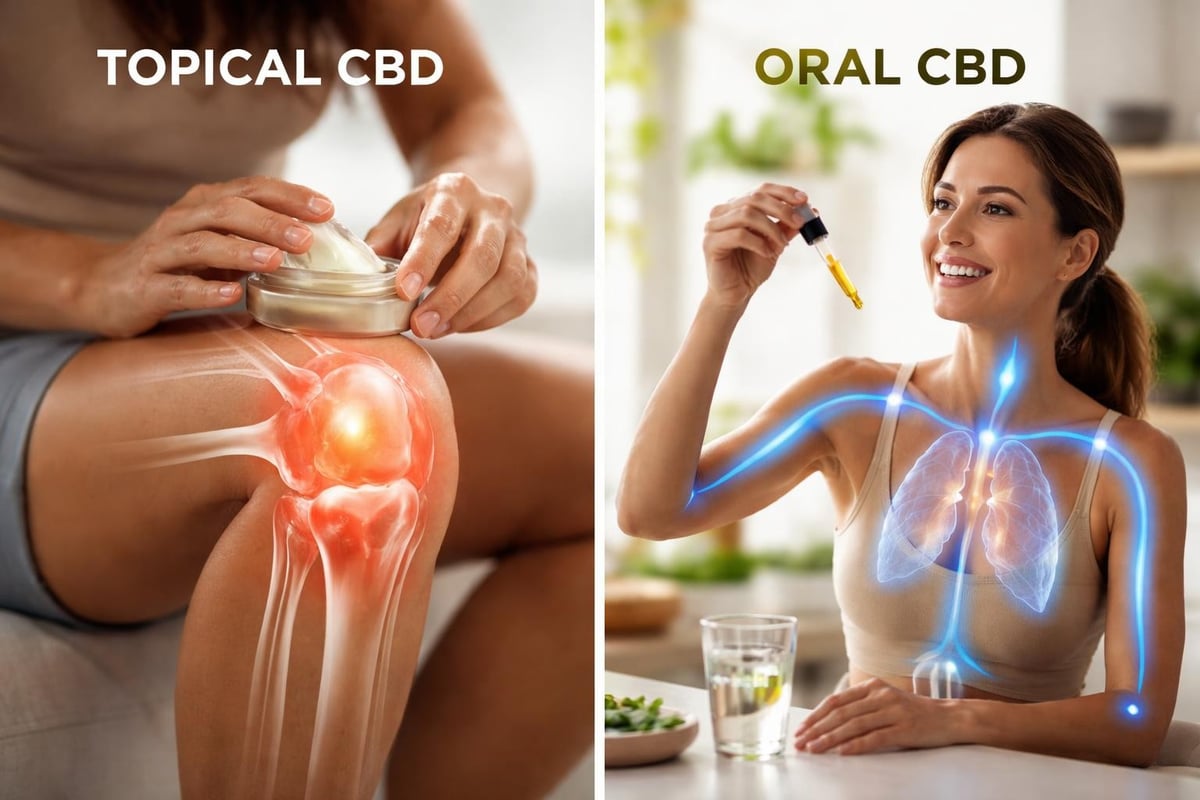
Topical CBD products deliver cannabinoids directly to affected joints without entering the bloodstream. This localized approach provides several benefits for arthritis sufferers.
CBD roll-ons offer convenient, mess-free application for hands, knees, and other accessible joints. A comprehensive CBD roll-on guide explains proper application techniques for maximum absorption. These products typically combine CBD with complementary ingredients like menthol, arnica, and essential oils that enhance pain-relieving properties.
Transdermal patches provide sustained CBD delivery over 8-12 hours, making them ideal for chronic conditions requiring consistent cannabinoid levels. CBD pain relief patches work particularly well for individuals managing arthritis in larger joints like shoulders or lower back.
Benefits of topical CBD for arthritis pain include:
- Direct application to painful areas
- No systemic side effects
- Quick onset of localized relief
- Easy integration into daily routines
- No concerns about psychoactive effects
Oral CBD Products for Systemic Support
Full-spectrum and broad-spectrum CBD oils provide whole-body support for inflammatory conditions. These products contain multiple cannabinoids and terpenes that work synergistically through the entourage effect.
CBD oil tinctures allow precise dosing and rapid sublingual absorption. Placed under the tongue, these oils enter the bloodstream within 15-30 minutes, providing faster relief than capsules or edibles. Understanding proper CBD oil dosage helps optimize therapeutic benefits while minimizing product waste.
CBD capsules offer pre-measured doses ideal for consistent daily supplementation. While onset takes longer due to digestive processing, effects typically last 6-8 hours, providing sustained inflammation management throughout the day.
Dosing Guidelines and Usage Protocols
Determining the optimal CBD dose for arthritis pain requires a personalized approach. No universal dosing standard exists due to variations in body chemistry, arthritis severity, and product potency.
Starting Your CBD Journey Safely
The principle of "start low and go slow" applies to all CBD supplementation. Most healthcare providers familiar with cannabinoid therapy recommend beginning with 5-10mg of CBD twice daily, then gradually increasing every 3-5 days until desired effects occur.
According to Harvard Health Publishing, patients should maintain detailed symptom journals documenting:
- CBD dose and timing
- Pain intensity ratings throughout the day
- Mobility improvements or limitations
- Sleep quality changes
- Any side effects experienced
This systematic tracking helps identify the minimum effective dose, preventing unnecessary expenses and potential tolerance development.
Full-Spectrum vs. Broad-Spectrum Considerations
Understanding cannabinoid profiles helps select products aligned with therapeutic goals and personal preferences regarding THC content.
| Product Type | THC Content | Key Benefits | Best For |
|---|---|---|---|
| Full-Spectrum | <0.3% legal limit | Maximum entourage effect, strongest anti-inflammatory properties | Severe arthritis, drug testing not required |
| Broad-Spectrum | 0% THC | Multiple cannabinoids, no psychoactive risk | Sensitive individuals, workplace requirements |
| CBD Isolate | 0% THC | Pure CBD, predictable effects | First-time users, specific sensitivities |
Broad-spectrum CBD oil uses extend beyond arthritis management, offering versatility for individuals managing multiple conditions simultaneously. The absence of THC eliminates concerns about workplace drug testing while maintaining beneficial cannabinoid diversity.
Combining CBD with Conventional Treatments
CBD for arthritis pain works most effectively as part of a comprehensive management strategy rather than a standalone solution. Integration with existing treatments requires careful coordination with healthcare providers.
Medication Interactions and Safety
CBD can interact with certain medications by affecting liver enzyme activity, particularly the cytochrome P450 system responsible for metabolizing many pharmaceuticals. Common arthritis medications requiring monitoring include:
- NSAIDs (ibuprofen, naproxen)
- DMARDs (methotrexate, hydroxychloroquine)
- Biologics (adalimumab, etanercept)
- Corticosteroids (prednisone, prednisolone)
A review in Current Rheumatology Reports evaluates CBD's potential role in managing musculoskeletal pain associated with rheumatic diseases, emphasizing the importance of medical supervision when combining cannabinoids with prescription medications.
Always consult healthcare providers before adding CBD to existing treatment regimens. Blood work monitoring may be necessary to ensure therapeutic drug levels remain stable when introducing cannabinoid supplementation.
Complementary Lifestyle Modifications
CBD effectiveness increases when combined with evidence-based lifestyle interventions:
- Anti-inflammatory diet: Focus on omega-3 fatty acids, colorful vegetables, and minimal processed foods
- Gentle exercise: Low-impact activities like swimming, tai chi, or yoga maintain joint flexibility
- Stress management: Chronic stress exacerbates inflammation; meditation and mindfulness support overall wellness
- Quality sleep: Restorative sleep promotes tissue repair and reduces inflammatory markers
Understanding the differences between rheumatoid arthritis vs osteoarthritis helps tailor these complementary strategies to specific disease mechanisms and progression patterns.
Quality Considerations and Third-Party Testing
The CBD market's rapid expansion has created significant variation in product quality and potency. Selecting pharmaceutical-grade options ensures safety and effectiveness for arthritis management.
What to Look for in Premium CBD Products
Reputable CBD manufacturers prioritize transparency through comprehensive testing and certification. Essential quality indicators include:
- Third-party laboratory verification confirming cannabinoid concentrations
- Heavy metal testing ensuring product safety
- Pesticide screening verifying organic growing practices
- Microbial analysis preventing contamination risks
- Terpene profiling documenting entourage effect components
Certificate of Analysis (COA) documents should be readily accessible for every product batch. These reports provide concrete evidence of claimed CBD concentrations and confirm absence of harmful contaminants. Understanding batch-specific purity and potency helps consumers make informed purchasing decisions.
Hemp Source and Extraction Methods
The quality of CBD for arthritis pain begins with hemp cultivation practices. Premium products derive from:
- Organically grown industrial hemp
- USA-based farms with transparent sourcing
- CO2 extraction methods preserving beneficial compounds
- Full cannabinoid and terpene profiles
Avoid products using harsh chemical solvents or unclear ingredient lists. The distinction between hemp oil vs CBD oil matters significantly, as hemp seed oil contains no cannabinoids despite marketing that sometimes confuses consumers.

Real-World Application Strategies
Successfully incorporating CBD for arthritis pain requires strategic planning and consistent application. Practical implementation tips improve outcomes and adherence.
Creating Your Personal CBD Protocol
Developing a structured approach maximizes therapeutic benefits while identifying optimal timing and dosing:
Morning routine: Apply topical CBD to stiff joints immediately upon waking, followed by oral CBD with breakfast for sustained systemic support. Many arthritis patients experience peak stiffness in morning hours, making this timing particularly beneficial.
Midday management: Reapply topical products to heavily used joints (hands, knees) during lunch break. For individuals with desk jobs, this prevents afternoon inflammation buildup.
Evening application: Take oral CBD 1-2 hours before bedtime to support overnight inflammation reduction and improved sleep quality. Research shows CBD may help with sleep by addressing pain-related sleep disruptions.
Tracking Progress and Adjusting Approaches
Measurable outcomes help determine whether current CBD strategies effectively manage arthritis symptoms. Consider monitoring:
- Morning stiffness duration (minutes until improved mobility)
- Daily pain intensity on 0-10 scale
- Joint swelling measurements at consistent times
- Medication usage frequency and dosing
- Activity levels and functional limitations
According to WebMD's exploration of CBD for rheumatoid arthritis, patients should allow 4-6 weeks of consistent use before evaluating effectiveness. Cannabinoid therapies work gradually, building therapeutic levels over time rather than providing immediate symptom resolution.
Addressing Common Concerns and Misconceptions
Despite growing acceptance, CBD for arthritis pain still faces skepticism and misinformation. Clarifying these issues helps patients make informed decisions.
Does CBD Make You High?
This remains the most common question among arthritis patients considering cannabinoid therapy. CBD is non-intoxicating and does not produce euphoria or cognitive impairment associated with marijuana use. Understanding whether CBD makes you feel high clarifies this fundamental distinction between CBD and THC.
Legal CBD products contain less than 0.3% THC, insufficient to cause psychoactive effects even at therapeutic doses. Patients can safely use CBD during work hours, while driving, or during other activities requiring full mental clarity.
Legal Status and Accessibility
The 2018 Farm Bill federally legalized hemp-derived CBD containing less than 0.3% THC. However, state regulations vary regarding sales, labeling requirements, and medical recommendations. Most states now permit CBD purchase without prescription, though a few maintain stricter controls.
Side Effects and Safety Profile
CBD demonstrates excellent safety and tolerability in most individuals. Potential side effects remain mild and include:
- Dry mouth or increased thirst
- Temporary drowsiness (typically with higher doses)
- Digestive changes when starting oral products
- Rare interactions with specific medications
Research in Arthritis Care & Research emphasizes the need for rigorous clinical studies while acknowledging CBD's favorable safety profile compared to many conventional arthritis medications.
Advanced CBD Applications for Specific Joint Issues
Targeted approaches address arthritis manifestations in different body regions, optimizing relief through strategic product selection.
Managing Hand Arthritis
Arthritis in hands presents unique challenges affecting daily activities like writing, cooking, and personal care. CBD roll-ons designed for small joints penetrate deeply without greasy residue, allowing continued hand use immediately after application.
For severe hand involvement, combining topical applications with oral CBD provides comprehensive support. Morning stiffness particularly benefits from this dual approach, reducing both localized inflammation and systemic immune activity.
Foot and Ankle Pain Solutions
Lower extremity arthritis affects mobility and independence. Understanding foot pain patterns helps identify optimal CBD application sites for maximum benefit.
CBD patches work exceptionally well for ankle and foot arthritis, delivering sustained relief throughout the day while remaining discreet under clothing. The top of foot pain often responds particularly well to transdermal delivery methods.
Shoulder and Upper Body Applications
Right shoulder pain and other upper extremity issues benefit from larger application areas and stronger concentrations. CBD roll-ons with cooling menthol provide immediate comfort while cannabinoids address underlying inflammation.
Rotator cuff arthritis and frozen shoulder conditions may require 4-6 weeks of consistent CBD application before significant improvement occurs. Patience and adherence to application protocols prove essential for these challenging conditions.
Frequently Asked Questions About CBD for Arthritis Pain
How long does CBD take to work for arthritis pain?
Topical CBD products typically provide noticeable relief within 15-45 minutes of application, while oral products require 45-90 minutes due to digestive processing. However, optimal therapeutic benefits for chronic arthritis inflammation generally develop over 4-6 weeks of consistent daily use as cannabinoids accumulate in tissues and modulate inflammatory pathways. Individual response times vary based on arthritis severity, product quality, and dosing consistency.
What is the best CBD dosage for arthritis?
Most arthritis patients find effective relief with 20-50mg of CBD daily, divided into two doses. However, optimal dosing varies significantly based on body weight, arthritis type, symptom severity, and individual endocannabinoid system sensitivity. Start with 5-10mg twice daily and increase gradually every 3-5 days until desired effects occur. Consult healthcare providers for personalized recommendations, especially when combining CBD with prescription medications.
Can I use CBD with my current arthritis medications?
CBD can be used alongside many arthritis medications, but medical supervision is essential due to potential drug interactions. CBD affects liver enzymes that metabolize common arthritis drugs including NSAIDs, DMARDs, and corticosteroids. Before adding CBD to your regimen, discuss plans with your rheumatologist or primary care provider. They may recommend periodic blood work to monitor therapeutic drug levels and ensure safe, effective combination therapy.
Is full-spectrum or broad-spectrum CBD better for arthritis?
Full-spectrum CBD typically provides stronger anti-inflammatory effects due to the entourage effect created by multiple cannabinoids working synergistically. However, broad-spectrum CBD offers significant benefits without THC, making it preferable for individuals concerned about drug testing or sensitive to even trace THC amounts. Both options effectively manage arthritis when sourced from reputable manufacturers with third-party testing verification.
Will CBD show up on a drug test?
Pure CBD isolate and quality broad-spectrum products should not trigger positive drug tests. However, full-spectrum CBD contains trace THC amounts (less than 0.3%) that could potentially accumulate with high doses and frequent use, occasionally causing positive results on sensitive tests. If workplace drug testing is a concern, choose verified THC-free broad-spectrum or isolate products with accessible certificates of analysis.
Can CBD replace my prescription arthritis medications?
CBD should not replace prescribed arthritis medications without explicit guidance from your healthcare provider. While CBD may help reduce medication dependence over time, abruptly discontinuing prescription drugs can cause disease flares and serious complications. Work with your rheumatologist to develop an integrated approach that may gradually reduce pharmaceutical reliance while monitoring disease activity markers and symptom control.
What's the difference between CBD oil and hemp oil for arthritis?
CBD oil contains concentrated cannabidiol extracted from hemp flowers and leaves, providing anti-inflammatory and pain-relieving properties. Hemp seed oil, often simply called "hemp oil," comes from hemp seeds and contains no cannabinoids, offering nutritional benefits but no direct arthritis relief. Understanding hemp seed oil vs CBD oil prevents purchasing ineffective products marketed misleadingly.
How should I apply CBD topicals for maximum effectiveness?
Clean and dry the affected joint area before application. Apply a generous amount of CBD topical directly over the painful joint, then massage gently in circular motions for 60-90 seconds to enhance absorption. For hand arthritis, apply to both top and palm sides of affected joints. Reapply every 4-6 hours as needed. Detailed CBD roll-on application techniques optimize penetration and therapeutic benefits.
Is CBD safe for long-term arthritis management?
Current research indicates CBD demonstrates excellent safety for long-term use with minimal side effects. Unlike NSAIDs that carry cardiovascular and gastrointestinal risks with prolonged use, or corticosteroids causing bone loss and immune suppression, CBD maintains a favorable safety profile. However, ongoing medical supervision remains important to monitor effectiveness, adjust dosing, and identify any individual sensitivities. Consult healthcare providers before beginning long-term CBD supplementation.
Can CBD help with both rheumatoid and osteoarthritis?
Yes, CBD for arthritis pain may help manage both conditions, though mechanisms differ slightly. For rheumatoid arthritis, CBD primarily addresses autoimmune inflammation and systemic immune dysregulation. With osteoarthritis, CBD targets localized joint inflammation and pain signaling. Different arthritis types may respond better to specific product formulations, with systemic approaches favored for rheumatoid arthritis and targeted topicals often preferred for osteoarthritis.
Does CBD interact with common supplements for joint health?
CBD generally combines safely with glucosamine, chondroitin, turmeric, and omega-3 fatty acids commonly used for joint support. These combinations may provide synergistic benefits, as multiple anti-inflammatory mechanisms work together. However, high-dose turmeric (curcumin) and CBD both affect similar liver enzymes, potentially requiring dosage adjustments. Discuss all supplements and natural pain management approaches with healthcare providers to optimize safety and effectiveness.
What concentration of CBD should I look for in topical products?
Effective CBD topicals for arthritis typically contain 250-1000mg of CBD per container, translating to approximately 3-10mg per application depending on product size. For mild arthritis, 250-500mg products often suffice. Moderate to severe symptoms generally respond better to 500-1000mg formulations. Higher concentrations don't always mean better results; absorption enhancers and complementary ingredients significantly impact effectiveness regardless of absolute CBD content.
Managing arthritis pain requires comprehensive strategies that address both symptoms and underlying inflammation. CBD for arthritis pain offers a promising natural alternative that may help reduce discomfort, improve mobility, and enhance quality of life when integrated thoughtfully into overall care plans. If you're exploring natural solutions for chronic joint pain and inflammation, Reclaim Labs provides premium, third-party tested CBD products specifically formulated for conditions like rheumatoid arthritis and osteoarthritis. With full transparency, rigorous quality standards, and a commitment to customer satisfaction, Reclaim Labs delivers reliable hemp solutions designed to help you reclaim comfort and function in your daily life.
These statements have not been evaluated by the FDA. This product is not intended to diagnose, treat, cure, or prevent any disease. Consult your healthcare provider before using CBD.