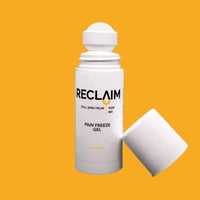
Back pain affects millions of Americans every year, disrupting daily activities and diminishing quality of life. Whether stemming from injury, chronic conditions, or everyday strain, finding effective relief remains a top priority for those suffering from persistent discomfort. Many individuals are turning to natural alternatives, with CBD for back pain emerging as a popular option. As research continues to explore cannabidiol's potential therapeutic properties, understanding how this hemp-derived compound may help manage back pain becomes increasingly important for those seeking relief beyond traditional pharmaceutical interventions.
Understanding Back Pain and Its Impact
Back pain represents one of the most common health complaints in the United States, affecting approximately 80% of adults at some point during their lifetime. The complexity of spinal structures combined with daily physical demands creates numerous opportunities for discomfort to develop.
Lower back pain specifically accounts for the majority of cases, often resulting from muscle strain, herniated discs, arthritis, or degenerative conditions. Chronic back pain persisting beyond three months significantly impacts work productivity, mobility, and mental health. Traditional treatment approaches typically include over-the-counter medications, prescription painkillers, physical therapy, and in severe cases, surgical intervention.
The limitations and side effects associated with conventional pain management have prompted many to explore alternative solutions. Nonsteroidal anti-inflammatory drugs (NSAIDs) can cause gastrointestinal issues, while opioid medications carry addiction risks. This treatment gap has fueled interest in natural compounds like CBD for back pain management.
The Endocannabinoid System and Pain Modulation
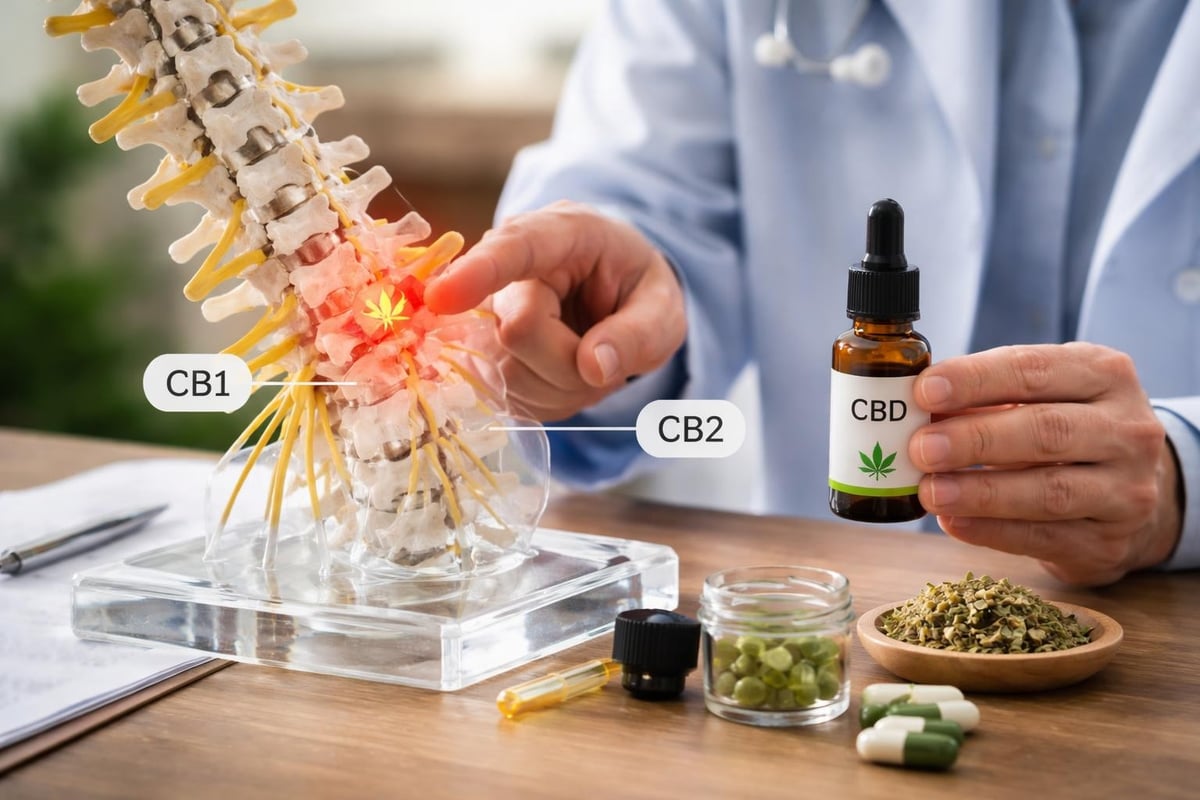
The human body contains an intricate endocannabinoid system (ECS) that plays a crucial role in regulating pain perception, inflammation, and immune response. This biological system consists of cannabinoid receptors (CB1 and CB2), endogenous cannabinoids, and enzymes that synthesize and break down these compounds.
CB1 receptors primarily exist in the central nervous system, while CB2 receptors concentrate in peripheral tissues and immune cells. When CBD interacts with this system, it may influence pain signaling pathways and inflammatory responses. Unlike THC, CBD does not directly bind to these receptors but instead modulates their activity indirectly.
Understanding how CBD works within the body provides essential context for its potential therapeutic applications. The compound's ability to interact with serotonin receptors, vanilloid receptors, and other molecular targets contributes to its complex pharmacological profile.
Research on CBD for Back Pain Relief
Scientific investigation into cannabidiol's efficacy for pain management continues to expand, though research specifically targeting back pain remains somewhat limited compared to other conditions.
A randomized, double-blinded, placebo-controlled clinical trial assessed single-dose oral CBD as an adjunct to standard care for acute low back pain in emergency department patients. While this particular study found no significant difference compared to placebo, it represents an important step in establishing rigorous clinical evidence.
Conversely, patient surveys examining CBD use for spine-related complaints reveal that many individuals report perceived benefits and continue using cannabidiol products for symptom management. These real-world observations suggest a disconnect between controlled clinical trials and patient experiences that warrants further investigation.
Current Evidence and Limitations
A narrative review examining CBD's potential for acute and chronic low back pain discusses the compound's mechanisms and current evidence base. The review acknowledges promising preclinical findings while highlighting the need for more robust human trials.
The challenge with existing research includes:
- Small sample sizes limiting statistical power
- Variability in dosing protocols across studies
- Different CBD formulations affecting bioavailability
- Short study durations not capturing long-term effects
- Placebo effects being particularly strong in pain research
One study published in the Medical Journal of Australia found that cannabidiol did not reduce pain or hospital length of stay for acute low back pain in emergency settings. However, acute pain and chronic pain represent distinct physiological processes, suggesting that CBD's efficacy may vary depending on pain chronicity.
An observational study evaluating CBD use in patients with lumbar spinal stenosis assessed pain levels and quality of life measures, contributing to our understanding of real-world applications. Meanwhile, systematic reviews of clinical and preclinical evidence continue to analyze CBD's broader pain management potential.
Mechanisms Through Which CBD May Help
Understanding the potential mechanisms underlying CBD's effects on back pain provides insight into why this compound attracts scientific and consumer interest.
Anti-Inflammatory Properties
Inflammation often contributes significantly to back pain, particularly in conditions like arthritis affecting spinal joints. CBD demonstrates anti-inflammatory properties through multiple pathways:
- Reducing cytokine production
- Modulating immune cell activity
- Decreasing oxidative stress
- Inhibiting inflammatory mediator release
These anti-inflammatory effects may help address underlying causes of pain rather than merely masking symptoms. For individuals with rheumatoid arthritis or other inflammatory conditions affecting the spine, this mechanism holds particular relevance.
Neuroprotective Effects
CBD's interaction with various receptor systems extends beyond the endocannabinoid system. The compound influences:
| Receptor System | Potential Effect | Relevance to Back Pain |
|---|---|---|
| Serotonin 5-HT1A | Mood regulation, pain perception | May reduce pain-related anxiety |
| TRPV1 (Vanilloid) | Temperature and pain sensing | Modulates pain signal transmission |
| Adenosine | Inflammation control | Reduces inflammatory response |
| GPR55 | Bone density, inflammation | May protect against degenerative changes |
This multi-target approach distinguishes CBD from single-mechanism pharmaceuticals and may contribute to its potential therapeutic versatility.
Muscle Relaxation
Muscle tension and spasms frequently accompany back pain, creating a cycle of discomfort and limited mobility. CBD may help promote muscle relaxation through its interaction with the endocannabinoid system and GABAergic pathways. This relaxation effect could prove particularly beneficial for individuals whose back pain stems from or includes significant muscular components.

CBD Delivery Methods for Back Pain
Choosing the appropriate delivery method significantly influences CBD's effectiveness for managing back pain. Different administration routes offer distinct advantages regarding onset time, duration, and targeted relief.
Topical Applications
Topical CBD products applied directly to the affected area provide localized relief without entering the bloodstream significantly. These formulations include:
- Roll-on sticks for easy, mess-free application
- Creams and lotions for broader coverage
- Balms and salves for intensive targeted relief
CBD roll-on products offer convenient application for lower back discomfort, allowing users to massage the compound directly onto painful areas. The combination of CBD absorption and massage may provide synergistic benefits.
The 1000mg CBD hemp-infused relief roll-on stick exemplifies this delivery method, providing concentrated cannabidiol alongside other beneficial ingredients for topical pain management.
Transdermal Patches
CBD pain relief patches represent an advanced delivery system designed for sustained cannabidiol release over extended periods. These patches adhere to the skin and deliver consistent doses throughout the day or night.
Key advantages include:
- Consistent blood levels avoiding peaks and valleys
- Long-lasting relief up to 24-48 hours per patch
- Convenience requiring minimal effort or remembering
- Discretion easily hidden under clothing
For chronic back pain requiring around-the-clock management, transdermal CBD patches may provide superior consistency compared to dosing multiple times daily.
Oral CBD Products
Oral consumption represents the most common CBD delivery method, offering systemic effects throughout the body. Options include:
- Tinctures and oils placed under the tongue (sublingual)
- Capsules providing pre-measured doses
- Edibles offering discreet consumption
- Beverages infused with CBD
The 2800mg broad-spectrum CBD hemp oil provides a potent option for individuals requiring higher doses for chronic pain management. Broad-spectrum formulations contain multiple beneficial cannabinoids while remaining THC-free, potentially enhancing therapeutic effects through the entourage effect.
Sublingual administration offers faster absorption compared to edibles, with effects typically noticed within 15-45 minutes. This method bypasses first-pass metabolism in the liver, improving bioavailability.
Dosing Considerations for Back Pain
Determining the optimal CBD dose for back pain presents challenges due to individual variability in factors like body weight, metabolism, pain severity, and product potency.
Starting Low and Titrating Up
Healthcare professionals and CBD manufacturers generally recommend beginning with low doses and gradually increasing until desired effects occur. A typical starting approach includes:
- Initial dose: 10-20mg daily for oral products
- Observation period: 3-7 days at each dose level
- Incremental increases: 5-10mg additions as needed
- Maximum dose: Varies by individual, typically 50-100mg daily
For topical applications, the "start low, go slow" principle applies less rigidly since these products don't enter systemic circulation significantly. Users can apply topicals as needed to affected areas without the same titration concerns.
Factors Influencing Optimal Dosage
| Factor | Impact on Dosing | Considerations |
|---|---|---|
| Body Weight | Higher weight may require more | General guideline: 1-6mg per 10 pounds |
| Pain Severity | Severe pain often needs higher doses | Chronic vs. acute pain responds differently |
| CBD Concentration | Affects dose volume needed | Higher concentration = less volume |
| Product Type | Full vs. broad-spectrum absorption | Entourage effect may enhance lower doses |
| Metabolism | Fast metabolizers may need more frequent dosing | Individual variation significant |
Maintaining a pain and dosing journal helps identify patterns and optimize your CBD regimen. Track pain levels, doses taken, timing, and any changes in symptoms to refine your approach systematically.
Combining Delivery Methods
Some individuals find success combining different CBD delivery methods for comprehensive back pain management. For example:
- Morning oral dose for systemic anti-inflammatory effects
- Topical application during midday flare-ups
- Transdermal patch overnight for continuous relief
This multi-modal approach addresses pain through different mechanisms and timeframes, potentially providing superior overall relief compared to single-method use.
CBD Compared to Traditional Back Pain Treatments
Understanding how CBD for back pain compares with conventional treatment options helps individuals make informed decisions about their pain management strategy.
Over-the-Counter Medications
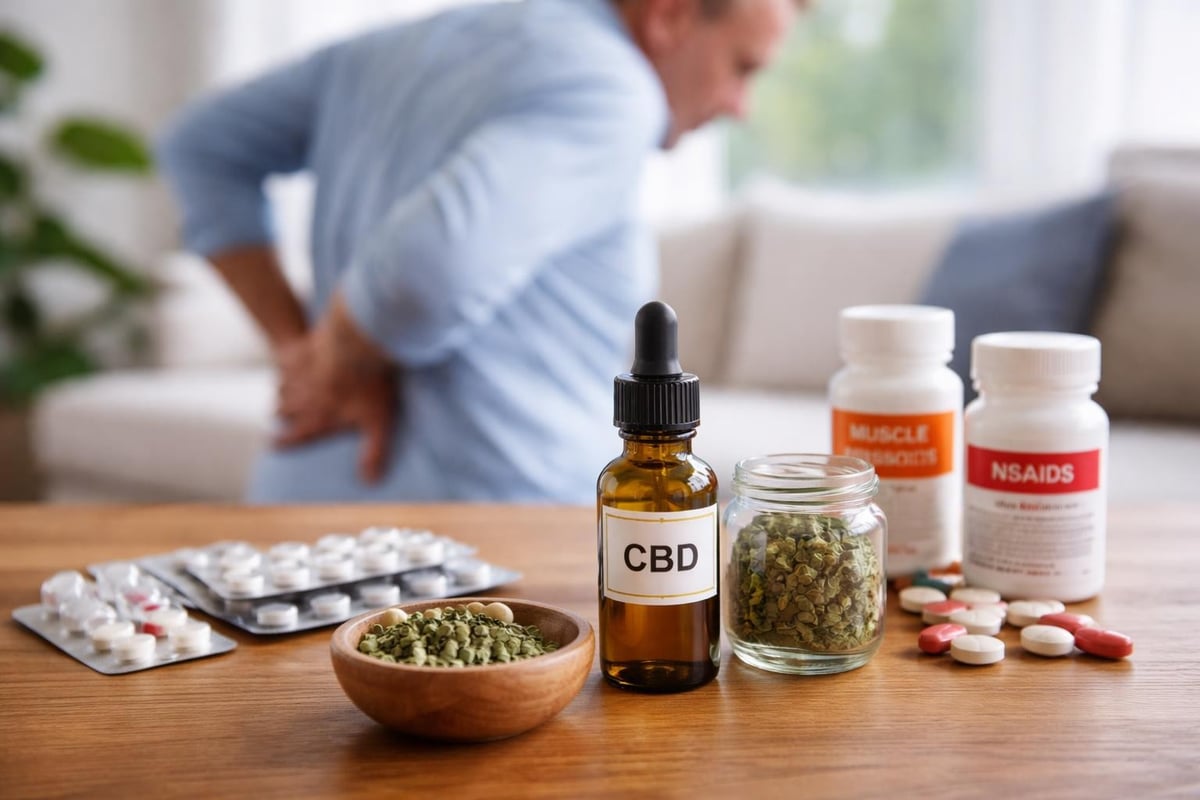
NSAIDs like ibuprofen and naproxen remain first-line treatments for many experiencing back pain. These medications effectively reduce inflammation and pain but carry potential side effects including:
- Gastrointestinal irritation and bleeding
- Cardiovascular risks with long-term use
- Kidney function concerns
- Drug interactions
CBD offers a different safety profile, generally demonstrating good tolerability with minimal serious adverse effects reported in clinical trials. However, CBD can interact with certain medications, necessitating healthcare provider consultation.
Prescription Pain Medications
For severe back pain, physicians may prescribe stronger medications including muscle relaxants, prescription-strength NSAIDs, or opioid analgesics. While effective for acute pain management, these medications present concerns:
Muscle Relaxants:
- Sedation and drowsiness
- Dependency potential
- Cognitive impairment
Opioids:
- High addiction risk
- Tolerance development
- Serious side effects including respiratory depression
Many individuals seek alternatives to prescription medications, particularly opioids, due to these significant concerns. Natural alternatives to prescription medications attract increasing attention as the medical community recognizes the need for safer long-term pain management options.
Corticosteroids and CBD
Corticosteroids like prednisone effectively reduce inflammation but carry substantial side effect profiles with prolonged use. Understanding prednisone side effects and how to taper off becomes crucial for those using these medications long-term.
CBD-based alternatives to steroid medications represent an emerging area of interest, though more research is needed to establish equivalence in anti-inflammatory effects.
Safety Considerations and Potential Side Effects
While CBD demonstrates a favorable safety profile overall, understanding potential side effects and contraindications ensures responsible use.
Common Side Effects
Most individuals tolerate CBD well, but some experience mild side effects including:
- Fatigue or drowsiness
- Diarrhea or changes in appetite
- Dry mouth
- Changes in weight
- Dizziness (typically at higher doses)
These effects generally remain mild and often resolve as the body adjusts to CBD supplementation. Starting with lower doses minimizes the likelihood of experiencing adverse effects.
Drug Interactions
CBD can interact with certain medications by affecting liver enzymes responsible for drug metabolism, particularly the cytochrome P450 system. Medications potentially affected include:
- Blood thinners (warfarin)
- Certain antidepressants
- Anti-seizure medications
- Beta-blockers
- Immunosuppressants
Always consult your healthcare provider before starting CBD, especially if taking prescription medications. Your doctor can assess potential interactions and adjust medication doses if necessary.
Quality and Purity Concerns
The CBD market remains largely unregulated, creating quality concerns across the industry. Third-party laboratory testing provides essential verification of:
- Cannabinoid content confirming labeled potency
- Contaminant screening for pesticides, heavy metals, solvents
- Microbial testing ensuring product safety
- Terpene profiles in full and broad-spectrum products
Reputable manufacturers like Reclaim Labs provide certificates of analysis (COAs) for their products, demonstrating commitment to transparency and quality assurance. Always verify third-party testing before purchasing CBD products.
Maximizing CBD Effectiveness for Back Pain
Beyond simply taking CBD, several strategies may enhance its effectiveness for managing back pain.
Consistency Matters
Regular, consistent CBD use typically produces better results than sporadic supplementation. The endocannabinoid system responds to ongoing support, with many users reporting cumulative benefits over weeks of consistent use.
Establishing a routine helps ensure you don't miss doses:
- Set daily reminders on your phone
- Keep CBD products in visible locations
- Pair CBD use with existing habits (morning coffee, bedtime routine)
Complementary Lifestyle Modifications
CBD works best as part of a comprehensive pain management approach including:
- Physical therapy exercises strengthening core muscles
- Proper posture reducing spinal strain
- Ergonomic workstation setup minimizing daily stress
- Stress management techniques addressing pain-anxiety cycles
- Adequate sleep supporting natural healing processes
- Anti-inflammatory diet reducing systemic inflammation
Combining CBD for back pain with these lifestyle factors creates synergistic effects, potentially providing greater relief than any single intervention alone.
Tracking Your Progress
Maintaining detailed records helps identify what works best for your specific situation. Document:
- Pain levels (1-10 scale) multiple times daily
- CBD dose, timing, and delivery method
- Activities performed
- Sleep quality
- Mood and stress levels
- Other treatments or medications used
This data reveals patterns and helps optimize your regimen. Share this information with healthcare providers to facilitate informed discussions about your pain management strategy.
Frequently Asked Questions About CBD for Back Pain
How quickly does CBD work for back pain?
The onset time depends on the delivery method used. Sublingual tinctures typically produce effects within 15-45 minutes, while oral capsules may take 1-2 hours. Topical applications like CBD roll-ons often provide localized relief within 20-30 minutes. Transdermal patches deliver sustained release over many hours. Consistent daily use for several weeks may be necessary to experience maximum benefits, as CBD's effects can accumulate over time.
What's the best CBD strength for chronic back pain?
Chronic back pain severity varies significantly between individuals, making universal recommendations difficult. Most people start with moderate-strength products (500-1000mg per bottle) and adjust based on response. Those with severe chronic pain may benefit from higher-potency options like 2000mg or greater formulations. The best approach involves starting with lower doses and gradually increasing until achieving adequate relief while minimizing side effects.
Can I use CBD for back pain with other medications?
CBD may interact with certain medications through liver enzyme inhibition, potentially affecting drug metabolism. Always consult your healthcare provider before combining CBD with prescription medications, particularly blood thinners, antidepressants, or immunosuppressants. Your doctor can assess potential interactions and monitor for adverse effects. Some individuals successfully use CBD alongside over-the-counter pain relievers, but medical supervision ensures safety when combining treatments.
Is full-spectrum or broad-spectrum CBD better for back pain?
Both formulations may help manage back pain, with the choice depending on individual preferences and THC sensitivity. Full-spectrum products contain all hemp plant compounds including trace THC (under 0.3%), potentially enhancing effectiveness through the entourage effect. Broad-spectrum products provide multiple cannabinoids without THC, suitable for those avoiding even minimal THC exposure. Understanding broad-spectrum CBD oil uses helps determine which option best suits your needs.
How long should I try CBD before deciding if it works?
Individual response timelines vary, but most experts recommend consistent use for at least 2-4 weeks before fully evaluating effectiveness. Some people notice improvements within days, while others require several weeks of regular supplementation. Pain severity, CBD dose, product quality, and individual biochemistry all influence response time. If you experience no improvement after 4-6 weeks of consistent, adequate dosing, consider adjusting your approach or consulting a healthcare provider familiar with CBD use.
Are there side effects of using CBD for back pain?
CBD generally demonstrates good tolerability with mild side effects. The most commonly reported include fatigue, diarrhea, changes in appetite or weight, and dry mouth. These effects typically remain minor and often diminish as your body adjusts. High doses may cause dizziness or increased drowsiness. Starting with low doses and gradually increasing minimizes the likelihood of experiencing adverse effects. Discontinue use and consult a healthcare provider if concerning symptoms develop.
Can topical CBD help lower back pain specifically?
Topical CBD applications target localized pain without producing systemic effects, making them ideal for specific areas like the lower back. The cannabidiol absorbs through skin and interacts with local cannabinoid receptors, potentially reducing inflammation and pain signals in that region. CBD pain relief patches and roll-ons provide convenient, mess-free application directly to affected areas. Many users combine topical and oral CBD for comprehensive pain management addressing both local and systemic factors.
Will CBD for back pain show up on drug tests?
Pure CBD isolate products should not trigger positive drug tests, as standard screenings detect THC, not CBD. However, full-spectrum CBD products contain trace amounts of THC (under 0.3% legally), which could accumulate with consistent high-dose use and potentially cause positive results. Broad-spectrum products remove THC while retaining other beneficial cannabinoids, offering a middle ground. If drug testing is a concern, choose verified THC-free products or CBD isolate formulations.
How does CBD compare to over-the-counter pain relievers?
CBD and traditional OTC pain relievers like NSAIDs work through different mechanisms, making direct comparison challenging. NSAIDs primarily inhibit inflammatory enzymes (COX-1 and COX-2), while CBD modulates endocannabinoid signaling and multiple receptor systems. Some research suggests CBD may help with chronic pain management through anti-inflammatory and neuroprotective effects. Many individuals use both approaches complementarily, though you should consult healthcare providers about combining treatments to ensure safety and appropriate dosing.
Can CBD help with sciatica or nerve pain in the back?
Sciatica involves nerve compression causing radiating pain down the leg from the lower back. CBD's potential neuroprotective properties and effects on pain signaling pathways suggest it may help manage nerve-related back pain. Research into CBD's pain relief mechanisms indicates interaction with systems involved in neuropathic pain processing. While anecdotal reports show promise, more specific research on CBD for sciatica is needed. Consider combining CBD with appropriate medical treatments and physical therapy for comprehensive sciatica management.
Do I need a prescription for CBD for back pain?
Hemp-derived CBD products containing less than 0.3% THC are federally legal in the United States and do not require a prescription. These products are available through various retailers, including online vendors like Reclaim Labs. However, marijuana-derived CBD products or those with higher THC content may require medical marijuana authorization in states where such programs exist. Despite legal availability, consulting healthcare providers before starting CBD ensures appropriate use, especially if you have existing medical conditions or take other medications.
What's the difference between hemp oil and CBD oil for pain?
This distinction causes frequent confusion. Hemp seed oil, pressed from hemp seeds, contains beneficial nutrients but negligible cannabinoids. CBD oil extracts cannabidiol from hemp flowers, leaves, and stalks, providing therapeutic cannabinoid content. For pain management purposes, CBD oil (not hemp seed oil) contains the active compounds that may help reduce discomfort. Understanding hemp oil vs CBD oil helps ensure you purchase the appropriate product for your pain management goals.
CBD for back pain represents a promising natural approach to managing chronic discomfort, though individual results vary and more research continues to emerge. The compound's interaction with the endocannabinoid system, anti-inflammatory properties, and favorable safety profile make it an attractive option for those seeking alternatives to conventional medications. If you're considering CBD for managing back pain or other chronic conditions, Reclaim Labs offers premium, third-party tested CBD products specifically formulated to address pain and inflammation with transparency and quality you can trust.
These statements have not been evaluated by the FDA. This product is not intended to diagnose, treat, cure, or prevent any disease. Consult your healthcare provider before using CBD.