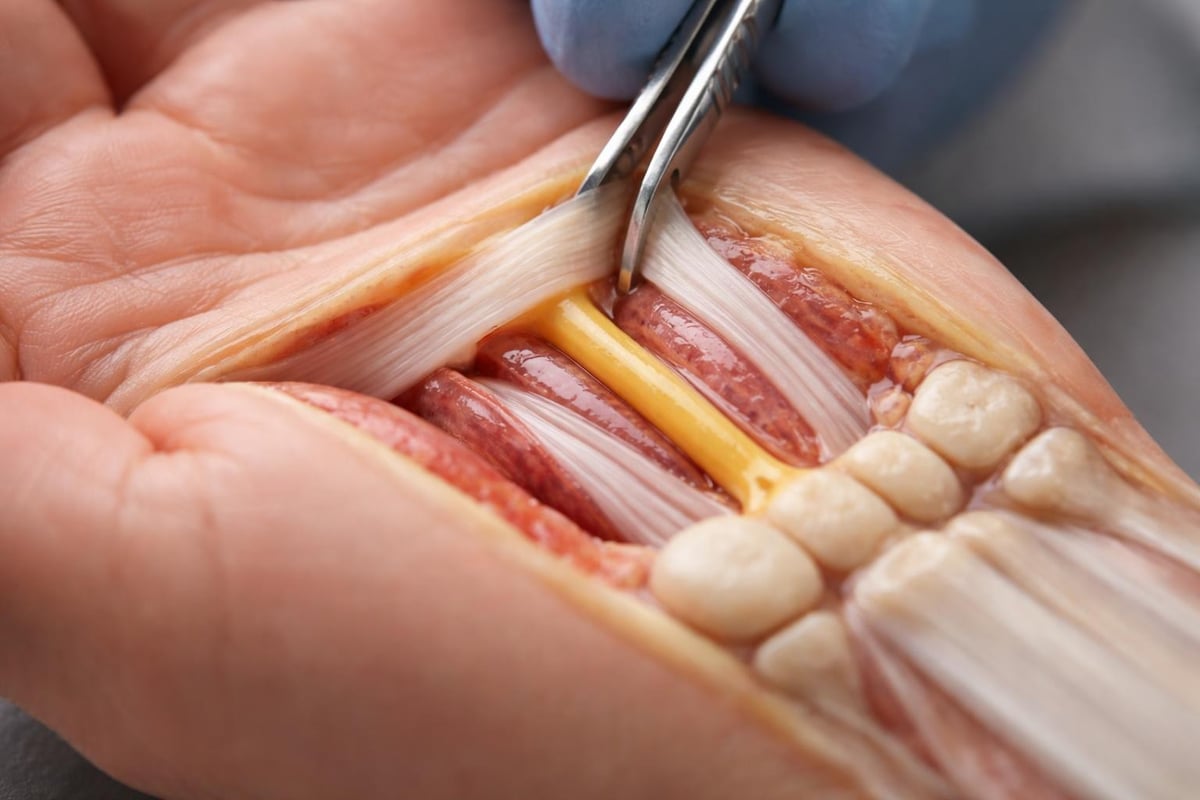
Carpal tunnel syndrome affects millions of Americans each year, causing numbness, tingling, and debilitating pain in the hands and wrists. This common condition occurs when the median nerve becomes compressed as it passes through the narrow carpal tunnel in the wrist. While traditional treatments range from wrist splints to surgical intervention, many individuals are exploring cbd for carpal tunnel syndrome as a natural alternative for managing symptoms. As research continues to emerge about cannabidiol's anti-inflammatory and neuroprotective properties, understanding how this natural compound may support nerve health and pain relief becomes increasingly valuable for those seeking effective management strategies.
Understanding Carpal Tunnel Syndrome and Its Impact
Carpal tunnel syndrome develops when repetitive hand motions, wrist positioning, or anatomical factors create pressure on the median nerve. This compression leads to symptoms that can significantly impact daily activities and quality of life.
The condition typically manifests through progressive symptoms that worsen over time. Initial signs include tingling or numbness in the thumb, index, middle, and ring fingers, particularly during nighttime hours. As the syndrome advances, individuals may experience weakness in grip strength, difficulty performing fine motor tasks, and persistent pain radiating from the wrist to the forearm.
Risk Factors and Prevalence
Several factors contribute to the development of carpal tunnel syndrome. Occupational activities involving repetitive hand movements, vibrating tools, or prolonged awkward wrist positions increase risk substantially. Research on harmful hand activities in the workplace demonstrates the significant connection between occupational exposure and condition development.
Additional risk factors include:
- Anatomical variations in wrist structure
- Pregnancy-related fluid retention
- Inflammatory conditions like rheumatoid arthritis
- Diabetes and metabolic disorders
- Obesity and body composition factors
Women experience carpal tunnel syndrome three times more frequently than men, partly due to naturally smaller carpal tunnel dimensions. The condition most commonly affects individuals between 30 and 60 years of age, though it can develop at any life stage.
Current Treatment Approaches and Their Limitations
The American Academy of Orthopaedic Surgeons provides clinical practice guidelines that outline evidence-based treatment protocols. Conservative management typically begins with non-invasive interventions before progressing to surgical options.
Standard Conservative Treatments
Initial treatment strategies focus on reducing inflammation and relieving pressure on the median nerve. Wrist splinting, particularly during sleep, prevents flexion that exacerbates nerve compression. Occupational therapy teaches ergonomic modifications and hand exercises to improve symptoms.
Pharmaceutical interventions commonly include:
- Nonsteroidal anti-inflammatory drugs (NSAIDs)
- Corticosteroid injections
- Oral corticosteroids
- Pregabalin for nerve pain
However, these conventional medications carry significant limitations. NSAIDs can cause gastrointestinal complications, cardiovascular risks, and kidney problems with long-term use. Corticosteroid injections provide temporary relief but may weaken tendons and other structures with repeated administration. Similar to concerns discussed in our analysis of rheumatoid arthritis anti-inflammatory medications, systemic side effects often limit sustained pharmaceutical use.
| Treatment Type | Effectiveness Duration | Common Side Effects | Cost Range |
|---|---|---|---|
| NSAIDs | Short-term (weeks) | GI upset, cardiovascular risk | Low |
| Corticosteroid Injections | Medium-term (months) | Tissue weakening, infection risk | Moderate |
| Wrist Splints | Ongoing support | Skin irritation, inconvenience | Low |
| Surgery | Long-term (years) | Infection, nerve damage, recovery time | High |
When Surgery Becomes Necessary
For severe cases unresponsive to conservative treatment, carpal tunnel release surgery may become necessary. This procedure involves cutting the ligament pressing on the median nerve to create more space within the carpal tunnel. While often effective, surgery requires recovery time, carries infection risks, and doesn't guarantee complete symptom resolution.
The Science Behind CBD for Carpal Tunnel Syndrome
Cannabidiol interacts with the body's endocannabinoid system, which plays crucial roles in pain perception, inflammatory response, and nerve function. Understanding these mechanisms helps explain why cbd for carpal tunnel syndrome has gained attention as a therapeutic option.
Anti-Inflammatory Properties
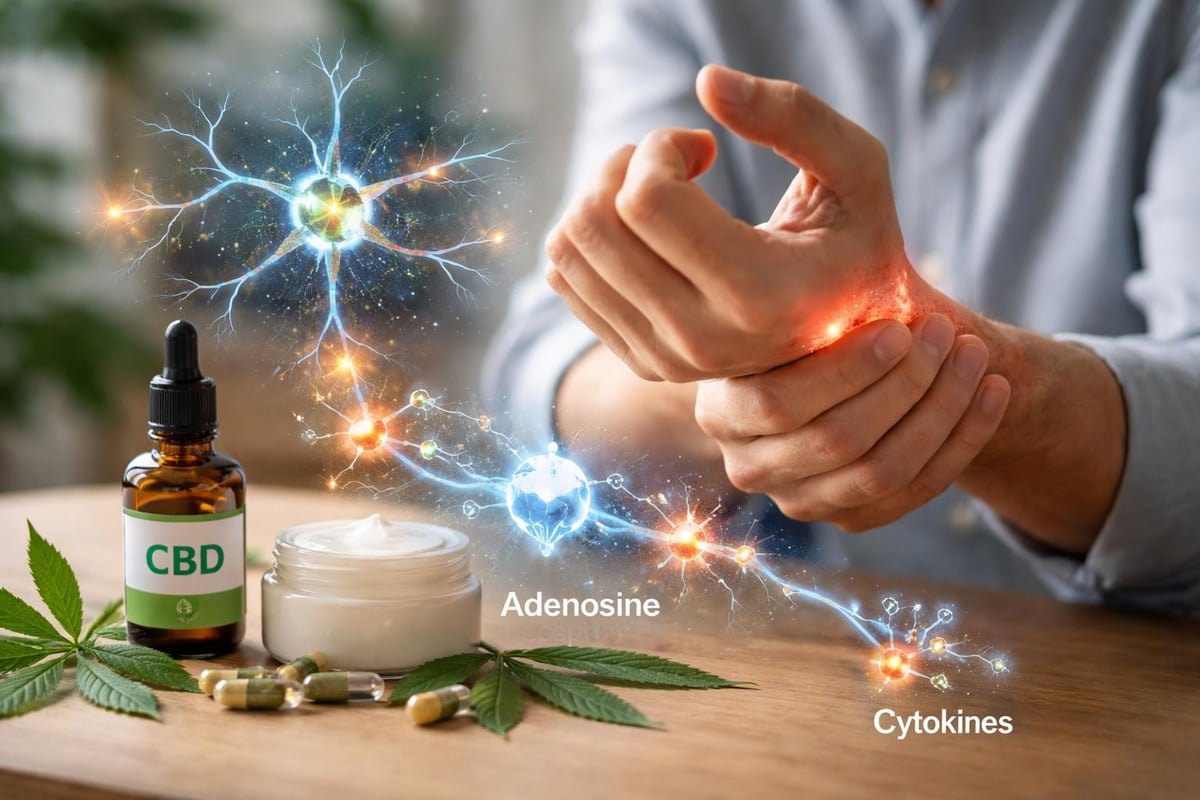
Chronic inflammation contributes significantly to carpal tunnel syndrome progression. CBD demonstrates potent anti-inflammatory effects through multiple pathways, including inhibition of inflammatory cytokines and modulation of immune system responses.
Research shows CBD reduces production of:
- Tumor necrosis factor-alpha (TNF-α)
- Interleukin-6 (IL-6)
- Interleukin-1 beta (IL-1β)
- Nuclear factor kappa B (NF-κB)
These inflammatory markers directly contribute to tissue swelling and nerve compression. By addressing inflammation at its source, CBD may help reduce the pressure on the median nerve that causes carpal tunnel symptoms.
Neuroprotective and Pain-Relieving Effects
Beyond inflammation reduction, CBD offers neuroprotective benefits particularly relevant to nerve compression injuries. The compound interacts with various receptor systems involved in pain transmission and nerve health.
CBD influences pain perception through:
- TRPV1 receptor activation - Modulates pain signaling pathways
- Serotonin receptor interaction - Reduces pain perception and anxiety
- Adenosine receptor enhancement - Decreases inflammation and protects neurons
- Glycine receptor potentiation - Suppresses chronic pain signals
The NIH HEAL Initiative's exploration of carpal tunnel pain relief highlights the importance of innovative approaches to managing chronic pain associated with this condition.
Clinical Research on CBD for Carpal Tunnel Syndrome
While CBD research for various pain conditions has expanded significantly, specific studies examining cbd for carpal tunnel syndrome are emerging. The University of Virginia's clinical trial investigating topical CBD for carpal tunnel syndrome represents groundbreaking research in this application.
Current Evidence and Study Design
This ongoing clinical trial evaluates both safety and efficacy of topical cannabidiol formulations specifically for carpal tunnel syndrome treatment. The study design includes objective measurements of nerve conduction, symptom severity scores, and functional assessments to determine CBD's therapeutic potential.
The trial examines multiple outcome measures:
- Nerve conduction velocity changes
- Boston Carpal Tunnel Questionnaire scores
- Pain intensity ratings
- Functional hand use assessments
- Adverse event monitoring
While results remain pending, the study's rigorous methodology will provide valuable insights into optimal dosing, application frequency, and expected outcomes for topical CBD use in carpal tunnel syndrome.
Broader Pain and Inflammation Research
Substantial research demonstrates CBD's effectiveness for other chronic pain conditions sharing similar inflammatory mechanisms. Studies on neuropathic pain, arthritis, and inflammatory disorders provide supportive evidence for CBD's potential in carpal tunnel syndrome management.
Just as CBD benefits for arthritis have shown promise in reducing joint inflammation and pain, the same anti-inflammatory mechanisms may benefit inflamed tissues within the carpal tunnel.
Application Methods for CBD in Carpal Tunnel Treatment
Choosing the appropriate delivery method significantly impacts CBD's effectiveness for carpal tunnel syndrome. Different application routes offer distinct advantages depending on symptom severity, lifestyle factors, and individual preferences.
Topical CBD Applications
Topical products deliver CBD directly to affected tissues, making them particularly suitable for localized conditions like carpal tunnel syndrome. Creams, balms, and roll-on formulations allow targeted application to the wrist area.
Advantages of topical CBD:
- Direct delivery to affected area
- Minimal systemic absorption
- No drug metabolism concerns
- Easy to apply throughout the day
- Can be combined with wrist splinting
Application technique matters significantly. Massage the topical thoroughly into the wrist's palmar and dorsal surfaces, extending coverage to the forearm and hand. This ensures CBD reaches tissues surrounding the carpal tunnel from multiple angles.
Oral CBD Products
Full-spectrum and broad-spectrum CBD oils taken orally provide systemic anti-inflammatory benefits. This approach addresses inflammation throughout the body while supporting overall nerve health.
Oral CBD administration offers:
- Comprehensive anti-inflammatory effects
- Longer-lasting symptom relief
- Potential sleep improvement for nighttime symptoms
- Convenient once or twice-daily dosing
Sublingual administration (holding oil under the tongue for 60-90 seconds) enhances absorption and accelerates onset of effects compared to swallowing directly.
Combination Approaches
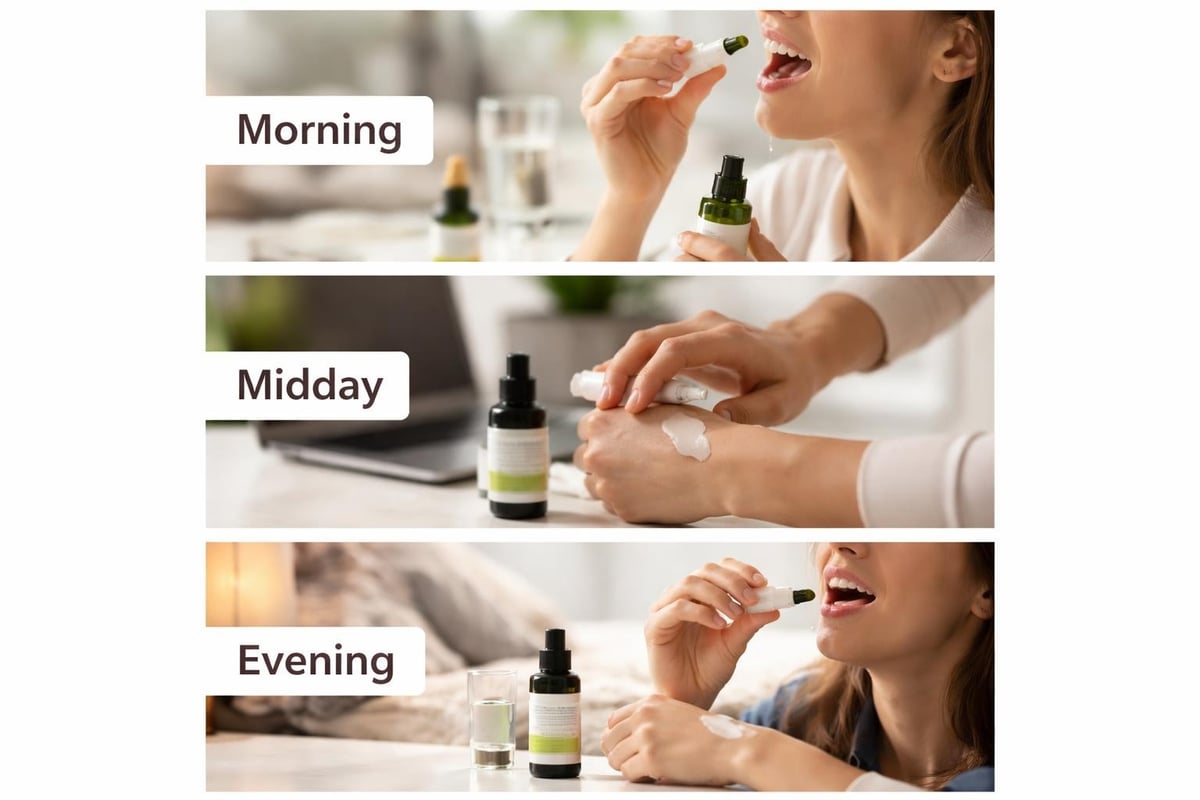
Many individuals find optimal results by combining topical and oral CBD applications. This dual approach provides both localized relief and systemic support for inflammation reduction.
| Application Method | Onset Time | Duration | Best For |
|---|---|---|---|
| Topical CBD | 15-45 minutes | 2-4 hours | Acute pain episodes, targeted relief |
| Oral CBD Oil | 30-90 minutes | 4-6 hours | Overall inflammation, systemic support |
| CBD Patches | 1-2 hours | 8-12 hours | Extended relief, convenience |
| Combined Protocol | Varies | Extended coverage | Comprehensive management |
Dosing Guidelines and Protocol Development
Determining appropriate CBD dosing for carpal tunnel syndrome requires individualized approaches. No universal dosage exists, as optimal amounts vary based on body weight, symptom severity, product potency, and individual endocannabinoid system responsiveness.
Starting Doses and Titration
Conservative initiation with gradual increases minimizes side effects while identifying effective therapeutic doses. For oral CBD, most individuals begin with 10-20 mg daily, increasing by 5-10 mg weekly until achieving desired symptom relief.
Suggested titration protocol:
- Week 1: 10-15 mg daily (oral) or apply topical twice daily
- Week 2: 20-25 mg daily or increase topical frequency
- Week 3: 30-40 mg daily based on response
- Week 4: Adjust to optimal maintenance dose
Topical applications don't require the same precise dosing as oral products. Apply sufficient amounts to cover the affected area thoroughly, typically a pea-sized amount for wrist application.
Monitoring Response and Adjusting
Track symptom changes, pain levels, and functional improvements to evaluate CBD effectiveness. Maintaining a simple journal noting daily dosage, application times, and symptom intensity helps identify optimal protocols.
Key metrics to monitor include:
- Pain intensity (0-10 scale)
- Numbness/tingling frequency
- Sleep disruption from symptoms
- Grip strength and function
- Morning stiffness duration
Similar monitoring approaches prove valuable across various conditions, as discussed in our guide to CBD hemp oil benefits for pain.
Integrating CBD with Conventional Treatments
CBD for carpal tunnel syndrome works most effectively as part of a comprehensive management strategy. Combining cannabidiol with evidence-based conservative treatments often produces superior outcomes compared to any single intervention.
Complementary Conservative Approaches
CBD enhances other non-surgical treatments through complementary mechanisms. Wrist splinting prevents exacerbating positions while CBD addresses underlying inflammation. Ergonomic modifications reduce repetitive strain while cannabidiol supports tissue healing.
Synergistic treatment combinations:
- CBD + wrist splinting for nighttime symptom control
- CBD + ergonomic workstation modifications
- CBD + specific hand exercises and stretches
- CBD + physical therapy protocols
- CBD + anti-inflammatory dietary changes
Medication Interactions and Considerations
While CBD demonstrates favorable safety profiles, potential interactions with certain medications warrant attention. Cannabidiol affects liver enzymes responsible for metabolizing many pharmaceuticals.
Consult healthcare providers before combining CBD with:
- Blood thinners (warfarin, heparin)
- Seizure medications
- Heart medications
- Immunosuppressants
- High-dose NSAIDs
Most individuals using CBD for carpal tunnel syndrome alongside conservative treatments experience no problematic interactions, but professional guidance ensures safe, effective protocols.
Product Selection and Quality Considerations
The CBD market's rapid expansion has produced varying product quality. Selecting premium, third-party tested CBD products ensures safety, potency, and effectiveness for carpal tunnel syndrome management.
Full-Spectrum vs. Broad-Spectrum Options
Full-spectrum CBD contains all hemp plant compounds, including trace THC (under 0.3%), various cannabinoids, terpenes, and flavonoids. These compounds work synergistically through the "entourage effect" to enhance therapeutic benefits.
Broad-spectrum CBD offers similar comprehensive plant compounds without THC, ideal for individuals avoiding any THC exposure due to drug testing, personal preferences, or THC sensitivity.
For carpal tunnel syndrome, both formulations provide anti-inflammatory and pain-relieving benefits. The choice depends primarily on individual circumstances and comfort with trace THC content.
Third-Party Testing and Transparency
Reputable CBD manufacturers provide Certificates of Analysis (COA) from independent laboratories verifying product contents, potency, and purity. These documents confirm CBD concentrations match label claims and ensure absence of contaminants like heavy metals, pesticides, and residual solvents.
Essential COA components include:
- Cannabinoid profile with exact CBD content
- THC levels (confirming legal compliance)
- Terpene analysis
- Heavy metal screening
- Pesticide testing results
- Microbial contamination analysis
Premium manufacturers like those focused on transparency make COAs readily accessible, demonstrating commitment to quality and customer safety.
Lifestyle Modifications to Enhance CBD Effectiveness
While cbd for carpal tunnel syndrome offers significant therapeutic potential, lifestyle adjustments amplify benefits and support long-term symptom management.
Ergonomic Workplace Adjustments
Modifying work environments reduces repetitive strain contributing to carpal tunnel development and progression. Proper keyboard positioning, frequent breaks, and ergonomic tools minimize median nerve stress.
Key ergonomic modifications:
- Position keyboards at elbow height with neutral wrist alignment
- Use wrist rests to prevent extreme flexion or extension
- Implement 10-minute breaks every hour for hand exercises
- Consider vertical or ergonomic mouse designs
- Adjust chair height for optimal arm positioning
Anti-Inflammatory Dietary Support
Nutrition significantly influences inflammatory processes throughout the body. Combining CBD with anti-inflammatory dietary patterns enhances overall inflammation reduction.
Include these anti-inflammatory foods:
- Fatty fish rich in omega-3 fatty acids
- Colorful vegetables and berries
- Turmeric and ginger
- Nuts and seeds
- Olive oil and avocados
Conversely, limit pro-inflammatory foods like processed meats, refined carbohydrates, and excessive sugar intake.
Physical Therapy and Exercise
Specific exercises strengthen hand and wrist muscles while promoting flexibility. Nerve gliding exercises, in particular, help the median nerve move more freely through the carpal tunnel.
Current insights into clinical strategies emphasize the importance of exercise-based interventions alongside other conservative treatments for optimal carpal tunnel management.
Long-Term Management and Expectations
Understanding realistic timelines and outcomes helps set appropriate expectations when using cbd for carpal tunnel syndrome. While some individuals experience rapid symptom improvement, most achieve optimal benefits through consistent, long-term application.
Timeline for Symptom Improvement
CBD's anti-inflammatory effects accumulate over time as cannabinoid levels build in tissues. Initial pain relief may occur within days, while comprehensive inflammation reduction typically requires weeks of consistent use.
Expected progression:
- Days 1-7: Initial pain reduction, improved sleep quality
- Weeks 2-4: Decreased inflammation, reduced numbness frequency
- Weeks 4-8: Enhanced function, improved grip strength
- Months 2-3: Sustained symptom control, reduced flare frequency
Preventing Progression and Recurrence
CBD supports long-term carpal tunnel management when combined with preventive strategies. Maintaining ergonomic practices, continuing regular hand exercises, and sustaining CBD use help prevent symptom recurrence.
Regular reassessment ensures interventions remain effective. If symptoms worsen despite consistent CBD use and conservative measures, consultation with healthcare providers becomes essential to explore additional treatment options.
Similar to approaches discussed in managing chronic pain conditions, successful long-term outcomes require comprehensive strategies addressing multiple contributing factors.
Safety Profile and Potential Side Effects
CBD demonstrates exceptional safety compared to many conventional carpal tunnel treatments. Understanding potential side effects and contraindications ensures informed, safe use.
Common Side Effects
Most individuals tolerate CBD well, experiencing minimal adverse effects. When side effects occur, they're typically mild and resolve with dosage adjustment.
Possible side effects include:
- Mild drowsiness or fatigue
- Dry mouth
- Changes in appetite
- Diarrhea (with high doses)
- Interaction with certain medications
Topical CBD applications rarely produce systemic side effects, as absorption remains primarily localized to application areas.
Special Considerations
Pregnant or nursing individuals should consult healthcare providers before using CBD products. Additionally, those with liver conditions may require modified dosing due to CBD's hepatic metabolism.
Quality products from transparent manufacturers minimize contamination risks and ensure consistent, reliable dosing. Third-party testing provides confidence in product safety and efficacy.
Beyond Symptom Management: Supporting Nerve Health
CBD for carpal tunnel syndrome offers more than temporary symptom relief. The compound's neuroprotective properties may support long-term nerve health and tissue healing.
Oxidative Stress Reduction
Nerve compression generates oxidative stress, damaging cellular structures and impeding healing. CBD's antioxidant properties neutralize free radicals, protecting nerve tissue from oxidative damage.
This protection proves particularly valuable during recovery phases, supporting tissue repair and potentially reversing some compression-related damage.
Promoting Tissue Healing
CBD influences various biological processes involved in tissue repair and regeneration. By reducing chronic inflammation, supporting vascular health, and modulating immune responses, cannabidiol creates optimal conditions for healing.
These mechanisms complement the body's natural healing capacity, potentially accelerating recovery and improving long-term outcomes beyond what conventional anti-inflammatory medications provide.
Managing carpal tunnel syndrome requires comprehensive approaches addressing pain, inflammation, and underlying causes. CBD offers a promising natural alternative with anti-inflammatory, neuroprotective, and pain-relieving properties supported by emerging research. When you're ready to explore premium CBD solutions for your carpal tunnel symptoms, Reclaim Labs provides third-party tested, full-spectrum and broad-spectrum products specifically formulated for chronic pain and inflammation management. Our commitment to transparency, quality, and customer satisfaction ensures you receive safe, effective CBD products that support your journey toward improved hand function and reduced pain.