Chronic pain affects millions of Americans, disrupting daily activities, sleep quality, and overall well-being. As individuals search for alternatives to traditional pain medications, CBD for chronic pain has emerged as a promising option. The cannabinoid compound derived from hemp plants offers a natural approach to managing persistent discomfort, particularly for conditions like rheumatoid arthritis, fibromyalgia, and other inflammatory disorders. Understanding how CBD works, what current research reveals, and how to select quality products can help you make informed decisions about incorporating this wellness tool into your pain management strategy.
Understanding CBD and the Pain Response
CBD, or cannabidiol, is one of over 100 cannabinoids found in hemp plants. Unlike its cousin THC, CBD doesn't produce psychoactive effects, making it an attractive option for individuals seeking therapeutic benefits without intoxication.
The compound works through interaction with the endocannabinoid system (ECS), a complex network of receptors throughout the body that helps regulate pain perception, inflammation, and immune response. When you experience chronic pain, this system becomes dysregulated, leading to persistent discomfort and heightened sensitivity.
How CBD Interacts With Pain Pathways
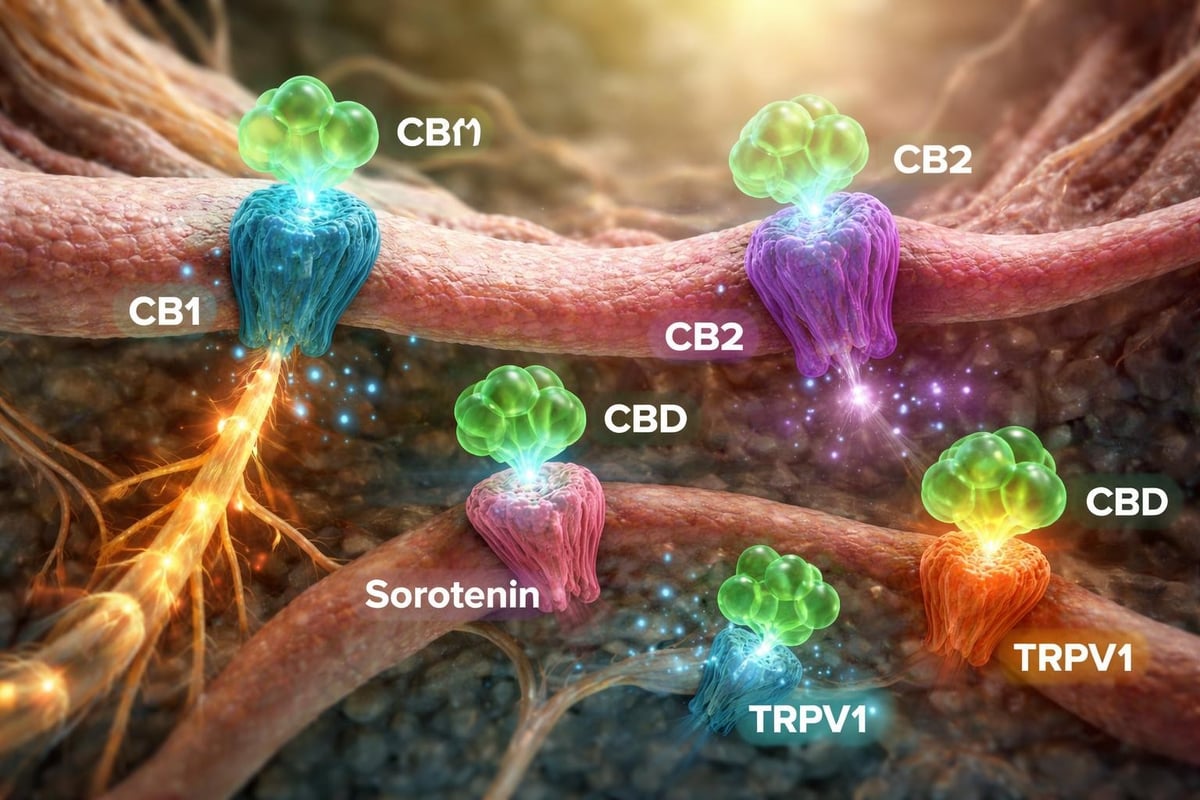
CBD influences multiple biological mechanisms simultaneously:
- CB1 and CB2 receptor modulation affects neurotransmitter release and immune cell activity
- Serotonin receptor activation contributes to mood regulation and pain perception
- TRPV1 receptor interaction influences how the body processes temperature and pain signals
- Inflammatory cytokine reduction addresses the underlying inflammation driving many chronic pain conditions
According to research published by Harvard Health, CBD may help manage pain through these anti-inflammatory and neuroprotective properties, though more rigorous clinical trials are needed to establish definitive efficacy.
Current Research on CBD for Chronic Pain
The scientific community continues to investigate CBD's potential as a pain management tool. While early results show promise, understanding the current state of evidence helps set realistic expectations.
What Studies Reveal
A comprehensive review in Pain Management Nursing examined multiple studies evaluating CBD's effectiveness for chronic pain management. The findings suggest CBD may help reduce pain intensity and improve quality of life for certain conditions, though individual responses vary significantly.
Research specifically examining CBD effectiveness in treating chronic pain indicates that while some patients report benefits, clinical evidence remains mixed. Variables such as dosage, product quality, delivery method, and individual body chemistry all influence outcomes.
| Study Focus | Key Findings | Limitations |
|---|---|---|
| Neuropathic Pain | Moderate reduction in pain scores | Small sample sizes |
| Arthritis | Decreased inflammation markers | Variable dosing protocols |
| Fibromyalgia | Improved sleep and reduced pain intensity | Self-reported outcomes |
| General Chronic Pain | 30-40% of participants reported relief | Lack of standardization |
A systematic review published in Cureus assessed CBD's efficacy, safety, and regulation in chronic pain management. The researchers noted that while CBD shows potential as an alternative to opioids, more standardized clinical trials are essential to establish optimal dosing and treatment protocols.
The Evidence Gap
Despite promising preliminary results, significant research gaps remain. The CDC acknowledges that while cannabis compounds may provide some pain relief, current evidence doesn't support definitive treatment recommendations. This underscores the importance of viewing CBD as one component of a comprehensive pain management approach rather than a standalone solution.
Types of CBD Products for Pain Management
Not all CBD products deliver the same benefits. Understanding the differences between formulations helps you select the most appropriate option for your specific needs.
Full-Spectrum vs. Broad-Spectrum CBD
Full-spectrum CBD contains all naturally occurring cannabinoids, terpenes, and trace amounts of THC (less than 0.3%). The combination of these compounds creates an "entourage effect," where multiple cannabinoids work synergistically to enhance therapeutic benefits. For individuals managing rheumatoid arthritis symptoms, full-spectrum formulations may offer superior anti-inflammatory effects.
Broad-spectrum CBD provides similar benefits without THC, making it ideal for individuals who cannot have any THC in their system due to drug testing or personal preference. Understanding broad-spectrum CBD oil uses can help you determine whether this option suits your circumstances.
Delivery Methods and Their Applications
Different delivery methods serve distinct purposes in pain management:
- Topical applications target localized pain directly at the source
- Sublingual tinctures provide faster absorption through mucous membranes
- Capsules and softgels offer consistent dosing and convenience
- Roll-ons combine CBD with cooling or warming agents for enhanced relief
For joint pain and muscle soreness, CBD roll-on products offer targeted application with mess-free convenience. The topical approach allows CBD to penetrate directly through the skin to affected areas without entering the bloodstream.
Similarly, CBD pain relief patches provide sustained release over several hours, maintaining consistent therapeutic levels at the application site. This delivery method proves particularly effective for chronic conditions requiring continuous relief throughout the day.
Choosing Quality CBD for Chronic Pain
Product quality significantly impacts effectiveness and safety. With minimal FDA regulation in the CBD industry, consumers must exercise due diligence when selecting products.
Essential Quality Indicators
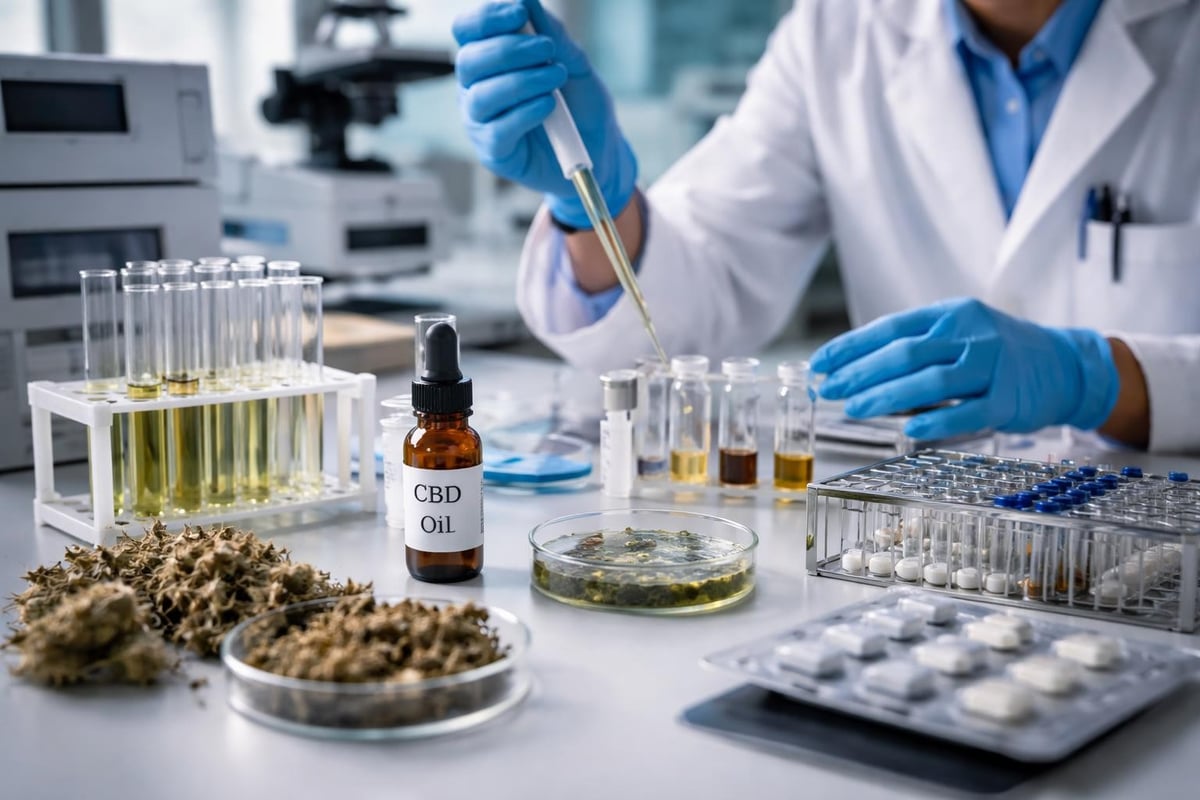
- Third-party lab testing verifies cannabinoid content and screens for contaminants
- Certificate of Analysis (COA) provides transparency about exact product composition
- Extraction method affects purity (CO2 extraction is the gold standard)
- Hemp source determines starting material quality (organically grown US hemp preferred)
- Batch testing ensures consistency across production runs
Premium manufacturers like Reclaim Labs prioritize transparency by making COAs readily accessible and conducting rigorous testing protocols. This commitment to quality assurance helps consumers trust they're receiving products that match label claims.
Red Flags to Avoid
Watch for these warning signs when evaluating CBD products:
- Unrealistic health claims or promises of cures
- Missing or incomplete lab reports
- Unclear cannabinoid concentrations
- No contact information or customer service
- Extremely low prices that seem too good to be true
- No information about hemp source or extraction methods
Dosing CBD for Pain Relief
Determining the right CBD dosage for chronic pain requires a personalized approach. Individual factors like body weight, pain severity, metabolism, and product concentration all influence optimal dosing.
Starting Guidelines
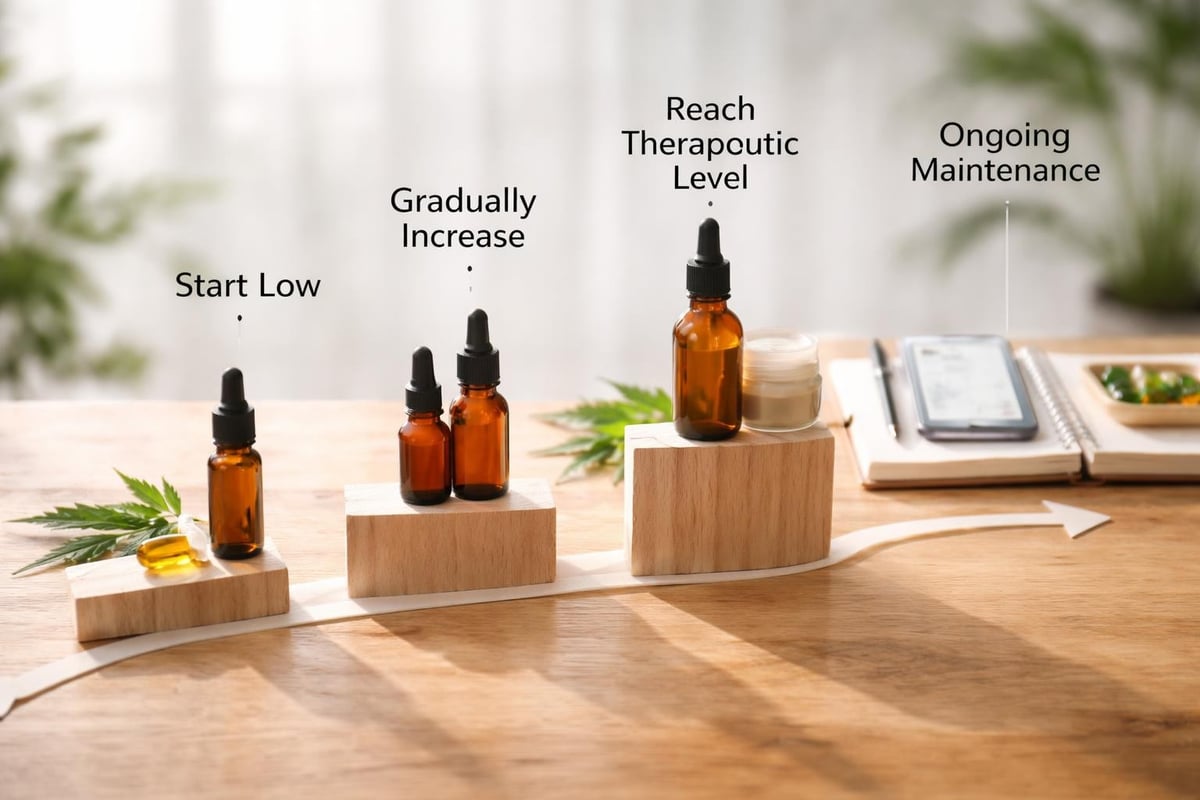
Most healthcare providers familiar with CBD recommend starting with a low dose and gradually increasing until desired effects are achieved. This "start low, go slow" approach minimizes potential side effects while helping identify your therapeutic threshold.
Typical starting ranges:
- Mild pain: 5-15mg daily
- Moderate pain: 15-30mg daily
- Severe pain: 30-60mg daily
- Chronic inflammatory conditions: 40-80mg daily
These ranges serve as general guidelines only. Consulting with a healthcare provider familiar with CBD use ensures your approach aligns with your specific medical situation and any other medications you're taking.
Timing and Consistency
For chronic pain management, consistency matters more than isolated high doses. Regular daily administration maintains therapeutic cannabinoid levels in your system, providing more stable relief than sporadic use.
Many individuals find splitting their daily dose into morning and evening administrations provides optimal coverage throughout the day. Others prefer concentrated evening doses to address nighttime pain and improve sleep quality.
CBD for Specific Chronic Pain Conditions
Different chronic pain conditions respond to CBD through varying mechanisms. Understanding these nuances helps optimize your approach.
Rheumatoid Arthritis and Inflammatory Joint Pain
Rheumatoid arthritis involves chronic inflammation that damages joint tissues. CBD's anti-inflammatory properties may help reduce swelling and associated pain. A systematic review in Best Practice & Research Clinical Anaesthesiology examined cannabidiol's role in managing inflammatory conditions, noting potential benefits for autoimmune-related pain.
For individuals managing arthritis symptoms, combining systemic CBD (tinctures or capsules) with topical applications to affected joints often yields the best results. The systemic approach addresses overall inflammation while topical products provide direct relief to painful joints.
Fibromyalgia
Fibromyalgia presents unique challenges with widespread pain, fatigue, and sleep disturbances. CBD oil for fibromyalgia may help by modulating pain perception and improving sleep quality. Many fibromyalgia patients report that CBD helps manage the condition's multiple symptoms simultaneously.
Neuropathic Pain
Nerve damage from conditions like diabetes or chemotherapy creates burning, shooting sensations that traditional pain medications often fail to address adequately. CBD's interaction with TRPV1 receptors may help reduce neuropathic pain signals, though research in this area continues to evolve.
Integrating CBD Into Your Pain Management Plan
CBD for chronic pain works best as part of a comprehensive approach rather than a standalone intervention. Successful pain management typically involves multiple strategies working together.
Complementary Approaches
Consider combining CBD with:
- Physical therapy to improve mobility and strengthen supporting muscles
- Stress management techniques like meditation or yoga
- Anti-inflammatory diet emphasizing whole foods and omega-3 fatty acids
- Regular low-impact exercise adapted to your capabilities
- Sleep hygiene practices to improve restorative rest
For individuals transitioning away from conventional medications like corticosteroids, understanding prednisone side effects and how to taper off prednisone safely is essential. Always work with your healthcare provider when adjusting prescription medications.
Tracking Your Response
Maintaining a pain journal helps identify patterns and optimize your CBD regimen. Record:
- Time and dose of CBD administration
- Pain levels before and after (use 0-10 scale)
- Activities and their impact on pain
- Sleep quality and duration
- Any side effects or unusual reactions
- Other medications or supplements taken
This documentation provides valuable information for both you and your healthcare provider, enabling data-driven adjustments to your approach.
Safety Considerations and Potential Interactions
While CBD generally demonstrates a favorable safety profile, awareness of potential side effects and drug interactions ensures responsible use.
Common Side Effects
Most individuals tolerate CBD well, but some may experience:
- Mild digestive changes
- Temporary fatigue or drowsiness
- Dry mouth
- Changes in appetite
- Lightheadedness at higher doses
These effects typically resolve as your body adjusts to CBD or with dosage modifications. Starting with lower doses and increasing gradually minimizes the likelihood of adverse reactions.
Medication Interactions
CBD can interact with certain medications by affecting how the liver metabolizes drugs. According to information compiled by Wikipedia on cannabidiol, CBD inhibits certain cytochrome P450 enzymes responsible for drug metabolism.
Medications requiring particular caution include:
| Medication Class | Potential Interaction | Recommendation |
|---|---|---|
| Blood thinners | Increased bleeding risk | Monitor INR levels closely |
| Antidepressants | Enhanced sedative effects | Adjust dosing under supervision |
| Anti-seizure medications | Altered drug levels | Regular blood level monitoring |
| Immunosuppressants | Modified immune response | Coordinate with prescriber |
Always consult your healthcare provider before adding CBD to your regimen, especially if you take prescription medications.
The Future of CBD Pain Research
Scientific interest in CBD for chronic pain continues growing, with numerous clinical trials currently underway. Future research will likely provide clearer guidance on optimal dosing, specific condition applications, and long-term safety profiles.
Emerging areas of investigation include:
- Combination therapies pairing CBD with other natural compounds
- Personalized dosing based on genetic factors
- Enhanced delivery systems for improved bioavailability
- Long-term efficacy studies spanning multiple years
- Comparative effectiveness research against conventional treatments
The Journal of the American Pharmacists Association review emphasizes the need for more rigorous clinical studies to establish evidence-based treatment protocols. As this research progresses, recommendations for CBD use in chronic pain management will become increasingly refined.
Making Informed Decisions About CBD
Choosing to incorporate CBD for chronic pain requires weighing current evidence, personal circumstances, and individual response. While research continues evolving, many individuals report meaningful improvements in pain levels and quality of life.
Success with CBD depends on several factors:
- Product quality: Premium, tested products deliver consistent results
- Appropriate dosing: Finding your therapeutic threshold requires patience
- Realistic expectations: CBD may help manage pain but isn't a cure
- Professional guidance: Healthcare provider involvement ensures safe integration
- Consistent use: Regular administration provides better results than sporadic use
Understanding how CBD works at a fundamental level empowers you to make educated decisions aligned with your health goals.
Frequently Asked Questions About CBD for Chronic Pain
How long does CBD take to work for chronic pain?
CBD's onset varies by delivery method. Sublingual tinctures typically work within 15-30 minutes, while capsules may take 45-90 minutes. Topical applications like CBD roll-ons provide localized relief within 20-40 minutes. For chronic pain management, consistent daily use over 2-4 weeks often yields optimal results as cannabinoids accumulate in your system.
Can CBD replace my prescription pain medications?
CBD should not replace prescription medications without healthcare provider supervision. While some individuals successfully reduce conventional medication use with CBD supplementation, this transition requires professional guidance. For those taking medications like prednisone, understanding safe tapering protocols is essential before making changes.
What's the difference between CBD oil and hemp oil?
This confusion is common. CBD oil contains concentrated cannabidiol extracted from hemp flowers and leaves, while hemp seed oil comes from pressed seeds with minimal cannabinoids. Understanding the distinction between hemp oil vs CBD oil helps ensure you're purchasing the right product for pain management.
Is CBD for chronic pain safe for daily use?
Current research suggests CBD demonstrates a favorable safety profile for daily use in most individuals. However, long-term studies remain limited. Consulting your healthcare provider before starting daily CBD use ensures it's appropriate for your specific health situation, particularly if you have liver conditions or take multiple medications.
How much CBD should I take for arthritis pain?
Arthritis dosing varies based on pain severity and individual response. Starting with 15-25mg daily and adjusting based on results is common. Many people managing rheumatoid arthritis find that combining oral CBD (20-40mg) with topical applications to affected joints provides comprehensive relief. Always start low and increase gradually.
Will CBD show up on a drug test?
Full-spectrum CBD products contain trace THC amounts (less than 0.3%) that could potentially accumulate with heavy use and trigger positive drug tests. Broad-spectrum CBD or CBD isolate products contain no THC and pose minimal drug testing risk. If employment drug testing is a concern, choose THC-free formulations.
Can I use CBD alongside physical therapy?
Yes, many individuals successfully combine CBD with physical therapy. The anti-inflammatory properties may help reduce pain during therapeutic exercises, potentially improving session tolerance and outcomes. Inform your physical therapist about CBD use so they can monitor your response and adjust treatment protocols accordingly.
What's better for localized pain: CBD oil or topical applications?
For localized pain like joint inflammation or muscle soreness, topical applications deliver CBD directly to affected areas without systemic absorption. CBD pain relief patches provide sustained release, while roll-ons offer immediate application convenience. Systemic CBD oil addresses whole-body inflammation but may take longer for localized relief.
Does CBD work for fibromyalgia pain?
Research suggests CBD may help manage fibromyalgia through multiple mechanisms: pain modulation, inflammation reduction, and sleep improvement. Individual responses vary significantly, with some patients reporting substantial relief while others notice minimal benefits. CBD for fibromyalgia works best when combined with other management strategies.
How do I know if my CBD product is high quality?
Quality indicators include third-party lab testing, published Certificates of Analysis, clear cannabinoid concentration labeling, organic US-grown hemp source, and CO2 extraction methods. Reputable companies provide transparent testing information and responsive customer service. Avoid products making medical claims or lacking verifiable testing documentation.
Can CBD help with pain-related sleep problems?
Many chronic pain sufferers experience sleep disturbances. CBD may help improve sleep quality through pain reduction and anxiety modulation. Some individuals find evening CBD doses particularly beneficial for better sleep and nighttime pain management. Consistent timing helps regulate sleep-wake cycles.
Are there any conditions where CBD should be avoided?
Individuals with liver disease, pregnant or nursing women, and those taking certain medications should exercise caution. People with low blood pressure should monitor carefully, as CBD may cause further reduction. Always discuss CBD use with your healthcare provider before starting, particularly if you have complex medical conditions.
These statements have not been evaluated by the FDA. This product is not intended to diagnose, treat, cure, or prevent any disease. Consult your healthcare provider before using CBD.
Managing chronic pain requires a multifaceted approach combining evidence-based interventions, lifestyle modifications, and potentially natural supplements like CBD. While research continues evolving, many individuals find CBD offers meaningful support in their pain management journey when chosen carefully and used consistently. Reclaim Labs provides premium, third-party tested CBD products specifically formulated for chronic pain and inflammation management, offering full-spectrum and broad-spectrum options to meet diverse needs. Explore their range of thoroughly tested hemp solutions designed to support your path toward improved comfort and quality of life.