Eczema affects millions of Americans, causing persistent inflammation, intense itching, and compromised skin barrier function. Traditional treatments often include corticosteroids and immunosuppressants, which may carry unwanted side effects with long-term use. As individuals seek natural alternatives, cbd for eczema inflammation has emerged as a promising option. Cannabidiol (CBD) offers anti-inflammatory properties that may help manage symptoms while supporting overall skin health. Understanding how CBD interacts with the body's systems provides valuable insight into its potential role in eczema management.
Understanding Eczema and Inflammatory Skin Conditions
Eczema, or atopic dermatitis, represents a chronic inflammatory condition characterized by disrupted skin barrier function and immune system dysregulation. The condition affects approximately 31 million Americans, with symptoms ranging from mild dryness to severe, debilitating flare-ups.
Key characteristics of eczema include:
- Persistent inflammation and redness
- Intense itching that worsens at night
- Dry, scaly patches on skin
- Thickened, cracked skin from chronic scratching
- Increased susceptibility to skin infections
The inflammatory response in eczema involves complex immune pathways. When triggered by allergens, irritants, or stress, the immune system releases inflammatory mediators that perpetuate the cycle of inflammation and barrier dysfunction. This creates a feedback loop where damaged skin becomes more vulnerable to irritants, leading to further inflammation.
The Role of Inflammation in Eczema
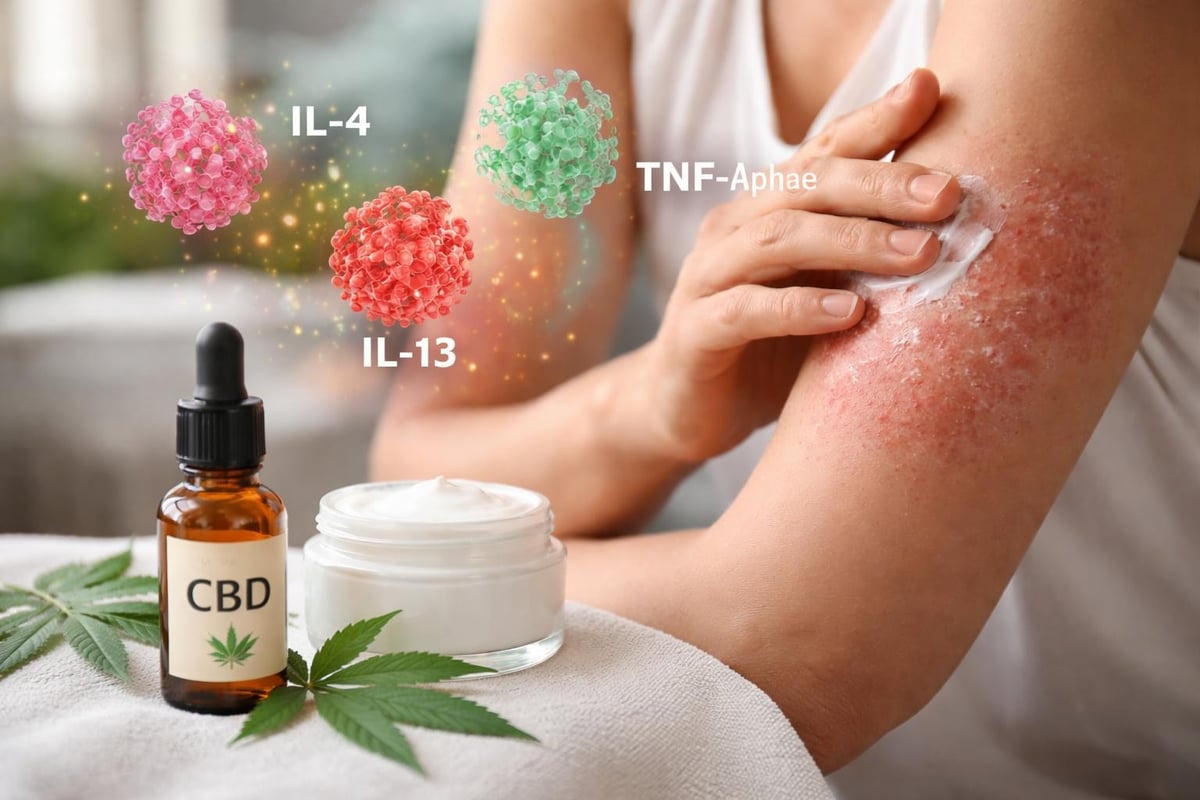
Inflammation serves as the primary driver of eczema symptoms. The condition involves both innate and adaptive immune responses, with elevated levels of cytokines such as interleukin-4 (IL-4), interleukin-13 (IL-13), and tumor necrosis factor-alpha (TNF-α). These inflammatory markers contribute to the characteristic symptoms that diminish quality of life for those affected.
Research from Medical News Today on hemp oil's anti-inflammatory properties demonstrates how cannabinoid-based treatments may address these underlying inflammatory processes. The anti-inflammatory potential of cannabinoids has prompted significant interest in their dermatological applications.
How CBD Works for Skin Inflammation
CBD interacts with the endocannabinoid system (ECS), a complex cell-signaling network present throughout the body, including the skin. The ECS plays crucial roles in regulating inflammation, immune response, and skin barrier function. Understanding this interaction reveals why cbd for eczema inflammation shows therapeutic promise.
The skin contains CB1 and CB2 cannabinoid receptors, along with other receptor sites that respond to cannabinoids. CBD influences these receptors indirectly, modulating their activity rather than binding directly like THC. This interaction helps regulate several processes relevant to eczema management.
Mechanisms of Action in Skin Health
| Mechanism | Effect on Eczema | Benefit |
|---|---|---|
| Anti-inflammatory activity | Reduces cytokine production | Decreases redness and swelling |
| Immune modulation | Balances immune response | Prevents excessive inflammation |
| Barrier support | Enhances lipid production | Improves skin hydration |
| Antipruritic effects | Reduces itching signals | Minimizes scratch damage |
CBD's ability to modulate immune function makes it particularly relevant for inflammatory conditions. According to Biology Insights' examination of CBD for eczema, cannabidiol influences various immune pathways that contribute to chronic inflammation. This multi-targeted approach differs from conventional treatments that often focus on single pathways.
The compound also demonstrates antioxidant properties, protecting skin cells from oxidative stress that can exacerbate inflammation. This comprehensive action profile supports both symptom management and underlying skin health.
Clinical Evidence and Research Findings
Scientific investigation into cbd for eczema inflammation continues to expand, with promising results emerging from laboratory and clinical studies. While research remains in relatively early stages, existing evidence supports CBD's potential therapeutic role.
A study examining CBD's effects on skin inflammation found significant reductions in inflammatory markers and improvements in skin barrier function. Participants experienced decreased itching intensity and reduced frequency of flare-ups over the treatment period.
Research highlights include:
- Reduced transepidermal water loss in treated areas
- Decreased levels of inflammatory cytokines
- Improved skin hydration and elasticity
- Reduced bacterial colonization on skin surface
- Enhanced patient-reported quality of life scores
The research compiled by JointCommerce on CBD and skin inflammation trials demonstrates growing clinical interest in cannabinoid-based dermatological treatments. Multiple studies have documented CBD's anti-inflammatory effects in various skin conditions beyond eczema, including psoriasis and contact dermatitis.
Comparative Treatment Outcomes
Research comparing CBD applications to traditional eczema treatments shows encouraging results. While corticosteroids provide rapid symptom relief, they carry risks with prolonged use, including skin thinning and rebound inflammation. CBD offers a gentler alternative for long-term management without these concerns.
One notable advantage involves CBD's safety profile. Studies have documented minimal adverse effects, with most being mild and transient. This contrasts with immunosuppressants and systemic medications that may cause significant side effects, particularly relevant for individuals managing multiple inflammatory conditions like those discussed in Reclaim Labs' arthritis management strategies.

Application Methods and Product Selection
Selecting appropriate CBD products for eczema requires understanding different formulations and application methods. The delivery method significantly influences effectiveness for skin conditions, with topical applications generally preferred for localized inflammation.
Topical CBD Products
Topical CBD formulations deliver cannabinoids directly to affected skin areas. These products typically combine CBD with carrier oils, emollients, and sometimes additional therapeutic ingredients. Benefits include targeted action without systemic effects and compatibility with existing skincare routines.
Common topical formulations include:
- Creams and lotions for broad coverage
- Salves and balms for concentrated application
- Roll-on applicators for convenient spot treatment
- Infused oils for massage and absorption
The Reclaim Labs CBD hemp infused relief roll-on demonstrates how convenient application methods support consistent use. For eczema management, consistency proves crucial for maintaining improved skin barrier function and reduced inflammation.
Full-Spectrum vs. Broad-Spectrum Options
Product spectrum affects therapeutic potential. Full-spectrum products contain all hemp plant compounds, including trace THC (below 0.3%), while broad-spectrum options remove THC entirely. Both retain beneficial cannabinoids and terpenes that may enhance CBD's effectiveness through the entourage effect.
| Product Type | THC Content | Additional Compounds | Best For |
|---|---|---|---|
| Full-spectrum | Trace amounts (<0.3%) | All cannabinoids, terpenes | Maximum entourage effect |
| Broad-spectrum | None | Most cannabinoids, terpenes | THC sensitivity concerns |
| CBD isolate | None | Only CBD | Specific CBD targeting |
For individuals managing eczema alongside other inflammatory conditions, products like the Reclaim Labs 2800mg broad-spectrum CBD hemp oil offer versatile options. Third-party testing ensures product purity and cannabinoid content accuracy, critical factors for therapeutic effectiveness.
Integrating CBD into Eczema Management
Successfully incorporating cbd for eczema inflammation into a comprehensive treatment plan requires strategic planning and realistic expectations. CBD works best as part of a holistic approach that addresses multiple aspects of eczema management.
Starting Your CBD Regimen
Begin with lower concentrations to assess individual response. Skin sensitivity varies significantly among eczema sufferers, making gradual introduction advisable. Apply a small amount to a test area before widespread use, monitoring for any adverse reactions over 24-48 hours.
Implementation steps:
- Consult healthcare providers about CBD integration
- Choose high-quality, third-party tested products
- Start with lower concentrations (300-500mg)
- Apply to clean, slightly damp skin
- Monitor symptoms and adjust accordingly
- Maintain consistent application schedule
Timing applications around existing skincare routines optimizes absorption. Applying CBD after bathing, when skin pores remain open, enhances penetration. Layer products appropriately, using lighter formulations before heavier creams.
Complementary Approaches
CBD functions most effectively when combined with established eczema management strategies. Maintaining skin hydration through regular moisturization, avoiding known triggers, and managing stress all complement CBD's anti-inflammatory effects.
Consider integrating practices from holistic wellness traditions that support inflammation management. While CBD addresses localized skin inflammation, Born to Shine's Ayurveda approach offers complementary strategies for systemic inflammation through dietary modifications and stress reduction techniques. This comprehensive perspective acknowledges that skin health reflects overall bodily balance.
The BestCBDOils resource on CBD oil for eczema provides detailed guidance on combining CBD with traditional eczema treatments. Many individuals successfully use CBD alongside prescribed medications, though timing and application site separation may be necessary.
Dosing Considerations and Optimization
Determining optimal CBD dosing for eczema presents challenges due to individual variability in response. Factors including skin condition severity, body chemistry, and product concentration all influence effective dosing.
Concentration and Frequency Guidelines
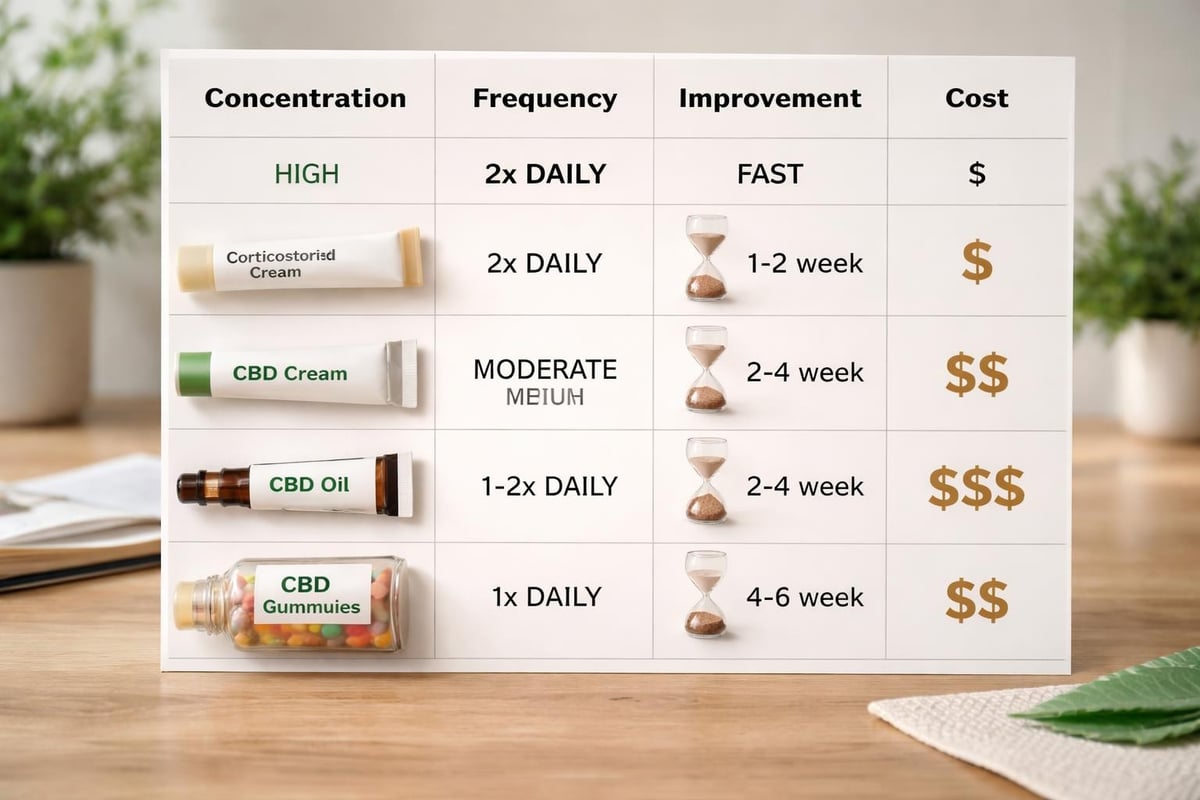
For topical applications, product concentration typically ranges from 300mg to 2000mg per container. Higher concentrations deliver more CBD per application but don't necessarily produce proportionally better results. Individual response varies significantly.
General dosing framework:
- Mild eczema: 300-600mg concentration, twice daily
- Moderate eczema: 600-1200mg concentration, 2-3 times daily
- Severe eczema: 1200-2000mg concentration, 3-4 times daily
- Maintenance: Adjust based on symptom control
Application frequency matters as much as concentration. Consistent twice-daily application often produces better results than sporadic high-dose use. The Cibdol examination of CBD for eczema treatment emphasizes consistency's importance in achieving sustained symptom improvement.
Monitoring and Adjusting Treatment
Track symptom changes systematically to evaluate CBD effectiveness. Document itch intensity, flare-up frequency, affected area size, and sleep quality. This data guides dosing adjustments and helps identify optimal protocols for individual needs.
Some individuals experience improvement within days, while others require several weeks of consistent use. Patience proves essential, as skin barrier restoration occurs gradually. If no improvement appears after 4-6 weeks, consider adjusting concentration, frequency, or product type.
Safety Profile and Potential Interactions
CBD demonstrates a favorable safety profile for topical use, with minimal reported adverse effects. Understanding potential concerns enables informed decision-making and safe integration into eczema management protocols.
Known Side Effects
Most CBD users experience no adverse effects. When side effects occur, they typically remain mild and resolve quickly. Common reactions include temporary redness at application sites, mild dryness, or increased sensitivity in rare cases.
| Side Effect | Frequency | Management Strategy |
|---|---|---|
| Mild irritation | Uncommon | Reduce concentration or frequency |
| Temporary dryness | Rare | Apply additional moisturizer |
| Allergic reaction | Very rare | Discontinue and consult provider |
| Skin sensitivity | Rare | Switch to isolate-based product |
Serious adverse reactions to topical CBD remain exceptionally rare. The compound's non-intoxicating nature eliminates concerns about psychoactive effects. According to Nesa's Hemp insights on CBD for eczema, most users tolerate CBD topicals well, even with sensitive skin conditions.
Medication Interactions
While topical CBD presents minimal interaction risks, individuals using prescription eczema medications should exercise appropriate caution. CBD may influence how the body metabolizes certain medications, though this primarily concerns oral CBD rather than topical applications.
Consult healthcare providers before combining CBD with immunosuppressants, systemic corticosteroids, or other prescribed treatments. This precaution ensures safe, effective integration and prevents potential complications. Those managing multiple inflammatory conditions, as discussed in Reclaim Labs' resources on beating rheumatoid arthritis pain, should particularly prioritize medical consultation.
Quality Standards and Product Selection
Product quality directly impacts both safety and effectiveness when using cbd for eczema inflammation. The unregulated nature of the CBD market necessitates careful evaluation and informed selection practices.
Third-Party Testing Requirements
Reputable manufacturers provide third-party laboratory testing results, verifying cannabinoid content and confirming absence of contaminants. These certificates of analysis (COAs) should test for potency, pesticides, heavy metals, residual solvents, and microbial contamination.
Essential testing parameters:
- Cannabinoid profile and concentration accuracy
- THC content verification (below legal limits)
- Pesticide and herbicide screening
- Heavy metal detection
- Microbial contamination analysis
- Residual solvent testing
Reclaim Labs exemplifies this commitment to transparency through comprehensive third-party testing, as demonstrated in their certificate of analysis documentation. This verification provides confidence in product safety and cannabinoid content accuracy.
Ingredient Transparency
Beyond CBD content, evaluate additional ingredients for skin compatibility. Eczema-prone skin often reacts to fragrances, certain preservatives, and synthetic additives. Choose products formulated specifically for sensitive skin when possible.
Beneficial complementary ingredients include ceramides for barrier support, hyaluronic acid for hydration, and calendula for additional anti-inflammatory effects. Avoid products containing alcohol, synthetic fragrances, or known allergens that may exacerbate symptoms.
The Botanika Life explanation of CBD for skin inflammation highlights how ingredient synergy enhances therapeutic outcomes. Quality formulations combine CBD with evidence-based skincare ingredients that address multiple aspects of eczema pathology.
Beyond Topical Applications: Systemic Support
While topical CBD directly addresses localized inflammation, some individuals explore oral CBD for systemic anti-inflammatory support. This approach may benefit those with widespread eczema or concurrent inflammatory conditions.
Oral CBD for Comprehensive Management
Oral CBD products include tinctures, capsules, and edibles that deliver cannabinoids systemically. This administration method influences inflammation throughout the body, potentially supporting skin health from within while addressing other inflammatory concerns.
Dosing for oral CBD differs significantly from topical applications. Starting doses typically range from 10-20mg daily, with gradual increases based on response. Individual factors including body weight, metabolism, and inflammation severity influence optimal dosing.
Those managing chronic inflammatory conditions appreciate oral CBD's broader effects. The benefits of CBD oil for fibromyalgia demonstrate how systemic cannabinoid support addresses multiple inflammatory pathways simultaneously, potentially benefiting both internal and external manifestations.
Combining Topical and Oral Approaches
Some individuals achieve optimal results by combining topical and oral CBD applications. This dual approach addresses inflammation through multiple routes, potentially enhancing overall effectiveness for cbd for eczema inflammation management.
When combining approaches, maintain clear records of products, doses, and timing. This documentation helps identify which elements contribute most to symptom improvement and prevents excessive cannabinoid intake. Start with one method before adding the second to accurately assess individual contributions.
Lifestyle Factors That Enhance CBD Effectiveness
CBD's therapeutic potential for eczema increases when supported by comprehensive lifestyle modifications. Environmental factors, dietary choices, and stress management all influence eczema severity and treatment outcomes.
Environmental Modifications
Create skin-friendly environments by controlling humidity, temperature, and exposure to irritants. Maintain indoor humidity between 40-50% to prevent excessive dryness. Use fragrance-free laundry detergents and avoid harsh cleaning products that may trigger flare-ups.
Environmental optimization strategies:
- Install humidifiers during dry seasons
- Choose breathable, natural fiber clothing
- Maintain moderate indoor temperatures
- Filter indoor air to reduce allergens
- Minimize exposure to known triggers
Dietary Considerations
Emerging research suggests dietary choices influence inflammatory skin conditions. Anti-inflammatory diets rich in omega-3 fatty acids, antioxidants, and phytonutrients may complement CBD's effects. Some individuals notice improvements when eliminating common trigger foods like dairy, gluten, or processed sugars.
Interestingly, pet owners managing their own inflammation sometimes notice parallels with their companions' needs. North Hound Life's whole-food supplements for dogs reflect similar principles of natural, anti-inflammatory nutrition applicable across species, emphasizing how fundamental nutrition remains to inflammation management.
Stress Management Integration
Psychological stress consistently triggers or worsens eczema flare-ups. Incorporating stress-reduction practices amplifies CBD's anti-inflammatory effects. Meditation, yoga, adequate sleep, and regular physical activity all support both mental wellness and skin health.
The connection between stress and inflammation extends beyond eczema to numerous chronic conditions. Resources like Reclaim Labs' guidance on managing chronic pain while maintaining quality of life emphasize holistic approaches that address physical and emotional aspects of inflammatory conditions.
Future Directions in CBD Dermatology Research
Scientific investigation into cbd for eczema inflammation continues expanding, with numerous clinical trials currently underway. These studies aim to establish standardized treatment protocols, optimal dosing guidelines, and long-term safety profiles.
Emerging Research Areas
Researchers are investigating CBD's potential for preventing eczema development in high-risk populations, particularly children with family histories of atopic conditions. Early intervention studies examine whether regular CBD application strengthens skin barrier function before symptomatic eczema develops.
Additional research focuses on combination therapies pairing CBD with other natural compounds. Studies exploring CBD synergy with botanical extracts, vitamins, and barrier-supporting lipids may yield enhanced formulations specifically designed for inflammatory skin conditions.
Regulatory Evolution
As evidence accumulates, regulatory frameworks surrounding CBD continue evolving. Clearer guidelines for dermatological CBD products would establish quality standards, labeling requirements, and therapeutic claims. This regulatory clarity would benefit consumers seeking reliable, effective treatments.
The expanding body of clinical evidence supports CBD's role in comprehensive eczema management. While not a standalone cure, cbd for eczema inflammation offers valuable therapeutic potential as part of integrated treatment approaches addressing both symptoms and underlying inflammatory processes.
Managing eczema inflammation requires comprehensive strategies that address multiple aspects of this complex condition. CBD offers promising anti-inflammatory benefits supported by growing clinical evidence and favorable safety profiles. When you're ready to explore premium CBD solutions backed by rigorous third-party testing and transparent quality standards, Reclaim Labs provides thoroughly tested broad-spectrum and full-spectrum options designed specifically for inflammation management. Their commitment to quality and efficacy ensures you receive reliable, effective products that support your journey toward healthier, more comfortable skin.