Exercise creates controlled damage to muscle tissue, triggering an inflammatory response that leads to soreness, reduced performance, and extended recovery periods. While inflammation serves as a natural repair mechanism, excessive inflammatory responses can hinder athletic progress and cause prolonged discomfort. Athletes and fitness enthusiasts increasingly explore natural solutions to manage post-workout inflammation, with CBD emerging as a promising option backed by growing scientific research. Understanding how cbd for exercise-induced inflammation works requires examining both the body's inflammatory processes and cannabidiol's unique interaction with human physiology.
Understanding Exercise-Induced Inflammation
Physical activity, particularly intense or unfamiliar movements, generates microscopic tears in muscle fibers. This mechanical stress activates the immune system, releasing pro-inflammatory cytokines and other markers to initiate tissue repair. The inflammatory cascade includes increased blood flow, immune cell migration, and protein synthesis-all essential components of muscle adaptation and growth.
The Dual Nature of Post-Exercise Inflammation
Acute inflammation following exercise serves beneficial purposes. It signals the body to repair damaged tissue, remove cellular debris, and strengthen muscles for future activity. However, chronic or excessive inflammation creates problems:
- Prolonged muscle soreness lasting several days
- Decreased strength and power output during subsequent workouts
- Extended recovery periods between training sessions
- Increased injury susceptibility when training through inflammation
- Reduced training consistency due to persistent discomfort
The timing and magnitude of inflammatory responses vary based on exercise intensity, duration, and individual factors such as training experience and genetic predisposition. Recent research examining inflammation following eccentric exercise provides valuable insights into measuring and managing these responses effectively.

How CBD Influences Inflammatory Pathways
Cannabidiol interacts with the endocannabinoid system (ECS), a complex regulatory network involved in pain perception, immune function, and homeostasis maintenance. Understanding how CBD works within this system reveals its potential for managing exercise-related inflammation.
The ECS contains two primary receptor types: CB1 receptors concentrated in the central nervous system and CB2 receptors abundant in immune tissue. While CBD exhibits low affinity for these receptors directly, it modulates the system through indirect mechanisms:
Multiple Anti-Inflammatory Mechanisms
| Mechanism | Effect on Inflammation | Relevance to Exercise Recovery |
|---|---|---|
| Cytokine modulation | Reduces pro-inflammatory signals | Decreases muscle soreness intensity |
| TRPV1 activation | Desensitizes pain receptors | Improves comfort during recovery |
| Adenosine reuptake inhibition | Increases anti-inflammatory signaling | Accelerates tissue repair processes |
| PPARγ activation | Regulates immune responses | Supports balanced inflammatory reactions |
CBD's multi-targeted approach differs fundamentally from conventional anti-inflammatory medications that typically block single pathways. This broader mechanism may explain why many athletes report comprehensive recovery benefits beyond simple pain reduction.
Research investigating CBD's effects on post-exercise inflammatory responses demonstrates measurable changes in inflammatory markers, though individual responses vary considerably based on dosing and timing protocols.
Practical Application for Athletes
Implementing cbd for exercise-induced inflammation requires strategic planning around training schedules, product selection, and dosing protocols. Athletes must balance inflammation management with maintaining the beneficial aspects of exercise-induced adaptation.
Timing Considerations
Pre-Exercise Dosing
Taking CBD before workouts may help modulate the initial inflammatory response. Some athletes report:
- Reduced perception of exercise difficulty
- Better focus during training sessions
- Less immediate post-workout discomfort
Post-Exercise Implementation
Most practitioners recommend CBD administration within 30-60 minutes following intense exercise to target the acute inflammatory phase. This timing aligns with peak inflammatory marker elevation and may optimize CBD's modulatory effects.
Nighttime Recovery Protocol
Evening CBD doses support sleep quality, which plays crucial roles in muscle recovery and inflammation resolution. The compound's potential anxiolytic effects may complement its direct anti-inflammatory properties during critical overnight repair processes.
Product Selection for Exercise Recovery
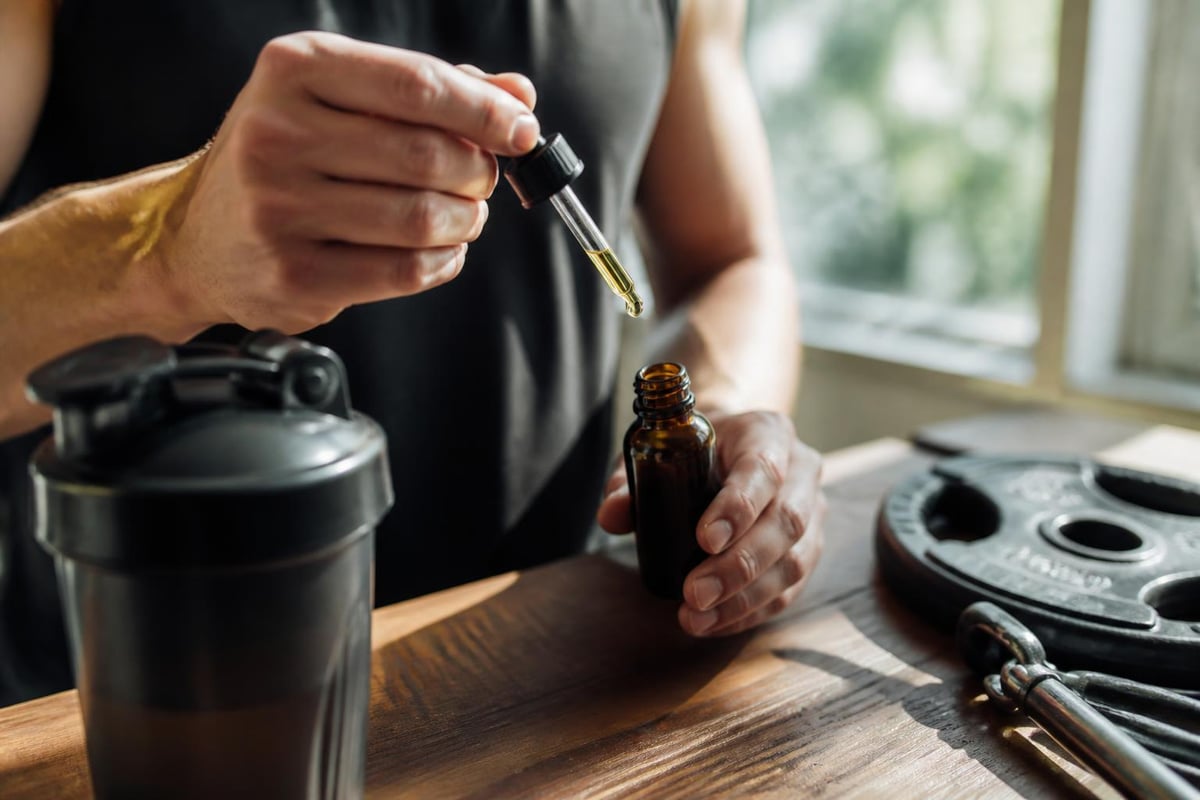
Different CBD formats offer distinct advantages for managing exercise-induced inflammation:
- CBD Oil Tinctures: Sublingual absorption provides faster onset (15-30 minutes) with systemic effects lasting 4-6 hours
- Topical Applications: Direct application to affected muscle groups delivers localized relief without systemic exposure
- CBD Capsules: Standardized dosing with longer duration (6-8 hours) but delayed onset due to digestive processing
- Combined Approaches: Many athletes use both systemic and topical products for comprehensive coverage
Clinical trials examining topical CBD for muscle damage explore formulation effectiveness and optimal application methods, providing evidence-based guidance for product selection.
Dosing Strategies and Individual Variation
No universal CBD dose exists for exercise-induced inflammation management. Individual responses depend on body weight, metabolism, exercise intensity, and baseline inflammation levels. Understanding proper CBD oil dosage principles helps establish effective protocols.
Evidence-Based Starting Points
Research studies typically employ doses ranging from 25mg to 300mg daily, with most athletic applications falling within moderate ranges:
- Light exercise recovery: 15-25mg daily
- Moderate training programs: 25-50mg daily
- Intense athletic training: 50-100mg daily
- Competition recovery: Up to 150mg for acute periods
Athletes should start at lower doses and gradually increase while monitoring recovery metrics such as:
- Subjective soreness ratings
- Range of motion assessments
- Performance consistency across sessions
- Sleep quality improvements
- Overall well-being indicators
| Week | Starting Dose | Adjustment Strategy | Evaluation Metrics |
|---|---|---|---|
| 1-2 | 20-25mg daily | Maintain baseline | Track soreness, sleep, performance |
| 3-4 | Increase 10-15mg | Monitor changes | Compare to baseline weeks |
| 5-6 | Optimize dose | Fine-tune based on response | Establish maintenance protocol |
Full-Spectrum vs. Broad-Spectrum Considerations
Product formulation significantly impacts effectiveness for inflammation management. Athletes must understand compositional differences when selecting CBD products.
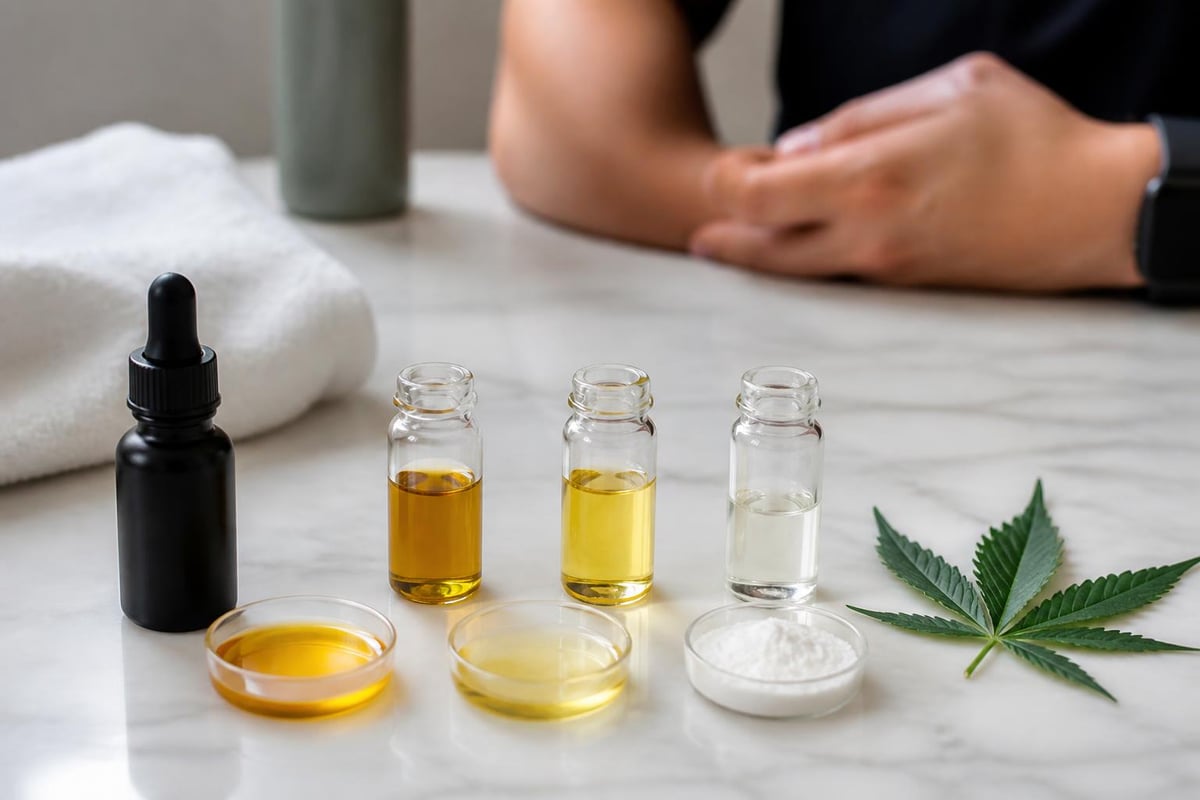
Full-Spectrum CBD contains all hemp plant compounds including trace THC (under 0.3%), terpenes, and minor cannabinoids. The "entourage effect" suggests these compounds work synergistically to enhance anti-inflammatory properties. However, athletes subject to drug testing should exercise caution despite legal THC limits.
Broad-Spectrum CBD removes THC while preserving other beneficial compounds. This option provides entourage benefits without THC-related concerns. For more details on these distinctions, explore broad-spectrum CBD oil uses.
Third-party testing verification ensures products contain advertised cannabinoid profiles and remain free from contaminants that could compromise health or drug test results.
Integration with Comprehensive Recovery Protocols
CBD for exercise-induced inflammation works most effectively within holistic recovery frameworks. Relying solely on supplementation without addressing fundamental recovery principles limits potential benefits.
Essential Recovery Components
Nutrition Optimization
Anti-inflammatory dietary patterns amplify CBD's effects:
- Omega-3 fatty acids from fish, flax, and walnuts
- Antioxidant-rich fruits and vegetables
- Adequate protein for tissue repair (1.6-2.2g per kg bodyweight)
- Proper hydration maintaining electrolyte balance
Sleep Enhancement
Quality sleep drives recovery through growth hormone release and inflammatory marker reduction. CBD may support sleep through:
- Anxiety reduction facilitating sleep onset
- Pain relief preventing sleep disruptions
- Potential circadian rhythm regulation
For athletes struggling with sleep quality, reviewing best CBD for sleep strategies provides additional guidance.
Active Recovery Techniques
Light movement promotes circulation without generating additional inflammatory stress. Activities include:
- Low-intensity cycling or swimming
- Dynamic stretching and mobility work
- Foam rolling and self-myofascial release
- Yoga or tai chi practices
Monitoring and Adjusting Protocols
Successful cbd for exercise-induced inflammation implementation requires ongoing assessment. Athletes should maintain recovery logs documenting:
- Training variables (intensity, duration, type)
- CBD dosing (amount, timing, product type)
- Subjective recovery scores (1-10 scale)
- Objective performance markers (strength, endurance, power)
- Sleep quality and duration
- Overall well-being indicators
Pattern recognition over 4-6 weeks reveals optimal protocols for individual needs and training demands.
Environmental and Training Context Factors
Exercise-induced inflammation varies substantially based on environmental conditions and training characteristics. Research examining CBD effects during heat stress demonstrates how temperature influences both inflammatory responses and CBD's modulatory capacity.
Heat and Humidity Considerations
Exercise in elevated temperatures amplifies inflammatory responses through:
- Increased core body temperature
- Greater cardiovascular stress
- Enhanced oxidative damage
- Elevated dehydration risk
Athletes training in hot conditions may benefit from adjusted CBD protocols, potentially requiring higher doses or modified timing to address augmented inflammatory loads.
Training Phase Adjustments
Periodized training programs create varying inflammatory demands:
Base Building Phases: Lower intensity, higher volume training generates moderate inflammation managed with baseline CBD doses
Intensity Phases: High-intensity interval training and competition preparation create acute inflammatory spikes potentially requiring temporary dose increases
Recovery Phases: Reduced training loads may allow CBD dose reduction while maintaining recovery benefits
Safety Considerations and Contraindications
While CBD demonstrates excellent safety profiles in research, athletes should understand potential considerations. Common side effects remain mild and infrequent:
- Digestive changes (typically at high doses above 200mg)
- Fatigue or drowsiness (often desired for evening recovery)
- Mild blood pressure changes
- Drug interactions with certain medications
Athletes taking prescription medications should consult healthcare providers before adding CBD, particularly with:
- Blood thinners
- Immunosuppressants
- Medications metabolized by cytochrome P450 enzymes
Starting with conservative doses and gradually increasing under professional guidance minimizes potential adverse effects while optimizing recovery benefits.
Quality Assurance and Product Selection
The unregulated CBD market contains products with inconsistent quality, inaccurate labeling, and potential contamination. Athletes must prioritize verified, tested products to ensure safety and effectiveness.
Essential Quality Indicators
Third-Party Laboratory Testing
Independent lab verification confirms:
- Cannabinoid content accuracy
- Absence of heavy metals and pesticides
- Microbial contamination screening
- Solvent residue testing
Transparent Sourcing
Premium manufacturers disclose:
- Hemp cultivation methods
- Extraction techniques
- Manufacturing processes
- Batch-specific certificates of analysis
Appropriate Concentrations
Products should contain sufficient CBD concentrations for therapeutic effects. Tinctures typically range from 300-2500mg per bottle, while topicals vary from 100-1000mg per container.
For individuals managing chronic conditions alongside athletic training, exploring resources on managing chronic pain provides additional context for comprehensive CBD implementation.
Comparative Analysis with Traditional Interventions
Understanding cbd for exercise-induced inflammation requires context within established recovery methods. Each approach offers distinct advantages and limitations for athletes.
| Intervention | Onset Speed | Duration | Side Effects | Cost |
|---|---|---|---|---|
| CBD Oil | 15-30 min | 4-6 hours | Minimal | Moderate |
| NSAIDs | 20-40 min | 4-6 hours | GI issues, cardiovascular risks | Low |
| Ice Therapy | Immediate | 1-2 hours | None (proper use) | Very Low |
| Compression | Immediate | Continuous wear | Minimal discomfort | Low-Moderate |
| Massage Therapy | Immediate | 12-24 hours | Temporary soreness | High |
CBD's favorable safety profile and multi-mechanism action position it as a complementary option rather than complete replacement for established methods. Many athletes combine CBD with ice therapy, compression, and proper nutrition for synergistic recovery benefits.
Athletic Population Considerations
Different athletic populations may experience varying benefits from CBD implementation. Endurance athletes, strength trainers, and recreational exercisers face distinct inflammatory challenges.
Endurance Athletes
Long-duration activities generate:
- Oxidative stress from sustained aerobic metabolism
- Repetitive stress inflammation in weight-bearing joints
- Systemic inflammatory responses from prolonged exertion
These athletes often report CBD benefits for joint discomfort management and overnight recovery enhancement between high-volume training blocks.
Strength and Power Athletes
Resistance training creates:
- Mechanical muscle damage from eccentric contractions
- Acute inflammation supporting muscle protein synthesis
- Joint stress from heavy loading
Strength athletes must balance inflammation management with preserving adaptive responses. Strategic CBD timing avoids interfering with beneficial post-training inflammation while addressing excessive responses.
Recreational Exercisers
Weekend warriors and fitness enthusiasts face:
- Infrequent training creating larger inflammatory responses
- Unfamiliar movement patterns generating soreness
- Longer recovery needs between sessions
This population may benefit significantly from CBD's ability to reduce recovery time and improve exercise adherence through better post-workout comfort.
Managing exercise-induced inflammation effectively requires comprehensive strategies incorporating proper training progression, nutrition optimization, and evidence-based recovery interventions. CBD offers athletes a natural option for modulating inflammatory responses while supporting overall recovery quality through its multi-targeted mechanisms and favorable safety profile. Whether you're managing chronic inflammatory conditions or seeking better recovery from intense training, Reclaim Labs provides third-party tested, premium CBD products designed to support your health and performance goals with complete transparency and quality assurance.