Inflammation serves as the body's natural defense mechanism against injury and infection, but when it becomes chronic, it can lead to debilitating conditions affecting millions of Americans. From rheumatoid arthritis to fibromyalgia, persistent inflammatory responses create daily challenges that conventional treatments sometimes fail to adequately address. CBD for inflammation has emerged as a promising natural alternative, with growing research supporting its potential to modulate the body's inflammatory pathways. Understanding how cannabidiol interacts with our biological systems can empower you to make informed decisions about incorporating this hemp-derived compound into your wellness routine.
Understanding Inflammation and Its Impact on Daily Life
Inflammation manifests in two distinct forms: acute and chronic. Acute inflammation represents the body's immediate response to injury or infection, characterized by redness, swelling, heat, and pain. This process typically resolves within days or weeks.
Chronic inflammation, however, persists for months or years, gradually damaging healthy tissues and contributing to numerous health conditions. This prolonged inflammatory state affects approximately 60% of Americans, according to recent epidemiological studies.
The Inflammatory Cascade
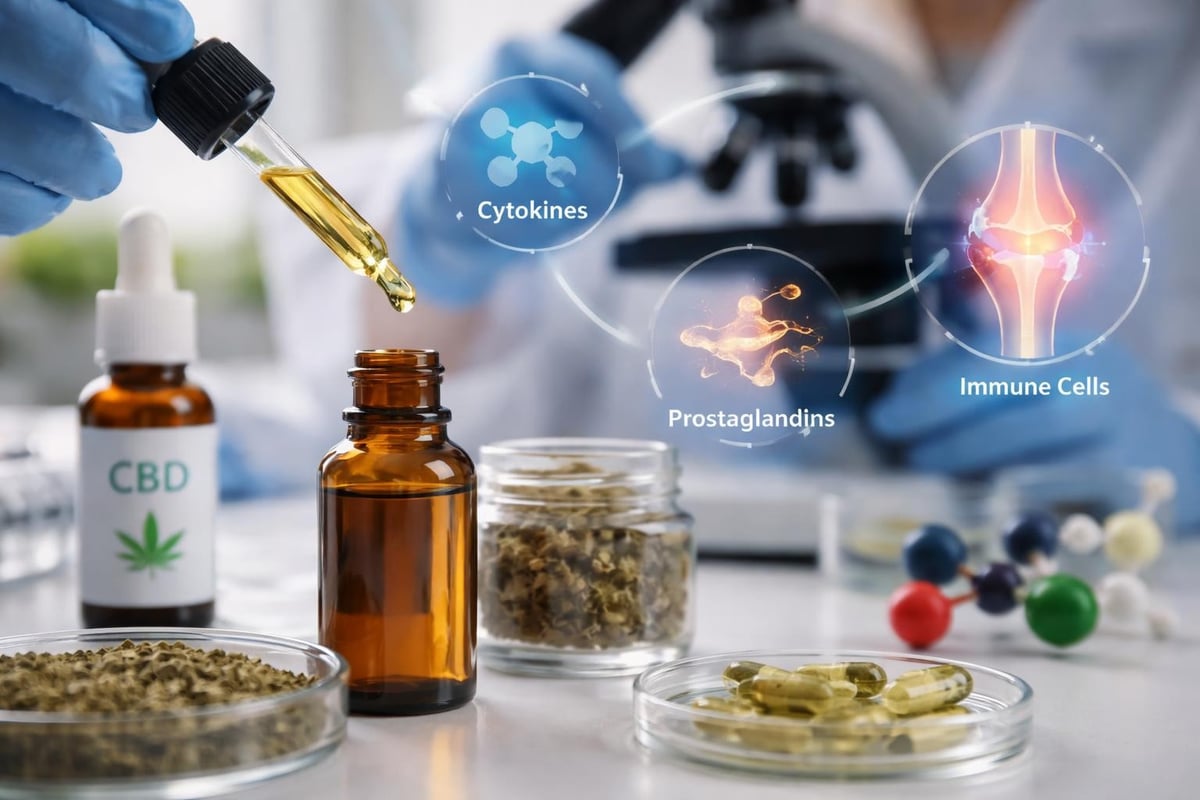
When your body detects a threat, immune cells release chemical messengers called cytokines that trigger the inflammatory response. This cascade involves:
- Prostaglandins that cause pain and fever
- Interleukins that regulate immune cell communication
- Tumor necrosis factor (TNF) that promotes systemic inflammation
- C-reactive protein (CRP) that marks inflammation severity
Understanding how chronic conditions develop helps contextualize why managing inflammation becomes essential for maintaining quality of life.
Common Inflammatory Conditions
Chronic inflammatory conditions affect diverse body systems and present unique management challenges:
| Condition | Primary Areas Affected | Common Symptoms |
|---|---|---|
| Rheumatoid Arthritis | Joints, particularly hands and feet | Swelling, stiffness, decreased mobility |
| Fibromyalgia | Muscles, soft tissues | Widespread pain, fatigue, cognitive issues |
| Inflammatory Bowel Disease | Digestive tract | Abdominal pain, diarrhea, malabsorption |
| Psoriasis | Skin, joints | Red patches, scaling, joint inflammation |
How CBD Works to Address Inflammatory Responses
CBD for inflammation operates through multiple biological pathways, primarily interacting with the endocannabinoid system (ECS). This complex network regulates various physiological processes, including immune function, pain perception, and inflammatory responses.
The ECS consists of endocannabinoids (naturally produced by your body), receptors (CB1 and CB2), and enzymes that synthesize and break down these compounds. Understanding how CBD works provides essential context for its anti-inflammatory potential.
Receptor Interactions and Signaling
CBD exhibits low affinity for CB1 and CB2 receptors but influences them indirectly through several mechanisms:
- Inhibits FAAH enzyme, increasing anandamide levels
- Activates TRPV1 receptors involved in pain and inflammation
- Modulates adenosine receptors that regulate inflammatory mediators
- Influences serotonin receptors affecting pain perception
Research published in the Journal of Cannabis Research demonstrates CBD's ability to reduce inflammatory markers in arthritis models, suggesting its therapeutic potential for joint conditions.
Anti-Inflammatory Mechanisms
CBD for inflammation works through multiple pathways simultaneously. Studies indicate it may help suppress cytokine production, particularly pro-inflammatory compounds like TNF-alpha and interleukin-6. A comprehensive review highlights CBD's therapeutic prospects in neurological disorders partly through these anti-inflammatory effects.
Additionally, CBD appears to reduce oxidative stress by acting as an antioxidant, protecting cells from inflammatory damage. This dual action addressing both inflammation and oxidative stress makes it particularly interesting for chronic conditions.
Scientific Evidence Supporting CBD for Inflammation
The body of research examining CBD's anti-inflammatory properties continues to expand, with studies ranging from cellular models to human clinical trials. While more research remains necessary, current evidence provides promising insights.
Laboratory and Animal Studies
Preclinical research has established foundational understanding of CBD's anti-inflammatory mechanisms. A notable study on rheumatoid arthritis examined how CBD affects synovial fibroblasts, the cells that line joint spaces. Researchers found CBD reduced inflammation and cytokine production, suggesting potential benefits for arthritis management.
Animal models have demonstrated CBD's effectiveness across various inflammatory conditions:
- Reduced joint swelling and pain scores in arthritis models
- Decreased inflammatory markers in colitis studies
- Protected against neuroinflammation in brain injury models
- Minimized lung inflammation in respiratory condition research
A study on sterile inflammation in rats provided insights into how oral CBD-rich hemp extract affects inflammatory processes, contributing to our understanding of dosing and bioavailability.
Human Clinical Research
Clinical trials examining CBD for inflammation in humans remain limited but growing. The current evidence suggests potential benefits, though researchers emphasize the need for larger, controlled studies.
Harvard Health notes that while definitive conclusions require additional research, existing studies show promise for CBD's role in managing chronic pain conditions often associated with inflammation.
Patient reports and observational studies indicate many individuals find relief using CBD for inflammatory conditions, though individual responses vary significantly based on factors like dosing, product quality, and the specific condition being addressed.
Choosing the Right CBD Products for Inflammatory Relief
Product selection significantly impacts the effectiveness of CBD for inflammation. Understanding the differences between formulations, delivery methods, and quality markers helps optimize your results.
Full-Spectrum vs. Broad-Spectrum vs. Isolate
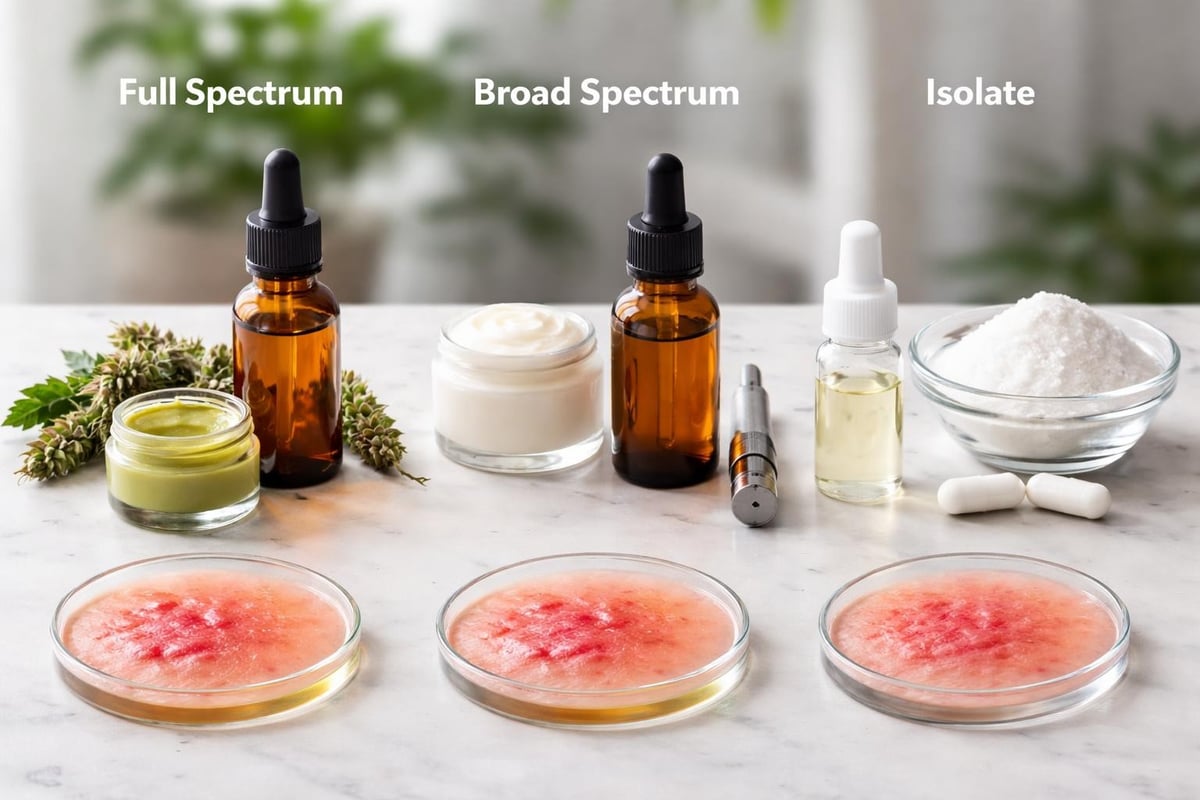
The cannabinoid profile of your CBD product influences its anti-inflammatory potential through what researchers call the "entourage effect"-the synergistic interaction between multiple hemp compounds.
Full-spectrum CBD contains all naturally occurring cannabinoids, terpenes, and trace amounts of THC (under 0.3%). Research suggests this complete profile may enhance anti-inflammatory effects. Many users find full-spectrum formulations particularly effective for chronic conditions.
Broad-spectrum CBD provides multiple cannabinoids and terpenes without THC, offering a middle ground for those who want compound diversity without any THC content. Understanding broad-spectrum CBD oil uses helps determine if this option suits your needs.
CBD isolate contains pure cannabidiol without other hemp compounds, providing predictable dosing but potentially missing synergistic benefits.
Delivery Methods and Their Applications
Different application methods offer distinct advantages for targeting inflammation:
| Delivery Method | Onset Time | Duration | Best For |
|---|---|---|---|
| Sublingual oils | 15-45 minutes | 4-6 hours | Systemic inflammation, daily management |
| Topical roll-ons | 5-20 minutes | 2-4 hours | Localized joint or muscle inflammation |
| Transdermal patches | 1-2 hours | 8-12 hours | Sustained relief, specific areas |
| Capsules | 45-90 minutes | 6-8 hours | Consistent dosing, systemic support |
For joint-specific inflammation, many find CBD roll-ons particularly effective due to their targeted application. Similarly, CBD pain relief patches provide sustained delivery to specific inflammatory areas.
Quality Indicators and Third-Party Testing
Premium CBD products undergo rigorous testing to ensure purity, potency, and safety. When selecting products for inflammatory conditions, prioritize:
- Certificate of Analysis (COA) from independent laboratories
- Cannabinoid profile confirming CBD concentration
- Contaminant testing for pesticides, heavy metals, and solvents
- Terpene analysis identifying beneficial aromatic compounds
- Batch-specific testing ensuring consistency across products
Third-party verification provides transparency about what you're actually consuming, particularly important for managing chronic inflammatory conditions where consistent dosing matters.
Dosing Strategies for Inflammatory Conditions
Determining the optimal CBD dosage for inflammation requires patience and systematic experimentation. No universal dosage exists due to individual variations in body weight, metabolism, condition severity, and product bioavailability.
Starting Low and Adjusting Gradually
Healthcare professionals typically recommend beginning with low doses and incrementally increasing until you achieve desired effects. This approach minimizes side effects while identifying your optimal therapeutic window.
A common starting protocol involves:
- Begin with 5-10 mg CBD once or twice daily
- Maintain this dose for 5-7 days while monitoring effects
- Increase by 5 mg if insufficient relief occurs
- Continue adjusting every 5-7 days until optimal results appear
- Document your experience to identify patterns
Understanding CBD oil dosage fundamentals helps create a personalized approach tailored to your inflammatory condition.
Factors Affecting Dosage Requirements
Several variables influence how much CBD you might need for inflammatory relief:
- Body weight: Heavier individuals often require higher doses
- Inflammation severity: More pronounced symptoms may need increased amounts
- Product bioavailability: Different delivery methods have varying absorption rates
- Individual metabolism: Genetic factors affect how quickly your body processes CBD
- Medication interactions: Some drugs may influence CBD effectiveness
Consistency matters significantly when using CBD for inflammation. Regular dosing maintains steady cannabinoid levels in your system, potentially providing more reliable anti-inflammatory effects than sporadic use.
Combining Delivery Methods
Some individuals find that combining different CBD delivery methods optimizes inflammatory management. For instance, using sublingual oils for systemic inflammation while applying topical products to specific joints addresses inflammation at multiple levels.
This multimodal approach might include morning sublingual dosing for baseline support, with topical applications before activities that stress inflamed joints. Experiment thoughtfully to discover what combination works best for your situation.

Integrating CBD Into Your Anti-Inflammatory Lifestyle
CBD for inflammation works most effectively as part of a comprehensive wellness approach rather than as an isolated intervention. Combining cannabidiol with evidence-based lifestyle modifications may help maximize anti-inflammatory benefits.
Dietary Considerations
Nutrition profoundly influences inflammatory processes throughout the body. An anti-inflammatory diet emphasizes:
- Omega-3 fatty acids from fatty fish, walnuts, and flaxseeds
- Colorful vegetables rich in antioxidants and phytonutrients
- Whole grains providing fiber that supports gut health
- Herbs and spices like turmeric, ginger, and garlic with natural anti-inflammatory compounds
Conversely, limiting processed foods, refined sugars, and excessive omega-6 fatty acids may help reduce inflammatory burden. When combined with CBD, these dietary strategies address inflammation through complementary pathways.
Movement and Exercise
Physical activity presents a paradox for inflammatory conditions. While exercise itself creates temporary inflammation, regular moderate activity reduces chronic inflammatory markers over time.
Low-impact options particularly suitable for inflammatory conditions include:
- Swimming or water aerobics that minimize joint stress
- Gentle yoga improving flexibility without excessive strain
- Walking at comfortable paces maintaining cardiovascular health
- Tai chi combining movement with stress reduction
Many individuals find applying CBD roll-ons before exercise helps manage exercise-related inflammation, potentially making movement more comfortable.
Stress Management and Sleep
Chronic stress elevates cortisol and other hormones that promote inflammation. Simultaneously, poor sleep quality increases inflammatory markers while reducing the body's ability to regulate immune responses.
Incorporating stress-reduction practices supports your anti-inflammatory efforts:
- Meditation or mindfulness practice for 10-20 minutes daily
- Deep breathing exercises during stressful moments
- Regular sleep schedule maintaining circadian rhythm
- Limiting screen time before bed to improve sleep quality
Some research suggests CBD may help support healthy sleep patterns, potentially creating an additional avenue through which it addresses inflammation. Learn more about CBD for sleep and its potential benefits.
CBD and Conventional Inflammation Treatments
Many individuals using CBD for inflammation also take conventional medications. Understanding how these approaches interact helps you make informed decisions while working with your healthcare provider.
Common Anti-Inflammatory Medications
Traditional pharmaceutical approaches to inflammation include several medication classes:
NSAIDs (Non-Steroidal Anti-Inflammatory Drugs) like ibuprofen and naproxen block prostaglandin production, reducing pain and inflammation. While effective, long-term use carries risks including gastrointestinal issues and cardiovascular concerns.
Corticosteroids like prednisone powerfully suppress inflammation but come with significant side effects during prolonged use. Understanding prednisone side effects and tapering strategies becomes crucial for those managing chronic inflammatory conditions.
DMARDs (Disease-Modifying Anti-Rheumatic Drugs) and biologics target specific inflammatory pathways, particularly in autoimmune conditions like rheumatoid arthritis.
Potential Interactions and Considerations
CBD may interact with certain medications through its effects on liver enzymes, particularly cytochrome P450. This enzyme system metabolizes many common drugs, and CBD can temporarily alter how quickly your body processes them.
Always consult your healthcare provider before combining CBD with prescription medications. This consultation becomes especially important if you take:
- Blood thinners like warfarin
- Immunosuppressants
- Antidepressants or anti-anxiety medications
- Seizure medications
Some individuals explore CBD-based alternatives to steroid medications, but such transitions should only occur under medical supervision with careful monitoring.
Complementary Approach
Rather than viewing CBD as a replacement for all conventional treatments, many healthcare providers recommend considering it as a complementary tool. This integrative approach might allow some individuals to reduce reliance on certain medications while maintaining effective inflammation management.
Document your symptoms, CBD usage, and any medication changes carefully. This information helps your healthcare team make informed recommendations about optimizing your treatment plan.
Safety Profile and Potential Side Effects
CBD for inflammation generally demonstrates a favorable safety profile, with most users experiencing minimal adverse effects. However, understanding potential side effects and contraindications ensures responsible use.
Common Side Effects
When side effects occur with CBD, they typically remain mild and often resolve as your body adjusts. The most frequently reported include:
- Dry mouth or increased thirst
- Drowsiness or fatigue, particularly at higher doses
- Changes in appetite or weight
- Diarrhea, especially when first starting
- Mild dizziness in some individuals
Starting with low doses and increasing gradually minimizes the likelihood of experiencing these effects. Most users find any initial side effects diminish within days to weeks of consistent use.
When to Exercise Caution
Certain populations should approach CBD use more cautiously or avoid it entirely without medical guidance:
Pregnant or nursing individuals should consult healthcare providers before using CBD, as research on safety during pregnancy remains limited.
People with liver conditions may need adjusted dosing or monitoring, as CBD undergoes hepatic metabolism.
Those taking multiple medications require professional guidance to assess interaction risks and adjust dosing appropriately.
Quality and Contamination Concerns
Low-quality CBD products present greater safety risks than the cannabidiol itself. Contamination with pesticides, heavy metals, or residual solvents can occur in poorly manufactured products.
Selecting products from companies committed to third-party testing and transparency-like those emphasizing quality control-significantly reduces these risks. Verify that products come with current Certificates of Analysis confirming purity and potency.
Frequently Asked Questions About CBD for Inflammation
How long does CBD take to work for inflammation?
The timeframe varies based on delivery method and individual factors. Topical applications may provide localized relief within 15-45 minutes, while sublingual oils typically take 30-60 minutes for systemic effects. However, maximum anti-inflammatory benefits often develop gradually over 2-4 weeks of consistent use as CBD accumulates in your system and modulates inflammatory pathways. Patience and consistency yield better results than sporadic use.
Can I use CBD for inflammation alongside my current medications?
Many people successfully combine CBD with conventional treatments, but you should always consult your healthcare provider first. CBD can interact with certain medications through liver enzyme pathways, potentially affecting drug metabolism. Your doctor can assess your specific medication regimen, adjust dosing if necessary, and monitor for interactions. Never discontinue prescribed medications without medical supervision, even if experiencing benefits from CBD.
What's the best CBD product type for joint inflammation?
For localized joint inflammation, many find topical CBD roll-ons particularly effective due to targeted application directly to affected areas. For widespread joint involvement or systemic inflammatory conditions like rheumatoid arthritis, sublingual oils provide whole-body support. Combining both approaches often yields optimal results-systemic support through oral products with targeted relief from topicals.
How much CBD should I take for chronic inflammation?
Dosing varies significantly based on individual factors including body weight, metabolism, inflammation severity, and product type. Most experts recommend starting with 10-20 mg daily and adjusting gradually every 5-7 days until achieving desired effects. Some individuals find relief with 20-30 mg daily, while others with severe inflammation may require 50-100 mg or more. Working with a healthcare provider familiar with CBD helps optimize your dosing strategy.
Does full-spectrum CBD work better for inflammation than isolate?
Research suggests full-spectrum products may offer enhanced anti-inflammatory effects through the entourage effect, where multiple cannabinoids, terpenes, and other compounds work synergistically. However, individual responses vary-some people achieve excellent results with isolate. Full-spectrum products contain trace THC (under 0.3%), which some prefer to avoid. Broad-spectrum offers a middle ground with multiple compounds but no THC. Experimentation helps determine what works best for your situation.
Can CBD help with fibromyalgia-related inflammation?
Fibromyalgia involves complex inflammatory and neurological components that CBD may help address through multiple mechanisms. While research specifically on CBD for fibromyalgia remains limited, many individuals report reduced pain and improved quality of life. CBD's potential to modulate pain perception, reduce neuroinflammation, and improve sleep may provide multifaceted benefits for this challenging condition. Consult your healthcare provider about incorporating CBD into your fibromyalgia management plan.
Is topical CBD absorbed into the bloodstream?
Quality topical CBD products are formulated to penetrate skin layers and interact with local cannabinoid receptors without significant systemic absorption. This localized action makes topicals ideal for targeting specific inflammatory areas like joints or muscles. However, transdermal patches are specifically designed for systemic absorption through enhanced penetration. Understanding the difference helps you select appropriate products-learn more about CBD pain relief patches for sustained delivery.
Will CBD show up on a drug test?
Pure CBD isolate products should not trigger positive drug tests, as standard tests screen for THC, not CBD. However, full-spectrum products contain trace amounts of THC (under 0.3% legally), which could potentially accumulate with high doses and frequent use, though this remains uncommon. If drug testing concerns you, choose broad-spectrum or isolate products, and discuss your situation with the testing entity if CBD use becomes necessary for medical reasons.
Can CBD replace anti-inflammatory medications like ibuprofen?
CBD should not be viewed as a direct replacement for prescribed anti-inflammatory medications without medical guidance. While some individuals successfully reduce their reliance on NSAIDs or other treatments when incorporating CBD, such changes should only occur under healthcare supervision with careful symptom monitoring. CBD may work as a complementary approach, potentially allowing some medication reduction, but individual responses vary significantly. Never discontinue prescribed treatments without consulting your provider.
How do I know if the CBD I'm buying is high quality?
Quality CBD products feature several key indicators: third-party lab testing with accessible Certificates of Analysis, clear cannabinoid content labeling, transparent sourcing information, and appropriate extraction methods (typically CO2 extraction). Reputable companies provide batch-specific testing results confirming potency and purity while screening for contaminants. Avoid products making unrealistic health claims or lacking verifiable testing. Premium brands prioritize transparency and quality control throughout their manufacturing process.
Does CBD work for inflammation from autoimmune conditions?
CBD shows promise for autoimmune-related inflammation through its immunomodulatory properties. Research indicates it may help regulate immune responses and reduce inflammatory cytokine production relevant to conditions like rheumatoid arthritis and inflammatory bowel disease. A molecular analysis demonstrates CBD's effects on chemokines and inflammatory pathways. However, autoimmune conditions require medical management-use CBD as a complementary approach with professional guidance rather than replacing disease-modifying treatments.
Can I use CBD for inflammation prevention?
Some individuals use CBD proactively to support healthy inflammatory responses rather than only addressing active inflammation. This preventive approach may help maintain balanced immune function and support the endocannabinoid system's regulatory role. However, research on long-term preventive use remains limited. If considering CBD for wellness maintenance rather than active symptoms, discuss this approach with your healthcare provider to ensure it aligns with your overall health strategy and any existing conditions.
These statements have not been evaluated by the FDA. This product is not intended to diagnose, treat, cure, or prevent any disease. Consult your healthcare provider before using CBD.
CBD for inflammation represents a promising natural approach supported by growing scientific evidence and countless individual experiences. Understanding how cannabidiol interacts with your body's inflammatory pathways, selecting quality products, and integrating CBD into a comprehensive wellness strategy can help you navigate chronic inflammatory conditions more effectively. Whether you're managing rheumatoid arthritis, fibromyalgia, or other inflammatory challenges, Reclaim Labs offers premium, third-party tested CBD products specifically formulated for inflammation management. Our full-spectrum and broad-spectrum options provide the quality and transparency you need to explore CBD's potential with confidence. Discover how our carefully crafted hemp solutions might support your journey toward better inflammatory control at Reclaim Labs.