Inflammatory bowel disease (IBD) encompasses chronic conditions like Crohn's disease and ulcerative colitis that affect millions of Americans, causing debilitating symptoms that significantly impact quality of life. As patients increasingly seek alternatives to conventional medications, interest in cannabidiol has surged. Understanding cbd for inflammatory bowel disease requires examining current research, patient experiences, and practical considerations for those exploring natural approaches to managing this challenging condition.
Understanding Inflammatory Bowel Disease and Current Treatment Challenges
IBD represents a complex group of autoimmune conditions characterized by chronic inflammation of the gastrointestinal tract. Patients experience symptoms ranging from severe abdominal pain and persistent diarrhea to weight loss and fatigue. Traditional treatment approaches typically involve immunosuppressants, corticosteroids, and biologic therapies.
Common IBD symptoms include:
- Chronic abdominal cramping and pain
- Frequent diarrhea, sometimes with blood
- Unexplained weight loss
- Persistent fatigue
- Reduced appetite
Many conventional medications present significant challenges. Long-term corticosteroid use carries risks including bone loss, elevated blood pressure, and increased infection susceptibility. Biologic therapies, while effective for some patients, come with substantial costs and potential side effects. This treatment landscape has prompted many individuals to investigate CBD-based alternatives to steroid medications.
The Endocannabinoid System Connection
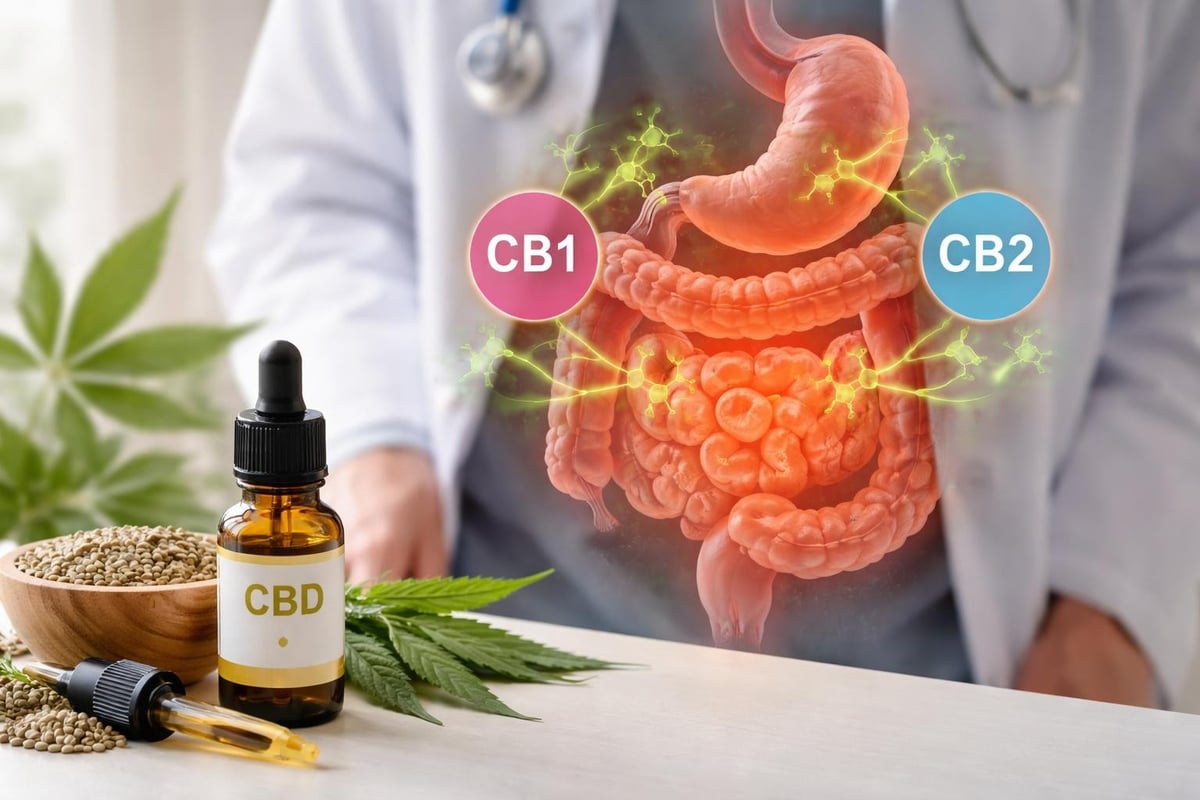
The endocannabinoid system (ECS) plays a crucial role in regulating inflammation, immune response, and gastrointestinal function. This biological system consists of cannabinoid receptors (CB1 and CB2), endogenous cannabinoids produced by the body, and enzymes that break down these compounds.
Research indicates that the intestinal tract contains high concentrations of cannabinoid receptors. CB2 receptors, particularly prevalent in immune cells, appear to modulate inflammatory responses. Understanding how CBD works within this system provides insight into its potential therapeutic applications for IBD.
Scientific Evidence for CBD in IBD Management
A comprehensive review commissioned by the Crohn's and Colitis Foundation examined clinical, scientific, and regulatory aspects of cannabinoid use in IBD management. While research continues to evolve, several key findings have emerged.
Studies analyzing perceived effectiveness of CBD in adult women with IBD revealed trends toward improved symptoms and quality of life among CBD users. Patients reported reductions in abdominal pain, decreased bowel movement frequency, and improved sleep quality.
Current Research Findings
| Study Focus | Key Findings | Year |
|---|---|---|
| Symptom Relief | 60-70% of patients reported improved pain management | 2024-2025 |
| Quality of Life | Significant improvements in daily functioning scores | 2025 |
| Side Effect Profile | Minimal adverse effects compared to conventional treatments | 2024-2026 |
Research exploring cannabidiol in inflammatory bowel diseases highlights CBD's pharmacological properties, including anti-inflammatory, immunomodulatory, and antioxidant effects. These properties align with therapeutic targets in IBD management.
A review of CBD's therapeutic role in mucosal diseases examined current evidence supporting its use for IBD. Researchers noted that while preclinical studies show promise, larger clinical trials are needed to establish definitive treatment protocols.
Patient Perspectives and Real-World Experiences
Understanding IBD patients' beliefs regarding cannabis effectiveness provides valuable context beyond clinical trials. Many patients report using cbd for inflammatory bowel disease as part of comprehensive management strategies.
Common patient-reported benefits:
- Reduced abdominal cramping intensity
- Improved appetite and reduced nausea
- Better sleep quality despite symptoms
- Decreased anxiety related to condition management
- Enhanced overall quality of life
Real-life experiences documented in medical cannabis usage patterns reveal diverse consumption methods and individual preferences. Patients utilize oils, capsules, topicals, and other formats based on symptom patterns and lifestyle factors.
Administration Methods and Considerations
Different delivery methods offer distinct advantages for IBD management. Sublingual oils provide rapid absorption, while capsules offer precise dosing and convenience. Some patients combine systemic CBD products with topical applications for targeted abdominal discomfort relief.
The choice between full-spectrum and broad-spectrum formulations represents another important consideration. Full-spectrum products contain trace amounts of THC (below 0.3% federally legal limit) along with other beneficial cannabinoids and terpenes. Understanding hemp oil versus CBD oil differences helps patients select appropriate products.

Dosing Strategies for IBD Symptom Management
Determining appropriate cbd for inflammatory bowel disease dosing requires individualized approaches. No universal dosing guidelines exist, as factors including body weight, symptom severity, product potency, and individual endocannabinoid system variations all influence optimal doses.
Starting Low and Adjusting Gradually
Recommended approach for beginners:
- Start with 5-10 mg CBD twice daily
- Monitor symptoms for one week
- Increase by 5 mg increments if needed
- Document response patterns
- Adjust timing based on symptom cycles
Many practitioners recommend beginning with lower doses and gradually increasing until desired symptom relief occurs. This titration approach minimizes potential side effects while identifying the minimum effective dose. For detailed guidance, explore our comprehensive CBD oil dosage resource.
| Severity Level | Starting Dose | Maximum Daily Dose | Frequency |
|---|---|---|---|
| Mild Symptoms | 10 mg | 40 mg | Twice daily |
| Moderate Symptoms | 15 mg | 60 mg | Three times daily |
| Severe Symptoms | 20-25 mg | 80-100 mg | Three times daily |
Consistency matters significantly in achieving therapeutic benefits. Taking CBD at regular intervals maintains steady cannabinoid levels, potentially providing more consistent symptom management than sporadic use.
Quality Considerations and Product Selection
The unregulated nature of the CBD market demands careful product selection. Not all CBD products meet quality standards, and some contain inaccurate labeling regarding cannabinoid content or contaminants.
Essential quality markers include:
- Third-party laboratory testing certificates
- Clear cannabinoid content labeling
- Heavy metal and pesticide screening results
- Batch-specific test results availability
- Transparent sourcing information
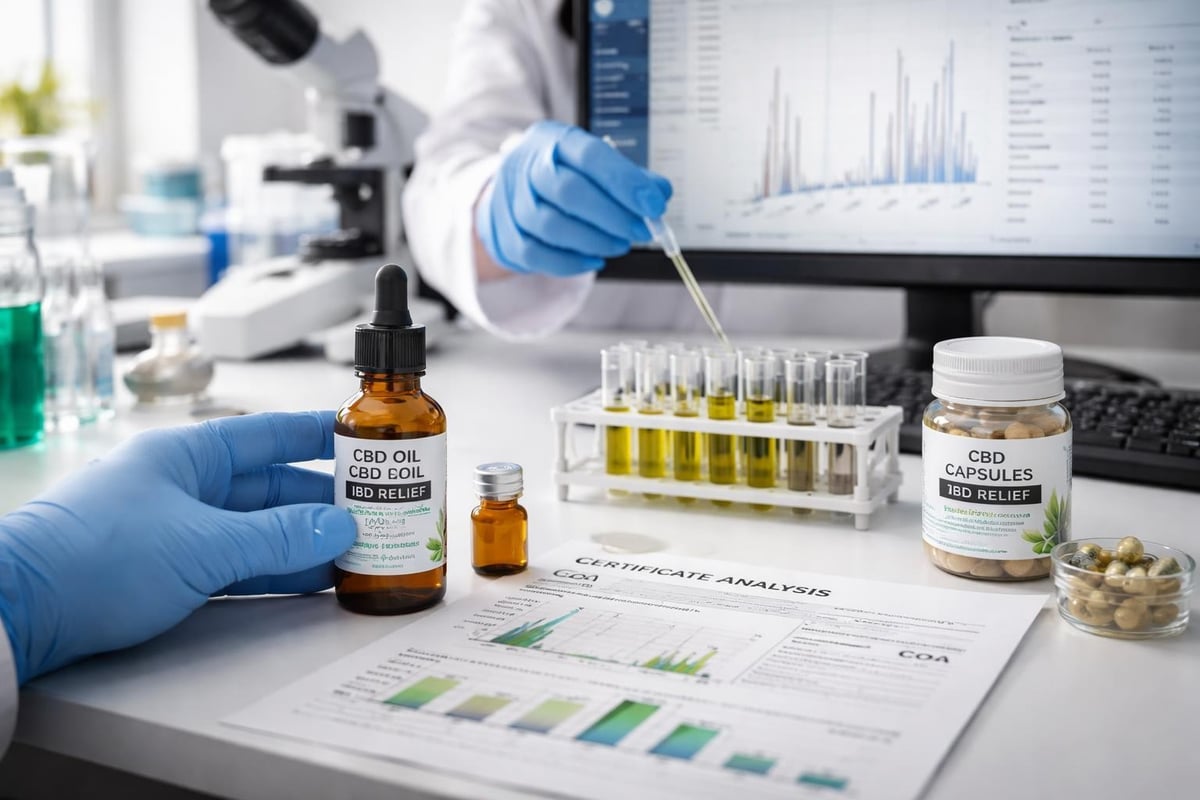
Products from reputable manufacturers undergo rigorous testing protocols. Third-party laboratories analyze samples for potency, purity, and safety, verifying that products contain stated CBD levels without harmful contaminants. Learn more about batch CBD purity and potency standards.
Full-Spectrum vs. Broad-Spectrum Products
Full-spectrum CBD products preserve the complete cannabinoid and terpene profile from hemp plants, potentially providing enhanced benefits through the "entourage effect." This synergistic interaction between compounds may amplify therapeutic effects. However, these products contain trace THC amounts.
Broad-spectrum formulations remove THC while maintaining other beneficial compounds. For individuals concerned about THC consumption due to employment drug testing or personal preference, broad-spectrum CBD oil uses offer viable alternatives.
Integrating CBD with Conventional IBD Treatments
Most patients exploring cbd for inflammatory bowel disease continue conventional treatments while adding cannabidiol as complementary support. This integrative approach requires careful coordination with healthcare providers.
A practical clinical approach to cannabis use in IBD emphasizes communication between patients and gastroenterologists. Transparent discussions about CBD use help providers monitor for potential interactions and adjust conventional medications as needed.
Potential Medication Interactions
CBD may interact with certain medications through cytochrome P450 enzyme pathways in the liver. Medications metabolized by these enzymes could experience altered blood levels when combined with CBD.
Medications requiring monitoring:
- Immunosuppressants (azathioprine, methotrexate)
- Corticosteroids
- Biologic therapies
- Blood thinners
- Anti-anxiety medications
Patients should never discontinue prescribed medications without medical supervision. CBD serves as complementary support, not replacement therapy, for most individuals with IBD.
Safety Profile and Side Effect Management
Research exploring therapeutic use of cannabis in IBD indicates that CBD generally presents favorable safety profiles compared to many conventional treatments. Most reported side effects remain mild and manageable.
Common side effects include:
- Mild drowsiness or fatigue
- Dry mouth
- Digestive changes
- Appetite fluctuations
- Lightheadedness at higher doses
These effects typically diminish with continued use or dose adjustments. Starting with lower doses and increasing gradually minimizes initial side effects while the body adapts to CBD supplementation.
Unlike traditional immunosuppressants, CBD doesn't significantly increase infection risk or cause bone density loss. This distinction makes cbd for inflammatory bowel disease particularly appealing for patients concerned about long-term conventional treatment consequences.
Beyond IBD: CBD for Related Inflammatory Conditions
Many IBD patients experience additional inflammatory conditions. The anti-inflammatory properties of CBD extend beyond intestinal inflammation, potentially addressing multiple concurrent issues.
Patients with IBD frequently develop joint pain and arthritis-like symptoms. Systemic inflammation characteristic of autoimmune conditions affects multiple body systems. Understanding how CBD can help with arthritis provides insights applicable to IBD-related joint inflammation.
Some individuals combine oral CBD products with topical applications targeting specific pain areas. CBD roll-on products offer convenient targeted relief for joint discomfort while systemic products address internal inflammation.
Looking Forward: Future Research Directions
As interest in cbd for inflammatory bowel disease continues growing, researchers are designing larger clinical trials to establish evidence-based protocols. Future studies will likely examine optimal dosing strategies, long-term safety profiles, and specific cannabinoid ratios for IBD management.
Investigation into other cannabinoids also shows promise. Studies examining beneficial effects of cannabigerol (CBG) on experimental IBD suggest that exploring cannabinoids beyond CBD and THC may reveal additional therapeutic options.
Emerging research areas include:
- Specific cannabinoid combinations for different IBD subtypes
- Targeted delivery systems for intestinal inflammation
- Biomarker identification for treatment response prediction
- Long-term remission maintenance protocols
- Pediatric IBD applications
As regulatory frameworks evolve and research expands, clinical guidelines for cbd for inflammatory bowel disease will become more refined, helping patients and providers make informed decisions.
Practical Implementation Strategies
Successfully incorporating CBD into IBD management requires thoughtful planning and consistent monitoring. Keeping detailed symptom journals helps identify patterns and optimal dosing schedules.
Tracking recommendations:
- Daily symptom severity ratings (1-10 scale)
- Bowel movement frequency and consistency
- Pain location and intensity
- Sleep quality metrics
- CBD dose amount and timing
- Notable improvements or concerns
This data provides valuable information for adjusting approaches and discussing progress with healthcare providers. Patterns often emerge over several weeks of consistent use.
Many patients find that CBD works best as part of comprehensive lifestyle management including stress reduction, dietary modifications, and adequate sleep. The compound addresses inflammation but functions most effectively within holistic wellness frameworks.
Managing inflammatory bowel disease requires comprehensive approaches that address both physical symptoms and quality of life concerns. Research and patient experiences suggest that cbd for inflammatory bowel disease may offer valuable complementary support alongside conventional treatments, with favorable safety profiles and meaningful symptom improvements for many individuals. If you're exploring natural alternatives for chronic inflammatory conditions, Reclaim Labs provides premium, third-party tested CBD products specifically designed to support individuals managing conditions like IBD, offering transparency, quality assurance, and dedicated customer support to help you find effective relief.