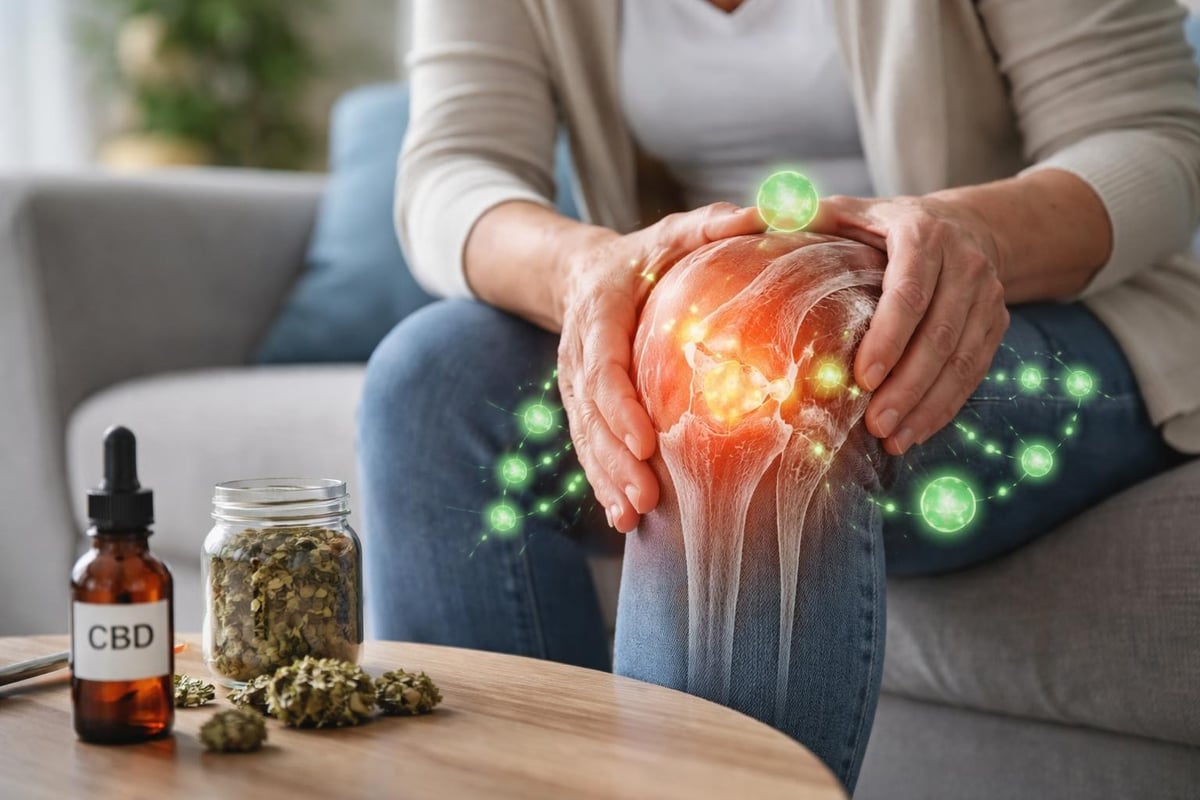
Joint pain affects millions of Americans, limiting mobility and diminishing quality of life. Whether caused by arthritis, fibromyalgia, or chronic inflammation, persistent joint discomfort sends people searching for effective relief options. Traditional treatments like NSAIDs and opioids carry significant side effects and addiction risks, prompting many to explore natural alternatives. CBD for joint pain relief has emerged as a promising option, backed by growing research and countless testimonials from people experiencing real improvements. Understanding how CBD works, what the science says, and how to use it effectively can help you make informed decisions about incorporating this natural compound into your pain management strategy.
Understanding CBD and the Endocannabinoid System
CBD, or cannabidiol, is a non-intoxicating compound extracted from hemp plants. Unlike THC, CBD doesn't produce a "high" but instead interacts with your body's endocannabinoid system (ECS), a complex network of receptors that regulates pain perception, inflammation, immune response, and mood.
The ECS contains two primary receptor types: CB1 receptors (concentrated in the nervous system) and CB2 receptors (found throughout immune cells and tissues). When you experience joint pain, inflammation triggers these receptors to send signals throughout your body. CBD modulates this system, potentially reducing inflammatory responses and altering pain signals.
How CBD Addresses Joint Pain Mechanisms
CBD for joint pain relief works through multiple pathways simultaneously:
- Anti-inflammatory action: CBD inhibits inflammatory cytokines, reducing swelling and tissue damage around joints
- Pain signal modulation: It interacts with vanilloid receptors that control pain perception
- Neuroprotective effects: CBD may protect nerve cells from inflammation-related damage
- Anxiety reduction: Lower stress levels can decrease pain sensitivity and improve sleep quality
Research from Harvard Health highlights that CBD shows promise for arthritis pain, though more comprehensive human studies are needed to fully understand optimal dosing and long-term effects.
Scientific Evidence Supporting CBD for Joint Pain Relief
The research landscape for CBD and joint pain continues expanding in 2026. While human clinical trials remain limited compared to animal studies, the existing evidence suggests meaningful benefits for various joint conditions.
Clinical Studies and Findings
Animal studies have demonstrated significant results. Research on arthritic rats showed CBD gel application reduced joint swelling and pain-related behaviors without notable side effects. Preclinical evidence suggests CBD may prevent nerve damage and joint pain development in osteoarthritis models.
Human research, though still developing, shows encouraging patterns. Patient surveys consistently report pain reduction and improved function among CBD users managing arthritis. AARP's examination of CBD oil use among older adults reveals growing adoption rates and generally positive experiences, particularly when combined with conventional medical care.
| Study Type | Key Findings | Limitations |
|---|---|---|
| Animal Models | 40-50% reduction in inflammation markers | Direct human translation unclear |
| Patient Surveys | 70% report meaningful pain improvement | Self-reported data, placebo effect possible |
| Clinical Trials | Improved sleep and function in chronic pain | Small sample sizes, short duration |
The Arthritis Foundation of Australia discusses current evidence supporting CBD's efficacy for chronic pain and joint disease, noting that while mechanisms are understood, standardized treatment protocols are still being established.
Conditions Where CBD Shows Promise
CBD for joint pain relief demonstrates potential benefits across multiple inflammatory and degenerative conditions:
- Rheumatoid Arthritis: Autoimmune-driven inflammation responds to CBD's immune-modulating properties
- Osteoarthritis: Cartilage degradation and resulting inflammation may be slowed by CBD's protective effects
- Fibromyalgia: Widespread pain and inflammatory markers show improvement with consistent CBD use
- Injury-related joint pain: Post-traumatic inflammation may resolve faster with CBD application
Those managing rheumatoid arthritis pain often report CBD helps reduce morning stiffness and improves overall mobility when used as part of a comprehensive treatment approach.
Choosing the Right CBD Product for Joint Pain
Not all CBD products deliver equal results. Understanding product types, quality markers, and formulation differences ensures you select effective options for managing joint discomfort.
Full-Spectrum vs Broad-Spectrum vs Isolate
The type of CBD extract significantly impacts effectiveness:
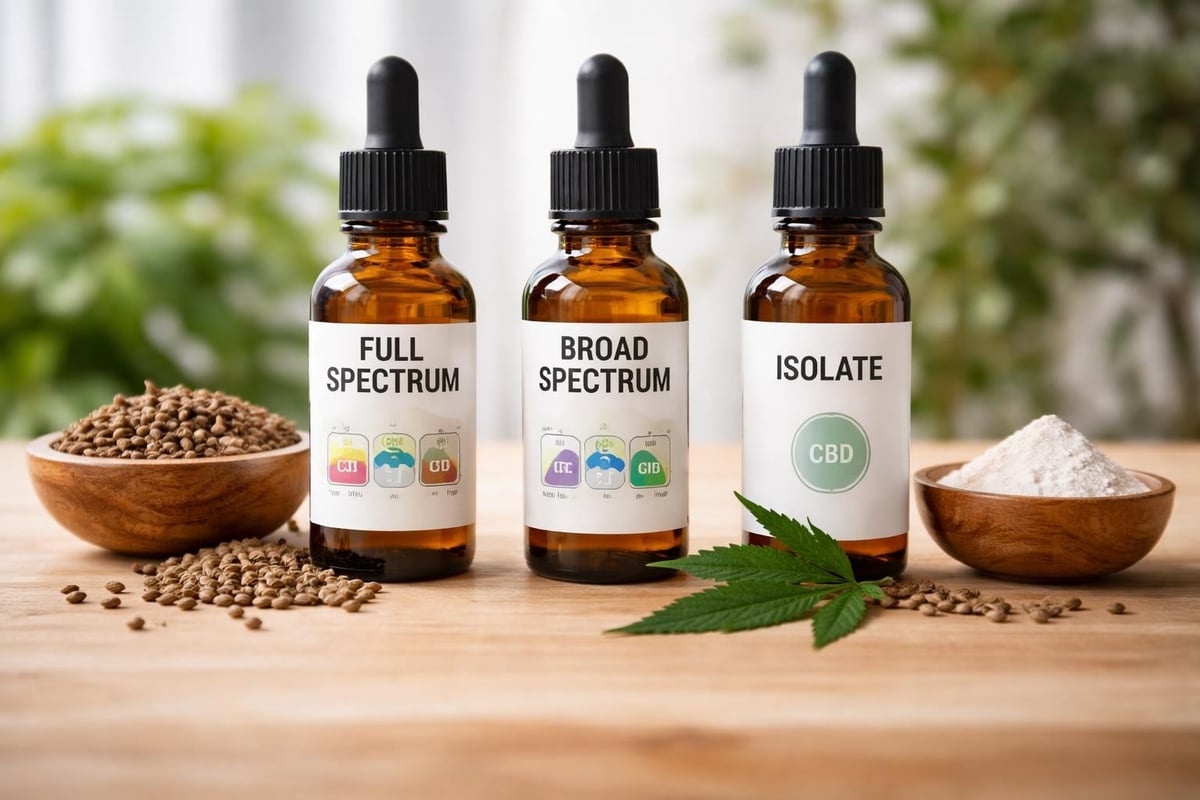
Full-spectrum CBD contains all hemp plant compounds, including trace THC (under 0.3%), terpenes, and flavonoids. This creates an "entourage effect" where compounds work synergistically. Many users report superior results with full-spectrum products for chronic pain conditions.
Broad-spectrum CBD offers the entourage effect without THC, ideal for those subject to drug testing or sensitive to even trace amounts of THC. It retains beneficial terpenes and minor cannabinoids.
CBD isolate provides pure cannabidiol without other compounds. While less effective for complex inflammatory conditions, isolate works well for those needing precise dosing or avoiding all other cannabinoids.
Quality Indicators to Evaluate
| Quality Factor | What to Look For | Red Flags |
|---|---|---|
| Third-party testing | COA showing cannabinoid content and contaminants | No lab results available |
| Extraction method | CO2 extraction listed | Unspecified or chemical solvent methods |
| Hemp source | Organic, U.S.-grown hemp | Unknown or international sources |
| Transparency | Clear labeling, company contact info | Vague marketing claims, no company details |
Premium providers like those offering CBD hemp oil benefits for arthritis ensure rigorous testing and transparent results, helping customers make informed choices about product quality and safety.
Effective Dosing Strategies for Joint Pain Relief
Finding your optimal CBD dose requires patience and systematic experimentation. No universal dosage exists because individual factors like body weight, pain severity, metabolism, and product type all influence effectiveness.
Starting Dosage Recommendations
Begin with conservative doses and gradually increase until you experience relief. This approach minimizes side effects while identifying your personal threshold for therapeutic benefits.
- Mild joint discomfort: Start with 10-20mg daily
- Moderate chronic pain: Begin at 20-40mg daily
- Severe inflammatory conditions: Consider 40-60mg daily as a starting point
Take CBD consistently for at least two weeks before adjusting dosage. The compound builds in your system, and effects may take several days to manifest fully. Healthline's overview of CBD oils for joint pain emphasizes the importance of consistency and patience when establishing an effective regimen.
Timing and Administration Methods
Different delivery methods offer varying onset times and duration:
- Sublingual tinctures: Effects within 15-45 minutes, lasting 4-6 hours
- Capsules: Slower onset (60-90 minutes) but longer duration (6-8 hours)
- Topical applications: Localized relief within 30-60 minutes for specific joints
- Transdermal patches: Steady release over 8-12 hours for consistent relief
Many people find success combining methods. For instance, taking oral CBD for systemic inflammation while applying CBD pain relief patches to particularly troublesome joints provides comprehensive coverage.
Adjusting Your Dosage Over Time
Monitor your response using a simple pain journal:
- Rate pain levels (1-10 scale) before starting CBD
- Track dosage amounts and timing
- Note changes in mobility, sleep quality, and overall function
- Record any side effects
Increase dosage by 5-10mg increments weekly if current levels prove insufficient. Some users find their optimal dose within days, while others need several weeks of adjustment. Conditions like fibromyalgia may require higher doses due to widespread inflammation.
Potential Side Effects and Safety Considerations
CBD for joint pain relief demonstrates an excellent safety profile compared to conventional pain medications, but awareness of potential side effects and drug interactions remains essential.
Common Side Effects
Most people tolerate CBD well, experiencing minimal adverse effects. When side effects occur, they're typically mild and resolve with dosage adjustment:
- Fatigue or drowsiness (especially at higher doses)
- Dry mouth and increased thirst
- Changes in appetite or weight
- Occasional digestive discomfort
- Mild dizziness
These effects usually diminish within several days as your body adjusts. Starting with low doses and increasing gradually minimizes these experiences.
Drug Interactions to Monitor
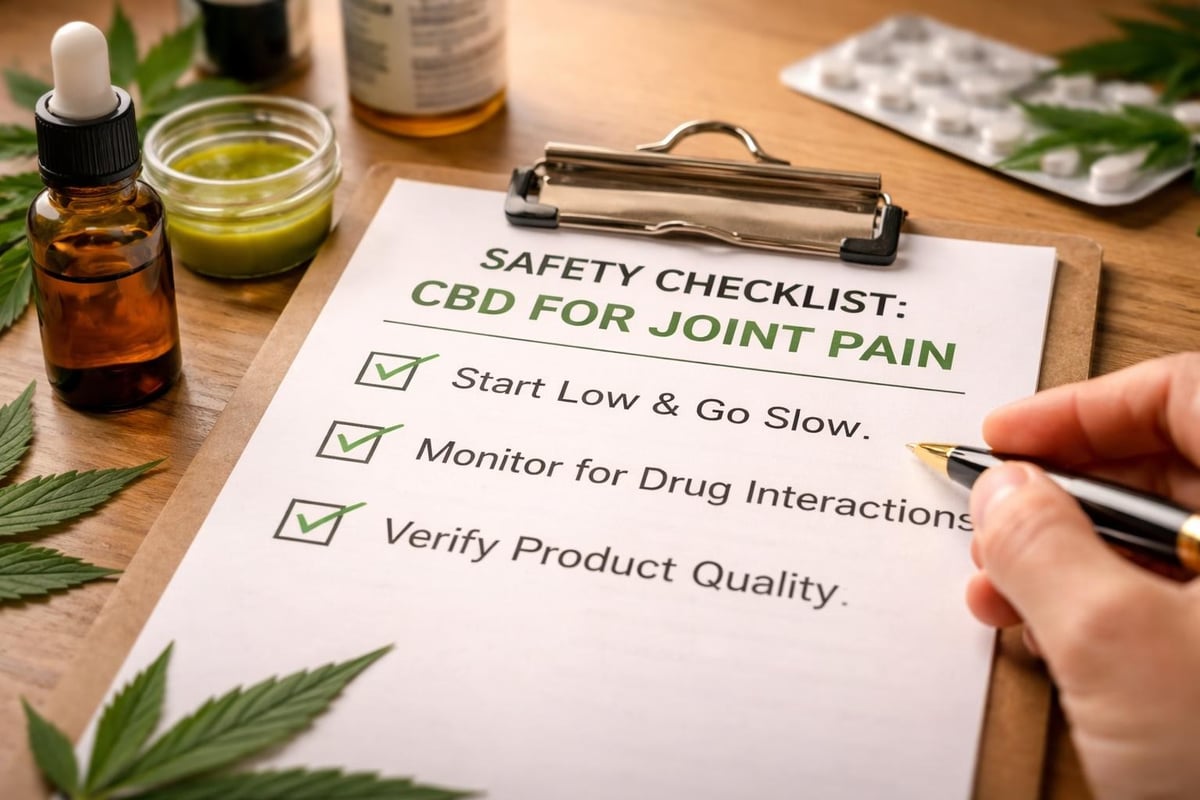
CBD inhibits certain liver enzymes responsible for metabolizing many medications. This can alter blood levels of prescription drugs, potentially requiring dosage adjustments under medical supervision.
Medications with known CBD interactions:
- Blood thinners (warfarin, heparin)
- Corticosteroids and immunosuppressants
- NSAIDs and pain medications
- Antidepressants and anti-anxiety medications
- Heart medications and beta-blockers
Always inform your healthcare provider before starting CBD, especially if you take multiple medications for conditions like osteoarthritis or other chronic conditions requiring pharmaceutical management.
Maximizing Results: Lifestyle Integration
CBD works most effectively as part of a comprehensive joint health strategy rather than a standalone solution. Integrating CBD for joint pain relief with supportive lifestyle practices amplifies benefits and promotes long-term joint health.
Complementary Therapeutic Approaches
Combine CBD with evidence-based pain management techniques:
Physical interventions:
- Low-impact exercise (swimming, yoga, tai chi)
- Physical therapy and targeted strengthening
- Heat and cold therapy for acute flare-ups
- Gentle stretching to maintain range of motion
Dietary modifications:
- Anti-inflammatory foods (fatty fish, leafy greens, berries)
- Omega-3 fatty acid supplementation
- Reduced processed foods and refined sugars
- Adequate hydration to support joint lubrication
Stress management:
- Meditation and mindfulness practices
- Quality sleep hygiene (CBD may help with sleep quality)
- Cognitive behavioral therapy for chronic pain
- Social support and community engagement
Tracking Progress and Adjusting Strategies
Successful long-term pain management requires ongoing assessment. Beyond pain scores, monitor functional improvements that matter most to daily life:
| Metric | Baseline | 2 Weeks | 4 Weeks | 8 Weeks |
|---|---|---|---|---|
| Pain level (1-10) | ||||
| Morning stiffness (minutes) | ||||
| Steps per day | ||||
| Sleep quality (1-10) |
This data-driven approach reveals patterns and helps identify what combination of CBD dosage, administration method, and lifestyle factors produces optimal results for your specific situation.
Real-World Applications and User Experiences
Understanding how others successfully use CBD for joint pain relief provides practical insights beyond clinical data. While individual results vary, common patterns emerge among those finding significant benefit.
Daily Routines That Work
Many successful CBD users develop consistent routines that maintain steady cannabinoid levels throughout the day. A typical regimen might include morning sublingual CBD for systemic inflammation, midday application of topical CBD to affected joints during activity, and evening doses to support restful sleep.
Those managing conditions like foot pain often combine oral CBD for overall inflammation with targeted topical application before activities that stress affected joints. This dual approach addresses both underlying inflammation and immediate discomfort.
Adjusting for Activity Levels
Active individuals often increase CBD doses on days involving higher physical demands. Weekend athletes, gardeners, or those with physically demanding jobs may take supplemental doses before and after intensive activity to prevent inflammatory flare-ups.
Conversely, some users reduce doses during periods of lower activity or when combining CBD with other pain management approaches like physical therapy sessions or anti-inflammatory medications. This flexibility allows personalized pain management that adapts to changing needs.
Quality and Transparency in CBD Products
The unregulated nature of the CBD industry in 2026 means quality varies dramatically between brands. Understanding what separates premium products from inferior options protects your health and ensures therapeutic benefits.
Third-Party Testing Requirements
Legitimate CBD manufacturers provide Certificates of Analysis (COAs) from independent laboratories. These documents verify:
- Actual CBD and cannabinoid content matches label claims
- Absence of heavy metals, pesticides, and microbial contaminants
- THC levels remain below legal 0.3% threshold
- Residual solvents from extraction are within safe limits
Companies committed to transparency make COAs easily accessible, often through QR codes on product packaging or dedicated sections on their websites. This accountability ensures you receive safe, effective products that deliver promised benefits.
Manufacturing Standards and Practices
Premium CBD manufacturers follow Good Manufacturing Practices (GMP), maintaining strict quality control throughout production. This includes:
- Sourcing hemp from certified organic farms with verified growing practices
- Using clean extraction methods like supercritical CO2
- Testing raw materials and finished products at multiple production stages
- Maintaining detailed batch records for traceability
- Storing products properly to preserve cannabinoid potency
Companies dedicated to helping people manage chronic conditions understand that consistency matters. When you find a CBD product that works for your joint pain, you need confidence that every bottle delivers identical therapeutic benefits.
Special Considerations for Specific Joint Conditions
Different types of joint pain respond to CBD with varying degrees of effectiveness. Understanding your specific condition helps optimize your approach to CBD for joint pain relief.
Inflammatory vs Degenerative Conditions
Inflammatory arthritis types like rheumatoid arthritis often respond particularly well to CBD's anti-inflammatory properties. Users frequently report reduced morning stiffness, decreased swelling, and improved mobility within weeks of consistent use.
Degenerative conditions like osteoarthritis present different challenges. While CBD can't regenerate damaged cartilage, it effectively manages pain and inflammation associated with bone-on-bone friction. Many osteoarthritis patients find CBD allows them to maintain activity levels that would otherwise prove too painful.
Age-Related Factors
Older adults comprise a significant portion of CBD users seeking joint pain relief. This demographic often takes multiple medications, making interaction awareness particularly important. Starting with lower doses and increasing gradually proves especially important for seniors, whose metabolism may process CBD differently than younger users.
Younger individuals with joint pain from injuries or autoimmune conditions may require different approaches. Athletic injuries often benefit from higher-dose topical applications combined with moderate oral doses, while autoimmune-driven joint pain may need sustained higher doses for systemic immune modulation.
Complementary Conditions
Joint pain rarely exists in isolation. Many people managing arthritis also experience:
- Chronic fatigue: CBD may improve energy levels by enhancing sleep quality
- Anxiety and depression: Common comorbidities with chronic pain that CBD may help address
- Sleep disturbances: Pain-related insomnia often improves with evening CBD doses
- Digestive issues: Some inflammatory conditions affect multiple body systems
This multi-symptom relief makes CBD particularly valuable for those dealing with complex chronic conditions where joint pain represents just one challenge among several interconnected health issues.
Understanding Product Labels and Marketing Claims
Navigating CBD marketing requires skepticism and knowledge. Distinguishing evidence-based information from exaggerated claims protects consumers from ineffective products while identifying truly beneficial options.
Red Flags in CBD Marketing
Be cautious of products making the following claims:
- Guarantees to cure arthritis or other medical conditions
- Promises of immediate, complete pain elimination
- Extremely high CBD concentrations at suspiciously low prices
- No available third-party testing or company contact information
- Aggressive marketing using disease names to sell products
Legitimate companies present CBD as a supportive tool for managing symptoms rather than a miracle cure. They provide educational resources, transparent testing results, and realistic expectations about outcomes.
Interpreting Concentration and Dosing Information
CBD product labels list concentrations in different ways, sometimes causing confusion:
For tinctures: Total CBD per bottle and CBD per serving (usually 1ml). A 1500mg bottle with 30ml contains 50mg per 1ml dropper.
For capsules: CBD content per capsule, making dosing straightforward.
For topicals: Total CBD per container, though absorption rates vary significantly from oral products.
Calculate cost per milligram to compare products accurately. A $60 bottle with 1500mg costs $0.04 per milligram, while a $50 bottle with 750mg costs $0.067 per milligram, making the first option better value despite higher upfront cost.
CBD for joint pain relief offers a natural, well-tolerated option for managing chronic discomfort when chosen carefully and used consistently. Understanding product quality, appropriate dosing, and realistic expectations ensures the best possible outcomes for your individual needs. Reclaim Labs provides premium, third-party tested CBD products specifically formulated for chronic pain and inflammation management, offering transparent quality standards and dedicated support to help you find effective relief from joint pain and reclaim your active lifestyle.