Knee pain affects millions of Americans each year, limiting mobility and diminishing quality of life. Whether caused by osteoarthritis, rheumatoid arthritis, sports injuries, or general wear and tear, chronic knee discomfort can interfere with daily activities and exercise routines. As individuals increasingly seek natural alternatives to traditional pain medications, cannabidiol (CBD) has emerged as a promising option. This comprehensive guide explores the evidence behind CBD for knee pain, how it works in the body, and what to consider when choosing the right products for your specific needs.
Understanding Knee Pain and Its Underlying Causes
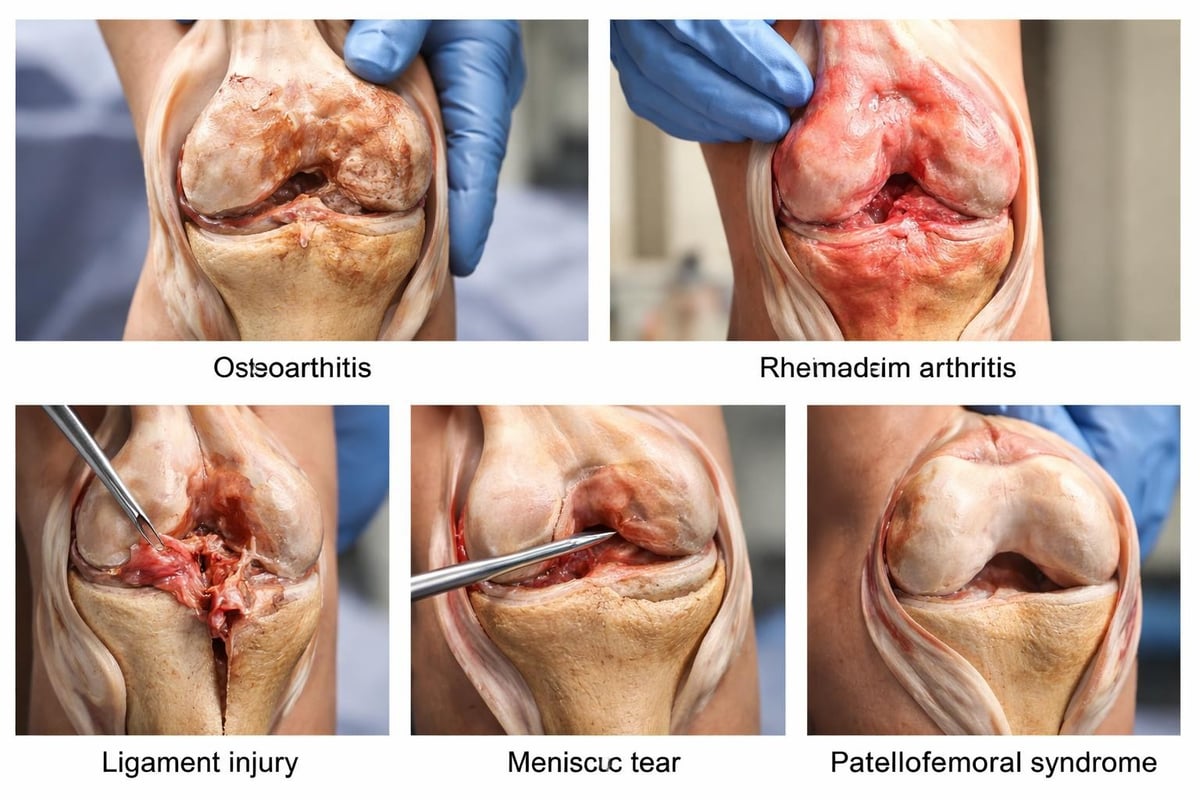
Knee joints endure tremendous stress throughout daily life, supporting body weight while enabling movement and flexibility. Several conditions contribute to knee pain, each with distinct characteristics and treatment requirements.
Osteoarthritis represents the most common cause of knee pain in adults over 50. This degenerative condition occurs when protective cartilage wears down over time, causing bones to rub together and creating inflammation, stiffness, and persistent discomfort. As research on CBD for osteoarthritis continues to develop, many patients report meaningful symptom relief.
Rheumatoid arthritis affects the knee through an autoimmune process where the body's immune system attacks joint tissues. This creates significant inflammation, swelling, and progressive joint damage. Unlike osteoarthritis, rheumatoid arthritis can affect multiple joints simultaneously and often requires comprehensive arthritis management strategies.
Common Knee Pain Triggers
- Previous injuries or trauma to the knee joint
- Overuse from repetitive movements or athletic activities
- Excess body weight placing additional stress on joints
- Age-related cartilage degradation
- Inflammatory conditions affecting connective tissues
- Muscle weakness or imbalances around the knee
Understanding the specific cause of your knee pain helps determine whether CBD might be an appropriate addition to your treatment plan. Many individuals find that combining natural approaches with traditional therapies provides the most comprehensive relief.
How CBD Works for Knee Pain Management
Cannabidiol interacts with the endocannabinoid system (ECS), a complex network of receptors throughout the body that helps regulate pain perception, inflammation, and immune responses. This biological system plays a crucial role in maintaining homeostasis and managing chronic discomfort.
The ECS contains two primary receptor types: CB1 receptors (concentrated in the central nervous system) and CB2 receptors (abundant in immune cells and peripheral tissues). When you use CBD for knee pain, the compound influences these receptors indirectly, modulating their activity without producing intoxicating effects.
Anti-inflammatory properties represent one of CBD's most significant benefits for knee pain. Research indicates that cannabidiol can reduce the production of pro-inflammatory cytokines, chemical messengers that promote tissue inflammation and joint damage. By tempering this inflammatory response, CBD may help protect cartilage and reduce swelling around affected joints.
Pain signaling modulation occurs as CBD interacts with multiple receptor systems beyond the ECS. The compound influences TRPV1 receptors (involved in pain perception) and serotonin receptors, potentially altering how the brain processes pain signals from inflamed knee joints.
Key Mechanisms of CBD Action
- Reduces inflammatory markers in joint tissues and synovial fluid
- Modulates pain perception through multiple receptor pathways
- Supports tissue recovery by reducing oxidative stress
- Promotes better sleep quality, which is essential for healing
- Addresses anxiety related to chronic pain conditions
A clinical trial evaluating CBD for knee osteoarthritis demonstrated that oral cannabidiol as an add-on treatment showed promise in managing chronic pain. The double-blind, placebo-controlled study provided valuable insights into CBD's therapeutic potential for this specific condition.
Research Evidence Supporting CBD for Knee Pain
The scientific community has conducted increasingly rigorous studies examining CBD's efficacy for various pain conditions, including knee-related discomfort. While research continues to evolve, several noteworthy investigations have produced encouraging results.
A recent study assessing CBD-rich Cannabis sativa oil for knee osteoarthritis evaluated both the effects and safety profile of cannabidiol treatment in patients experiencing chronic knee pain. The investigation provided important data regarding therapeutic benefits and tolerability, contributing to our understanding of optimal treatment protocols.
| Study Type | Key Findings | Duration | Patient Response |
|---|---|---|---|
| Randomized controlled trial | Significant pain reduction compared to placebo | 12 weeks | 58% reported moderate to substantial relief |
| Observational study | Improved mobility and reduced inflammation markers | 8 weeks | 67% reduced NSAID usage |
| Safety assessment | Minimal adverse effects, good tolerability | 16 weeks | 89% continued treatment |
Beyond knee-specific research, broader pain studies offer relevant insights. A study on CBD use for spine-related complaints characterized consumption patterns and perceived effects, revealing that many patients with chronic musculoskeletal pain experience meaningful symptom improvement with cannabidiol products.
These investigations suggest that CBD for knee pain works through multiple mechanisms simultaneously. Rather than simply masking discomfort, cannabidiol appears to address underlying inflammatory processes that contribute to tissue damage and chronic pain cycles.
Important considerations when reviewing research include dosage variations, product quality differences, and individual response variability. Not every study uses identical CBD formulations, which can affect outcomes and make direct comparisons challenging.

Choosing the Right CBD Product for Knee Pain
The CBD market offers numerous product formats, each with distinct advantages for managing knee discomfort. Understanding these differences helps you select options aligned with your specific needs and preferences.
Topical CBD Applications
CBD creams, balms, and roll-ons provide targeted relief directly to affected areas. These products absorb through the skin, delivering cannabidiol to localized receptors without entering the bloodstream. Many users appreciate the immediate application to painful knees and the ability to reapply as needed throughout the day.
Topical formulations often combine CBD with complementary ingredients like menthol, arnica, or essential oils that provide additional cooling or warming sensations. CBD pain relief patches offer an alternative delivery method with sustained release over several hours.
Oral CBD Products
Tinctures and oils represent the most popular format for systemic CBD delivery. When taken sublingually (under the tongue), these products enter the bloodstream quickly and provide body-wide effects. This approach benefits individuals experiencing knee pain alongside other inflammatory conditions.
Capsules and softgels offer precise dosing and convenience for those who prefer standardized amounts. These products take longer to produce effects compared to tinctures but may provide more extended relief duration.
Full-Spectrum vs. Broad-Spectrum Options
| Product Type | THC Content | Entourage Effect | Best For |
|---|---|---|---|
| Full-spectrum | Up to 0.3% | Maximum benefit from all cannabinoids | Maximum therapeutic effect, no drug testing concerns |
| Broad-spectrum | 0% | Partial entourage effect | THC-sensitive individuals |
| CBD isolate | 0% | CBD only | Pure cannabidiol preference |
Full-spectrum CBD contains all naturally occurring cannabinoids, terpenes, and plant compounds from hemp, including trace amounts of THC (below the legal 0.3% limit). These components work synergistically in what researchers call the "entourage effect," potentially enhancing overall therapeutic benefits.
Broad-spectrum products remove THC completely while retaining other beneficial compounds. This option suits individuals who must avoid any THC presence while still benefiting from multiple cannabinoids working together.
When exploring options for CBD hemp oil benefits for arthritis, consider how different formats might complement your lifestyle and symptom patterns.
Dosing Guidelines and What to Expect
Determining the appropriate CBD dose for knee pain requires a personalized approach. Individual factors including body weight, pain severity, metabolism, and product concentration all influence optimal dosing strategies.
Starting low and increasing gradually represents the most recommended approach. Beginning with 10-20mg of CBD daily allows you to assess initial tolerance and response before adjusting upward. Many individuals find their effective dose falls between 20-50mg daily, though some require higher amounts for significant relief.
Progressive Dosing Strategy
- Week 1-2: Start with 10-15mg daily, taken consistently at the same time
- Week 3-4: Increase to 20-25mg if initial response is insufficient
- Week 5-6: Adjust to 30-40mg based on pain reduction and side effects
- Ongoing: Fine-tune dosage to maintain optimal symptom control
Timing considerations matter for maximizing CBD's benefits. Some people experience better results dividing their daily dose into morning and evening portions, while others prefer a single larger dose. For knee pain that worsens with activity, taking CBD 30-60 minutes before anticipated exertion may provide preventive relief.
Expected timeline for results varies considerably among users. Some individuals notice subtle improvements within days, while others require 2-4 weeks of consistent use before experiencing meaningful benefits. Topical applications often produce more immediate localized effects, while oral products may take longer to reach full efficacy.
Factors Affecting CBD Response
- Product quality and concentration: Third-party testing ensures accurate CBD content
- Delivery method: Bioavailability varies between topical, sublingual, and oral routes
- Individual metabolism: Genetic differences influence how quickly CBD is processed
- Severity of inflammation: Advanced arthritis may require higher doses or combination approaches
- Concurrent medications: Some drugs may interact with CBD metabolism
Patience and consistency prove essential when using CBD for knee pain. Unlike pharmaceutical pain relievers that work immediately, cannabidiol's anti-inflammatory effects build over time as the compound accumulates in your system.
Safety Considerations and Potential Side Effects
CBD demonstrates a favorable safety profile compared to many conventional pain medications. The World Health Organization has stated that cannabidiol exhibits no abuse potential and is generally well-tolerated at therapeutic doses. However, understanding potential side effects and interactions remains important for safe use.
Common mild side effects reported by some users include:
- Dry mouth or increased thirst
- Drowsiness or fatigue, especially at higher doses
- Changes in appetite or weight
- Digestive upset or diarrhea
- Lightheadedness in rare cases
These effects typically diminish as your body adjusts to CBD or resolve with dosage modifications. Starting with lower amounts and increasing gradually minimizes the likelihood of experiencing unwanted reactions.
Drug interactions require careful consideration. CBD inhibits certain liver enzymes (particularly CYP450 enzymes) responsible for metabolizing many medications. This can affect blood levels of drugs including blood thinners, certain antidepressants, and some pain medications. Always consult healthcare providers before combining CBD with prescription medications, especially if managing conditions like rheumatoid arthritis that often require multiple therapeutic agents.
Pregnancy and breastfeeding: Current medical guidance recommends avoiding CBD during pregnancy and lactation due to insufficient safety data in these populations.
Quality and Testing Importance
Third-party laboratory testing represents a non-negotiable requirement when selecting CBD products for knee pain. Reputable manufacturers provide certificates of analysis (COAs) verifying:
- Accurate CBD concentration matching label claims
- THC content within legal limits
- Absence of pesticides, heavy metals, and solvents
- Microbiological purity
Premium products from companies focused on transparency ensure you receive safe, effective formulations without contaminants that could compromise health or therapeutic outcomes.

Integrating CBD Into Comprehensive Knee Pain Management
While CBD for knee pain offers significant potential benefits, optimal results typically emerge when cannabidiol complements other evidence-based interventions. A multi-modal approach addresses pain from multiple angles while supporting overall joint health.
Physical therapy and targeted exercises strengthen muscles surrounding the knee joint, improving stability and reducing stress on damaged cartilage. Range-of-motion activities maintain flexibility and prevent stiffness that exacerbates discomfort. CBD may enhance exercise tolerance by reducing post-activity inflammation and soreness.
Weight management substantially impacts knee pain, particularly in osteoarthritis cases. Each pound of excess weight places approximately four pounds of additional pressure on knee joints during activities like walking or climbing stairs. Combining CBD's anti-inflammatory effects with healthy weight maintenance creates synergistic benefits.
Complementary Natural Approaches
- Omega-3 fatty acids: Support joint health through anti-inflammatory mechanisms
- Glucosamine and chondroitin: May help preserve cartilage structure
- Turmeric/curcumin: Offers additional anti-inflammatory properties
- Adequate sleep: Essential for tissue repair and pain modulation
- Stress management: Reduces inflammation and improves pain perception
Heat and cold therapy combine effectively with CBD applications. Cold packs reduce acute inflammation and swelling, while heat therapy improves circulation and relaxes stiff tissues. Applying topical CBD before or after these modalities may enhance overall relief.
For individuals managing multiple pain sites beyond the knees, exploring CBD hemp oil benefits for pain throughout the body provides valuable context for systemic approaches to chronic discomfort.
Medical consultation remains important, especially when knee pain persists despite conservative treatments. While CBD offers a natural alternative, some conditions require interventions like corticosteroid injections, viscosupplementation, or surgical procedures. CBD can often complement these treatments rather than replace them entirely.
Real-World Considerations for CBD Use
Beyond clinical research and dosing guidelines, practical aspects of incorporating CBD for knee pain into daily life influence long-term success and satisfaction with treatment outcomes.
Cost considerations vary significantly across product types and brands. While premium CBD products represent an investment, quality directly impacts effectiveness and safety. Many users find that the expense compares favorably to ongoing costs of over-the-counter pain relievers or prescription medications when CBD provides adequate relief.
Legal status of CBD derived from hemp (containing less than 0.3% THC) is federally legal in the United States following the 2018 Farm Bill. However, state regulations vary, and some jurisdictions maintain additional restrictions. Traveling with CBD products, particularly across state lines or internationally, requires awareness of local laws.
Building a Sustainable Routine
Consistency proves critical for experiencing CBD's full benefits. Establishing habits that support regular use helps maintain therapeutic blood levels and maximizes anti-inflammatory effects:
- Set daily reminders for CBD administration times
- Track symptoms and dosage to identify optimal amounts
- Store products properly to maintain potency and shelf life
- Reorder before running out to avoid treatment gaps
- Communicate with healthcare providers about your experience
Workplace and athletic considerations may arise for individuals subject to drug testing. While CBD itself doesn't produce positive results on standard drug screens, full-spectrum products containing trace THC could theoretically trigger positive tests with extremely sensitive testing protocols. Athletes competing in organizations with strict anti-doping policies should verify CBD use compliance with governing bodies.
Combining with conventional treatments often produces superior outcomes compared to either approach alone. Many individuals successfully use CBD alongside NSAIDs, physical therapy, or other arthritis medications, often reducing reliance on pharmaceutical options over time. This integrative approach aligns with growing recognition that chronic pain management benefits from multiple complementary strategies.
The landscape of CBD for knee pain continues evolving as research expands and product innovation advances. Staying informed about emerging evidence and new formulation options helps optimize your treatment approach over time.
Managing knee pain effectively requires understanding your options and choosing high-quality solutions backed by research and rigorous testing. CBD offers a promising natural approach for addressing inflammation and discomfort, particularly when integrated into comprehensive pain management strategies. Reclaim Labs provides premium full-spectrum and broad-spectrum CBD hemp oil products specifically formulated for chronic pain conditions, with transparent third-party testing and a commitment to customer satisfaction. Discover how our carefully crafted formulations can support your journey toward greater comfort and mobility.