Migraines affect more than 39 million Americans, causing debilitating pain, sensitivity to light and sound, and disruption to daily life. For those seeking alternatives to traditional pharmaceutical approaches, cannabidiol (CBD) has emerged as a potential therapeutic option. As research continues to explore the connection between cannabinoids and headache disorders, many individuals are turning to cbd for migraines as part of their comprehensive pain management strategy. Understanding how CBD works, what the current research suggests, and how to use it safely can help you make informed decisions about incorporating this natural compound into your wellness routine.
Understanding How CBD May Address Migraine Symptoms
The endocannabinoid system (ECS) plays a crucial role in regulating pain perception, inflammation, and neurological function. This complex network of receptors and neurotransmitters helps maintain balance throughout the body, and emerging evidence suggests it may be particularly relevant to migraine pathology.
CBD interacts with the ECS differently than THC, the psychoactive compound in cannabis. Rather than binding directly to CB1 and CB2 receptors, CBD influences these receptors indirectly while also interacting with other receptor systems involved in pain modulation. Research published in The Journal of Headache and Pain has investigated the biochemical effects of cannabidiol with implications for migraine treatment.
The Anti-Inflammatory Connection
Inflammation plays a significant role in migraine development and progression. CBD has demonstrated anti-inflammatory properties through multiple mechanisms:
- Reducing pro-inflammatory cytokine production
- Modulating immune system responses
- Decreasing oxidative stress in neural tissues
- Supporting healthy inflammatory balance
These properties may explain why some migraine sufferers report relief when using cbd for migraines as part of their treatment protocol. Similar to how CBD works with other inflammatory conditions like rheumatoid arthritis, it may help address the underlying inflammatory processes contributing to headache disorders.

Neuroprotective Benefits
Beyond inflammation, CBD exhibits neuroprotective qualities that may be particularly relevant for migraine management. The compound helps protect neural cells from damage, supports healthy neurotransmitter function, and may help regulate the cortical spreading depression associated with migraine auras.
Current Research on CBD for Migraine Management
The scientific community continues to investigate cannabinoids as potential migraine therapies. While research specifically on CBD alone remains limited, several studies have examined cannabis-based treatments for headache disorders.
The American Migraine Foundation provides information on CBD oil for migraine treatment while emphasizing the importance of consulting healthcare providers before beginning any new therapy. Their resources highlight both the promise and the limitations of current evidence.
A clinical trial reported by NORML demonstrated that inhaled cannabis containing both THC and CBD was effective at relieving migraine pain. While this study included THC, it suggests that cannabinoids may offer therapeutic benefits for migraine sufferers.
| Study Focus | Key Findings | Implications |
|---|---|---|
| Cannabis inhalation | Significant pain reduction | Cannabinoids show promise for acute relief |
| CBD biochemical effects | Anti-inflammatory and neuroprotective properties | May address underlying migraine mechanisms |
| Endocannabinoid deficiency | Potential link to chronic headaches | ECS support could prevent migraines |
The concept of Clinical Endocannabinoid Deficiency (CECD) has gained attention in migraine research. This theory suggests that some individuals may have insufficient endocannabinoid tone, potentially contributing to migraine susceptibility. Supplementing with CBD might help restore balance to this system.
Types of CBD Products for Migraine Relief
Choosing the right CBD product format can significantly impact effectiveness. Different delivery methods offer varying onset times, duration of effects, and bioavailability.
CBD Oil and Tinctures
Sublingual oils provide one of the most efficient delivery methods for cbd for migraines. When placed under the tongue, CBD absorbs directly into the bloodstream through the mucous membranes, bypassing first-pass metabolism in the liver.
Benefits of sublingual administration:
- Faster onset (15-30 minutes)
- Higher bioavailability than oral ingestion
- Precise dosing control
- Longer-lasting effects (4-6 hours)
Products like broad-spectrum CBD hemp oil offer the benefits of multiple cannabinoids without THC, which may be preferable for those concerned about psychoactive effects or drug testing.
Topical Applications
For migraines accompanied by neck tension or localized pain, topical CBD products can provide targeted relief. While CBD applied to the skin doesn't enter the bloodstream in significant amounts, it interacts with cannabinoid receptors in peripheral tissues.
CBD roll-on products offer convenient application for tension areas commonly associated with migraines, including the neck, shoulders, and temples. This approach can complement systemic CBD use for comprehensive symptom management.
Transdermal CBD Patches
CBD patches for pain relief provide steady, sustained delivery of cannabidiol through the skin and into the bloodstream. This method offers several advantages for migraine management:
- Consistent blood levels over extended periods
- Discreet and convenient application
- No first-pass metabolism
- Long duration of action (8-12 hours)
For individuals experiencing frequent migraines, transdermal patches may provide preventive benefits through maintaining stable CBD levels throughout the day.

Dosing Strategies for Migraine Management
Determining the optimal CBD dose for migraines requires an individualized approach. Unlike pharmaceutical medications with standardized dosing, CBD response varies significantly based on factors including body weight, metabolism, endocannabinoid system function, and migraine severity.
Starting Low and Titrating Up
The recommended approach involves beginning with a low dose and gradually increasing until you achieve desired effects. This method helps identify your minimum effective dose while minimizing potential side effects.
Sample titration schedule:
- Week 1: Start with 10-15mg daily
- Week 2: Increase to 20-25mg if needed
- Week 3: Increase to 30-40mg if needed
- Week 4: Adjust based on response and tolerance
Many migraine sufferers find effective relief somewhere between 25-50mg of CBD daily, though some may require higher doses. Understanding CBD oil dosage principles can help you develop an effective protocol.
Preventive Versus Acute Use
CBD for migraines can be approached from two perspectives:
Preventive strategy: Taking CBD daily to reduce migraine frequency and severity over time. This approach focuses on supporting endocannabinoid system function and maintaining anti-inflammatory effects.
Acute treatment: Using CBD at the onset of migraine symptoms or during prodrome phase to potentially abort or reduce attack severity. This may require higher doses than preventive use.
Healthline's examination of CBD oil for migraines discusses both usage methods and emphasizes the importance of consistency in preventive approaches.
Safety Considerations and Potential Side Effects
CBD is generally well-tolerated with a favorable safety profile, but understanding potential interactions and side effects remains important for anyone considering using cbd for migraines.
Common Side Effects
Most CBD users experience minimal adverse effects, but some individuals may notice:
- Mild digestive changes
- Temporary fatigue or drowsiness
- Dry mouth
- Changes in appetite
- Potential interactions with certain medications
The severity and frequency of side effects typically decrease with continued use as the body adapts to CBD supplementation.
Drug Interactions
CBD can interact with certain medications by affecting cytochrome P450 enzymes in the liver, which metabolize many pharmaceutical drugs. This is particularly relevant for migraine sufferers who may be taking:
| Medication Class | Interaction Risk | Recommendation |
|---|---|---|
| Triptans | Low to moderate | Monitor for enhanced effects |
| Beta-blockers | Moderate | Consult prescriber before combining |
| Anticonvulsants | Moderate to high | Require medical supervision |
| Blood thinners | High | Mandatory medical oversight |
Always consult with healthcare providers before adding CBD to your regimen, especially if you take prescription medications for migraine prevention or treatment.
Full-Spectrum Versus Broad-Spectrum CBD
The type of CBD extract you choose can influence effectiveness for migraine management. Understanding the differences helps you select the most appropriate option for your needs.
The Entourage Effect
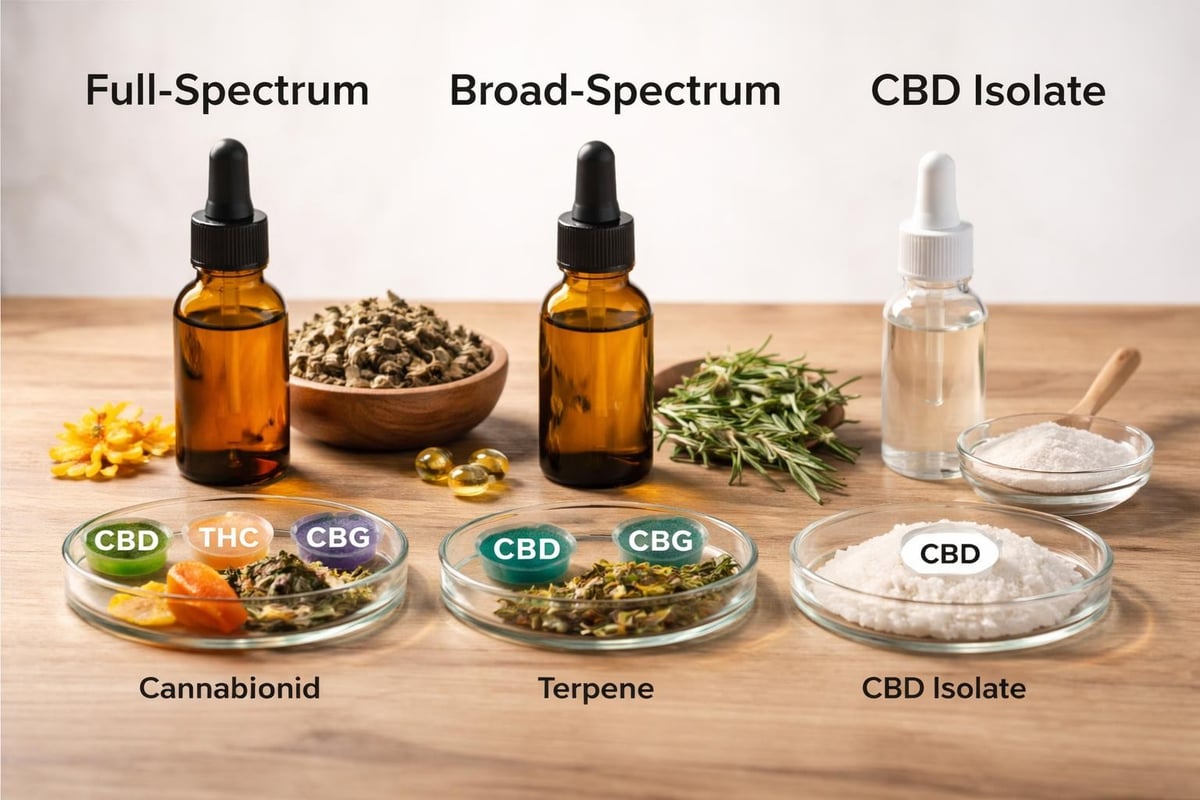
Full-spectrum CBD contains all naturally occurring compounds from the hemp plant, including trace amounts of THC (below 0.3%), other cannabinoids, terpenes, and flavonoids. These compounds may work synergistically to enhance therapeutic effects through what researchers call the "entourage effect."
Broad-spectrum CBD offers similar benefits without any detectable THC. For those concerned about THC content due to employment requirements, personal preferences, or sensitivity to psychoactive compounds, broad-spectrum CBD oil uses provide an excellent alternative.
Terpenes and Migraine Relief
Beyond cannabinoids, hemp-derived terpenes may contribute to migraine management:
- Myrcene: Sedative and muscle-relaxing properties
- Beta-caryophyllene: Anti-inflammatory effects and CB2 receptor activation
- Linalool: Calming and potentially analgesic
- Limonene: Mood-enhancing and anti-inflammatory
These aromatic compounds work alongside CBD to potentially enhance therapeutic benefits, making full-spectrum and broad-spectrum products particularly valuable for comprehensive migraine management.
Integrating CBD into a Comprehensive Migraine Management Plan
Using cbd for migraines works best as part of a holistic approach to headache management rather than as an isolated intervention. Combining CBD with other evidence-based strategies may provide superior results.
Lifestyle Modifications
CBD supplementation can support and enhance the effectiveness of proven migraine management techniques:
- Sleep hygiene: Regular sleep schedules and quality rest
- Stress management: Meditation, yoga, or breathing exercises
- Dietary considerations: Identifying and avoiding trigger foods
- Hydration: Maintaining adequate fluid intake
- Regular exercise: Moderate physical activity when appropriate
These lifestyle factors influence endocannabinoid system function, potentially creating synergy with CBD supplementation.
Tracking and Optimization
Maintaining a migraine diary helps identify patterns and optimize your CBD protocol. Record the following information:
- Migraine onset time and duration
- CBD dose and timing
- Product type used
- Severity rating (1-10 scale)
- Associated symptoms
- Potential triggers
- Relief timeline
This data enables you to refine your approach and identify what works best for your unique situation. Similar principles apply to managing chronic pain with CBD across various conditions.
Quality Standards and Third-Party Testing
The CBD industry remains largely unregulated, making product quality highly variable. Selecting high-quality, tested products is essential for safety and effectiveness when using cbd for migraines.
What to Look for in CBD Products
Certificate of Analysis (COA): Reputable manufacturers provide third-party lab testing results verifying:
- Cannabinoid content accuracy
- Absence of heavy metals
- Pesticide screening results
- Microbial contamination testing
- Solvent residue analysis
Extraction methods: CO2 extraction typically produces cleaner, higher-quality CBD compared to solvent-based methods. This process preserves beneficial compounds while eliminating unwanted contaminants.
Source materials: Hemp grown in the United States under regulated agricultural programs generally offers better quality control than imported products.
Understanding how CBD works at a molecular level can help you appreciate why quality and purity matter for therapeutic applications.
Transparency and Customer Support
Companies committed to quality typically demonstrate:
- Clear ingredient lists and formulation details
- Accessible customer service for questions
- Educational resources about their products
- Batch-specific COAs available for verification
- Transparent sourcing and manufacturing practices
These factors indicate a manufacturer's dedication to customer safety and product efficacy.
Future Directions in CBD Migraine Research
While current evidence suggests promise for cbd for migraines, the scientific community recognizes the need for additional research. Project CBD's information on migraines discusses how CBD may be used as a treatment option while acknowledging gaps in current knowledge.
Ongoing and future research priorities include:
- Randomized controlled trials: Large-scale studies comparing CBD to placebo and standard treatments
- Dosing optimization: Identifying ideal doses for different migraine types and severities
- Mechanism clarification: Better understanding of how CBD affects migraine pathophysiology
- Combination therapies: Exploring CBD alongside conventional treatments
- Long-term safety: Extended studies monitoring chronic CBD use
As research progresses, recommendations for using cbd for migraines will become more refined and evidence-based. Healthgrades provides insights into what patients should know about using CBD for migraines, including considerations for discussing this option with healthcare providers.
Comparing CBD to Traditional Migraine Treatments
Understanding how CBD stacks up against conventional migraine medications can help inform treatment decisions. Each approach offers distinct advantages and limitations.
| Treatment Category | Benefits | Drawbacks |
|---|---|---|
| Triptans | Fast-acting, FDA-approved | Side effects, medication overuse headaches |
| Preventive medications | Reduce frequency | Require daily use, potential side effects |
| CBD | Natural, multi-mechanism, well-tolerated | Limited research, variable quality, not FDA-approved |
| Botox injections | Effective for chronic migraines | Invasive, expensive, requires medical visits |
CBD may offer particular value for individuals who experience side effects from conventional medications or who prefer natural approaches to symptom management. It can also potentially complement existing treatments under medical supervision.
Understanding the broader context of natural alternatives to prescription medications can help you make informed decisions about incorporating CBD into your wellness approach.
Practical Tips for Starting CBD for Migraines
Beginning a CBD regimen for migraine management requires thoughtful planning and realistic expectations. These practical guidelines can help you get started effectively.
Selecting Your First Product
For most people new to using cbd for migraines, sublingual oils offer the best starting point. They provide precise dosing control, relatively quick onset, and flexibility in timing.
Consider starting with a mid-potency option that allows room for dose adjustment in either direction. Products in the 1000-2000mg range provide good value while enabling you to find your optimal dose without requiring excessive dropper volumes.
Timing Considerations
For preventive use: Take CBD at the same time daily, preferably in the morning or early afternoon to avoid potential interference with sleep (though some find CBD promotes better sleep).
For acute treatment: At the first sign of prodrome symptoms or migraine onset, take your predetermined acute dose. Having CBD readily accessible during this window is crucial for maximizing potential benefits.
Setting Realistic Expectations
CBD is not a miracle cure, and individual responses vary considerably. Some people experience dramatic improvement, while others notice modest benefits or no effect at all.
- Allow 2-4 weeks of consistent use to evaluate effectiveness
- Track symptoms objectively rather than relying on subjective impressions
- Be prepared to adjust doses, products, or timing
- Consider CBD as one component of comprehensive migraine management
Patient experiences with CBD for pain conditions like fibromyalgia suggest that consistent, long-term use often yields better results than sporadic application.
CBD for migraines represents a promising natural approach supported by emerging research and growing anecdotal evidence, though individual results vary and more studies are needed to fully understand optimal protocols. If you're ready to explore premium, third-party tested CBD products as part of your migraine management strategy, Reclaim Labs offers a range of full-spectrum and broad-spectrum options designed with quality, transparency, and efficacy in mind. Our commitment to rigorous testing and customer education ensures you receive safe, reliable hemp solutions tailored to your wellness needs.