Muscle pain affects millions of Americans, whether from intense workouts, chronic conditions, or everyday strain. As individuals seek natural alternatives to traditional pain medications, cannabidiol has emerged as a promising option. Understanding how cbd for muscle pain works requires examining the science behind this compound, its interaction with our body's systems, and what current research reveals about its effectiveness. From athletes managing post-workout soreness to individuals with chronic inflammatory conditions, CBD presents a potential pathway to relief without the side effects associated with conventional pharmaceuticals.
Understanding How CBD Interacts With Muscle Pain
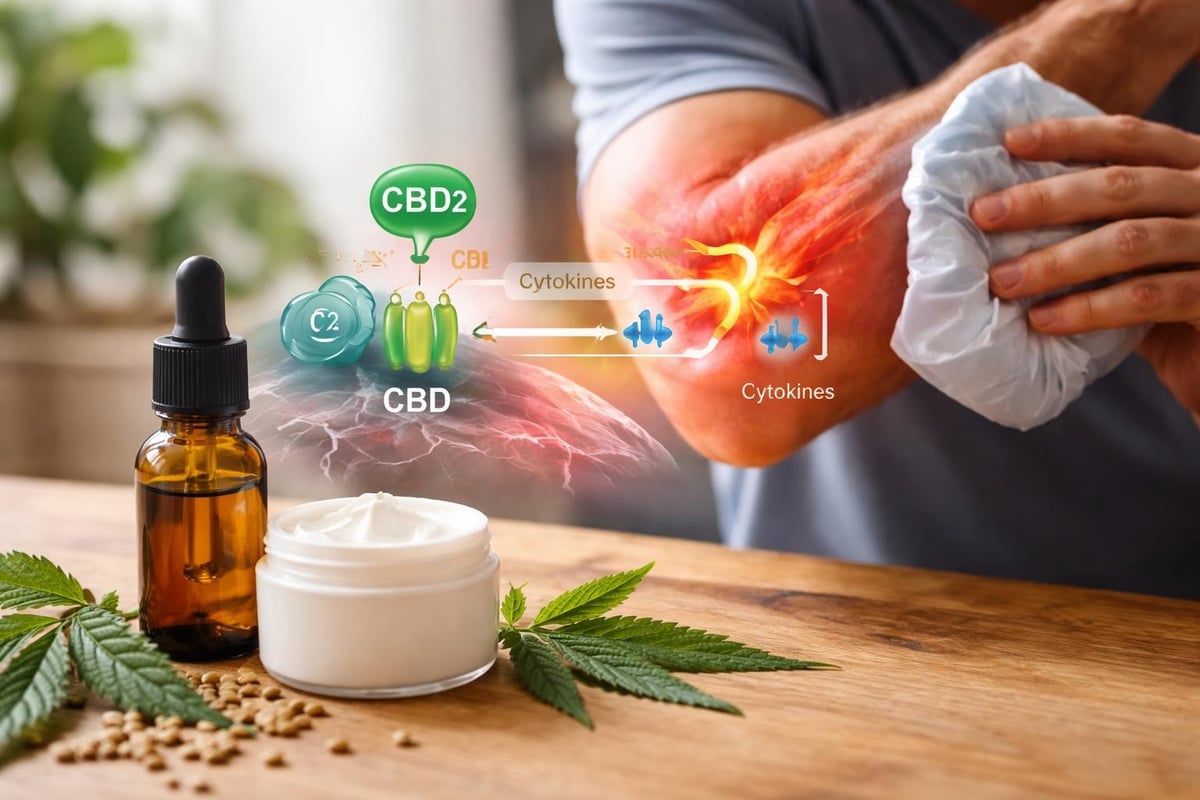
The human body contains an endocannabinoid system (ECS) that regulates numerous physiological processes, including pain perception, inflammation response, and immune function. This complex network consists of cannabinoid receptors (CB1 and CB2), endogenous cannabinoids produced naturally by the body, and enzymes that synthesize and break down these compounds.
CBD works differently than many conventional pain medications. Rather than blocking pain signals entirely, it modulates the ECS to help restore balance. Research published in the Journal of the American Pharmacists Association examines the physiological basis for CBD's pain management properties, noting its potential to reduce inflammation and alter pain perception pathways.
The Inflammation Connection
Muscle pain often stems from inflammation triggered by tissue damage, overuse, or chronic conditions. When muscles experience stress or injury, the body initiates an inflammatory response that recruits immune cells and increases blood flow to the affected area. While this process aids healing, excessive or prolonged inflammation contributes to persistent discomfort.
CBD demonstrates anti-inflammatory properties through multiple mechanisms:
- Inhibition of pro-inflammatory cytokines
- Modulation of immune cell activity
- Reduction of oxidative stress in damaged tissues
- Interaction with TRPV1 receptors that influence pain and inflammation
These actions make cbd for muscle pain particularly relevant for individuals managing conditions like rheumatoid arthritis, where chronic inflammation drives ongoing discomfort.
Different Types of Muscle Pain and CBD Application
Not all muscle pain originates from the same source, and understanding these distinctions helps determine the most effective CBD approach.
| Pain Type | Characteristics | CBD Application Method | Timeframe for Relief |
|---|---|---|---|
| Acute Exercise-Induced | Sharp, immediate, localized | Topical + oral combination | 30 minutes to 2 hours |
| Delayed Onset Muscle Soreness (DOMS) | Peaks 24-72 hours post-exercise | Preventive oral dosing | 4-6 hours |
| Chronic Inflammatory | Persistent, widespread | Consistent daily oral regimen | 2-4 weeks |
| Tension-Related | Stiffness, tightness | Targeted topical application | 15-45 minutes |
Acute Exercise-Induced Muscle Pain
Athletes and fitness enthusiasts frequently turn to CBD for managing post-workout discomfort. A pilot study examining CBD's effects on inflammation and pain following eccentric exercise provides insights into how this cannabinoid might support exercise recovery. The research suggests potential benefits, though individual responses vary considerably.
For those experiencing immediate post-exercise soreness, combining topical and oral CBD products may offer comprehensive relief. Topical formulations deliver CBD directly to affected muscles, while oral consumption provides systemic support for inflammation reduction.
Delayed Onset Muscle Soreness
DOMS presents a unique challenge because it develops hours after exercise and can persist for several days. Research on topical CBD's impact on delayed onset muscle soreness revealed that while CBD application did not significantly alter soreness progression compared to placebo, many users report subjective improvements in comfort levels.
The discrepancy between clinical findings and user experiences highlights an important consideration: CBD effectiveness varies based on individual physiology, product quality, dosage, and application method. What works for one person may not produce identical results for another.
Dosing Strategies for CBD and Muscle Pain
Determining the optimal CBD dosage for muscle pain remains challenging due to limited standardized clinical trials and significant individual variability. However, several principles guide effective dosing strategies.
Start Low and Gradually Increase
Beginning with a conservative dose allows you to assess your body's response without overwhelming your system. For oral CBD products, starting with 10-15mg daily and increasing by 5-10mg every few days enables you to identify your effective threshold.
Consider Body Weight and Pain Severity
Larger individuals or those with more severe muscle pain may require higher doses to achieve desired effects. A general guideline suggests 1-6mg of CBD per 10 pounds of body weight, though this represents a broad range requiring personalization.
Timing Matters
For chronic muscle pain, consistent daily dosing maintains steady CBD levels in your system. Taking CBD with food, particularly meals containing healthy fats, enhances absorption. For acute muscle pain or DOMS prevention, dosing 30-60 minutes before anticipated discomfort or immediately after exercise may provide optimal results.
Full-Spectrum vs. Broad-Spectrum Considerations
Premium CBD products come in different formulations that affect their therapeutic potential:
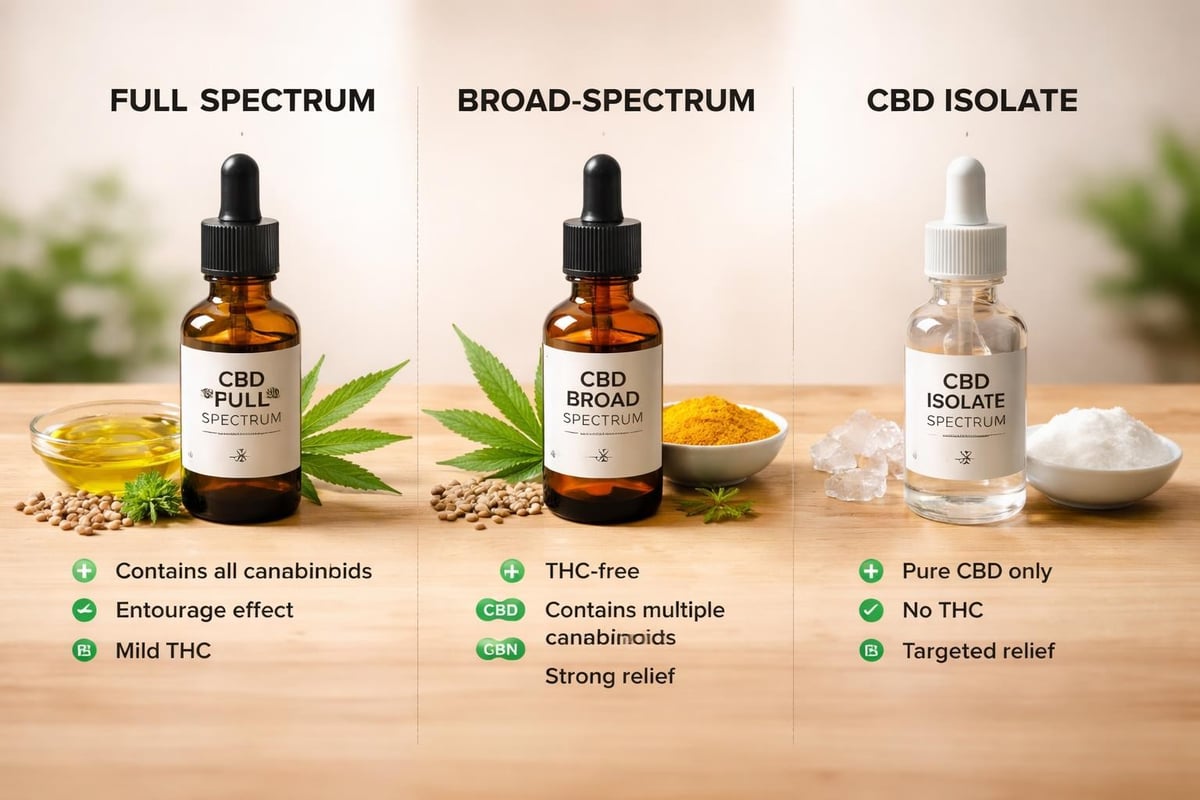
- Full-spectrum CBD: Contains all cannabinoids, terpenes, and flavonoids from the hemp plant, including trace amounts of THC (below 0.3%). The entourage effect suggests these compounds work synergistically for enhanced benefits.
- Broad-spectrum CBD: Includes multiple cannabinoids and terpenes but removes THC entirely, suitable for those avoiding even minimal THC exposure.
- CBD isolate: Pure CBD without other hemp compounds, offering predictable dosing without entourage effect benefits.
For cbd for muscle pain, many users find full-spectrum or broad-spectrum products more effective than isolates, though individual preferences and requirements vary. Understanding CBD hemp oil benefits for pain helps clarify which formulation aligns with your needs.
Application Methods: Topical vs. Oral CBD
The delivery method significantly impacts how CBD addresses muscle pain, with each approach offering distinct advantages.
Topical CBD Applications
Creams, balms, salves, and CBD pain relief patches deliver cannabidiol directly to affected muscles through the skin. This targeted approach provides several benefits:
- Localized relief without systemic effects
- Rapid onset (typically 15-45 minutes)
- Higher CBD concentration at the application site
- Minimal interaction with other medications
- Suitable for spot treatment of specific muscle groups
When selecting topical CBD products for muscle pain, consider formulations that include complementary ingredients like menthol, camphor, or arnica, which enhance cooling or warming sensations and support pain relief.
Oral CBD Products
Tinctures, capsules, and softgels deliver CBD systemically through the digestive system or sublingual absorption. This method suits individuals with:
- Widespread muscle pain affecting multiple areas
- Chronic inflammatory conditions requiring consistent CBD levels
- Preference for convenient, measurable dosing
- Need for longer-lasting relief (4-8 hours typical duration)
Sublingual tinctures placed under the tongue offer faster absorption than capsules, with effects beginning in 15-30 minutes compared to 45-90 minutes for products processed through the digestive system.
Combination Approaches
Many individuals find combining topical and oral CBD provides optimal results for muscle pain management. This strategy addresses discomfort through multiple pathways: systemic inflammation reduction via oral consumption and targeted relief through topical application.
What Current Research Reveals About CBD for Muscle Pain
Scientific understanding of cbd for muscle pain continues evolving as more rigorous studies emerge. Harvard Health Publishing's overview of CBD for pain management acknowledges both the promise and limitations of current evidence, emphasizing the need for larger, controlled clinical trials.
Recent research provides mixed but informative findings. A randomized, double-blind, placebo-controlled study on CBD and CBG-based beverages for DOMS recovery assessed safety and preliminary effects, contributing to our understanding of cannabinoid applications in exercise recovery contexts.
The Challenge of Standardized Research
Several factors complicate CBD research for muscle pain:
- Dosage variability: Studies employ widely different CBD quantities, making direct comparisons difficult
- Product inconsistency: CBD products vary in purity, formulation, and additional compounds
- Individual response differences: Genetic factors, ECS sensitivity, and baseline health status influence outcomes
- Placebo effects: Subjective pain measures may reflect expectation as much as pharmacological action
Despite these challenges, accumulating evidence suggests CBD offers legitimate therapeutic potential for specific types of muscle pain, particularly when inflammation plays a central role.
Self-Reported Outcomes vs. Clinical Measures
A large-scale naturalistic study examining cannabis effects on pain analyzed self-reported pain severity changes, revealing significant perceived improvements. While such studies lack the rigor of controlled trials, they provide valuable real-world insights into how individuals use and experience CBD for pain management.
The gap between clinical trial results and user testimonials suggests that CBD's effects may be more nuanced than binary "works" or "doesn't work" conclusions. Factors like product quality, individual physiology, and appropriate application method likely determine success more than CBD itself.
Quality Considerations When Selecting CBD Products
Not all CBD products deliver equivalent results for muscle pain. Product quality dramatically impacts effectiveness and safety.
Third-Party Laboratory Testing
Reputable manufacturers submit products for independent laboratory analysis to verify:
- CBD concentration accuracy
- Absence of contaminants (heavy metals, pesticides, solvents)
- THC content compliance with legal limits
- Presence of advertised cannabinoid profiles
Quality CBD companies provide certificates of analysis (COAs) accessible to consumers, demonstrating transparency and accountability. When evaluating products for cbd for muscle pain, always review these testing documents.
Extraction Methods
CO2 extraction represents the gold standard for CBD production, preserving beneficial compounds while avoiding harmful residual solvents. Ethanol extraction also produces quality products when properly executed, while some cheaper methods may leave unwanted chemical residues.
Hemp Source and Cultivation Practices
Hemp plants absorb substances from soil, making organic cultivation practices important for producing clean CBD. Domestically grown hemp typically adheres to stricter agricultural standards than imports, though exceptions exist in both categories.
| Quality Factor | What to Look For | Red Flags |
|---|---|---|
| Lab Testing | Accessible COAs from accredited labs | No testing information provided |
| CBD Content | Clearly stated mg per serving | Vague percentage claims |
| Ingredient List | Recognizable, quality ingredients | Proprietary blends hiding contents |
| Company Transparency | Clear contact information, educational resources | Anonymous sellers, exaggerated claims |
| Price Point | Mid-to-premium range reflecting quality | Suspiciously cheap products |
CBD for Specific Muscle Pain Conditions
Different chronic conditions causing muscle pain may respond distinctively to CBD interventions.
Fibromyalgia-Related Muscle Pain
Fibromyalgia creates widespread muscle pain, fatigue, and heightened pain sensitivity. The condition's unclear etiology and varied symptom presentation make treatment challenging. Some fibromyalgia patients report significant relief from CBD, particularly when addressing both pain and sleep disturbances that exacerbate muscle discomfort.
For fibromyalgia-related muscle pain, consistent daily dosing with full-spectrum CBD products may provide better results than sporadic use. The compound's potential to modulate pain perception and reduce systemic inflammation aligns with fibromyalgia's multi-faceted nature.
Arthritis-Associated Muscle Pain
While arthritis primarily affects joints, surrounding muscles often develop pain from compensatory movement patterns and inflammation spread. CBD hemp oil benefits for arthritis extend beyond joint relief to address related muscle tension and discomfort.
Individuals managing arthritis-related muscle pain might benefit from combining oral CBD for systemic inflammation control with topical applications to muscles bearing additional strain from altered movement patterns.
Athletic Recovery and Performance
Athletes face unique muscle pain challenges from intense training, competition stress, and recovery demands. CBD's appeal in athletic contexts stems from its non-psychoactive nature, legal status in most sports organizations, and perceived benefits for inflammation management.
Research exploring CBD's influence on post-exercise inflammatory response contributes to understanding how this cannabinoid might support athletic recovery. While definitive conclusions require additional research, many athletes incorporate CBD into recovery protocols alongside conventional methods like rest, nutrition, and physical therapy.
Potential Side Effects and Considerations
CBD demonstrates favorable safety profiles in research and real-world use, though potential side effects warrant awareness.
Common Mild Side Effects
Some individuals experience:
- Digestive changes (diarrhea, appetite changes)
- Fatigue or drowsiness
- Dry mouth
- Mood alterations
These effects typically occur at higher doses and often diminish with continued use or dosage adjustment.
Drug Interactions
CBD inhibits certain cytochrome P450 enzymes responsible for metabolizing many medications. This interaction can alter drug levels in your system, potentially increasing side effects or reducing effectiveness. Individuals taking prescription medications should consult healthcare providers before starting CBD, particularly those using blood thinners, certain antidepressants, or immunosuppressants.
Quality and Contamination Risks
Low-quality CBD products may contain contaminants, inaccurate CBD concentrations, or excessive THC levels. These issues create health risks and legal concerns, emphasizing the importance of purchasing from reputable manufacturers with transparent testing practices.
Integrating CBD Into Comprehensive Pain Management
CBD for muscle pain works best as part of a holistic approach rather than a standalone solution. Combining CBD with evidence-based pain management strategies maximizes results.
Complementary Approaches
- Physical therapy: Addressing biomechanical issues contributing to muscle pain
- Stress management: Reducing muscle tension from psychological stress
- Sleep optimization: Supporting recovery through quality rest
- Nutrition: Providing building blocks for muscle repair and reducing systemic inflammation
- Appropriate exercise: Maintaining strength and flexibility without overexertion
When cbd for muscle pain becomes one component of comprehensive pain management, individuals often achieve better outcomes than relying on any single intervention.
Tracking Your Response
Maintaining a simple log helps identify patterns and optimize your CBD regimen:
- Record daily CBD dose, timing, and product type
- Note pain levels before and after CBD use (0-10 scale)
- Track sleep quality, stress levels, and activity intensity
- Document any side effects or concerns
- Review weekly to identify trends and adjust accordingly
This systematic approach transforms subjective impressions into actionable data, enabling informed decisions about dosing, timing, and product selection.
Legal Status and Accessibility in 2026
The 2018 Farm Bill legalized hemp-derived CBD containing less than 0.3% THC at the federal level, though state regulations vary. As of 2026, CBD products remain legal in most states with varying restrictions on sales venues, product types, and labeling requirements.
Purchasing Considerations
CBD products are available through:
- Online retailers: Widest selection, often better prices, convenient home delivery
- Specialty CBD stores: Knowledgeable staff, product sampling opportunities
- Health food stores: Curated selections, integration with other wellness products
- Pharmacies: Increasing availability in mainstream retail settings
When purchasing cbd for muscle pain products, prioritize vendors offering third-party testing transparency, clear product information, and responsive customer service. Premium quality justifies higher prices when it ensures safety, effectiveness, and consistency.
Understanding cbd for muscle pain requires examining scientific evidence, individual variability, and practical application strategies. While research continues evolving, current evidence supports CBD's potential as a natural option for managing various types of muscle discomfort, particularly when inflammation plays a central role. If you're seeking premium, third-party tested CBD products designed specifically for pain and inflammation management, Reclaim Labs offers full-spectrum and broad-spectrum solutions crafted with transparency and quality at their foundation, helping you reclaim comfort and mobility naturally.